
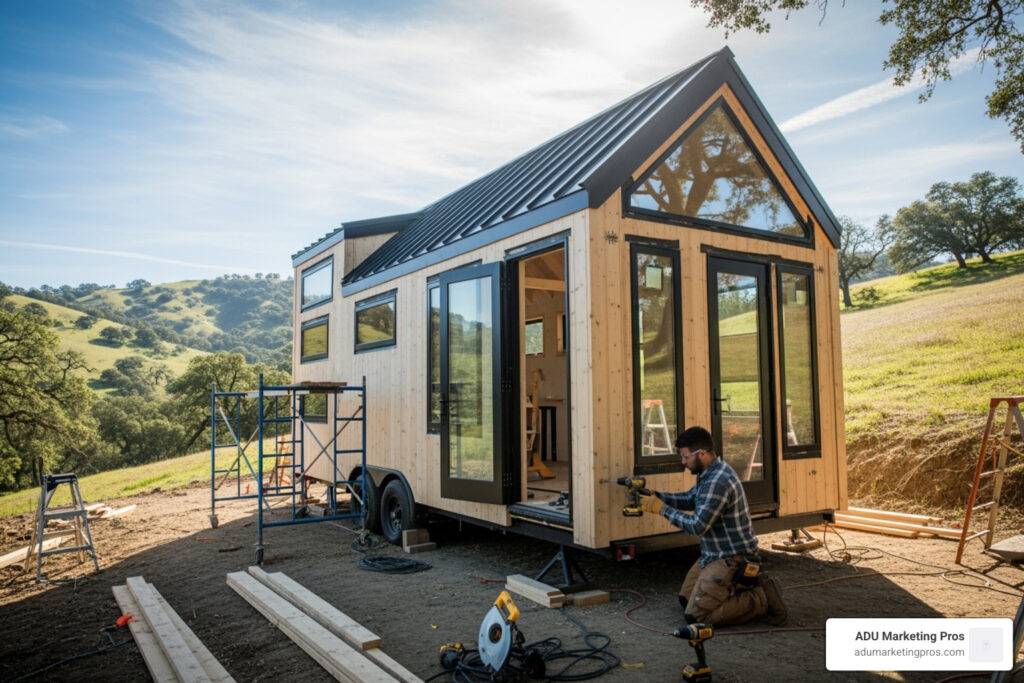
Why California Leads the Tiny House Movement
Tiny house builders in California are at the forefront of a revolution, fundamentally reshaping the concept of homeownership in the Golden State. Faced with some of the nation’s most daunting housing costs—with median home prices in major cities like San Francisco and Los Angeles soaring well over the million-dollar mark—and a deep-seated cultural desire for sustainability, a growing number of Californians are embracing the tiny house lifestyle. It’s no longer a niche curiosity; it’s a viable, attractive path to financial freedom, environmental responsibility, and a simpler, more intentional way of living.
California’s role as a hotbed for tiny house innovation is officially sanctioned. The state’s progressive adoption of Appendix Q of the 2018 International Residential Code for Tiny Houses at a mandatory state level was a landmark decision. This move provided the first statewide, uniform building standards for tiny homes on a foundation (under 400 square feet), legitimizing them as legal, safe dwellings. Furthermore, numerous cities and counties are relaxing zoning standards for tiny homes on wheels (THOWs), recognizing them as effective solutions to the housing crisis. This evolving legal landscape makes it easier than ever to go tiny legally and safely.
Top California Tiny House Builders Leading the Charge:
- California Tiny House (Fresno): A family-owned powerhouse since 2014, known for its deep industry advocacy and legislative work.
- Pacifica Tiny Homes (Pacifica): A prolific builder with over 300 homes completed, offering accessible models starting at $47,900.
- Forever Tiny Homes (Cottonwood): An RVIA-certified builder with over a decade of experience, focusing on durable, high-quality construction.
- Zen Tiny Homes (San Diego): A designer of custom luxury homes featured on HGTV, known for its minimalist, artistic aesthetic.
- Living Vehicle (Santa Barbara): A visionary creator of high-end, self-sufficient mobile homes for ultimate off-grid living.
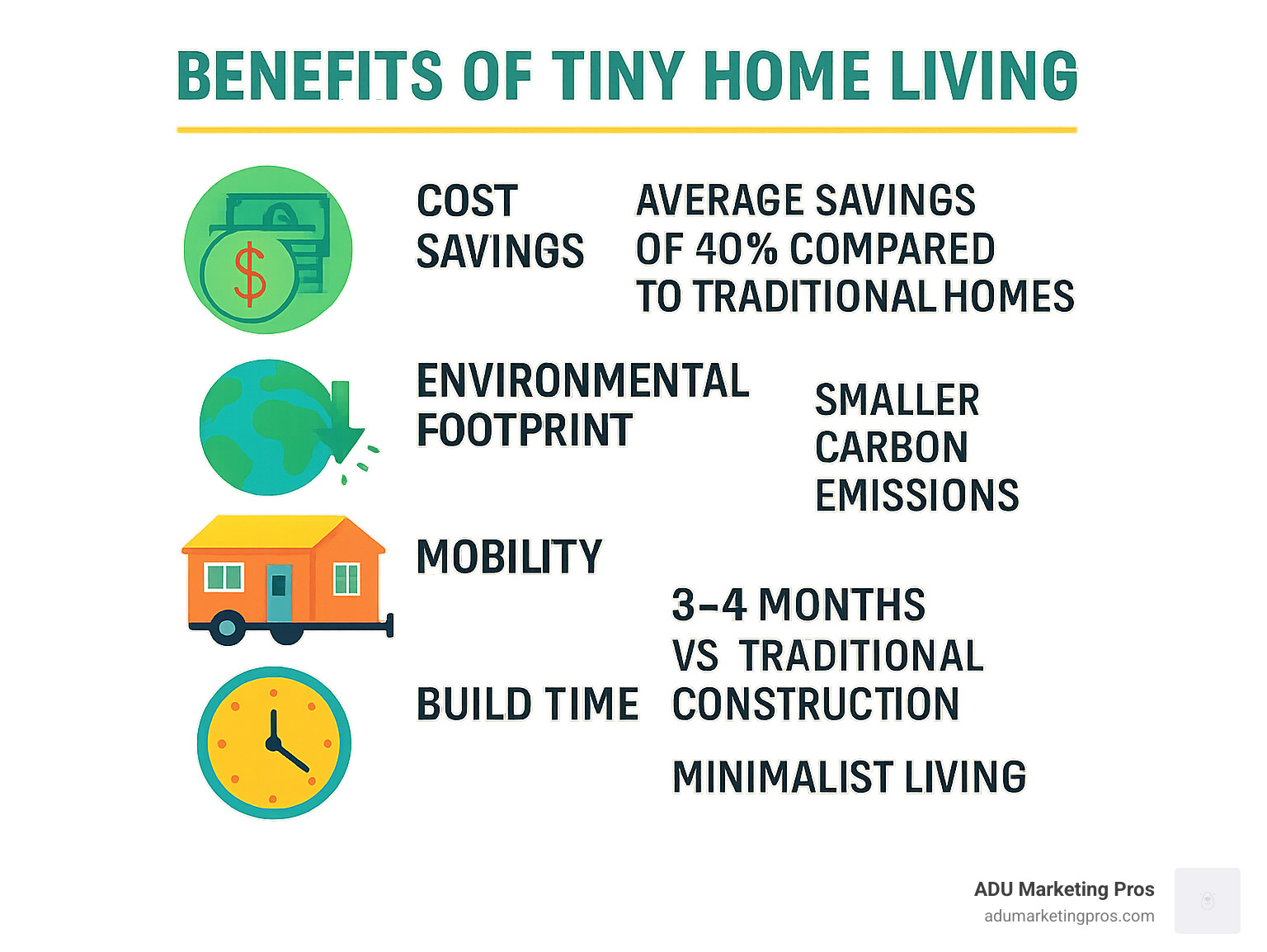
The movement offers a compelling trifecta of benefits: dramatically lower living costs, a significantly reduced environmental impact, and unprecedented mobility and flexibility. As one prominent builder articulates, tiny living provides “a tangible path to a smaller environmental carbon footprint and more financial freedom.” This isn’t just about smaller houses; it’s about bigger lives, unburdened by crippling mortgages and the maintenance of oversized spaces.
Finding the right builder is the most critical step in this journey. With dozens of companies across California, each offering different specialties, construction methods, and price points, making an informed choice is paramount to protecting your investment and realizing your vision.
This comprehensive guide examines the websites and offerings of California’s top tiny house builders, providing the detailed insights you need to find the perfect partner for your tiny living dreams.
What to Look for in a Top California Tiny House Builder
Choosing the right builder is the single most important decision you’ll make on your journey to downsized living. This is more than a construction project; it’s a partnership. You need a team that not only possesses exceptional craftsmanship but also deeply understands the complexities of tiny living, especially within California’s uniquely dynamic and evolving regulatory environment.
Certifications and Legal Compliance
These are the absolute, non-negotiable foundations of a sound investment. The best tiny house builders california hold certifications that protect you and your home. For Tiny Houses on Wheels (THOWs), RVIA (Recreational Vehicle Industry Association) certification is the gold standard. This seal signifies that your home complies with over 500 safety and quality standards for electrical, plumbing, heating, and fire safety—critical for getting insurance, financing, and legal parking in RV parks. If your home is on wheels, the builder must also be registered with the NHTSA (National Highway Traffic Safety Administration), ensuring the trailer chassis, brakes, and lighting systems are built for safe and legal road travel.
Top-tier builders are also fluent in California’s building codes, including Appendix Q for foundation-based homes and local ADU (Accessory Dwelling Unit) ordinances. Their expertise in navigating the differences between an ADU vs. Tiny House can save you from costly mistakes and future legal headaches.
Build Quality and Materials
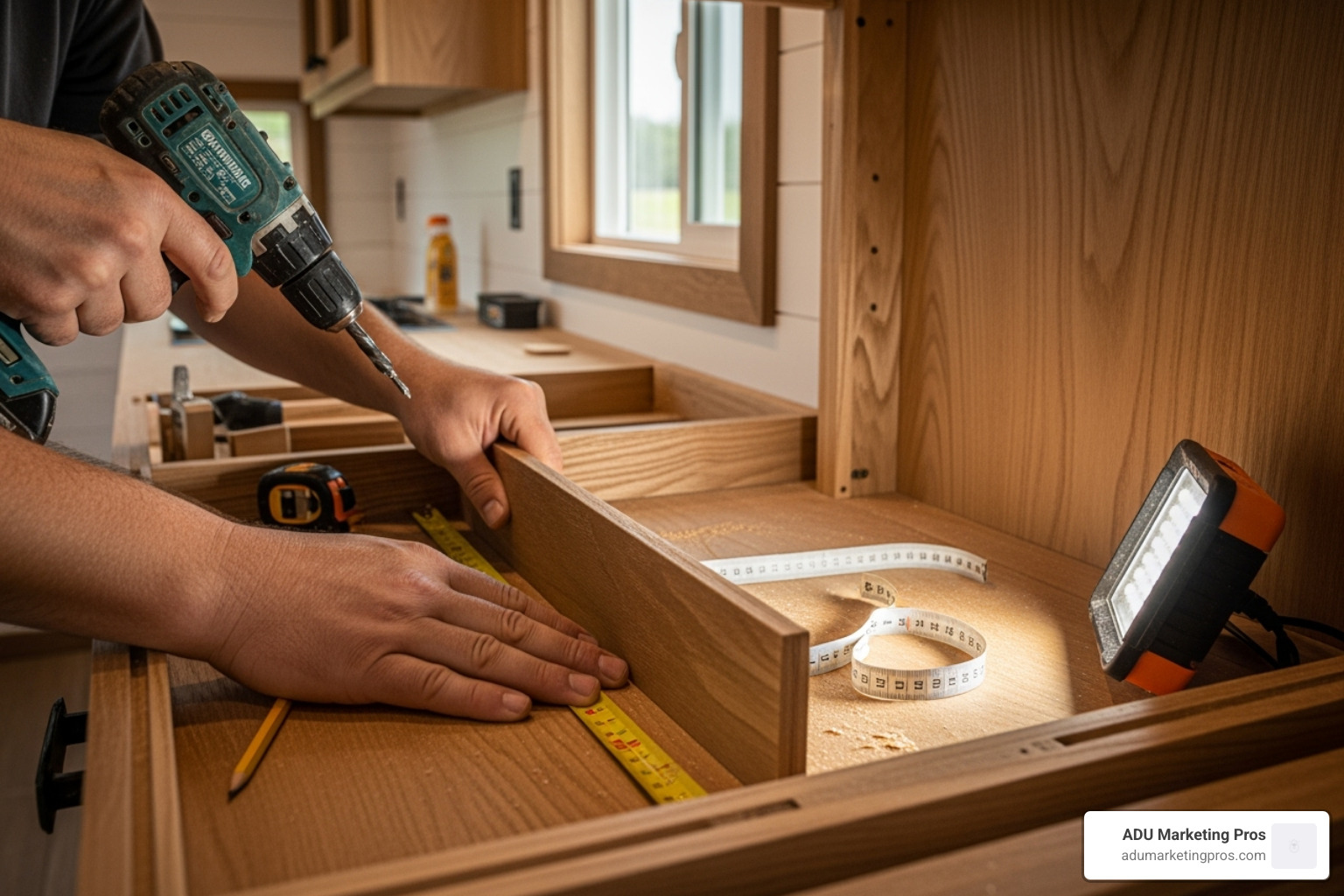
A tiny home must be engineered for durability, efficiency, and mobility. The best builders use high-performance materials that stand the test of time and travel. Look for builders who use Structural Insulated Panels (SIPs) for superior insulation and structural integrity, creating an airtight envelope that lowers energy costs. Inquire about framing (kiln-dried lumber vs. steel), insulation types (closed-cell spray foam offers high R-values and rigidity), and durable, low-maintenance siding. Quality materials also contribute to a healthier indoor environment, a key aspect you can explore by learning about the health and sustainability benefits of SIPs.
Customization Options and Design Flexibility
Your tiny home should be a reflection of your lifestyle. While prefab or stock models offer an affordable and efficient path to ownership, the best builders provide a spectrum of customization. This can range from selecting finishes, fixtures, and color palettes to designing a completely unique floor plan from the ground up. Do you need a dedicated workspace, a ground-floor bedroom, or specialized storage for outdoor gear? A great builder will work with you to translate your needs into a functional, beautiful design. For a truly bespoke home, consider collaborating with Architects in Southern California Who Design Tiny Houses who can partner with your builder.
Warranty and After-Sales Support
A reputable builder stands behind their work. Look for a comprehensive warranty—typically a one-year warranty on the overall construction, with potential extended warranties on structural components, roofing, and windows passed on from the manufacturers. Clear, consistent communication during the build process is just as important as the warranty itself. Ask about their process for handling post-delivery issues and how they support their clients long-term.
Financing Assistance and Guidance
Financing a tiny home is not like securing a traditional mortgage. The lending landscape is unique, and navigating it alone can be frustrating. Experienced builders often cultivate relationships with specialized lenders who understand the asset class. A builder who can provide a list of trusted financing partners or offer in-house assistance can save you significant time and stress, helping you effectively steer your financing options and get one step closer to your tiny home.
5 Top Websites for Tiny House Builders California
After an exhaustive review of dozens of builders across the state, we’ve identified five companies whose websites—and the work they represent—stand out for their transparency, build quality, and unwavering customer focus. These tiny house builders california represent the pinnacle of the industry, each carving out a unique niche and serving a distinct type of tiny home dreamer.
Whether you’re seeking an accessible starter model to combat the affordability crisis, a rugged off-grid machine for nomadic adventures, or a luxurious, custom-crafted sanctuary, these builders’ websites make it easy to understand their process, explore their models, and envision your future. Let’s dive into what makes each one exceptional.
California Tiny House (Fresno, CA)
California Tiny House is far more than a builder; they are foundational pillars of the tiny house movement itself. This family-owned business has been a driving force since 2014, and their deep commitment to industry advocacy is evident across their website. They actively work on shaping legislation, partner with high schools and colleges to develop tiny house construction curricula, and serve as a Voting Member of the ICC Movable Tiny Home Standard committee. This dedication to education and legalization means they possess an unparalleled understanding of California’s complex regulatory environment, offering clients immense peace of mind.
Their portfolio of custom builds and THOWs showcases breathtaking craftsmanship and innovation, featuring everything from automated moving walls to gourmet kitchens fit for a professional chef. Their website is a treasure trove of information, with an extensive project gallery that highlights their versatility and a detailed FAQ section that addresses critical questions about law and logistics. We highly recommend you View their project gallery to witness their masterful blend of functional design and beautiful execution.
Pacifica Tiny Homes (Pacifica, CA)

Born from a direct response to the state’s housing affordability crisis, this woman-owned business has successfully built and delivered over 300 homes, with a clear mission to provide quality and value. Their website immediately cuts through the ambiguity that often surrounds pricing in the industry. With transparent starting prices, such as the popular Bay Cottage beginning at just $47,900 and their family-friendly 2.0 Models starting at $79,900, they provide clear, accessible entry points for aspiring tiny homeowners.
Pacifica’s RV classification approach is a key part of their strategy. By building their THOWs to meet RV standards, each home comes with a Vehicle Identification Number (VIN), which significantly simplifies the processes for financing, insurance, and legal placement in RV parks. The website’s use of immersive video tours gives prospective buyers a genuine and detailed feel for each model’s layout and space. Their straightforward financing information page helps you understand your purchasing power upfront. You can Explore their affordable models and begin planning your tiny journey with budget clarity and confidence.
Forever Tiny Homes (Cottonwood, CA)
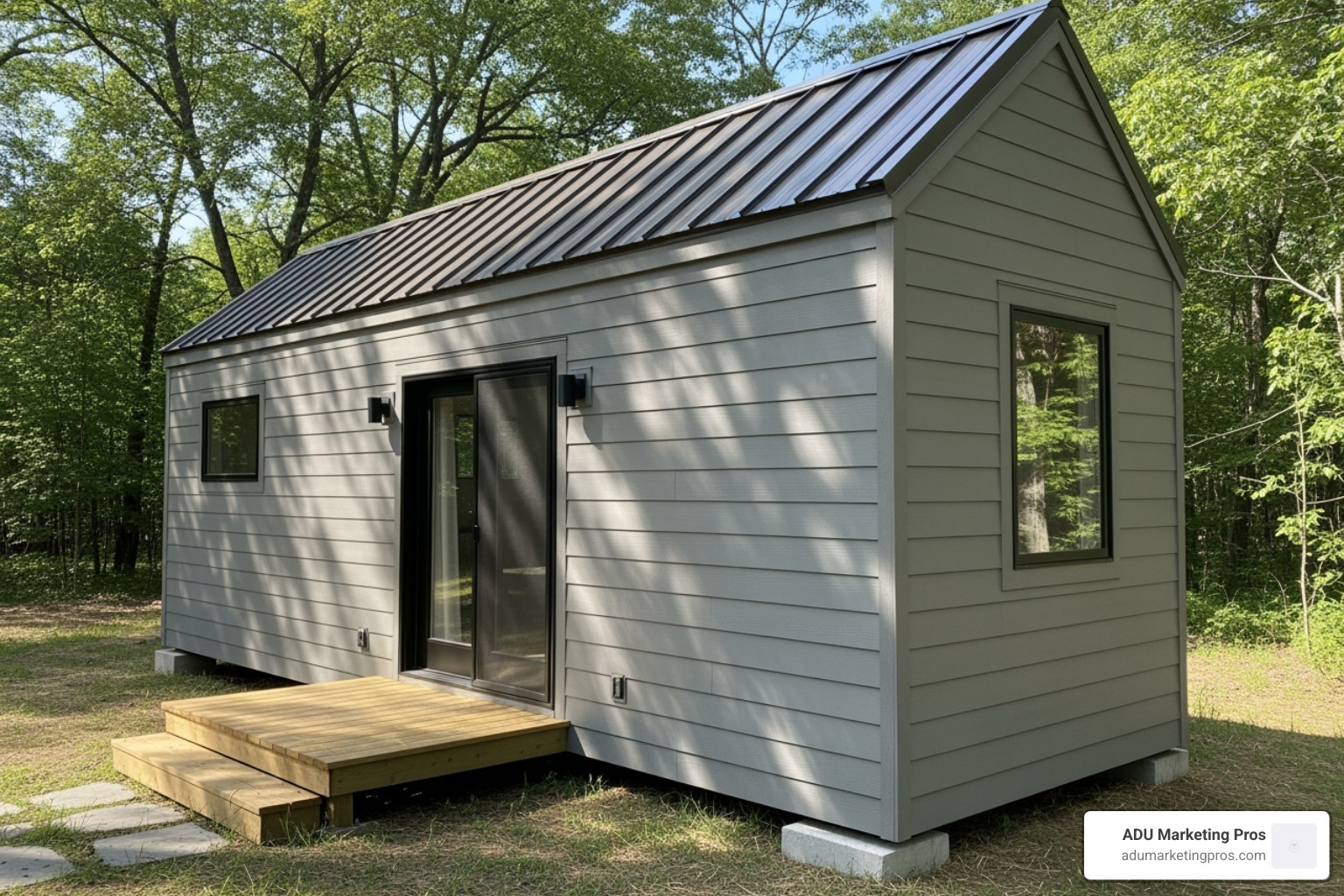
With over a decade of construction experience and a coveted RVIA certification, Forever Tiny Homes, a minority woman-owned business, has built its reputation on the bedrock of construction quality. Their website serves as a master class in durable building practices. They emphasize the use of high-quality, resilient materials, such as fiber cement board siding (which boasts a Class A fire rating—a crucial feature in California), heavy-duty 24-gauge standing seam metal roofs, and thick rigid foam board insulation for superior thermal performance.
Their popular models, like the Forever 32′ Suite and Forever 24′ Studio, come standard with premium features like waterproof LVP flooring, elegant quartz countertops, and soft-close cabinets. Safety is paramount, with fire extinguishers, smoke detectors, and DOT-compliant trailer lights included in every build. The website’s “Features Overview” page is exceptionally thorough, not just listing the materials they use, but explaining why they were chosen. When you Learn about their build quality, you’re gaining an education in what separates a lasting, durable home from a quickly assembled structure.
Zen Tiny Homes (San Diego, CA)
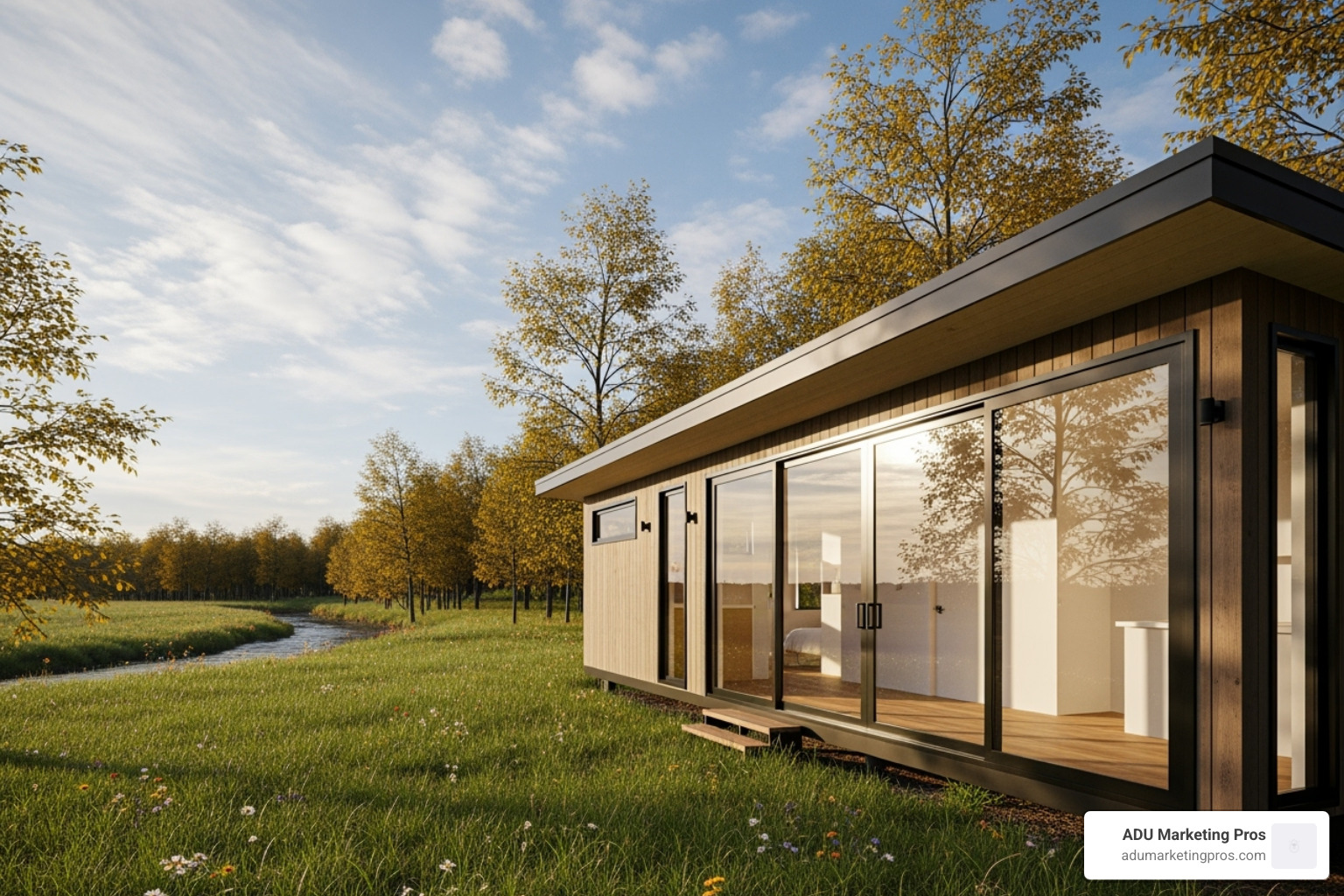
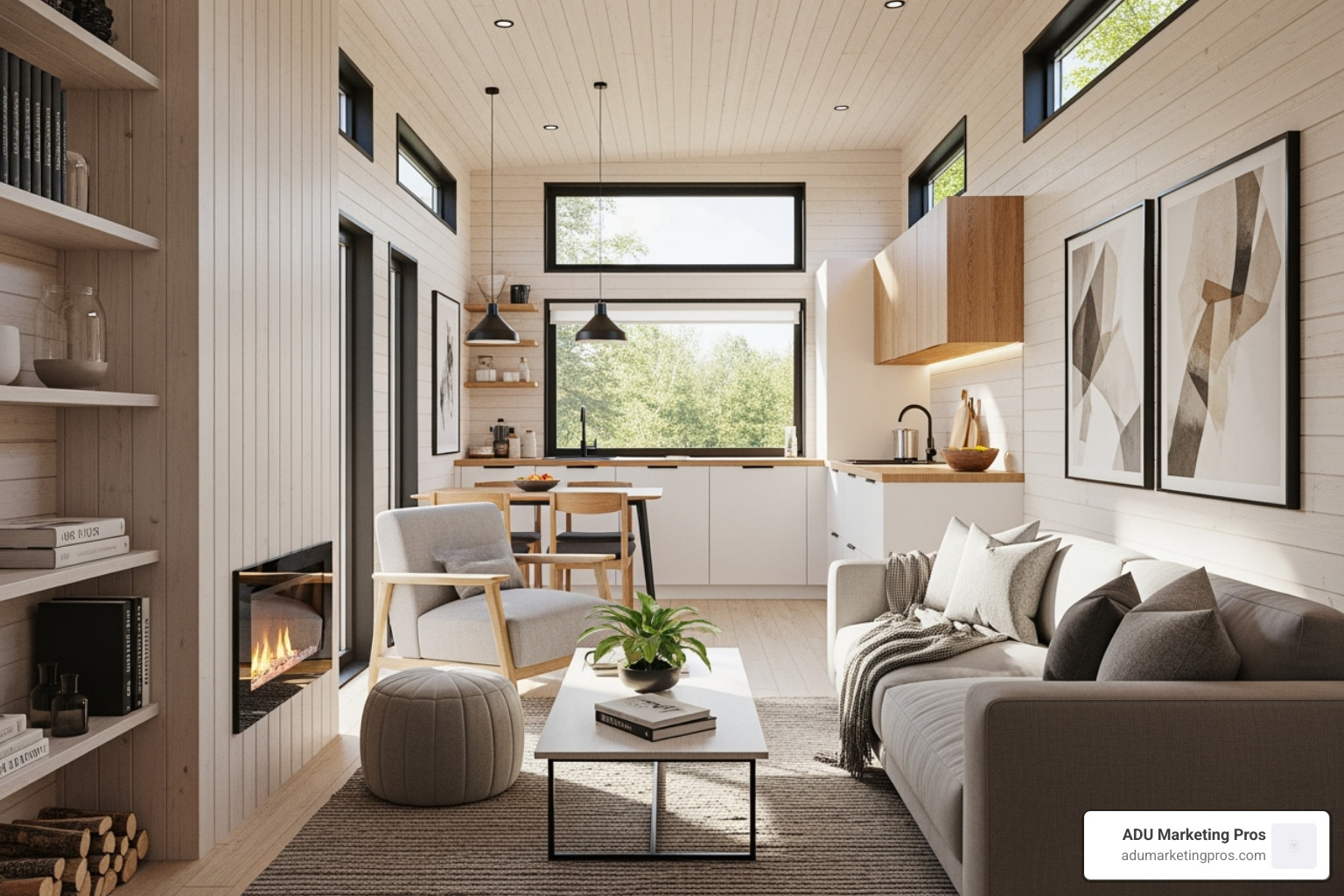
As San Diego’s premier tiny home builder, Zen Tiny Homes has garnered national attention with features on HGTV, A&E, and CBS. They specialize in fully custom-built homes that are a direct reflection of each owner’s personal vision and aesthetic. Their website is a gallery of modern artistry, showcasing sleek, minimalist designs characterized by clean lines, natural materials, and expansive use of glass, such as large bifold or garage-style doors that masterfully blur the line between indoor and outdoor living.
The collaborative client experience is their core differentiator. The Zen team works intimately with you throughout a detailed design process, ensuring your unique ideas—from floor-to-ceiling windows to innovative, space-saving storage solutions—are incorporated into the final build. The website’s high-quality visual gallery effectively demonstrates their artistic approach and meticulous attention to detail, while the prominent media features build instant credibility and trust. See their portfolio to witness how they elevate tiny spaces into stunning, one-of-a-kind architectural homes.
Living Vehicle (Santa Barbara, CA)
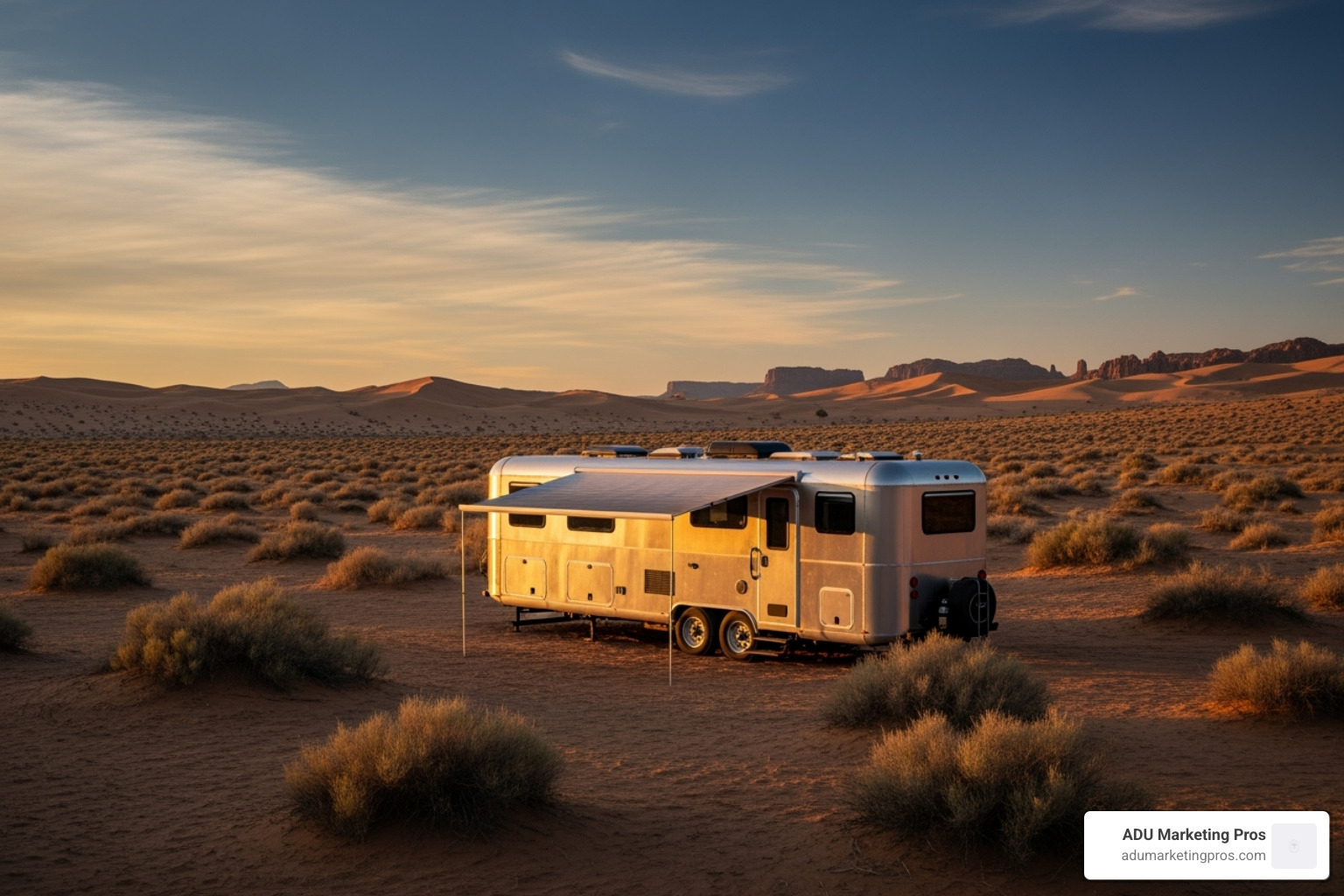
Founders Matthew and Joanna Hofmann didn’t just set out to build a better trailer; they crafted a vision for the future of mobile living. Living Vehicle relentlessly pushes the boundaries of luxury, off-grid, nomadic living. These are not traditional tiny houses; they are technologically advanced, exceptionally engineered portable homes designed for extended, self-sufficient adventures in ultimate comfort.
The all-aluminum structure, akin to an Airstream but with a modern, marine-grade chassis, provides incredible durability and longevity. Their industry-leading solar power systems, advanced water generation and recycling capabilities, and massive energy storage options enable true independence from public utilities. Luxury details abound, from a 9-foot bifold entry door that creates an expansive patio space to a spa-like bathroom and chef’s kitchen. Their website perfectly reflects this visionary branding, offering an immersive user experience with detailed technical specifications that appeal to discerning, tech-savvy buyers. If you are seeking true, uncompromised mobile freedom, Find off-grid living through their groundbreaking and innovative designs.
The Tiny Home Journey: A Practical Guide for Californians
Ready to transform your tiny home dream into a tangible reality? After exploring the incredible offerings from tiny house builders california, it’s time to shift focus to the practical steps of the journey. A clear understanding of the costs, timelines, and the purchasing process will empower you to navigate this exciting adventure with confidence and clarity.
Understanding the Costs and Build Times for tiny house builders california
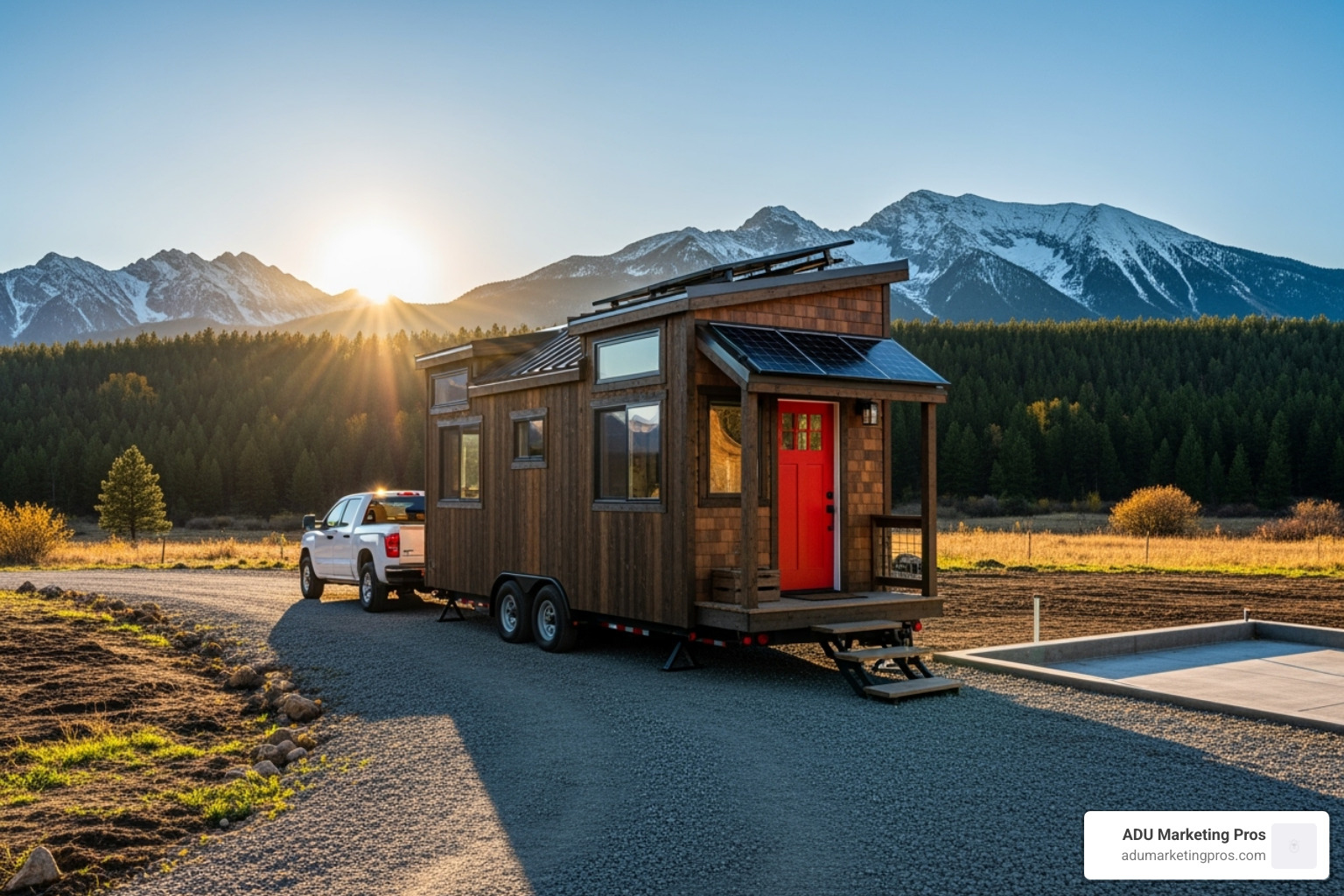
The investment for a new tiny home in California typically ranges from $50,000 to $160,000+, though this can vary significantly. Builders like Pacifica Tiny Homes offer accessible models starting under $50,000, while high-end, custom, or off-grid models from builders like Living Vehicle can exceed $300,000.
Key factors that influence the final price include:
- Prefab vs. Custom: Standardized, pre-designed models are more affordable due to streamlined processes and bulk material purchasing. A fully custom home commands a premium for the dedicated design hours and unique construction requirements.
- Size and Complexity: A simple 20-foot, single-loft design will cost considerably less than a 32-foot model with multiple slide-outs, complex rooflines, and ground-floor bedrooms.
- Finishes and Materials: The choice of materials has a major impact. Luxury countertops (quartz vs. laminate), custom cabinetry, high-end appliances, and premium siding all add to the cost but also enhance the home’s value, durability, and aesthetic.
- Off-Grid Features: A comprehensive solar power system with battery storage, water collection and filtration systems, and composting toilets require a significant upfront investment but offer long-term savings and independence from utilities.
- Hidden Costs: Remember to budget for expenses beyond the build itself, such as sales tax, delivery fees, site preparation, foundation work (if applicable), and utility hookups.
Build times are just as variable. Standard models can often be completed in 3-4 months. However, fully custom projects can require 6-12 months from initial design to final delivery, depending on the complexity of the build and the builder’s current production schedule. Some builders may have ready-to-ship models available for immediate purchase.
The Purchasing and Delivery Process for tiny house builders california
Once you’ve selected your builder, the process generally follows a clear, structured path:
- Initial Consultation & Design: This is a deep dive into your vision, needs, lifestyle, and budget. For custom builds, this phase involves collaborative work on blueprints and 3D renderings. For standard models, you’ll select your preferred layout, finishes, and any available upgrade packages.
- Contract and Deposit: You’ll receive a detailed contract outlining the full scope of work, material specifications, total cost, payment schedule, and projected timeline. A non-refundable deposit, typically 30-50% of the total cost, is required to secure your production slot and begin the build.
- Construction Phase: Your home is built in the builder’s facility. Reputable builders provide regular progress updates with photos and videos, and may invite you for a mid-build walkthrough.
- Final Walkthrough and Payment: Before delivery, you’ll conduct a final, thorough inspection of the completed home to ensure it meets all specifications and quality standards. The final payment is typically due at this time.
Delivery and placement are the final steps. Most builders coordinate delivery through insured, professional third-party services. Costs are usually calculated by the mile. For sites with difficult access, crane services may be necessary at an additional cost. Before the home arrives, you are responsible for site preparation. For a THOW, this means a level, compacted pad (like gravel or concrete). For a permanent ADU, this involves a legally permitted foundation. Finally, you’ll need to arrange for utility hookups for water, sewer/septic, and electricity. For help finding a suitable property, our Small Houses for Sale resource offers valuable insights and listings.
Frequently Asked Questions
We understand that embarking on the tiny home lifestyle comes with a host of questions. Here are detailed answers to some of the most common concerns for aspiring tiny homeowners in California.
What’s the difference between a tiny house and an ADU in California?
This is one of the most critical distinctions for anyone working with tiny house builders california, as it dictates legality, placement, and financing. The primary difference is permanence and legal classification.
A Tiny House on Wheels (THOW) is constructed on a trailer chassis and is legally classified as a Recreational Vehicle (RV), provided it is certified by the RVIA. It receives a Vehicle Identification Number (VIN), is registered with the DMV, and is insured like an RV. Its main advantage is mobility. The primary challenge is finding legal, long-term parking, as many municipalities restrict full-time living in RVs outside of designated parks.
An Accessory Dwelling Unit (ADU), even if it’s tiny, is a permanent residential structure built on a foundation. It is governed by traditional building codes (often including Appendix Q for tiny homes) and is legally considered real property. It adds to the property’s assessed value, can be rented out long-term, and can be included in a traditional mortgage or home equity loan. An ADU’s main advantage is its legal stability and value as a real estate asset.
In short: if your goal is to add a legal rental unit, an in-law suite, or a home office to your property, an ADU is the correct path. If you dream of a nomadic lifestyle, require the flexibility to move, or do not own land, a THOW is likely the better fit. Our in-depth guide on ADU vs. Tiny House explores these differences further.
Where can I legally place a tiny home in California?
California’s tiny home regulations are a complex patchwork that is constantly evolving and varies significantly by location. Zoning laws differ dramatically from city to city and county to county, so what is permissible in Fresno may be prohibited in a coastal community.
For foundation-based tiny homes (ADUs), California’s state-level adoption of Appendix Q of the 2018 International Residential Code creates a clear building standard, making it much easier to obtain permits for these structures as backyard cottages or ADUs.
For THOWs, your legal placement options generally include:
- RV parks: The most straightforward option, offering existing utility hookups.
- Tiny home communities: These planned communities are becoming more common and are specifically designed and zoned for tiny living.
- Private property: This is the most complex option. Some progressive cities like Los Angeles, San Diego, and Fresno have passed ordinances that allow THOWs to be placed on the lots of single-family homes as accessory dwelling units, provided they meet certain standards.
Always start by researching the specific ordinances of the city or county where you plan to live. Many tiny house builders california are knowledgeable about the regulations in their area and can offer guidance. Our resource on Land for Sale in Southern California for Tiny Houses can also aid in your search.
How do I finance a tiny home in California?
Financing a tiny home requires looking beyond traditional 30-year mortgages, but a growing number of viable options exist.
- RV Loans: This is the most common financing method for RVIA-certified THOWs. Lenders treat the home as a recreational vehicle. Terms are typically shorter (5-15 years) and interest rates may be slightly higher than mortgages, but they are widely available from banks, credit unions, and specialized lenders.
- Personal Loans: An unsecured personal loan can be used for any purpose, including buying a tiny home. These are often quick to obtain but usually come with higher interest rates and shorter terms than secured loans.
- Home Equity Loans or HELOCs: If you are a current homeowner, you can leverage your property’s equity. This is an excellent, low-rate option, especially for financing the construction of a permanent tiny home ADU.
- Builder Financing: Many top builders have established relationships with specialized lenders who understand the tiny home market. Companies like 21st Mortgage focus specifically on manufactured and tiny homes, which can streamline the application and approval process significantly.
How does tiny home insurance work?
For a THOW, you’ll need an RV insurance policy. It’s crucial to find a provider who understands that you’ll be living in the unit full-time, not just using it for recreation. A good policy will cover personal property, liability, and the structure itself. RVIA certification is often a prerequisite for obtaining the best coverage.
For a permanent tiny home on a foundation (ADU), it is typically covered under your existing homeowner’s insurance policy. You’ll need to contact your provider to add the new structure to your policy, which will likely increase your premium to reflect the increased replacement value of your property.
Conclusion: Your Path to Tiny Living in the Golden State
The tiny house movement in California is far more than a fleeting trend—it’s a powerful and practical response to some of the most pressing challenges of our time. It represents a tangible path to financial flexibility, a commitment to environmental sustainability, and a conscious shift toward a simplified, more intentional lifestyle. It is a deliberate choice to prioritize experiences over possessions and intentional living over excess.
The benefits are compelling and clear: dramatically lower living expenses, significantly less time spent on maintenance, and the unparalleled freedom to live a more mobile, flexible life. Choosing to build one of these Eco-Friendly Small Homes also means drastically reducing your environmental footprint, allowing you to align your housing choices with your personal values.
When beginning your search, focusing on local tiny house builders california offers distinct and powerful advantages. California-based builders possess an intimate understanding of the state’s unique and complex regulatory landscape, from the nuances of Appendix Q to the specifics of local zoning and fire-safety building codes. This localized expertise can save you an immense amount of time, money, and potential frustration. Furthermore, choosing a local builder means reduced delivery costs and the personal satisfaction of supporting the regional economy.
At ADU Marketing Pros, our mission is to help exceptional builders connect with clients who value quality, craftsmanship, and vision. We firmly believe that when builders can effectively communicate their expertise and passion, clients are empowered to find the perfect partner to bring their tiny living dreams to life.
The journey to tiny living is more achievable now than ever before. Whether you are drawn to the remarkable affordability of Pacifica Tiny Homes, the boundary-pushing luxury of Living Vehicle, or the artistic, custom craftsmanship of Zen Tiny Homes, a California builder is ready to guide you. Your tiny house—and the freedom, simplicity, and joy it represents—is closer than you think.