
Why Prefab Home Builders Are Changing Modern Construction
In an era of housing shortages and soaring construction costs, prefab home builders are revolutionizing how we build and buy homes. They offer a smarter, more efficient alternative to traditional construction that directly addresses modern challenges. By building the majority of a home in a weather-controlled factory, they deliver sturdier, more energy-efficient homes on a predictable timeline and budget. This innovative method eliminates the common pitfalls of conventional site-built projects, such as weather delays, material damage, and labor shortages, which can derail schedules and inflate costs.
The advantages are significant and measurable. Some companies can build a custom home up to 60 percent faster than traditional builders, while homeowners frequently report energy savings of 30-50% on annual utility bills. This powerful combination of efficiency, quality, and performance is why the prefab industry has exploded in popularity, with over 169 modular manufacturers in the U.S. alone and countless more specializing in other prefab methods.
Key types of prefab construction include:
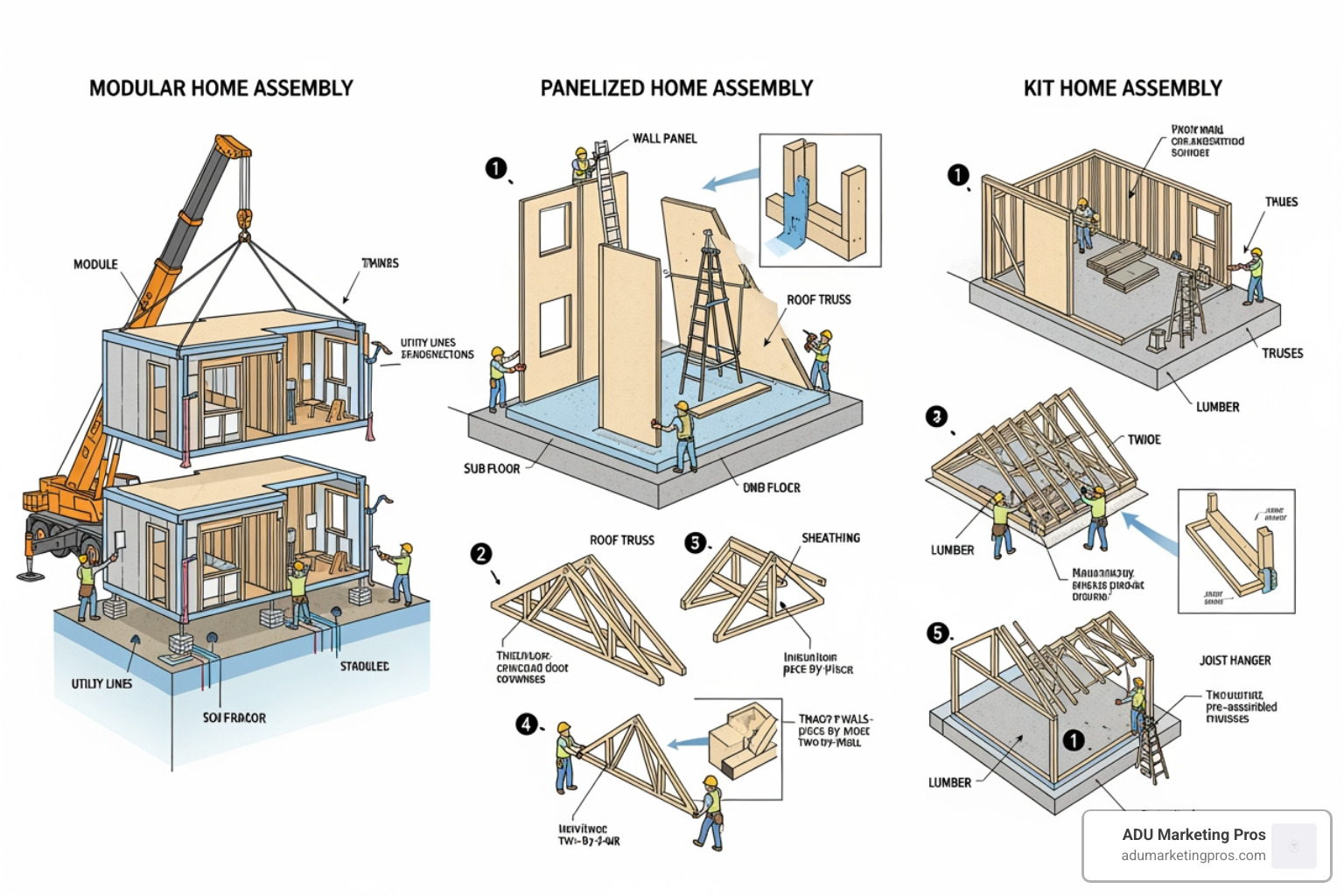
- Modular Homes: The most complete form, these homes are 60-90% factory-built as three-dimensional modules and assembled on-site in days.
- Panelized & Kit Homes: These involve factory-built wall panels (panelized) or a complete package of pre-cut materials (kit) that are assembled on-site.
- Turnkey Builders: A comprehensive service where the builder manages the entire process, from initial design and permitting to final move-in, offering homeowners a streamlined, stress-free experience.
Every prefab home is precision-engineered for maximum structural strength and undergoes rigorous third-party inspections for quality, safety, and code compliance before ever leaving the factory. For anyone looking to build a custom, high-quality home on a fixed budget and a tight schedule—typically just 4-12 months from design to move-in—understanding the world of prefab is essential.
The Prefab Advantage: Why Speed, Quality, and Sustainability Are Winning Over Homebuyers
Building a new home should be an exciting journey, not a stressful, unpredictable ordeal. This is where prefab home builders deliver a superior experience that traditional construction struggles to match, built on the core pillars of speed, quality, and sustainability.
Speed is the most dramatic benefit. Prefab construction can be up to 60 percent faster than conventional methods because it allows for a parallel workflow. While your general contractor is preparing the site—clearing land, grading, and pouring the foundation—your home’s modules are already being framed, insulated, and finished in a factory. This simultaneous progress can shave six months or more off your total project timeline, getting you into your new home sooner and reducing carrying costs on your construction loan.
This speed never comes at the expense of quality. In fact, quality is often superior. Building indoors protects lumber and other materials from weather damage like rain, snow, and humidity, which prevents issues like warped studs, mold growth, or soggy drywall. Inside the factory, skilled craftspeople use precision jigs and machinery to ensure every component is built to exact specifications, resulting in tighter seams and stronger structures. Modules are engineered to be incredibly robust—often exceeding traditional standards—to withstand the rigors of transportation and craning. Furthermore, they undergo multiple rounds of third-party inspections for structural integrity, code compliance, and safety before leaving the factory, a level of quality control that is simply impossible on an open-air construction site.
Financially, prefab offers unparalleled predictability. Most builders provide fixed-price contracts early in the design phase, so you know your total cost upfront. This transparency eliminates the risk of surprise charges from material price spikes, weather delays, or unexpected labor costs, allowing you to budget with confidence and avoid the financial anxiety common with site-built projects.
Sustainability is another core advantage. Factory construction dramatically reduces material waste—sometimes by up to 90%—through precision cutting, inventory management, and on-site recycling programs. This process also minimizes site disruption, reducing noise, dust, and traffic in your neighborhood. The homes themselves are highly energy-efficient, often built to meet or exceed standards like ENERGY STAR® or even the U.S. Department of Energy’s Zero Energy Ready Home™ program. Thanks to tight construction, superior insulation, and high-performance windows, homeowners can see savings of 30-50% on annual energy bills. These efficient designs are not only good for the planet but also for your long-term financial health. For more on creating an energy-efficient home, the U.S. Department of Energy – Energy Saver is an excellent resource.
Understanding the Types of Prefab Homes
“Prefab” is an umbrella term for several distinct building methods, each with its own process and level of on-site involvement. Choosing the right type is crucial for your project’s success, so it’s important to understand the differences when selecting from prefab home builders.
Modular Homes: The All-in-One Solution
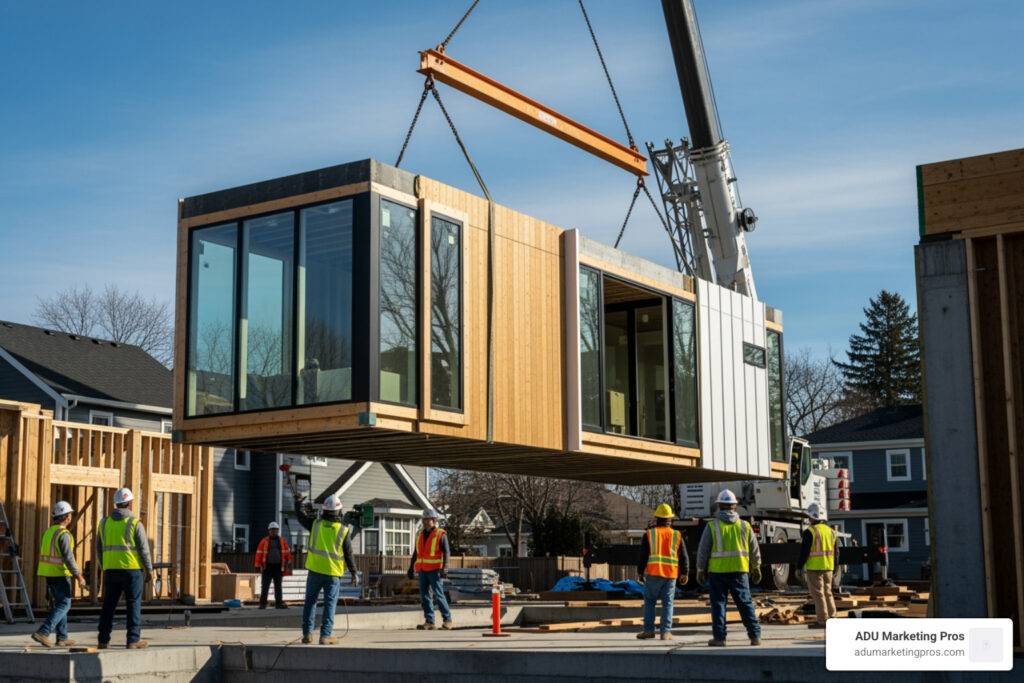
Modular homes represent the most complete form of prefab construction. Entire three-dimensional sections of the home, or “modules,” are built in a factory—often with plumbing, electrical, windows, flooring, and even cabinetry already installed. These modules are then transported to your site, lifted by a crane onto a permanent foundation, and expertly joined together in a matter of days. With 60-90% of the work completed off-site, this method drastically cuts down construction time and on-site disruption. Crucially, modular homes are built to the same local and state building codes as traditional site-built homes, ensuring they qualify for standard mortgages, are appraised similarly, and appreciate in value over time.
Panelized and Kit Homes: A Hands-On Approach
For those who want more involvement or have a builder they already trust, panelized and kit homes offer a great middle ground. Panelized homes consist of factory-built wall, floor, and roof panels that are shipped flat to your site for assembly. This can include pre-framed walls or advanced Structural Insulated Panels (SIPs) that combine framing, insulation, and sheathing into one component. This method is significantly faster than stick-building but requires more on-site labor to assemble the shell and finish the interior. Kit homes provide a comprehensive package of pre-cut, labeled materials and detailed blueprints, allowing a homeowner or contractor to assemble the entire structure. Both options offer significant design flexibility and can be a cost-effective choice for those willing to manage more of the build process.
Manufactured Homes: Understanding the Distinction
It’s important not to confuse modular homes with manufactured homes (formerly known as mobile homes). While also factory-built, manufactured homes are constructed to a single, national HUD code, not local building codes. They are built on a permanent steel chassis, which is used for transportation and remains part of the structural system. This key distinction affects financing options (often chattel loans instead of traditional mortgages), zoning regulations (they are often restricted to specific communities), and long-term resale value. For projects in competitive real estate markets like the San Francisco Bay Area or Los Angeles, modular and panelized homes are the preferred choice as they align with traditional real estate values and meet stringent local building standards.
Your Blueprint to a New Home: The Prefab Construction Timeline
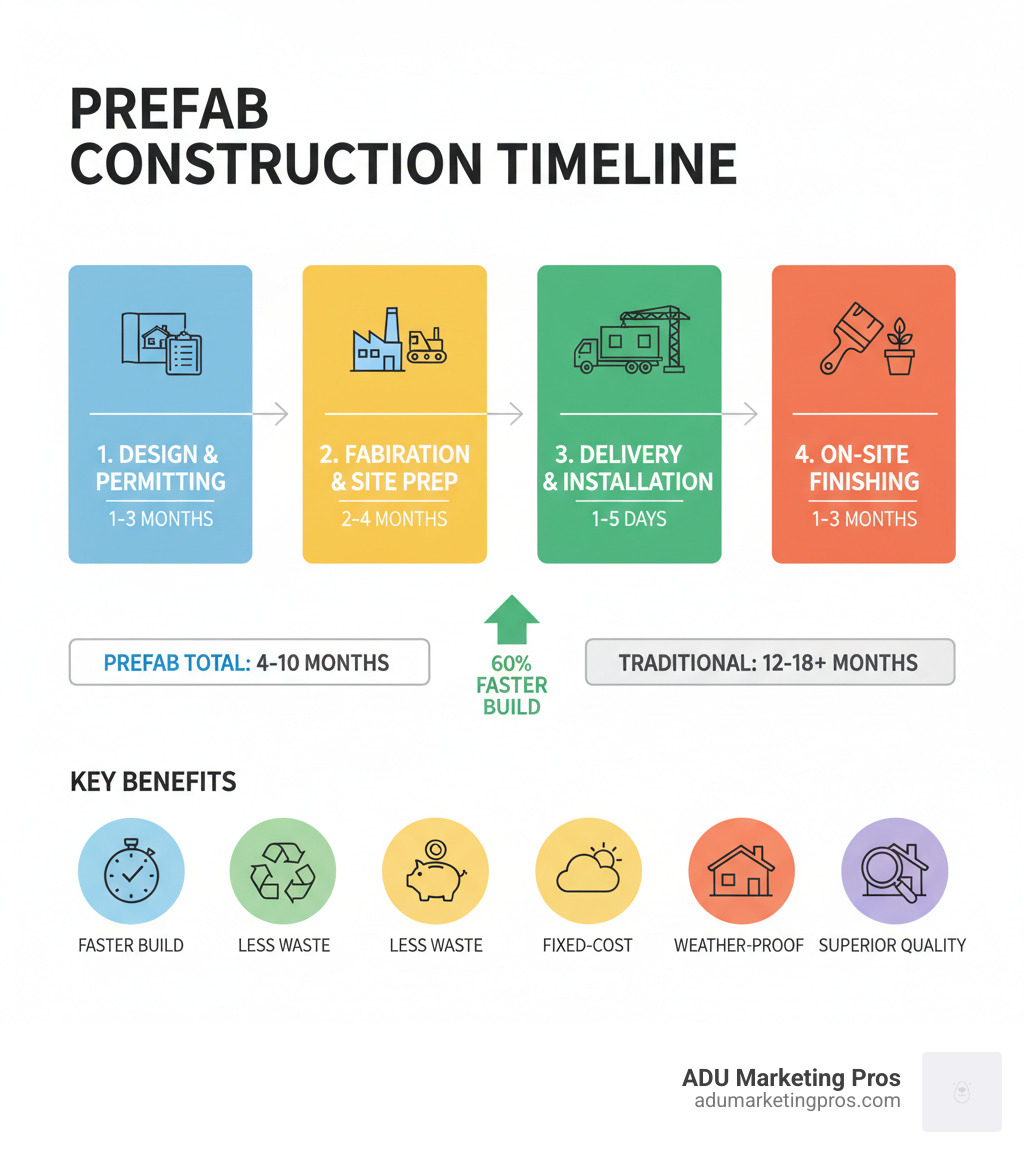
One of the biggest draws for prefab home builders is the compressed and predictable construction timeline. A typical prefab project takes just 4 to 12 months from initial design to move-in day, compared to the 12-18+ months common for a traditional build. This remarkable efficiency comes from performing key tasks simultaneously rather than sequentially.
Phase 1: Design, Feasibility, and Permitting (1-3 months)
This initial phase is all about planning and due diligence. Your builder will conduct a thorough feasibility study of your property to assess topography, soil conditions, zoning regulations, utility access (water, sewer, electric), and logistical challenges for delivery. This is especially critical in California, where rules can vary dramatically by municipality. During this time, you’ll work with the design team to finalize your home’s layout—either by customizing one of the builder’s existing floor plans or creating a completely unique design. You will also select major finishes and fixtures. Once the design is complete, your builder will prepare and submit the detailed architectural and engineering plans to your local building department to obtain the necessary permits.
Phase 2: Factory Fabrication and Site Preparation (2-4 months)
This is where the magic of prefab’s parallel process happens. As soon as permits are issued, two major workstreams begin at the same time. In the factory, your home’s modules are constructed in a climate-controlled environment, moving through stations for framing, insulation, electrical and plumbing installation, drywall, and interior finishing. Simultaneously, at your property, a site crew will be busy with excavation, grading, installing utility lines, and pouring the concrete foundation. By overlapping these two lengthy stages, you eliminate the months of dead time common in traditional construction where nothing happens on site while waiting for the foundation to cure or for framing to begin.
Phase 3: Delivery, Installation, and Finishing (1-3 months)
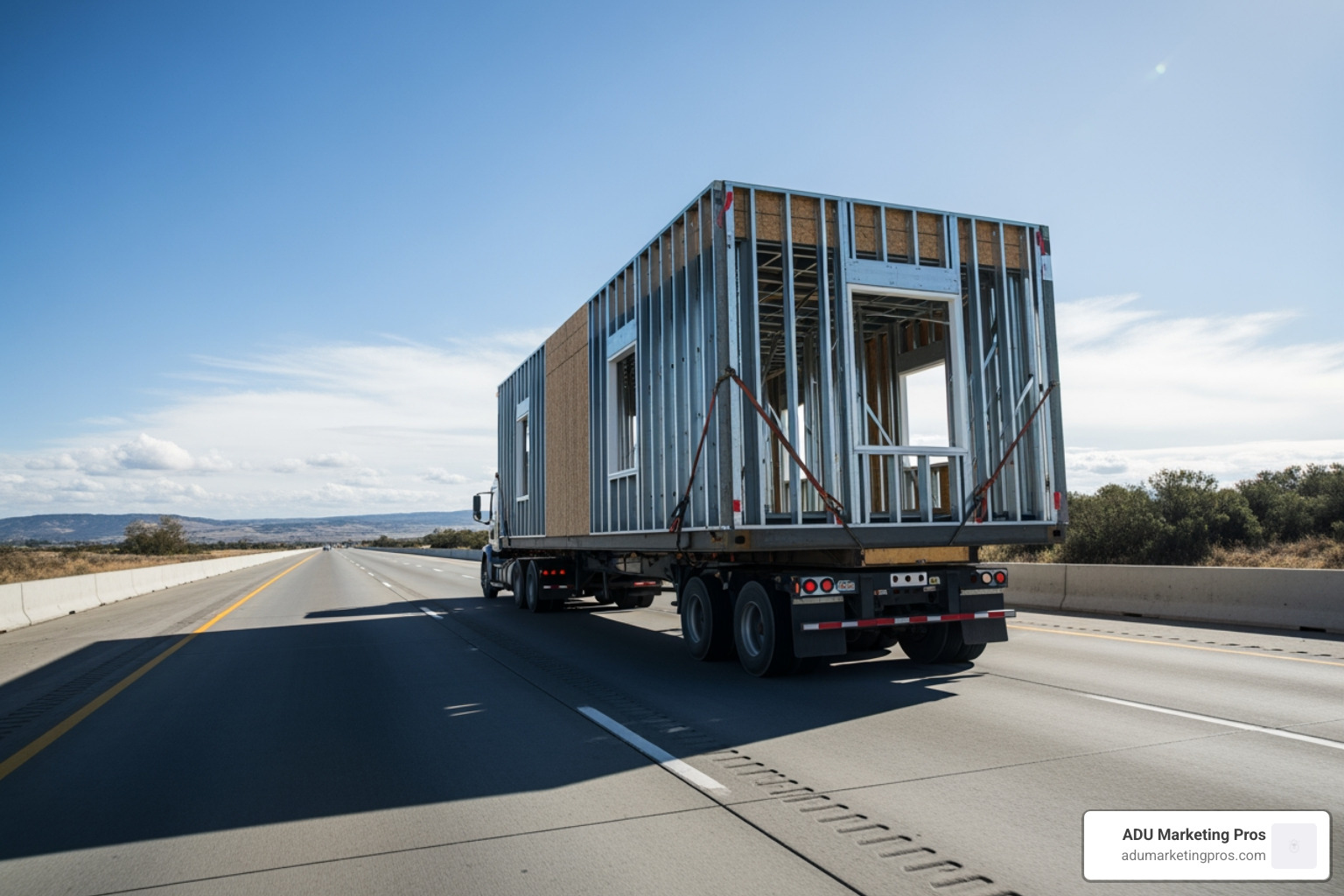
This final phase is the most exciting and visually dramatic. The completed modules are carefully wrapped for protection, loaded onto trucks, and transported to your property. A large crane then lifts each module and precisely sets it onto the foundation. This “set day” is a major milestone, and a house can often be fully assembled in a single day. After the modules are secured, on-site crews get to work on the “button-up” process. This includes connecting the sections, completing exterior siding and roofing, hooking up utilities, and handling final interior details like seaming drywall, installing flooring across module connection points, and final paint touch-ups. After passing final inspections, you’ll receive your certificate of occupancy and the keys to your beautiful new home.
Budgeting and Financing Your Prefab Dream Home
When working with prefab home builders, it’s better to think in terms of “cost-predictability” rather than just “cheap.” While the factory-built process creates efficiencies that can lead to savings, the primary financial advantage is knowing your all-in cost upfront. A fixed-price contract, established early in the process, protects you from the budget overruns and surprise costs that often plague traditional builds.
Here’s a rough cost comparison for a 1,500 square foot home to set expectations:
| Cost Factor | Prefab Home (Modular) – 1,500 sq. ft. | Traditional Site-Built Home – 1,500 sq. ft. |
|---|---|---|
| Module/Shell Cost | $100 – $200 per sq. ft. | $150 – $250 per sq. ft. (materials & labor) |
| Site Work & Foundation | $50,000 – $150,000+ | $50,000 – $150,000+ |
| Delivery & Crane Set | $10,000 – $50,000+ | N/A |
| On-Site Finishing | $30,000 – $100,000+ | Included in per sq. ft. estimate |
| Permits & Fees | $10,000 – $50,000+ | $10,000 – $50,000+ |
| Total Estimated Cost | $240,000 – $600,000+ | $300,000 – $750,000+ |
| Typical Timeline | 4-12 months | 12-18+ months |
Note: These are estimates and vary widely based on location, level of customization, site complexity, and market conditions.
What Factors Influence the Final Cost of a Prefab Home?
Several key factors determine your final price. The most significant include the home’s square footage, the complexity of the design, and the quality of finishes (e.g., standard vs. luxury appliances, flooring, and countertops). Site-specific costs also play a major role. A complex site with a steep slope, poor soil, or difficult access will cost significantly more to prepare than a flat, accessible lot. Other factors include the foundation type (a full basement is more expensive than a slab), transportation distance from the factory, local labor rates for on-site finishing work, and the cost of utility connections.
How to Secure Financing for a Prefab Build
Financing a modular home is very similar to financing a traditional one, as they are both considered real property. The most common tool is a construction-to-permanent loan. This single loan covers the costs of construction and then converts into a standard mortgage once the home is complete and you receive the certificate of occupancy. The loan is paid out in a series of “draws” to the builder at key project milestones. It’s crucial to work with a lender experienced in prefab construction, as they will understand the unique payment structure, which often requires a significant deposit for the factory. Many prefab home builders have relationships with preferred lenders who are familiar with their process, which can streamline approvals. Appraisals are based on comparable site-built homes in your area, ensuring your home is valued at full market rates. For more information on loan options, the Consumer Financial Protection Bureau – Mortgages offers valuable resources.
Finding the Right Partner: How to Vet Prefab Home Builders
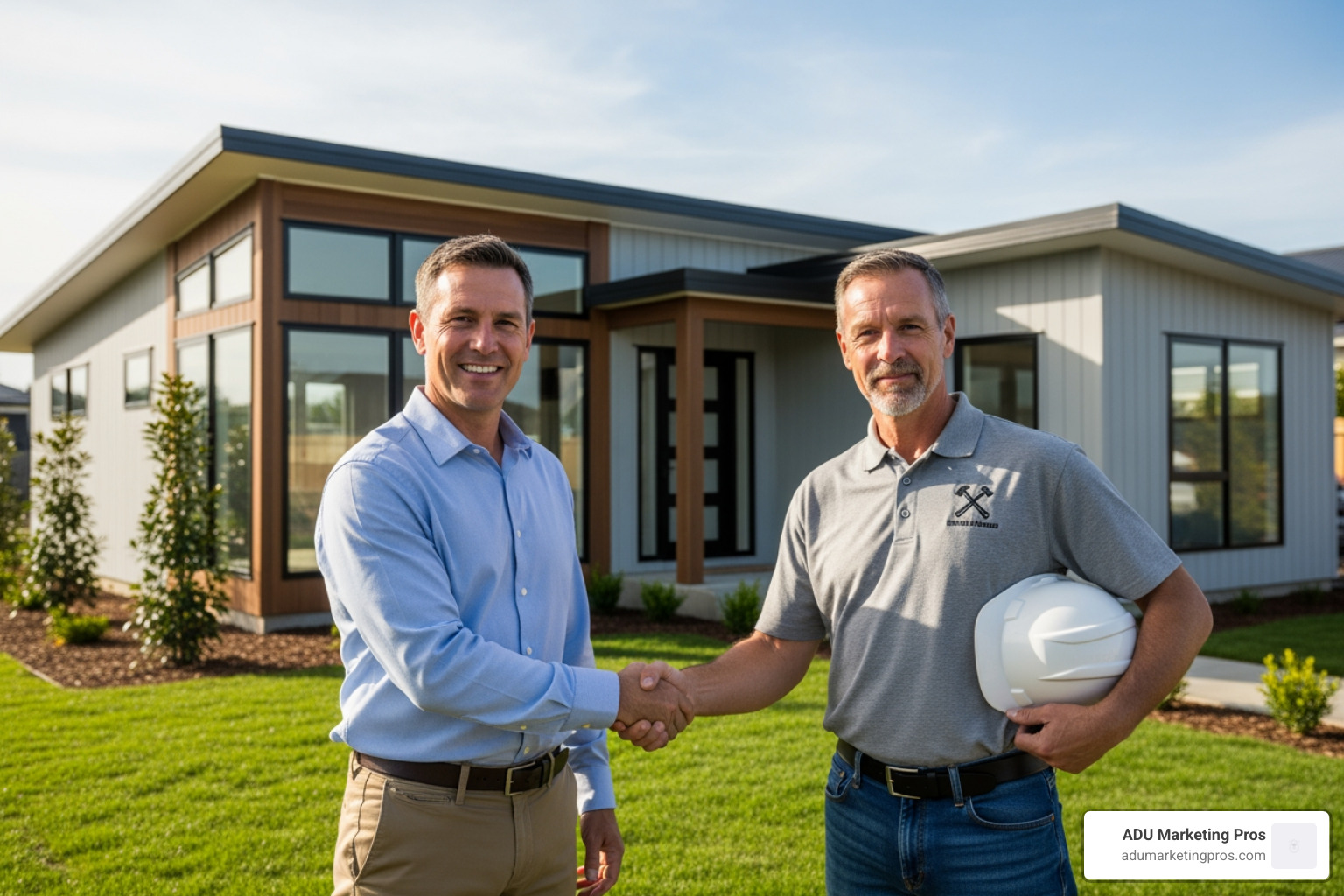
Choosing the right prefab home builders is the single most critical decision you’ll make in your home-building journey. A great partner will act as your trusted guide, navigating complexities and bringing your vision to life. The wrong one can cause significant delays, budget issues, and stress. It’s essential to do your homework to find a builder who aligns with your goals, communicates clearly, and has a proven track record of success.
Where to Start Your Search
Begin your search with reputable online directories like Prefab Review or ModularHomes.com, which list builders by state and showcase their portfolios. Your local American Institute of Architects (AIA) chapter or builder’s association can also provide recommendations for contractors experienced with prefab construction in your area. Don’t forget to check reviews and project photos on platforms like Houzz.com. Look for a variety of completed projects that demonstrate experience, especially on sites with challenges similar to yours (e.g., sloped lots, narrow access). If possible, ask if you can visit a current build site or attend a factory tour.
Key Questions to Ask Potential Builders
Once you have a shortlist, schedule consultations and come prepared with questions:
- Experience & Licensing: How many years have you specialized in prefab? Are you licensed and insured in my state? Can you provide references from recent clients?
- Scope of Services: Do you offer a full turnkey service (design, permits, site work, installation, finishing), or will I need to hire my own general contractor?
- What’s Not Included: What specific items are excluded from your standard contract? (e.g., landscaping, utility connection fees, appliances).
- Customization: How flexible is your design process? Can I modify floor plans and select my own finishes, or am I limited to your catalog?
- Warranties: What warranties do you offer? (Look for a 1-year workmanship warranty and a 10-year structural warranty).
- Timeline: What is your realistic, phased timeline for a project of my scope, and what are the potential causes for delays?
- Communication: Who will be my main point of contact, and how often can I expect updates?
Red Flags to Watch Out For
Be wary of any builder who is vague about costs, pressures you to sign a contract immediately, is unwilling to provide references, or lacks a professional online presence. A trustworthy partner will be transparent, patient, and thorough. Trust your instincts—you’re entering a long-term partnership, so choose a builder who communicates clearly and makes you feel confident and respected.
Beyond the Basics: Customization, Challenges, and the Future of Prefab
The world of prefab is dynamic, with ever-expanding options for customization and technological innovation. Understanding these advanced aspects, as well as potential hurdles, will help you make the most of your project and build a home that is truly future-proof.
Tailoring Your Home: Prefab Customization Options
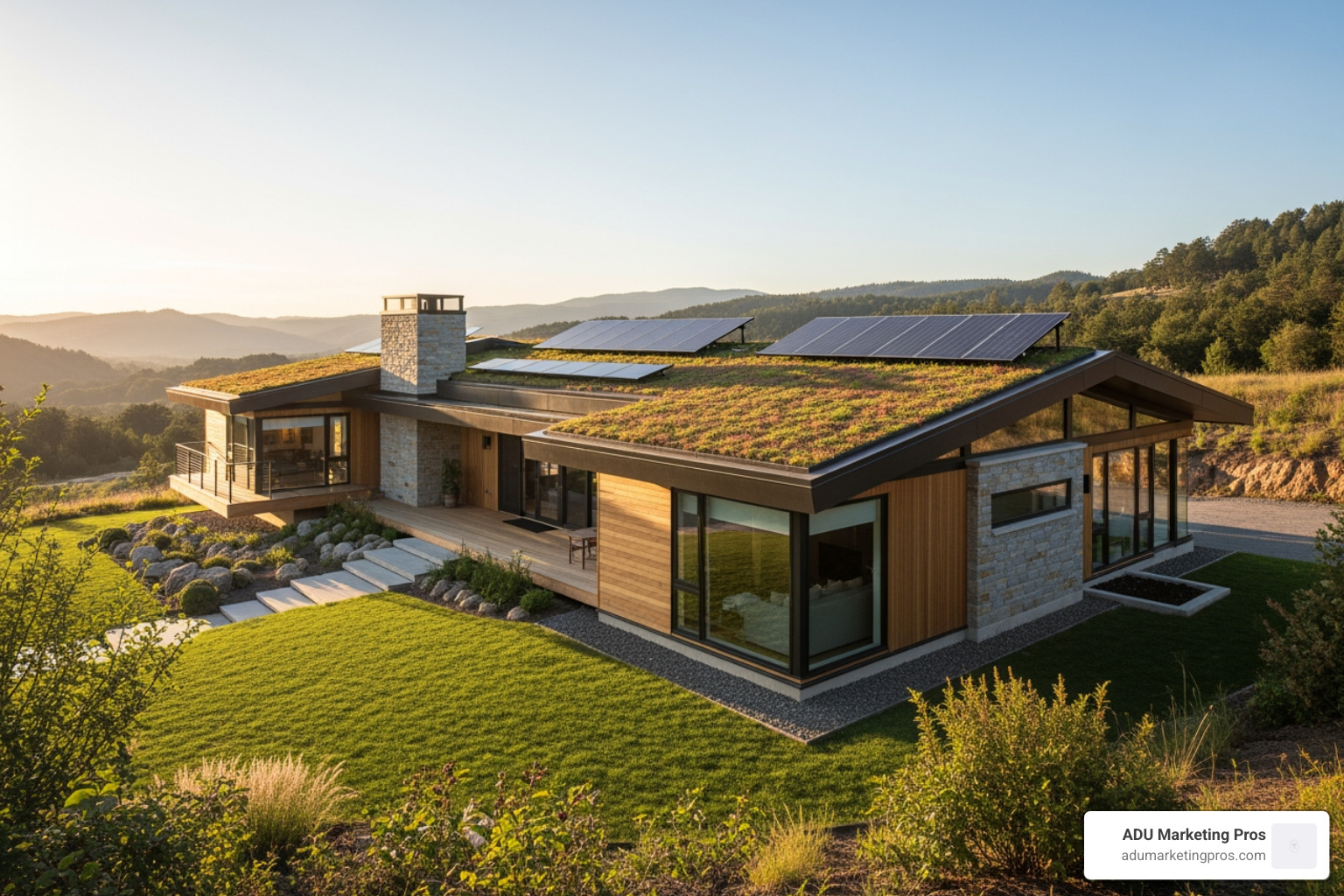
Forget the outdated myth of cookie-cutter designs. Modern prefab home builders offer extensive customization that rivals traditional construction. You can modify floor plans to create open-concept living spaces, add rooms, or change layouts. You have a wide choice of exterior finishes (cedar siding, stucco, metal panels, brick veneer) and roofing materials. Internally, you can select all your details, from high-end cabinetry and quartz countertops to specific flooring, lighting fixtures, and tile. Many builders also seamlessly integrate smart home technology (automated lighting, climate control, security) and offer advanced energy-efficient upgrades like triple-pane windows, high-performance HVAC systems, and full solar panel and battery storage integration.
Navigating Potential Problems in Prefab Construction
While prefab offers many advantages, potential challenges can arise. The key to avoiding them is working with an experienced builder who can anticipate and solve them proactively.
- Financing: Inexperienced lenders may not understand the prefab draw schedule, causing delays. A builder with established lending partners is invaluable.
- Zoning & Permitting: Restrictive local zoning can sometimes pose hurdles. An experienced local builder will know how to navigate these regulations, especially in complex markets like the San Francisco Bay Area.
- Site Access: Delivering large modules requires clear, wide roads without low-hanging power lines and adequate space for a large crane. A thorough site assessment is critical to confirm feasibility before you begin.
Innovations Shaping the Future of Housing
The prefab industry is at the forefront of housing innovation. Net-zero and self-powered homes, which produce as much energy as they consume annually, are becoming more common, often incorporating solar panels, battery storage, and heat pump technology. Advances in building science are leading to high-performance building envelopes that are incredibly airtight and well-insulated. We’re also seeing the rise of sustainable materials like cross-laminated timber (CLT), which is strong, lightweight, and has a lower carbon footprint than steel or concrete. Finally, architect-designed prefabs are democratizing high design, allowing renowned architects to partner with factories to produce stunning, high-quality homes that would be prohibitively expensive to build traditionally. For more on building innovation, check resources from the Home Innovation Research Labs.
Conclusion: Build Smarter, Not Harder
Building a new home is one of life’s biggest undertakings, but prefab home builders are fundamentally changing the experience for the better. They are making the process faster, more predictable, and more sustainable than ever before. With clear benefits like accelerated timelines of 4-12 months, superior quality control from factory construction, and long-term energy savings of up to 50%, prefab construction offers a compelling and intelligent advantage over traditional methods.
The myth of the one-size-fits-all box is long gone. Today’s prefab homes offer vast customization options, allowing you to create a unique space that perfectly fits your vision and lifestyle. However, realizing all these benefits hinges on one critical factor: choosing the right builder. A partner with proven experience, transparent communication, and deep knowledge of your local building landscape is essential for a successful and enjoyable project.
For construction and architecture firms in the competitive prefab and ADU market, standing out is crucial. Homebuyers in high-demand areas like Los Angeles, San Jose, and the Bay Area are savvy; they are looking for builders they can trust—firms that deliver on quality, expertise, and service, not just a low price.
At ADU Marketing Pros, we specialize in helping premier prefab home builders and ADU firms connect with these qualified clients. Our targeted marketing strategies are designed to highlight your unique value proposition, attracting high-quality leads who are educated about the benefits of prefab and ready to build now.
The future of housing is being built in a factory. Whether you’re a homeowner ready to build smarter or a firm looking to lead the market, now is the time to embrace the prefab revolution.
Ready to learn more? Explore prefab granny flat options in California or discover how ADU Marketing Pros can help your firm connect with eager homebuyers.