
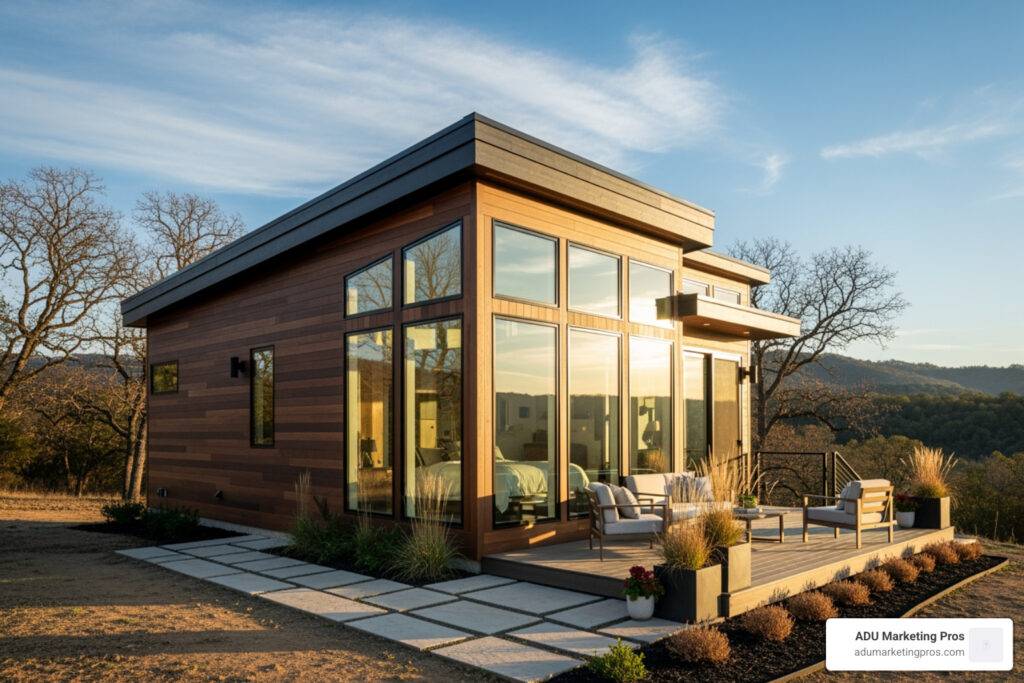
The Rise of the High-End Tiny Home
Luxury tiny home builders are changing compact living into a high-end lifestyle choice, defined by premium materials, designer brands, and full customization. These hand-crafted homes typically range from $150,000 to $235,000+ and come in various forms, including tiny homes on wheels (THOWs), park models, and modular ADUs.
The global tiny homes market is projected to reach $7.2 billion by 2030, with the luxury segment expanding rapidly. Today’s top builders accept a “Less House. More Home.” philosophy, focusing on downsizing and upgrading simultaneously. They integrate spa-like bathrooms, gourmet kitchens, and smart home technology into architectural designs that rival traditional high-end homes.
For developers, architects designing ADUs for California clients, or hospitality investors, understanding this market is crucial. These are not simple cabins but sophisticated dwellings engineered for comfort and intentional living. The shift reflects buyer demand for multi-functional furniture, clever storage, energy efficiency, and high-end finishes, with builders like Tiny Heirloom and Wind River setting industry standards.
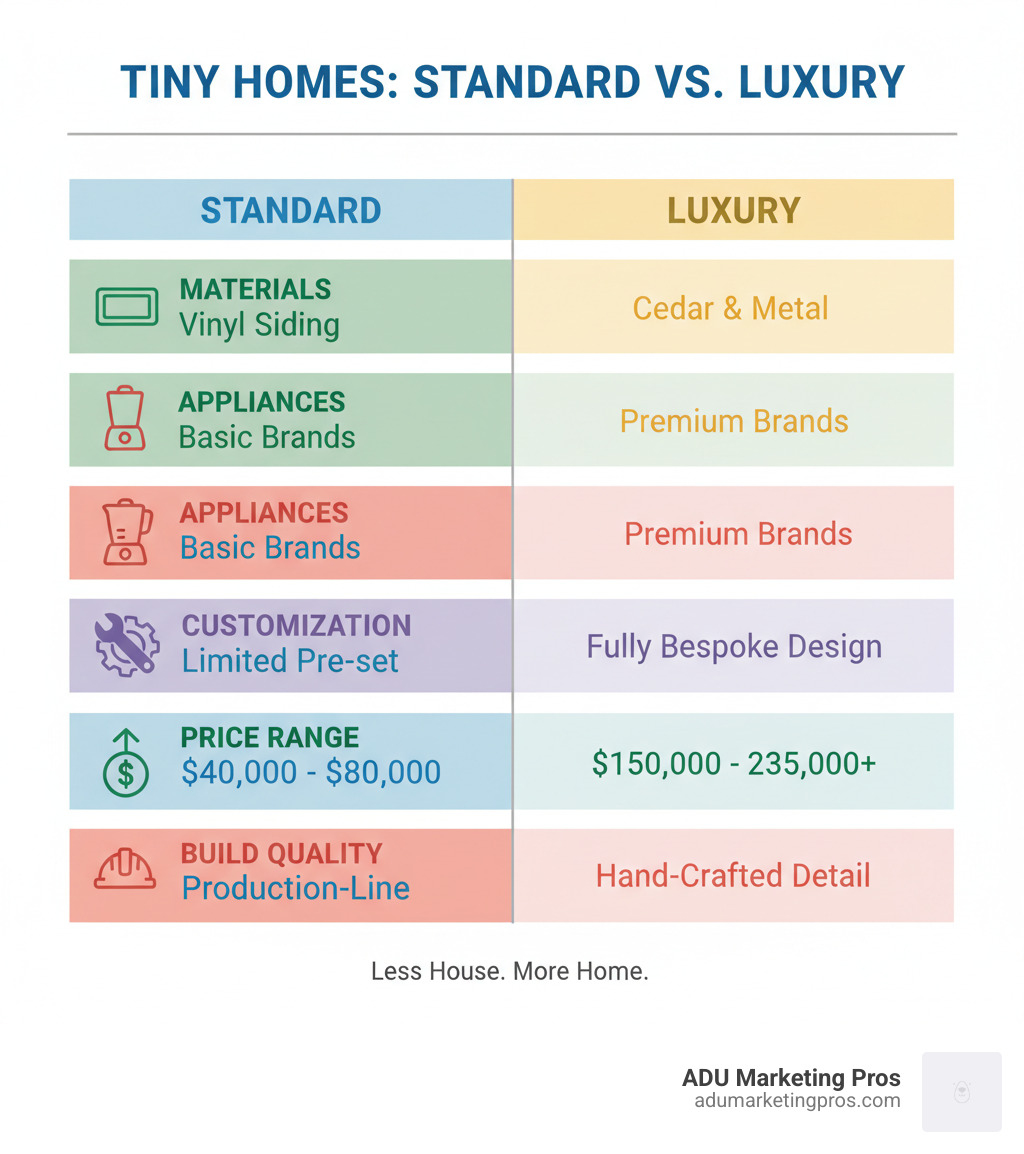
What Defines a Luxury Tiny Home?
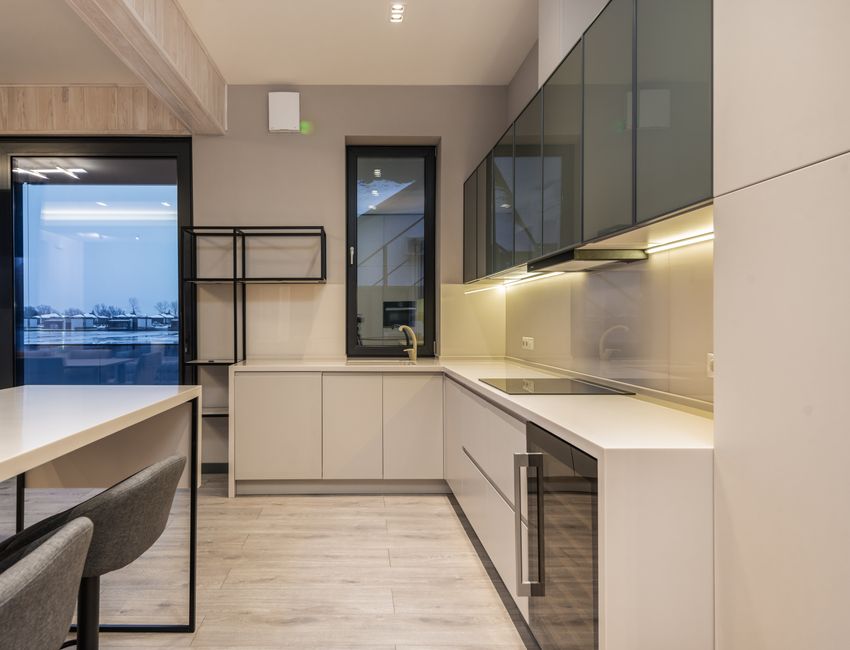
Stepping into a luxury tiny home reveals the core difference: it’s not about living small, but living exceptionally well. Luxury tiny home builders know their clients aren’t settling; they’re choosing a higher standard of living in a smaller footprint. The kitchen showcases this with Wolf™ ranges, quartz countertops, and custom cabinetry. Bathrooms feel like spa retreats with custom tilework and rainfall showerheads. Smart home technology for lighting, temperature, and security is often standard.
The architectural design itself is a statement, featuring clean modern lines and thoughtful window placement to maximize natural light. For clients choosing to downsize, the benefit is clear: trading unused square footage for superior quality in every detail. It’s intentional living at its finest.
Premium Materials and High-End Amenities
The distinction between standard and luxury begins with the build materials. Luxury tiny home builders choose components for longevity and performance. Exteriors often feature all-metal siding for a sleek, low-maintenance finish, while interiors boast hardwood floors and quartz countertops. High-performance insulation ensures year-round comfort, and some builders use patented floor systems engineered for extreme temperatures.
Premium appliance brands like Wolf™ and Whirlpool® are seamlessly integrated, offering full-size functionality in a compact layout. This commitment to quality materials and amenities justifies the investment, ensuring the home not only looks and feels luxurious but also holds its value over time.
Exploring Different Types of Luxury Tiny Homes
The luxury tiny home market offers several distinct categories to suit different goals:
- Tiny Homes on Wheels (THOWs): Built on trailers for true mobility, THOWs offer freedom and flexibility. They are typically classified as RVs, which affects where they can be permanently placed.
- Park Models: Larger than THOWs but still movable, these are ideal for seasonal getaways or homes in dedicated park model communities. They often feature more spacious layouts and full-size appliances.
- Modular Homes and ADUs: Especially relevant for our California clients, these are built in a factory and installed on a permanent foundation. This process ensures high quality and faster completion. In cities like San Jose, Los Angeles, and San Diego, ADUs are a popular solution for adding property value and housing.
- Backyard Pods and Bunkies: These smaller, often single-room structures are perfect for home offices, art studios, or guest rooms. Their smaller size can sometimes simplify the permitting process, making them a quick way to add functional space, especially in high-cost areas like the Bay Area.
The Commissioning Process: From Concept to Completion
Building a luxury tiny home is a collaborative partnership. The best builders guide clients through a transparent process from the initial idea to the final installation.
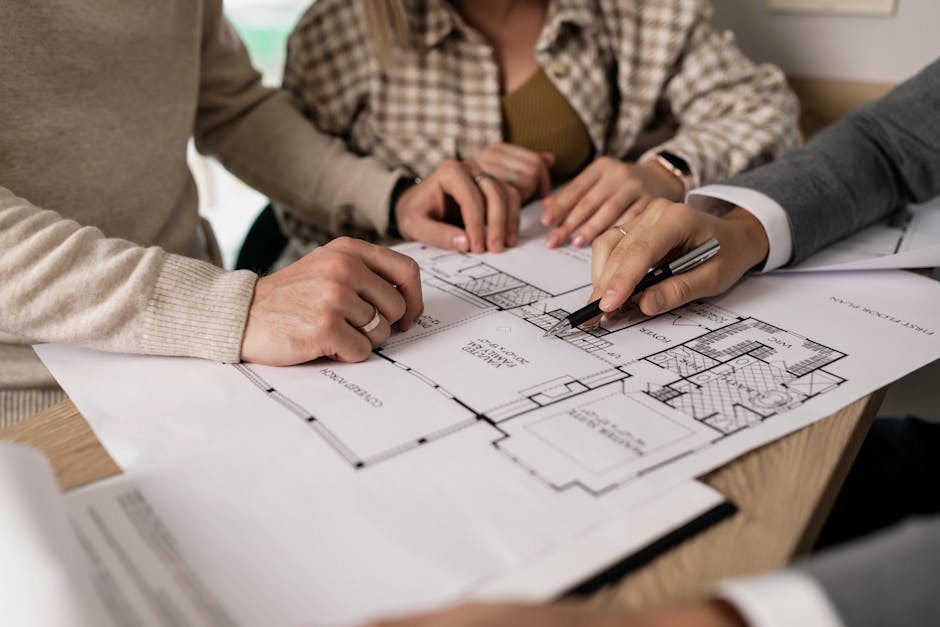
It begins with an initial consultation where the builder listens to your lifestyle needs and vision. This is followed by the design collaboration, where 3D renderings and material samples help bring your ideas to life. Once the design is finalized, you receive a detailed quote and contract outlining timelines, costs, and specifications.
The build phase typically occurs off-site in a controlled factory, which prevents weather delays and ensures higher quality control. Rigorous checks are performed throughout construction, not just at the end. Finally, the builder coordinates transportation logistics, site preparation, and installation, making the final steps feel effortless.
The Customization Journey with luxury tiny home builders
The magic of a luxury tiny home is its complete personalization. This collaborative design process allows you to tailor layouts for your specific lifestyle, whether you need a dedicated home office or a kitchen that opens to a social space. Selecting bespoke finishes, from custom cabinetry to artisanal tile, is where the home truly becomes yours.
Luxury tiny home builders also excel at integrating multi-functional furniture. A dining table might convert into a workspace, or stairs may contain hidden storage drawers. These innovative solutions are designed into the home from the start, ensuring every square inch is maximized without compromise.
Navigating Logistics: Delivery, Placement, and Permits
Getting your finished luxury tiny home to your property requires specialized expertise, especially in urban California settings like San Jose. Builders coordinate with specialized carriers, plan routes carefully, and may even use a crane for properties with limited access.
Foundation requirements vary by home type; ADUs need permanent foundations meeting local codes, while THOWs require a stable pad. Your builder will guide you on this and the necessary utility hookups for water, sewer, and electricity. The most complex part is often navigating local zoning and building permits, as regulations differ significantly between cities like San Diego and San Jose. Working with a NOAH Certified builder is a major advantage, as their adherence to recognized standards can significantly smooth the permitting process and prevent costly delays.
Hallmarks of Elite Luxury Tiny Home Builders
Elite luxury tiny home builders are distinguished by a shared commitment to excellence that goes beyond basic construction. They don’t just shrink traditional homes; they reimagine how space works, blending engineering with artistry. Their approach is rooted in innovation, constantly seeking better storage solutions or more effective use of natural light.
These premier builders leverage off-site modular construction not just for speed but for superior quality control. By building in a factory, they avoid weather delays and maintain standards impossible on a traditional job site. They also refine time-tested blueprints, incorporating lessons from hundreds of builds to ensure each new home benefits from years of accumulated knowledge.

Innovative Construction and Sustainable Design
The smartest luxury tiny home builders treat every square inch as precious real estate. This is evident in their clever use of multi-functional furniture and smart storage solutions, like under-floor compartments or stairs that double as drawers. These features are integrated into the design to make the home feel spacious and uncluttered.
Off-site construction allows for a parallel workflow—your home is built in the factory while site preparation happens simultaneously. For our California clients, this means moving in weeks or months sooner. Sustainability is also a core principle, not a marketing buzzword. This includes:
- Energy-Efficient Design: High-performance insulation, energy-efficient windows, and passive solar design to reduce heating and cooling costs.
- Sustainable Materials: Use of reclaimed wood, recycled steel, and non-toxic finishes to improve indoor air quality.
- Renewable Energy: Integration of solar panels and advanced water conservation systems, like greywater recycling.
For more on how modular construction supports this philosophy, MODABL’s approach offers valuable insights into simple, sustainable design.
How Premier Builders Ensure Best Quality
Quality in a luxury tiny home is non-negotiable. Premier builders ensure it through several key practices. Many have in-house design and build teams, which streamlines communication and ensures the final product matches the original vision. Rigorous quality control processes are implemented at multiple stages of construction, far exceeding industry norms.
While built in a factory, a hand-crafted approach to finish work is what sets these homes apart. Skilled artisans handle custom cabinetry and tilework, adding a level of detail that machines cannot replicate. This commitment to durability is also reflected in the choice of premium materials and reliable appliance brands like Wolf™ and Whirlpool®. For clients, working with a NOAH Certified builder provides an extra layer of assurance, often simplifying financing and permitting by demonstrating adherence to recognized industry standards.
Understanding the Investment: Costs and Value
When considering a luxury tiny home, it’s important to understand the financial commitment. These are not entry-level dwellings; the word “luxury” signifies a major step up in quality and price.
Most luxury tiny home builders price their models between $150,000 and $235,000, with highly customized projects costing more. This price reflects an investment in superior craftsmanship, durable materials, and a living experience that rivals a traditional luxury home. You’re paying for quartz countertops, hardwood floors, and Wolf™ appliances that transform a small space into something exceptional.
The long-term value is compelling. Unlike standard tiny homes that can depreciate, luxury models built with timeless design and premium materials tend to hold their value well. For those interested in rental income, a luxury tiny home on Airbnb can command premium rates. As the market matures, financing options are also expanding, with many builders offering access to specialized lenders.
| Cost Factor | Standard Tiny Home | Luxury Tiny Home |
|---|---|---|
| Materials | Plywood, vinyl siding | Cedar siding, metal, natural wood |
| Appliances | Basic, compact models | High-end smart appliances (Wolf™, Whirlpool®) |
| Customization | Limited pre-set options | Fully bespoke design process, personalized layouts |
| Finishes | Laminate countertops, basic flooring | Quartz/granite countertops, hardwood/custom tile |
| Technology | Basic electrical, no smart features | Smart home integration, advanced climate control |
| Insulation | Standard R-values | High-performance, extreme weather rated |
What factors contribute to the cost of a luxury tiny home?
Several key elements drive the final price of a luxury tiny home. Understanding them clarifies where your investment goes.
- Square Footage & Design: Larger footprints and complex architectural designs (e.g., cathedral ceilings, custom window walls) increase material and labor costs.
- Materials and Finishes: This is a major cost differentiator. Upgrading to all-metal siding, hardwood floors, and quartz countertops is an investment in durability and beauty.
- Appliance and Technology: Integrating high-end appliances from brands like Wolf™ and Whirlpool®, along with smart home systems, adds significant cost but defines the luxury experience.
- Labor and Craftsmanship: The hand-crafted approach of top builders requires highly skilled artisans. You are investing in their expertise and the meticulous attention to detail that ensures long-lasting quality.
Frequently Asked Questions about Luxury Tiny Homes
Clients exploring luxury tiny home builders often have similar questions. Here are answers to the most common ones we hear from developers, architects, and homeowners across California.
How long does it take to build a luxury tiny home?
Typically, the process takes about 14 weeks from order to occupancy. This includes a few weeks for the collaborative design phase, followed by the off-site construction period. Because building occurs in a controlled factory environment, weather delays are eliminated. The final installation, including foundation work and utility hookups, may take a few days to a couple of weeks, depending on your site’s complexity. Highly customized designs or complex permitting may extend this timeline.
Can a luxury tiny home be a primary residence?
Yes, a luxury tiny home can absolutely be a primary residence, but the type of home matters. Modular tiny homes and park models built on permanent foundations are designed to meet residential building codes, making them ideal for full-time living. In California, these are often built as ADUs (Accessory Dwelling Units), which are increasingly popular in cities like San Jose, Los Angeles, and San Diego.
Tiny Homes on Wheels (THOWs) are often classified as RVs, and local zoning may restrict their use as permanent dwellings. It’s crucial to understand your local regulations. We recommend working with a NOAH Certified builder who understands these nuances and can ensure your home meets all requirements for permanent residency.
Are luxury tiny homes a good investment?
This depends on your goals. From a financial perspective, luxury tiny homes offer a unique value proposition. Unlike standard RVs that depreciate, these homes are built with premium materials and craftsmanship that help them hold their value remarkably well.
The primary investment is often in lifestyle—the “Less House. More Home.” philosophy allows you to enjoy high-end finishes and smart design without the cost and maintenance of a large house. Furthermore, luxury tiny homes have excellent rental income potential. As Airbnb rentals or guest houses in desirable California locations, they can command premium nightly rates and generate a significant return.
For builders and developers, this growing market segment represents a major opportunity. To connect with discerning buyers, however, requires specialized marketing. Learn how to attract qualified tiny home clients in California with strategies designed for this unique sector.
Conclusion: Begin Your Luxury Tiny Living Journey
The world of luxury tiny home builders shows that the future of intentional living is here. The movement has evolved from simple minimalism to a sophisticated industry where craftsmanship and personalization create homes that feel expansive and deeply personal, regardless of their footprint.
These builders have mastered the art of “downsizing and upgrading” by using premium materials, designer appliances like Wolf™ and Whirlpool®, and a collaborative design process. Whether it’s a mobile THOW, a resort-style park model, or a modular ADU on your California property, the investment is in quality over quantity.
For our clients in San Jose, Los Angeles, and San Diego, the ADU revolution presents remarkable opportunities for primary residences, rental income, or guest quarters. The quality is uncompromising, and the flexibility is extraordinary. As the market evolves, working with NOAH Certified builders ensures your project meets rigorous standards.
For builders and developers ready to capture this discerning market, the opportunity is substantial. Reaching qualified buyers requires more than just building exceptional homes—it demands marketing that highlights expertise. At ADU Marketing Pros, we help construction and architecture firms stand out in this competitive space. Our targeted approach connects luxury tiny home builders with clients who value quality and customization. If you’re ready to lift your presence in California’s thriving ADU and luxury tiny home market, learn how to attract qualified tiny home clients in California and find how strategic marketing can transform your business growth.