
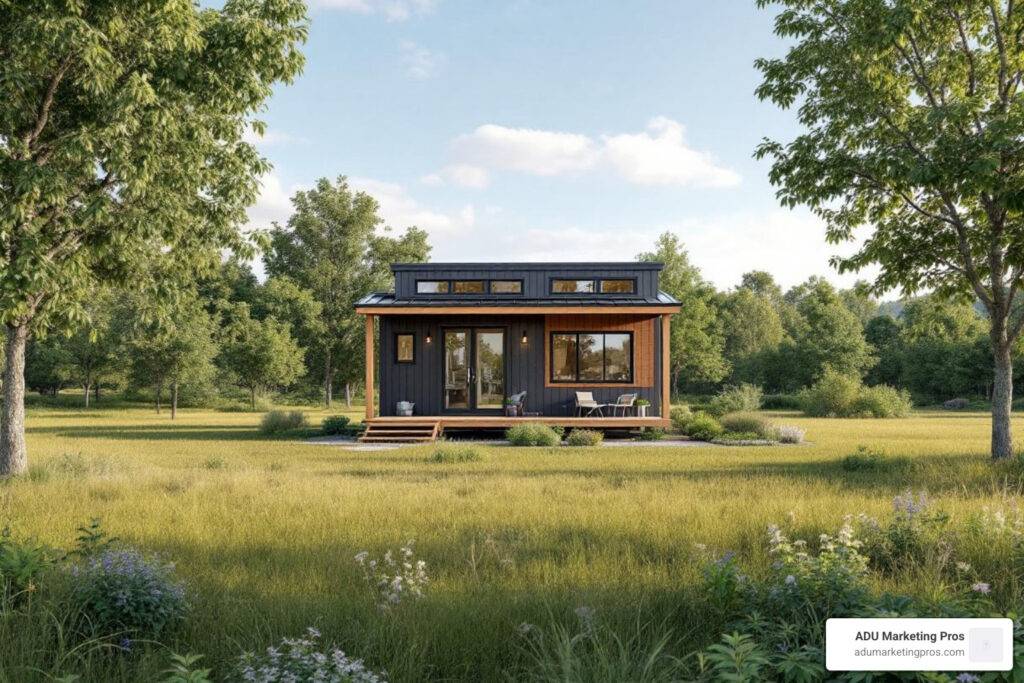
Why Finding the Right Tiny Home Land Is Your First Big Decision
Tiny home land is available through several key pathways: purchasing raw or serviced parcels (typically $5,000–$15,000 per acre), leasing spots on private property ($200–$450/month), joining established tiny home communities ($450–$900/month for lots), or placing a unit on residential property where zoning permits. Your choice depends on budget, desired permanence, local regulations, and whether you prioritize independence or community amenities.
The tiny home dream promises freedom and simplicity, but it hinges on one critical question: where do you actually put the thing? Finding land for a tiny home is more complex than traditional real estate. Zoning laws, building codes, utility access, and septic requirements create a maze for aspiring tiny dwellers. The fundamental choice—buy, lease, or join a community—can be daunting.
This guide cuts through the confusion. We’ll walk you through land types, legal considerations (zoning, permits, and the critical distinction between THOWs and permanent foundations), financial tradeoffs (buying vs. leasing), and practical search strategies.
Understanding the land acquisition process is essential, whether you’re an ADU professional advising clients or a builder exploring new markets. The good news is that more options exist today than ever before. Tiny home communities are multiplying, landowners are finding the income potential of hosting tiny dwellers, and municipalities—especially in California—are updating codes to accommodate small-footprint living.
Let’s find your tiny home its perfect foundation.
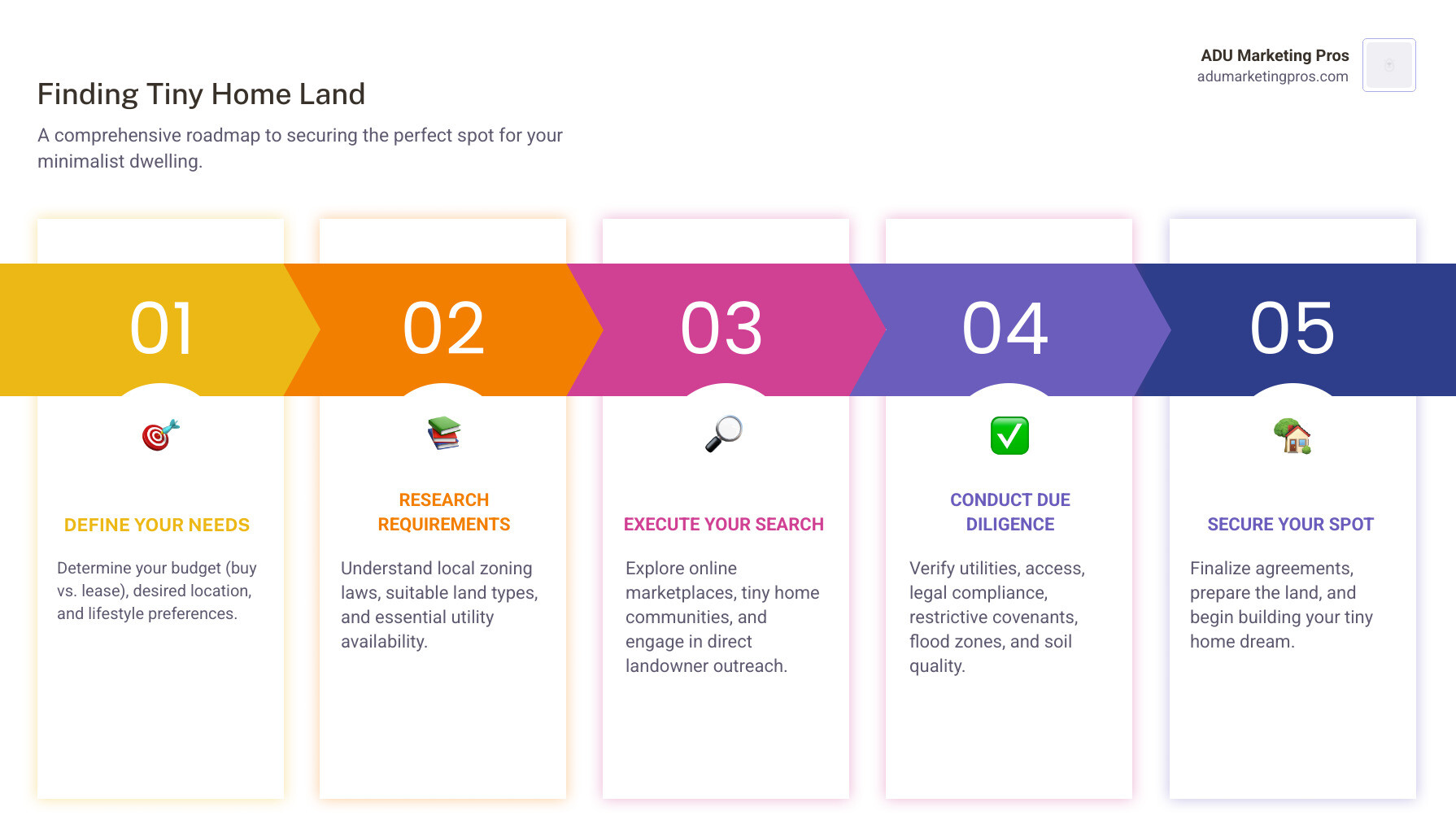
Tiny home land definitions:
Decoding Land Options: What’s Right for Your Tiny Home?
Finding the ideal tiny home land starts with understanding the different types available. Your choice will significantly impact your lifestyle, costs, and legal compliance.
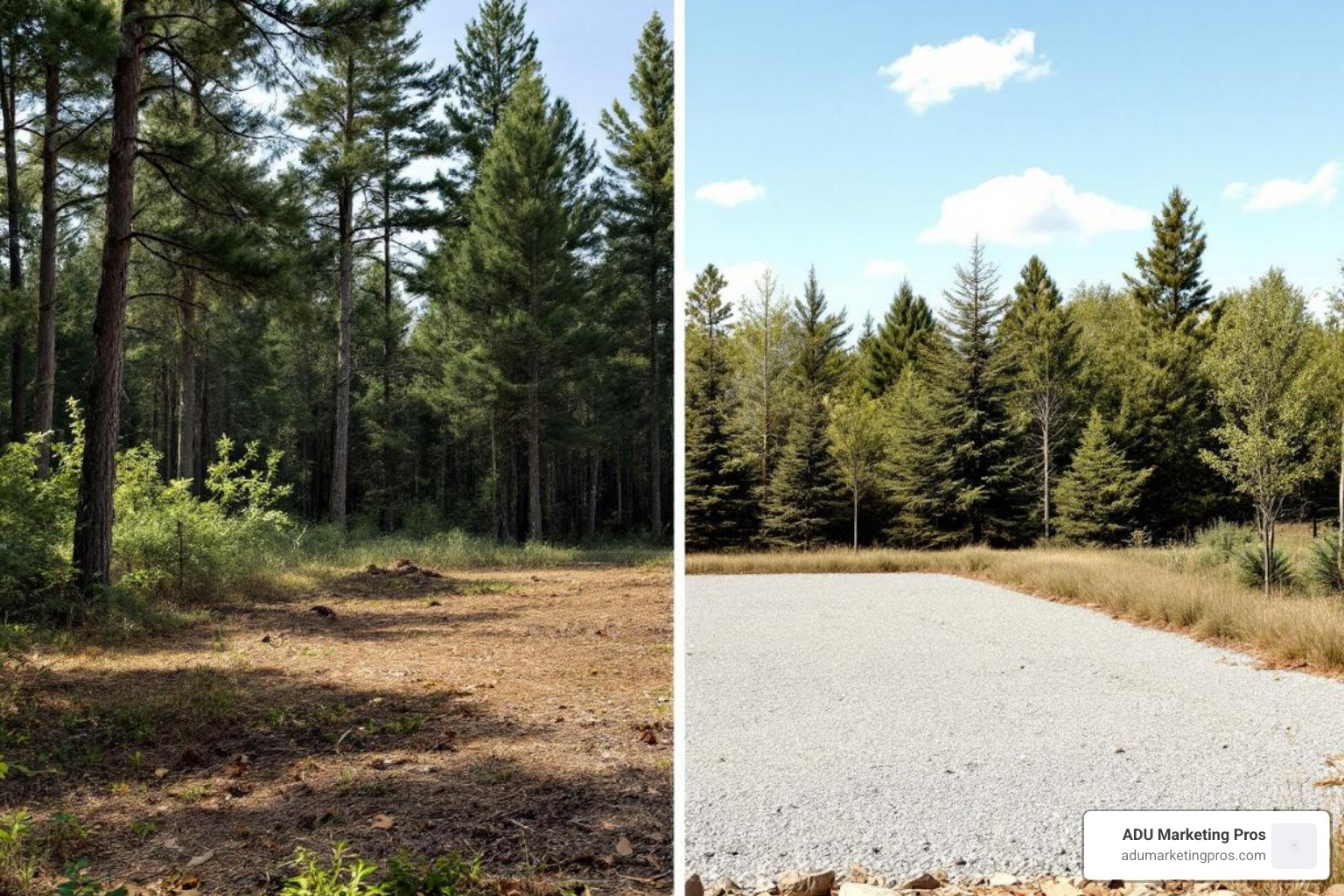
- Raw/Undeveloped Land: This is often the most affordable option per acre but requires the most work. You are responsible for clearing the land and installing all utilities (water, septic, electricity), a significant investment of time and money.
- Amenity/Pasture Land: This concept involves rural plots suitable for recreational use. If located in a tiny home-friendly zone, it can offer a spacious environment, but be prepared for challenges with utility hookups and specific zoning restrictions in California.
- Serviced Lots: These are parcels of land that already have access to essential utilities. While more expensive upfront, they save considerable time and money on infrastructure development.
- Individual Parcels: This refers to buying a standalone piece of land—raw or serviced—that is not part of a larger community. This gives you complete autonomy over your property, within local regulations.
- Backyard Placements: A rapidly growing option in California, this involves placing a tiny home in the backyard of an existing home, often as an Accessory Dwelling Unit (ADU). This is a fantastic solution for multi-generational living or rental income in areas like San Jose, Los Angeles, and the San Francisco Bay Area.
- Tiny Home Communities: These are dedicated developments designed for tiny homes, providing serviced lots, shared amenities, and a built-in community. Lot sales in some communities can range from $72K to $82K.
- Pocket Neighborhoods: Similar to tiny home communities but smaller and often integrated into existing residential areas, these focus on fostering community through shared common spaces.
Key Features to Look For in a Plot
When evaluating any potential tiny home land, consider these crucial features:
- Access and Roads: Is there reliable, all-weather road access to the property? Poor access can be a deal-breaker.
- Utilities (Water, Septic, Power, Internet): Does the land have utility connections, or will you need a well, septic system, and off-grid power? Installing these can be a major cost.
- Topography and Soil Quality: Flat land is cheaper to build on. Steep slopes increase costs. Good soil is essential for septic systems, so a soil test is a wise investment.
- Restrictive Covenants: These are rules from previous landowners or HOAs that dictate what you can do with the property. They might restrict home size or type, so always check.
- Flood Zones: Building in a flood zone means higher insurance, building restrictions, and risk to your investment. Check local planning maps for flood zone designations.
Understanding the difference between an ADU vs. Tiny House is also crucial, as many backyard placements in California fall under ADU regulations, which can streamline the process.
The Legal Labyrinth: Navigating Zoning, Permits, and Regulations
This is often the trickiest part of securing tiny home land. Zoning laws were not written with tiny homes in mind, and ignoring them can lead to fines or even the forced removal of your home.
- Zoning Laws Explained: These local ordinances dictate what can be built on a parcel of land. Common classifications include Residential (where ADU laws apply), Agricultural (sometimes flexible but with acreage minimums), and Recreational (like RV parks, which may limit permanent residency).
- The THOW vs. Foundation Distinction: This is a critical legal difference.
- Tiny Homes on Wheels (THOWs): Often classified as RVs, they are regulated differently. This offers flexibility but may restrict full-time residency to designated RV parks.
- Tiny Homes on Foundations: These are treated as traditional homes and must comply with local building codes, which can include minimum square footage requirements.
- RV Certification: For THOWs, an RVIA (Recreational Vehicle Industry Association) certification shows the home meets national safety standards, which can make it easier to find legal parking.
- Building Codes & Permits: Permanent tiny homes must meet the same construction safety standards as larger homes. You will likely need permits for placement, utility hookups, and construction, which involves submitting plans to local authorities.
- Overcoming Challenges: The key is proactive research. Engage with your local planning department early. Frame your tiny home as a solution for affordable housing or an ADU, especially in California. As noted by builder Jinkie Echols, working with authorities is key to changing zoning for tiny homes. You can find more information on tiny home community development through her work.
California Spotlight: A Tiny-Friendly Frontier
California has been a leader in the tiny home movement, largely due to its innovative approach to Accessory Dwelling Units (ADUs). This has created significant opportunities for tiny home land in our service areas like San Jose, Los Angeles, and the San Francisco Bay Area.
- State-level ADU laws: California’s progressive ADU laws make it easier for homeowners to build secondary units, including tiny homes, in their backyards. These laws often override restrictive local ordinances, streamlining the permitting process.
- Local city ordinances: While state laws provide a framework, individual cities have their own rules. For example, San Jose has opened tiny home villages to address housing shortages, showing a growing acceptance of tiny homes in urban planning. We encourage you to explore places in Southern California that allow tiny houses to understand local nuances.
- County-specific rules: In Los Angeles and San Diego counties, interest in tiny homes has surged. Platforms like LandSearch show properties marketed for tiny homes, including tiny homes with land for sale in both Los Angeles County, CA and San Diego County, CA.
For those looking to build in California, understanding these regulations is your golden ticket. Our internal resources can guide you on Tiny Houses for Sale in Southern California, Land for Sale in Southern California for Tiny Houses, and connect you with Tiny House Builders California.
Buying vs. Leasing: A Financial and Lifestyle Breakdown
The decision to buy or lease tiny home land is a pivotal one, shaping both your financial future and your lifestyle. Each path has distinct advantages and disadvantages.
| Factor | Buying Land | Leasing Land |
|---|---|---|
| Upfront Cost | High (purchase price, closing costs) | Low (security deposit, first month’s rent) |
| Monthly Cost | Property taxes, maintenance, potential HOA fees | Rent, utility fees |
| Stability | High (you own it) | Moderate (subject to lease terms, landlord decisions) |
| Flexibility | Low (tied to one location) | High (easier to move at end of lease) |
| Equity | Builds equity, potential for appreciation | None |
The Case for Buying Tiny Home Land
Owning your tiny home land offers a sense of permanence and control that leasing cannot match.
- Costs of Buying: The purchase price is the largest expense. In California, land costs are significantly higher than the national average. Additional costs include closing fees, property taxes, and potentially tens of thousands for utility installation on raw land. Lot sales in some tiny home communities have ranged from $72K to $82K.
- Pros of Buying:
- Building Equity: Your land is an asset that can appreciate over time.
- Long-term Stability: You have a permanent place for your tiny home, free from landlord decisions.
- Ultimate Control: You decide how to use your property, within zoning laws.
- Cons of Buying:
- High Upfront Cost: The initial investment can be a major barrier.
- Illiquid Asset: Selling land can take time, reducing flexibility.
- Maintenance Responsibility: You are responsible for all upkeep and repairs.
The Case for Leasing Tiny Home Land
Leasing offers a lower barrier to entry and greater flexibility, which is appealing for those new to tiny living.
- Costs of Leasing: Your primary cost is monthly rent. Lot rentals can range from $200-$450 per month on private land to over $450 in dedicated communities, sometimes including utilities. You will also have a security deposit.
- Pros of Leasing:
- Lower Upfront Cost: Requires minimal initial investment compared to buying.
- Flexibility to Move: It’s easier to relocate your tiny home if your plans change.
- Fewer Responsibilities: The landowner typically handles property taxes and major land maintenance.
- Cons of Leasing:
- No Equity: Your monthly payments do not build ownership or wealth.
- Potential Instability: Leases can expire, rents can increase, and the landowner could sell the property.
- Landlord Rules: You must abide by the landowner’s rules, which might restrict pets, landscaping, or guests.
The Ultimate Search Guide: How to Find Your Perfect Plot of Tiny Home Land
Finding the right tiny home land requires the right tools and strategies. With a smart approach, your perfect spot is out there.
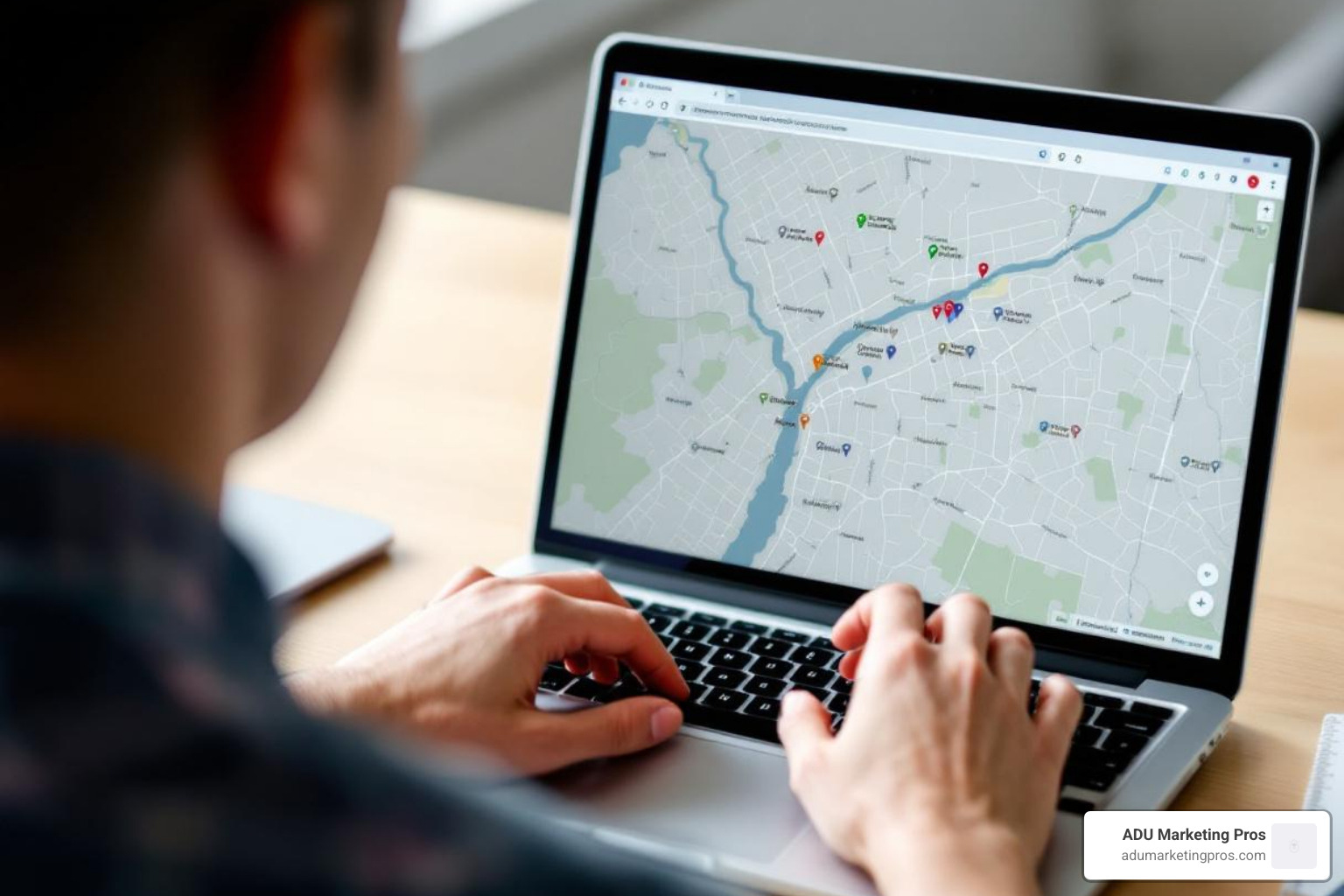
Online Tools and Marketplaces
The internet is your best resource for casting a wide net.
- Specialized Land Websites: Platforms like LandSearch let you filter specifically for tiny homes with land for sale in areas like Los Angeles County, CA, or San Diego County, CA.
- General Real Estate Sites: On sites like Zillow or Redfin, use keywords like “vacant land,” “acreage,” “ADU lot,” or “tiny home friendly” to find suitable properties.
- Tiny Home Specific Platforms: While some platforms are regional (like Landmates Australia in Australia), they show a growing trend of services connecting landowners with tiny home dwellers. Keep an eye out for California-focused initiatives.
Exploring Tiny Home Communities
A tiny home community offers dedicated tiny home land and a supportive social environment.
- Finding Established Villages: Look for communities that are already operational, as they have steerd the legal problems. San Jose, for example, has developed tiny home villages.
- Community Directories & Social Media: Online directories and Facebook groups for tiny homes are excellent for finding communities and getting advice on local regulations.
- Benefits of Community Living:
- Legal Parking: This is a major advantage, as communities are properly zoned.
- Shared Amenities: Many offer communal gardens, laundry, and gathering spaces.
- Built-in Support Network: You’ll be surrounded by like-minded individuals.
- Costs of community lots: Costs vary significantly. Monthly lot rentals can start around $450, while purchasing a lot in a community can cost $72K–$82K or more, depending on location and amenities.
The Landowner’s Perspective: Creating Opportunity
If you can’t find land, consider finding a private landowner willing to host you. This “land sharing” can be a win-win.
- Benefits for Landowners:
- Passive Income: Landowners can earn significant income by renting unused land. Reports show hosts can earn $10,000-$30,000+ per year, with a single space potentially generating $7,800–$10,400+ annually.
- Supporting Affordable Housing: Hosting contributes to solving the housing crisis.
- Property Security: An occupied property can deter crime.
- How to list your land: Landowners can advertise their space through tiny home groups, local ADU specialists, or online platforms.
- Considerations for hosting: Landowners should consider utility access, privacy, and formalizing the arrangement with a clear lease agreement.
Frequently Asked Questions about Tiny Home Land
It’s natural to have questions about tiny home land. Here are answers to some of the most common inquiries.
How much land do I need for a tiny house?
The amount of land needed depends on local regulations and your needs. For a single tiny home connected to municipal utilities, a quarter-acre (or less for an ADU placement) is often sufficient for the home, a small yard, and privacy. However, if you need a septic system, health departments often require a minimum of 0.5 to 1 acre, depending on the soil. Always check with your local planning department in San Jose, Los Angeles, or San Diego for specific lot size and setback requirements.
Can I get a traditional mortgage for land?
No, it is difficult to get a traditional mortgage for raw land. Banks view vacant land as a higher risk, so they offer specialized land loans. These typically require a higher down payment (20-50%) and have higher interest rates and shorter terms than a standard mortgage. Seller financing, where the owner acts as the bank, can be a more flexible alternative. If you are buying a tiny home and land package in a permitted community, financing options may be more conventional.
Is it legal to live in a tiny house on my own land full-time?
This is the most important question, and the answer is: it depends entirely on local zoning and building codes. Before you buy any tiny home land, you must verify the specific regulations in your jurisdiction. What is legal in one California county may be prohibited in another.
- Tiny Homes on Wheels (THOWs) are often considered RVs and may be restricted to RV parks for full-time living.
- Tiny Homes on Permanent Foundations are generally treated as conventional homes and must comply with all local building codes. California’s ADU laws have greatly expanded the legality of these smaller, permanent dwellings in backyards across the state.
Always consult with your local planning department and a real estate professional to ensure your plans are legally sound.
Conclusion: Building Your Dream from the Ground Up
Finding the perfect tiny home land is a significant but rewarding journey. It requires careful research, a firm grasp of legal nuances, and a smart search strategy.
Remember these key steps:
- Research: Understand the different types of land available.
- Legal checks: This is non-negotiable. Familiarize yourself with local zoning, building codes, and California’s ADU laws.
- Smart search strategy: Use online tools, explore tiny home communities, and consider direct landowner outreach.
- Due Diligence: Always verify utilities, access, and flood zones before committing.
The tiny home movement is creating more accessible and sustainable living options. We are seeing more legal pathways for tiny home land than ever before, especially here in California.
At ADU Marketing Pros, we understand the evolving landscape of small-footprint living. While we specialize in marketing for ADU firms, we recognize the connection between ADUs and the broader tiny home movement. Our expertise in California’s unique housing market positions us to understand the challenges and opportunities in this space.
For those exploring options in California, we encourage you to find places that allow tiny houses and find how a tiny home can become your perfect foundation.