
Why Northern California is the Epicenter of the Tiny House Movement
#
Tiny house builders in northern california are in high demand right now — and for good reason. Housing costs are climbing, zoning laws are shifting, and more Californians are looking for smarter, smaller ways to live. The region, stretching from the misty forests of Humboldt County down to the tech-driven valleys of San Jose, has become a testing ground for architectural innovation. This isn’t just about saving money; it’s about a fundamental shift in the American Dream. For many, the dream of a 3,000-square-foot suburban home has been replaced by the desire for financial freedom, environmental stewardship, and a simpler lifestyle that prioritizes experiences over possessions.
Here’s a quick look at the top builders to know:
| Builder | Location | Build Type |
|---|---|---|
| Forever Tiny Homes | Cottonwood, CA | Tiny homes on wheels (RVIA-certified) |
| Golden State ADUs | Grass Valley, CA | Custom tiny homes & ADUs |
| Backyard Unlimited | Sacramento, CA | Foundation ADUs |
| RiseCon North America | Mather, CA | Custom on-site ADUs |
| Glad Construction | Sacramento, CA | ADUs with permit support |
| California Tiny House | Fresno, CA (serves NorCal) | Custom tiny homes on wheels |
Northern California is home to some of the most experienced and innovative tiny home builders in the country. Whether you need a tiny house on wheels with full RVIA certification, a backyard ADU to add rental income, or a fully custom design built to local code — this region has a builder for it. The diversity of the landscape, from coastal cliffs to snowy mountains, requires builders to be versatile. A home built for the Sierra Nevada foothills must withstand heavy snow loads, while one destined for the Bay Area must meet stringent seismic and fire-safety regulations.
Projects typically range from $110,000 to over $400,000, depending on size, type, and finishes. Build timelines run from as little as a few months for a prefabricated model to under a year for most complex ADU projects involving extensive site work. The investment is significant, but when compared to the median home price in cities like San Francisco or Palo Alto, tiny living offers a path to homeownership that would otherwise be impossible for many.
The builders on this list serve areas including Cottonwood, Grass Valley, Sacramento, Mather, and beyond — many shipping or delivering statewide. They are not just contractors; they are consultants who help navigate the complex web of California building codes.
Discover more about tiny house builders in northern california:
Northern California isn’t just a place with beautiful trees; it’s the heartbeat of a movement. We have seen a massive shift in how people view “home.” Between the skyrocketing costs of traditional real estate in the San Francisco Bay Area and a deep-rooted cultural value for environmental consciousness, it is no surprise that tiny house builders in northern california are busier than ever. The “Missing Middle” housing crisis has forced a creative rethink of urban density. By utilizing underused backyard space, homeowners are creating multi-generational living arrangements or generating much-needed rental income.
The movement here is driven by three main factors: sustainability, minimalism, and urban density. Many residents are opting for small houses to reduce their carbon footprint. By using reclaimed wood, fiber cement siding, and high-efficiency insulation, builders in this region are creating homes that are as kind to the planet as they are to your wallet. Energy efficiency is a top priority, with many builders incorporating solar arrays, greywater systems, and passive heating and cooling designs to minimize the home’s environmental impact.
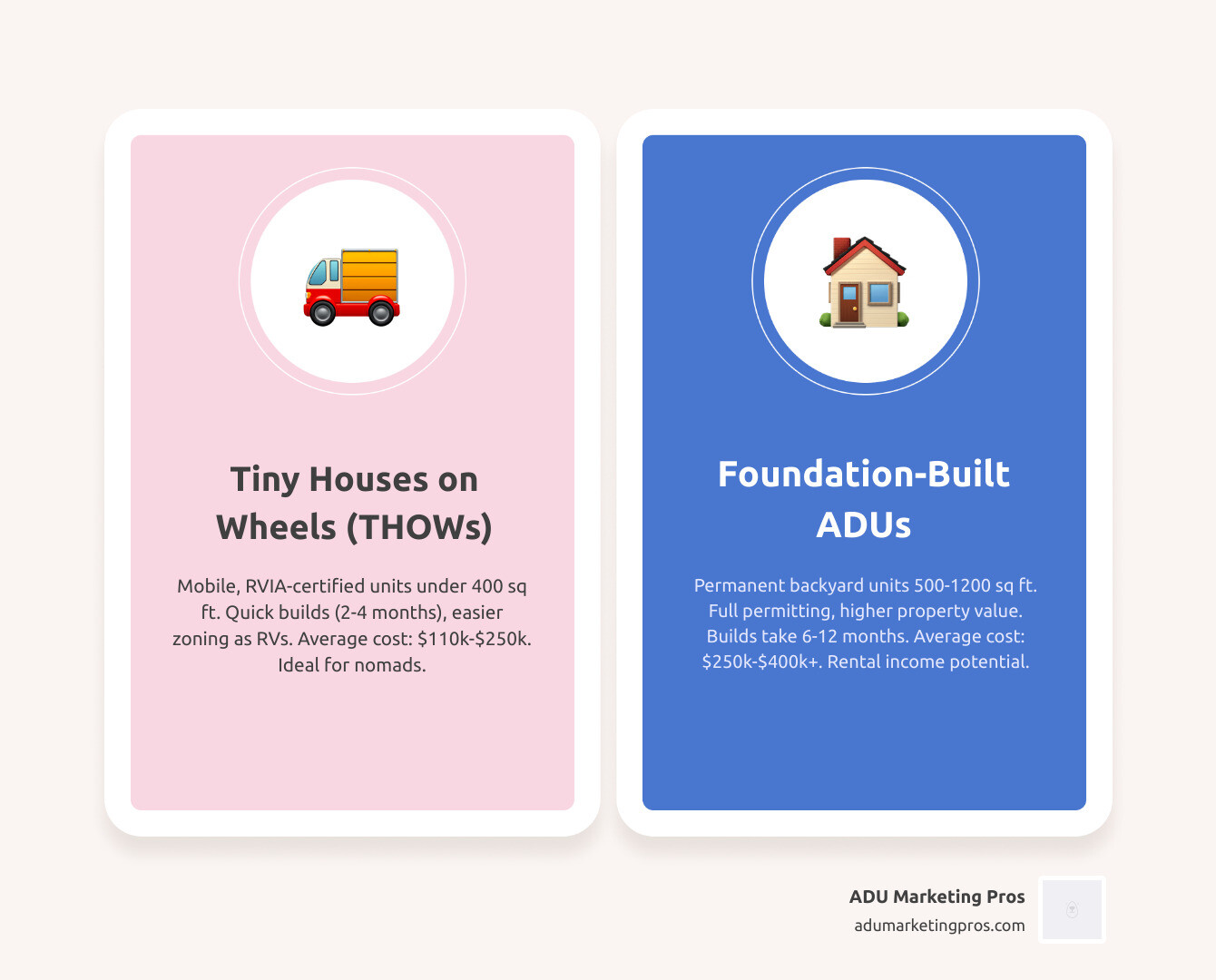
Furthermore, the legal landscape is changing. Understanding the difference between an adu vs tiny house is crucial for local homeowners. While a tiny house on wheels (THOW) offers mobility and lifestyle freedom, a foundation-built Accessory Dwelling Unit (ADU) provides a permanent solution to urban density, often increasing property value significantly. In California, recent legislation has made it easier than ever to permit these structures, though the process still requires a professional touch to ensure compliance with Title 24 energy standards and local zoning ordinances.
Top Tiny House Builders in Northern California for 2026
When we look at the landscape of builders, diversity is the name of the game. From the rugged hills of Cottonwood to the tech-centric corridors of San Jose and Sunnyvale, the expertise available is staggering. As we move into 2026, the industry is focusing more than ever on sustainable materials and multi-functional spaces that cater to the remote-work lifestyle. The modern tiny home is no longer just a “cabin on wheels”; it is a high-tech, high-efficiency dwelling equipped with smart home features, integrated fiber optics, and ergonomic workstations.
| Builder | Region Served | Specialty | Key Certifications |
|---|---|---|---|
| Forever Tiny Homes | Cottonwood / National | Luxury THOWs | RVIA, NHTSA |
| Golden State ADUs | Grass Valley / Sacramento | Custom Eco-Homes | Licensed Gen. Contractor |
| Backyard Unlimited | Sacramento / Bay Area | Large Foundation ADUs | Licensed & Bonded |
| RiseCon North America | Mather / San Jose | Modern Dwellings | 25+ Years Experience |
| Artistree Home | Occidental / Sonoma | Sustainable Design | Eco-Focus |
Custom Design Trends Among Tiny House Builders in Northern California
Innovation is a requirement, not an option, for tiny house builders in northern california. In 2026, we are seeing a surge in “pop-out” expansions. Some builders have pioneered patented functions that allow a tiny home to expand its interior width from the standard 8.5 feet to a massive 17 feet once parked. This transforms a narrow trailer into a spacious living environment that feels like a traditional luxury suite. These mechanical marvels are particularly popular among retirees who want to downsize without feeling cramped.
Companies like Artistree Home are pushing boundaries by blending tiny living with nature. Based in Occidental, they are world-renowned for sustainable treehouses and high-end design-build projects that prioritize forest restoration. This “closer-to-nature” philosophy is a hallmark of the region. Their builds often feature floor-to-ceiling glass walls, allowing the interior to merge seamlessly with the surrounding redwoods. This biophilic design approach is proven to reduce stress and improve well-being, making these homes more than just structures—they are sanctuaries.
In more urban settings, san francisco tiny house builders are focusing on off-grid capabilities and solar integration. With the constant threat of wildfires and public safety power shutoffs, having a tiny home that can run entirely on its own power system is a major selling point for local buyers. Battery backup systems like the Tesla Powerwall are becoming standard in high-end builds, ensuring that even during a grid failure, the lights stay on and the home remains functional.
Leading Manufacturers in the Sacramento and Central Valley Regions
For those looking for permanent backyard solutions, the Sacramento and Mather areas host some of the most reliable firms in the state. Many of these tiny house builders california offers turnkey solutions where they handle everything from the initial land survey to the final utility hookups. This “white-glove” service is essential for busy professionals who don’t have the time to manage multiple subcontractors or navigate the labyrinth of city hall.
RiseCon North America, for instance, brings over 25 years of experience to the table. They specialize in what they call “Modern Dwellings”—on-site custom builds that often outperform prefab models in terms of durability and long-term value. Their approach focuses on steel-frame construction, which offers superior resistance to termites, rot, and fire—a critical consideration in California’s climate. Similarly, Glad Construction offers a streamlined two-phase process: Phase 1 covers the 2-3 months needed for permitting, while Phase 2 covers the 3-4 months of actual construction. This level of transparency helps homeowners avoid the “rude surprises” that often plague DIY projects. By providing fixed-price contracts and clear timelines, these builders are professionalizing an industry that was once dominated by hobbyists.
Quality Standards and Safety Certifications for NorCal Builders
Safety is paramount when your home is also a vehicle or a compact structure. The best tiny house builders in northern california don’t just build pretty houses; they build safe ones. Because these structures are often placed in high-risk areas—whether due to seismic activity or wildfire potential—the engineering must be impeccable. A tiny home on wheels must be able to withstand the equivalent of a continuous earthquake while being towed at 60 mph, while a foundation-built ADU must meet the same rigorous California Building Code (CBC) standards as a full-sized mansion.
Key certifications to look for include:
- RVIA Certification: This ensures the home is built to NFPA 1192 standards. It is essential for insurance, financing, and staying in many RV parks. It covers electrical, plumbing, heating, and fire safety systems specifically designed for mobile living.
- NHTSA Registration: For homes on wheels, being registered with the National Highway Traffic Safety Administration ensures the chassis, lighting, and braking systems meet federal safety standards. This is vital for legal road travel and liability protection.
- Licensed Manufacturers: Working with a licensed dealer/manufacturer provides a layer of consumer protection that “backyard builders” simply cannot offer. In California, this often means the builder is overseen by the Department of Housing and Community Development (HCD).
- Wildland-Urban Interface (WUI) Compliance: In many parts of Northern California, homes must be built with ignition-resistant materials to protect against wildfires. This includes specialized vents, non-combustible siding, and tempered glass.
Quality also comes down to materials. Leading builders use 24-gauge standing seam metal roofs (which are more fire-resistant and durable than the common 26-gauge), tempered glass windows that are four times stronger than ordinary glass, and ring shank nails combined with construction adhesive to ensure the structure can withstand the “earthquake” of being towed down a highway. Furthermore, the use of spray foam insulation or high-density Rockwool provides superior R-values, keeping the home cool in the scorching Central Valley summers and warm during Tahoe winters. For more on these standards, you can consult an Expert Tiny House Builder in California. They can provide detailed specifications on the structural engineering required for different California climate zones.
Financing and Legal Regulations for Tiny Homes in Northern California
Navigating the red tape is often the hardest part of the journey. Fortunately, California has become much more “tiny-friendly” in recent years, leading the nation in progressive housing policy. In cities like Sacramento and San Jose, ADUs are encouraged as a way to solve the housing crisis, with local governments slashing impact fees and streamlining the approval process. However, the rules can still be confusing, as they often vary significantly between incorporated cities and unincorporated county land.
One of the biggest boons for homeowners is CalHFA’s ADU Grant Program, which has historically provided up to $40,000 to reimburse homeowners for predevelopment costs like permits and soil tests. While programs evolve, the state’s commitment to funding remains strong through various SB 2 Planning Grants and local trust funds. These financial incentives are designed to lower the barrier to entry, making it feasible for middle-income families to add a unit for an aging parent or a college-aged child.
Zoning varies by city, and understanding these nuances is key:
- San Jose: The City of San Jose: Accessory Dwelling Unit Program provides pre-approved plans to speed up the process. They have even created a “Master Plan” program where builders can get their designs pre-vetted, reducing permit review times from months to weeks.
- Sacramento: Allows up to two ADUs per lot (one attached and one detached), and they do not count toward density calculations. This makes Sacramento one of the most flexible cities in the state for tiny living.
- San Francisco: There are specific nuances for tiny house san francisco builds, often focusing on garage conversions or “rear yard” cottages. Due to the extreme density, fire separation requirements and neighbor notification rules are much stricter here.
- Humboldt and Sonoma Counties: These areas have been pioneers in allowing Tiny Houses on Wheels (THOWs) as permanent residences, provided they are hooked up to approved septic and water systems.
Building a detached ADU is widely considered one of the best ways to increase property value. In many Northern California markets, adding a high-quality ADU can increase the resale value of a property by 20% to 30%. Most projects in the Sacramento area are completed in under a year, providing a relatively fast return on investment through rental income or added family living space. Financing options have also expanded, with many credit unions now offering specialized ADU loans that consider the future rental income of the unit when qualifying the borrower.
Frequently Asked Questions about Tiny Living in NorCal
How to Choose Tiny House Builders in Northern California?
We recommend starting with a feasibility study. A good builder will offer a no-cost property walk-through to check setbacks, utility access, and potential drainage issues. Beyond that, check for:
- Certifications: Are they RVIA certified for mobile units or licensed B-General contractors for foundation builds?
- Testimonials: Look for reviews that mention the builder stayed on budget and on schedule. Ask to speak with past clients about their experience during the “punch list” phase.
- Customization: Can they handle your specific needs, like ADA compliance, off-grid solar packages, or a gourmet kitchen with full-sized appliances?
- Warranty: Do they offer a structural warranty? Reputable builders should stand behind their work for at least 1-5 years.
What is the average cost of a tiny home in Northern California?
While you can find basic shells for less, a fully finished, high-quality tiny home or ADU typically averages around $275,000. On-site builds in Sacramento often range from $300,000 to $400,000 when you include site prep, utility trenching, and landscaping. Luxury tiny homes on wheels from Cottonwood builders can range from $100,000 to $200,000 depending on the length (typically 24 to 34 feet) and high-end upgrades like skylights, custom cabinetry, and premium flooring.
Are tiny houses on wheels legal in Northern California cities?
It depends on the “placement.” In many jurisdictions, a tiny house on wheels (THOW) is treated as an RV, meaning it can only be occupied for short periods. However, cities like Grass Valley, San Jose, and parts of the Central Valley are increasingly allowing them as permanent residences (Moveable Tiny Homes) if they meet specific tie-down, skirting, and utility requirements. Always check with your local planning department before purchasing, as the laws are changing rapidly.
Can I finance a tiny home like a traditional mortgage?
For foundation-built ADUs, you can often use a Home Equity Line of Credit (HELOC), a construction loan, or a renovation loan (like the Fannie Mae Homestyle). For tiny houses on wheels, financing is typically handled through personal loans or RV loans, which usually require a higher down payment and have shorter terms (10-15 years) compared to a 30-year mortgage.
How do tiny homes handle extreme weather in NorCal?
Quality builders in Northern California use high-performance insulation and dual-pane, low-E windows to manage the heat of the Central Valley and the cold of the Sierras. For those in fire-prone areas, builders use non-combustible materials like James Hardie siding and metal roofing to meet strict WUI (Wildland-Urban Interface) codes.
Conclusion
The world of tiny house builders in northern california is expanding rapidly, driven by a unique blend of economic necessity and a cultural desire for a more intentional way of life. Whether you are looking for the mobility and freedom of a THOW or the stability and equity-building potential of a foundation-built ADU, the region offers world-class craftsmanship and innovative design that is setting the standard for the rest of the country.
At ADU Marketing Pros, we specialize in helping these talented builders and architects reach the homeowners who need them most. By focusing on expertise over price, we help firms in San Jose, San Francisco, and the surrounding areas grow their revenue and stand out in a competitive market. We believe that smaller homes are a big part of the solution to California’s housing challenges.
If you are exploring your options, don’t forget to look at our guides on tiny-house-builders-california or see how things differ with tiny house builders in southern california. The tiny living movement is about more than just square footage—it is about building a future that fits your life perfectly, providing the freedom to live where you want, how you want, and within your means. As we look toward 2026 and beyond, the innovation coming out of Northern California will continue to redefine what it means to be “at home.”