

Why Finding the Right Old Lady Shoes Matters More Than You Think
Old lady shoes are comfort-focused footwear designed for the unique needs of aging feet. In 2026, the market has evolved beyond clunky orthopedic boots to include more supportive and stylish options. For seniors in the San Francisco Bay Area, San Diego, or Los Angeles, staying active supports long-term health. Whether walking in Palo Alto or visiting a community center in San Jose, footwear plays a major role in comfort and stability. The term itself has undergone a transformation; what was once a label for unattractive, heavy footwear is now a category defined by cutting-edge biomechanics and aesthetic versatility.
Mobility is closely tied to independence and quality of life. Choosing the right shoe can help reduce pain, improve confidence while walking, and support everyday activity. In the sprawling urban landscapes of California, where a trip to the grocery store or a stroll through Golden Gate Park involves significant walking, the structural integrity of one’s footwear cannot be overstated. A shoe that fails to provide adequate support can lead to a cascade of physical issues, from localized foot pain to chronic back and hip misalignment. As the “Silver Tsunami” continues to shape the demographics of the West Coast, the demand for footwear that bridges the gap between medical necessity and personal style has never been higher. Here are the top picks for 2026, categorized by specific lifestyle and medical needs:
| Need | Best Type | Example |
|---|---|---|
| Everyday walking | Supportive sneaker | Skechers Go Walk series |
| Swollen or diabetic feet | Adjustable orthopedic shoe | Ortho+rest, Silverts |
| Easy on/off | Slip-on or hands-free | Skechers Hands Free Slip-ins |
| Classic style | Low-heel leather flat | Easy Spirit Traveltime Mule |
| Nursing home use | Non-slip slipper | Silverts grip socks |
The Physiological Changes of the Aging Foot
As we age, ligaments often lose elasticity, which can cause the foot to become wider over time. This process, often referred to as “foot spreading,” means that the size you wore in your 40s is likely no longer appropriate in your 70s. Arches may flatten, contributing to over-pronation and extra strain on joints. Conditions such as plantar fasciitis, arthritis, and edema may also become more common. Wearing shoes that do not fit well or lack support can worsen discomfort and may increase fall risk, which is a primary concern for senior safety in the home and community. Furthermore, the thinning of the skin and the loss of the natural fat pad on the bottom of the foot mean that shock absorption must now come from the shoe itself rather than the body’s natural anatomy.
The Importance of Mobility and Skin Integrity
Maintaining an active lifestyle can help preserve independence. In walkable communities across the Bay Area and Southern California, comfortable shoes can make it easier for seniors to stay engaged with daily routines and social activities. Aging feet also lose natural fat padding on the soles, which can make skin thinner and more prone to irritation, blisters, and pressure sores. Modern footwear often addresses this with high-density cushioning, soft linings, and seamless interiors, which can be especially helpful for people with diabetes who must be vigilant about skin integrity to prevent infections. By prioritizing these features, seniors can avoid the sedentary lifestyle that often leads to secondary health complications like cardiovascular decline or muscle atrophy.
The Evolution and Anatomy of Modern Old Lady Shoes
The term old lady shoes once suggested heavy, unattractive designs that prioritized function over any semblance of fashion. As seen in Old Woman Shoes Late XIX Century Stock Photo – Download Image Now – 19th Century Style, Adult, Antique – iStock , historical support footwear was often stiff, heavy, and made of unforgiving materials. These shoes were designed to hold the foot in a rigid position, often causing as much discomfort as they solved. Today, senior footwear includes lighter materials, better shock absorption, and more attractive everyday styles that allow seniors to feel confident in social settings. The shift from rigid leather to flexible, engineered knits has revolutionized how seniors experience movement.
Key Components of Senior Footwear
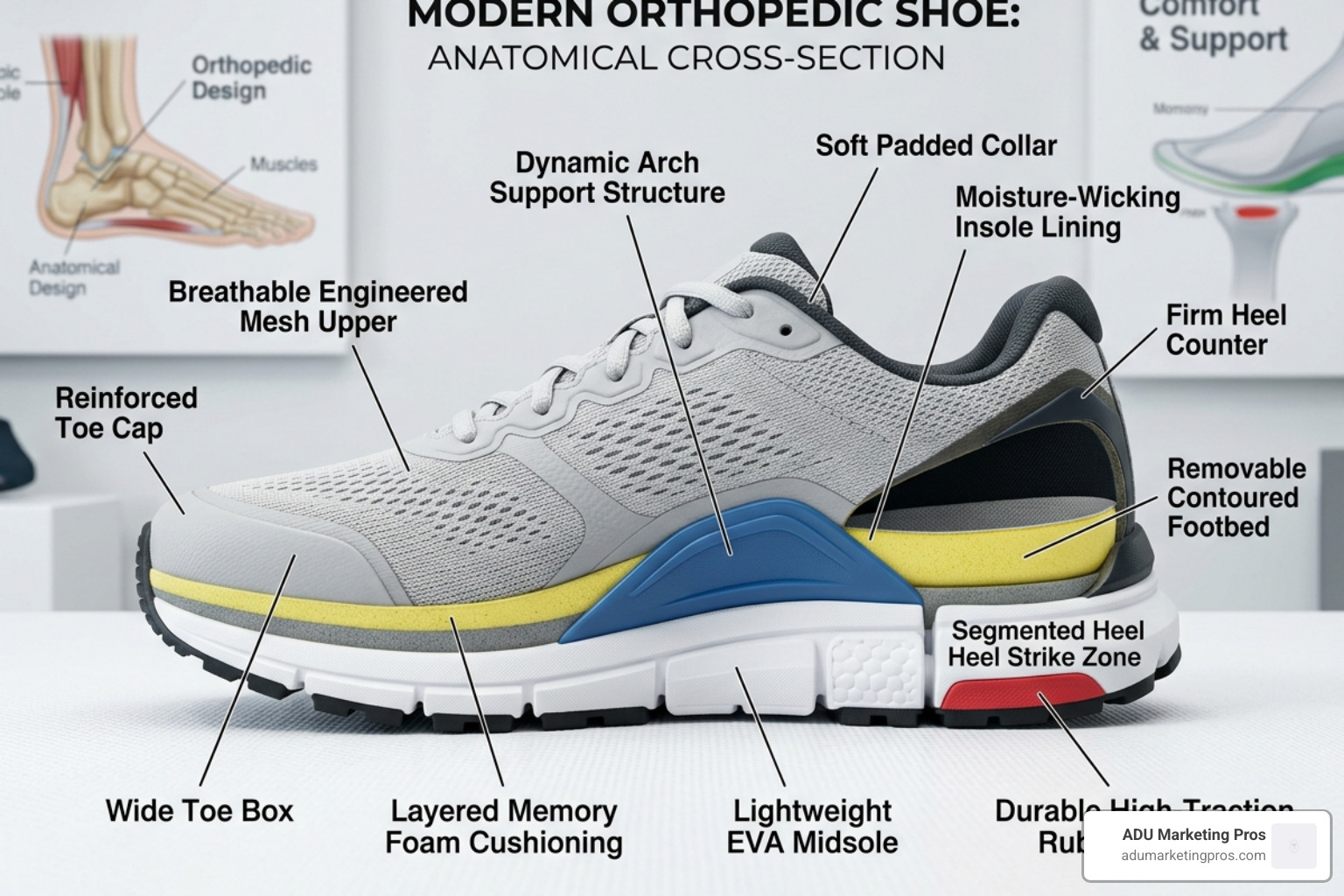
Understanding the anatomy of a modern comfort shoe is essential for making an informed purchase. Manufacturers in 2026 utilize aerospace-grade materials and computer-aided design to create shoes that are both feather-light and incredibly durable. This evolution ensures that the wearer doesn’t feel weighed down by their own support system.
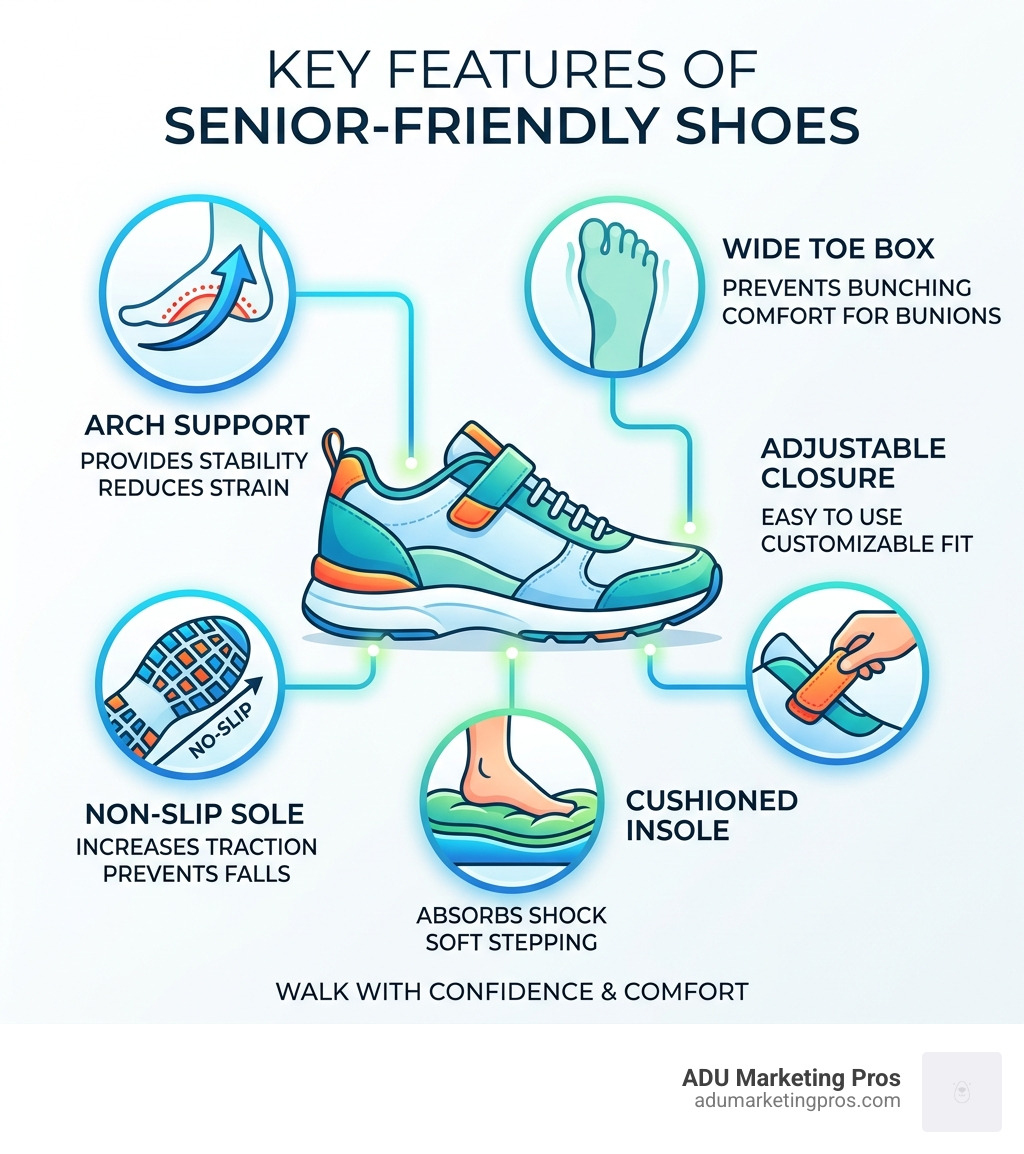
- Advanced Arch Support: This is the foundation of the shoe. It helps limit over-pronation (the inward rolling of the foot) and may reduce strain on knees and the lower back by keeping the skeletal system aligned. Proper arch support engages the “windlass mechanism” of the foot, allowing for a more efficient gait.
- High-Rebound Cushioning: Modern foams, such as memory foam or specialized gel inserts, can absorb the impact of every step. This is critical when natural heel padding has thinned due to age, preventing the “bone-on-pavement” feeling that many seniors report.
- EVA Midsoles: Ethylene-vinyl acetate (EVA) is a lightweight foam that provides excellent stress-resistance and waterproof properties. It makes shoes feel easier to lift, reducing fatigue during longer walks in hilly areas like San Francisco.
- Wide Toe Boxes: Many seniors suffer from bunions or hammertoes. A wide toe box allows the toes to splay naturally, reducing friction and preventing the development of painful calluses or ingrown toenails.
- Breathable Mesh: Synthetic mesh uppers allow for maximum airflow, which can reduce moisture buildup and improve comfort, especially for people with sensitive skin or those living in warmer climates like San Diego or the Inland Empire.
The Science of Shock Absorption and Biomechanics
Walking creates repeated impact through the feet and legs, sending vibrations up the kinetic chain. Modern shoes often use multi-density foam to improve cushioning and comfort. Some also include rocker-style soles—a curved design that can help create a smoother heel-to-toe transition. This biomechanical advantage may feel more stable for some wearers, as it requires less effort from the ankle joint to move the body forward. This is particularly beneficial for those with limited range of motion in their feet or those recovering from ankle surgeries. By reducing the energy required for each step, these shoes allow seniors to walk further with less exhaustion.
Budget vs. Premium: Where to Invest
While it may be tempting to opt for the least expensive option, premium shoes may be worth the higher upfront cost for people who walk often or need all-day support. High-quality materials tend to retain their shape and supportive properties much longer than budget alternatives. A budget shoe might lose its structural integrity in three months, whereas a premium pair might provide consistent support for a full year, making the cost-per-wear much lower in the long run.
| Feature | Budget Slippers ($20-$40) | Premium Walking Sneakers ($80-$160) |
|---|---|---|
| Primary Use | Indoor/Short bursts | All-day activity |
| Support | Minimal | Enhanced cushioning and structure |
| Durability | 6-12 months | Often longer-lasting with regular use |
| Safety | Basic grip | Usually better traction and stability |
Top-Rated Walking Sneakers for Active Seniors
For seniors walking the Stanford Dish in Palo Alto or Balboa Park in San Diego, the right sneaker is essential. The goal is maximum support with minimal weight. In 2026, the distinction between “athletic” shoes and “senior” shoes has blurred, as major brands have integrated orthopedic features into their mainstream performance lines. This allows seniors to wear the same brands as their grandchildren while still getting the medical-grade support they require.
Skechers: The Gold Standard in Senior Comfort
Skechers has pioneered technologies specifically for the aging population, focusing on ease of use and immediate comfort. They have become a household name for seniors due to their consistent sizing and innovative designs that address common mobility barriers.
- Go Walk Joy: This model features 5Gen cushioning, which is highly responsive and lightweight. The seamless construction is designed to reduce friction against the skin, making it a favorite for those with sensitive feet or mild neuropathy.
- Go Walk 5: This iteration includes high-rebound pillars underfoot that react to every step for the ultimate comfort. The machine-washable design is a significant plus for maintaining hygiene and freshness, especially for those who walk daily.
- Hands Free Slip-ins: Perhaps the most revolutionary design for seniors, these allow users to step into the shoe without bending over or using their hands. This is perfect for those with back pain, severe arthritis, or limited flexibility, providing a level of independence that traditional laces cannot match.
Performance and Style: New Balance and Ryka
New Balance has long been a staple in the podiatry community. They are famous for offering a vast range of widths, from 2A (extra narrow) to 4E (extra wide), ensuring a perfect fit for those with significant swelling or unique foot shapes. Their 990 and 840 series are often recommended for their superior stability and ability to accommodate custom orthotics without making the shoe feel cramped.
Ryka, on the other hand, designs specifically for the female foot. Women typically have a narrower heel and a wider forefoot compared to men. Ryka’s “Made for Women” fit prevents the heel slippage that often leads to blisters and falls. For a stylish California look that transitions from a walk to a casual lunch, White Mountain Shoes | Comfortable Women’s Shoes offers contoured cork footbeds that mold to the foot over time, providing a custom-feeling support system that rivals expensive custom orthotics.
Reliable Brands for Longevity and Formal Needs
- Easy Spirit: The Traveltime Mule is a sturdy slip-on that has sold millions of pairs. It features a removable sock liner, allowing it to accommodate custom orthotics easily while providing a secure, enclosed feel that many seniors prefer for stability.
- Naturalizer: Known for their “Iconic Comfort” system, these shoes feature extra padding at pressure points and a contoured insole that supports the natural shape of the foot, making them ideal for church services or family gatherings.
- Clarks: While known for their classic leather designs, Clarks excels in combining style with technology. Their Cloudstepper line uses multi-layered foam to provide a sneaker-like feel in a more formal loafer or flat, perfect for a night out at the theater.
Traction and Outsole Design for Safety
Balance can be compromised with age, making the outsole of the shoe just as important as the insole. Look for multi-directional tread patterns and slip-resistant rubber compounds. This is vital in coastal cities like San Francisco or San Diego, where morning fog or ocean mist can make sidewalks surprisingly slippery. A flared outsole—one that is wider at the bottom than at the top—provides a more stable platform for every step, reducing the likelihood of ankle rolls and increasing the wearer’s confidence on uneven terrain.
Addressing Specific Health Needs through Footwear
Foot issues like plantar fasciitis require structural interventions rather than just simple cushioning. When pain limits movement, seniors risk a cycle of inactivity that affects cardiovascular health, muscle tone, and mental well-being. Addressing these issues early with the right footwear can prevent long-term mobility loss and help maintain a high quality of life well into the 80s and 90s.
Plantar Fasciitis and Arthritis Management
Plantar fasciitis causes stabbing heel pain, usually most severe with the first steps in the morning. Seniors dealing with this condition need shoes with deep heel cupping to stabilize the heel and firm arch support to take the strain off the plantar fascia ligament. In San Jose, visiting a specialist like the San Jose Shoe Store | Downtown Willow Glen – Footwear etc. for a professional fitting ensures the support hits the correct part of the foot. For those with arthritis in the toes or midfoot, rocker soles are a game-changer. By curving the sole, the shoe does the work of moving the foot forward, reducing the range of motion needed in the painful joints and allowing for a more natural, pain-free stride.
Bunions, Hammertoes, and Edema
These conditions require more than just a “large” shoe; they require a shoe with specific volume in the right places. Bunions and hammertoes need wide toe boxes and stretchy, non-binding materials that won’t press against sensitive areas. Comfortable Shoes for Men and Women – Comfort Shoes & Wide … offers extra-wide options that cater to these specific deformities. For edema (swelling), which can fluctuate throughout the day, adjustable Velcro straps or elastic laces are essential. They allow the wearer to loosen the shoe as the day progresses, ensuring that circulation isn’t restricted and the shoe remains comfortable from morning to night, regardless of fluid retention.
The Kinetic Chain and Diabetic Care
Poor footwear affects the entire body through the kinetic chain. If the arches collapse, the ankles roll inward, the knees rotate, and the hips must compensate, often leading to chronic lower back pain. Brands like Vionic are designed by podiatrists to realign the skeletal structure from the ground up, which can alleviate pain far beyond the feet. This holistic approach to footwear is essential for seniors who want to remain active without relying on pain medication.
For diabetic seniors, foot care is a matter of critical health. Diabetes can cause neuropathy (loss of sensation) and poor circulation. Shoes for diabetic care must have:
- Seamless Interiors: To prevent friction and the development of ulcers that the wearer might not feel due to nerve damage.
- Extra Depth: To accommodate custom-molded orthotics that redistribute pressure away from vulnerable areas.
- Protective Toe Boxes: To prevent injury from accidental bumps or stubs, which can lead to serious infections in diabetic patients.
Regular inspections of the feet and professional measurements are the best defense against diabetic complications. A shoe that fits perfectly is the first line of defense in a comprehensive diabetic care plan, potentially preventing hospitalizations and long-term mobility issues.
Specialized Orthopedic and Adaptive Footwear
In 2026, orthopedic designs are more streamlined and less “medical” in appearance. Ortho+rest shoes feature anatomical insoles that redistribute weight away from pressure points, making them ideal for those who spend a lot of time on their feet. Dr. Comfort offers double-depth construction for those with significant toe deformities or those who require thick, custom-made orthotics that would make standard shoes feel too tight. These advancements mean that seniors no longer have to choose between their health and their dignity.
Silverts: The Leader in Adaptive Footwear
For those with limited dexterity due to arthritis, Parkinson’s, or the aftermath of a stroke, Silverts provides solutions that promote independence and dignity. Their designs focus on making the act of dressing as simple as possible, reducing the frustration that often accompanies morning routines:
- Easy-Close Sandals: These use extra-strength Velcro closures that can be adjusted with one hand, making them perfect for swelling management and ease of use for those with limited hand strength.
- Diabetic Booties: These provide warmth and non-slip protection for home environments, where many falls occur. They are designed with non-constricting tops to ensure blood flow is never compromised, even during sleep or rest.
- HSA/FSA Eligibility: Many of these specialized shoes are considered medical devices and are often reimbursable through Health Savings Accounts or Flexible Spending Accounts, making high-quality care more accessible for those on a fixed income.
Safety in the Home and the Rise of ADUs
Slip-on styles eliminate the risk of untied laces, which are a frequent trip hazard. For indoor safety, non-slip outsoles are essential. This is a major consideration for the Accessory Dwelling Units (ADUs) becoming popular in Mountain View, San Jose, and across California. As more seniors move into these compact, efficient living spaces, maintaining safety in a smaller footprint is key. A simple slip in a compact kitchen or bathroom can be devastating, so “house shoes” must be just as supportive and slip-resistant as outdoor sneakers. The transition from carpet to tile or hardwood in an ADU requires a sole that can handle multiple surfaces with ease, providing consistent traction throughout the home.
The Psychological Impact of Adaptive Footwear
Being able to put on one’s own shoes is a powerful symbol of independence. Adaptive footwear allows seniors to maintain their daily routines without the need for caregiver assistance for basic tasks. This boosts self-esteem and encourages a more active, social lifestyle. When a senior doesn’t have to worry about the struggle of putting on shoes, they are much more likely to say “yes” to a walk in the neighborhood or a visit with friends, which is vital for mental health and cognitive function. Reducing the “barrier to entry” for leaving the house is one of the most effective ways to combat senior isolation.
Timeless Elegance: Vintage Styles with Modern Support
The “Grandmillennial” trend has brought vintage-inspired footwear back into the mainstream, but with a modern twist: hidden comfort technology. You can now have the 1940s or 50s aesthetic with the internal support of a 2026 athletic shoe. This allows seniors to maintain their personal style without sacrificing the health of their feet, proving that aging doesn’t mean giving up on fashion. For many, these styles evoke a sense of nostalgia while providing the stability required for modern life.
Memery and Retro Design
Memery is a brand that has mastered this niche, offering handcrafted leather shoes like the Emily model. While they look like museum-quality classics, they feature hidden silicone inserts and modern arch support. They utilize stable block heels instead of thin stilettos, providing a much larger surface area for contact with the ground. This allows seniors to attend events at the San Francisco Opera House or a wedding in Los Angeles with confidence and grace, knowing they won’t be in pain by the end of the evening. The wider base of a block heel significantly reduces the risk of ankle wobbles on uneven surfaces.
Genuine Leather Craftsmanship and Breathability
For a polished, professional look, Spring and Autumn New Women’s Leather Shoes Grandma Shoes Elderly Shoe – V.I.P Digital Presence offers soft, durable options that are designed to last for years. You can also find expressive, colorful styles at 2025 Vintage Pumps Elderly Genuine Leather Shoes Ladies Medium Heels Pumps Mom Red Block Heel Shoes Womens Pumps Round Toe – Vivishoe.com .
Leather remains a preferred material for many because it is naturally breathable and has the unique ability to mold to the shape of the wearer’s foot over time. This creates a custom fit that synthetic materials often cannot replicate. Furthermore, high-quality leather can be polished and maintained, making it a more sustainable choice than “fast fashion” alternatives that must be discarded after a few months of wear. For seniors who value longevity and craftsmanship, leather is an investment that pays dividends in comfort.
The Return of the Oxford and the Loafer
Classic Oxfords and Loafers provide excellent stability because they cover more of the foot than a standard pump or ballet flat. Modern versions of these classics often include hidden elastic panels (called gores) that allow the shoe to stretch over bunions while maintaining a sleek, professional appearance. These are the perfect choice for those who want more support than a flimsy flat but don’t want to wear a sneaker to a formal dinner or a religious service. The structured heel counter of an Oxford also provides superior rear-foot stability, which is essential for those with balance concerns or a history of falls. By securing the heel in place, these shoes prevent the foot from sliding forward and crowding the toes.
Smart Shopping: Finding the Perfect Fit for Aging Feet
Accuracy in sizing is paramount for seniors, yet it is one of the most overlooked aspects of footwear health. Because feet naturally lengthen and widen with age due to the loosening of ligaments, you should have your feet professionally measured at least once a year. A shoe that fit perfectly two years ago may be causing undiagnosed pain today, leading to issues like ingrown nails or nerve compression. Taking the time to measure ensures that you are not inadvertently causing damage to your feet.
Measuring for Success: A Step-by-Step Guide
To get the most accurate measurement at home or in a store, follow these industry-standard tips:
- Measure at the End of the Day: Your feet naturally swell throughout the day due to gravity and activity. Measuring in the evening ensures the shoe will be comfortable even at its tightest point.
- Wear Your Usual Socks: If you plan to wear thick wool socks for walking, measure your feet while wearing them. Measuring with thin nylons or barefoot will result in a shoe that is too tight for actual use.
- Measure Both Feet: It is very common for one foot to be slightly larger than the other. Always buy the size that fits the larger foot; you can always add an insert to the smaller side, but you cannot make a small shoe larger without compromising its structure.
- Check the Width: Length is only half the story. Look for brands like SAS (San Antonio Shoemakers) that offer specialized widths, including Triple Wide (WW) options, to accommodate significant swelling or unique foot shapes.
The Value of a Professional Fitting
While online shopping is convenient, nothing beats the accuracy of a Brannock device measurement in the hands of a professional. This device assesses three critical dimensions: overall length, width, and arch length. The arch length is particularly important because it determines where the shoe should flex. If the shoe flexes in the wrong place, it can cause significant arch and toe pain. A professional can also identify gait issues, such as over-supination or over-pronation, that might require specific shoe types.
For a professional assessment in Northern California, visit Palo Alto Shoe Store – Footwear etc. or the iconic San Francisco Haight Ashbury Shoe Store – Fluevog Shoes . These stores employ staff who understand the complexities of senior foot health and can recommend specific brands based on your unique foot shape and gait. They can also help you determine if your current orthotics are still providing the necessary support.
Value, Returns, and the “Wear Test”
Many popular models from Skechers and Easy Spirit are Prime-eligible, allowing for easy returns if the fit isn’t perfect. However, look for retailers that offer a 30-day “wear test.” This allows you to actually walk in the shoes on different surfaces to ensure they don’t cause hotspots or pain over time. Investing in quality shoes is an investment in your overall health and mobility, so keep an eye out for seasonal sales at major retailers like Nordstrom or Macy’s, where high-quality staples often go on discount. Remember, the most expensive shoe is the one that sits in your closet because it’s too painful to wear.
Frequently Asked Questions About Senior Footwear
What are the best shoes for balance issues and fall prevention?
For those with balance concerns, the best shoes have a low “stack height” (the thickness of the sole) and a wide, non-slip outsole. A lower center of gravity helps the brain process where the foot is in relation to the ground. The Skechers Go Walk series is highly recommended because it provides a stable, wide base. You should generally avoid platform shoes, high heels, or shoes with overly thick, squishy cushioning that can shift your center of gravity and make you feel unstable. A firm midsole is often better for balance than a very soft one.
How do I choose the right width for feet that swell (edema)?
Look for shoes with “Extra Wide” (XW or EEEE) designations. More importantly, look for shoes made from stretchy materials like neoprene or engineered mesh. These materials can expand and contract as your foot volume changes throughout the day. Adjustable closures, such as Velcro or elastic toggle laces, are also essential for managing edema without restricting blood flow. Avoid shoes with rigid seams over the top of the foot, as these can become painful when swelling occurs.
How often should I replace my walking shoes?
Most experts recommend replacing walking shoes every 300 to 500 miles, or every 6 to 12 months for the average user. Even if the exterior of the shoe looks brand new, the internal support structures—the foams and plastics that provide the actual support—break down over time and lose their ability to absorb shock and align the foot. If you notice new aches in your knees or back, it may be a sign that your shoes have lost their supportive properties.
Can I use my own custom orthotics in these shoes?
Yes, many high-quality brands like New Balance, Orthofeet, and Easy Spirit feature removable footbeds specifically so you can swap them out for your own custom orthotics. When shopping, always bring your orthotics with you to ensure the shoe has enough depth to accommodate them without your heel slipping out of the back. A shoe with a “removable insole” is a must-have feature for anyone using medical inserts.
What kind of socks should I wear with my comfort shoes?
Socks are just as important as the shoes. Avoid 100% cotton, which traps moisture and can lead to blisters and fungal infections. Instead, use moisture-wicking synthetic blends or merino wool. For seniors, seamless toes are essential to prevent irritation against the tips of the toes. If you have circulation issues, look for non-binding diabetic socks that stay up without squeezing the calf, ensuring that blood flow remains optimal throughout the day.
Are expensive shoes always better for seniors?
Not necessarily, but there is a correlation between price and the quality of the support structures. A $150 shoe often uses higher-grade foam that won’t compress as quickly as a $40 shoe. However, the “best” shoe is the one that fits your specific foot shape and addresses your specific health needs. A professional fitting is the best way to determine if a premium price tag is justified for your situation. Sometimes, a mid-range shoe with a high-quality aftermarket insole is the most cost-effective solution.
Conclusion: Taking the Next Step Toward Comfort and Independence
Investing in high-quality old lady shoes is far more than a fashion choice; it is a fundamental investment in your comfort, mobility, and day-to-day confidence. Whether you choose the modern technology of Skechers for your morning walks, the specialized support of Ortho+rest for medical needs, or vintage-inspired leather styles for a dressier social look, the ultimate goal is to stay active with less pain. The right shoes can make it easier to enjoy the beautiful parks of Palo Alto, the historic streets of San Francisco, or the sunny boardwalks of San Diego with total confidence. By addressing foot health today, you are protecting your mobility for the years to come.
Your feet are the foundation of your entire body. When they are well-supported and pain-free, every other activity—from walking the dog to traveling to see family—becomes easier and more enjoyable. With the vast array of footwear options available in 2026, there is a perfect pair for every lifestyle, fit requirement, and style preference. Don’t settle for discomfort when relief is often just a better-fitting shoe away. Taking that first step toward better footwear is a step toward a more vibrant and independent life.
ADU Marketing Pros is dedicated to publishing localized, practical content for readers across California, including homeowners and seniors in San Jose, Los Angeles, San Diego, and the San Francisco Bay Area. We understand the unique needs of the aging population, from housing solutions to health and wellness. If you need specialized marketing support for an ADU construction or architecture business that serves this demographic, visit More info about ADU marketing solutions. We believe that by creating safe, accessible living environments and promoting healthy lifestyle choices, we can help California’s seniors thrive.
Stay active, stay engaged, and keep moving forward. Treat your feet with the care they deserve, and they will support you through many more comfortable and happy miles. Whether you are exploring a new neighborhood or simply enjoying your own backyard, the right shoes are your most important partner in the journey of aging gracefully.