
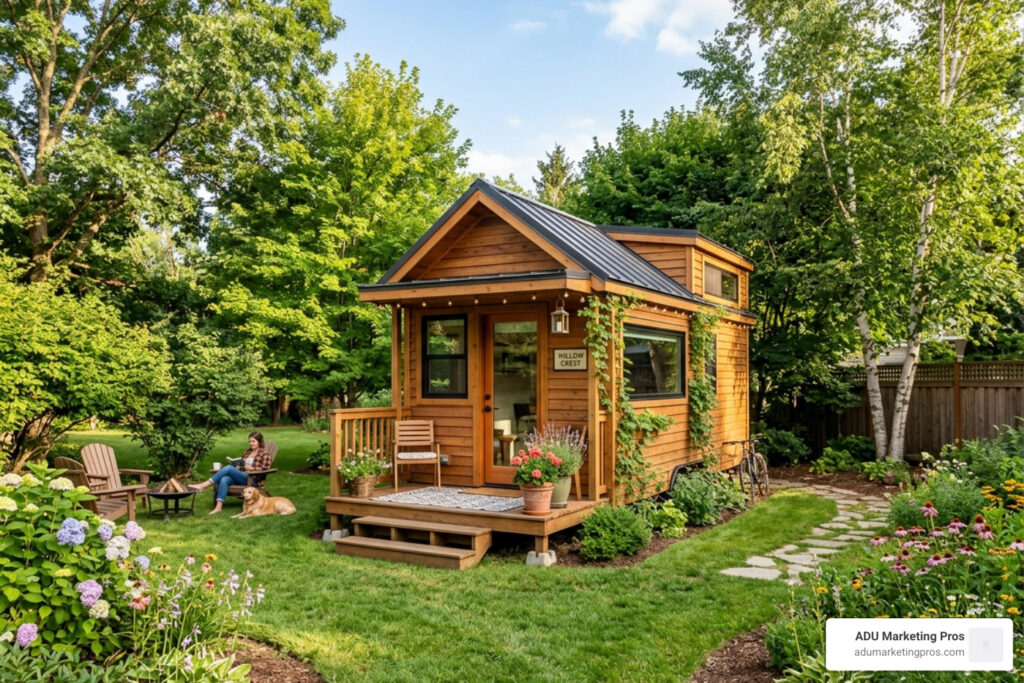
Discover the Charm and Practicality of Backyard Tiny Homes
Backyard tiny homes offer a unique and increasingly popular way to expand your living space or generate income right on your property. These compact dwellings are much more than simple sheds; they are thoughtfully designed for comfort and function. As of April 2026, more homeowners are exploring these versatile structures to meet diverse needs, ranging from housing aging parents to creating a dedicated home office that is physically separated from the main residence. The rise of the “tiny house movement” has shifted from a niche lifestyle choice to a mainstream solution for urban density and housing affordability.
Here’s what sets backyard tiny homes apart from other backyard structures:
- Purpose: Unlike a typical shed used for storage, backyard tiny homes are built for living, working, or guest accommodation. They function as complete, albeit small, dwellings. They are designed with human ergonomics in mind, featuring proper ceiling heights, ventilation, and natural light.
- Utilities: They generally come equipped to connect to essential utilities like electricity, water, and often sewer or septic systems, similar to a traditional home. Basic sheds usually lack these advanced connections and are not insulated for year-round occupancy.
- Building Standards: Many backyard tiny homes are built to specific housing codes (like the International Residential Code) or recreational vehicle (RV) standards (like ANSI A119.5), making them suitable for habitation. Simple sheds typically do not meet these rigorous standards for fire safety, structural integrity, or energy efficiency.
- Features: They often include amenities such as kitchens, bathrooms, sleeping areas, and high-grade insulation, providing a fully functional living environment that can withstand extreme weather conditions.
These distinctions highlight why backyard tiny homes are considered a more robust and livable option compared to other structures you might place in your yard. They represent a long-term investment in property utility and value rather than just a temporary storage solution.
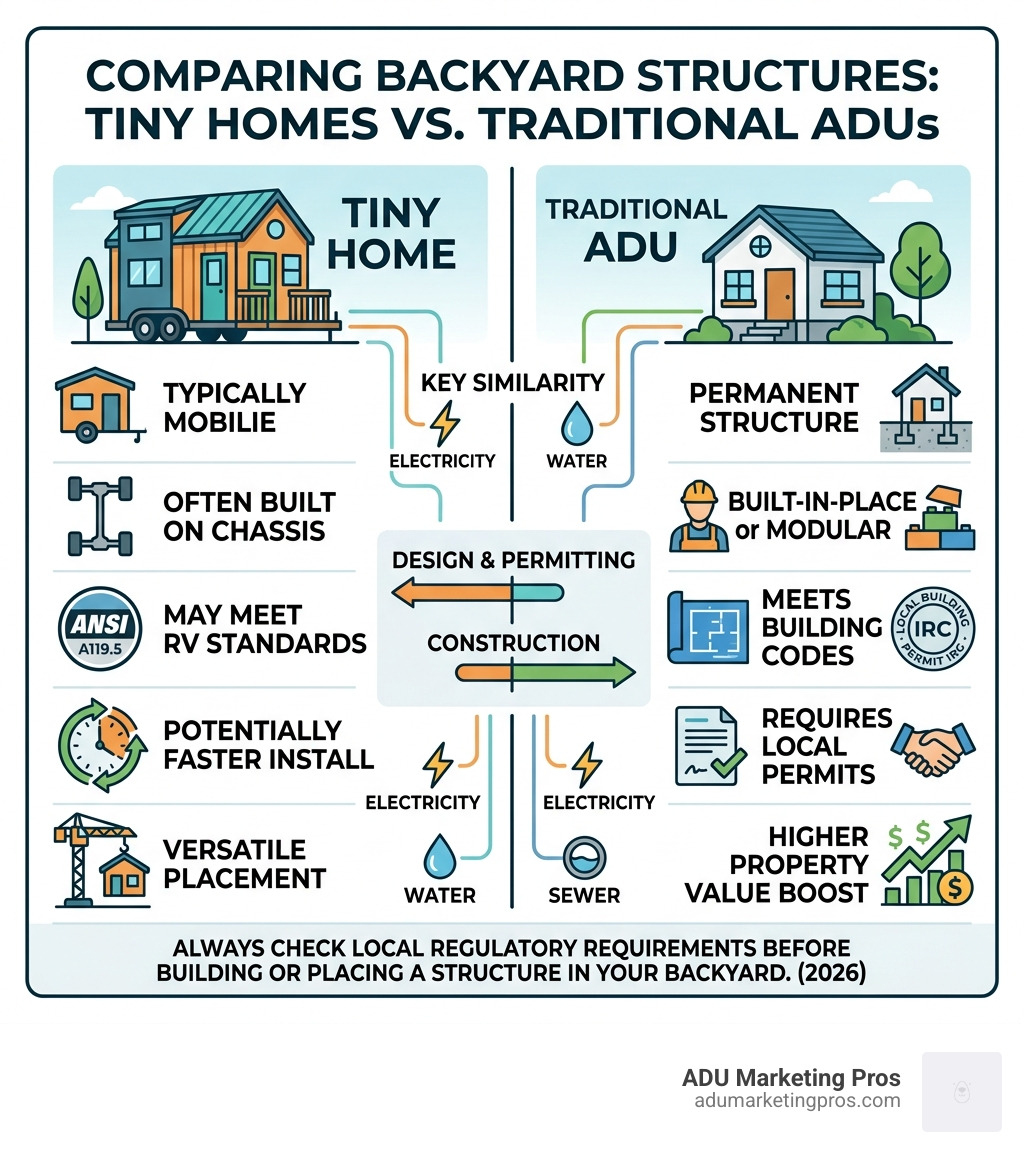
Backyard tiny homes terms to know:
Understanding Backyard Tiny Homes: Costs, Utilities, and Legalities
Before you pick out the curtains for your new mini-dwelling, it is essential to understand the “boring” but vital details: money, pipes, and permits. A backyard tiny home is generally defined as a self-contained living unit, usually under 400 square feet, located on the same lot as a primary residence. The financial and legal landscape for these structures has evolved rapidly, especially in states like California where housing shortages have prompted legislative action to make these units easier to build.
While they share similarities with Accessory Dwelling Units (ADUs), there are key differences in how they are constructed and regulated. For a deeper dive into these nuances, you can explore the ADU vs Tiny House comparison. Generally, a “tiny home” often refers to a structure on wheels (THOW) or a modular unit, whereas a traditional ADU is often a permanent, site-built structure on a fixed foundation.
| Feature | Backyard Tiny Home (on wheels/kit) | Traditional ADU (Site-Built) |
|---|---|---|
| Typical Cost | $45,000 – $150,000 | $150,000 – $400,000+ |
| Permit Speed | Faster (often RV or shed-based) | Slower (full building permits) |
| Mobility | High (if on wheels) | None (fixed foundation) |
| Financing | RV loans, personal loans | HELOC, construction loans |
| Construction Time | 2-4 months | 6-12 months |
Where can I legally park backyard tiny homes?
This is the million-dollar question (though the home costs much less!). Legality depends heavily on your local zoning laws. In many parts of California, including the San Francisco Bay Area and Los Angeles, regulations have shifted to be more “tiny-friendly.” For instance, many cities now allow “Moveable Tiny Homes” as a legal form of ADU, provided they meet specific safety and aesthetic criteria.
Currently, about 75% of tiny home owners park their dwellings on private property, often in a backyard. The remaining 25% utilize tiny home communities or RV parks. There are over 250 tiny home communities and RV parks available across the U.S. that cater specifically to this lifestyle. For those in our neck of the woods, check out this guide on Places in Southern California That Allow Tiny Houses to see where your vision fits the law. It is crucial to consult with your local planning department, as rules can vary significantly between neighboring municipalities.
How do backyard tiny homes connect to utilities?
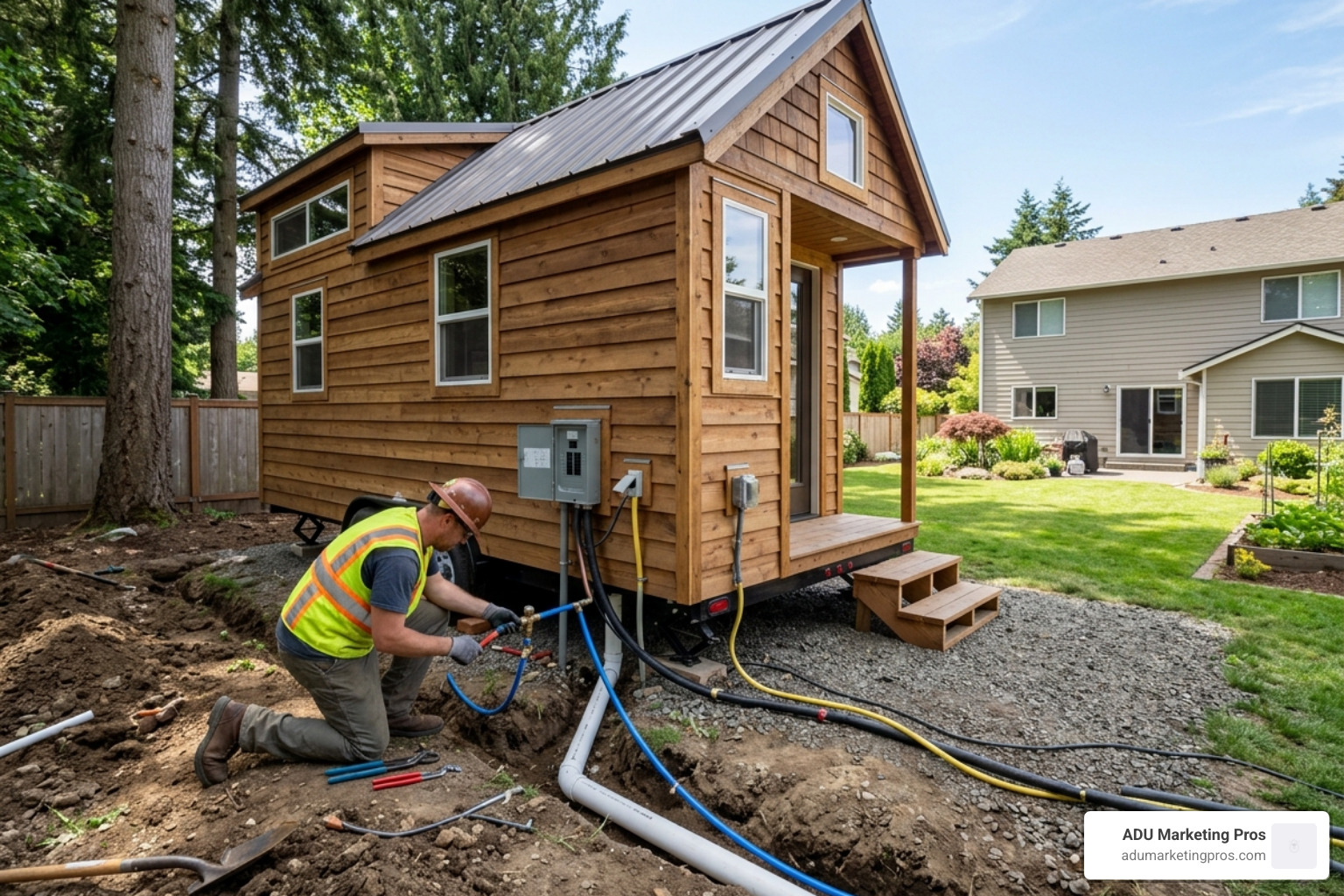
Don’t worry; you won’t be “roughing it” unless you want to. Most modern backyard tiny homes are designed with “plug-and-play” utility connections that mirror the convenience of a standard home. Standard configurations include:
- Electricity: A 50-amp electric hookup (standard RV style) is common, though some larger units may require a 100-amp sub-panel connection to the main house.
- Water: A simple water inlet that connects to a standard garden hose for temporary setups, or a dedicated PEX line for permanent installations.
- Sewer/Septic: A 3-inch sewer connection. Unlike traditional RVs that use holding tanks, many backyard units connect directly to your home’s existing sewer or septic line via a macerating pump or gravity-fed line.
For those looking to minimize their footprint, there are many Eco-Friendly Small Homes that utilize solar power or composting toilets to stay off-grid, reducing the need for complex trenching and plumbing work.
10 Best Backyard Tiny Homes for Every Budget and Style
Whether you are looking for a turnkey luxury suite or a weekend DIY project, the market has expanded significantly by 2026. Here are ten of the most charming and reliable options currently available for your backyard. If you’re looking for professional help with the installation, we recommend consulting with Tiny House Builders California.
1. Clever 1 385 by California Backyard Homes
The CLEVER 1 385 – California Backyard Homes is a flagship model for those who want a “real house” feel in a tiny package. Spanning 385 square feet (reaching 456 sq. ft. if you include the gorgeous covered deck), this model is extraordinarily well-built and designed for long-term residency.
It is unique because it is built to International Residential Code (IRC) standards but also carries the NOAH certification for ANSI 119.5. This makes it a “turnkey” solution that is easy to insure and finance through traditional lenders. It features a full bedroom with built-in storage, a high-end kitchen with a farmhouse sink and full-sized appliances, and enough insulation (R-28 in the roof!) to handle any California weather. The interior aesthetic is modern and airy, utilizing vaulted ceilings to create a sense of volume that belies its small footprint. This model is ideal for homeowners looking for a high-quality rental unit or a permanent guest house.
2. Tiny Backyard Cabin Kit Charmer
If you are handy with a hammer and want something adorable, the Tiny Backyard Cabin Kit Charmer – BZB Cabins is a dream. Made from solid Nordic Spruce, this 93-square-foot cabin is perfect for tight spaces and budget-conscious buyers.
It’s often used as a hobby room, a whimsical playhouse, or a quiet meditation retreat. Because of its size, it can often be classified as a “shed” in many municipalities, which might simplify your permitting process significantly. It’s a DIY-friendly weekend project that adds instant character to any garden. The interlocking log system makes assembly straightforward even for those with limited construction experience. While it lacks a bathroom in its base configuration, many owners customize it with a small composting toilet or use it as an extension of the main house’s facilities.
3. The Backyard Studio
For the remote worker, the Backyard Studio | Tiny Home Builders offers a sleek 16×8 foot footprint. This structure is specifically designed to be classified as a shed in most municipalities, meaning it can often be built without the typical administrative headache of a full dwelling permit, saving you thousands in fees.
It’s a perfect blank canvas for professional use. Whether you need a soundproofed podcast studio, a bright art craft room, or a distraction-free garden office, this model provides the essential structure with a modern aesthetic. The large windows allow for ample natural light, which is essential for productivity. The build quality is superior to standard big-box store sheds, featuring residential-grade windows and doors that provide excellent thermal performance and security.
4. Athens Tiny Home
The Athens Tiny Home is a 375-square-foot masterpiece that emphasizes natural materials and sustainable luxury. It features a stunning Redwood exterior and Douglas-Fir framing for maximum durability and resistance to the elements.
This is a panelized kit, meaning it is fully built in a shop to ensure every piece fits perfectly, then disassembled and shipped to your property for rapid assembly. It features a 120-square-foot front porch that makes the tiny space feel much larger and provides a perfect spot for morning coffee. Inside, you’ll find aromatic Sugar Pine finishes that make the home smell as good as it looks. The Athens is designed for those who appreciate craftsmanship and want a structure that feels like a natural extension of their landscape.
5. Backyard Escape Park Model
Offered by Great Lakes Tiny Home, the Backyard Escape – Great Lakes Tiny Home is a 240-square-foot park model that screams luxury. It is RVIA certified and built with 2×6 joists and closed-cell spray foam insulation, ensuring it remains comfortable in both scorching summers and chilly winters.
What makes this a standout for 2026 is the level of customization available. You can choose from Log Cabin, Modern, or Scandinavian exteriors to match your existing home. It comes standard with a Bosch ductless mini-split HVAC system, making it a perfect year-round rental unit or guest suite. The layout is optimized for efficiency, featuring a lofted sleeping area that frees up the main floor for a spacious living room and a fully equipped kitchenette with quartz countertops.
6. Palo Alto Backyard Cabin
Designed for the specific tastes of the Palo Alto Backyard Cabin market, this cabin is all about longevity and high-end aesthetics. Forever Redwood uses high-quality, sustainable wood to create structures that can last 50 years or more with minimal maintenance.
It’s a popular choice for homeowners who need a permanent guest room or a “granny pod” for aging relatives. The natural resistance of Redwood to decay and insects makes it an ideal choice for the Northern California climate, providing a sturdy, aromatic sanctuary. The design features elegant lines and can be customized with various roofing materials and window styles to comply with strict local Homeowners Association (HOA) requirements.
7. Tumbleweed Roanoke 30 Alta
Tumbleweed is a pioneer in the industry, having built over 600 homes since the early days of the movement. The Roanoke 30 Alta is a “Green RV” certified home that offers between 217 and 390 square feet on the main floor, plus a spacious sleeping loft that can accommodate a king-sized mattress.
It’s designed for full-time living with a 50-amp hookup and a full kitchen featuring a propane range and a large refrigerator. Tumbleweed’s massive advantage is their established financing network; they offer monthly payments ranging from $809 to $1,600, making the tiny lifestyle accessible for those who don’t have $100k in cash sitting around. The Roanoke model is known for its “Great Room” feel, utilizing high ceilings and strategic window placement to create an open, inviting atmosphere.
8. Samara Backyard Home
Samara – Backyard Homes and ADUs focuses on the higher end of the ADU market. Their homes are not “tiny homes on wheels” but rather permanent, high-tech modular additions to your property that are designed to last for generations.
Founded by former Airbnb executives, Samara homes feature floor-to-ceiling windows, integrated solar arrays, and smart home technology as standard features. They handle the entire turnkey installation process, from site surveys and permits to crane delivery and final utility hookups. If you want to significantly increase your property value in areas like San Jose or Mountain View, this is the premium choice. The Samara “Studio” and “One-Bedroom” models are designed with a minimalist, California-modern aesthetic that appeals to high-end renters and guests.
9. BZB Cabins Studio Shed
For those who need a 10×16 foot minimalist retreat, the Studio Shed from BZB Cabins is a top contender. It uses the same high-quality Nordic wood as their larger kits but in a design that fits perfectly into a modern, landscaped backyard.
It is frequently used by professionals in the San Francisco Bay Area as a dedicated home office or a private yoga studio. The delivery is quick—often within 1-2 weeks if in stock—and the assembly is straightforward enough for a motivated DIYer to complete in a single weekend. The clean lines and large glass doors make it a stylish addition that doesn’t overwhelm a smaller yard. It provides the perfect balance between affordability and architectural appeal.
10. Great Lakes Traveler
The Traveler is the “entry-level” hero of the tiny home world. At 180 square feet, it is compact, towable, and incredibly efficient. Despite its smaller size, it includes a metal roof, spray foam insulation, and sleeps two comfortably in a cozy loft or a convertible sofa bed.
Starting at a more affordable price point than the larger park models, it’s an ideal choice for a short-term rental investment or a private living space for a college student living at home. The Traveler is built on a custom heavy-duty trailer, making it easy to move if you decide to relocate. It features a wet bath and a compact galley kitchen, proving that you don’t need a lot of space to have everything you need for a comfortable life.
The Benefits of Adding a Tiny Home to Your Property
Why are so many people in 2026 choosing backyard tiny homes? The benefits go far beyond just having a “cool” building in the yard. As urban areas become more crowded, these structures offer a flexible solution to modern living challenges.
- Rental Income: With the housing market in California remaining tight, a backyard tiny home can fetch significant monthly rent. In many cities, a well-appointed tiny home can rent for $1,500 to $2,500 per month, often covering its own financing payments and providing a steady stream of passive income.
- Multi-generational Living: These units are perfect “granny pods” for aging parents who want to be close to family for support while maintaining their independence and privacy. They are also excellent for adult children who are saving for their own homes.
- Work-From-Home Peace: As remote work becomes the standard for many industries, having a physical separation between “home life” and “work life” is invaluable for mental health and productivity. A backyard office eliminates the commute while providing a professional environment for video calls.
- Property Value: Adding a high-quality, permitted structure can significantly boost your home’s resale value. Appraisers are increasingly recognizing the value of ADUs and tiny homes as functional square footage that appeals to a wide range of buyers.
- Sustainability: Tiny homes have a much smaller environmental footprint than traditional houses. They require fewer materials to build and less energy to heat and cool, making them an eco-conscious choice for the modern homeowner.
If you are just starting your journey, you might want to look at Small Houses for Sale or consult with Architects in Southern California Who Design Tiny Houses to ensure your design matches your property’s aesthetic and meets all local safety codes.
Frequently Asked Questions About Backyard Living
How much do backyard tiny homes cost?
The price varies wildly based on size, materials, and whether it is a DIY kit or a turnkey modular unit. On average:
- DIY Kits: $6,000 – $25,000 (materials only).
- Finished Tiny Homes on Wheels: $70,000 – $130,000.
- Permanent Modular ADUs: $150,000 – $300,000.
Financing is common, with monthly payments often falling between $809 and $1,600. Most lenders require a deposit between $8,000 and $25,000. For more context on the market, read about Small Houses.
Where can I legally park backyard tiny homes?
In our service areas—like San Jose, Los Angeles, and the San Francisco Bay Area—local ordinances are increasingly favorable toward ADUs and tiny homes. Generally, if the home is on wheels, it needs to be registered as an RV and may have limitations on how long it can be occupied. If it’s on a foundation, it must meet local building codes and be permitted as a permanent ADU. Always check your local city planning website or consult with a professional before purchasing.
How do backyard tiny homes connect to utilities?
Most come with standard RV hookups. You’ll need a 50-amp electrical outlet (installed by a licensed electrician) and a connection to your water main. For waste, you can connect to your home’s sewer cleanout. If you are looking for a more permanent setup, many builders offer “site-ready” plumbing that mimics a traditional house, requiring professional trenching and connection to the municipal grid.
Can I insure a backyard tiny home?
Yes, but the type of insurance depends on the structure. Tiny homes on wheels are typically insured through specialty RV insurance policies. Permanent backyard homes on foundations are usually covered by adding an endorsement to your existing homeowner’s insurance policy. It is important to ensure the builder has the necessary certifications (like NOAH or RVIA) to make the insurance process smoother.
Do tiny homes hold their resale value?
High-quality, well-maintained tiny homes on foundations tend to appreciate along with the property value. Tiny homes on wheels may depreciate slightly over time, similar to an RV, but their resale market is currently very strong due to high demand and limited supply. Choosing a reputable builder and keeping detailed maintenance records is key to preserving value.
Conclusion
At ADU Marketing Pros, we’ve seen firsthand how backyard tiny homes are transforming properties and lives across California. From the tech hubs of Sunnyvale and Mountain View to the residential neighborhoods of Los Angeles, these structures are a smart, scalable solution for the modern homeowner. Whether you are looking to house a loved one, create a dream workspace, or generate a new stream of rental income, the tiny home market in 2026 offers more variety and quality than ever before.
We specialize in helping ADU construction and architecture firms stand out in this booming market. If you are a builder looking to attract high-quality leads and showcase your expertise in the San Jose area or beyond, we are here to help you grow. Our data-driven strategies ensure that your craftsmanship reaches the homeowners who are ready to invest in their property’s future.
Ready to take your business to the next level? Learn more about how to become a top ADU Builder Los Angeles and dominate your local market with our specialized marketing strategies. The future of housing is small, and the opportunities are massive.