Your First Step to a New Living Space
An accessory dwelling unit contractor specializes in building secondary living spaces on your property—from detached backyard cottages to garage conversions and attached additions. Here’s what you need to know when searching for the right professional:
Key Qualities of a Qualified ADU Contractor:
- Licensed and insured with verified credentials
- Proven experience building ADUs in your local area
- Manages the entire process: design, permits, construction, and inspections
- Provides itemized bids and client references
- Understands local zoning laws and building codes
- Offers design-build services or collaborates with architects
Adding an accessory dwelling unit to your property can transform your living situation. Whether you’re creating a home for aging parents, building a rental unit for extra income, or designing a backyard office, your ADU project starts with finding the right contractor.
The numbers tell the story—ADU construction typically costs between $25,000 and $150,000 or more, depending on size and complexity. According to New York State’s housing data, the state allocated $85 million specifically for ADU development, while programs like California’s offer grants up to $125,000 outside major cities. With 806 ADU professionals registered on Houzz in New York alone, the challenge isn’t finding a contractor—it’s finding the right one.
The stakes are high. A poorly chosen contractor can mean budget overruns, permit delays, and construction headaches that stretch your 12-month project into two years. But a qualified accessory dwelling unit contractor becomes your guide through complex zoning regulations, your advocate with city planning departments, and your partner in creating a space that adds real value to your property.
This guide walks you through everything you need to know—from understanding ADU types and costs to vetting contractors and securing financing. You’ll learn which questions to ask, what red flags to watch for, and how to ensure your project stays on track and on budget.
Must-know accessory dwelling unit contractor terms:
The ADU Advantage: Why Build and What Are Your Options?
Accessory Dwelling Units (ADUs), sometimes called “granny flats,” “in-law units,” or “backyard cottages,” are gaining immense popularity across California, especially in areas like Los Angeles, San Diego, and the San Francisco Bay Area. Why the buzz? Because ADUs offer a versatile solution to many modern housing needs, from providing flexible living space for multi-generational families to generating valuable rental income.
Imagine having a dedicated space for ADU for Aging Parents or adult children, allowing them independence while keeping them close. An ADU can also serve as a private guest house, a quiet ADU Home Office, or a creative studio. Beyond personal use, ADUs are a fantastic way to boost your property’s value and provide a consistent stream of ADU Rental Income, helping with housing affordability in our communities.
Many communities, including those in California, have updated their zoning codes to allow ADUs, recognizing them as a vital part of new housing solutions. We’ve seen how homeowners are leveraging these opportunities to improve their properties and lifestyles.
Types of Accessory Dwelling Units
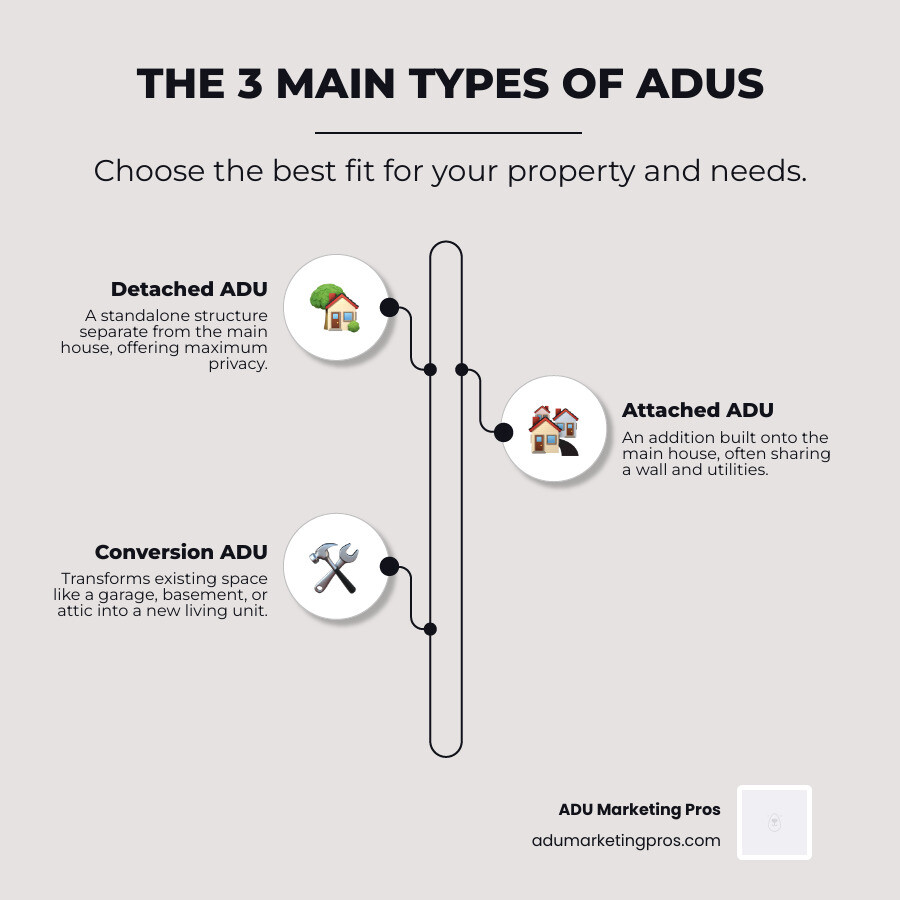
When considering an ADU, one of the first decisions you’ll make is the type of unit that best suits your property and needs. Each offers unique advantages:
-
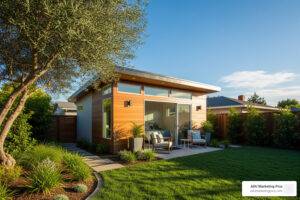
Detached ADU: These are standalone structures, completely separate from your primary home. Think of them as small, independent houses in your backyard. They offer the most privacy for occupants and maximum design flexibility. If you’re looking for Detached ADU Plans, a skilled accessory dwelling unit contractor can help you design a new construction that perfectly complements your existing property.
-
Attached ADU: An attached ADU shares a wall with your primary residence but has its own separate entrance, kitchen, and living facilities. This type of ADU can be a seamless extension of your home, often built as an addition.
-
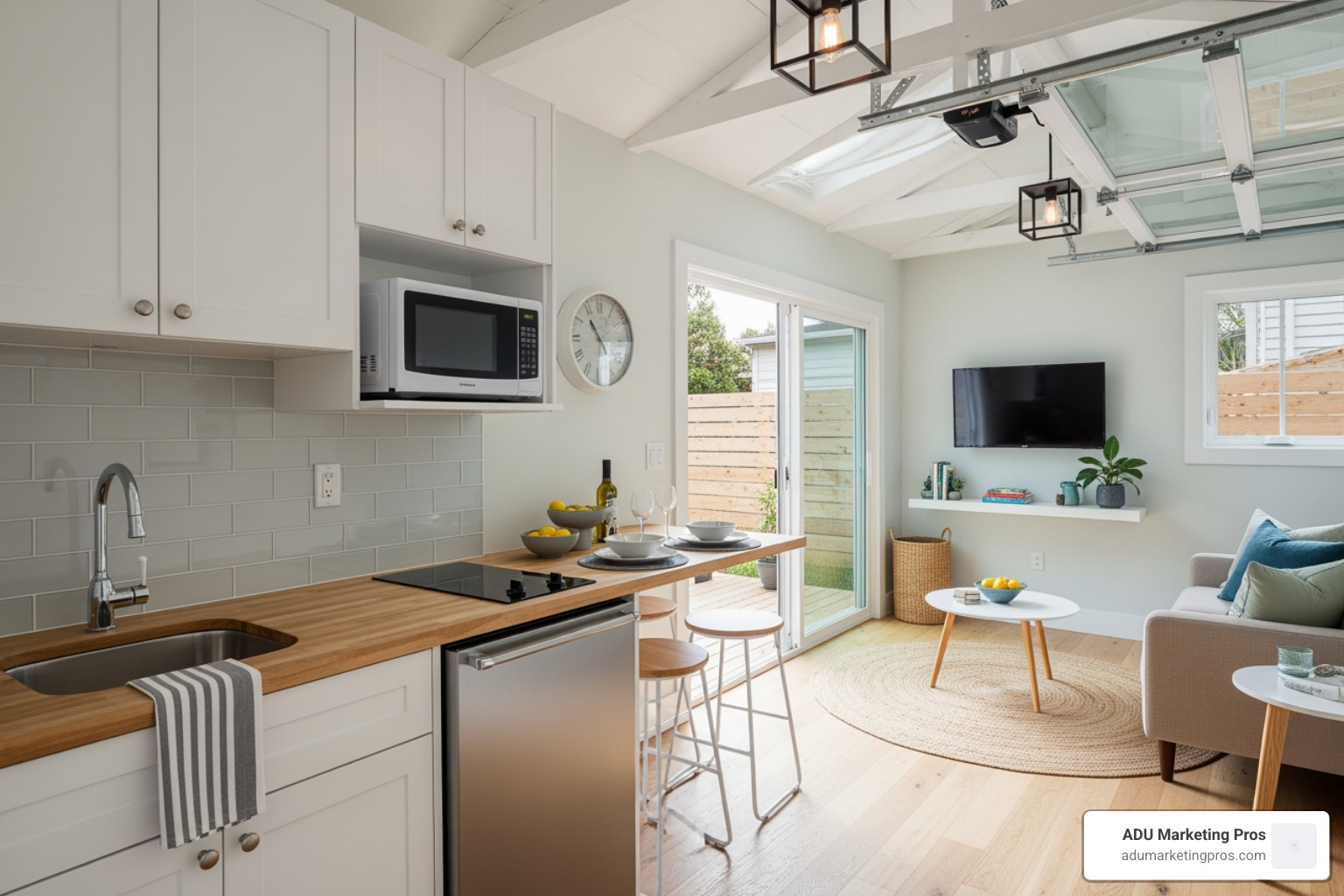
Conversion ADU: This is often the most Cost to Build ADU option, as it involves changing an existing space into a livable unit. Common examples include Garage Conversions to ADU, basement apartments, or attic conversions. For homeowners in Los Angeles, converting an underused garage into a functional living space is a popular choice, offering cost savings by leveraging existing structures.
-
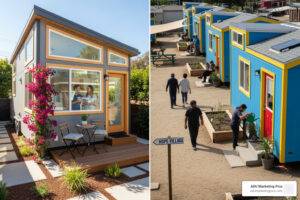
Prefab ADU: Prefabricated ADUs are built in a factory and then transported to your site for assembly. This modular construction can significantly speed up the build time and, in many cases, reduce overall costs. Many prefab ADUs, for example, can cost under $100,000, making them an attractive option for budget-conscious homeowners. Our team can help you explore if a prefab ADU is a viable option for your specific property.
Planning Your Project: Costs, Challenges, and Legal Problems
Building an ADU is an exciting endeavor, but it’s also a significant undertaking that requires careful planning. Understanding the financial implications, navigating regulatory problems, and anticipating potential challenges are crucial for a successful project.
Understanding ADU Costs and Influencing Factors
The cost of building an ADU can vary widely, typically ranging from $25,000 for a simple Junior ADU (JADU) conversion to over $150,000 for a larger, custom-built detached unit. In high-cost-of-living areas like the San Francisco Bay Area, Bay Area ADU Cost can be higher, with San Diego County estimates for total costs (including design, permitting, and construction) ranging from $450 to $550 per square foot.
Several factors influence the final price tag:
- Size and Type: A larger, detached ADU will naturally cost more than a smaller Garage Conversion ADU. Interior conversions are often the cheapest ADU type.
- Site Conditions: Difficult terrain, poor soil quality, or the need for extensive grading can add significant costs.
- Foundation Type: The type of foundation required will depend on your specific site and ADU design.
- Quality of Materials and Finishes: High-end appliances, custom cabinetry, and premium finishes will increase costs. Kitchens alone can range from $25,000 to $50,000, and bathrooms from $15,000 to $25,000.
- Permit Fees and Impact Fees: These can vary significantly by city and county. For example, in San Francisco, city fees can range from 6% to 9% of construction costs.
- Utility Connections: Bringing water, sewer, gas, and electricity to your ADU can be a major expense, especially for detached units far from existing lines.
- Architectural Complexity: A unique, custom design will likely cost more in design fees than a standard plan.
A good accessory dwelling unit contractor will provide an itemized bid and help you understand how each of these factors impacts your Accessory Dwelling Unit Costs. We recommend using an ADU Cost Calculator for initial estimates.
Navigating Regulations and the Permitting Process
California has been at the forefront of streamlining ADU regulations, yet the process can still feel like a maze. Understanding California ADU Regulations is paramount. These laws cover everything from ADU Minimum Lot Size and ADU Size Restrictions to setbacks, height limits, and ADU Parking Requirements.
For example, in San Diego County, detached ADUs generally have a maximum height of 25 feet (18 feet for multifamily complexes) and minimum side and rear yard setbacks of 4 feet. Attached ADUs usually cannot exceed the height of the primary structure or 16 feet, whichever is higher. Junior ADUs (JADUs) are limited to 500 square feet.
The ADU Permit Process involves multiple city or county departments, including planning, building, and potentially fire and public works. In San Francisco, for instance, you might need a Historic Resource Review, public notification, and fire flow studies. Some projects may even require site assessment and mitigation if located in areas with suspected contamination, like Maher Ordinance areas.
An experienced accessory dwelling unit contractor is invaluable here. They are well-versed in ADU Zoning Laws and local ordinances, and can expertly guide your project through the necessary approvals, helping you prepare documentation and avoid common pitfalls. For a broader understanding of how ADU legislation is evolving, you might find the AARP’s Model State Act for ADUs insightful: AARP’s Model State Act for ADUs.
Key Considerations and Common Challenges
Even with clear regulations, ADU projects can present challenges:
- Site Assessment: A thorough assessment of your property is crucial to understand its unique characteristics and potential limitations.
- Utility Connections: Upgrading or extending utility lines can be complex and costly. Your contractor will assess the existing infrastructure and plan for any necessary improvements.
- Neighborhood Impact: While ADUs are generally welcomed, it’s wise to consider how your project might affect neighbors, especially concerning privacy and construction noise.
- Project Timeline Management: Building an ADU is not an overnight process. From design and permitting to actual construction, the entire journey can take 12-18 months, with some complex projects extending to 24 months or more. For example, San Diego County states that construction itself typically takes 6-12 months.
- Budget Overruns: Unexpected issues, changes in design, or delays can lead to increased costs. A good contractor will have contingency plans and transparent communication about potential changes.
The Heart of the Project: The Role of an Accessory Dwelling Unit Contractor
Your accessory dwelling unit contractor is the linchpin of your entire project. They are more than just builders; they are project managers, problem-solvers, and your single point of contact, ensuring efficiency and quality control from start to finish. We often say they’re the conductors of your ADU orchestra!
Their expertise helps translate your vision into a tangible structure, navigating the complexities of construction while adhering to your budget and timeline. They bring invaluable building expertise, anticipating potential issues and offering solutions before they become costly problems.
What Does an ADU Contractor Do?
A specialized accessory dwelling unit contractor provides a comprehensive range of services:
- Design Collaboration: They work with you and your architect to refine plans, ensuring they are buildable, cost-effective, and compliant with all regulations.
- Navigating Permits: This is where an experienced contractor shines. They understand ADU Building Requirements and the intricate permit processes in your specific city or county, handling applications, inspections, and communications with planning departments.
- Managing Subcontractors: Your contractor orchestrates the work of various trades, from plumbers and electricians to roofers and painters, ensuring everyone is on schedule and working to high standards.
- Construction Oversight: They supervise all aspects of the build, ensuring quality craftsmanship, adherence to plans, and compliance with safety codes.
- Adhering to Budget and Schedule: A good contractor provides clear timelines and budget breakdowns, keeping you informed of progress and any potential deviations.
- Final Inspections: They coordinate and ensure that all necessary final inspections are passed, leading to your Certificate of Occupancy.
Services Offered by a Specialized Accessory Dwelling Unit Contractor
Beyond the basic construction, many accessory dwelling unit contractors offer expanded services to streamline your project:
- Design-Build Services: This integrated approach combines design and construction under one roof, often leading to a more efficient and cohesive project.
- Feasibility Studies: Before you commit, a contractor can assess your property’s potential for an ADU, considering zoning, site conditions, and budget.
- Architectural Plans: Some contractors have in-house designers or work closely with architects to develop ADU Architectural Plans custom to your vision.
- Structural Engineering: Ensuring your ADU is structurally sound and compliant is critical, and contractors often manage this aspect.
- Full-Service Construction: From breaking ground to handing over the keys, they manage every step.
- Interior Finishing: They help you select and install finishes, fixtures, and appliances, bringing your ADU Interior Design Ideas to life.
Finding Your Perfect Match: How to Choose a Reputable ADU Contractor
Choosing the right accessory dwelling unit contractor is arguably the most critical decision in your ADU journey. A great contractor makes the process smooth and enjoyable; a poor one can turn your dream into a nightmare. We want to empower you to make an informed choice.
Where to Find Qualified ADU Builders
Start your search by looking for local specialists:
- Online Directories: Websites like Houzz list many ADU professionals. While our research shows 806 ADU Professionals registered on Houzz in New York, similar directories exist for California, allowing you to find ADU Builders Near Me in your specific area like ADU Builders Bay Area or ADU Builders Los Angeles.
- Local Builder Associations: These organizations often have directories of reputable, licensed contractors.
- Architect Referrals: If you’ve already consulted with an architect, they can often recommend trusted contractors they’ve worked with.
- Word-of-Mouth: Ask friends, neighbors, or colleagues who have built ADUs for their recommendations. Personal experience is often the best review!
For those in the San Francisco Bay Area, specifically, you might look for ADU Builders San Francisco Bay Area or even Palo Alto ADU Builders for more localized expertise. Similarly, in San Diego, searching for ADU Contractors San Diego will yield specialized results.
Vetting Your Potential Accessory Dwelling Unit Contractor
Once you have a list of potential contractors, it’s time to do your homework:
- License Verification: Always verify that your contractor is properly licensed with the California Contractors State License Board (CSLB) and in good standing. This is a non-negotiable step.
- Insurance Check: Ensure they carry adequate liability insurance and worker’s compensation insurance. This protects you from financial responsibility in case of accidents or damage.
- Portfolio Review: Ask to see examples of their past ADU projects. Look for quality of work, attention to detail, and a style that aligns with your vision.
- Client References: Speak with previous clients. Ask about their experience with the contractor’s communication, adherence to budget and schedule, and how they handled any unexpected issues.
- Online Reviews: Check reviews on platforms like Google, Yelp, and Houzz, but always take them with a grain of salt and balance them with personal references.
- Comparing Itemized Bids: Don’t just look at the bottom line. Ask for detailed, itemized bids from at least three contractors. This helps you compare apples to apples and understand what’s included (and what’s not).
- Understanding Legislative Impact: Staying informed about broader housing policies can also give you context for your contractor’s advice. Resources like the U.S. Department of Housing and Urban Development’s (HUD) guide on ADUs can offer insights into the evolving landscape of ADU development.
Questions to Ask Before You Hire
Interviewing contractors is your chance to assess their expertise, communication style, and trustworthiness. Here are some essential questions:
- How many ADUs have you built in this city/county? Local experience is key to navigating specific zoning and permitting processes in places like Los Angeles, San Diego, or the Bay Area.
- Can you provide references from recent ADU projects? Ask for contact information for at least three recent clients and follow up with them.
- How do you handle project changes and cost overruns? A transparent process for change orders and clear communication about potential budget adjustments is crucial.
- What is your communication process? How often will they update you? What’s the best way to reach them? Clear communication prevents misunderstandings.
- What does your warranty cover? Understand what protections you have after the project is complete.
Financing, ROI, and Long-Term Benefits
Building an ADU is an investment, and like any investment, understand the financial aspects, potential returns, and long-term advantages.
Funding Your ADU Project
Fortunately, there are several ways to finance your ADU project:
- Home Equity Line of Credit (HELOC) or Cash-out Refinance: These options allow you to tap into your home’s existing equity.
- Construction Loans for ADU](https://adumarketingpros.com/real-estate/construction-loans-for-adu/): These specialized loans are designed for new construction or major renovations.
- Government Grants and Programs: California, particularly Los Angeles County, has programs to support ADU development. For instance, we’ve seen announcements for $40,000 grants available for families earning $84,160 or below in Los Angeles who want to build an ADU. Keep an eye out for similar ADU Funding Grants in your area. You can learn more about general ADU Financing Options to find the best fit for you.
Calculating Your Return on Investment (ROI)
The ADU Return on Investment can be substantial.
- Rental Income Potential: If you plan to rent out your ADU, it can provide a steady stream of income. Be sure to research ADU Rental Market Trends and understand ADU Rental Income Taxes.
- Increased Property Value: An ADU significantly increases your property’s overall value. While the new construction portion will be reassessed for ADU Property Taxes, the existing square footage remains at its current valuation.
- Flexibility: The ability to adapt your property to changing needs adds intangible value.
Long-Term Value and Flexibility
Beyond immediate financial gains, an ADU offers remarkable long-term flexibility:
- Aging in Place Solution: An ADU can provide a safe and accessible home for elderly family members, allowing them to remain close while maintaining independence. This falls under the umbrella of Multi-Generational ADU living.
- Housing for Adult Children: As housing costs rise, an ADU can offer an affordable living solution for adult children returning home or starting their careers.
- Guest House: A dedicated guest space offers comfort and privacy for visitors.
- Evolving Family Needs: The beauty of an ADU is its adaptability. What starts as a rental unit could become a home office, then a space for live-in care, and later a home for a grown child.
Frequently Asked Questions about Building an ADU
We hear many similar questions from homeowners considering an ADU. Here are some of the most common:
How long does it take to build an ADU?
The entire process, from initial design to final inspection, typically takes between 12 to 18 months, though it can extend to 24 months or more for complex projects or those facing unexpected delays.
- Design and Permitting Phase: This initial stage usually takes 3-6 months. It involves architectural drawings, engineering, and navigating local planning and building departments to secure all necessary permits. In San Francisco, for example, the permit review process can be quite involved.
- Construction Phase: Once permits are in hand, the actual construction typically takes 6-12 months. This includes site preparation, foundation work, framing, utility installation, interior finishing, and final touches. San Diego County estimates construction to be within this range.
The timeline can vary significantly based on the ADU’s complexity, site conditions, the efficiency of your local permitting office, and, crucially, the experience and project management skills of your accessory dwelling unit contractor.
Can I build an ADU on my property?
In many areas of California, yes! State laws have significantly liberalized ADU regulations, making it easier for homeowners to build. However, specific eligibility depends on your property’s location and characteristics.
- Zoning Check: Your property must be zoned for residential use.
- Local Ordinances: While state law provides baseline regulations, individual cities and counties (like Los Angeles, San Diego, San Jose, or those in the San Francisco Bay Area) may have their own specific ordinances regarding size, setbacks, and other requirements.
- Feasibility Study: The best way to definitively answer this question is to conduct a professional feasibility study. An experienced accessory dwelling unit contractor or architect can review your property’s specific conditions and local California ADU Regulations to determine what’s possible.
What’s the difference between a prefab and a custom-built ADU?
Both options can result in a beautiful and functional ADU, but they differ significantly in process, cost, and customization:
-
Prefabricated (Prefab) ADU:
- Process: Built in sections off-site in a factory, then transported and assembled on your property.
- Speed: Generally faster to construct since site work and factory production can happen concurrently.
- Cost: Often more cost-effective due to economies of scale in factory production. Many prefab ADUs, for instance, can cost under $100,000.
- Customization: Limited to the manufacturer’s existing designs and material options.
- Best for: Homeowners seeking a quicker, potentially more affordable option with less on-site disruption.
-
Custom-Built ADU:
- Process: Built entirely on-site from the ground up, just like a traditional home.
- Speed: Typically takes longer due to on-site construction and weather dependencies.
- Cost: Generally higher due to site-specific labor and materials.
- Customization: Offers maximum flexibility in design, materials, and features, allowing for a truly unique and site-specific structure. Our Custom ADU Builders excel in this area.
- Best for: Homeowners with unique design visions, challenging sites, or specific aesthetic requirements that can’t be met by prefab options.
Conclusion: Taking the Next Step in Your ADU Journey
Building an Accessory Dwelling Unit is a journey that promises significant rewards, from increased property value and rental income to flexible living solutions for your family. As we’ve explored, understanding the types of ADUs, navigating costs and regulations, and most importantly, choosing the right accessory dwelling unit contractor are the cornerstones of a successful project.
We hope this guide empowers you with the knowledge to approach your ADU project with confidence. The key to changing your property lies in careful planning and partnering with a reputable, experienced accessory dwelling unit contractor who understands the nuances of local regulations and construction.
For ADU builders and architects looking to connect with more clients and showcase their expertise in this booming market, we at ADU Marketing Pros specialize in helping you stand out. Learn more about how we can lift your presence with targeted ADU Architect Marketing and digital strategies. We’re here to help you build not just structures, but thriving businesses.