
Why the Bay Area is Embracing the ADU Revolution
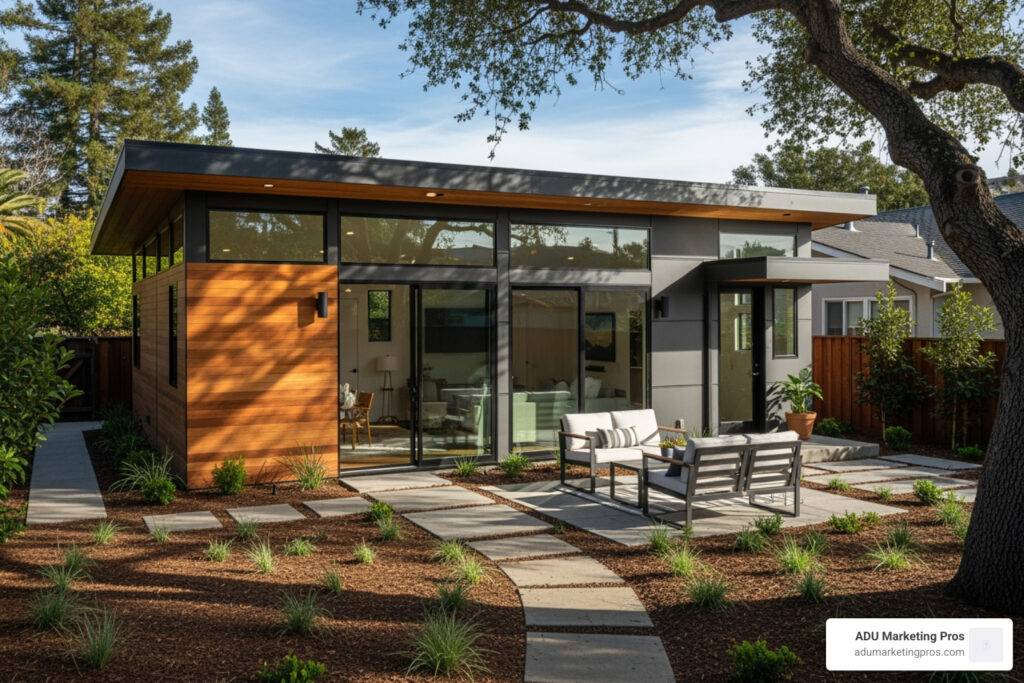
The San Francisco Bay Area faces a long-running and deeply entrenched housing crunch. Decades of explosive growth in the tech sector, coupled with geographical constraints and restrictive zoning, have created a perfect storm of high prices and limited supply. For homeowners, this reality presents both a challenge and an opportunity. With median home prices consistently in the seven-figure range, many are turning inward—to their own backyards—to find a solution. This has sparked an Accessory Dwelling Unit (ADU) revolution. From the suburban lots of San Jose to the dense neighborhoods of Oakland and Berkeley, ADUs are creating desperately needed flexible space for family, work, or rental income—without the need to uproot and leave a beloved neighborhood.
The demand for skilled ADU builders in the Bay Area has skyrocketed for a good reason: building a small home is just as complex, if not more so, than building a large one. A great partner is more than a contractor; they are a guide through the labyrinth of design, permits, and construction, ensuring the project stays on budget and on schedule. The right builder doesn’t just erect a unit; they manage the intricate dance of zoning nuances, utility coordination with agencies like PG&E, and rigorous quality control from the first shovel of dirt to the final coat of paint. They provide peace of mind in a process known for its potential pitfalls.
Key Considerations When Choosing ADU Builders:
- Proven Experience: Don’t settle for a general contractor who has built one or two ADUs. Look for a firm with a robust portfolio of completed projects specifically in your city or county. An experienced ADU specialist will have encountered and solved the unique problems that arise, from navigating tight access for equipment to satisfying picky building inspectors. They should have at least 5+ years specializing in ADUs.
- Local Regulatory Knowledge: The Bay Area is a patchwork of jurisdictions, each with its own distinct rules for setbacks, height limits, and architectural styles. A builder with deep local expertise can foresee potential roadblocks and design a project that sails through permitting, preventing months of costly delays and redesigns. They know the difference between state law and local ordinances.
- Comprehensive Service Model: The most stress-free path is typically a design-build firm that handles everything under one roof: architectural plans, structural engineering, Title 24 energy calculations, permit processing, and all phases of construction. This integrated approach eliminates the finger-pointing that can occur when you hire separate professionals, creating a single point of accountability.
- Transparent Pricing: A one-page estimate is a red flag. Insist on a detailed, itemized quote that breaks down soft costs, site work, construction materials, labor, and finishes. This transparency is crucial for understanding where your money is going and for making informed decisions to control the budget. It also helps you avoid the shock of unexpected costs mid-project.
- Commitment to Quality: A builder’s commitment to quality is evident in their warranties, the grade of materials they use, and their standards of craftsmanship. Ask about their warranty policy (a one-year workmanship and ten-year structural warranty is standard). Inquire about their material suppliers and look for durable, long-lasting choices that will protect your investment.
According to a UC Berkeley Terner Center study, the Bay Area’s median ADU build cost is about $177,500, or $329 per square foot, for a 604-square-foot unit. While this provides a baseline, high-end custom builds can easily reach $500,000 or more, depending on site conditions and finishes. Despite the significant outlay, many homeowners see compelling value: ADUs can add substantial property value and earn around $2,200 per month in rent on average—provided you choose a capable partner to deliver it on time and on budget.
Understanding Your Options: ADU Types and Costs in the Bay Area
Before you start dreaming of paint colors and kitchen layouts, it’s essential to clarify which ADU type best fits your property, personal goals, and financial reality. The Bay Area’s diverse housing stock and complex web of local codes mean that what works for your neighbor might not work for you. A thorough feasibility analysis with a qualified builder is the first step.
Common ADU Types to Consider
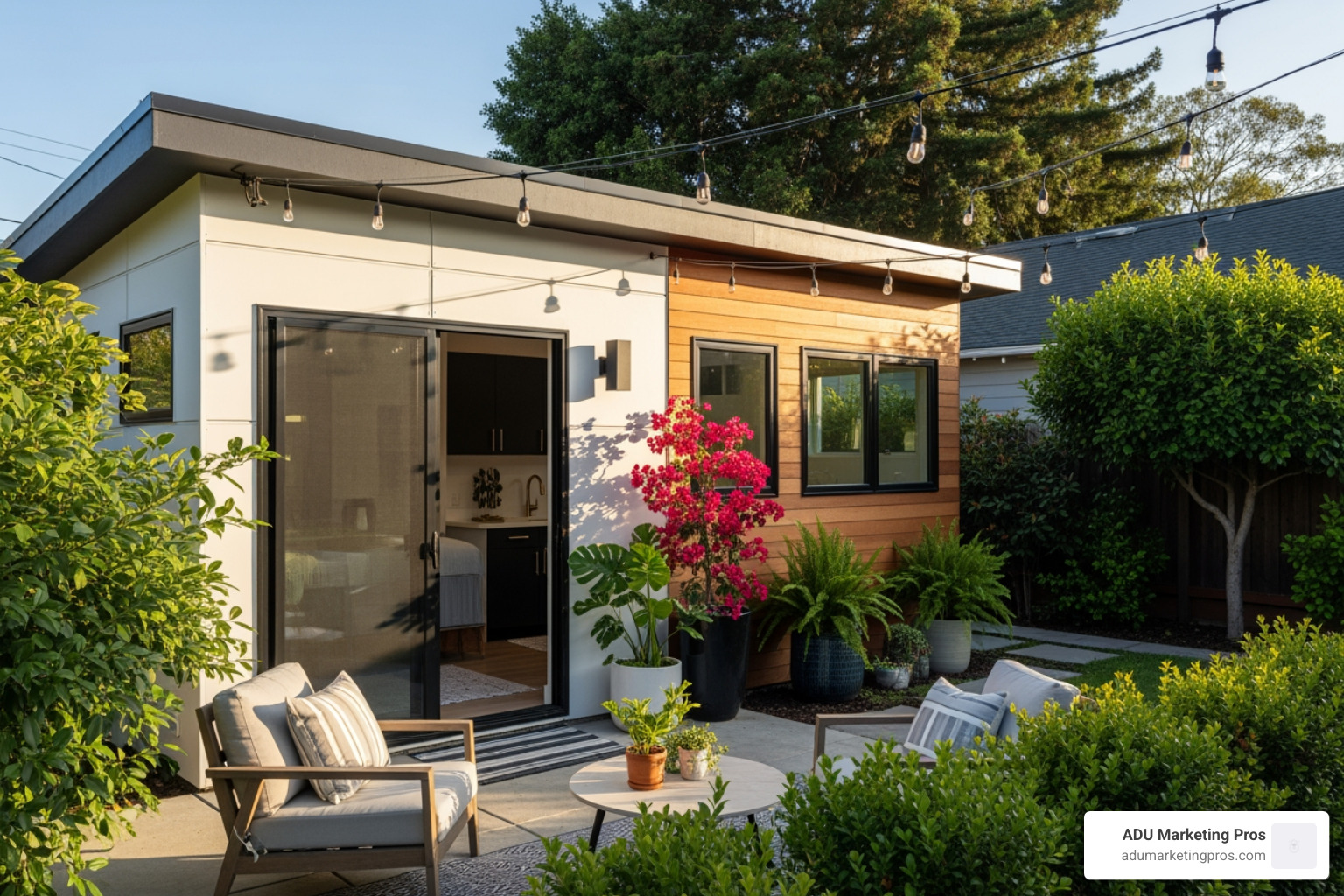
- Detached ADUs: Often called a backyard cottage or granny flat, this is a standalone structure built from the ground up. It offers the most privacy, making it ideal for rental tenants or as a fully independent home for family members. Detached units typically command the highest rent and offer the greatest flexibility in layout, from studios to two-bedroom models. However, they are also the most expensive to build due to the need for a new foundation, structure, and separate utility runs.
- Attached ADUs: This type of ADU shares at least one wall with the primary residence but has its own separate entrance, kitchen, bathroom, and living space. It’s an excellent solution for homeowners who want to keep family members close, such as aging parents. Key design considerations include soundproofing the shared wall to ensure privacy and creating a seamless architectural blend with the main house.
- Garage Conversions: Often the most cost-effective option, a garage conversion transforms an existing, underutilized structure into a code-compliant living space. While you save on building a new foundation and frame, costs can add up. The project requires adding a code-compliant foundation slab (if one doesn’t exist), robust insulation, proper egress (windows and doors), and all new plumbing and electrical systems. Creative design is needed to make the typically long, narrow space feel open and livable.
- Internal Conversions (JADUs): A Junior Accessory Dwelling Unit (JADU) is carved out of existing space within the primary home, like a spare bedroom or den. JADUs are limited to 500 sq. ft., must have a separate exterior entrance, and can share a bathroom with the main house but require their own efficiency kitchen. A key state requirement is that the owner must occupy either the JADU or the remaining portion of the main house, making them unsuitable for pure investment properties.
- Above-Garage ADUs: For homeowners who want to preserve their backyard space, building an ADU on top of an existing detached garage is an attractive option. This approach often provides better views and more privacy. However, it is structurally complex and significantly more expensive. The existing garage foundation and framing must be evaluated by a structural engineer and almost always require substantial reinforcement to support the new second story.
Prefab vs. Custom-Built: What’s the Right Choice for You?
| Criteria | Prefab ADUs | Custom-Built (Stick-Built) ADUs |
|---|---|---|
| Design Flexibility | Limited to model options and finish packages. Customization is minimal. | Highly flexible; designed from scratch to fit your site, style, and specific needs. |
| Timeline | Potentially faster (6-9 months) as the unit is built in a factory while site work and foundation are prepared. | Longer: fully built on-site, typically taking 9–18 months from start to finish. |
| Cost | Upfront certainty on the unit cost, but total project cost can vary greatly with site work, delivery, and crane fees. | Varies with design complexity and site conditions; allows for more control over specific line-item costs. |
| Site & Access | Requires clear, wide access for a large truck and a crane to lift the unit into place. Not suitable for tight urban lots, hillsides, or properties with many trees. | Adaptable to almost any site, including constrained or complex lots, as materials are brought in and assembled on-site. |
| Quality Control | Controlled factory environment can lead to high precision, but post-delivery assembly and finish work can vary. | Quality is dependent on the on-site crew and builder’s supervision. Allows for inspection at every stage of the build. |
Understanding the Full Cost of an ADU
Budgeting accurately is the key to a successful project. A thorough estimate from a reputable builder should include these four categories:
- Soft Costs: These are the pre-construction expenses required to get your project approved. They include fees for architecture, structural engineering, soil reports (if required), Title 24 energy calculations, and city/county plan check and permit fees. In the Bay Area, this can easily range from $20,000 to $50,000+.
- Site Preparation: This is a major variable and a common source of budget overruns. Costs include demolition of existing structures, grading the land, tree removal or trimming, and especially trenching for utilities (water, sewer, gas, electric). Trenching costs can escalate quickly depending on the distance from the main house and the surfaces that need to be cut through (e.g., concrete patios or driveways).
- Construction: This is the largest portion of the budget, covering all physical aspects of the build. It includes the foundation; framing; exterior elements (siding, roofing, windows, doors); interior systems (insulation, drywall, paint); MEP (mechanical, electrical, plumbing); and all fixtures, finishes, and appliances. Your choice of finishes—from flooring and tile to cabinets and countertops—can swing the total price by tens of thousands of dollars.
- Impact Fees: State law waives impact fees (fees for parks, schools, etc.) for all ADUs under 750 sq. ft. For larger units, local jurisdictions may impose them, though they must be proportional to the main home’s fees. An experienced local builder will know your city’s specific rules and help you budget accordingly.
The ADU Journey: From Blueprint to Backyard Home
Building an ADU is an exciting prospect, but it’s also a highly procedural and lengthy endeavor. Understanding the typical project lifecycle helps you set realistic expectations for your budget, timeline, and involvement. A seasoned ADU builder in the Bay Area will act as your project manager, guiding you through every stage with clear communication and expert oversight.
The Typical ADU Project Timeline: A Step-by-Step Guide
In the Bay Area, a standard custom (stick-built) ADU typically takes 9–18 months from the initial consultation to receiving the keys. Prefabricated options can sometimes compress this to about 6–9 months, but this is highly dependent on site readiness and permitting speed.
Phase 1: Feasibility, Design & Pre-Construction (2–4 months)
- Initial Consultation: You’ll meet with the builder to discuss your vision, goals (rental vs. family), desired features, and rough budget.
- Feasibility Study: The builder conducts a detailed review of your property, analyzing zoning maps, setback requirements, utility locations, lot coverage, and potential obstacles like trees, slopes, or power lines. This confirms what you can legally build.
- Concept Design: Based on the feasibility study and your input, the design team creates initial floor plans and 3D renderings. This is an iterative process where you refine the layout and style.
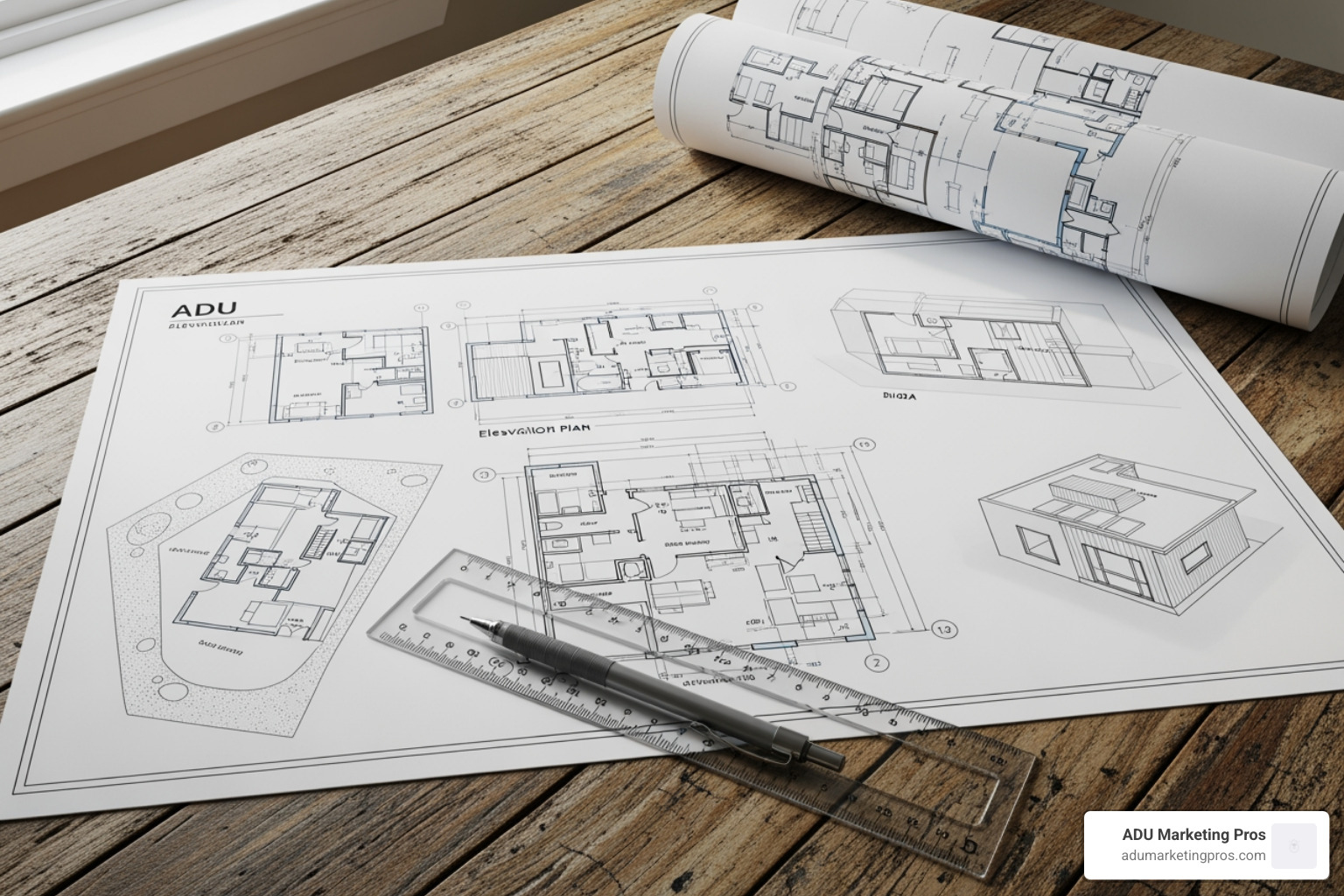
- Construction Documents: Once the design is finalized, architects and engineers create a detailed set of blueprints. This includes structural plans, electrical and plumbing layouts, and Title 24 energy calculations required for permitting.
Phase 2: Permitting (3–6 months)
- Plan Submittal: The complete set of construction documents is submitted to your local city or county planning and building departments.
- Plan Check Review: City officials review the plans for compliance with all building codes, zoning ordinances, and safety regulations. This often involves multiple departments (e.g., Building, Planning, Fire, Public Works).
- Revisions and Resubmittal: It is common for the city to return the plans with a list of corrections or requests for more information. Your builder’s team addresses these comments and resubmits the plans.
- Permit Issuance: Once all departments have approved the plans, the building permit is issued, and construction can legally begin.
Phase 3: Construction (4–8 months)
- Site Preparation: The site is cleared, graded, and prepared for construction. Utility trenching is a major first step.
- Foundation: The foundation is formed, reinforced with rebar, inspected, and poured.
- Framing and Rough-In: The walls, floors, and roof structure are built. Plumbers, electricians, and HVAC technicians then run all the pipes, wires, and ducts through the walls (rough-in).
- Inspections: At each major stage (foundation, framing, rough MEP), a city inspector must visit the site and approve the work before it can be covered up.
- Exterior and Interior Finishes: Windows, siding, and roofing are installed. Inside, insulation, drywall, paint, flooring, cabinets, and countertops are completed.
- Finals: Fixtures like lights, faucets, and appliances are installed. A final inspection is conducted, and upon approval, the city issues a Certificate of Occupancy, officially making the ADU a legal dwelling.
Navigating Bay Area Regulations and Challenges
- Varying City and County Rules: While state laws provide a framework, local control is significant. For example, San Francisco’s program has specific requirements for building in rent-controlled properties, while cities like Palo Alto have strict aesthetic guidelines. A local expert is non-negotiable.
- Size/Height: State law generally allows a detached ADU of at least 800 sq. ft. and up to 1,200 sq. ft., with a height limit of 16 feet. However, local agencies can impose different limits, especially for two-story units or those on smaller lots.
- Setbacks: The state mandates a minimum of 4-foot side and rear setbacks, which opened up possibilities for thousands of properties. However, front setbacks are determined locally, and special conditions like corner lots or hillside properties can have unique requirements.
- Parking Waivers: On-site parking is not required for ADUs if the property is located within a half-mile of public transit, in a historic district, or if it’s part of a garage conversion. This is a critical rule that makes ADUs feasible in dense urban areas.
- Utilities: Coordinating new utility connections can be a major source of delays. Getting a new electrical service from PG&E, for instance, can take several months of planning and coordination. Your builder must manage this process proactively.
- HOAs: California law (AB 670) prevents Homeowners’ Associations from outright banning ADUs. However, they can still impose ‘reasonable’ restrictions on design and materials. It’s crucial to review your CC&Rs with your builder early in the process to avoid conflicts.
For a comprehensive overview of statewide regulations, the California HCD ADU Handbook is an invaluable resource.
How to Choose the Best ADU Builders in the Bay Area
Selecting the right ADU partner is the single most important decision you’ll make in this entire process. The quality of your builder will directly impact the final cost, timeline, and craftsmanship of your project. Use this detailed checklist to thoroughly vet potential candidates and find a firm that can deliver quality, predictability, and peace of mind in your specific city.
Checklist Item #1: Verifiable Experience and Specialization
- Years of ADU Experience: General construction experience is not enough. ADUs have unique zoning, building code, and logistical challenges. Prioritize firms that specialize in ADUs and have a track record of multiple completed projects within your jurisdiction. Ask them directly: “How many ADUs have you completed in [Your City]?”
- Portfolio Review: A picture is worth a thousand words. Ask to see a portfolio of finished projects that are similar to what you envision (e.g., garage conversion, modern detached, above-garage). This demonstrates their stylistic range and quality of work. Pay attention to the details in the photos—are the finishes clean? Does the design look thoughtful?
- Client References: Any reputable builder will gladly provide a list of recent clients. Don’t just ask for a list—call them. Ask specific questions: “How was the communication throughout the project?” “Did they stick to the original budget and timeline?” “How did they handle unexpected problems?” “Would you hire them again?”
- License & Insurance: This is non-negotiable. Verify their contractor’s license on the CSLB (Contractors State License Board) website. Ensure it’s active, in good standing, and is the correct classification (e.g., B-General Contractor). Ask for proof of general liability and workers’ compensation insurance. Without this, you could be held liable for accidents on your property.
Checklist Item #2: A “One-Stop-Shop” or Full-Service Approach
- Single Point of Contact: The ADU process involves many disciplines: architecture, engineering, permitting, and construction. Juggling these yourself is a recipe for stress and miscommunication. An integrated design-build firm provides a single point of contact and accountability, streamlining the entire process.
- In-House Expertise: Look for a builder who has architects, designers, and permit specialists on their team. When the design and build teams work for the same company, they can collaborate from day one. This “value engineering” approach ensures the design is buildable, cost-effective, and compliant with local codes, reducing the risk of costly redesigns and delays during permitting.
Checklist Item #3: Deep Knowledge of Local Codes for ADU builders in the Bay Area
- Proven Local Track Record: During your interview, quiz them on your city’s specific ADU regulations. Do they know the maximum size, height, and setback requirements without looking them up? Have they successfully navigated your city’s permitting department before? This local fluency is invaluable.
- Familiarity with Pre-Approved Plans: Many Bay Area cities, like San Jose, offer pre-approved ADU plans to expedite the permitting process. Ask builders if they have experience with these programs or if they have their own set of customizable, permit-ready plans. This can potentially shave weeks or even months off your timeline.
- Permitting Expertise: The permitting phase is often the longest and most frustrating part of the journey. A great builder will have a dedicated permit coordinator or expediter who manages the entire submittal process, communicates with plan checkers, and proactively resolves issues to keep the project moving forward.
Checklist Item #4: Transparent Pricing and Detailed Contracts
- Itemized Bids: Reject any bid that is a single lump-sum number. A professional proposal will be an itemized document that clearly breaks down all anticipated costs: soft costs (design, engineering, permits), site work, foundation, structure, MEP systems, exterior/interior finishes, and labor. This allows you to compare bids accurately and make informed trade-offs.
- Contract Clarity: Your construction contract is your most important legal protection. It should clearly define the full scope of work, a milestone-based payment schedule, a projected timeline, a formal process for handling change orders, and a list of all included materials and finishes (known as “allowances”).
- Allowances & Warranty: Understand what’s included for finish materials like tile, countertops, and flooring. An “allowance” is a budget for a specific item; if you choose something more expensive, you pay the difference. Also, confirm the warranty. A strong builder will offer at least a one-year warranty on workmanship and a ten-year warranty on structural components.
Checklist Item #5: Commitment to Quality and Sustainability
- Materials & Craftsmanship: Ask about the specific brands and types of materials they use for critical components like windows, roofing, and siding. A builder who uses high-quality, durable materials is investing in the longevity of your ADU. When visiting a past project or looking at a portfolio, check for signs of quality craftsmanship: tight joints, clean paint lines, and consistent finishes.
- Energy Performance: A well-built ADU should be comfortable and inexpensive to operate. Ensure the builder is not just meeting but exceeding California’s Title 24 energy code requirements. This includes using high-performance windows, proper insulation levels, and efficient HVAC systems like mini-splits. These features will lower your utility bills for years to come.
- Sustainable Practices: Ask about options for sustainable building. This can range from simple things like using low-VOC paints and water-saving fixtures to more significant investments like installing solar panels, a heat pump water heater, or a greywater recycling system. Good design should also maximize natural light and ventilation to reduce energy use.
Maximizing Your Investment: The Financial Benefits of an ADU
In the high-cost Bay Area market, an Accessory Dwelling Unit is more than just extra space—it’s a powerful financial tool that can deliver immediate cash flow, long-term equity growth, and invaluable personal flexibility. When planned correctly, an ADU can be one of the smartest investments a homeowner can make.
Boosting Your Property Value
- Appraisal Gains: Adding permitted, rentable square footage to your property almost always results in a significant increase in its appraised value. Unlike a simple remodel, an ADU is a separate dwelling unit, which adds a distinct layer of value. Appraisers are increasingly sophisticated in valuing properties with ADUs, often considering the potential rental income in their calculations. This added equity can be tapped later through a home equity line of credit (HELOC) or realized upon sale.
- Enhanced Marketability: In a competitive real estate market, a property with a legal ADU stands out. It broadens the pool of potential buyers to include those looking for multi-generational living arrangements, investors seeking rental income, or professionals needing a dedicated home office. Properties with ADUs often sell faster and at a premium compared to similar homes without one.
Generating Significant Rental Income
- Steady Cash Flow: The demand for rental housing in the Bay Area is relentless. The Terner Center reports average ADU rents around $2,200/month, but in desirable locations like Palo Alto, Berkeley, or parts of San Francisco, a well-designed one-bedroom ADU can easily fetch $2,800-$3,500 or more. This income can be used to offset your mortgage, pay off the ADU construction loan, or simply provide a new stream of passive income.
- Compelling Return on Investment (ROI): Let’s look at a simple example. Assume a total ADU project cost of $300,000, financed with a loan.
- Annual Gross Rent: A modest rent of $2,800/month generates $33,600 per year.
- Gross Annual Return: This represents an 11.2% gross annual return on the initial investment ($33,600 / $300,000), which is significantly higher than many traditional investments.
- Net Cash Flow: After accounting for expenses like increased property taxes, insurance, and a maintenance fund (typically 8-10% of rent), the net cash flow remains substantial. This doesn’t even factor in property appreciation or the tax benefits of depreciation on the rental unit.
The Versatility of an ADU for Bay Area Homeowners
An ADU’s value isn’t purely financial; it’s also about the flexibility it provides as your life changes.
- Dedicated Home Office or Studio: In the age of remote work, an ADU offers the ultimate work-life separation. It provides a quiet, professional space away from the distractions of the main house, eliminating the need for a costly commercial lease and offering potential tax deductions.
- Housing for Family: An ADU provides a dignified, independent living situation for aging parents or adult children saving for their own home. It keeps family close while giving everyone their own space. Compared to the staggering cost of assisted living facilities (often $6,000+/month in the Bay Area) or the high price of a market-rate apartment, an ADU is often a far more affordable and desirable long-term solution.
- Private Guest Suite: Host visitors, friends, or family in comfort and privacy. An ADU functions as a permanent guest house, making your home the go-to destination for holidays and gatherings without the inconvenience of guests staying in your personal space.
- Aging in Place: Many homeowners are building ADUs with their own future in mind. By incorporating universal design principles like wider doorways, no-step entries, and curbless showers, the ADU can be a perfect home to downsize into during retirement. You can then rent out the larger main house, generating substantial income to fund your later years.
Frequently Asked Questions about Finding ADU Builders in the Bay Area
We compiled detailed answers to the most common questions homeowners have when embarking on their ADU journey in the Bay Area.
How long does it take to build an ADU in the Bay Area?
For a standard, custom-built ADU, you should realistically plan for a 9 to 18-month process from your first meeting with a builder to receiving the keys. This timeline can be broken down into three main phases: design and engineering (2–4 months), city permitting (3–6 months), and active construction (4–8 months). The permitting phase is often the biggest variable; a city with a backlog or a complex project can easily push this to the longer end of the range. Prefab projects can potentially shorten the total time to 6–9 months because the unit is constructed in a factory while the foundation and site work are happening concurrently. However, this speed advantage depends on a smooth permitting process and a site that is ready for delivery.
What’s the first step to starting an ADU project?
The very first step, before you even get attached to a design, is a professional Feasibility Study. Many qualified ADU builders offer this as an initial service. This study involves a deep dive into your specific property’s constraints and opportunities. A specialist will analyze your local zoning code to confirm maximum allowable size, height, lot coverage, and setback requirements. They will also assess the physical site for potential challenges like steep slopes, access for construction vehicles, the location of underground utilities, and the condition of sewer laterals. This initial due diligence is critical for establishing a realistic scope and budget and preventing costly surprises down the road. Once feasibility is confirmed, you can move on to defining your goals and securing financing.
What are the main factors that determine the cost of an ADU?
The cost of an ADU can vary dramatically. The primary drivers are:
- Type & Size: A detached, new-construction ADU is the most expensive. A garage conversion is typically less costly because it uses an existing structure, while a JADU (internal conversion) is the cheapest. Larger units naturally cost more than smaller ones, but the cost-per-square-foot often decreases slightly as size increases.
- Site Conditions: A flat, easily accessible lot with nearby utility connections is the ideal, most cost-effective scenario. Costs escalate significantly for hillside properties requiring deep piers or retaining walls, lots with poor soil conditions, or sites where utility trenches must be run over long distances or through hardscape like concrete.
- Level of Finishes: Your taste in materials plays a huge role. Builder-grade finishes (laminate countertops, vinyl flooring, basic fixtures) will keep costs down. Upgrading to semi-custom or luxury finishes (quartz countertops, hardwood floors, high-end appliances, custom tilework) can add $50,000 to $100,000+ to the total budget.
- Structural Complexity: An ADU built over an existing garage or a two-story design will be significantly more expensive due to the required structural engineering and reinforcement.
How does building an ADU affect my property taxes?
This is a common concern, but California’s Proposition 13 provides significant protection. Your property taxes will not be reassessed based on the new, higher market value of your entire property. Instead, the county assessor will perform a “blended assessment.” Your existing home’s assessed value remains unchanged and continues to be taxed at its established rate. Only the new construction value of the ADU itself is added to your tax basis. For example, if your home has a current assessed value of $400,000 and you build an ADU with a construction value of $300,000, your new total assessed value for tax purposes will be $700,000. The increase in your annual tax bill will be roughly 1-1.25% of that new value ($300,000), or about $3,000-$3,750 per year.
Do I need a separate address and utility meters for my ADU?
Most jurisdictions will require the ADU to have its own separate, official address, which is necessary for mail delivery and emergency services. When it comes to utilities, the requirements vary. For a detached ADU, many cities and utility districts now require separate meters for electricity, gas, and sometimes water. While this adds upfront cost for connection fees and trenching, it greatly simplifies billing, especially if you plan to have a long-term tenant. It provides a clean separation of usage and prevents disputes. For attached ADUs or JADUs, it’s more common to use the main house’s meters, though you can install sub-meters to track usage internally if desired. Your builder will coordinate with PG&E and the local water/sewer agencies to determine the exact requirements for your project.
Conclusion: Building Your Future in the Bay Area
Accessory Dwelling Units are fundamentally reshaping how Bay Area residents think about their property. They are a direct and effective response to the region’s housing crisis, creating new homes for renters and family members while unlocking significant financial potential for homeowners. An ADU can expand housing options, open up powerful streams of rental income, and provide invaluable flexibility for whatever life brings next. The journey from concept to completion is undeniably complex, filled with regulatory hurdles and logistical challenges, but the rewards are substantial.
The success of this journey hinges almost entirely on a single factor: choosing the right partner. By prioritizing experienced ADU builders in the Bay Area—teams that demonstrate deep expertise in local codes, offer transparent and detailed pricing, and show an unwavering commitment to quality delivery—you transform a daunting process into a manageable and successful investment.
For construction and architecture firms, this ADU boom represents a massive business opportunity. However, standing out in a crowded market requires more than just excellent building skills; it demands specialized marketing that effectively communicates your expertise, builds trust with discerning homeowners, and amplifies your unique value proposition. That’s where ADU Marketing Pros comes in. We partner with dedicated ADU construction and design firms, helping them to sharpen their brand, generate high-intent leads, and achieve sustainable growth in the competitive Bay Area market.
Ready to elevate your ADU brand and build a robust project pipeline? We’re here to help you build what’s next.