
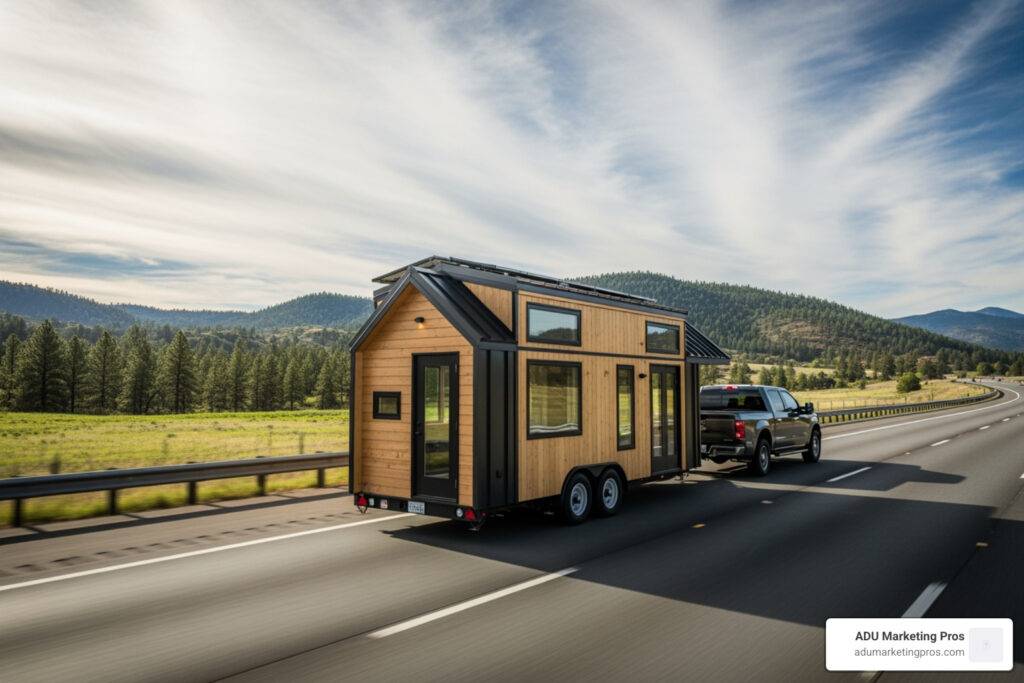
Why Finding the Best Tiny House Builders Matters
The best tiny house builders combine expert craftsmanship, transparent pricing, and a collaborative design process to turn your downsizing dreams into reality. Whether you’re seeking financial freedom, sustainable living, or simply a simpler lifestyle, choosing the right builder is the most important decision you’ll make.
Top-Rated Tiny House Builders at a Glance:
| Builder | Specialty | Price Range | Location |
|---|---|---|---|
| Minimaliste | Award-winning 4-season homes, off-grid options | $60,000 – $130,000+ | Canada |
| Canadian Tiny Homes | 40+ years experience, CSA-certified custom builds | $50,000 – $120,000+ | British Columbia |
| Teacup Tiny Homes | Personalized designs, variety of models | $45,000 – $100,000+ | Alberta |
| Pacifica Tiny Homes | RVIA-certified, affordable THOWs | $30,000 – $85,000 | California |
The tiny house movement has grown from a fringe lifestyle choice into a viable housing solution for thousands of people. But here’s the challenge: not all builders are created equal.
With finished tiny homes ranging from $30,000 to $130,000 or more, you’re making a significant investment. The difference between a quality builder and a mediocre one can mean the difference between a home that lasts decades and one that develops problems within months.
Most reputable tiny home construction companies offer 1-year warranties on structural and mechanical items, but premium builders stand behind their work with warranties up to 10 years. That kind of commitment tells you everything you need to know about their confidence in their craftsmanship.
This guide breaks down what you need to know about tiny house builders across North America, with a special focus on Canadian and California companies. We’ll help you understand the difference between custom-built and production-built homes, decode pricing factors, and introduce you to builders with proven track records.
Whether you’re planning a tiny house on wheels (THOW) for mobile living, a tiny house on a foundation (THOF) as an accessory dwelling unit, or an off-grid retreat, the right builder will work with you – not just for you. As Canadian Tiny Homes puts it: “We take a team approach to the process of creating your tiny home, and consider you a critical member.”
Basic best tiny house builders glossary:
Decoding the Dwelling: Types of Tiny Houses
The world of tiny homes is surprisingly diverse, offering solutions for nearly every lifestyle and location. Understanding the different types is your first step toward finding the best tiny house builders who specialize in what you need.
Here are the main categories you’ll encounter:
- Tiny House on Wheels (THOW): These are perhaps the most iconic tiny homes, built on a trailer chassis, allowing them to be moved from one location to another. They offer unparalleled flexibility and are often classified as recreational vehicles (RVs), which can sometimes simplify zoning and permitting. However, they still require a proper towing vehicle and a suitable place to park.
- Tiny House on a Foundation (THOF): These tiny homes are permanently affixed to a foundation, much like a traditional house. They offer greater stability and are typically subject to local building codes, similar to larger homes. THOFs are perfect for those looking for a permanent dwelling, an Accessory Dwelling Unit (ADU) in their backyard, or a cabin on a rural property. When considering a THOF, it’s worth exploring the differences between an ADU vs Tiny House to understand the specific regulations in your area, especially in California.
- Park-Ready Models: These are essentially THOWs designed for long-term placement in RV parks or tiny house communities. While still mobile, they are often larger than typical THOWs and come with more amenities, blurring the line between an RV and a permanent residence.
- Container Homes: Constructed from repurposed shipping containers, these homes offer a unique, industrial aesthetic and inherent structural strength. They are an excellent option for those seeking a durable, sustainable, and often modular building solution. Builders specializing in container homes can transform these steel boxes into surprisingly spacious and modern living spaces.
- Prefabricated Homes: These tiny homes are built in sections in a factory and then transported to your site for assembly. This method can lead to faster construction times, greater quality control, and often a more predictable budget. Prefabricated options are available for both on-wheel and on-foundation tiny homes.
Each type comes with its own set of considerations regarding mobility, foundation requirements, building codes, and aesthetic. The best tiny house builders will guide you through these choices, ensuring your tiny home aligns with your vision and local regulations.
How to Choose Your Perfect Tiny House Manufacturer
Selecting the right tiny house manufacturer is a critical step, akin to choosing a partner for a significant life project. You’re not just buying a structure; you’re investing in a lifestyle. Our goal is to help you find the best tiny house builders who will deliver on your expectations.
Here’s what we recommend considering:
- Vetting Builders: Start by thoroughly researching potential builders. Look beyond pretty pictures and dig into their track record.
- Assessing Craftsmanship: Request portfolios, visit their workshops if possible, or ask for references from previous clients. Pay attention to the details – joinery, finishes, and the overall quality of construction.
- Certifications: Certifications like CSA (Canadian Standards Association) for homes in Canada or RVIA (Recreational Vehicle Industry Association) for THOWs in the U.S. indicate that the builder adheres to specific safety and quality standards. These certifications can be crucial for insurance, financing, and legal placement of your tiny home.
- Builder Experience: Experience matters. Builders with decades of experience, like Canadian Tiny Homes with over 40 years, often bring a level of expertise and problem-solving capability that newer companies might lack.
- Customer Reviews and Testimonials: What do past clients say? Look for consistent themes regarding communication, quality, and adherence to timelines and budgets.
Finding the best tiny house builders for your project
When you’re ready to narrow down your list, engage with builders in a more in-depth way:
- Portfolio Review: Ask for detailed examples of their past projects, including interior and exterior photos, and potentially floor plans.
- Client Testimonials: Seek out testimonials or, even better, direct contact with previous clients to hear about their experience firsthand.
- Factory Tours: If feasible, visiting a builder’s workshop or factory can provide invaluable insight into their construction process, materials, and commitment to quality.
- Communication Style: A good builder will be responsive, clear, and collaborative. They should make you feel like a “critical member” of the team, as Canadian Tiny Homes emphasizes.
- Design Philosophy: Does their aesthetic align with yours? Do they prioritize sustainability, off-grid capabilities, or specific architectural styles? If you’re looking for unique designs, consider consulting Architects in Southern California Who Design Tiny Houses who can bring your specific vision to life.
Custom vs. Production: What’s the Right Fit?
The choice between a custom-built and a production-built tiny house significantly impacts your journey.
| Feature | Custom-Built Tiny Home | Production-Built Tiny Home |
|---|---|---|
| Cost | Generally higher due to unique design and labor | Often more affordable due to standardized processes |
| Timeline | Longer (3-6+ months) due to design and bespoke work | Shorter (4-8 weeks) as designs are pre-approved |
| Customization | Unlimited; custom to your exact specifications | Limited to pre-defined options and finishes |
- Co-creation Process: Custom builders, like Minimaliste, often involve you in a “co-creation” process, combining their expert craftsmanship with your unique needs. This means every detail, from the layout to the finishes, is custom to your lifestyle.
- Pre-designed Models: Production builders offer pre-designed models with a set range of options. While less personalized, this approach can be more efficient and cost-effective.
- Budget Impact: Custom builds typically come with a higher price tag due to the unique design work and specialized labor involved. Production models, benefiting from economies of scale, are often more budget-friendly.
- Timeline Differences: Custom tiny houses take longer to design and build. If you’re in a hurry, a production model might get you into your tiny home much faster.
- Personalization Level: If you have very specific requirements or a unique vision, a custom build is the way to go. If you’re happy with well-designed, functional standard layouts, a production model will serve you well.
The “right fit” depends on your priorities: do you value unique personalization above all else, or are efficiency and cost-effectiveness more important? The best tiny house builders will offer transparent options for both.
Budget, Build Time, and Beyond: The Practicalities of Purchase
Before you dive headfirst into tiny living, understanding the practicalities of cost, timeline, and after-sale support is crucial. This knowledge will empower you to make informed decisions and find the best tiny house builders for your budget and needs.
What is the typical price range for a finished tiny house, and what influences this cost?
The price range for a finished tiny house can be anywhere between $30,000 and $130,000, and sometimes even more for highly customized or luxurious builds. This wide range is influenced by several factors:
- Size: Larger tiny homes, even within the tiny house definition, will naturally cost more due to increased materials and labor.
- Materials: High-end finishes, sustainable materials, or specialized components will drive up the price.
- Customization: As discussed, custom designs cost more than standard production models.
- Off-Grid Systems: Adding solar panels, composting toilets, advanced water filtration, or other off-grid capabilities significantly increases the overall cost but offers long-term savings and independence.
- Appliances and Fixtures: The choice of appliances, from basic to smart-home integrated, will impact the final price.
- Builder’s Reputation and Location: Premium builders with extensive experience and a strong reputation may command higher prices, and costs can vary regionally due to labor and material expenses.
What are the considerations regarding shipping and delivery of tiny houses?
Shipping a tiny house, especially a THOW, is a significant logistical undertaking.
- Transportation Costs: These can vary widely based on distance, the size and weight of the tiny house, and the need for specialized permits or pilot cars. Always get a clear quote from your builder.
- Site Preparation: Whether on wheels or a foundation, your chosen site will need preparation. This might involve leveling, utilities hookups (water, sewer, electricity), or foundation pouring for THOFs.
- Accessibility: Ensure the delivery route to your site can accommodate a large trailer. Tight turns, low bridges, or steep inclines can pose challenges.
How long does it typically take to build and deliver a tiny house, and how do customizations affect this timeline?
The timeline for building a tiny house can vary significantly:
- Production Models: For pre-designed, production-built tiny homes, the construction phase might take a relatively quick 4-8 weeks, assuming the builder has materials in stock and a streamlined process.
- Custom Builds: A fully custom tiny house, involving a collaborative design process and bespoke elements, can take anywhere from 3 to 6 months, or even longer, especially if there’s a backlog with the builder or complex customizations.
- Customizations Impact: Every unique request, from a custom built-in furniture piece to a specialized off-grid system, adds to the design, sourcing, and construction time. Be prepared for a longer wait if you opt for high levels of personalization.
What kind of warranties do tiny house manufacturers typically offer, and what do they cover?
Warranties are your peace of mind and a testament to a builder’s confidence in their work.
- Standard 1-Year Warranty: Most tiny home construction companies offer a 1-year warranty on structural and mechanical items (e.g., plumbing, electrical, HVAC). This covers defects in materials and workmanship.
- Premium Warranties: Some premium tiny home builders offer longer warranties, sometimes even up to 10 years, particularly on structural components. This is a strong indicator of quality and durability.
- Reading the Fine Print: Always review the warranty details carefully. Understand what is covered, for how long, and what actions might void the warranty (e.g., improper maintenance, unauthorized modifications). A robust warranty is a hallmark of the best tiny house builders.
A Curated List of the Best Tiny House Builders
Finding the best tiny house builders means looking for companies that excel in craftsmanship, customer service, and innovative design. Here, we highlight some top-rated builders, including those with a strong presence or relevance to our focus areas.
When evaluating builders, consider their specialties, regional focus, and design styles. Do they prioritize modern aesthetics, rustic charm, or highly functional layouts? Do they offer comprehensive support from design to delivery? These are the questions that will lead you to your ideal builder.
Minimaliste: The Award-Winning Craftsmen
Minimaliste, an award-winning tiny home builder, was recognized as the best affordable tiny home in Canada in 2023. They are renowned for their high-quality, four-season tiny homes designed to withstand harsh climates.
- Specialty: Minimaliste excels in building durable, comfortable, and sustainable four-season tiny homes. They focus on optimizing homes for comfort, functionality, and sustainability.
- Co-creation Process: They strongly emphasize a “co-creation” process, ensuring every home is a unique blend of their expert craftsmanship and the client’s specific needs and vision.
- Off-Grid Expertise: Minimaliste offers robust off-grid options, catering to those seeking maximum independence and a reduced environmental footprint.
- Durability: Their homes are constructed to be incredibly durable and “built for the elements,” ensuring longevity and resilience.
If you’re looking for a builder that combines innovative design with practicality, explore their custom models and see how they can bring your tiny house dream to life.
Learn about their custom models
Canadian Tiny Homes: Decades of Custom Building Experience
With over 40 years of custom home building experience, Canadian Tiny Homes brings a wealth of knowledge and skill to the tiny house movement. Located in the heart of the Kootenays, British Columbia, they are dedicated to turning tiny home dreams into reality.
- 40+ Years Experience: Their background in custom home building translates into exceptional quality and attention to detail in their tiny homes.
- CSA-Certified: Canadian Tiny Homes builds homes that are CSA-certified, ensuring they meet rigorous Canadian safety and quality standards – a crucial factor for insurance and legal placement.
- Team Approach: They view clients as a “critical member” of their team, fostering a collaborative design process from preliminary sketches to the final build. They believe a house should be designed intentionally to suit your lifestyle.
- Custom Design Focus: Their strength lies in custom design, allowing clients to be deeply engaged throughout the entire process to create a tiny home perfectly suited to their needs.
See their building process
Teacup Tiny Homes: Personalized and Practical Designs
Teacup Tiny Homes Ltd., based in Lethbridge, Alberta, is another Canadian builder celebrated for its personalized and practical designs. They offer a variety of models, all crafted with a focus on maximizing space and comfort.
- Client-Focused Design: Teacup Tiny Homes works closely with clients to ensure each design reflects individual preferences and functional requirements.
- Variety of Models: They provide a range of pre-designed models that can be customized, offering a balance between efficiency and personalization.
- Practicality: Their designs are known for their smart use of space, innovative storage solutions, and attention to the practicalities of tiny living.
Explore Teacup Tiny Homes
Pacifica Tiny Homes: Finding the best tiny house builders in California
For those in California, Pacifica Tiny Homes stands out as a provider of affordable, RVIA-certified tiny homes on wheels. With a strong West Coast presence, they are a solid choice for aspiring tiny homeowners in our service areas like Los Angeles, San Diego, and the San Francisco Bay Area.
- Affordable Options: Pacifica Tiny Homes focuses on making tiny living accessible, offering competitive pricing for their models.
- RVIA Certified: Their tiny homes are RVIA certified, which is essential for registration, insurance, and placement in many RV parks and tiny home communities across the U.S.
- THOW Focus: They specialize in Tiny Houses on Wheels, providing mobile living solutions for those seeking flexibility and adventure.
- West Coast Presence: Their focus on the West Coast makes them a convenient and reliable option for clients in California, including San Jose, Sunnyvale, Palo Alto, and Menlo Park.
Check out Pacifica Tiny Homes
Frequently Asked Questions About Tiny Homes
Navigating the practicalities of tiny home ownership can be complex. Here, we address one of the most common and critical questions to help you on your journey.
Where can I legally place a tiny house?
The legal placement of a tiny house is one of the most complex aspects of tiny living, varying significantly by location.
- Zoning Laws: Local zoning ordinances dictate what types of structures can be built or placed in specific areas. Many municipalities are still catching up to the tiny house movement, and their laws may not explicitly address tiny homes.
- RV Parks: Tiny houses on wheels (THOWs) are often classified as RVs, making RV parks a common and relatively straightforward placement option.
- Tiny Home Communities: Dedicated tiny home communities are emerging, offering infrastructure and a supportive environment for tiny homeowners. These often have their own set of rules and regulations.
- Backyard Placement (ADU Regulations): In many areas, particularly in California cities like Los Angeles, San Diego, San Jose, and the San Francisco Bay Area, tiny houses on foundations (THOFs) can be placed as Accessory Dwelling Units (ADUs). California has progressive ADU laws that have made it easier to build these secondary units in residential backyards. It’s important to understand specific ADU regulations in your area:
- For Los Angeles, consult Your Guide to Los Angeles ADU Regulations: What You Need to Know and Los Angeles ADU Regulations.
- In San Diego, review San Diego ADU Laws.
- For San Jose, refer to San Jose ADU Guidelines.
- If you’re looking for land to place your tiny house, especially in Southern California, check out resources like Land for Sale in Southern California for Tiny Houses. Always verify local regulations before committing to a purchase or build.
Conclusion
Starting on the tiny house journey is an exciting step toward a more intentional and sustainable lifestyle. Choosing the best tiny house builders is not merely a transaction; it’s about finding a partner who understands your vision and can translate it into a high-quality, durable home.
Our research highlights that the top builders, whether focusing on award-winning four-season homes like Minimaliste, leveraging decades of custom building experience like Canadian Tiny Homes, offering personalized designs like Teacup Tiny Homes, or providing affordable, certified options like Pacifica Tiny Homes, all share a commitment to craftsmanship and client collaboration.
Thorough research, asking the right questions, and understanding the practicalities of cost, build time, and warranties are paramount. For builders looking to connect with clients and stand out in this growing market, marketing experts like ADU Marketing Pros can help bridge the gap, showcasing your expertise and driving high-quality leads.
If you’re exploring options in the Golden State, our comprehensive guide to Tiny House Builders in California is the perfect next step to find local experts who can turn your tiny house dreams into a tangible reality.