
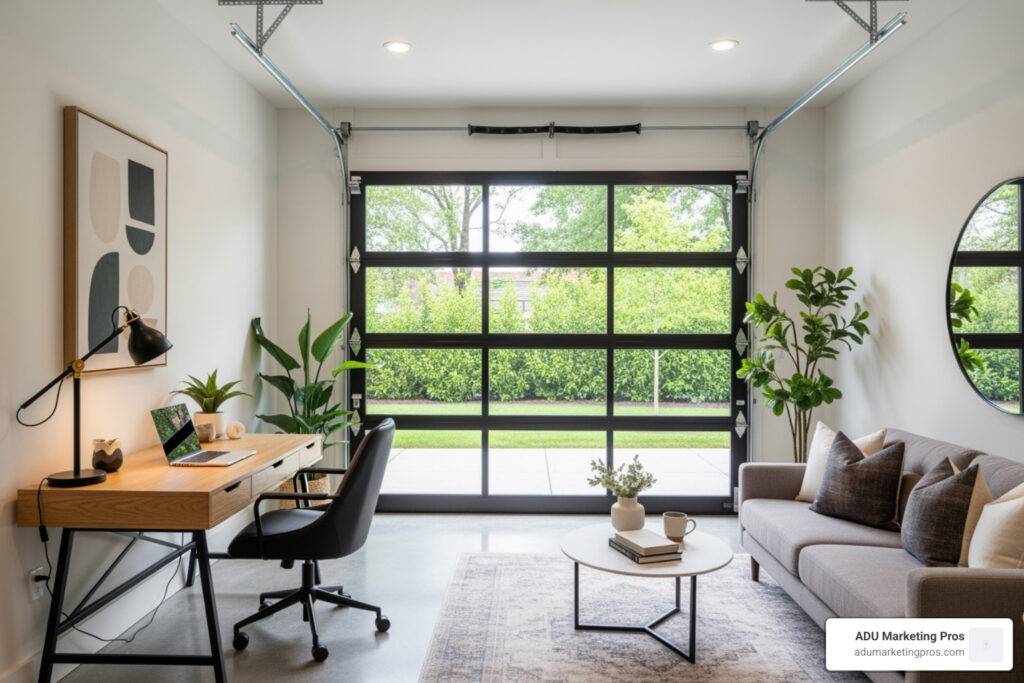
Understanding the True Cost of Converting Your Garage
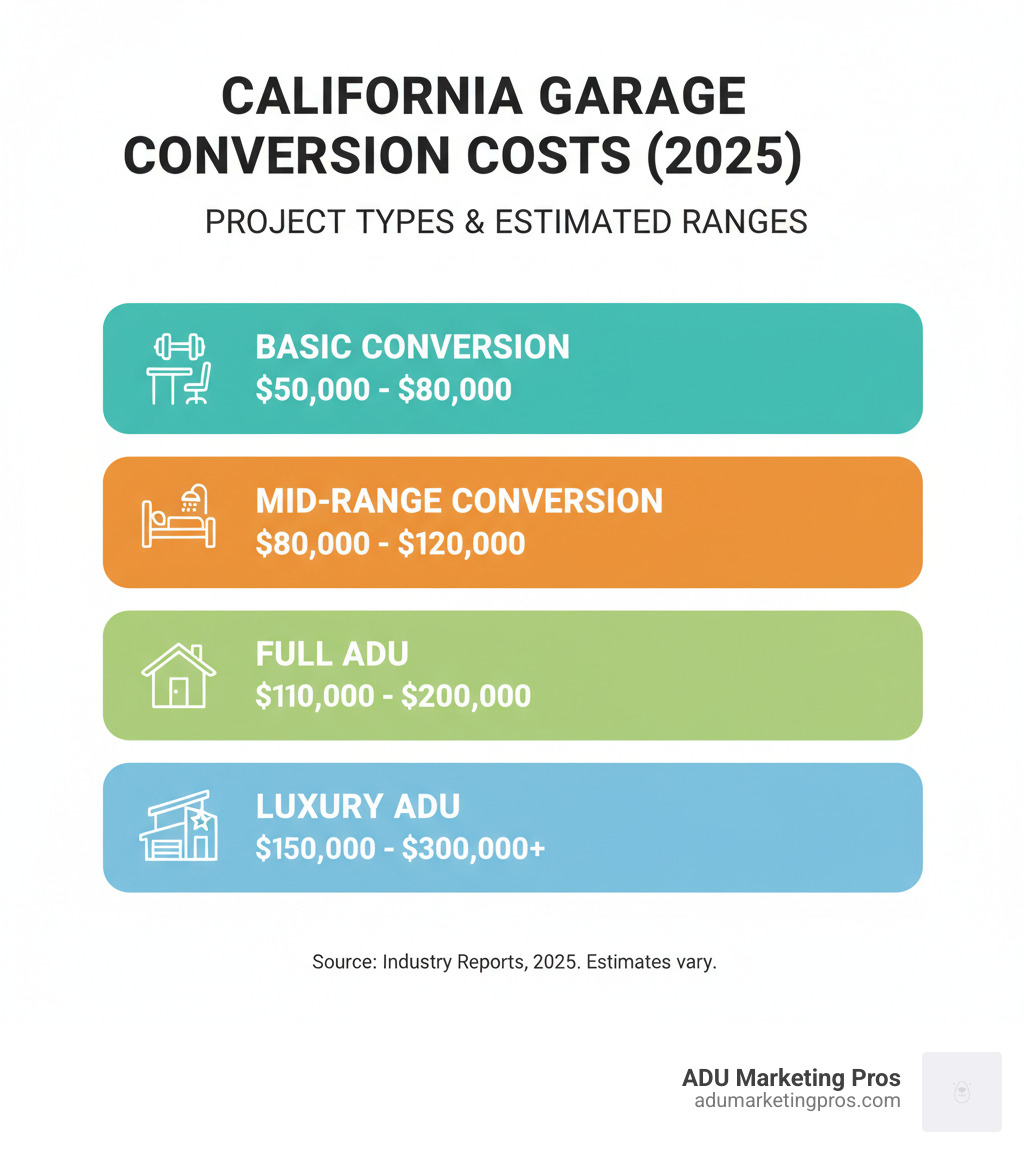
How much does a garage conversion cost? The answer depends on your goals and location. In California, garage conversions range from $50,000 to $150,000, with costs per square foot between $125 to $300. This is significantly higher than the national average of $25 to $75 per square foot, due to California’s strict regulations and higher labor costs.
Quick Cost Breakdown:
- Basic conversion (home office/gym): $50,000 – $80,000
- Mid-range conversion (bedroom/bathroom): $80,000 – $120,000
- Full ADU conversion: $110,000 – $200,000
- High-end luxury ADU: $150,000 – $300,000+
Converting a garage is one of California’s most popular home improvement projects. With soaring housing costs and ADU-friendly laws, homeowners are unlocking the potential of underused space. Whether creating a home office or a full accessory dwelling unit (ADU) for rental income, understanding the costs is key. The investment is substantial, but the returns in property value and rental income often justify it.
Project complexity is the biggest cost driver. A simple home office costs far less than a full ADU with a kitchen and bathroom. California’s building codes, permit fees, and labor rates mean your project will cost more here than in other states.
How Much Does a Garage Conversion Cost: A Detailed Breakdown
While homeowners in other states might convert a garage for $7,500 to $20,000, California operates in a different league. Here, you’re looking at $80,000 to $150,000 for most conversions. This isn’t inflated pricing; it reflects a combination of stringent building codes, higher labor wages, expensive materials, and complex permitting processes. The wide cost range depends on your vision and the condition of your existing garage.
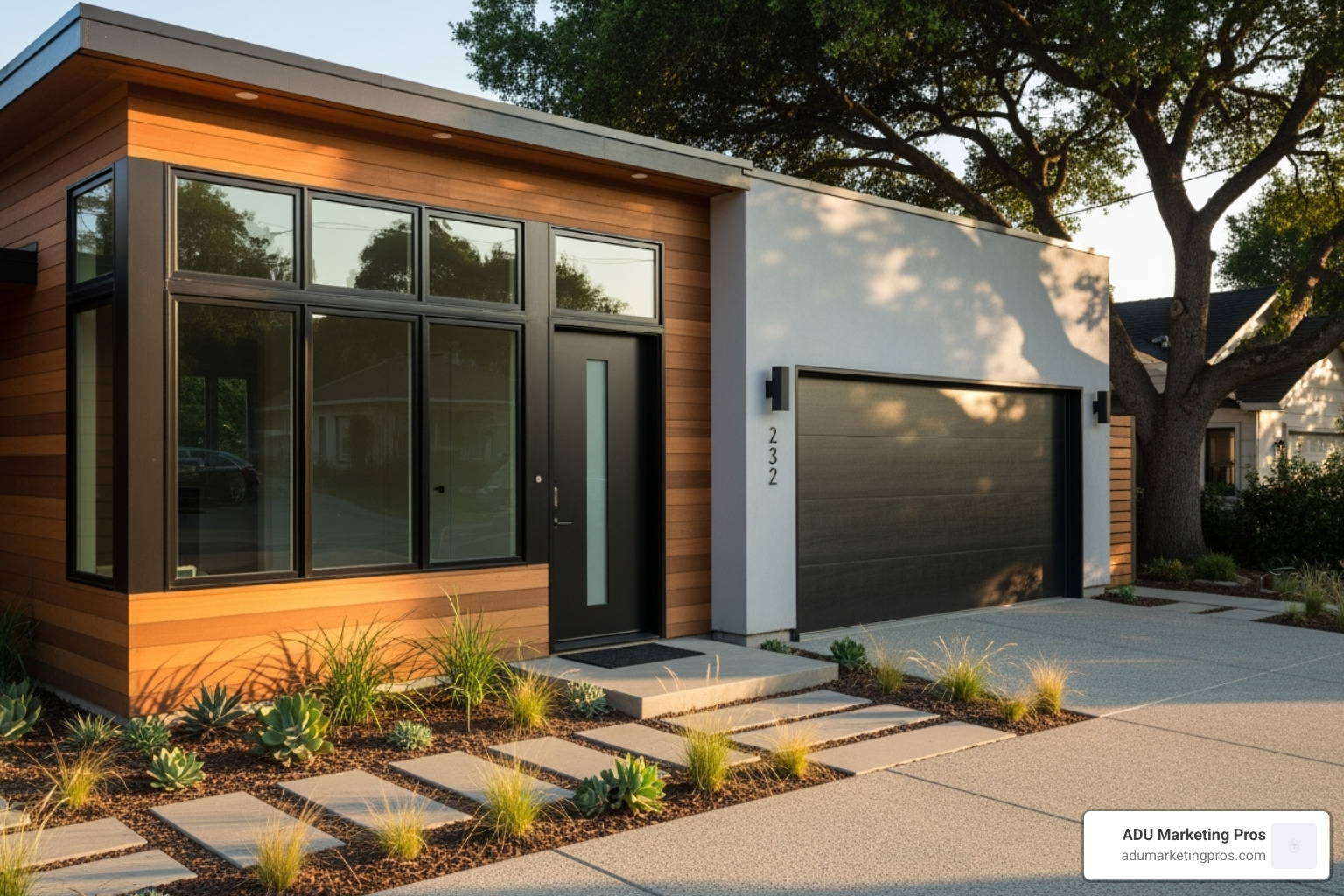
How much does a garage conversion cost per square foot?
Nationally, basic finishes start around $25 per square foot, mid-range projects run about $40 per square foot, and high-end upgrades can exceed $75 per square foot.
In California, the cost per square foot ranges from $125 to $300, and sometimes higher. Even a “basic” California conversion often includes upgrades like earthquake-resistant framing, proper insulation, and materials that meet strict environmental standards. This higher cost reflects the reality of building in the state, from labor to materials and permitting. For a deeper look, see our analysis of ADU cost per square foot.
Cost Differences by Garage Size
Your garage’s footprint directly impacts your budget. Larger spaces require more materials, and may also need more complex HVAC and electrical systems.
- 1-car garage conversion cost (approx. 240 sq. ft.): Typically $70,000 to $100,000 in California. Ideal for home offices, studios, or guest rooms.
- 2-car garage conversion cost (approx. 440 sq. ft.): Jumps to $110,000 to $150,000. This size allows for a full apartment or a spacious multi-use area.
- 3-car garage conversion cost (approx. 600–700 sq. ft.): Typically $150,000 to $300,000+. Lower costs may be possible if you convert only part of the space.
Attached vs. Detached Garage Conversion Costs
The garage’s location relative to your house affects the budget.
Attached garages are generally more affordable. Utility access is easier, as electrical, water, and sewer lines are nearby. Structural integration can also be simpler, sometimes allowing for a direct interior connection to the main house.
Detached garages offer more privacy, which is ideal for rental ADUs or guest suites. However, this privacy comes at a price. Detached conversions can cost 30-50% more due to the need to trench utilities from the main house, potentially install a separate electrical sub-panel, and handle separate foundation and drainage work. For more on these options, explore our resource on ADU garage conversions.
Key Factors That Influence Your Garage Conversion Cost
How much does a garage conversion cost depends on many interconnected decisions. From the room type to finish quality, every choice affects the final price. Let’s break down the major cost drivers.
How much does a garage conversion cost for different room types?
Your intended use is the primary cost driver. Adding plumbing for a kitchen or bathroom significantly increases expenses.
- Home Office/Gym: $50,000 – $80,000. These require basic electrical, insulation, drywall, and flooring, without complex plumbing.
- Bedroom Conversion: $70,000 – $100,000. Costs rise due to egress window requirements, upgraded HVAC, and higher-quality finishes.
- Bedroom with Bathroom: $80,000 – $120,000. Bathrooms add significant costs due to plumbing, waterproofing, ventilation, and fixtures.
- Full ADU Conversion: $110,000 – $200,000. As legal dwelling units, these require full kitchens, bathrooms, and separate entrances, meeting strict habitability codes.
For help with space planning, see our resource on ADU building plans.
Design, Permits, and Professional Fees
Professional fees and permits are a significant part of any California conversion budget.
- Architectural Plans: $5,000 – $10,000. Ensures your design is code-compliant and functional.
- Structural Engineer Fees: $500 – $1,000. Required for any changes to the garage’s structure.
- Permit Fees in California: $3,000 – $10,000. This includes building permits, zoning reviews, and inspections. The California Department of Housing and Community Development provides statewide ADU guidance and resources that can help you understand local processes and exemptions: https://www.hcd.ca.gov/policy-research/accessory-dwelling-units.
- General Contractor Fees: 10% – 20% of the total project cost. A GC manages the project, schedules, and subcontractors.
Our guide to the ADU permit process can help you navigate these requirements.
Construction, Materials, and Finishes
- Foundation Work: $2,000 – $10,000. Most garage floors are sloped and need to be leveled and reinforced.
- Framing and Drywall: $6,000 – $18,000. Includes adding interior walls and finishing them to create a livable space.
- Flooring: $1,000 – $4,000+. Costs vary by material, from budget-friendly laminate to high-end hardwood or tile.
- Windows and Doors: $3,000 – $7,000. Replacing the garage door and adding windows is essential for a comfortable, light-filled space.
- Finish Quality: This is the biggest variable. High-end cabinetry, countertops, and fixtures can significantly increase the budget.
Utility Upgrades: Electrical, Plumbing, and HVAC
- Electrical Upgrades: $2,000 – $5,000. Includes adding outlets, lighting, and often upgrading the main panel.
- Plumbing Work: $3,000 – $10,000. For bathrooms or kitchens, this includes running new supply and drain lines.
- Sewer and Water Connections: $2,500 – $6,000. May require trenching to connect to main lines.
- HVAC Systems: $4,000 – $8,000. Ductless mini-split systems are a popular and efficient choice for conversions.
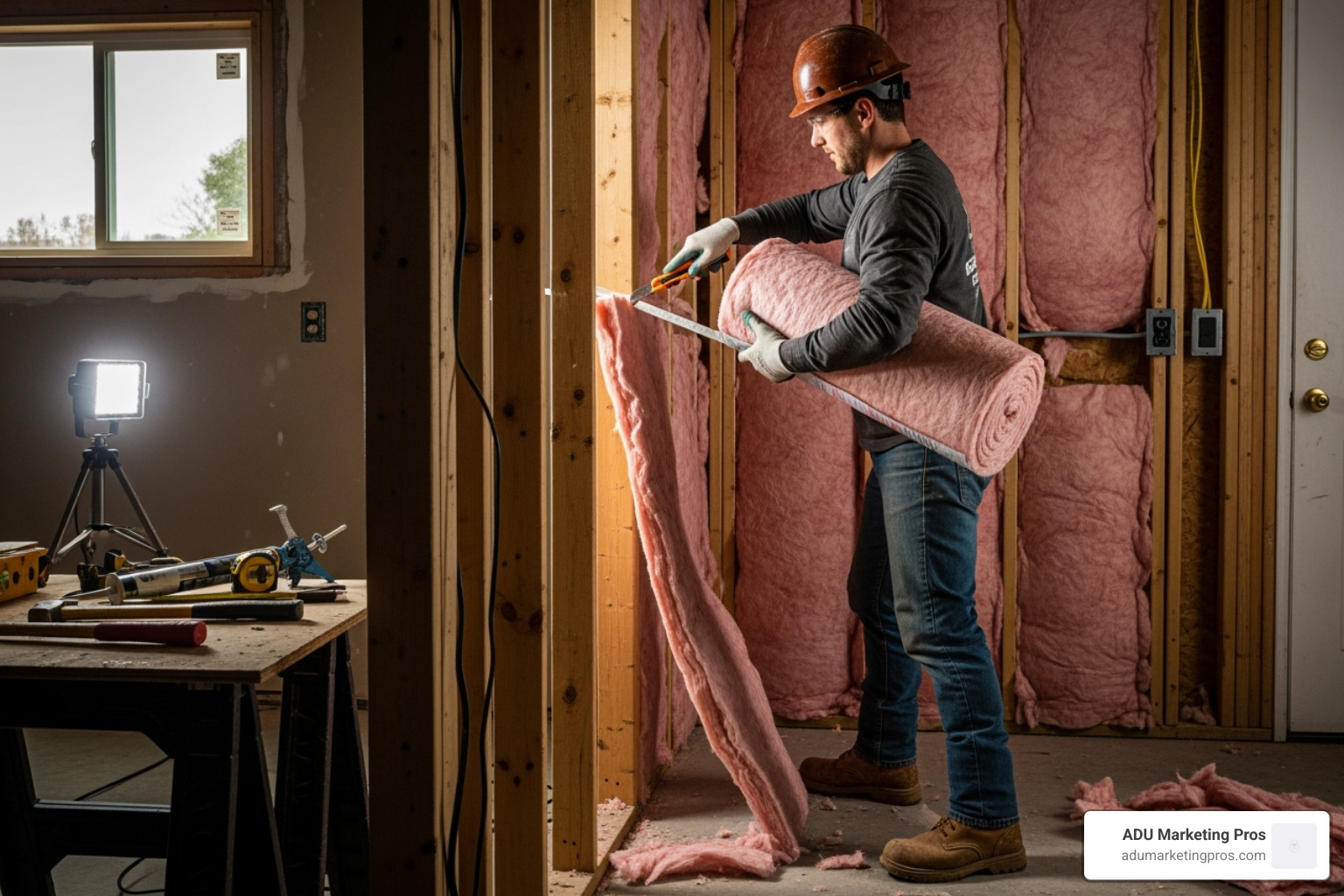
- Insulation: $1,500 – $3,500. Proper insulation is crucial for comfort and energy efficiency. The U.S. Department of Energy notes it can cut energy bills by 10-50%.
Location and Regional Labor Rates
Costs vary significantly across California. Projects in the Bay Area (San Jose, Palo Alto) can be 20-30% higher than state averages. Los Angeles and San Diego also have unique pricing dynamics. Higher labor rates ($50-$75+/hour for contractors) and material transport costs contribute to these regional differences. For market-specific details, see our guide on garage conversions in Los Angeles.
The Cost of Converting a Garage into an Accessory Dwelling Unit (ADU)
In California, converting a garage into a legal Accessory Dwelling Unit (ADU) is a popular and smart investment. You’re not just adding space; you’re creating an independent legal living unit that can generate rental income ($1,500 to $3,500+ per month in many markets) and significantly boost your property value.
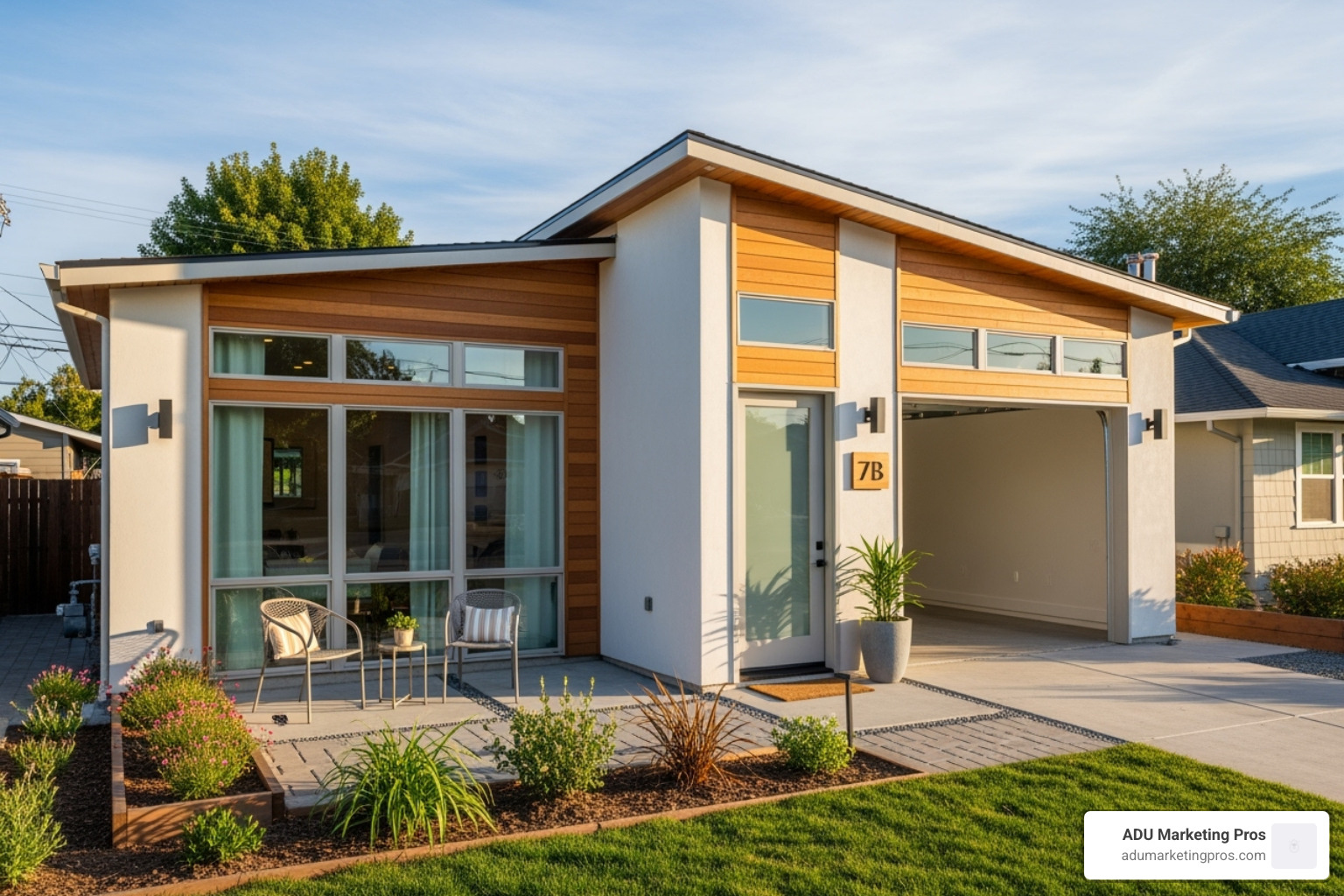
What Makes a Garage Conversion a Legal ADU?
Not every conversion qualifies as an ADU. To be a legal rental unit and add maximum value, your project must meet specific state and local requirements:
- Full Kitchen: Must include a sink, a cooking appliance (stovetop/cooktop), and refrigeration.
- Full Bathroom: A complete bathroom with a toilet, sink, and a shower or tub is required.
- Separate Entrance: The ADU must have its own entrance, separate from the main home.
- Habitable Space Codes: The space must meet standards for ceiling height (usually 7.5 feet), insulation, ventilation, and heating.
- Egress Windows: Any sleeping area must have a window large enough for emergency exit.
For a full checklist, see our guide on ADU building requirements.
Detailed Cost Breakdown for a Garage ADU Conversion
How much does a garage conversion cost when creating a full ADU? Expect higher-end costs, typically ranging from $110,000 to $200,000 in California. This reflects the complexity of creating a fully independent home.
- Foundation Upgrades: $3,000 – $12,000 to level the sloped garage floor.
- Structural Reinforcement: $5,000 – $15,000 to ensure the structure meets residential codes.
- Full Utility Runs: This is a major expense. Expect to pay $10,000 – $30,000+ for new electrical, plumbing, sewer, and HVAC systems.
- School Impact Fees: In many California districts, ADUs over 500 sq. ft. are subject to these fees, which can range from $2,000 to $15,000.
These costs are higher than a simple room conversion, but the result is a valuable, income-generating asset. For detailed planning, see our ADU building costs resource.
Is it Cheaper to Convert a Garage or Build a New ADU?
The answer almost always favors conversion. A garage conversion is typically 40-60% cheaper than building a new, detached ADU of a similar size.
The primary savings come from utilizing the existing structure. You already have a foundation, walls, and a roof. Even if they need upgrades, adapting them costs far less than building from scratch. Foundation and roof savings alone can account for $20,000 to $40,000. New construction ADUs often start at $150,000 and can easily exceed $250,000, making garage conversions the more cost-effective choice for most homeowners. For a full comparison, read our analysis on the cost to build an ADU.
Financial Planning: ROI, Savings, and Financing Your Project
A garage conversion is a strategic financial investment. With smart planning, your project can deliver significant returns while staying within your budget.
Does a Garage Conversion Add Value to a Home?
Yes, a well-executed garage conversion offers one of the strongest returns on investment of any home improvement.
- Property Value Increase: A legal ADU can increase your property’s value by 20-30% in California’s competitive market.
- Rental Income Potential: A garage ADU can generate $1,200 to $3,000+ in monthly rent, depending on location and size.
- ROI Calculation: With an average annual return of around 15% from rent, many homeowners recoup their investment in 5-7 years. After that, it becomes a source of passive income.
- Market Appeal: In California, properties with ADUs are highly desirable to buyers, broadening your market when you decide to sell.
For more on the financial benefits, see our guide on accessory dwelling unit costs.
Effective Ways to Save Money on a Garage Conversion
Keep costs down without sacrificing quality with these strategies:
- Stick to the existing footprint: Expanding beyond the garage’s current walls escalates costs quickly.
- Choose cost-effective finishes: Opt for durable, attractive materials like laminate flooring and prefab cabinets over high-end custom options.
- Use a design-build firm: This integrated approach streamlines the process, reduces errors, and can lead to better pricing.
- DIY non-structural work: If you’re handy, save on labor by handling tasks like demolition, painting, or flooring installation. Leave electrical, plumbing, and structural work to licensed professionals.
- Get multiple quotes: Always get at least three detailed bids from reputable, licensed contractors to ensure competitive pricing.
Financing Options and Potential Tax Incentives
Several financing options can help you fund your project:
- Home Equity Loans & HELOCs: Often the most cost-effective option, offering low rates by using your home as collateral.
- Construction Loans: Designed for renovation projects, these release funds in stages as work is completed.
- Cash-Out Refinancing: Replace your current mortgage with a larger one and use the difference for your project. This is ideal if you can also secure a lower interest rate.
- Personal Loans: Best for smaller projects, these have higher rates but don’t require using your home as collateral.
Also, look into potential energy efficiency tax credits. Upgrades like high-efficiency windows or insulation may qualify you for federal credits. The IRS provides details on qualifying improvements. For a full overview of funding, see our guide on ADU financing options.
Frequently Asked Questions about Garage Conversion Costs
Here are answers to the most common questions we hear about how much does a garage conversion cost and the process involved.
How long does a typical garage conversion project take?
While it varies, a realistic timeline for a California garage conversion is crucial for planning. Expect the total project to take 4-6 months from start to finish.
- Design Phase: 2-8 weeks. This depends on project complexity and your decision-making speed.
- Permitting Phase: 2-12 weeks. This is often the biggest variable. Major cities like Los Angeles can take longer, while smaller municipalities may be faster.
- Construction Phase: 4-8 weeks. A simple conversion might take a month, while a full ADU with a kitchen and bath will take two months or more.
Do I need an architect for a garage conversion?
It depends on the scope of your project.
- For simple conversions (e.g., a home office or gym with no structural changes), you may not need an architect and can work directly with a contractor.
- For complex ADUs or renovations involving structural changes, new layouts, kitchens, or bathrooms, an architect is invaluable. They ensure the design is safe, functional, and meets all building codes, which is critical for getting permits.
- Design-build firms offer a great alternative, integrating design and construction services to streamline the process.
Can converting my garage devalue my house?
This is a common worry, but a properly executed, permitted garage conversion almost always increases home value.
The main concern is the loss of parking. In neighborhoods with scarce street parking, some buyers might see this as a negative. However, the value of the added living space typically far outweighs this concern. A functional bedroom, home office, or especially a rental-ready ADU adds significant financial and lifestyle value.
In California, the high demand for ADUs makes properties with conversions particularly attractive. A shoddy, unpermitted job can hurt your home’s value, but a professional conversion that meets all codes is a clear asset that boosts your property’s worth and appeal.
Conclusion
Converting your garage is one of the smartest investments a California homeowner can make. While the answer to how much does a garage conversion cost involves a significant investment—typically $80,000 to $150,000—the returns in property value and potential rental income are compelling.
The key takeaway is that planning is everything. Your project’s scope is the biggest cost driver, so understanding your goals from the start is essential. Whether you’re planning a $50,000 home office or a $150,000 full ADU, knowing what to expect keeps your project on budget and on track.
California’s regulations and costs are high, but you’re investing in one of the country’s most desirable housing markets. Generic estimates can only take you so far. Your next step is to get specific numbers for your unique project.
Ready to move from planning to action? Get a precise estimate with our Garage Conversion Cost Calculator and find out exactly what your dream conversion will cost.