
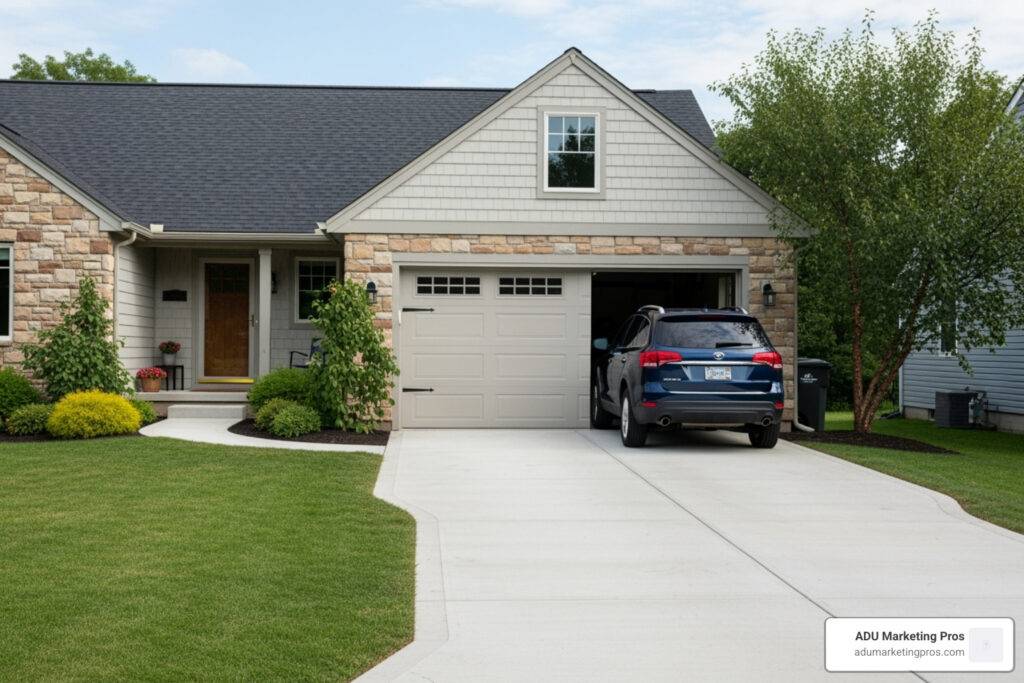
Why Understanding Carport Conversion Costs Matters for Your Project
The cost to convert carport to garage typically ranges from $10,000 to $30,000, with premium projects reaching $50,000 or more. This investment transforms an open, vulnerable parking space into a secure, weather-protected, and highly functional garage, adding significant utility and value to your home.
Quick Cost Breakdown:
- Single-car conversion: $10,000 – $25,000
- Two-car conversion: $20,000 – $40,000
- Basic conversion: Minimal finishes, standard materials, functional enclosure.
- Premium conversion: Full insulation, upgraded doors, finished interior, and utility hookups.
A conversion offers compelling benefits that go far beyond simple parking. You gain improved security, protecting your vehicles not just from theft but also from vandalism and accidental damage. You get complete weather protection from damaging UV rays, hail, snow, and wind, preserving your car’s finish and reducing long-term wear. Furthermore, the project creates valuable storage space for tools, outdoor equipment, and household overflow, effectively decluttering your home.
A carport conversion is almost always more cost-effective than building a new garage from scratch. By leveraging the existing foundation and roof structure, you can save 20-40% on total construction costs. Enclosing an attached carport is even more economical, often costing 10-15% less than a detached one, making it an attractive option for budget-conscious homeowners.
Your final decision will depend on your carport’s structural condition, local building codes, your long-term goals for the space, and your budget. Understanding these cost factors in detail is the first and most critical step to planning a successful project and avoiding unexpected expenses.
Understanding the Average Cost to Convert a Carport to a Garage
The national average cost to convert carport to garage is around $22,000, but most projects fall within a broad $10,000 to $30,000 range. This wide spectrum reflects the immense variety in project scope, from a simple, functional enclosure to a fully finished, climate-controlled, multi-purpose space that serves as a true extension of the home.
Geographic location plays a significant role in overall cost. A conversion in a rural area with low labor rates may cost substantially less than the exact same project in a high-cost urban market like San Francisco or New York City, where both materials and skilled labor command premium prices. High-end conversions for larger two-car projects with premium finishes, custom millwork, and advanced utilities can easily exceed $50,000.
One of the biggest advantages is that converting an existing carport is almost always more affordable than building a new garage. You already have a foundation and roof structure to work with, which represent two of the most expensive components of new construction.
Cost Comparison: Basic vs. Premium Conversion
The difference between a basic and a premium conversion can easily double or even triple your project cost. It’s crucial to understand what each level entails.
A basic conversion ($10,000 – $20,000 for a single car) focuses purely on function. It typically includes framing the existing structure with standard lumber, adding cost-effective siding like T1-11 or vinyl, installing a standard, non-insulated steel garage door, and adding minimal electrical work—perhaps a single overhead light and a couple of outlets. The interior is left unfinished with exposed studs and a bare concrete floor. This approach provides security and weather protection at the lowest price point.
A premium conversion ($25,000 – $40,000+) aims to create a space that integrates seamlessly with your home’s architecture and offers enhanced comfort and functionality. This involves a fully insulated building envelope (walls and ceiling), finished interiors with drywall and paint, and upgraded, insulated garage doors and windows that match your home’s style. It often includes higher-quality siding like fiber cement or stucco, architectural details, and extensive utilities like multiple 120V circuits, 240V outlets for EV charging or heavy-duty tools, and even plumbing for a utility sink. These projects may also feature epoxy floor coatings, custom storage systems, and climate control (heating and cooling).
How Garage Size Impacts Your Budget
While a larger garage naturally costs more in total, the price doesn’t always scale directly with size. Due to economies of scale on fixed costs like permits, design, and contractor mobilization, the cost per square foot often decreases as the project size increases.
- Single-car conversion (approx. 200-250 sq. ft.): $10,000 to $25,000, depending on the level of finish.
- Two-car conversion (approx. 400-500 sq. ft.): $20,000 to $40,000, often offering a lower cost per square foot than a single-car project.
The cost per square foot can range from as low as $40-$60 for the most basic conversions to over $100-$150 for premium projects with high-end materials, extensive site work, and complex utility installations.
Key Factors That Influence Your Conversion Cost
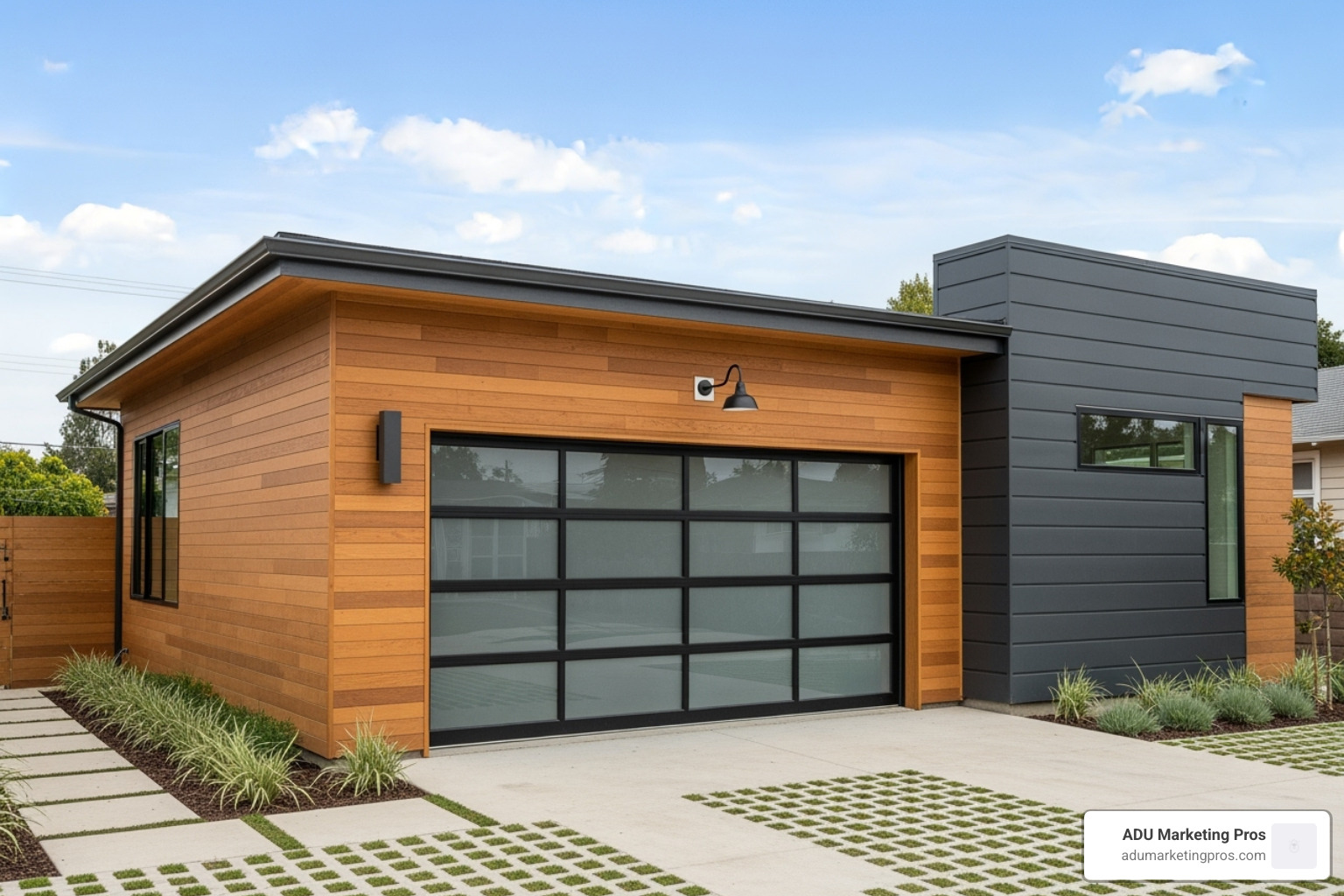
The final cost to convert carport to garage is a puzzle with several interconnected pieces. The most significant variables are your project’s size and scope, the carport’s existing condition, the quality of materials you choose, and local labor rates. A simple enclosure will cost far less than a fully finished workshop.
Your intended use for the space is also critical. A simple space for parking has different structural and utility requirements than a heated workshop, a home gym, or a potential future living space. For those considering more extensive changes, our guide on Garage Conversion to ADU offers valuable insights into the added complexity.
A carport with a solid, code-compliant concrete slab and a sturdy, well-maintained roof will keep costs down. Conversely, a structure needing significant foundation repair, new footings, or a complete roof replacement can quickly inflate your budget by thousands of dollars before the conversion work even begins.
Attached vs. Detached Carports
Whether your carport is attached to your home or stands alone as a separate structure can alter your costs by a significant margin.
Attached carports are more budget-friendly, typically costing 10% to 15% less to convert. The primary saving comes from needing to build only two or three new walls instead of four. Furthermore, accessing your home’s existing utilities, such as electricity and plumbing, is much simpler and cheaper, as the connection point is just on the other side of the wall.
Detached carports offer more design freedom and can be placed anywhere on your property (zoning laws permitting), but they require a larger investment. You must construct all four walls from scratch. The biggest added expense is often running utilities. Trenching to bury electrical conduit and potentially water and sewer lines from the main house can add $1,000 to $3,000 or more to your project, depending on the distance, soil conditions, and any obstacles like patios or driveways.
The Impact of Materials and Finishes
Your material selections will shape the garage’s appearance, durability, and your final bill. This is where you have the most control over the budget.
- Siding: Choices range from economical T1-11 plywood siding ($3-$6/sq. ft.) and durable vinyl ($4-$8/sq. ft.) to mid-range fiber cement ($6-$13/sq. ft.) or premium options like stucco or brick veneer ($10-$25+/sq. ft.) for a perfectly integrated look. You can explore modern options at this resource on metal siding.
- Roofing: If the existing roof needs work, standard asphalt shingles ($0.50-$1.50/sq. ft. for materials) are cost-effective with a 15-30 year lifespan. Metal roofing ($2.00-$6.00/sq. ft.) offers superior durability (40-70 years) but costs more. Tile ($4.00-$10.00/sq. ft.) is a premium option for specific architectural styles like Mediterranean or Spanish.
- Garage Door: A basic, non-insulated single-car steel door costs $700 to $1,500 installed. Insulated models, which improve energy efficiency, or doors with windows, custom colors, or carriage-house designs can exceed $2,700. An automatic garage door opener is a near-necessity and adds $300 to $900.
- Windows & Interior: Each window adds $300 to $1,200 plus installation. Interior finishing can range from leaving walls unfinished to a fully insulated, drywalled, and painted space that feels like an extension of your home, adding $3-$5 per square foot of wall/ceiling area.
A Detailed Breakdown of Carport Conversion Costs
Understanding the specific line items in a conversion budget helps you see where your money goes and identify areas for potential savings. Labor typically accounts for a significant portion of the total project, often 60-70%, with materials making up the remaining 30-40%. This ratio can shift depending on the complexity of the job and the grade of materials selected.
Framing materials have distinct cost and performance implications. Wood framing ($7-$16 per square foot of wall) is the most common and cost-effective choice for residential construction. Metal framing ($17-$32/sq. ft.) offers superior durability, is impervious to termites and fire, but comes at a higher material and labor cost. Concrete masonry units (CMUs), or cinder blocks, ($15-$30+/sq. ft.) provide incredible durability and storm resistance but are labor-intensive and more common in specific regions.
Pre-Construction & Structural Costs
These initial expenses are crucial for a safe, legal, and successful project.
- Permits and Fees: Budget $500 to $3,000. This cost varies widely by municipality and covers the building permit, plan review fees, and subsequent inspections. Skipping permits is a major risk that can lead to fines, demolition orders, and problems with insurance or future sales.
- Plans and Engineering: Hiring an architect or structural engineer ($100-$220/hour) may be required by your city. They will create blueprints and ensure your existing carport structure (especially the foundation and posts) can handle the added weight of walls, siding, and a heavy garage door.
- Foundation and Slab Work: Your existing concrete slab is the biggest unknown. An engineer will assess if it’s thick enough and has proper footings to meet code for a garage. Repairs for cracks or spalling cost $4 to $8 per square foot. If new footings are required, expect to pay around $6.50 per square foot. Complete demolition and pouring a new slab can add $4,000 to $12,000 to the project.
The Construction cost to convert carport to garage
This phase transforms your open carport into an enclosed, weather-tight garage.
- Framing and Siding: Framing labor and materials will run $1,000-$5,000 depending on size. Siding installation costs $4 to $13 per square foot, depending on the material. Matching your home’s existing siding is key for curb appeal but may be more expensive than a standard option.
- Roofing Work: If your carport roof needs to be replaced or tied into the main house roofline, budget $1,100 to $3,600 for a standard-sized garage.
- Garage Door Installation: A standard single-car, non-insulated steel door costs $750 to $1,700. Installation brings the total to around $1,200-$2,500. An electric opener adds another $300 to $900, including installation.
- Windows and Entry Doors: Each window costs $300 to $1,200 for the unit, plus $150 to $800 for professional installation. A pedestrian entry door will cost $400 to $2,000 installed.
Interior Finishes & Utility Add-On Costs
These final touches customize the space to your needs and represent the difference between a basic box and a finished room.
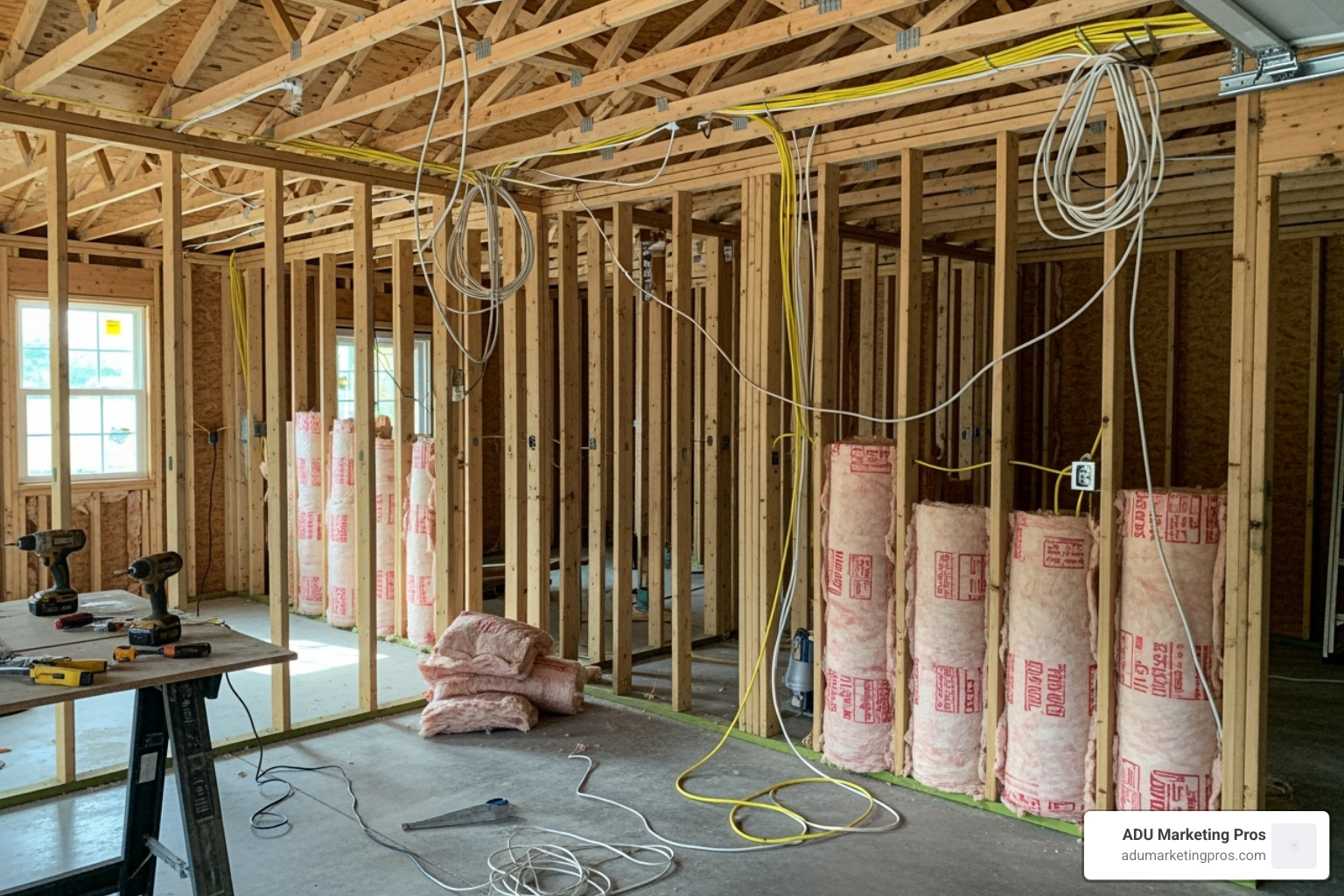
- Electrical Work ($1,200 – $5,200+): A licensed electrician is required. Costs include running a new circuit from the main panel, installing GFCI-protected outlets ($75-$500 each), overhead lighting ($75-$125 per fixture), and a dedicated circuit for the garage door opener. Adding a 240V circuit for an EV charger or welder costs $250-$900. If your current electrical panel is full, a panel upgrade may be needed ($850-$4,000).
- Insulation and Drywall: Insulation is key for comfort and energy efficiency. Fiberglass batts cost $0.50 to $1.50 per square foot, while spray foam costs $1.50 to $3.00 per square foot but offers superior performance. Drywall installation runs $1.50 to $3.50 per square foot. Fire-rated (Type X) drywall is often required by code for walls and ceilings shared with the main house.
- Plumbing ($450 – $1,800+ per fixture): Adding a simple utility sink is a common upgrade. Running new water supply and drain lines to an attached garage is relatively straightforward. Running pipes to a detached garage is far more costly ($1,000-$4,000) due to the need for extensive trenching below the frost line.
- HVAC Systems: For a workshop or gym, climate control is a must. A ductless mini-split unit ($1,000-$4,000 installed) is an efficient option for both heating and cooling.
- Security and Organization: Budget for security systems ($100-$5,000) and storage solutions like cabinets, slatwall panels, or overhead shelving ($250-$2,000+).
Planning Your Project: Feasibility, Permits, and Key Considerations
Proper planning is the most effective way to save time, money, and headaches on your conversion. The first and most critical step is a structural assessment of your existing carport. It’s highly recommended to hire a structural engineer to inspect the foundation slab and support posts. They can determine if the foundation is thick enough and has adequate footings to support the load of new walls and a garage door, and if the posts are sound.
Next, investigate local zoning laws and any HOA regulations. Your city’s planning department can tell you about property line setbacks, size limitations, and any aesthetic requirements. HOAs often have strict rules about exterior materials and colors. Ensuring the new roofline integration and materials create aesthetic consistency with your home is crucial for maintaining and enhancing curb appeal.
Finally, honestly evaluate if a conversion vs. building a new garage is more cost-effective for your situation. If the structural assessment reveals the carport is in poor condition and needs a new slab and roof, starting fresh might be the better long-term option.
Navigating Permits and Building Codes
Obtaining the proper permits is a non-negotiable part of a carport conversion. This is not just bureaucratic red tape; it’s a process that ensures the project meets minimum safety standards, protecting you, your property, and future homeowners. Unpermitted work can lead to significant fines, stop-work orders, forced demolition, and major complications when you try to sell your home.
Building code compliance covers every aspect of the job, from foundation depth and framing techniques to electrical wiring safety and ventilation. Fire safety regulations are especially critical for attached garages. Codes often require a specific thickness of fire-rated drywall (usually Type X) on walls and ceilings that adjoin the living space, as well as a self-closing, fire-rated door between the garage and the house to prevent fire and carbon monoxide from entering.
The permit process can be complex, but most reputable general contractors will handle the application and inspection scheduling for you. For a deeper dive, our guide on the ADU Permit Process covers many similar steps.
DIY vs. Hiring a Professional
A DIY approach seems like a tempting way to slash the cost to convert carport to garage, potentially reducing it to around $8,800 by eliminating labor expenses. However, the risks associated with a project of this scale are significant and can lead to much higher costs in the long run.
While a handy homeowner can safely tackle feasible DIY tasks like interior painting, installing shelving, final cleanup, and even some demolition (with proper precautions), the core construction tasks are best left to licensed professionals.
- Risks of DIY: Structural errors can compromise your home’s integrity and safety. Code violations are almost guaranteed without professional knowledge, resulting in failed inspections, fines, and expensive rework. Improper electrical or structural work creates serious fire and safety hazards.
- Benefits of a Professional: A qualified general contractor brings expertise, efficiency, and a team of vetted subcontractors. They manage the entire process, from permitting to final inspection, and carry the necessary liability insurance and worker’s compensation to protect you from financial risk. Their experience helps anticipate problems and prevent costly mistakes.
Labor typically accounts for 60% of the project budget, but it buys you peace of mind, safety, and a professionally finished product. When finding a qualified contractor, get at least three detailed estimates, check their license and insurance, review their portfolio of past work, and insist on a comprehensive written contract that outlines the scope, timeline, and payment schedule.
How to Save Money on Your Carport to Garage Conversion
There are several smart ways to reduce the cost to convert carport to garage without compromising on structural integrity or safety. Strategic choices in materials, timing, and labor can lead to significant savings.
- Reuse Existing Structures: This is the biggest potential money-saver. If your carport’s concrete slab and roof are structurally sound and meet local building codes, reusing them can save you thousands of dollars in demolition, material, and labor costs. A structural engineer’s report is a worthwhile investment to confirm this.
- Choose Standard Materials: Opt for budget-friendly but durable options. Standard vinyl siding and a basic, non-insulated steel garage door can provide the function you need at a fraction of the cost of premium materials. You can always paint the siding to perfectly match your home’s exterior.
- Simplify the Design: A straightforward rectangular design that fits the existing carport footprint is the most affordable to build. Every corner, bump-out, or complex roofline adds labor and material costs. Limiting the number of windows or forgoing them entirely will also cut costs.
- Perform Strategic DIY Labor: You can reduce labor expenses by taking on tasks that don’t require a license or specialized skill. Demolition, site cleanup, interior and exterior painting, and installing organizational systems like shelving are all great DIY tasks. Leave all structural, framing, electrical, and plumbing work to the professionals.
- Get Multiple Contractor Quotes: This is essential. Collect at least three to five detailed bids from licensed and insured contractors. Compare not just the final price but also the scope of work, materials specified, payment schedule, and proposed timeline. A low bid might be cutting corners.
- Time Your Project Strategically: Contractors are busiest in the spring and summer. You may be able to negotiate better rates during their slower seasons, typically late fall and winter. However, be aware that cold or wet weather can sometimes cause delays, especially with concrete work or painting.
- Phase the Project: If your budget is tight, focus on completing the essential exterior shell first to create a secure, weather-tight space. You can add interior finishes like insulation, drywall, premium lighting, and storage systems later as your budget allows.
Frequently Asked Questions
Here are answers to some of the most common questions homeowners have when considering the cost and process of a carport conversion.
Does converting a carport to a garage add value to my home?
Yes, converting a carport to a garage almost always adds value to your home, but the value is realized in several ways. While the direct return on investment (ROI)—the percentage of the cost you recoup upon selling—may be modest (remodeling reports often place garage projects in the 60-80% ROI range), the primary value comes from increased functionality and marketability. You gain improved security, weather protection, and valuable storage space—all highly desirable features for potential buyers. In a competitive market, a home with a true garage is often far more attractive than one with a carport. The improved curb appeal of a well-designed garage can also significantly enhance your home’s first impression. A local realtor can provide the most accurate estimate of the value added in your specific neighborhood.
Can I convert a carport into a living space instead of a garage?
Yes, but it’s critical to understand that converting a carport into a living space like a home office, gym, or an Accessory Dwelling Unit (ADU) is a far more complex and expensive project than a garage conversion. Building codes for habitable living spaces are much stricter. They mandate full insulation, specific window sizes for emergency egress, proper ventilation (HVAC), residential-grade fire safety measures, and often a different type of foundation. The project will almost certainly require new plumbing and a dedicated heating and cooling system. While the cost to convert carport to garage might be $10,000-$30,000, a full living space conversion will likely start at $50,000-$80,000 and can easily exceed $150,000, depending on the level of finish. Our Garage Conversion ADU guide provides more detail on this intensive process.
What is the typical timeline for a carport to garage conversion?
While the on-site construction for most conversions takes a relatively short 2 to 6 weeks, the total project timeline from initial idea to final inspection is much longer. It’s important to set realistic expectations.
- Phase 1: Planning & Design (2-4 weeks): This includes hiring a contractor, finalizing the design, and getting a structural engineering report if needed.
- Phase 2: Permitting (4-12 weeks, or more): This is often the longest and most unpredictable phase. Depending on your local building department’s workload and efficiency, waiting for permit approval can take anywhere from a few weeks to several months.
- Phase 3: Construction (2-6 weeks): This is the active building phase. The duration depends on project complexity, weather, and the contractor’s schedule. A basic enclosure is faster, while a premium conversion with extensive utility work will take longer.
- Phase 4: Inspections (1-2 weeks): Final inspections are scheduled after construction is complete to close out the permit.
Conclusion: Is a Carport Conversion Worth the Investment?
For the vast majority of homeowners, converting a carport to a garage is a worthwhile and intelligent investment. While the cost to convert carport to garage—typically falling between $10,000 and $30,000—is significant, the immediate and long-term benefits often justify the expense.
The most tangible advantages are security and protection. Your vehicles, tools, and other valuable belongings are shielded from theft, vandalism, and the damaging effects of the elements. The added storage space is invaluable for decluttering your home and organizing your life, a feature that is especially prized in markets like San Jose where every square foot counts.
Financially, a garage is a highly desirable feature that improves curb appeal and makes your home more marketable to a wider pool of future buyers. Beyond the numbers, consider the daily home enjoyment factor. The convenience of an organized, secure, and protected space for your car and equipment reduces daily stress and adds tangible utility you’ll appreciate every time you pull into your driveway.
This project is a smart home improvement that delivers on multiple fronts. As ADU Marketing Pros, we’ve seen firsthand how strategic property improvements can transform a home’s value and functionality. To ensure success, follow these key steps:
- Assess Your Structure: Start with a professional evaluation of your carport’s foundation and frame.
- Define Your Goals: Decide if you need a basic enclosure or a finished, multi-use space.
- Plan Your Budget: Get detailed quotes and include a 10-15% contingency fund.
- Hire a Vetted Professional: Work with a licensed and insured contractor to ensure a safe, code-compliant result.
Ready to take the next step? Use our Garage Conversion Cost Calculator to get a personalized estimate for your project. A carport conversion isn’t just about enclosing a space—it’s about creating a more secure, functional, and valuable home.