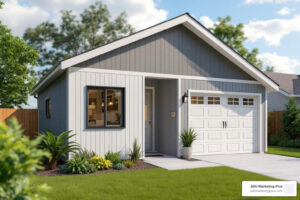
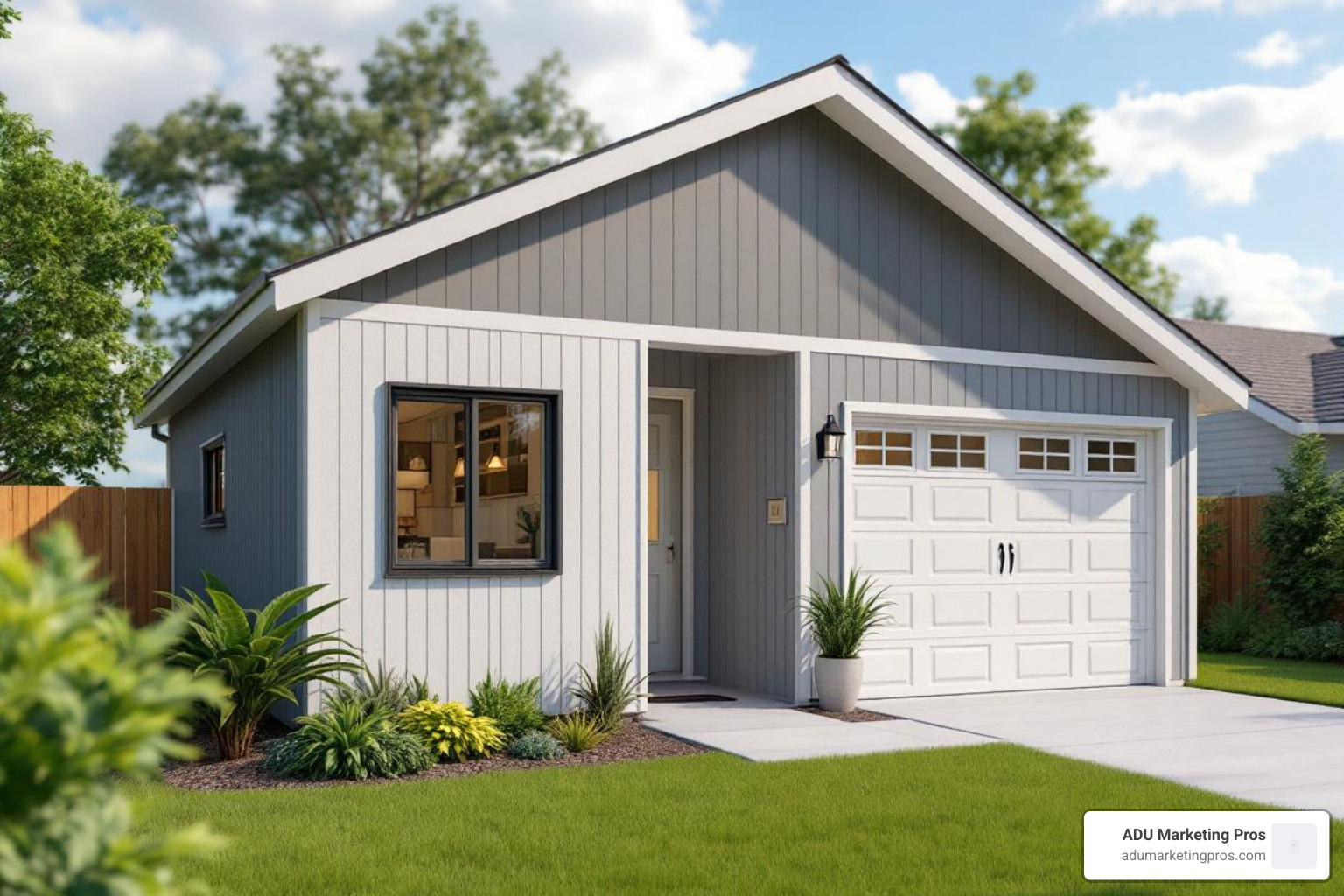
Why Converting Your Garage into a Granny Flat Makes Financial and Practical Sense
Convert garage into granny flat projects represent one of the most cost-effective ways to add living space to your property. Instead of spending upwards of $200,000 on a ground-up accessory dwelling unit (ADU), homeowners can typically transform an existing garage for $75,000 to $120,000. Many finance this investment by tapping into their property’s value, making a Home equity ADU project an accessible option for recouping costs through rental income in just 4-5 years.
Quick Answer: What Does Converting a Garage to a Granny Flat Involve?
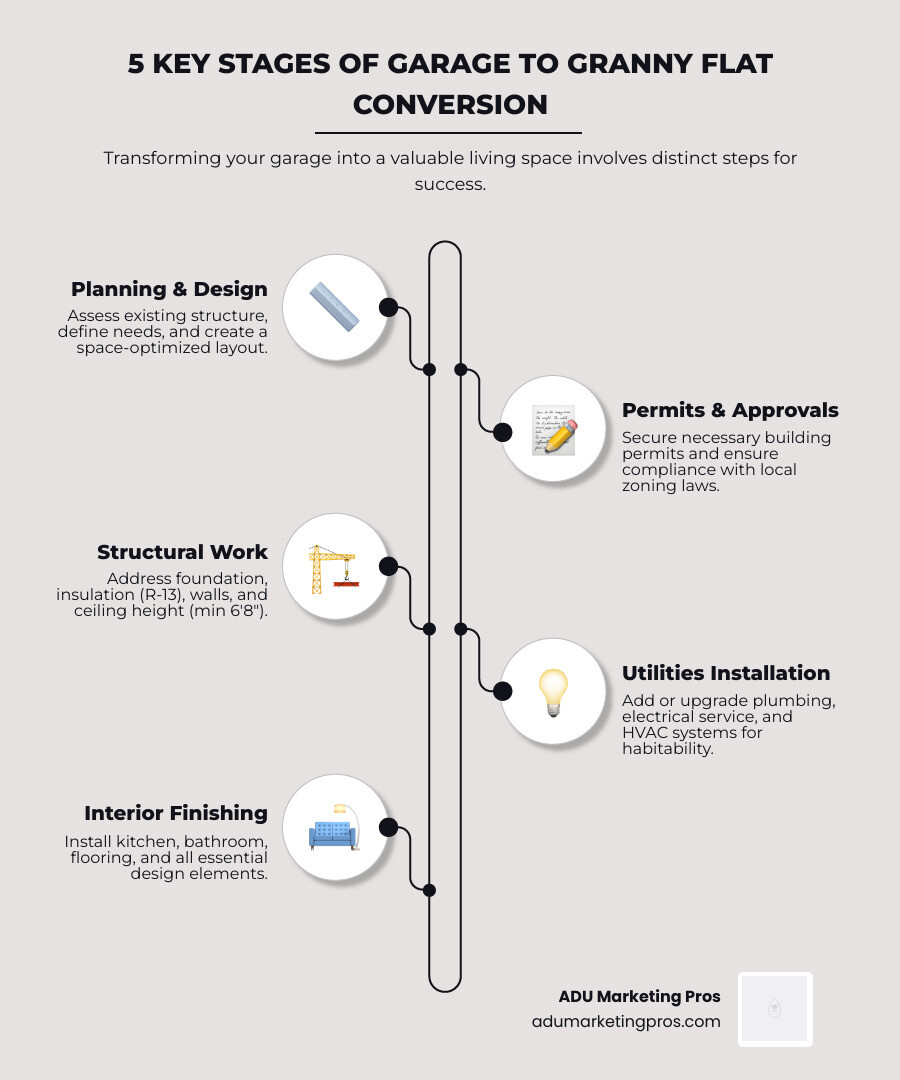
- Planning & Design – Assess your garage’s condition and create a layout that maximizes 200-250 square feet.
- Permits & Approvals – Secure all necessary building permits by completing your ADU permit application and ensuring compliance with local zoning laws.
- Structural Work – Address foundation, insulation (R-13), and ceiling height requirements (minimum 6’8″).
- Utilities Installation – Add or upgrade plumbing, HVAC systems, and electrical service, paying close attention to specific ADU electrical requirements.
- Interior Finishing – Install the kitchen, bathroom, flooring, and all final design elements.
Whether you’re housing an aging parent, creating space for adult children, or generating passive rental income, garage conversions offer a sustainable approach to adaptive reuse. The existing structure already provides walls, a roof, and a foundation—you’re simply upgrading these elements to meet residential building codes.
The process does require careful navigation of building regulations, particularly around parking replacement, setback requirements, and fire safety standards. But with proper planning and the right professionals, what once stored your car can become a comfortable, code-compliant home that adds significant value to your property.
Boosting Your Property Value
One of the most compelling reasons to convert garage into granny flat is the significant boost it can provide to your property’s overall value. By adding functional, habitable square footage, you’re not just creating a new space; you’re investing in your home’s future. A well-executed conversion transforms an underused asset into a desirable feature that appeals to a wider range of buyers, from those seeking multi-generational living solutions to investors looking for rental income potential.
This type of home improvement offers an excellent return on investment (ROI). While the initial outlay can be substantial, the added value often outweighs the cost, making it a financially sound decision. Furthermore, understanding the implications for your ADU Property Taxes is crucial, as increased property value can lead to adjustments in tax assessments. However, the long-term benefits of improved market appeal and potential income streams often make these adjustments well worth it.
Creating a Stream of Rental Income
In California’s competitive housing market, converting your garage into a granny flat offers a powerful solution to the housing crisis and a fantastic opportunity to generate passive rental income. With high rental demand across Los Angeles, San Diego, and the San Francisco Bay Area, an ADU can quickly become a lucrative asset.
Homeowners can choose between short-term rentals, catering to tourists or temporary residents, or long-term leases, providing stable monthly income. This financial freedom can be a game-changer, helping us offset mortgage payments, fund other home improvements, or simply provide a comfortable retirement. The investment in a garage conversion can typically be paid off in approximately 4-5 years through rental income, making it a smart financial move. For those considering financing, resources like Fannie Mae ADU Rental Income can provide valuable insights into leveraging your property’s potential.
Planning and Permitting: Your Blueprint for a Legal Conversion
Before any hammers swing, a thorough planning and permitting phase is absolutely critical when you decide to convert garage into granny flat. This isn’t just about drawing pretty pictures; it’s about laying a solid, legal foundation for your project, ensuring it complies with all local regulations and building codes. We often find that homeowners underestimate the complexity of this stage, but with the right approach, it can be a smooth journey.
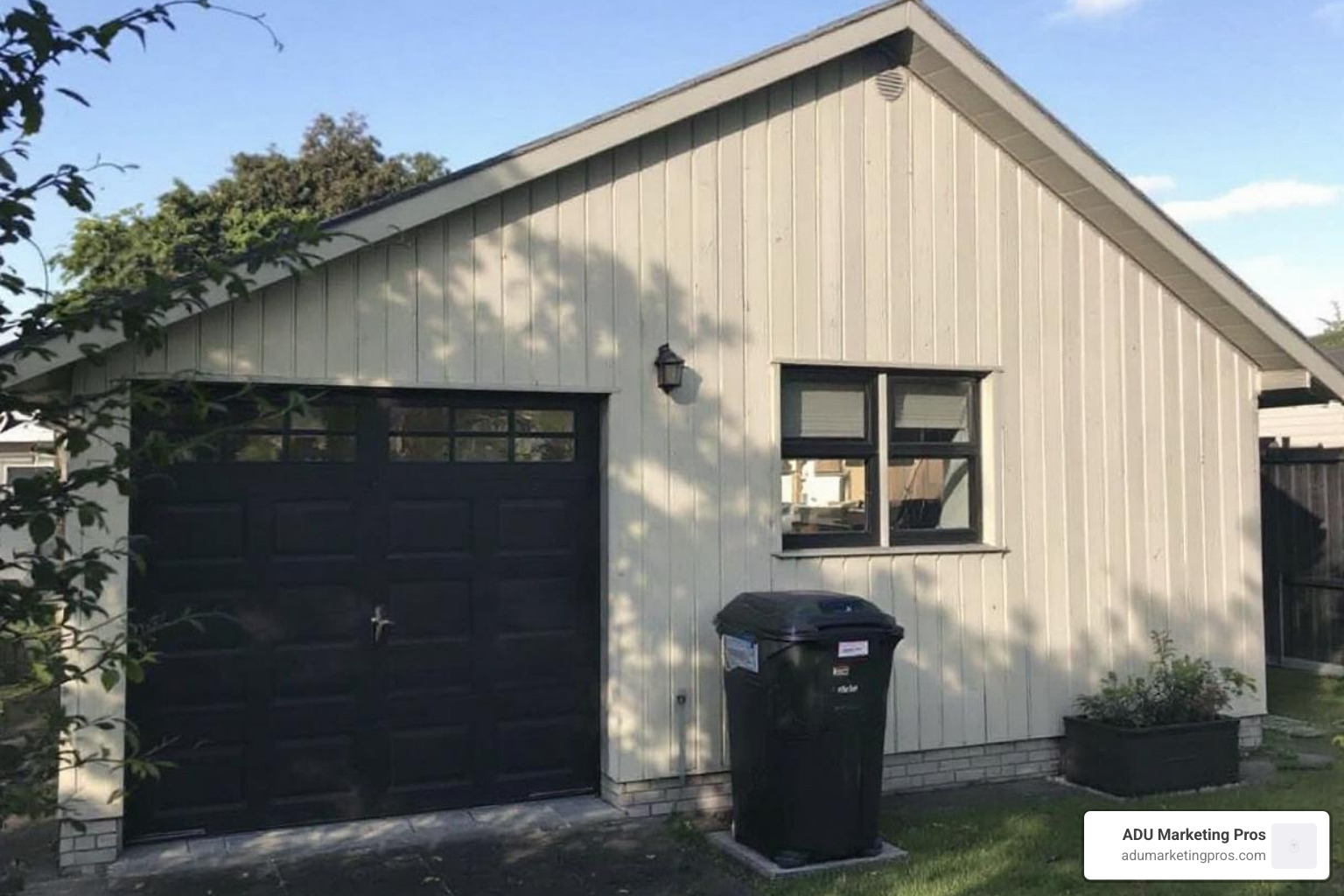
This phase begins with a feasibility study of your existing garage, understanding local zoning laws, and determining specific setback requirements for ADUs in your area. Engaging professionals like architects and structural engineers is paramount. Architects help us visualize the space and create detailed plans, while structural engineers ensure the existing structure can safely support the conversion. For construction and architecture firms, attracting clients at this early stage through effective Architecture Lead Generation is key. The entire ADU Building Process hinges on this initial blueprint.
Essential Steps in Planning Your Garage Conversion
Our journey to convert garage into granny flat truly begins with meticulous planning. First, we need to assess the existing garage structure. What’s its current condition? Are there any obvious structural issues? What essential features do we want to include – a bedroom, a bathroom, a kitchenette?
Next, we move to defining the layout and floor plan. A single garage typically offers around 200-250 square feet, which, while compact, is perfectly sufficient for a thoughtfully designed living space. The key is space optimization. We recommend open floor plans to maximize the feeling of spaciousness and the use of multifunctional furniture. For inspiration, checking out various Architectural design inspiration can spark ideas for efficient layouts. Our goal is to create a flow that feels comfortable and functional, turning every square inch into valuable living space. For specific examples and guidance, exploring ADU Floor Plans California can be very helpful.
Navigating Legal Requirements and Permits
This is where the rubber meets the road. Navigating the legal landscape is perhaps the most challenging, yet crucial, part of converting a garage into a granny flat. We always advise homeowners to start by consulting their local planning department in cities like Los Angeles, San Diego, San Francisco, or San Jose. The specific requirements can vary, but generally, you will need permits for a garage conversion.
California State Law has been instrumental in streamlining ADU development. For instance, California State Law generally allows for ADUs in existing garages with no setback requirements from side and rear property lines if the footprint doesn’t change, and no replacement parking is required for an ADU. This is a huge benefit! In Los Angeles County, for example, a garage conversion to an ADU or JADU (Junior ADU) may be eligible for expedited permitting if it meets specific criteria, such as being converted from an existing single garage and being less than 1200 square feet. Junior ADUs, often created within an existing single-family home (including a garage space), are typically limited to 500 square feet.
However, even with state-level guidance, local nuances exist. It’s essential to understand the difference between general planning permission (often less stringent for ADUs in existing structures) and specific building permits required for plumbing, electrical, and structural changes. These permits ensure your conversion meets safety and habitability standards. Ignoring these can lead to costly fines or even demolition. Our guide on the ADU Permit Process and ADU Construction Regulations provides further details on what to expect.
Budgeting Your Project: How Much Does It Cost to Convert Garage into Granny Flat?
Understanding the cost of converting your garage into a granny flat is paramount for any homeowner. While it’s generally one of the most affordable ways to add living space, the exact figure can fluctuate widely. We’ve seen homeowners spend anywhere from $75,000 for a straightforward conversion of the existing structure to over $120,000 for a full change with high-end finishes and extensive utility upgrades.
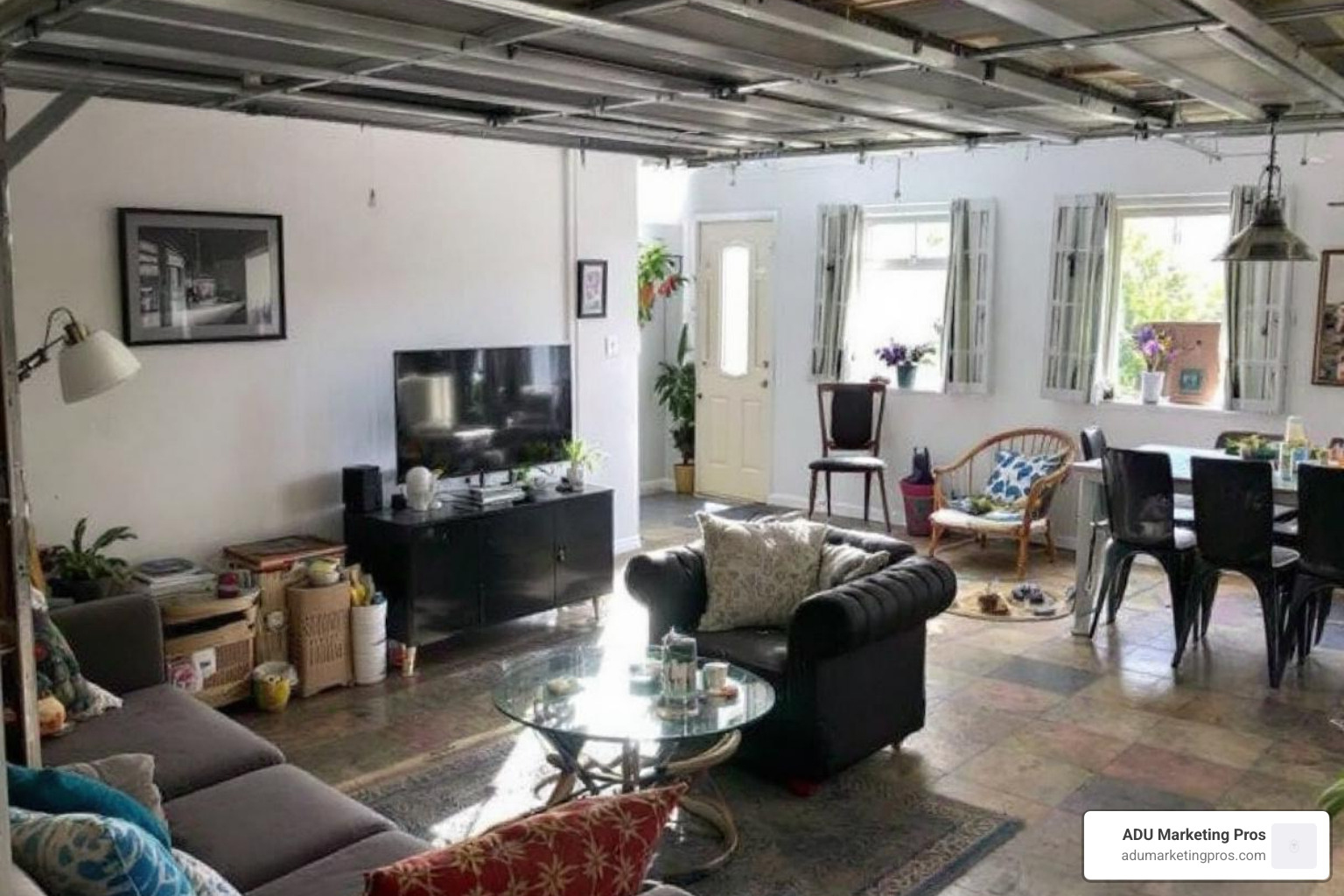
Several factors influence this cost: the size of your garage, the quality of materials you choose, labor costs in your specific area (e.g., Bay Area ADU Cost can differ from Los Angeles), and the extent of structural and utility modifications needed. Building a second level on top of a garage, for example, can add at least $50/sq ft more in building costs compared to converting the existing structure as it is. We recommend using an Garage Conversion Cost Calculator for a preliminary estimate, and then consulting with professionals for accurate, localized quotes. For homeowners, exploring financing options like cash-out refinance mortgages, construction loans, or Home Equity Lines of Credit (HELOCs) is often necessary. Detailed guidance on Navigating ADU financing can help you plan your budget effectively.
Cost Breakdown by Project Area
To give you a clearer picture of where your money goes when you convert garage into granny flat, here’s a typical allocation of costs:
- Architect/Design Fees: These are crucial for creating compliant and space-maximizing layouts. Expect to allocate around $8,000 to $11,000 for architectural and design services.
- Foundation/Slab Work: Existing garage slabs may not meet residential standards (e.g., lacking a damp-proof membrane). Upgrades or new foundation work can cost around $5,000.
- Walls & Framing: Changing the garage’s interior and replacing the garage door with framed walls and windows can be around $8,000 for new interior walls and $6,500 for flooring, windows, and doors.
- Utilities (Plumbing, Electrical, HVAC): This is often one of the most significant expenses, as garages typically lack the necessary infrastructure. Bringing in new plumbing, upgrading electrical service, and installing an HVAC system can cost approximately $12,000.
- Permits: Navigating the permit process involves fees that can range from $4,000 to $8,000, depending on your local jurisdiction and the complexity of your project.
- Kitchen & Appliances: Adding a functional kitchen, even a compact one, requires cabinetry, countertops, and appliances. Budget around $10,000 or more for this area, as kitchens are typically the most expensive rooms due to plumbing and electrical needs.
- Bathroom & Finishes: Similar to kitchens, bathrooms require extensive plumbing work. Expect to spend $10,000 or more for a complete bathroom, including fixtures, tiles, and other finishes.
The Cheapest Way to Convert a Garage
If budget is a primary concern, we understand you want to find the most cost-effective way to convert garage into granny flat. The easiest and most affordable approach involves converting the existing structure as it is, minimizing major structural changes. This typically costs around $75,000.
Here are some strategies to keep costs down:
- DIY Tasks for Simpler Jobs: For cosmetic elements like painting or installing basic fixtures, doing it yourself can save on labor costs. However, always leave structural, electrical, and plumbing work to licensed professionals.
- Reusing and Repurposing Materials: If possible, salvage materials from your garage or find reclaimed items that fit your aesthetic. This not only saves money but also adds character.
- Avoiding Major Structural Changes: The less you alter the fundamental structure of the garage, the lower your costs will be. This means keeping exterior walls intact and working within the existing footprint.
- Minimalist Design: Accept a minimalist aesthetic. This reduces the need for expensive finishes and excessive built-ins.
- Cost-Effective Finishes: Opt for durable, attractive, yet budget-friendly finishes for flooring, countertops, and fixtures. There are many stylish options that won’t break the bank.
For more ideas on keeping your project economical, explore resources on Affordable ADU California.
From Structure to Style: Key Conversion Considerations
Once the planning and budgeting are in place, our focus shifts to the tangible aspects of the conversion. This phase is all about changing a utilitarian space into a comfortable, habitable home. It involves critical structural work, establishing essential utility connections, and making thoughtful design choices that align with ADU Design Trends.
Structural and Utility Essentials
To successfully convert garage into granny flat, we must first address the foundational elements:
- Foundation Assessment: Most garages have concrete slabs. We need to ensure the existing slab has a damp-proof membrane suitable for habitable space. If not, a topping slab or other moisture barrier solutions may be required. A structural engineer’s assessment is crucial.
- Wall Insulation: Garages are typically uninsulated. We’ll need to install adequate insulation, such as R-13 in exposed framing, to meet California’s energy codes and ensure year-round comfort.
- Ceiling Height Requirements: Building codes mandate minimum ceiling heights for habitable spaces, often 2.4 meters (around 7’10”) or at least 6’8″ for flat ceilings. Older garages might require modifications to meet these.
- Roof Condition: The roof must be in good repair and adequately insulated. If adding insulation to the roof, proper ventilation is also critical.
- Plumbing Installation: This is a major upgrade. Garages usually lack extensive plumbing, so we’ll need to run new water supply and drainage lines for the kitchen and bathroom, connecting them to the main house’s system.
- Electrical Upgrades: The existing electrical service in a garage is often insufficient for a granny flat. We’ll perform load calculations and likely install a subpanel to handle the increased demand for lighting, appliances, and HVAC.
- HVAC Options: For heating and cooling, efficient options like ductless mini-split systems are popular. They are relatively easy to install and provide individualized climate control.
- Fire Separation Walls: If the granny flat is attached to the main house, fire separation measures, such as a fire-rated wall, may be required to ensure safety.
All these elements are part of meeting comprehensive ADU Building Requirements to create a safe and comfortable living environment.
Enhancing Your Granny Flat with Smart Design
When we convert garage into granny flat, smart design is what truly lifts the space from a converted garage to a desirable home. For compact areas, interior design strategies are key:
- Open Floor Plans: We encourage open layouts that combine living, dining, and kitchen areas to make the most of every square foot.
- Light Colors: Using light colors for walls and floors can create the illusion of a larger, brighter space. Mirrors can also help reflect light and expand the perceived size of the room.
- Multifunctional Furniture: Think sofa beds, convertible dining tables, and ottomans with storage. These pieces adapt to different needs throughout the day.
- Built-in Storage Solutions: Built-in shelves, cabinets, and wardrobes use vertical space efficiently, keeping clutter at bay in a small footprint.
- Maximizing Natural Light: Proper window placement and potentially adding skylights can flood the space with natural light, making it feel more open and inviting. Egress windows are also a code requirement for bedrooms, ensuring safety and light.
- Exterior Design: The exterior should blend seamlessly with your main house’s architecture. This might involve new siding, paint, or even a new front door. The goal is for the granny flat to look like a natural extension, not an afterthought. For ideas on how to achieve this, check out ADU Exterior Design.
Common Challenges and Smart Solutions
While converting a garage into a granny flat offers immense potential, we’ve learned that homeowners can encounter several roadblocks. Anticipating these challenges and having smart solutions in place is key to a smooth Garage to ADU Conversion.
Common challenges include:
- Setback Non-Compliance: Existing garages are sometimes built closer to property lines than current ADU setback requirements allow. California State Law often permits conversion within the existing footprint without new setback requirements, but any additions might trigger them.
- Low Ceiling Heights: Older garages might not meet the minimum 6’8″ or 2.4m ceiling height required for habitable spaces, necessitating costly roof modifications.
- Structurally Unsound Garage: The existing garage structure might not be robust enough to support conversion to living space, requiring significant reinforcement or even partial rebuilding.
- Parking Replacement: While California State Law states no replacement parking is required for an ADU conversion, local jurisdictions might have specific nuances for general living space conversions that are not ADUs. For ADUs, the state law generally overrides local parking requirements.
- Lack of Utilities: Garages are rarely plumbed or adequately wired for full-time living, requiring extensive and potentially expensive utility upgrades.
- Moisture Issues: Existing concrete slabs in garages often lack proper damp-proof membranes, which can lead to moisture problems in a habitable space.
- Fire Safety: Converting an attached garage may require fire separation measures between the ADU and the main house.
- Relocating Existing Garage Functions: What about the car, storage, or laundry? Solutions include creating a small utility room, using tankless water heaters (some can be installed outdoors), stacked washer/dryer units, or adding a backyard shed for storage.
Alternatives to a Full Granny Flat Conversion
Sometimes, a full granny flat conversion might face impossible planning problems or simply exceed our budget. In such cases, considering alternatives can still add immense value and functionality to your property.
One popular option is a studio conversion. Unlike a full granny flat (which typically includes cooking facilities), a studio is defined as a habitable building ancillary to a dwelling house that cannot contain any cooking facilities. This distinction often grants greater flexibility in terms of setbacks and fire ratings, making it easier to permit and build.
A studio can serve beautifully as a:
- Home Office: A dedicated, quiet space away from the main house.
- Entertainment Space: A media room, game room, or lounge area.
- Art Studio or Workshop: A creative sanctuary.
- Guest Room: A comfortable space for visitors, without the need for a full kitchen.
While a studio won’t generate rental income in the same way a granny flat with cooking facilities would, it significantly improves your property’s utility and appeal, often with fewer regulatory complexities.
Frequently Asked Questions about Garage to Granny Flat Conversions
Is a single garage big enough for a granny flat?
Yes, absolutely! We frequently help homeowners convert garage into granny flat even from a single garage. A single garage typically offers around 200-250 square feet, which is sufficient for a compact, yet comfortable, living space if designed thoughtfully. The key is smart planning: embracing open floor plans, using multifunctional furniture (like a sofa bed or a dining table that folds away), and built-in storage solutions. With clever design, even a small footprint can feel spacious and inviting. For more on maximizing space, you can explore ADU Size Restrictions in your area.
Do I need planning permission to convert my garage?
In most cases, yes, you will need planning permission and building permits to convert garage into granny flat. While California State Law has made it easier to convert garages into ADUs, the specific requirements can vary depending on your local jurisdiction, such as Los Angeles, San Diego, San Francisco, or San Jose. You’ll typically need building permits for any structural changes, plumbing installations, electrical upgrades, and HVAC systems. It’s essential to check with your local authorities early in the process to understand all zoning laws, setback requirements, and building codes. Consulting guides like Los Angeles ADU Regulations or San Jose ADU Guidelines is a great starting point.
What are the essential building code requirements?
When we convert garage into granny flat, adhering to building codes is not just a legal necessity but a guarantee of safety and habitability. The garage needs to comply with the Building Code and Fire Code for residential dwellings. This includes:
- Structural Integrity: Walls and foundation must be sound. A structural engineer may be needed to assess and ensure the garage can support the conversion.
- Minimum Ceiling Height: Habitable spaces typically require a minimum ceiling height of 6’8″ for flat ceilings, or 2.4 meters.
- Egress Windows: All bedrooms and habitable spaces must have an egress window or exterior door that meets specific size requirements (e.g., minimum clear opening of 20 inches wide by 24 inches high, and at least 5.7 square feet of opening area) and sill height (44 inches or less from the floor).
- Insulation: The space must be properly insulated (e.g., R-13 in walls) to meet energy efficiency standards.
- Ventilation: Adequate natural or mechanical ventilation is required.
- Fire Safety: Depending on proximity to the main house or property lines, fire-rated walls may be necessary.
- Utilities: Proper electricity, water, sewage, and HVAC systems (like a ductless heat pump) must be installed and connected. Living spaces require more stringent standards than a typical garage, including a moisture barrier for the concrete floor.
These requirements ensure the new space is safe, comfortable, and legally compliant.
Conclusion
Converting your garage into a granny flat is more than just a renovation project; it’s a strategic investment that open ups untapped potential in your property. From providing flexible living arrangements for family members to generating significant rental income, the benefits are clear and compelling. We’ve seen how careful planning, navigating permits, smart budgeting, and thoughtful design can transform a utilitarian space into a vibrant, comfortable home.
While the journey to convert garage into granny flat involves its share of structural and regulatory considerations, the outcome—increased property value, improved functionality, and financial freedom—makes it a truly viable and rewarding home improvement. For ADU builders and architects, effectively marketing these transformative projects is crucial for growth in this booming sector. At ADU Marketing Pros, we specialize in helping construction firms connect with homeowners ready to start their conversion journey, ensuring their expertise shines in a competitive market.
Ready to explore how to turn your garage into a valuable asset? Explore expert marketing for ADU Garage Conversions and connect with professionals who can bring your vision to life.