Why Understanding Prefab Granny Flat Costs Matters
How much is a prefab granny flat? This is the first question every homeowner asks, and the answer is more complex than a simple sticker price. In 2025, a complete, turnkey prefab granny flat project in a market like California typically costs between $80,000 and $250,000+. The final investment depends heavily on size, location, site conditions, and finishes.
Here’s a quick breakdown of the all-in costs you can expect:
| ADU Size | Base Unit Cost | Typical All-In Cost |
|---|---|---|
| Studio (250-400 sq ft) | $40,000-$75,000 | $95,000-$160,000 |
| 1-Bedroom (400-600 sq ft) | $60,000-$100,000 | $130,000-$210,000 |
| 2-Bedroom (600-900 sq ft) | $100,000-$150,000 | $185,000-$275,000+ |
Note: All-in costs include the prefab unit, site preparation, foundation, permits, utility connections, delivery, installation, and interior finishes. Prices vary significantly by location, with areas like the San Francisco Bay Area and Los Angeles typically at the higher end of the spectrum.
Prefab granny flats, or Accessory Dwelling Units (ADUs), have surged in popularity as a brilliant solution to soaring housing costs, the need for flexible home offices, and the rise of multigenerational living. These factory-built units offer a faster, more predictable, and often more affordable alternative to traditional, on-site construction.
The primary challenge for homeowners is navigating the confusing landscape of pricing. You might see ads for a $25,000 ADU kit or a luxury $300,000 modular home. The truth is, the advertised “sticker price” of the unit is just one piece of a much larger financial puzzle. Critical expenses like site work, permits, foundation, and utility connections can easily double the base cost. Understanding every line item from the beginning is the only way to create a realistic budget and avoid costly surprises down the road.
This comprehensive guide is designed to demystify the process. We will break down every cost component of a prefab granny flat project, explain what drives prices up or down, and highlight where you can potentially save money. Whether you’re planning to generate rental income, house a family member, or create a private workspace, this article will equip you with the financial knowledge to confidently move forward.
What is a Prefab Granny Flat?
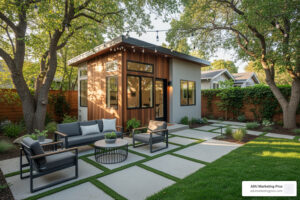
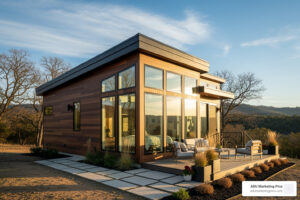
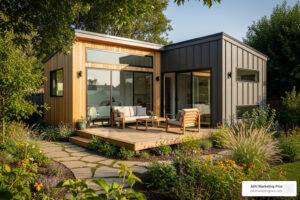
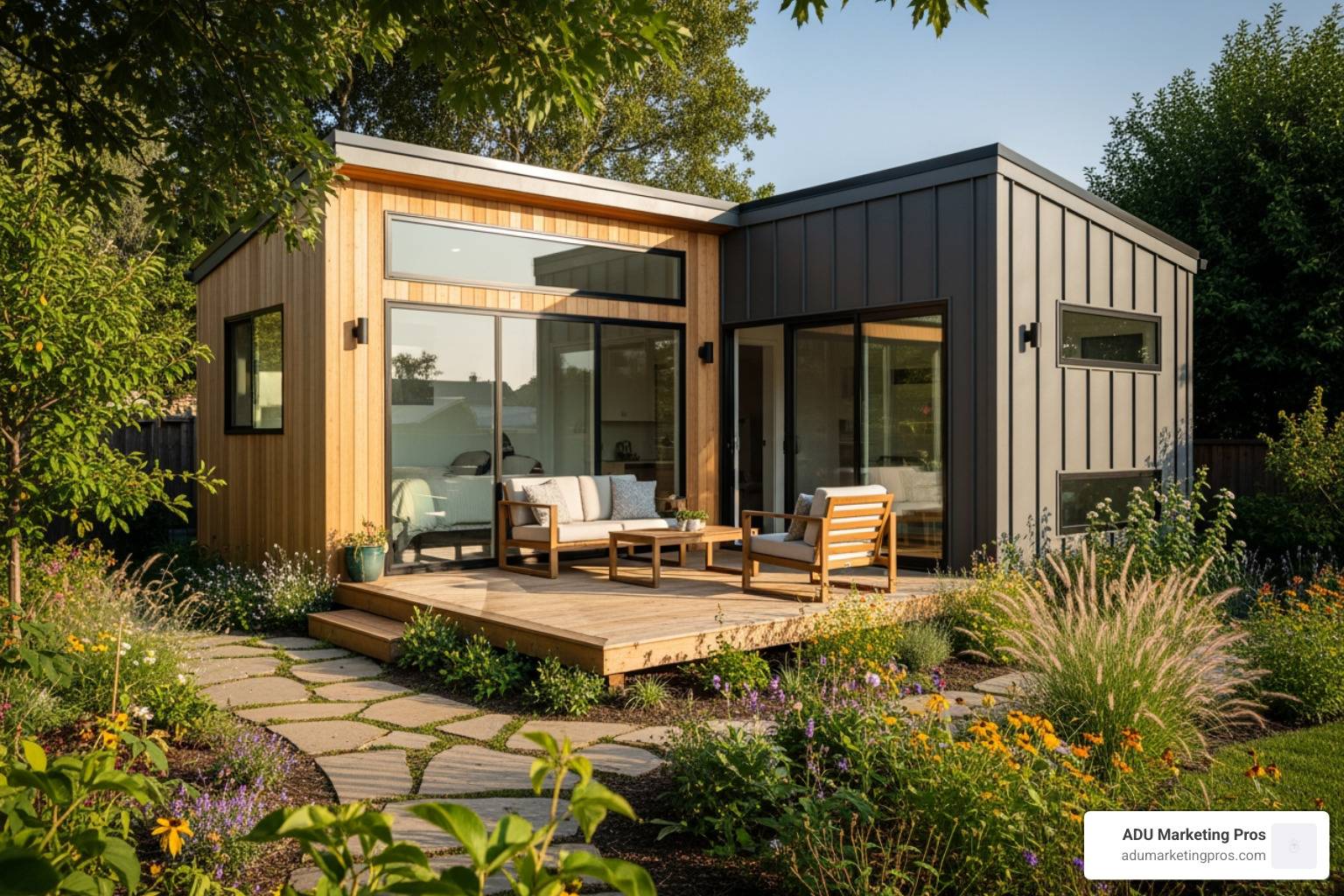
A prefab granny flat is a secondary, self-contained home built in your backyard, known in zoning and building terms as an Accessory Dwelling Unit (ADU). It is a permanent structure on a foundation, located on the same property as your primary residence, but complete with its own separate entrance, kitchen, bathroom, and living/sleeping area.
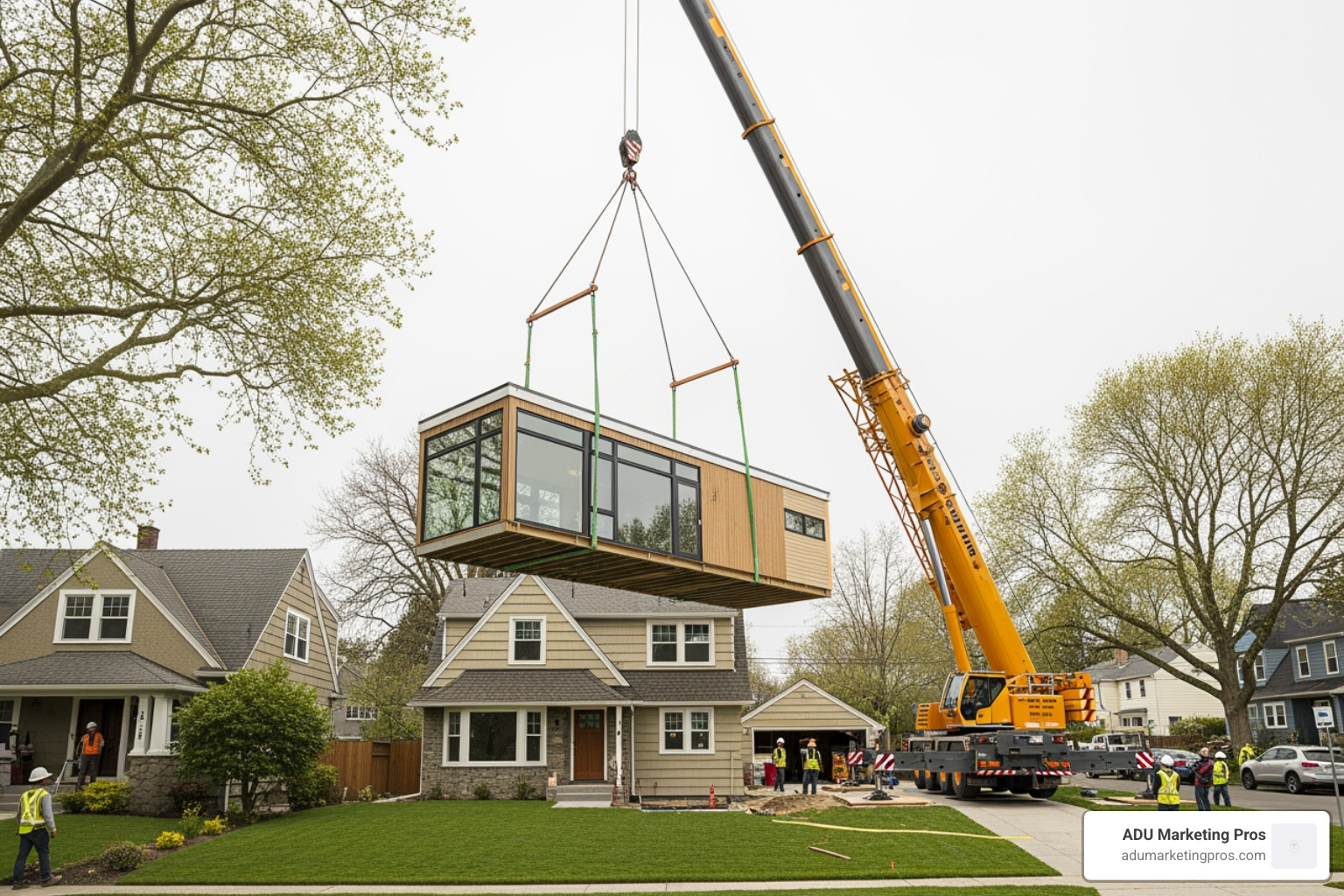
The “prefab” (short for prefabricated) aspect is what sets it apart from traditional construction. The majority of the building process—including framing walls, installing windows and insulation, and even running initial electrical and plumbing lines—occurs off-site in a climate-controlled factory. This parallel process is highly efficient. While the factory builds the unit, a different crew can be simultaneously preparing your backyard site. Once the modules are complete, they are transported to your property, lifted by a crane onto a pre-poured foundation, and stitched together. This method dramatically reduces on-site construction time, often cutting it in half compared to a conventional build, and minimizes weather delays and neighborhood disruption.
There are two main types of prefab construction:
- Modular: These are three-dimensional units, or “boxes,” that are built to be 80-95% complete in the factory, including drywall, cabinetry, and fixtures. They are transported to the site and pieced together. This offers the fastest installation time.
- Panelized or Kit: These systems involve fabricating wall panels, roof trusses, and other components in the factory. The flat-packed “kit” is then shipped to the site for assembly, much like a large-scale furniture set. This approach offers more design flexibility but requires more on-site labor to finish.
You’ll often hear these versatile units called an in-law suite, backyard cottage, casita, or guest house. The term “granny flat” originates from their historical popularity for housing aging parents, a topic we explore in our guide on the ADU for Aging Parents.
Today, their use has expanded dramatically. In high-cost-of-living areas like San Jose and Los Angeles, homeowners use them to generate significant rental income, often between $1,500 and $3,000+ per month. Others have converted them into dedicated home offices, art studios, gyms, or affordable first homes for adult children. As housing advocates like AARP emphasize in their guide, The ABCs of ADUs, these units are a critical strategy for adding gentle density and addressing widespread housing shortages.
It’s crucial to understand that granny flats are not the same as tiny houses. A granny flat is a permanent real estate asset, built on a foundation and required to meet all state and local building, safety, and energy codes. Tiny houses are often built on wheels (classifying them as recreational vehicles) and are subject to different, often more restrictive, local regulations regarding long-term residency. Our ADU vs. Tiny House guide explains these important distinctions in detail.
In essence, prefab granny flats merge the precision and efficiency of factory production with the customization and permanence of a traditional home, making them a valuable, flexible, and increasingly popular addition to any property.
The Average Cost of a Prefab Granny Flat
So, how much is a prefab granny flat going to cost when all is said and done? The true, all-in project cost—which includes the factory-built unit, site work, foundation, permits, utility connections, delivery, and finishes—typically falls between $80,000 and $250,000+ in major California markets like San Jose, Los Angeles, and the Bay Area. High-end custom projects can easily exceed $300,000 or even $400,000.
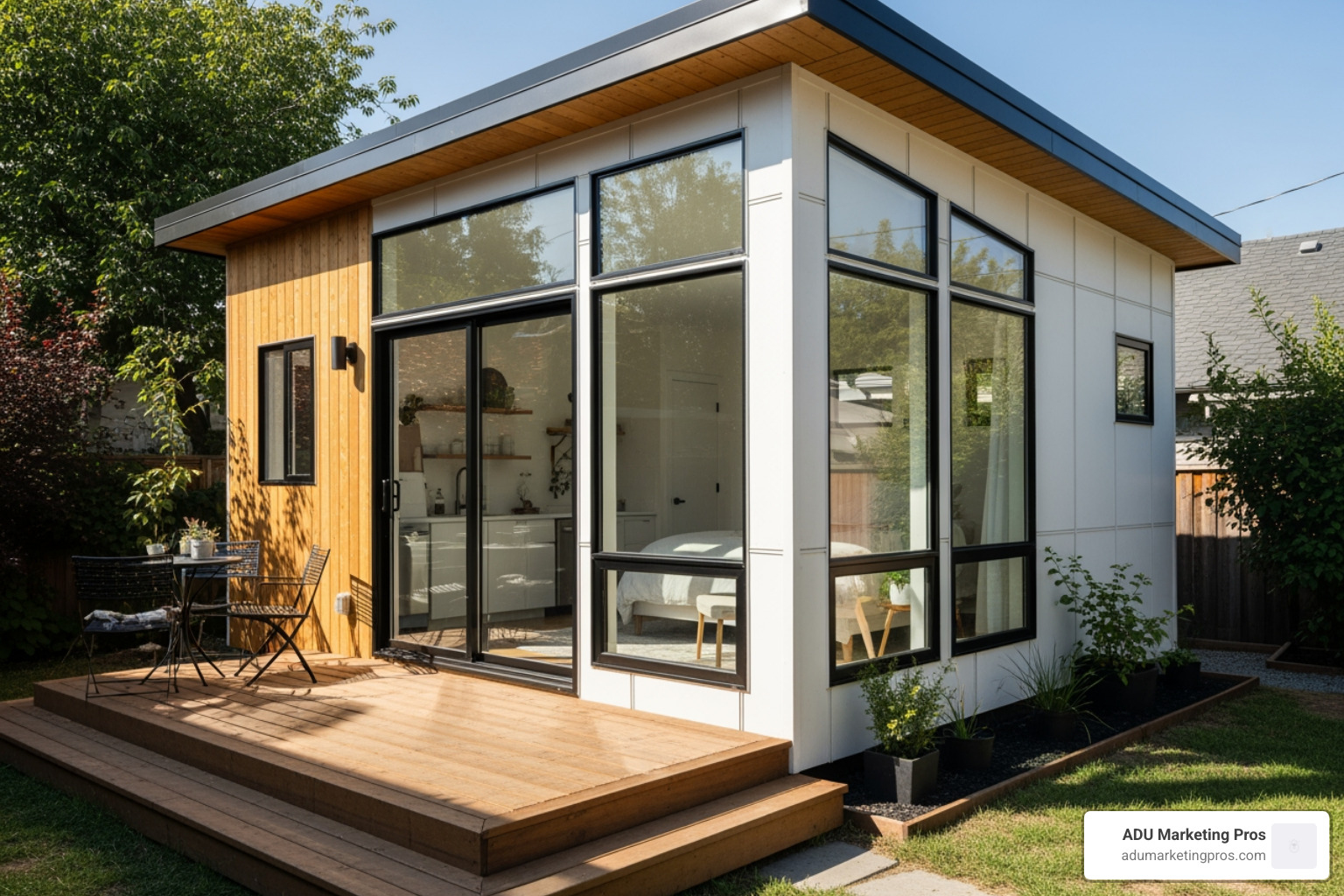
On a per-square-foot basis, a complete prefab ADU project generally ranges from $200 to $300. For a more detailed analysis of this metric, our guide on ADU Cost Per Square Foot offers a deeper dive. Location is a primary driver of this variation. Higher labor rates, more complex permitting processes, and higher fees in the San Francisco Bay Area mean projects there often cost more than in other parts of the state. For a regional breakdown, our Bay Area ADU Cost guide provides specific insights.
Cost by Size
The size of your unit is the single largest factor determining the final cost. More square footage means more materials, more labor, and often, more complex systems.
- Studio ADUs (250-400 sq ft): These highly efficient spaces are perfect for a single renter, a home office, or a guest suite. Expect a total project cost of $95,000 to $160,000.
- One-Bedroom ADUs (400-600 sq ft): Offering more defined living spaces for an individual or a couple, these popular units typically land between $130,000 and $210,000.
- Two-Bedroom ADUs (600-900 sq ft): Ideal for a small family or for maximizing rental income, these larger units generally cost $185,000 to $275,000+. The price can easily climb higher with luxury finishes, high-end appliances, and custom architectural details.
Cost by Type
The level of service and completion you choose from a prefab company dramatically impacts both the price and your level of involvement.
- Prefab Kits: These are the most budget-friendly entry point, with kits starting around $25,000 to $50,000. However, this price is highly deceptive. It typically only includes the structural components (wall panels, roof trusses, windows, siding) delivered to your curb. You or your general contractor are then responsible for everything else: obtaining permits, pouring the foundation, assembling the structure, running all utilities, and completing the entire interior from insulation and drywall to flooring and fixtures. This route requires immense project management skills and carries the risk of significant cost overruns if not managed expertly.
- Turnkey Modular Solutions: This is an all-inclusive approach where the manufacturer or their certified builder handles the entire project from start to finish. This includes design, permitting, site work, foundation, delivery, installation, utility hookups, and all interior finishing. While the upfront cost is higher, the price is far more predictable. You receive a comprehensive contract that outlines the full scope and cost, a clear project timeline, and a single point of contact. For most homeowners, the peace of mind and assurance of a professionally managed project is well worth the premium.
Key Factors That Influence the Final Price
Understanding how much is a prefab granny flat requires a deep dive into the variables that can cause your final cost to fluctuate by tens of thousands of dollars. Looking beyond the base unit price and anticipating these factors is crucial for effective and realistic budgeting.
Size and Layout Complexity
While it’s obvious that a larger unit costs more, the complexity of the layout is just as important. A simple, rectangular, open-plan studio is significantly cheaper to build, transport, and finish than a two-bedroom unit with an L-shaped design, multiple interior walls, and two bathrooms. Every additional corner, wall, door, and plumbing location adds to the material, labor, and engineering costs. Custom architectural features like vaulted ceilings, cantilevered sections, or large expanses of glass will also increase the price. Before you fall in love with a complex design, it’s wise to check your local ADU Size Restrictions to ensure your plan is feasible and avoid paying for redesigns.
Location and Site Preparation
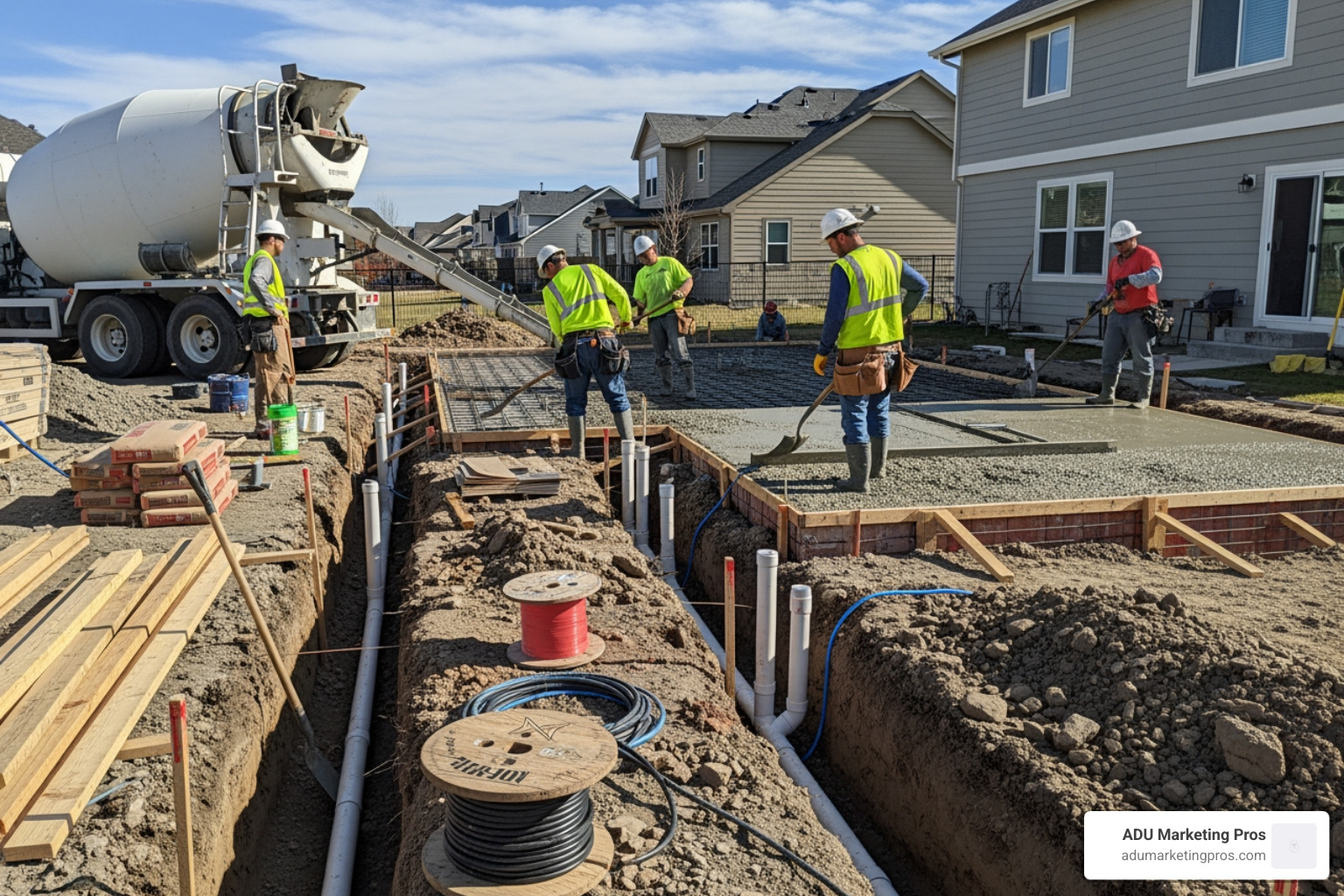
Your property’s unique characteristics are a major wildcard in the total cost. A perfectly flat, easily accessible lot with stable soil is the best-case scenario. However, most properties present challenges that require costly site work.
- Grading and Earthwork: A sloped lot is one of the most common cost drivers. It may require anywhere from $5,000 to $20,000 in grading, excavation, and retaining walls to create a level building pad.
- Soil Conditions: A geotechnical (soil) report, often costing $2,000-$3,000, may be required by your city. If it reveals rocky, sandy, or expansive clay soil, a more robust and expensive foundation design will be necessary.
- Access: How will a large truck and crane get to your backyard? If access is tight, requiring a larger crane to lift modules over your house, or if manual labor is needed to move materials, costs can increase by $5,000 to $15,000 or more.
- Foundation: A standard concrete slab-on-grade foundation might cost $10,000-$15,000. However, a sloped lot or a location in a seismic or flood zone may mandate a raised perimeter or pier foundation, pushing costs toward $20,000-$30,000.
Material Quality and Finishes
Your personal taste and style choices have a direct and significant impact on the budget. The difference between selecting builder-grade standard finishes and opting for high-end luxury materials can easily amount to $30,000 to $50,000 or more.
- Exterior: Standard vinyl siding and asphalt shingle roofing are cost-effective. Upgrading to premium materials like fiber cement (Hardie board), stucco, metal roofing, or a standing seam metal roof will add thousands to the cost.
- Windows and Doors: Basic vinyl windows are economical. Upgrading to wood, aluminum-clad, or highly energy-efficient dual-pane or triple-pane windows will increase costs but can lower long-term utility bills.
- Interior: This is where the budget can expand the most. Choices range from inexpensive laminate flooring ($3-$5/sq ft) and stock big-box store cabinets to engineered hardwood ($10-$15/sq ft) and fully custom cabinetry. A basic finish package might run $20,000, while a high-end package with quartz countertops, designer tile, and premium appliances can easily exceed $60,000. Our gallery of ADU Interior Design Ideas can help you visualize the possibilities and find a style that fits your budget.
Permits, Fees, and Utility Connections
Often called “soft costs,” these administrative and infrastructure expenses are non-negotiable and can be substantial, especially in California.
- Permits: The package of building, electrical, plumbing, and mechanical permits from your local municipality typically ranges from $5,000 to $15,000 in cities like San Jose or Los Angeles.
- Impact Fees: Some cities charge these fees to offset the new unit’s impact on public services like parks, schools, and roads. While recent state laws have waived these for ADUs under 750 sq ft, they can still apply to larger units, potentially adding several thousand dollars.
- Utility Connections: This is a major expense that homeowners frequently underestimate. The cost to run new water, sewer/septic, and electrical lines from the main house or street to the ADU site often costs $10,000 to $30,000. The price depends on the distance, the amount of trenching required, whether you need to cut through concrete or asphalt, and if your home’s main electrical panel needs a capacity upgrade to support the new unit. For a detailed look at these costs, see our guide on ADU Permit Cost California.
How Much is a Prefab Granny Flat? A Detailed Cost Breakdown
To truly grasp how much is a prefab granny flat, you must move beyond a single number and dissect the project into its primary cost categories. A reputable turnkey provider will present their pricing this way, but if you’re considering a kit or managing the build yourself, you’ll need to assemble this budget on your own. We can group these expenses into three main buckets: the prefab unit itself, site and infrastructure work, and interior/exterior finishing.
The Prefab Unit Cost: What’s Included in the “Sticker Price”?
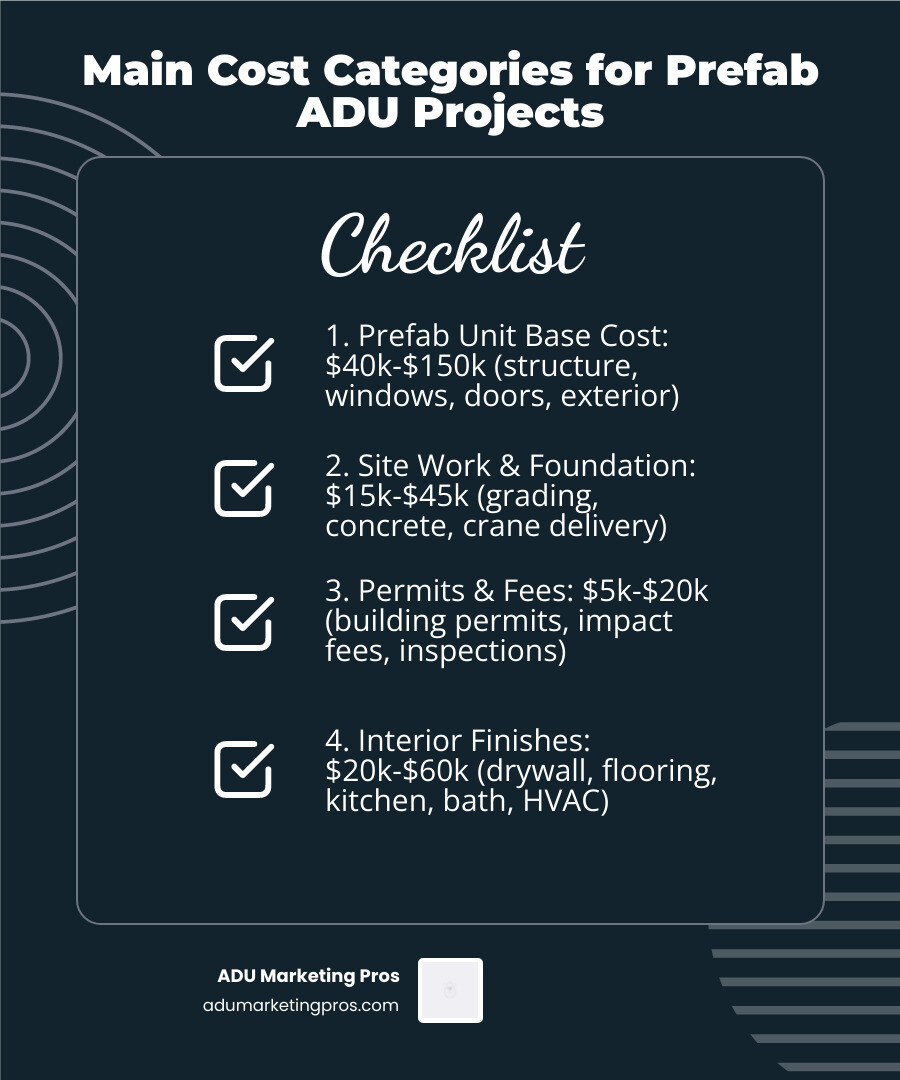
The advertised price, or “sticker price,” refers to the cost of the factory-built structure itself. This base cost, which typically ranges from $40,000 for a small studio shell to over $150,000 for a larger multi-bedroom unit, is just the starting point. For this price, you can generally expect to receive:
- The structural shell (walls, floor system, and roof framing)
- Exterior sheathing and weather barrier
- Standard exterior siding and roofing material
- Basic windows and exterior doors
- Basic insulation as required by code
Crucially, this price almost never includes delivery, crane services for installation, the foundation, permits, utility connections, or any interior work. Think of it as buying the chassis and body of a car, but you still need to pay for the engine, interior, and getting it registered to drive.
Site Work, Infrastructure, and Installation Costs
This phase covers all the essential and expensive work required to place the prefab shell on your property and make it a legal, habitable dwelling. These costs can easily match or even exceed the cost of the unit itself, often totaling $40,000 to $100,000+.
- Soft Costs ($5,000 – $20,000+): This category includes architectural plans, structural engineering, energy calculations (Title 24 in California), land surveys, and all city/county permit fees.
- Site Preparation ($5,000 – $20,000+): Clearing the site of trees or old structures, grading the land, and addressing any soil issues.
- Foundation ($10,000 – $30,000): A code-compliant concrete slab or raised perimeter foundation engineered for your specific soil and seismic conditions.
- Utility Connections ($10,000 – $30,000): Trenching and running new water, sewer, gas, and electrical lines from the main house or street to the ADU. This often includes upgrading the main electrical panel.
- Delivery and Installation ($10,000 – $25,000): This includes transportation fees from the factory, the cost of hiring a crane and operator for several hours to lift the modules into place, and the labor for the “stitch crew” that connects and weathers-seals the modules.
All this work must be performed to the exacting standards of state and local regulations, such as those outlined in California’s ADU Handbook, to pass multiple municipal inspections.
Factoring in Finishes: The Final Piece of the Cost Puzzle
This is the final stage that transforms the structural shell into a beautiful, comfortable home. The budget for finishes is highly variable and depends entirely on your style and quality choices, typically ranging from $20,000 for a basic package to over $60,000 for high-end selections.
- Interior Fit-Out: Drywall installation and finishing, interior painting, and installing interior doors and trim.
- Flooring: Options range from budget-friendly Luxury Vinyl Tile (LVT) or laminate to more expensive engineered hardwood or tile.
- Kitchen and Bath: This is a major cost center. It includes all cabinetry, countertops (laminate vs. quartz vs. granite), sinks, faucets, toilets, showers, and tile work. Our guide to ADU Kitchen Designs offers inspiration for spaces of all sizes and budgets.
- Appliances: A complete appliance package (refrigerator, stove, microwave, dishwasher, washer/dryer) can range from $3,000 to $10,000+.
- HVAC System: A ductless mini-split system for heating and cooling is a popular and efficient choice, typically costing $3,000 – $7,000 installed.
- Lighting and Electrical Fixtures: This includes all recessed lighting, pendant lights, outlets, and switches to complete the space.
Saving Money and Financing Your Prefab Granny Flat
Building a prefab granny flat is a significant financial undertaking, but strategic planning and smart choices can make it much more manageable. By actively looking for ways to control costs and securing the right type of financing, you can bring your project to life without overextending your finances.
Smart Ways to Reduce Your Overall Cost
- Choose a Smaller Footprint: The most effective way to save money is to build smaller. A well-designed 400 sq ft studio costs significantly less in materials, foundation work, and finishes than a 700 sq ft one-bedroom unit.
- Stick with Standardized Designs: Opt for one of the manufacturer’s pre-designed floor plans. Customizing layouts requires new architectural and engineering work, which adds thousands to the cost and can slow down the permitting process.
- Simplify the Form: A simple rectangular shape is the most cost-effective. Complex designs with multiple corners, bump-outs, or intricate rooflines increase labor and material costs.
- Locate Strategically: Place the ADU on your property as close as possible to existing utility lines (sewer, water, electric). Shorter trenching distances can save you thousands of dollars.
- Handle Some DIY Work (Cautiously): If you are genuinely skilled and have the time, taking on tasks like interior painting, installing laminate flooring, or doing the final landscaping can reduce labor costs. However, be realistic about your abilities—mistakes can be more costly to fix than hiring a pro from the start.
- Get Multiple, Detailed Quotes: Never go with the first quote. Obtain at least three itemized bids from different turnkey providers or general contractors. Ensure you are comparing apples to apples by checking that the scope of work is identical in each proposal.
- Avoid Change Orders: Finalize all of your design and material choices—from paint colors to faucet models—before construction begins. Making changes mid-project, known as change orders, are expensive and a primary cause of budget overruns.
Uncovering Potential Hidden Costs
Even with a fixed-price contract, it’s wise to set aside a contingency fund of 10-15% of your total project cost to cover unexpected expenses. Common surprises include:
- Unforeseen Site Issues: Hitting a large rock or an old septic tank during excavation can require costly remediation.
- Landscaping and Hardscaping: The base price rarely includes restoring your yard after construction. Budget separately for a new lawn, pathways, a patio, or fencing, which can easily cost $5,000-$15,000+.
- Additional Impact or School Fees: While often waived for smaller ADUs, some cities may still levy unexpected fees.
- Furniture and Window Coverings: Unless you are purchasing a fully furnished package, you’ll need to budget for everything from the sofa and bed to blinds and curtains.
How much is a prefab granny flat to finance?
Most homeowners use their property’s equity to finance an ADU project. Here are the most common and effective options:
- Home Equity Line of Credit (HELOC): This functions like a credit card secured by your home. You can draw funds as needed to pay for construction milestones, and you only pay interest on the amount you’ve used. This flexibility is ideal for construction projects. As explained by financial institutions like Bank of America, HELOCs offer variable interest rates.
- Cash-Out Refinance: You replace your current mortgage with a new, larger one and receive the difference in cash. This can be a great option if you can secure a lower interest rate than your current mortgage, giving you a fixed rate for the life of the loan.
- Construction Loan: This is a short-term loan specifically designed for building projects. The lender releases funds in stages (draws) after inspections confirm that work has been completed. These can be more complex to secure than other options and typically convert to a standard mortgage upon completion.
- Government Grants and Incentives: Periodically, the state of California or individual cities offer grant programs or fee waivers to encourage ADU construction, particularly for affordable housing. Check with your local planning department for any available programs.
For a complete overview of these options and their pros and cons, explore our detailed guide on ADU Financing Options.
Is a Prefab Granny Flat a Good Investment?
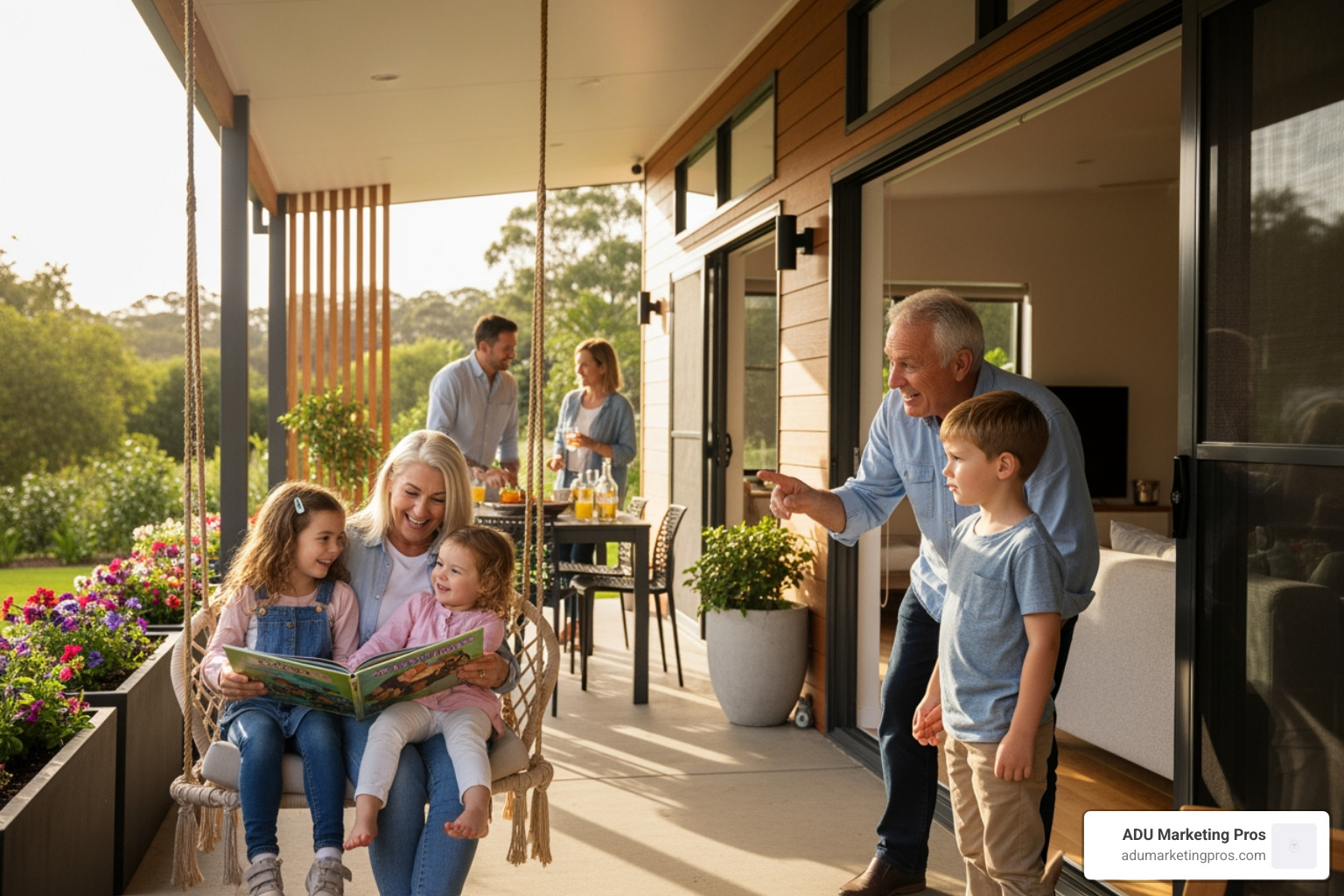
Beyond creating much-needed living space, is a prefab granny flat a sound financial investment? For most homeowners in high-cost areas, the answer is a resounding yes. The initial cost, while significant, can generate substantial financial and lifestyle returns that make it a smart long-term strategy for wealth building and family support.
Calculating the Return on Investment (ROI)
When you analyze how much is a prefab granny flat worth over its lifetime, the numbers are extremely compelling. The ROI comes from three primary sources:
- Rental Income Potential: This is the most direct return. In California markets like the Bay Area, Los Angeles, or San Diego, a well-appointed granny flat can generate $1,500 to $3,500+ per month in rental income. This cash flow can often cover the monthly financing cost of the ADU and even contribute to your primary mortgage. For a deeper analysis, see our guide to ADU Rental Income.
- Property Value Increase: A legally permitted, well-built ADU is a significant value-add to your property. Studies have shown that an ADU can boost a property’s resale value by 15-30%. For an $800,000 home, that’s a potential increase of $120,000 to $240,000—an amount that often meets or exceeds the entire project cost.
- Cost Savings on Elder Care or Housing: The financial benefits aren’t just about income. The average cost of an assisted living facility in California can exceed $5,000 per month. Building an ADU to house an aging parent can save a family over $60,000 per year, all while providing the invaluable benefit of keeping loved ones close. Similarly, it can provide a safe, affordable housing option for adult children struggling with high rents.
Consider this simple ROI example: A $200,000 all-in ADU project is financed, resulting in a monthly payment of about $1,200. It is then rented for $2,500 per month, generating $1,300 in positive cash flow ($15,600 per year). In this scenario, the rental income alone provides a 7.8% annual cash-on-cash return, not even accounting for the massive increase in property value. The ADU Return on Investment is often one of the best available in real estate.
Understanding the Project Timeline
One of the most significant advantages of prefab construction is the accelerated and predictable project timeline compared to traditional on-site building.
- Phase 1: Design and Permitting (3-6 months): This initial phase involves finalizing your ADU design, selecting materials, and preparing the extensive set of documents required for a building permit. Your architect or prefab company submits these plans to your local building department. The city’s plan check process can involve several rounds of comments and revisions before a permit is issued.
- Phase 2: Factory Fabrication & Site Prep (1-3 months): This is where prefab shines. While your ADU is being constructed in a controlled factory environment with rigorous quality control, a crew can be working concurrently at your home. This on-site work includes grading the land, trenching for utilities, and pouring the foundation.
- Phase 3: Delivery, Installation, and Finishing (1-3 months): The completed modules are transported to your property. A crane lifts them into place on the foundation, and a specialized crew then “stitches” the modules together, connects the utilities, and completes the final interior and exterior finishing touches like paint, flooring, and appliance installation.
From the day you sign a contract to the day you receive the keys, a typical prefab granny flat project takes 5 to 12 months. This is a dramatic time savings compared to the 12-18+ months commonly required for a traditional, site-built ADU, which is more susceptible to weather delays and subcontractor scheduling issues.
Frequently Asked Questions about Prefab Granny Flat Costs
When budgeting for a backyard home, homeowners understandably have many questions as they try to determine the real answer to how much is a prefab granny flat. Here are detailed answers to some of the most common inquiries.
How big can a prefab granny flat be?
In California, state law has made it easier than ever to build a spacious ADU. State-level regulations generally allow for a detached ADU of at least 800 square feet, and up to 1,200 square feet in many cases, regardless of your existing lot size or floor-area ratio. A 1,200 sq ft unit is large enough for a comfortable two- or even three-bedroom home. However, local city or county ordinances can still impose certain limitations. For example, a city might have specific height limits (e.g., 16 feet for a single-story ADU), setback requirements from property lines, or rules about lot coverage that could influence your final design. It is absolutely essential to check your local ADU Zoning Laws or speak with a local ADU specialist before committing to a floor plan to ensure it is permissible on your specific property.
Is a prefab granny flat cheaper than a traditional stick-built one?
Often, yes, but the primary advantages are cost predictability and time savings, not just a lower sticker price. The controlled factory environment for prefab construction eliminates weather delays, improves labor efficiency, and reduces material waste, which helps control costs. For a simple, standard-plan ADU, prefab is almost always cheaper. A highly customized, high-end prefab unit can end up costing as much as a traditional stick-built home. The true financial benefit of prefab is risk reduction. With a turnkey prefab project, you often get a fixed-price contract, which provides certainty about the final cost and protects you from the budget overruns common in stick-built projects. On-site construction costs for ADUs typically range from $200 to $300 per square foot; prefab helps you stay on the lower end of that range and finish the project months sooner.
Do I need a permit for a prefab granny flat?
Yes, absolutely and without exception. A prefab granny flat is a permanent, habitable dwelling, and it requires the exact same permits as any other new home construction. This includes a full plan review and permits for building, electrical, plumbing, and mechanical systems from your local building department. These permits are not bureaucratic red tape; they are a critical process to ensure your unit is safe, structurally sound, energy-efficient, and legally constructed. Attempting to build an unpermitted ADU can lead to massive fines, stop-work orders, a mandate to demolish the structure, and will create major legal and financial liabilities when you eventually try to sell your property. While the process can be complex, working with an experienced prefab company or architect makes navigating the ADU Permits California process much smoother, as they handle the submissions and revisions on your behalf.
Can I act as my own general contractor to save money?
While technically possible in some jurisdictions (this is known as being an “owner-builder”), it is highly discouraged unless you are a licensed contractor or have extensive construction management experience. The potential savings on a general contractor’s fee (typically 15-20% of the project cost) can be quickly erased by costly mistakes. As an owner-builder, you are legally and financially responsible for the project’s success, including hiring, scheduling, and managing all subcontractors (graders, foundation crews, plumbers, electricians, etc.), ordering materials, scheduling inspections, and ensuring the project meets all building codes. Any delays, mistakes, or failed inspections will come directly out of your pocket and timeline. For most homeowners, the stress, risk, and time commitment far outweigh the potential savings.
Conclusion
So, how much is a prefab granny flat? While the advertised base price of a unit can be as low as $40,000, a realistic, all-in investment for a complete turnkey project in California markets like San Jose, Los Angeles, and the Bay Area typically ranges from $80,000 to $250,000+. The final cost is a combination of the factory-built unit, extensive site work, permitting, and your chosen finishes.
The most compelling benefit of choosing prefab construction is its predictability and efficiency. By building the unit in a factory while site work happens simultaneously, the project timeline is condensed to a remarkable 5 to 12 months from design to move-in. This process, especially when managed by a turnkey provider, offers a level of cost certainty and speed that saves homeowners significant time, stress, and money compared to traditional construction.
Beyond the convenience, a prefab granny flat is a powerful financial asset. It’s a proven strategy for generating substantial monthly rental income, can dramatically increase your property value by 15-30% or more, and offers a compassionate and financially savvy alternative to the high cost of elder care facilities. It is a forward-thinking investment in your financial future, your property’s value, and your family’s long-term well-being.
At ADU Marketing Pros, we specialize in connecting homeowners with elite construction and architecture firms that are experts in California’s dynamic ADU market. Our partners are vetted for their quality, reliability, and customer satisfaction, ensuring your project is a resounding success from the initial design to the final walkthrough.
Ready to transform your backyard and unlock its potential? Learn more about Prefab Granny Flats in California and discover how to add a valuable, functional, and beautiful living space to your home.