
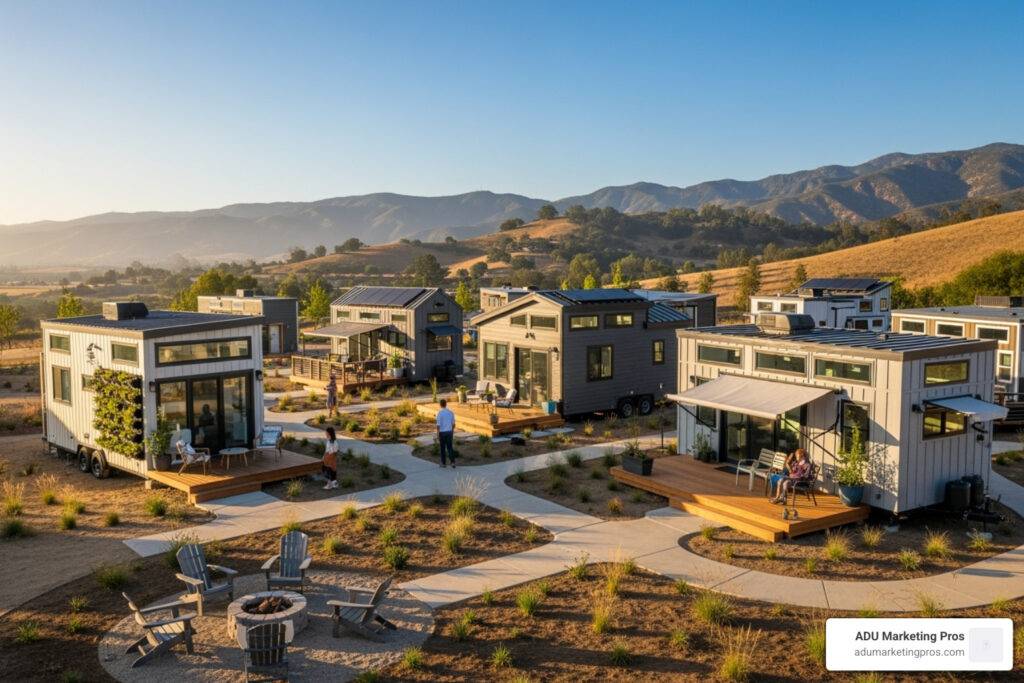
The Rise of the Tiny House in Silicon Valley
Mountain View tiny homes are emerging as a powerful and innovative response to one of the most pressing issues in the Bay Area: the housing affordability crisis. In the heart of Silicon Valley, where the median home price consistently hovers in the multi-million dollar range, the dream of homeownership has become unattainable for a vast segment of the population, including the very tech professionals who fuel the region’s economy. These compact dwellings, typically under 500 square feet, are revolutionizing how residents think about housing by offering a tangible, affordable, and sustainable alternative. With all-in costs ranging from $140,000 to over $285,000, a brand-new tiny home can be acquired for less than the standard 20% down payment on a conventional house in the area.
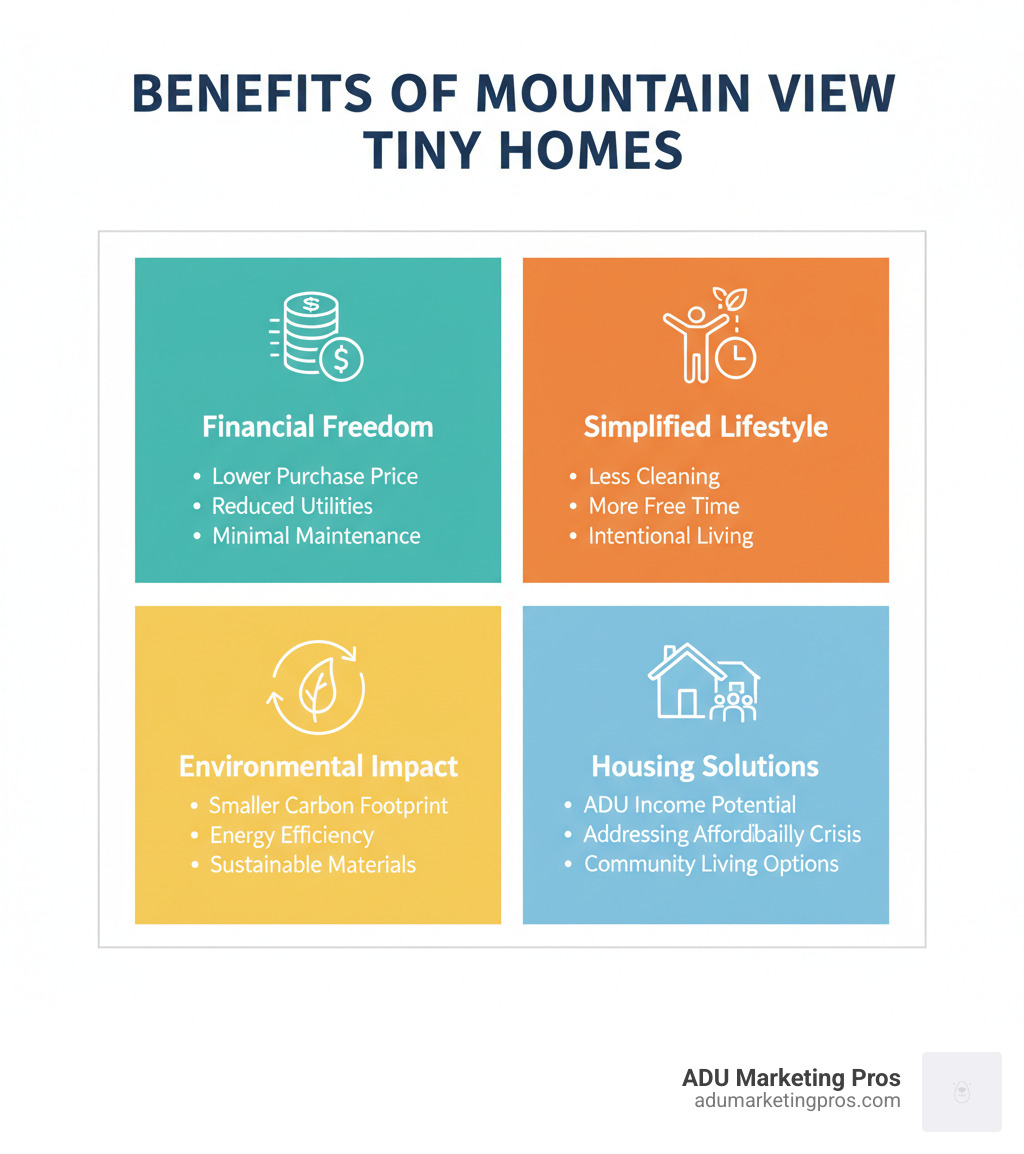
What began as a niche lifestyle choice for minimalists has rapidly evolved into a mainstream, practical solution. The tiny house movement in Silicon Valley is no longer just for those seeking a nomadic life; it’s being embraced by a diverse demographic including young professionals, educators, service workers, empty-nesters, and families looking for a foothold in an otherwise impenetrable market. The appeal is multifaceted and profound. It starts with financial liberation—dramatically lower monthly expenses, minimal property maintenance, and significantly reduced utility bills. This newfound financial freedom allows residents to redirect their income towards savings, investments, travel, or simply enjoying the vibrant culture and opportunities that the Bay Area offers, without being shackled by a 30-year mortgage.
Beyond the compelling financial arguments, tiny living represents a deliberate shift towards intentionality and quality of life. Residents find themselves with more free time, as home maintenance shrinks from a weekend-long chore to a manageable task. This time can be reinvested into personal passions, community engagement, or exploring the natural beauty of Northern California. The environmental benefits are equally significant, with a smaller physical and carbon footprint, reduced energy consumption, and less waste. A diverse market of builders, from those creating rustic park models to high-tech modular manufacturers like Dvele, is rising to meet this demand, offering a wide spectrum of styles and features.
Whether legally placed on a private lot as an Accessory Dwelling Unit (ADU) or situated in a planned community like Creek Walk Cottages, tiny homes in Mountain View provide invaluable proximity to world-class tech jobs and urban amenities at a fraction of the traditional cost. While significant challenges related to zoning laws and financing persist, these small structures represent a powerful and necessary innovation in how we define and create “home” in the 21st century.
What is a Mountain View Tiny Home? Types and Styles
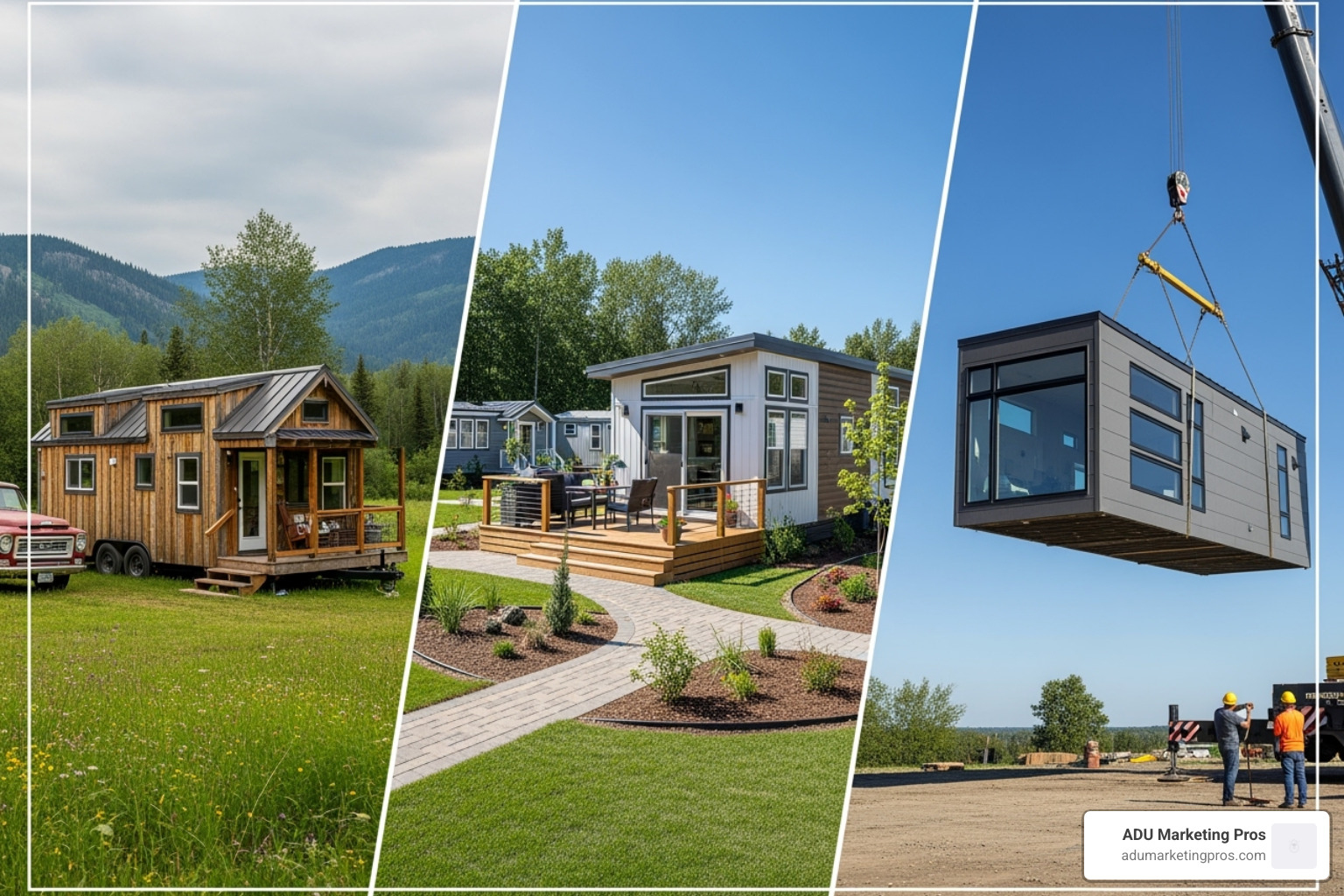
The term Mountain View tiny homes encompasses a surprisingly diverse category of compact dwellings, all generally under the 500-square-foot mark. Grasping the key distinctions between these types is the first and most critical step for any prospective buyer, as each classification comes with a unique set of regulations, benefits, and lifestyle implications. The most fundamental division is between homes that are mobile (built on a chassis) and those that are permanent (built on a foundation).
Tiny Homes on Wheels (THOWs)
Built on a trailer chassis for maximum mobility, the THOW is the iconic image of the tiny house movement popularized by television shows and social media. To be legally transported and placed, most THOWs must be certified by the Recreational Vehicle Industry Association (RVIA) as meeting ANSI/NFPA 1192 travel trailer standards. This certification is crucial, as it governs everything from electrical and plumbing systems to safety features, and it dictates where the home can be legally parked. While the freedom to move is a major draw, it also presents the biggest challenge in a dense urban area like Mountain View. City ordinances heavily restrict long-term RV occupancy in residential zones, making it difficult to find a legal, permanent parking spot. Consequently, THOW owners often rely on designated RV parks or the few available tiny home communities. The differences between ADUs and tiny homes on wheels are vast, particularly concerning legal status, financing, and long-term stability.
Park Model RVs
Park Model RVs occupy a unique middle ground. While also built on a chassis and legally classified as RVs, they are designed for long-term or semi-permanent placement in a single location, such as a dedicated resort or community. Typically under 400 square feet to maintain their RV status, they often feature more traditional housing aesthetics, like porches and pitched roofs, resembling small, charming cabins. Communities like Creek Walk Cottages in Mountain View are built specifically for these units, offering a true neighborhood experience. Residents benefit from shared amenities, professional management, and a sense of community, combining the affordability of tiny living with the stability of a fixed address. They offer a settled lifestyle without the legal complexities of placing a THOW on private land.
Tiny Homes on a Foundation (ADUs)
When a tiny home is constructed on a permanent foundation in a residential backyard, it legally becomes an Accessory Dwelling Unit (ADU), also known as a granny flat or backyard cottage. These are permanent, state-code-compliant homes governed by the same local and state building codes as a traditional house. California’s progressive ADU laws have dramatically simplified the approval process, making this one of the most popular and secure ways to embrace tiny living in Mountain View. An ADU can take several forms: a detached new-construction cottage, a converted garage, or even a Junior ADU (JADU) created within the existing footprint of the main house. Building an ADU is a significant real estate investment that can increase property value, generate substantial rental income, or provide multi-generational housing. Prefabricated and modular options, like Dvele’s pre-certified ‘Pine Model,’ further streamline the process. ADUs provide the ultimate stability and financing advantages of real estate, making them an ideal choice for those committed to small-scale living in one location. For a deeper dive, our guide to different types of small houses offers more insight.
The Allure of Tiny Living: Key Benefits in the Bay Area
Why are so many Bay Area residents, from tech engineers to teachers, turning to Mountain View tiny homes? The motivation runs deeper than just finding an affordable place to live. It’s a conscious decision to reclaim control over three critical aspects of life that are often strained in a high-cost, fast-paced region: finances, time, and environmental impact.
Financial Freedom and Wealth Building
In a city where multi-million dollar home prices are the norm, tiny homes present a radical and realistic path to financial stability. With purchase prices often falling between $140,000 and $285,000, the initial barrier to entry is drastically lower. This cost is frequently less than the 20% down payment required for a conventional home in the same zip code. The financial benefits compound over time. Monthly utility bills for heating, cooling, and electricity are a fraction of the cost of a larger home. Insurance is cheaper, and property taxes (for ADUs) or vehicle registration fees (for THOWs) are significantly lower. This massive reduction in overhead frees up hundreds or even thousands of dollars in disposable income each month. This capital can then be used to aggressively pay down debt, build an emergency fund, invest for retirement, or fund a business venture—all while living comfortably in the heart of Silicon Valley.
A Simpler, More Intentional Lifestyle
Downsizing to a space under 500 square feet is a powerful catalyst for simplifying every aspect of life. The most immediate benefit is the gift of time. Cleaning an entire home can be accomplished in under an hour, liberating weekends for hobbies, travel, and connecting with the community. This minimalist approach also forces a profound sense of intentionality. With limited space, every object must have a purpose or bring joy, a concept that Marie Kondo popularized. This curation of one’s belongings leads to less physical and mental clutter, reducing stress and decision fatigue. As proponents like Tiny Mountain Houses emphasize, the philosophy is about shifting resources away from accumulating possessions and towards collecting life experiences. It’s a move from a house-rich, life-poor existence to one that prioritizes personal growth and fulfillment.
Environmental Sustainability
The tiny house movement is intrinsically linked with environmental stewardship, a value that resonates deeply with many Bay Area residents. The sustainability benefits are clear and measurable. A smaller home requires far fewer raw materials to construct, leading to less construction waste and a reduced embodied carbon footprint. The ongoing energy consumption for heating and cooling is minimal due to the small volume of space. Many builders are pushing the envelope on green technology, incorporating features like rooftop solar panel arrays for off-grid capability, composting toilets that eliminate blackwater waste, and greywater recycling systems that reuse water from sinks and showers for irrigation. Advanced building envelopes with high-R-value insulation, recycled steel frames, and sustainably sourced wood are becoming standard. For example, Dvele’s modular homes are built in a factory setting that minimizes waste and maximizes energy efficiency, proving that a high quality of life and a low environmental impact can go hand-in-hand.
Navigating the Rules: Zoning and Regulations for Mountain View Tiny Homes
Before investing time and money into a Mountain View tiny home, a thorough understanding of the legal landscape is non-negotiable. Local and state regulations are the single most important factor determining where you can place your home, how it can be used, and whether your project is feasible from the start. The entire regulatory framework hinges on one pivotal question: is your tiny home legally a vehicle (on wheels) or a permanent building (on a foundation)?

Regulations for Tiny Homes on a Foundation (ADUs)
If your tiny home is built on a permanent foundation, it is legally classified as an Accessory Dwelling Unit (ADU). This is the most straightforward and legally secure path in California. Thanks to a series of pro-housing state laws, cities like Mountain View are mandated to allow and streamline the ADU approval process. However, while the state sets the framework, the City of Mountain View has its own specific development standards that must be met. These include:
- Setbacks: Minimum required distances from property lines and the primary residence (typically 4 feet for side and rear yards).
- Height Limits: Maximum height restrictions, which vary based on the lot size and type of ADU.
- Size Limits: State law allows ADUs up to 1,200 square feet, but local rules may apply.
- Parking: State law has eliminated parking requirements for most ADUs, especially those near public transit or in historic districts. You must verify the specific requirements for your parcel.
- Utilities: ADUs must have permanent connections to city water, sewer, and electricity, which involves trenching and hookup fees.
Navigating this requires submitting detailed architectural and structural plans for review. The first and most important step is a direct consultation with the Mountain View Planning Division to get definitive answers for your specific property. An experienced ADU builder will be invaluable in managing this complex permitting process.
Regulations for Tiny Homes on Wheels (THOWs)
THOWs present a much more complex legal puzzle because they are classified as Recreational Vehicles (RVs). This classification makes them illegal to use as permanent, full-time residences in nearly all residential zones in Mountain View. City ordinances strictly prohibit living in an RV on private property or public streets for extended periods. This means you cannot simply buy a THOW and park it in a friend’s backyard to live in. Legal long-term options are limited but do exist:
- Designated RV Parks: These are commercially zoned properties that provide utility hookups and legal residency for RVs, but they come with monthly lot rental fees and may have their own rules and waitlists.
- Tiny Home Communities: Purpose-built communities like Creek Walk Cottages are the ideal solution. They are specifically zoned to allow for long-term occupancy of Park Model RVs, providing a legal and stable neighborhood environment.
- Rural/County Land: Some unincorporated areas of Santa Clara County may have more lenient regulations, but this requires extensive research to verify that long-term RV occupancy is permitted. This is generally not an option within Mountain View’s city limits.
It’s also crucial to understand the tax implications. An ADU is taxed as real property, adding to your property tax bill. A THOW is registered with the DMV and requires an annual vehicle registration fee, which is typically much lower but doesn’t build equity in the same way. Before purchasing a THOW with the intent to live in or near Mountain View, direct and explicit confirmation of a legal parking spot is essential. If local rules prove too restrictive, you might need to explore other regions with more flexible zoning, like those detailed in our guide to land for sale in southern california for tiny houses.
The Financial Blueprint: Costs and Financing Options
While the affordability of Mountain View tiny homes is a primary driver of their popularity, it’s vital for prospective buyers to develop a comprehensive budget that extends far beyond the sticker price of the unit itself. A successful project requires careful accounting for a range of associated expenses, from site work and permits to transportation and financing.
Estimating the Total Project Cost
The price of the tiny home structure can range from the low $140,000s for a well-appointed park model in a community like Creek Walk Cottages to $285,000 or more for a high-end, technologically advanced modular unit like Dvele’s ‘Pine Model.’ This price, however, is just one component of the total investment. A realistic budget must include:
- Land or Lot Rent: This is the most significant variable. If you are building an ADU, you already own the land. If you are placing a THOW or park model, you must budget for monthly lot rent, which can range from $500 to over $1,500 in the Bay Area, though this often includes utilities and amenities.
- Site Preparation & Installation: This is a major cost category. For a foundation-based ADU, this includes architectural plans, engineering, soil reports, grading, pouring a concrete foundation, and trenching for utilities (water, sewer, electric, gas). These costs can easily add $50,000 – $100,000+ to the project. For a THOW, site prep might involve creating a level gravel pad and installing a utility pedestal, which is less expensive but still a necessary cost.
- Permits, Fees, and Taxes: ADUs require building permits from the city, which can cost several thousand dollars. THOWs require DMV registration and annual fees. ADUs will also trigger a reassessment of your property, leading to higher annual property taxes.
- Transportation and Delivery: Most tiny homes are built off-site. The cost of transporting the unit from the factory to your location can be substantial, often calculated per mile, and may require a crane for placement, as Dvele notes.
Financing Your Tiny Home
Securing financing for a tiny home is different from getting a traditional 30-year mortgage, especially for mobile units. Since THOWs are not considered real estate, conventional mortgages are not an option. However, the financing landscape is maturing, and several viable paths exist:
- Home Equity Loan or HELOC: For existing homeowners building an ADU, this is often the best option. Tapping into the equity of the primary residence provides access to a large sum of capital at a relatively low interest rate.
- RV Loans: If your THOW has an RVIA certification, you can apply for a secured RV loan from a bank or credit union. These loans are widely available but typically have shorter terms (10-15 years) and slightly higher interest rates than mortgages.
- Personal Loans: An unsecured personal loan can be used for any purpose, including buying a tiny home. They are fast and require no collateral, but this flexibility comes at the cost of higher interest rates and lower borrowing limits, making them best for smaller projects or partial funding.
- Chattel Mortgages: This is a specialized loan used for movable property (chattel). The loan is secured by the tiny home itself, not the land. They are a common financing tool for manufactured homes and are becoming more so for THOWs.
- Builder Financing: Many tiny home builders have established relationships with lenders who understand the unique nature of their product. They can often offer the most streamlined financing process and should be one of your first inquiries.
As tiny homes become more integrated into the housing market, more financing options will emerge. For now, a creative and well-researched approach is key. To see current market examples, you can browse various small houses for sale.
Building Your Dream: Design, Features, and the Process
The immense appeal of Mountain View tiny homes is rooted in their exceptionally clever design and hyper-efficient use of space. Modern builders have mastered the art of blending beautiful aesthetics with uncompromising practicality, creating living environments that are not just functional but also comfortable, inspiring, and surprisingly spacious.
Unique Designs and Innovative Features
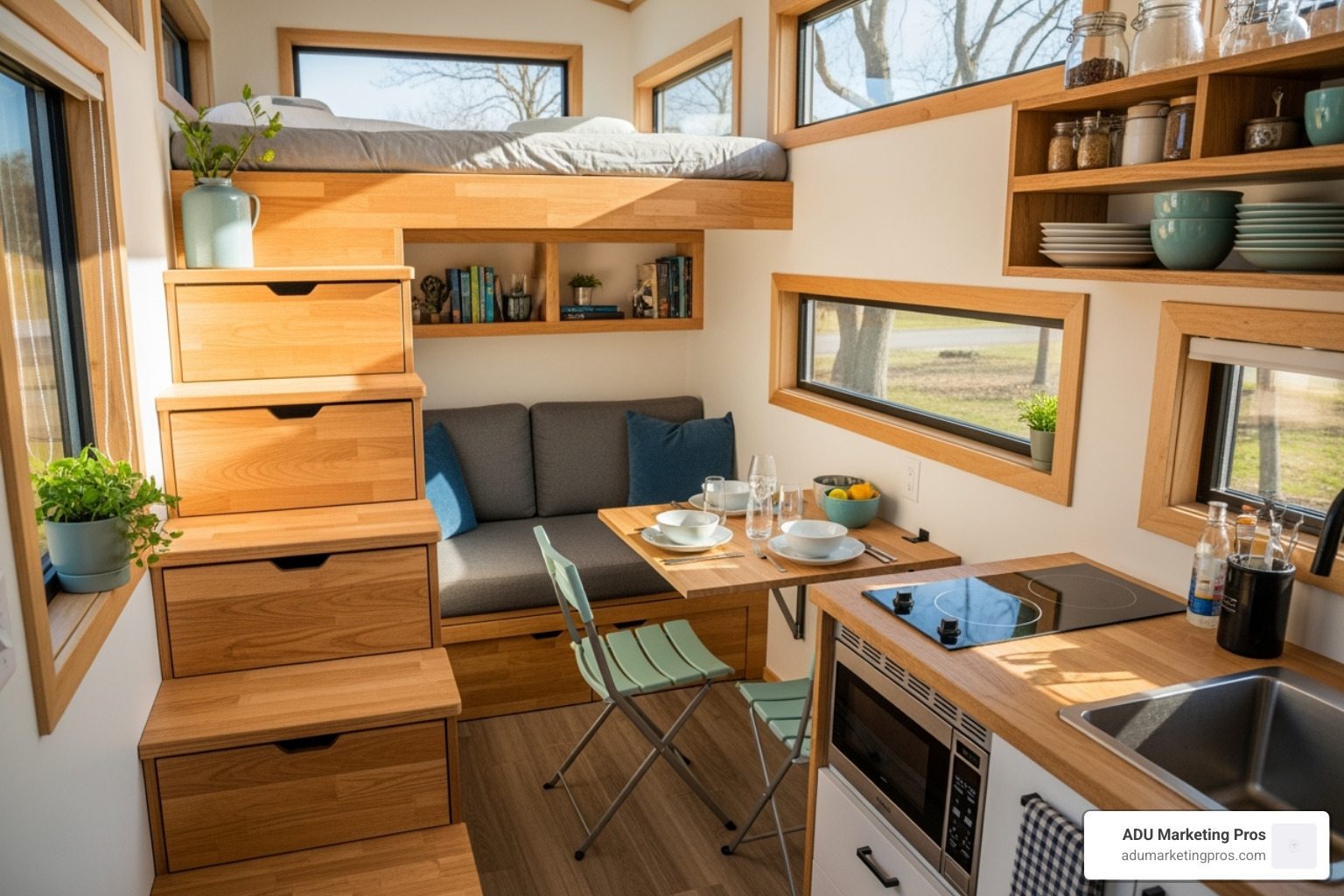
Tiny home design is an exercise in multi-functionality. While the classic sleeping loft remains a popular space-saving feature, the market has evolved to meet diverse needs. Many builders now offer models with main-floor bedrooms or flexible ground-floor rooms that can serve as an office or guest space, improving accessibility for all ages. Far from being spartan, modern tiny homes frequently boast full-size, high-end kitchens with quartz countertops and premium appliances, as well as luxurious bathrooms with walk-in showers. Storage is ingeniously integrated into every conceivable space: drawers built into staircases, hydraulic lift beds with storage underneath, and custom cabinetry that reaches the ceiling. Large windows and glass doors are strategically placed to maximize natural light and create a seamless connection to the outdoors. This is often complemented by integrated outdoor living spaces like decks and patios, which effectively double the usable living area in California’s mild climate. Sustainability and technology are also at the forefront, with features like recycled materials, high-efficiency insulation, smart home automation for lighting and climate control, and designs that accommodate future accessibility needs.
The Process of Buying or Building
Embarking on a tiny home journey is an exciting process that involves several critical steps:
- Research and Define Your Needs: The first phase is all about introspection and research. Determine your non-negotiables. Do you need mobility (THOW) or stability (ADU)? What is your absolute maximum all-in budget, including site costs? How much space do you truly need?
- Find a Reputable Builder: This is one of the most important decisions you’ll make. Thoroughly vet potential builders. Review their portfolios, read customer testimonials, and check their licenses and certifications (e.g., RVIA for THOWs). A great builder acts as a partner and guide. Our list of tiny house builders in California is an excellent starting point.
- Secure Financing: Once you have a builder and a cost estimate, approach lenders. Start with your builder’s financing partners, then explore RV loans, HELOCs, or personal loans depending on your tiny home type.
- Permitting and Legal Due Diligence: This step runs parallel to the others. For an ADU, your builder or architect will submit plans to the city. For a THOW, you must secure a legal, long-term parking spot before you finalize your purchase.
- Site Preparation: While your home is being built in the factory, work begins on-site. This involves grading the land, pouring a foundation or pad, and trenching for utility lines.
- Delivery, Installation, and Move-In: The big day arrives when your completed home is transported to your site. It’s carefully placed, secured, and connected to utilities. After final inspections from the city (for ADUs), you get the keys and begin your tiny living adventure.
Tiny Homes for Social Good
Beyond individual homeownership, the tiny home model is being powerfully leveraged to address one of society’s most complex challenges: homelessness. Across California, innovative projects are creating supportive tiny home villages that provide not just shelter, but a comprehensive ecosystem for healing and rebuilding lives. These communities offer residents dignity, privacy, and security. For example, Goodness Village in Livermore provides formerly unhoused individuals with a safe, stable home base, complemented by crucial wrap-around services like mental health counseling, job training, and community support. You can learn more about Goodness Village’s mission and see how these small structures are making a monumental impact on human lives.
Conclusion: Is a Tiny Home in Mountain View Right for You?
The burgeoning world of Mountain View tiny homes presents a compelling and multifaceted solution to the Bay Area’s notorious housing challenges. Whether it’s a mobile THOW offering freedom and flexibility or a permanent ADU providing stability and investment value, these compact dwellings forge a realistic path toward a more affordable, intentional, and sustainable lifestyle in one of the world’s most expensive markets.
The advantages are profound and life-altering: achieving financial freedom from the burden of a massive mortgage, embracing a simplified life that prioritizes experiences over possessions, and significantly reducing one’s environmental footprint. However, this path is not without its hurdles. The journey requires diligence, research, and a pioneering spirit. Navigating the complex web of zoning regulations, particularly for THOWs, is a significant challenge that demands careful planning. Likewise, securing financing often requires a creative approach that steps outside the bounds of traditional mortgage lending.
The ultimate question is a deeply personal one: do the benefits of tiny living outweigh the trade-offs for your specific goals and lifestyle? Are you prepared to thoughtfully downsize your material world in exchange for an abundance of time, financial resources, and personal freedom? For a growing number of Bay Area residents, the answer is a clear and enthusiastic ‘yes.’ Tiny homes are proving their value as primary residences, income-generating ADUs, and powerful tools for social change in the fight against homelessness.
More than just a housing trend, the tiny home movement challenges our fundamental assumptions about what it means to live well. It asks us to reconsider how much space we truly need to be happy and successful. In a region where the cost of housing can severely limit life’s other possibilities, a tiny home can be the key that unlocks a world of opportunity.
If you are an ADU builder or contractor aiming to connect with this motivated and growing market of Bay Area residents, targeted and knowledgeable marketing is essential. We specialize in this unique niche and have the expertise to help you reach qualified clients who are ready to build. Discover how to attract qualified leads for your ADU building business in the Bay Area and establish your company as a leader at the forefront of this vital housing revolution.