
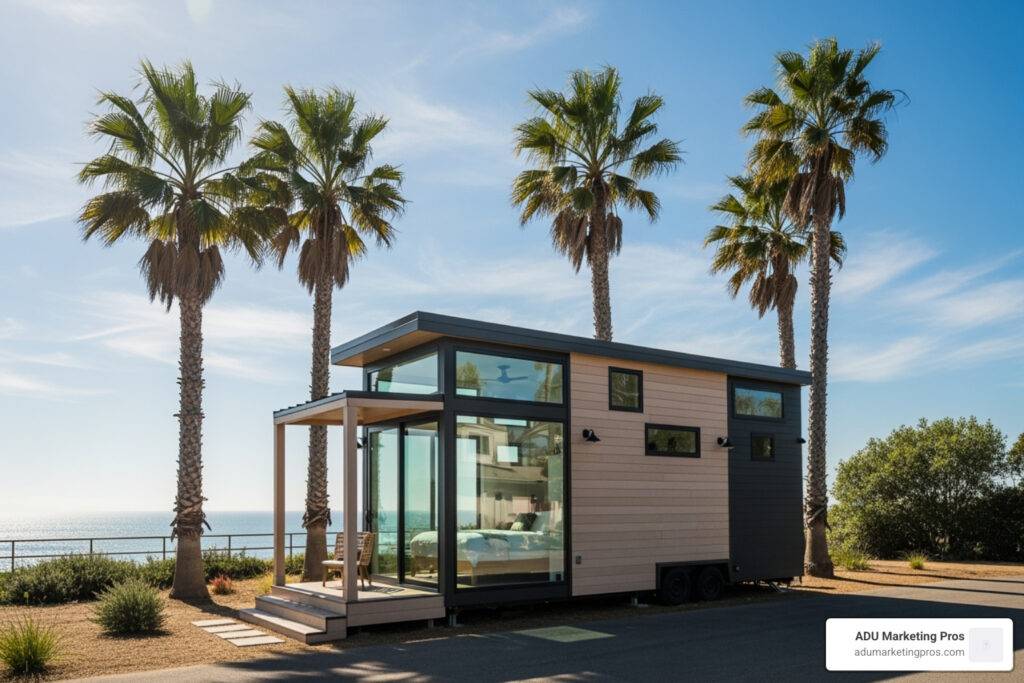
Why San Diego Tiny Homes Are Redefining Coastal Living
San Diego tiny homes offer a unique solution to the region’s housing affordability crisis, combining the city’s enviable lifestyle with minimalist living. Whether you’re considering a movable tiny house on wheels, a permanent ADU (Accessory Dwelling Unit), or an alternative dwelling, San Diego’s evolving regulations now provide clear legal pathways for small-space living.
Quick Guide to San Diego Tiny Homes:
- Movable Tiny Homes: Transportable accessory structures on residential lots with independent living facilities.
- Permanent Tiny Homes (ADUs): State-compliant “granny flats” on permanent foundations.
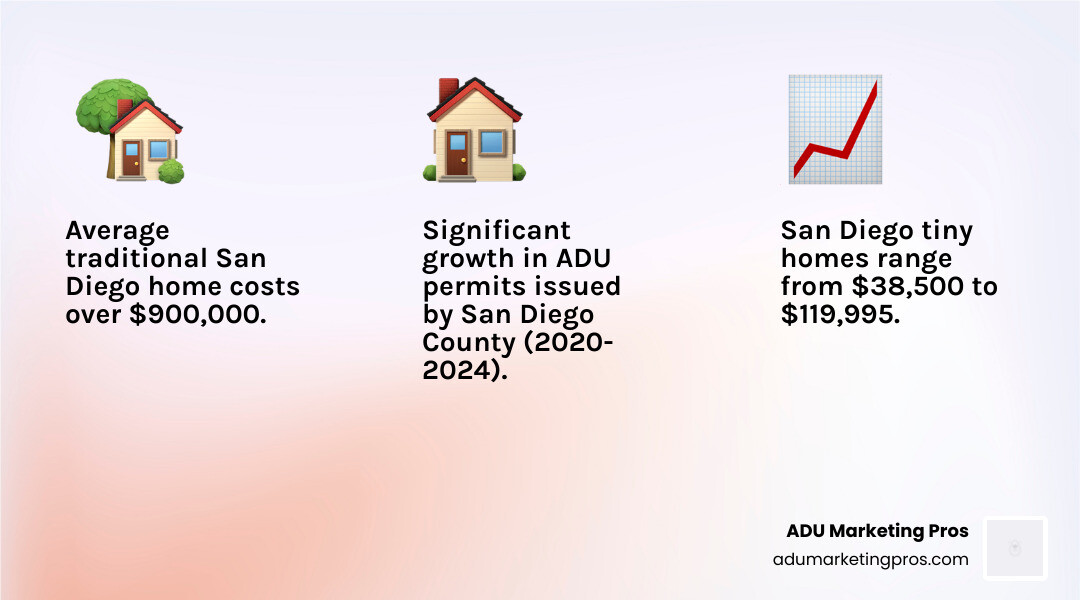
- Average Costs: $38,500–$119,995 depending on type and customization.
- Key Builders: Zen Tiny Homes, American Built Tiny Homes, Clever Tiny Homes.
- Legal Status: Both movable and permanent tiny homes are legally recognized.
The tiny home movement has gained significant momentum in San Diego. The city’s first legal movable tiny home—a 170-square-foot unit—marked a turning point in 2024, as local builders worked with officials to transform a regulatory gray area into legitimate housing options.
This shift is timely, as traditional home prices climb beyond reach for many. Tiny homes offer a practical compromise: dramatically lower costs without sacrificing access to one of California’s most desirable regions. However, navigating the scene requires understanding the differences between tiny homes on wheels and permanent ADUs, along with their unique regulations, costs, and financing. This guide covers everything you need to know to decide if San Diego’s tiny home options are right for you.
Understanding the Legal Landscape: Zoning and Regulations
The legality of tiny homes was once a major concern for enthusiasts, but San Diego City and County have since established a clear legal framework. This has created two distinct pathways for small-space living: movable tiny homes and permanent ones. Understanding which category your project falls into is crucial, as it dictates everything from design and permits to financing and placement.
Regulations for Movable San Diego Tiny Homes
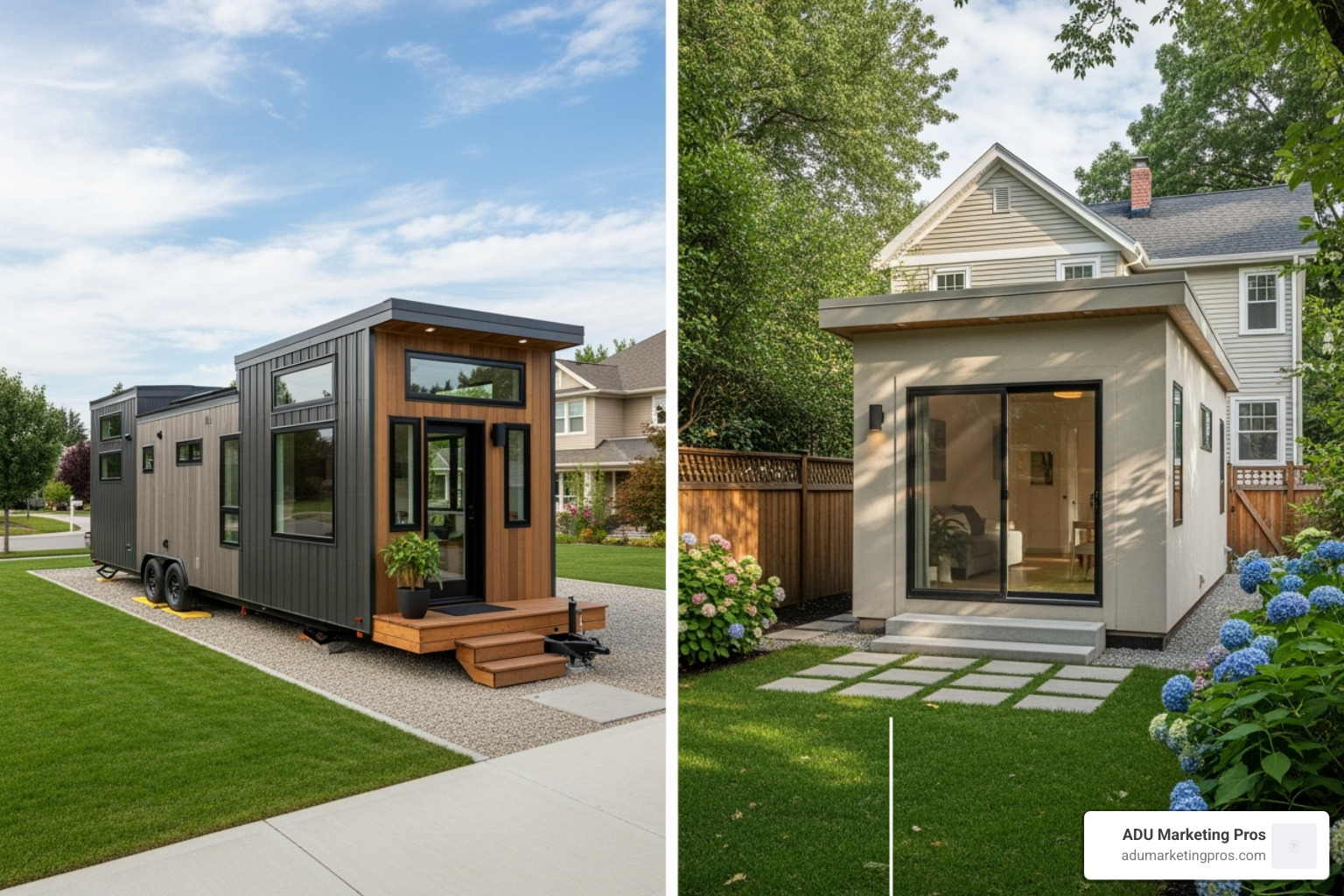
The City of San Diego defines a Movable Tiny House as a detached, transportable accessory structure on a residential lot that provides independent living facilities, including spaces for living, sleeping, and cooking. The key is that it remains transportable, typically built on a trailer chassis rather than a fixed foundation.
The creation of an official definition signals the city’s recognition of these structures as viable housing. While they must be placed on residentially zoned property as an accessory to a primary dwelling, this framework provides a legitimate path forward. For the latest requirements, consult the city’s official guidance: Movable Tiny House | City of San Diego Official Website.
Permanent Tiny Homes as Accessory Dwelling Units (ADUs)
Permanent San Diego tiny homes are typically governed by Accessory Dwelling Unit (ADU) regulations. Often called “granny flats” or “backyard cottages,” these small, permanent dwellings are strongly encouraged by California state mandates.
Thirteen cities across San Diego County, including Carlsbad, Oceanside, and Encinitas, comply with these state ADU laws, creating a welcoming environment for building. These homes must be built on a permanent foundation and meet the same building codes as traditional houses, requiring proper permits and utility connections. In return, they add significant value to your property and can provide stable rental income. For a detailed look at local requirements, see our guide on San Diego ADU Laws or explore general information at Permanent Tiny – Tiny Now.
The Key Difference: Foundation vs. Wheels
The choice between a Tiny Home on Wheels (THOW) and a permanent ADU boils down to mobility versus permanence.
-
Tiny Homes on Wheels (THOWs) are built on trailer chassis and are legally transportable. Reputable builders construct them to ANSI/NFPA certification standards, similar to Park Model RVs, which is essential for insurance and placement. They are registered with the DMV, offering the flexibility to relocate.
-
Permanent Foundation ADUs are built directly onto a concrete foundation, following local building codes. They become a permanent part of the property, which typically adds significant real estate value. This permanence also makes them easier to finance with traditional mortgages or home equity loans and to insure under a standard homeowner’s policy.
Neither option is inherently superior; they serve different goals. A THOW suits those who value mobility and lower upfront costs, while a permanent ADU is ideal for property owners looking to add value and generate rental income. Learn more about the pros and cons here: ADU vs Tiny House.
Types of Tiny Homes You’ll Find in San Diego
The beauty of the San Diego tiny homes movement is its diversity. There’s no single blueprint, allowing for a range of styles that prove downsizing doesn’t mean compromising on personality or comfort. From modern designs to rustic cabins, the customization possibilities are inspiring.
Custom-Built Tiny Homes on Wheels (THOWs)
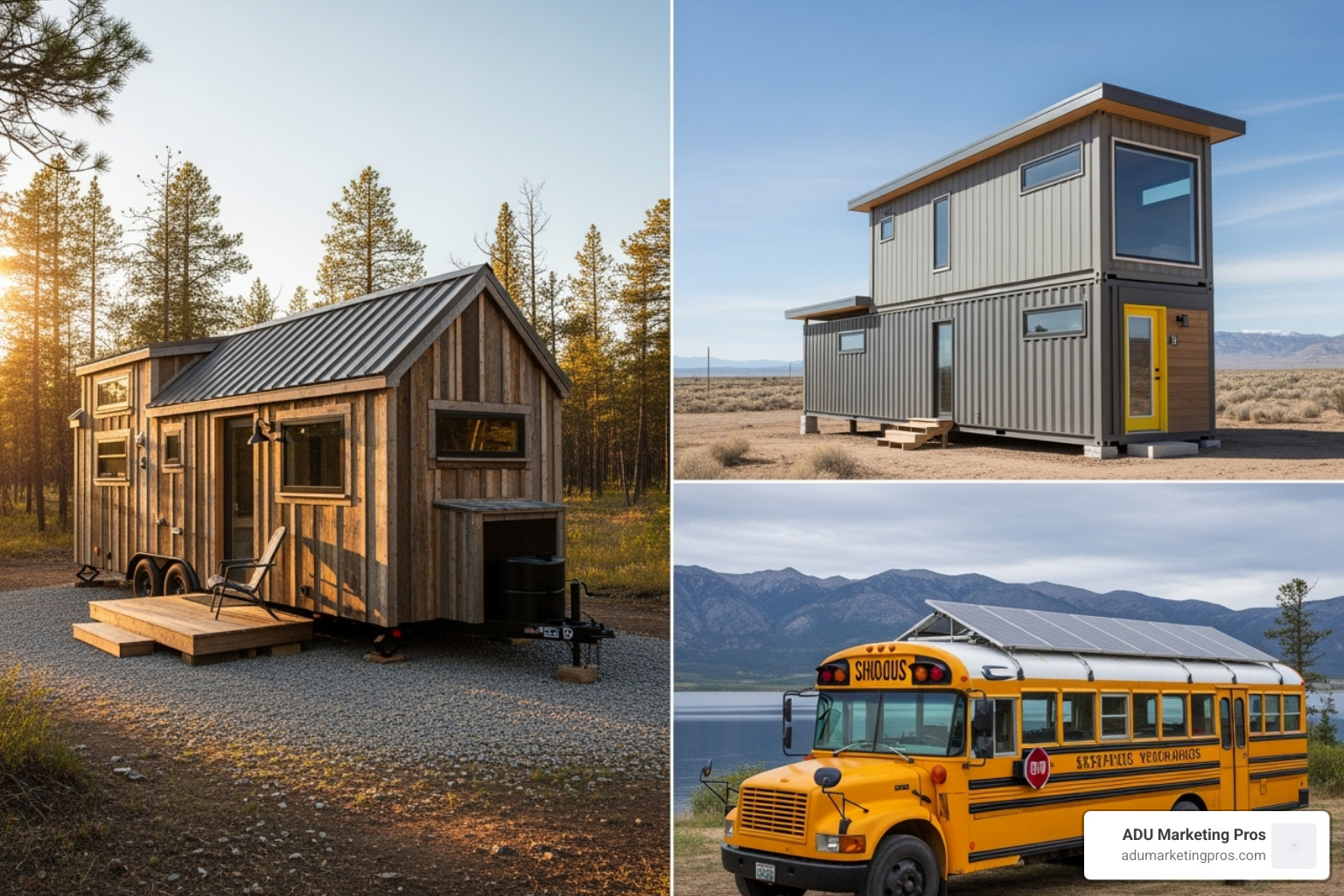
For those who value personalization and freedom, custom-built THOWs are the pinnacle of tiny living. You work directly with a builder to design every detail, from the layout to the materials. Options include durable steel framing or traditional wood framing, and many builds incorporate off-grid capabilities like solar panels and rainwater collection. Because they are mobile, these homes can follow you if you relocate. Reputable builders ensure their units meet ANSI/NFPA certification and are registered with the DMV as Park Model RVs, which is crucial for insurance and legal placement. To find a builder who understands local regulations, check out our guide: More info about Tiny House Builders in Southern California.
Prefab & Park Model Tiny Homes
If a fully custom build seems daunting, prefab and park model homes offer a streamlined alternative. These homes are constructed using assembly-line manufacturing, which significantly reduces construction time and labor costs, often resulting in cost savings of 30-40%. The trade-off is less customization, as you typically choose from standardized models. However, these designs are often highly refined, maximizing space and functionality with features like high ceilings, large windows, and clever built-ins. This path offers quality construction and predictable pricing, making the buying process straightforward.
Alternative Dwellings: Container Homes and Skoolies
The creative, upcycling side of the tiny home movement includes shipping container homes and skoolie conversions.
-
Shipping container homes repurpose industrial steel boxes into incredibly durable and modern dwellings. Their structural integrity and industrial aesthetic are popular, and the eco-friendly aspect of upcycling is a major draw. Once insulated and finished, they can be surprisingly comfortable and are well-suited for off-grid systems.
-
Skoolie conversions (retired school buses) are the ultimate DIY project. The DIY culture around skoolies is vibrant, and the result is a completely unique, mobile home. While they require significant sweat equity, the unique aesthetics and pride of ownership are immense rewards for those willing to take on the challenge.
The Cost of San Diego Tiny Homes
One of the biggest draws to tiny living is affordability, especially in a pricey market like San Diego. While San Diego tiny homes are more budget-friendly than conventional houses, it’s important to understand the full scope of the investment, including customization, site prep, and permits.
| Type of Tiny Home | Price Range (Estimated) | Pros | Cons |
|---|---|---|---|
| DIY Build (Shell) | $15,000 – $40,000+ | Most affordable, ultimate customization, learning experience | Time-consuming, requires skills, potential for unforeseen costs/delays, no professional warranty |
| Turnkey THOW (Prefab/Custom) | $38,500 – $119,995+ | Ready to move in, quality construction, professional warranty, mobility | Higher upfront cost, less customization for prefab, placement challenges |
| Permanent ADU (Tiny Home) | $150,000 – $300,000+ | Adds property value, traditional financing/insurance, easier permitting than THOW on private land | Higher upfront cost, permanent, subject to full building codes, longer build time |
| Container Home | $50,000 – $150,000+ | Durable, eco-friendly, unique aesthetic, faster build for prefab | Can be harder to permit, limited width, insulation challenges |
Average Price Range for San Diego Tiny Homes
For a completed, move-in-ready unit, expect to pay between $38,500 and $119,995.
- Entry-level options start around $38,500 for smaller, basic prefab models. For example, Zen Tiny Homes offers a 20-foot model starting at $50,000.
- Mid-range custom builds typically fall between $65,000 and $80,000 for a 24-foot THOW with a loft.
- High-end luxury units can cost $119,995 or more. This includes larger park models, like Clever Tiny Homes’ 38-foot unit, or highly customized THOWs with premium finishes.
What Influences the Final Price?
Several key factors determine your final cost:
- Size and footprint: Larger homes require more materials and labor.
- Material quality: High-end finishes like quartz countertops or premium siding increase the budget.
- Customization: Unique design elements and built-ins add complexity and cost.
- Appliances: Compact, energy-efficient, or high-end appliances can be a significant expense.
- Off-grid systems: Solar panels, composting toilets, and water filtration systems add to the upfront cost but can save money long-term.
- Labor and builder fees: Fees reflect the builder’s expertise, overhead, and certifications.
Financing and Insurance Problems
Financing and insuring a tiny home can be tricky. Traditional mortgages are generally not available for Tiny Homes on Wheels (THOWs), as banks classify them as vehicles, not real estate.
- For THOWs, common financing options include RV loans or personal loans, which often have higher interest rates and shorter terms than mortgages. Some builders offer in-house financing. Insurance typically requires a specialized RV or tiny home policy.
- For permanent ADUs, financing is more straightforward. Options include home equity loans, construction loans, or refinancing your primary mortgage. They can also be added to an existing homeowner’s insurance policy.
It’s wise to speak with lenders and insurance agents early in the planning process to understand your options and budget accurately.
Finding Your Place: Tiny Home Builders and Communities
What to Look for in a San Diego Builder
Choosing a builder is a critical decision. Look for a partner who understands your vision and the region’s unique regulations. Key factors to consider include:
- Local Code Experience: Builders like Zen Tiny Homes have worked directly with San Diego officials, which can save you time and prevent permitting headaches.
- Portfolio and Craftsmanship: Review past projects to ensure their design aesthetic and quality of work match your expectations.
- Certifications: For THOWs, ensure the builder meets ANSI/NFPA standards, as highlighted by companies like American Built Tiny Homes. This is crucial for safety, insurance, and placement.
- Custom vs. Model Homes: Decide if you prefer a fully custom design or a more affordable, standardized model.
- Client Testimonials: A builder’s reputation and reviews from past clients speak volumes about their reliability and service.
For more guidance on selecting a contractor, especially for an ADU, our resources can help: More info about San Diego ADU Contractors.
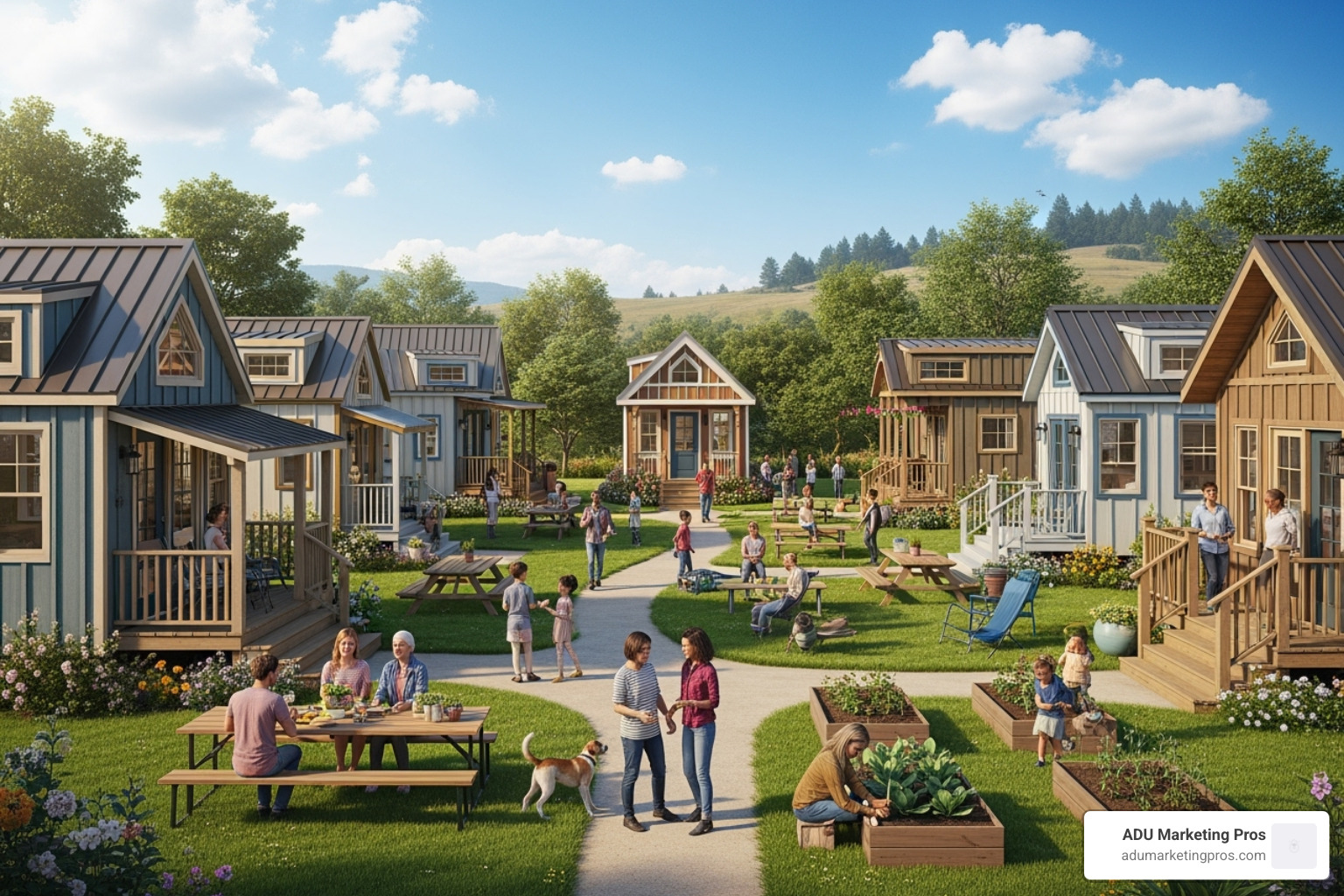
Tiny Home Communities and Initiatives
While still in their early stages, dedicated tiny home communities and initiatives are emerging in San Diego.
- Retreat-Style Living: Some developments, like Petite Maison’s North County retreat, offer a sanctuary lifestyle, blending private use with vacation rental management for an income opportunity.
- Social Impact Projects: Tiny homes are also being used to address social challenges. The Urban Corps of San Diego County partnered with Tiny Home Central to build the city’s first legal movable tiny home, providing both job training and transitional housing for students.
- Affordable Housing: Non-profits like Rise Up Residential leverage ADU laws to develop permanent affordable housing for working families, as seen in their J Street Affordable Housing Project.
Finding land for a THOW remains a challenge, but as regulations evolve, more options are expected. For those searching for land, this guide may be useful: Land for Sale in Southern California for Tiny Houses.
The Tiny Lifestyle: Pros, Cons, and Local Resources
Opting for a San Diego tiny home is more than a housing choice; it’s a lifestyle shift. It involves trading square footage for financial flexibility and simplicity, allowing for a deeper connection to the outdoor lifestyle that defines San Diego. However, this path has both significant rewards and notable challenges.
The Benefits of Tiny Living in San Diego
The advantages of tiny living extend far beyond a smaller mortgage.
- Financial Freedom: Dramatically lower housing costs free up your budget, reducing financial stress and allowing you to save, invest, or spend more on experiences.
- Lower Utility Bills: Heating and cooling a small space costs a fraction of a traditional home. Many tiny homes also incorporate off-grid features like solar panels, further reducing monthly expenses.
- Reduced Environmental Impact: Living tiny means consuming less energy, water, and materials. It’s a practical way to live more sustainably, a value many San Diegans share. Explore more in our guide to Eco-Friendly Small Homes.
- Simpler Lifestyle: With less space comes less stuff. This forces an intentional approach to ownership, freeing you from the cycle of acquiring and maintaining possessions. You gain more time for what truly matters.
- Encourages Outdoor Living: A tiny home acts as a base camp for adventure. With San Diego’s beautiful weather, your patio, backyard, or local park becomes an extension of your living space, promoting an active, healthy lifestyle.
The Challenges to Consider
It’s important to be realistic about the potential downsides of tiny living.
- Limited Space and Storage: Every item must have a purpose. While designs are clever, you will have to downsize your possessions significantly. For some this is liberating; for others, it’s suffocating.
- Zoning and Parking Complexities: Finding a legal spot for a THOW can be difficult. It requires navigating RV park rules, community guidelines, or specific land-use regulations. Permanent ADUs have fewer placement issues but their own permitting problems.
- The Downsizing Process: Sorting through a lifetime of possessions can be an emotionally draining task, forcing difficult decisions about what to keep, sell, or donate.
- Hosting Guests: Entertaining is a creative challenge. You’ll likely rely on convertible furniture or suggest nearby accommodations for overnight visitors.
- Potential Resale Questions: The tiny home market is growing but remains a niche. Selling a THOW may take longer and attract a smaller pool of buyers than a traditional home.
Essential Resources for Your Journey
You don’t have to steer the San Diego tiny homes journey alone. A growing network of resources can provide support:
- Informational Websites: Sites like Tiny Home Central offer comprehensive guidance on permitting, construction, and placement, acting as a project manager for your build.
- City Planning Departments: Your local planning department is the primary resource for ADU regulations, zoning questions, and permit requirements.
- Experienced Builders: Local builders who know San Diego’s codes are invaluable. Their expertise can help you avoid costly mistakes and steer the regulatory landscape.
- Community Projects & Advocacy Groups: Following projects like the Urban Corps initiative and connecting with local groups can provide real-world insights, practical advice, and community support.
Conclusion
The journey into San Diego tiny homes is an exciting one, offering a path to financial freedom, sustainable living, and a unique connection to our coastal city. We’ve covered the evolving legal landscape for movable and permanent tiny homes, the diverse types and costs, and the vital role of local builders and communities.
San Diego’s growing acceptance of tiny homes, driven by housing needs and a desire for minimalism, makes the dream of a smaller, smarter home more attainable than ever. Whether you’re drawn to the mobility of a THOW or the stability of an ADU, the resources and expertise exist to guide you.
At ADU Marketing Pros, we specialize in helping construction and architecture firms connect with people like you who are ready to embrace innovative housing. If you’re considering a permanent tiny home as an ADU, partnering with the right builder is crucial. We encourage you to continue your research and take the next step toward a lifestyle that prioritizes experiences over square footage.
Learn how to find the right ADU contractor for your San Diego project