
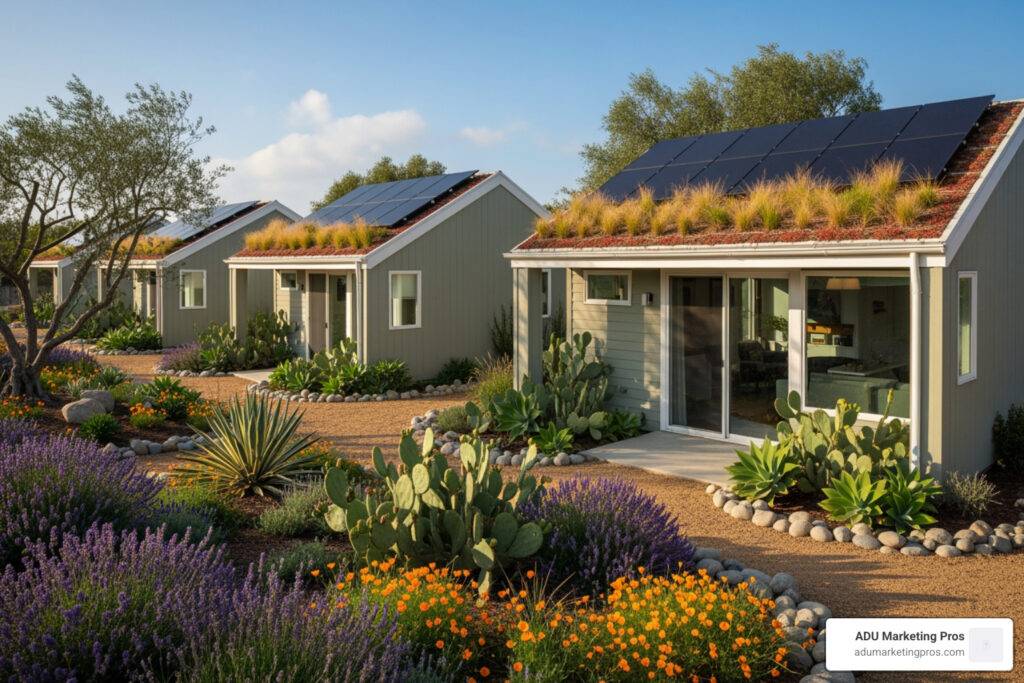
Why Small Green Houses Are Changing Southern California Living
Small green houses are awesome to live in southern california all builders are revolutionizing how Californians approach homeownership. If you’re searching for sustainable, affordable housing options, here’s what you need to know:
Quick Answer: Top Builder Categories in Southern California
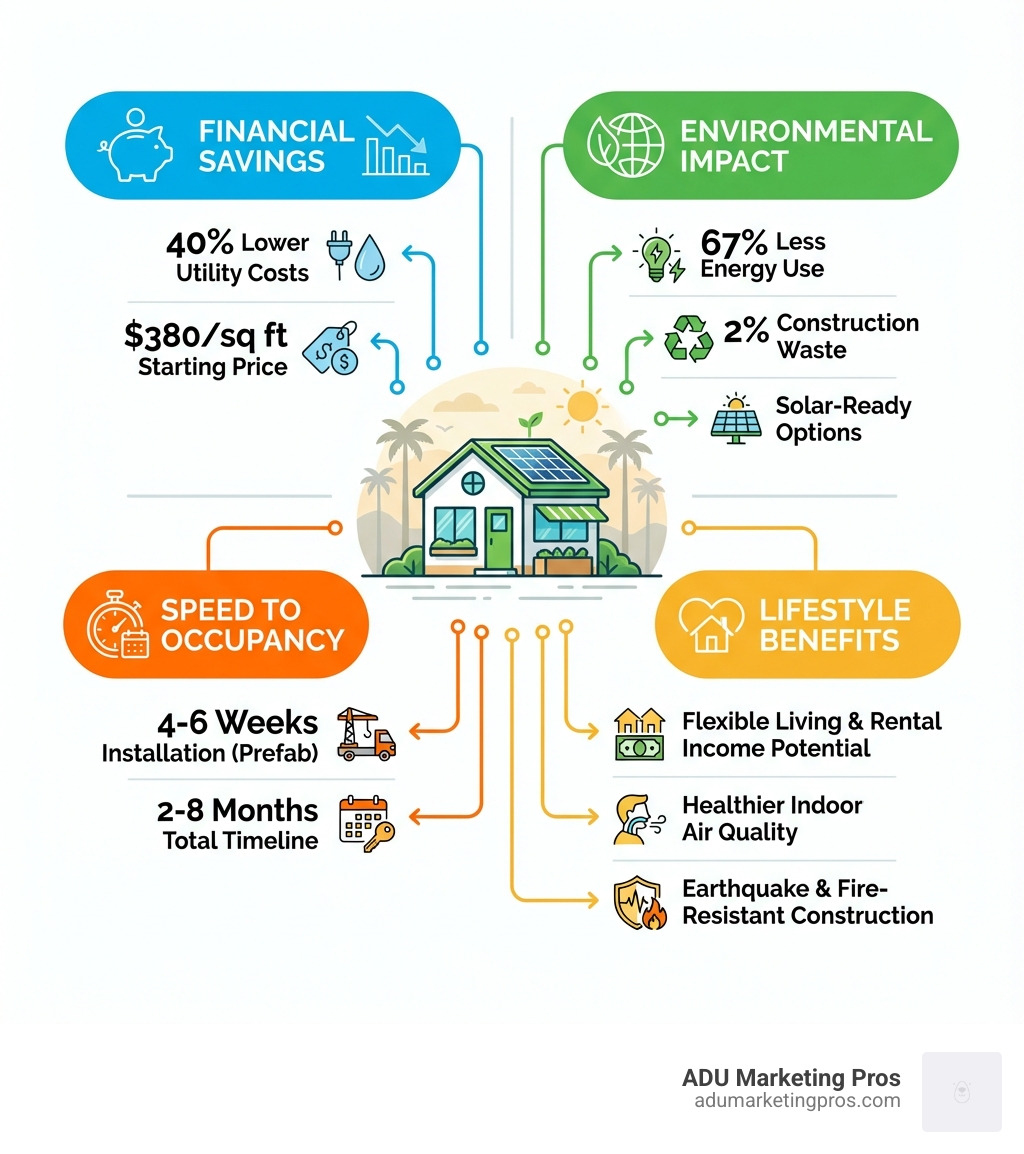
- Prefab/Modular Specialists – Factory-built homes with 67% less energy use and 2% construction waste (vs. 20% traditional)
- ADU Experts – Backyard dwelling specialists navigating California’s streamlined ADU laws
- Tiny Home Artisans – Custom builders creating homes under 500 sq ft, often mobile or off-grid capable
- Green Architects – Designers integrating passive solar, sustainable materials, and site-specific solutions
Price Range: $30,000 (basic tiny home shell) to $460,000+ (premium modular home)
Timeline: 2-8 months from design to move-in
The Southern California dream is evolving. It’s no longer just about sprawling estates but about smart, sustainable, and intentional living.
Small green houses offer a powerful solution to the region’s housing affordability crisis while championing an eco-conscious lifestyle. With housing costs soaring and environmental concerns mounting, these compact homes deliver measurable benefits: lower utility bills, reduced environmental impact, and freedom from crushing mortgages.
This guide is your comprehensive resource for navigating this exciting movement. Whether you’re a homeowner exploring options or a builder looking to understand what clients want, you’ll find the different types of small green homes available, what separates exceptional builders from average ones, and how to steer the complex permitting landscape of Southern California.
The research is clear: homes built with green materials and modern techniques use 67% less energy than traditional construction. Factory-built modular homes generate only 2% waste compared to 20% for stick-built homes. These aren’t just nice-to-have features—they’re game-changers in a state facing water scarcity, wildfire risk, and energy grid challenges.
From solar-ready ADUs with R34 spray foam insulation to custom tiny homes with rainwater recycling systems, the options are more diverse and accessible than ever before. Recent California legislation has removed many barriers to ADU construction, while advances in prefab technology have made high-quality, customizable homes more affordable.
Small green houses to live in southern california all builders terms made easy:
The “Why”: Unpacking the Benefits of a Small Green Home in SoCal
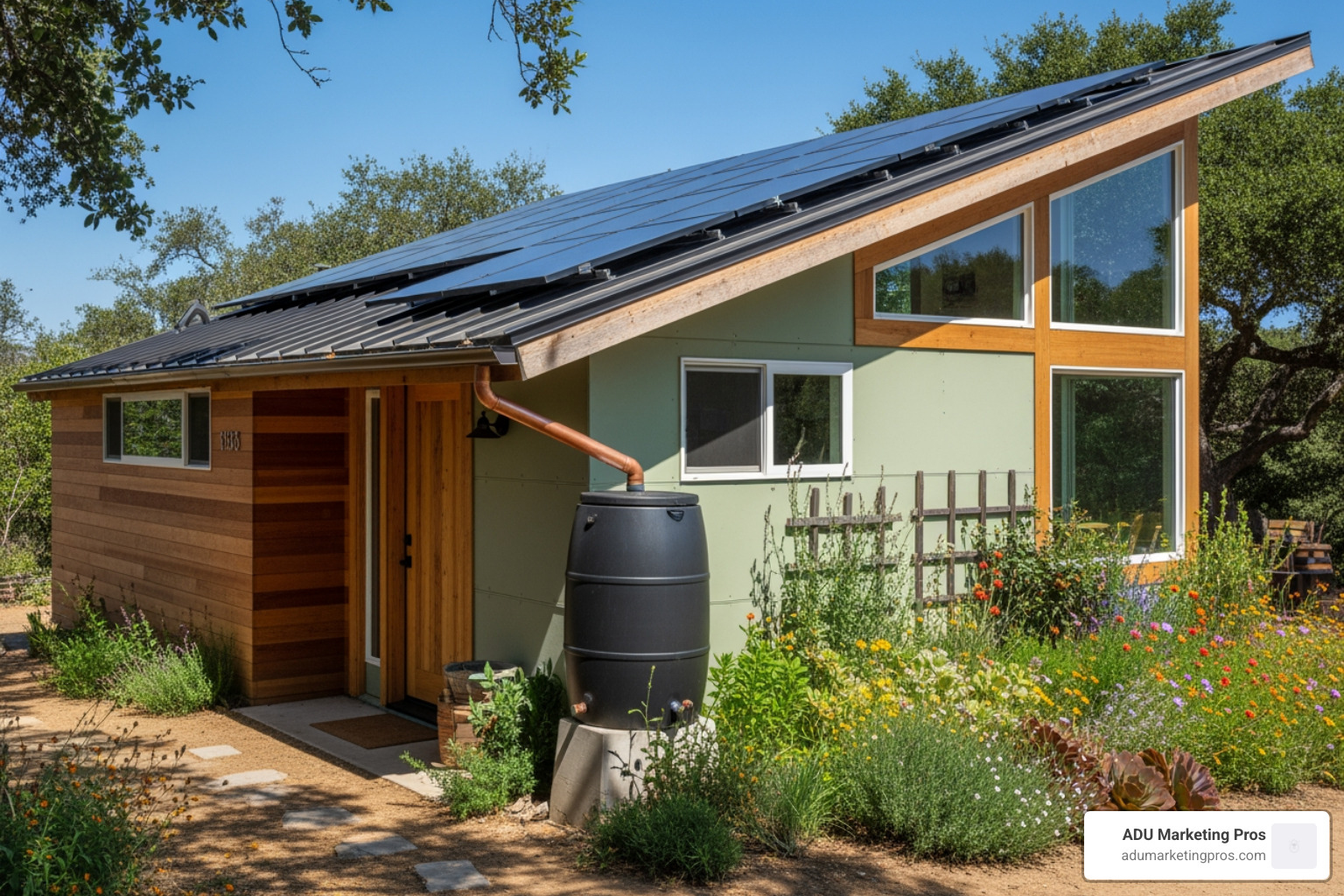
Choosing a small green home in Southern California is a decision that benefits your wallet, your well-being, and the planet. In a region known for its high cost of living and environmental challenges like droughts and wildfires, this housing model presents a logical and inspiring path forward. These homes are designed not just to be smaller, but smarter, incorporating features that lead to significant long-term savings and a healthier living environment.
Environmental Advantages of a Smaller Footprint
The core of a “green” home is its minimal environmental impact. Many builders now use advanced techniques and materials that drastically cut down on construction waste—some modular builders report as little as 2% waste compared to 20% in traditional builds. This is a massive reduction, minimizing landfill contributions and conserving resources. Features like high-performance insulation, optional solar arrays, and water-saving fixtures mean your home consumes significantly less energy and resources. For example, some homes are built with R34 spray foam closed cell insulation, dramatically increasing thermal performance. Many also incorporate solar panels, or are solar-ready, leading to significant energy savings and even potential net-positive energy generation.
We find that these homes are often built with green, eco-friendly, and fire-retardant materials, providing a crucial layer of safety in wildfire-prone areas of Southern California. Designs can include systems to recycle water from faucets to irrigate gardens, further reducing water consumption. This commitment to sustainability is perfectly captured in innovative designs like the Project Green Home by Arkin Tilt Architects, which showcases how architectural brilliance can merge with ecological responsibility. If you’re passionate about reducing your carbon footprint, exploring Eco-Friendly Small Homes is a fantastic starting point.
Financial and Lifestyle Perks
A smaller home naturally requires less energy to heat and cool, leading to dramatically lower monthly utility bills. Compared to traditional homes, many small green residences use 67% less energy. The durable, high-quality materials used in many green homes also mean less time and money spent on maintenance. Imagine a home that takes less than an hour to clean, as some tiny home owners report! This translates to significant savings over the lifetime of the home.
Beyond the savings, embracing a smaller living space encourages a more intentional lifestyle, freeing you from the burden of a large mortgage and excessive material possessions. This flexibility allows for more financial freedom to travel, invest, or simply enjoy the vibrant Southern California lifestyle. In a market where high rents and housing prices are the norm, tiny homes, with build costs potentially ranging from $30,000 to $60,000, offer a much more affordable entry point into homeownership. This makes them an attractive solution for young professionals and older adults alike. For those considering Sustainable ADU Designs, the financial benefits often extend to potential rental income, further enhancing affordability and investment returns.
Decoding Your Options: Types of Small Green Houses
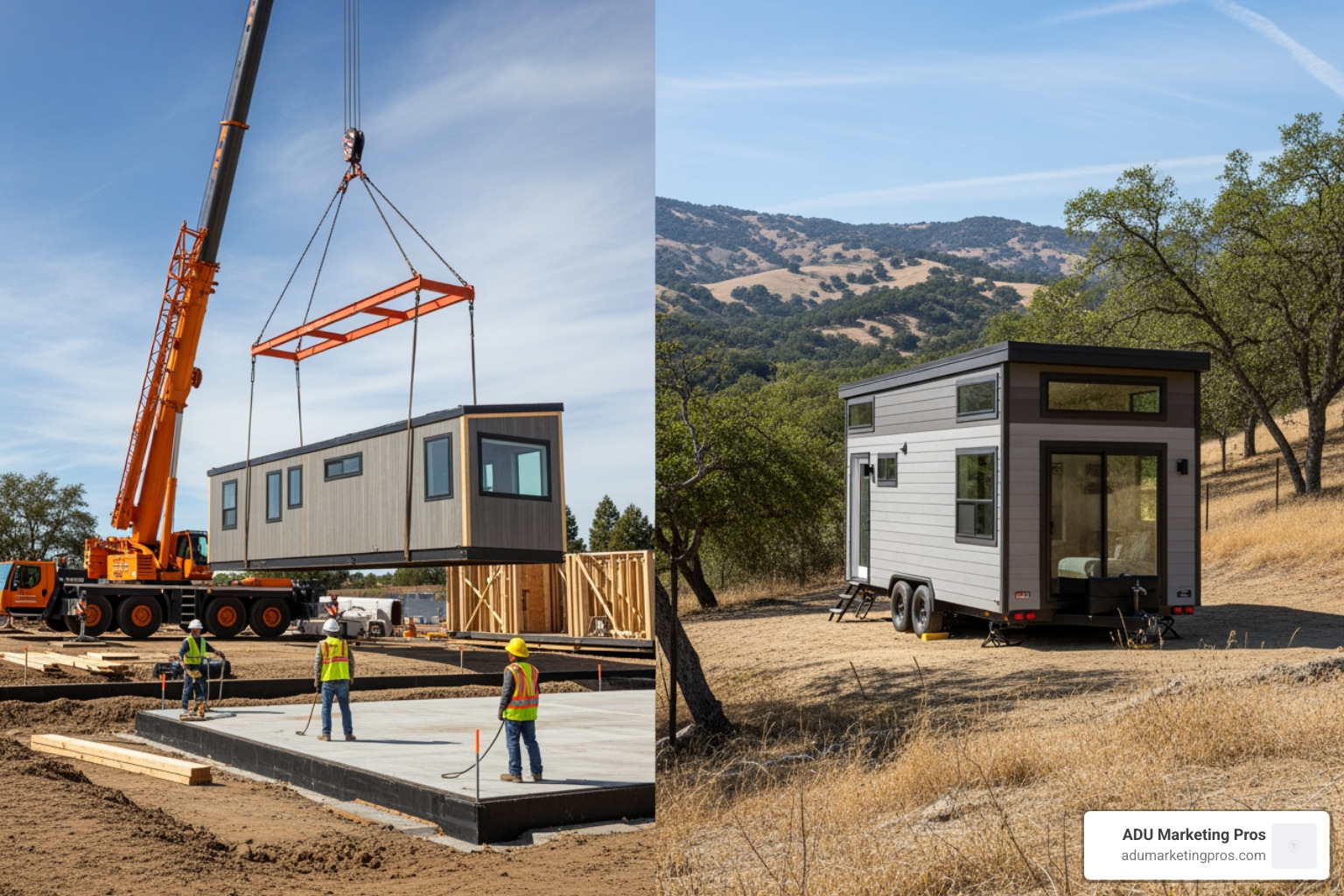
The term “small green house” encompasses a variety of innovative housing types. Each offers a unique set of advantages, and the right choice for you will depend on your budget, location, and lifestyle goals. Understanding the differences is the first step toward finding your perfect match among small green houses to live in southern california all builders.
Prefab & Modular Homes: Factory-Built Precision
Built in sections (modules) in a climate-controlled factory, these homes are then transported to your site and assembled. This process ensures higher quality control, faster build times, and minimal weather delays. Because they are engineered structures, they are often designed to be exceptionally resilient to forces of nature like earthquakes, wind, and fire—a crucial feature in California. Companies like Roof and Field, for instance, build their modular homes with steel frames and design them to mitigate these natural forces. They also boast 98% recyclable materials and 2% waste compared to 20% in traditional construction.
This method allows for homes to be built in less than half the time of traditional construction, with some taking as little as 120 days. Many components like cabinets, windows, and door systems are pre-fabricated, leading to greater precision. For those looking at Prefab Homes in San Jose, California – Impresa Modular, these benefits are clear: factory-built precision translates to a durable, energy-efficient, and quickly deployable home.
Accessory Dwelling Units (ADUs): Maximizing Your Property
An ADU is a secondary housing unit built on a single-family residential lot. Thanks to recent changes in California law, building an ADU is easier than ever. State laws, as of 2020, even prohibit HOAs from interfering with ADU construction, and often require only a 4-foot setback from property lines. They are a fantastic solution for homeowners looking to generate rental income, house aging parents, or create a private home office.
ADUs are often built with top-tier energy efficiency and optional solar arrays, reducing reliance on the grid. While an ADU itself will be assessed for tax purposes, California state law has announced that ADUs will not trigger a reassessment of the entire home value. This makes them a smart investment that adds significant value and utility to your existing property. For example, Sunflow offers various ADU models, from studios starting around 350 sq ft to 2-bedroom units up to 795 sq ft, with advanced tech specs and energy-efficient designs. Exploring an Eco-Friendly ADU can be an excellent way to boost your property’s value and sustainability.
Tiny Homes: The Ultimate in Minimalist Living
Tiny homes, typically under 500 square feet, are the poster child for the minimalist living movement. They can be built on a permanent foundation or on a trailer (THOW), offering unparalleled mobility. This makes them a popular choice for those who crave a nomadic lifestyle or want the flexibility to move their home in the future. Many are designed with off-grid capabilities, incorporating features like composting toilets and solar power systems.
Builders like Tiny Topanga in Los Angeles and Zen Tiny Homes in San Diego specialize in crafting these compact dwellings, often with high-end finishes and smart space-saving solutions. Many tiny homes are registered as RVs or mobile homes, which can exempt them from some traditional taxes and regulations. However, it’s crucial to check local zoning laws, as regulations for placing them can vary. For those interested in exploring options, Tiny Homes For Sale In California – Zook Cabins offers a range of models.
Your Guide to Small Green Houses to Live in Southern California: All Builders & How to Vet Them
Finding the right builder is the single most important decision you’ll make when looking for small green houses to live in southern california all builders. The ideal partner won’t just construct a house; they’ll understand your vision for a sustainable, efficient, and beautiful home. They will be your guide through the complexities of design, permitting, and construction in Southern California.
What to Look for in Southern California Green Home Builders
Look for a builder with a proven track record in Southern California. They should have a deep understanding of the region’s unique building codes, climate considerations, and permitting processes. A great builder will be transparent about their pricing, offer a portfolio of completed green projects, and have glowing testimonials from past clients. Ask them about their material sourcing, waste management practices, and the specific green certifications they work with, such as LEED, Passive House, or Net Zero Energy standards.
Their expertise in local regulations and sustainable building practices is paramount. We recommend seeking out those who prioritize energy efficiency, use eco-friendly and durable materials, and can demonstrate their commitment to reducing environmental impact. Our guide to Tiny House Builders in Southern California offers more insights into vetting these specialized professionals.
Vetting builders of small green houses to live in southern california
When exploring small green houses to live in southern california all builders, you’ll encounter various specializations. Understanding these archetypes can help narrow your search:
- The Custom Tiny Home Artisan: These builders specialize in crafting unique, often one-of-a-kind tiny homes. They are perfect for clients who want a high degree of personalization and handcrafted detail, whether on wheels or a permanent foundation. Look for builders like Tiny Topanga in Los Angeles, who showcase bespoke projects with luxury finishes and innovative designs. Zen Tiny Homes in San Diego is another example known for custom solutions.
- The Prefab/Modular Innovator: These companies focus on efficiency, technology, and scalability. They offer a range of pre-designed models that can often be customized. They are a great choice for those who value speed, cost-effectiveness, and modern design. Builders such as Roof and Field, who produce steel-framed modular homes in California, and Impresa Modular, serving areas like San Jose, exemplify this approach, offering advanced energy efficiency and rapid construction. Sunflow, although noting “Northern California” in one of their pages, explicitly states their designs can be built “anywhere in California,” making them a relevant prefab provider for our Southern California locations.
- The ADU Specialist: With the ADU boom, many builders now focus exclusively on designing and building backyard homes. They are experts in navigating local ADU regulations and maximizing small spaces for rental income or multi-generational living. Companies like Roof and Field and Sunflow offer comprehensive ADU solutions custom for the California market.
- The High-End Green Architect: For a truly custom, site-specific green home, an architect is invaluable. They can design a home that perfectly integrates with your land and maximizes passive solar, natural ventilation, and other green strategies, as seen in stunning examples like this Green House by S^A | Schwartz and Architecture. While not a builder, these architects collaborate closely with builders to realize unique, sustainable visions.
Finding architects who design small green houses to live in southern california
While many builders offer design services, partnering with an architect can lift your project to the next level. An architect can create a home that is not only beautiful but also supremely functional and energy-efficient. They are experts at site analysis, ensuring your home takes full advantage of sun, shade, and breezes to reduce energy needs. They can integrate complex green technologies and passive solar design principles from the ground up, creating truly unique and high-performance dwellings. If you have a unique piece of land or a very specific vision for your small green home, an architect can be your most valuable ally. For more insights, refer to Architects in Southern California Who Design Tiny Houses.
The Building Process: From Blueprint to Backyard
The journey to your small green home involves several key stages, from navigating local laws to securing financing. While a good builder will guide you, understanding the process empowers you to make informed decisions every step of the way.
Navigating Regulations: Zoning and Permits in SoCal
This is often the most daunting step. Regulations can vary dramatically between cities and counties in Southern California, including Los Angeles, San Diego, and the greater Bay Area. State laws have streamlined the process for ADUs, making them easier to permit, but tiny homes (especially on wheels) can fall into a gray area. Many cities have standard exemption sizes for ancillary buildings (often around 200 sq ft) that may not require a full building permit. Tiny homes on wheels are sometimes treated as RVs, which have different regulations.
The first and most important step is to contact your local planning and zoning department to understand the specific rules for your property. This is crucial before you even think about buying land or signing a contract. If you’re starting from scratch, you’ll also need to find the right plot of Land for Sale in Southern California for Tiny Houses. For more information on where tiny houses are permitted, check out Places in Southern California That Allow Tiny Houses.
Budgeting for Your Build: Understanding the Costs
The cost of a small green home can range widely. For instance, a basic tiny house shell might start as low as $30,000, while a high-end, multi-bedroom modular home could exceed $460,000. It’s crucial to understand what’s included in a builder’s quote. “Turnkey” pricing typically covers everything from design to installation and finishes, while a “shell” price may only include the basic structure, allowing you to save money by doing interior work yourself (e.g., up to $9,500 savings with some builders).
Don’t forget to budget for additional costs like permits, site preparation (grading, foundation, utility trenching), and utility connections (water, sewer/septic, electricity). These can significantly add to the overall project cost.
| Cost Factor | Modular Homes (ADUs/Prefab) | Tiny Homes on Wheels (THOWs) |
|---|---|---|
| Base Price | $195,000 (studio ADU) – $460,000+ (multi-bed modular home) | $30,000 (shell) – $118,000+ (custom 10×30 THOW) |
| Cost per sq. ft. | ~$380 – $550+ | ~$200 – $400+ (depending on customization) |
| Site Prep | Moderate to High (foundation, grading, utility trenches) | Low to Moderate (leveling, utility hookups, pads) |
| Utility Connections | Moderate to High (permanent hookups, new meters) | Low to Moderate (RV-style hookups, portable tanks possible) |
| Permits & Fees | Moderate to High (full building permits, impact fees) | Low to Moderate (depends on classification, some exemptions) |
Timeline, Customization, and Financing Your Dream
The timeline can vary widely based on the type of home and customization. A simple, pre-designed prefab home might be ready in as little as two months, while a fully custom home can take eight months or more, especially if there are permitting delays. For example, some modular builders cite 6-8 months for a full project with permits, or 60 days without permits. Simple 8.5×20 tiny homes can be ready in two months, with custom projects taking longer.
Most builders offer a range of customization options for finishes, fixtures, and layouts. For instance, companies like Roof and Field allow for custom colors, trims, and even ADA accessibility. When it comes to financing, options include traditional construction loans (often for ADUs or foundation-based modular homes), home equity loans, personal loans, or even RV loans for certified THOWs. Some builders partner with third-party lenders, like Hearth.com, which can offer up to $100,000 in funding within 1-3 days for your project. For quick monthly payment solutions, check out Quick Monthly Payment Solutions for Your Project .
Frequently Asked Questions about Small Green Homes in SoCal
Are small green homes earthquake and fire-safe?
Yes, absolutely. Many modern small homes, especially modular and prefab units, are built with steel frames and fire-retardant materials. This is a critical consideration in Southern California. Builders like Roof and Field specifically design their homes to mitigate forces of nature such as wind, fire, and earthquakes. They use materials like steel which is more resistant to fire, mold, and termites compared to wood. Furthermore, these homes are engineered to meet or exceed California’s stringent building codes for seismic and fire safety, making them highly resilient and offering peace of mind to homeowners.
Can I really go off-grid in Southern California?
It is certainly possible, but requires careful planning and compliance with local regulations. A successful off-grid setup typically involves a robust solar panel and battery system for electricity, a rainwater harvesting and filtration system for water, and a composting or incinerating toilet for waste. Companies like Domestead are built around this philosophy of sustainable, self-sufficient living, allowing homeowners to disconnect from fossil fuels and plug into nature. Some tiny home builders offer options for gray water recycling systems, further enhancing self-sufficiency. Always check with your local authorities about specific requirements for off-grid systems, as these can vary.
How “green” are these homes, really?
They are significantly greener than traditional homes. The combination of a smaller size, superior insulation (such as R34 spray foam closed cell insulation), energy-efficient appliances (often Energy Star-rated), and optional solar power drastically reduces their carbon footprint. Many builders incorporate smart home technology for lights, doors, windows, and air conditioning, optimizing energy use. Furthermore, the factory-build process of modular and prefab homes minimizes construction waste—some achieving as low as 2% waste compared to 20% in traditional builds—preserving resources and reducing environmental impact. These homes are designed to be energy-efficient, use sustainable materials, and often include water-saving features like low-flow plumbing and water recycling systems, making them genuinely eco-friendly.
Conclusion: Building a Sustainable Future in Southern California
The shift toward small green houses to live in southern california all builders represents more than a trend; it’s a thoughtful response to the economic and environmental realities of living in Southern California. These homes offer a path to homeownership that is more affordable, sustainable, and aligned with a lifestyle of freedom and intention. The key to open uping this dream lies in finding a builder who shares your vision and has the expertise to execute it flawlessly. By doing your research and asking the right questions, you can build a home that is not only a beautiful place to live but also a positive force for the future.
For builders looking to connect with clients passionate about sustainable living, showcasing your green projects is essential. Standing out in this competitive market requires a strategy that highlights your expertise and commitment to quality.
Ready to explore the builders shaping the future of housing in California? Dive into our comprehensive guide on Tiny House Builders California.