Why Tiny Home Kits Are Changing Affordable Housing
Tiny home kits offer a practical and empowering path to homeownership, bypassing the soaring costs and daunting complexity of the traditional construction market. As the tiny house movement evolves from a niche interest into a mainstream housing solution, these kits are emerging as a financially accessible and environmentally responsible alternative for a growing number of people. The convergence of economic pressures, a desire for a minimalist lifestyle, and a greater awareness of environmental impact has created the perfect storm for this housing revolution.
Quick Overview: Tiny Home Kits at a Glance
- Price Range: Starts from as low as $25,600 for basic, compact kits (around 192 sq. ft.) and can go up to $117,900 or more for expansive, multi-room models (exceeding 1,700 sq. ft.).
- Assembly Time: Most kits can have their structural shell completed in under five weeks, a timeline that is nearly half that of conventional, on-site construction, reducing labor costs and carrying fees.
- Energy Savings: Thoughtful design and modern materials mean these homes use 2-3 times less energy for heating and cooling compared to traditional American homes, leading to significant long-term utility savings.
- What’s Included: Kits typically provide the core structural components, including pre-cut and numbered framing materials, structural insulated panels (SIPs), roof trusses, sheathing, all necessary assembly hardware (screws, bolts, fasteners), and highly detailed, step-by-step instructions.
- What’s Not Included: Buyers are responsible for securing and building the foundation, purchasing and installing windows and doors, and completing all utility systems (plumbing, electrical, HVAC). All interior finishes—from drywall and flooring to cabinets and paint—are also separate.
- Skill Level Required: A successful DIY build requires basic carpentry skills, comfort with power tools, the ability to read and follow detailed plans, and a healthy dose of patience and problem-solving.
These kits effectively transform the complex art of home construction into a more manageable, large-scale assembly project. Companies meticulously pre-cut, label, and package all the structural components, shipping them directly to your building site. The appeal is undeniable: you gain the ability to build your own home without the constant need for expensive, specialized labor, potentially move in within a matter of weeks instead of months, and enjoy substantial long-term energy savings. Whether you envision a primary residence, a backyard accessory dwelling unit (ADU) to generate rental income or house family, or a secluded weekend retreat, tiny home kits make the dream of ownership tangible and achievable.
For construction and architecture professionals, this burgeoning market represents a significant and expanding opportunity. As housing regulations across the country, and particularly in states like California, continue to evolve to favor smaller dwellings, tiny home kits offer clients a proven, streamlined path to ownership. This opens up new and profitable revenue streams for builders who can specialize in kit assembly, provide finishing services for DIYers, or act as general contractors to manage the entire project from permitting to final inspection.
The Core Benefits: Why Choose a Tiny Home Kit?
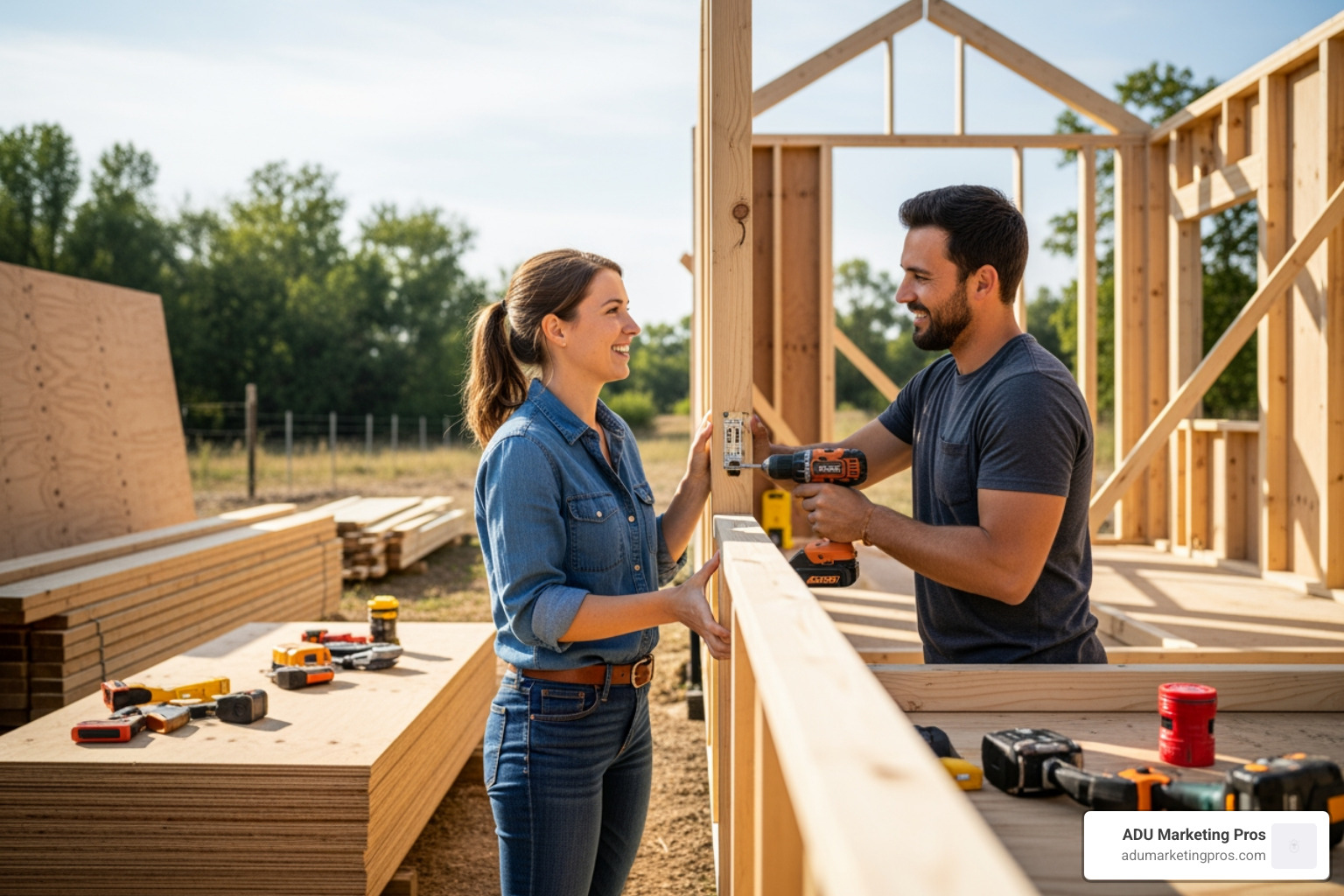
Choosing a tiny home kit over traditional construction methods offers a powerful combination of compelling advantages in cost, time, and sustainability. These kits are designed to empower individuals and families, providing them with the tools and materials to achieve their housing dreams with far greater ease and financial affordability than ever before.
Significant Cost Savings
The most immediately attractive aspect of tiny home kits is the dramatic reduction in cost. With shell kits starting as low as $25,600 for a 192 sq. ft. model, the barrier to entry for homeownership is significantly lowered. The primary savings are realized through several key areas. First, design and architectural fees are largely eliminated, as the engineering is already part of the kit package. Second, the need for expensive, specialized labor is minimized, allowing for substantial DIY involvement. For a tangible example, a 192 sq. ft. kit with a base cost of around $25,213 could have a final DIY finished cost of approximately $63,033. In contrast, hiring a builder to finish the same kit could push the total cost to over $100,000, which is still often a fraction of a traditionally built home in many markets.
Beyond the initial construction, the financial benefits continue for the life of the home. The smaller physical and carbon footprint translates directly to lower recurring expenses. Property taxes are typically lower due to the smaller assessed value. Homeowners’ insurance is more affordable. Most importantly, utility bills are drastically reduced. The highly efficient designs and materials can result in using 2-3 times less energy for heating and cooling, leading to ongoing monthly savings and relieving long-term financial strain. If you’re in the market for Small Houses for Sale, investing in a kit to build your own can be one of the smartest financial decisions you make.
Faster and Simpler Construction
In construction, time is unequivocally money, and tiny home kits are designed to save you both. The pre-fabricated nature of the components is the key to this efficiency. All the parts arrive at your site pre-cut, drilled, and labeled, ready for assembly. This factory-controlled process eliminates the on-site delays caused by weather, material delivery issues, or cutting mistakes. As a result, the construction timeline is dramatically accelerated. Many kit shells can be assembled and made weather-tight in under five weeks—nearly half the time required for conventional stick-built methods. This simplicity is a massive draw for DIY enthusiasts. The process is demystified, with step-by-step instructions and labeled parts transforming a daunting task into a manageable project for anyone with basic carpentry skills and the ability to follow a plan.
Sustainability and Eco-Conscious Living
For those committed to living a more sustainable and eco-conscious lifestyle, tiny home kits are a natural fit. Their very nature promotes a reduced environmental footprint. A smaller home requires fewer raw materials to build, disturbs less land during construction, and consumes significantly less energy over its lifetime. The prefabrication process that makes them efficient also makes them green; manufacturing in a controlled factory setting drastically minimizes construction waste compared to on-site building, where excess materials are often sent to a landfill. Furthermore, many manufacturers prioritize the use of high-performance, sustainable materials. Structural Insulated Panels (SIPs) create an incredibly airtight and well-insulated building envelope, while durable, recyclable steel frames offer longevity. These modern materials not only boost energy efficiency but also align perfectly with the core principles of Eco-Friendly Small Homes.
Navigating the World of Tiny Home Kits
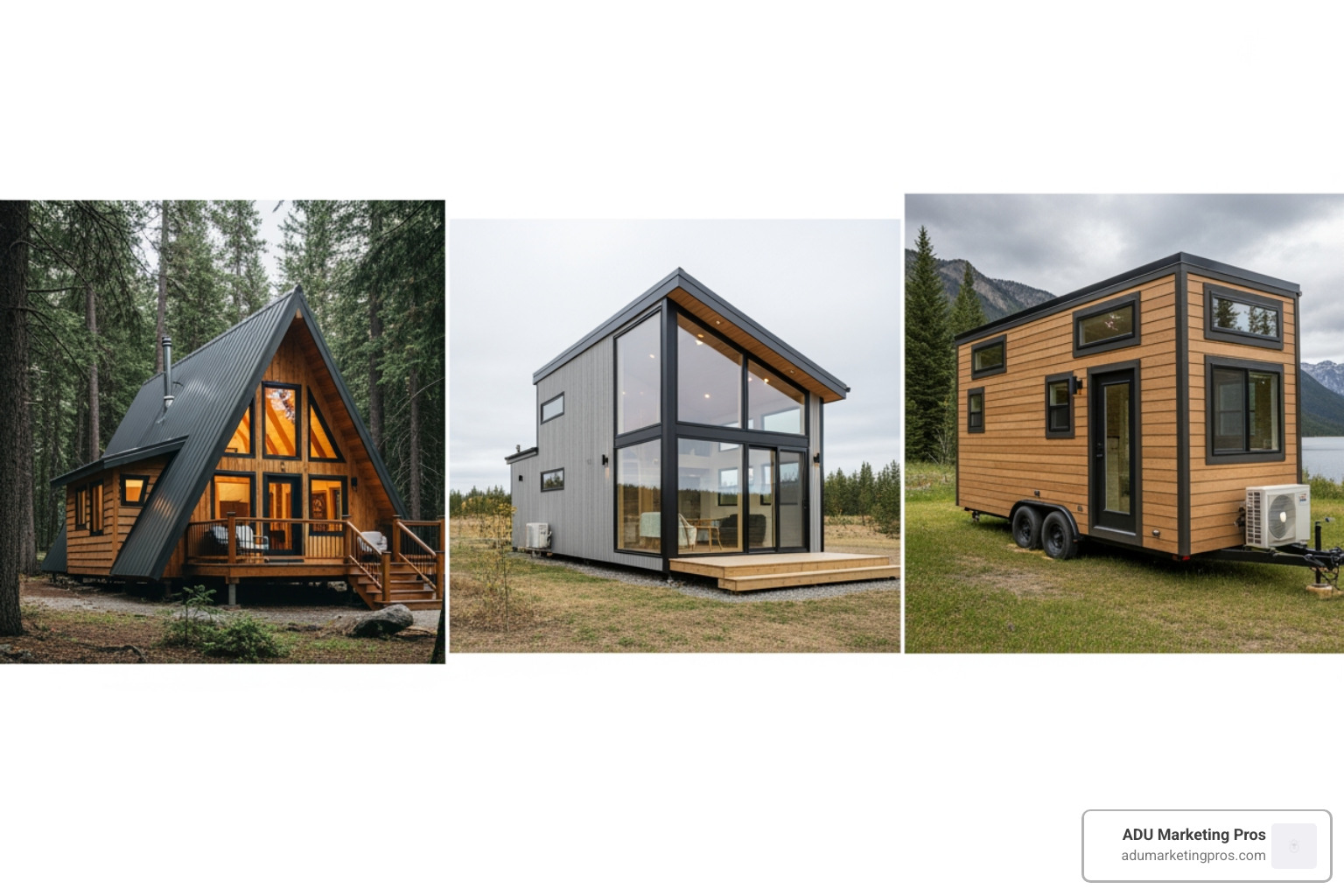
The market for tiny home kits is wonderfully diverse, offering a style and solution for nearly every aesthetic preference, budget, and practical need. From rustic cabins to ultra-modern dwellings, understanding the different types available, their associated costs, and exactly what’s included in a purchase is the crucial first step toward making an informed and successful decision.
Common Types of Kits Available
- A-Frame Kits: These iconic, triangular homes are beloved for their steep rooflines, which are excellent for shedding snow, and their soaring vaulted ceilings that create a surprisingly spacious and airy interior. They offer a rustic, cabin-like charm but can have limited vertical wall space for hanging art or placing tall furniture.
- Modern & Contemporary Kits: Characterized by clean lines, flat or shed roofs, minimalist design principles, and extensive use of glass (like floor-to-ceiling windows), these kits offer a sophisticated, light-filled living experience. They often prioritize open-concept layouts and seamless indoor-outdoor connections.
- Traditional Cottage & Ranch Kits: For those who prefer classic comfort, these kits evoke a timeless, homey feel. They feature familiar elements like gabled roofs, covered porches, and more conventional room layouts, making them an easy transition for those downsizing from a larger, traditional home.
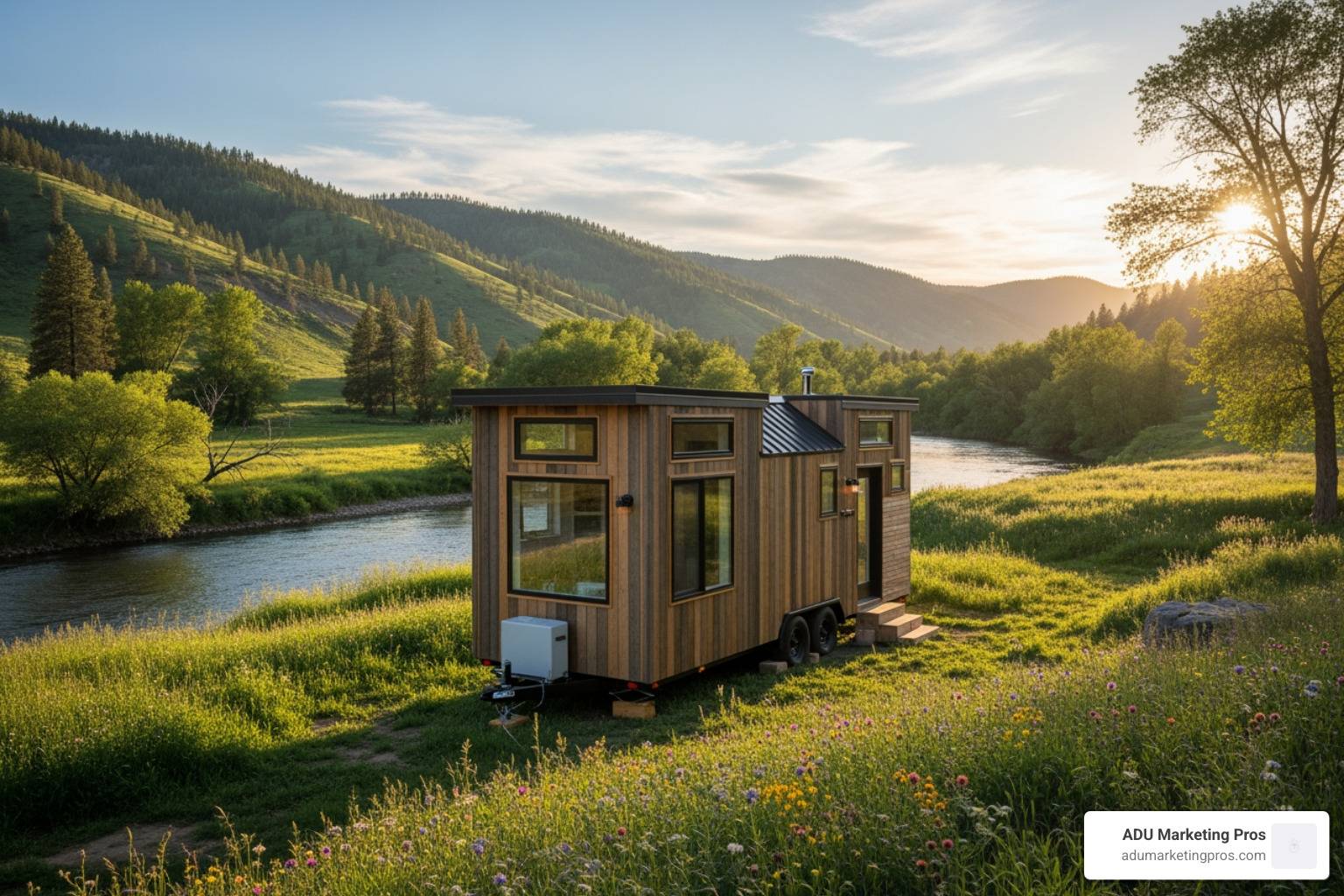
- Tiny Homes on Wheels (THOW) Kits: Specifically designed for mobility, these kits are engineered to be built on specialized trailers. The designs must account for weight distribution, road vibrations, and height/width restrictions, making them a unique category of construction.
- Steel Frame Kits: Known for their exceptional durability, precision, and strength-to-weight ratio, steel frame kits are a robust and long-lasting option. They are naturally resistant to pests like termites, as well as fire and rot, making them a low-maintenance choice, especially in harsh climates.
- Wood Frame Kits: The traditional choice for residential construction, wood frame kits remain popular for their versatility, lower cost, and the ease with which DIY builders can work with the material. Wood is a natural insulator and offers a classic, warm aesthetic.
Whether your goal is to build a primary residence, a weekend cabin, or a revenue-generating ADU, there is a kit that can match your vision for Small Houses.
Breaking Down the Cost of Tiny Home Kits
The final cost of a tiny home kit is influenced by a wide range of factors, including its size, the quality of materials, the level of customization, and shipping distance. The table below provides a general comparison, but it’s vital to also budget for “hidden costs” like land preparation, utility hookups, permit fees, and landscaping.
| Kit Size (Sq. Ft.) | Example Kit | Base Kit Price (Approx.) | Estimated DIY Finished Cost (Approx.) | Estimated Builder Finished Cost (Approx.) |
|---|---|---|---|---|
| Small (~200 sq. ft.) | Barbara/Tiny | $25,213 – $25,600 | $63,033 | $100,852 – $126,065 |
| Medium (~500 sq. ft.) | Gordon | $52,000 | $130,000 – $150,000 (est.) | $200,000 – $250,000 (est.) |
| Large (~900 sq. ft.) | Kupp/Orsini | $81,900 – $90,000 | $200,000 – $250,000 (est.) | $300,000 – $375,000 (est.) |
Note: These are approximate costs and can vary significantly based on manufacturer, features, and location. DIY costs assume the homeowner provides all labor for free, while builder costs include professional services for assembly and finishing.
What’s Included in a Standard Kit (And What’s Not)
Understanding the bill of materials is crucial for accurate budgeting and project planning. While specifics vary between companies, the breakdown generally follows this pattern:
Standard Inclusions:
- Structural Shell: This is the core of the kit. It includes pre-cut framing (wood or steel), exterior wall panels (like SIPs), roof panels or trusses, and sheathing.
- Fasteners and Hardware: Every screw, bolt, nail, and connector needed to assemble the shell is typically included and inventoried.
- Assembly Manual & Plans: You’ll receive detailed, step-by-step instructions, diagrams, and often the architectural plans needed for your permit application.
- Weatherproofing: Basic materials like house wrap and roofing felt are usually included to seal the shell from the elements once it’s erected.
Common Exclusions:
Kits provide the bones, not a turn-key home. You will need to source and budget for these items separately:
- Foundation or Trailer: A concrete slab, crawl space, basement, or a specialized trailer for a THOW must be in place before the kit arrives.
- Utilities: This is a major category that includes all plumbing (pipes, drains, fixtures), electrical systems (panel, wiring, outlets, switches), and HVAC (heating, ventilation, and air conditioning).
- Windows and Doors: While the openings are framed, the windows and doors themselves are usually purchased separately to allow for customer choice in style and quality.
- Exterior Finishes: Siding and roofing materials are often excluded, allowing you to match your home to your desired aesthetic.
- Interior Finishes: This covers everything that makes the house livable: insulation (if not using SIPs), drywall, flooring, paint, cabinetry, countertops, and light fixtures.
- Labor: The cost to assemble and finish the home, whether it’s your own sweat equity or the cost of hiring contractors.
The Building Process: From Kit to Home
Bringing your tiny home kit to life is an exciting and rewarding endeavor. While the process is significantly simplified by the pre-fabricated nature of the components, it still requires careful planning, organization, and a solid understanding of each stage of the build.
Assembly Timeline and Required DIY Skills
One of the most significant advantages of tiny home kits is the accelerated assembly speed. A dedicated DIYer or small team can often get the structural shell assembled and weather-tight in under five weeks, a stark contrast to the months-long framing process of a traditional build. A realistic timeline might look like this:
- Weeks 1-2: Site preparation and foundation. This involves clearing and leveling the land and pouring a concrete slab or setting piers for a crawl space.
- Weeks 2-3: Shell assembly. This is the exciting part where the pre-cut walls and roof panels are erected according to the manual. This phase is surprisingly fast.
- Week 4: Drying in. Installing windows, doors, and the primary weatherproofing layers (house wrap, roofing) to protect the interior from the elements.
- Week 5 and beyond: Interior and exterior finishing. This is the longest phase and includes running utilities, insulating, drywalling, painting, and installing all finishes.
The required skill level is generally within reach for a handy individual who is comfortable with basic carpentry. Essential skills include accurately reading a tape measure, using a level, operating power tools like drills and saws, and, most importantly, the ability to meticulously follow detailed plans. Most kit companies recognize they are catering to amateurs and provide comprehensive manuals and robust customer support via phone or email to guide you through any challenges.
Key Materials: The Power of SIPs and Steel
The materials used in your kit are the foundation of its structural integrity, durability, and energy efficiency. Two prominent and high-performance options stand out in the tiny home kit market:
-
Structural Insulated Panels (SIPs): These are the gold standard for high-performance building. SIPs are sandwich panels consisting of a rigid insulating foam core bonded between two structural facings, typically oriented strand board (OSB). This composite system is incredibly strong and offers superior, continuous insulation with high R-values. The tight seals between panels minimize air leakage, making SIP-built homes exceptionally energy-efficient and quiet. For authoritative technical data, the U.S. Department of Energy and the Structural Insulated Panel Association are excellent resources, providing in-depth guides, case studies, and performance metrics.
-
Steel Framing: Increasingly popular, especially for tiny homes on wheels (THOWs), light-gauge steel framing offers exceptional precision, durability, and an impressive strength-to-weight ratio. Steel frames are perfectly straight, don’t warp or split, and are impervious to rot, pests, and fire. While steel is a conductor of heat (a phenomenon known as thermal bridging), manufacturers mitigate this by using thermal breaks and continuous exterior insulation, ensuring the home remains efficient. Its lighter weight compared to wood for comparable strength is a crucial advantage for mobile homes that need to stay within road-legal weight limits.
Foundation vs. Wheels: Critical Kit Considerations
A fundamental decision that must be made early in the process is whether your tiny home will be built on a permanent foundation or a mobile trailer. This choice has profound and lasting implications for cost, zoning, legality, and your overall lifestyle.
-
Permanent Foundations: Homes built on a foundation (such as a slab-on-grade, crawl space, or even a full basement) are legally considered permanent dwellings or Accessory Dwelling Units (ADUs). They must adhere to all local and state building codes, just like a traditional house. In states like California, streamlined ADU regulations have made it easier than ever to get permits for small, permanent structures, and many tiny home kits are designed specifically for this purpose. It’s vital to understand the legal distinction between an ADU vs Tiny House to ensure your project is compliant.
-
Tiny Homes on Wheels (THOWs): The primary advantage of a THOW is, of course, mobility. This freedom allows you to move your home to a new location if your life changes. However, this mobility comes with its own set of rules. THOWs are often legally classified as recreational vehicles (RVs), which can bypass some traditional building codes but introduces a different set of regulations related to vehicle registration and legal parking. You’ll need a specialized, custom-built trailer foundation, and finding a legal, long-term place to park can be the single biggest challenge. For those exploring this path in California, it’s wise to consult with specialized Tiny House Builders in Southern California who are experts in navigating these complexities.
Legal Problems: Zoning, Permits, and Regulations
Building with a tiny home kit, particularly in a highly regulated state like California, requires navigating a complex and often confusing landscape of legal, zoning, and permitting considerations. Whether your project is in a dense urban area like Los Angeles or San Diego, a suburban community in the San Francisco Bay Area, or a rural county, thorough research and due diligence are paramount to avoiding costly mistakes and legal headaches.
Understanding Local Zoning and Building Codes
Zoning laws are the municipal rules that dictate what you can build on a piece of property, where you can build it, and how large it can be. These laws vary dramatically from one city or county to the next. Historically, many zones have imposed minimum square footage requirements that made building a tiny home legally impossible. However, the tide is turning. California’s progressive Accessory Dwelling Unit (ADU) ordinances have created a legal, statewide pathway for building smaller homes in the backyards of existing properties. Many tiny home kits are perfectly suited for ADU conversion, a topic we explore in-depth in our guide to Prefab Granny Flats in California Granny’s Got a Brand New Pad.
On the building code front, a major development was the inclusion of Appendix Q in the 2018 International Residential Code (IRC). This appendix provides specific, more flexible building standards for tiny houses (defined as 400 sq. ft. or less), covering things like ladder access to lofts, reduced ceiling height requirements, and egress windows. You can review the Official Tiny House Appendix Q guidelines for details. However, it’s crucial to verify if your local jurisdiction has adopted this appendix. You can compare these provisions with California’s own building standards, which are available through the California Building Standards Commission, to understand the specific rules that will apply to your project.
The Permitting Process for Kit Homes
If your tiny home is being built on a permanent foundation, you will absolutely need a building permit. This is a non-negotiable step that ensures your home is safe and legal. The process generally involves submitting a full set of architectural and structural plans (often provided or adaptable from the kit manufacturer) to your local building department for review. You may need to hire a local draftsperson or architect to create a site plan and ensure the kit’s plans meet local requirements. Once the permit is issued, you will need to schedule inspections at various stages of construction, such as after the foundation is poured, after the framing is up, and after the electrical and plumbing systems are roughed in. Working with experienced professionals, like Architects in Southern California Who Design Tiny Houses, can be invaluable in streamlining this often-bureaucratic process.
Special Considerations for Tiny Homes on Wheels
For mobile tiny homes (THOWs), the legal framework shifts entirely from building codes to vehicle regulations. In California, THOWs are typically governed by state vehicle codes and local parking ordinances, not the residential building code. To be considered a legal RV, the home often needs to be certified by the Recreational Vehicle Industry Association (RVIA). This certification is crucial for getting insurance, securing financing, and being allowed to park in many RV parks. The single greatest challenge for THOW owners remains finding a legal, stable place to park and live. Options range from RV parks (which may have limits on the age or type of vehicle and length of stay) to private land, but the legality of living full-time in a THOW on a residential lot is a gray area that varies by municipality. It is essential to thoroughly research Places in Southern California That Allow Tiny Houses before you even think about purchasing a THOW kit.
Frequently Asked Questions about Tiny Home Kits
Navigating the world of tiny home kits can bring up a lot of questions. Here are answers to some of the most common inquiries from prospective builders.
Can tiny home kits be customized?
Yes, absolutely. Most manufacturers understand that homeowners want to put their personal stamp on their living space. The level of customization varies by company. Many offer standard options, such as altering floor plans, moving or adding windows and doors, and selecting different exterior siding or roofing materials. Some companies go a step further, providing full custom design services where they work with you from scratch to create a tiny home kit that is truly one-of-a-kind and perfectly tailored to your needs and aesthetic.
How energy-efficient are homes built from kits?
They are remarkably energy-efficient, often outperforming traditionally built homes by a wide margin. This high performance is due to a combination of factors. First, the smaller interior volume requires inherently less energy to heat and cool. Second, the use of superior materials like Structural Insulated Panels (SIPs) creates an extremely airtight building envelope that prevents energy loss. Third, the precision manufacturing of kit components leads to tighter construction. The result is that homes built from tiny home kits can use 2-3 times less energy, which can translate to direct energy savings of 50-60% on your monthly utility bills.
What level of support do kit companies provide?
Support levels can be a key differentiator between companies, so it’s an important factor to research. Reputable manufacturers typically provide comprehensive assistance to ensure their customers succeed. This almost always includes highly detailed, step-by-step assembly manuals with clear diagrams, meticulously numbered and labeled components, and a customer service line or email support for troubleshooting. Some premium companies also offer dedicated project managers who can serve as a single point of contact, or they provide extensive online libraries of video tutorials and educational resources to help guide DIY builders through every phase of the construction process.
How do you finance a tiny home kit?
Financing can be one of the trickier aspects. For the kit itself, many people use unsecured personal loans, a line of credit, or savings. If your tiny home is being built on a permanent foundation and will be legally permitted as an ADU, you may be able to get a traditional construction loan that can be converted into a mortgage upon completion. For Tiny Homes on Wheels (THOWs), financing is more difficult, but some lenders who specialize in RV loans may be an option, especially if the home has RVIA certification.
What is the resale value of a tiny home?
The resale market for tiny homes is still maturing. For a tiny home on a permanent foundation, its value will be appraised similarly to a traditional home, factoring in location, condition, and comparable sales. The value is likely to appreciate along with the local real estate market. For THOWs, the value is more akin to that of a high-end vehicle or RV. It will depreciate over time, but a high-quality, well-maintained build from a reputable builder will hold its value far better than a poorly constructed one. RVIA certification can also positively impact resale value.
Conclusion: Your Path to a Big Dream Starts Small
Tiny home kits represent more than just a building method; they offer a clear, accessible, and empowering path to affordable, sustainable, and deeply personalized homeownership. By demystifying the construction process, they provide substantial cost savings, dramatically faster build times, and a tangible way to live a more eco-conscious life. They put the dream of a custom home within reach for many who have been locked out of the traditional housing market.
While the building process is simplified, it is not without its challenges. A successful project hinges on a clear-eyed understanding of the total costs, a thorough grasp of what’s included in your kit versus what you must provide, and a diligent approach to navigating the legal landscape. This is especially true in states like California, where zoning, permitting, and specific regulations for both permanent ADUs and wheeled tiny homes demand careful attention to detail.
Embracing a tiny home kit is a journey toward financial freedom, a reduced environmental footprint, and a simplified, more fulfilling lifestyle. It is a significant undertaking, but one that pays dividends in quality of life. The journey begins not with a hammer and nails, but with a solid, well-researched plan. For those in California ready to navigate the exciting complexities of building a small home or ADU, connecting with experienced professionals is the single most important step you can take to ensure your project is a success from start to finish.
We at ADU Marketing Pros specialize in connecting aspiring homeowners with the right experts for their unique project. Let us help you transform your tiny home dream from a blueprint into a tangible, beautiful reality.
Find expert tiny house builders in California to bring your kit to life