
Why the Grandparent House Is the Heart of Every Family
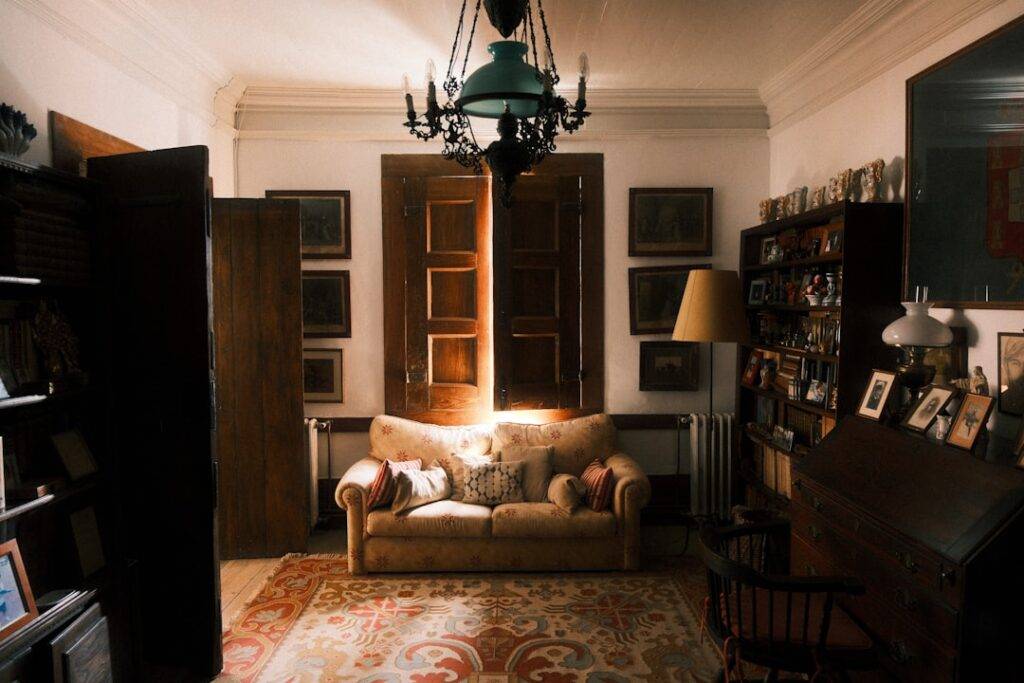
A grandparent house is more than a building — it’s where family history lives, where kids discover relics from another era, and where generations connect across decades. For many, the mere mention of a grandparent’s home evokes a specific sensory memory: the scent of old books and cedar, the rhythmic ticking of a grandfather clock, or the unique creak of a floorboard that has supported three generations of footsteps. It is a physical manifestation of a family’s timeline, serving as both a museum of the past and a playground for the future.
In our rapidly accelerating digital world, the grandparent house stands as a rare bastion of permanence. While modern apartments and suburban developments often prioritize sleek, interchangeable aesthetics, a grandparent’s home is usually layered with the “archaeology of living.” Every piece of furniture, every framed photograph, and even the specific way the light hits the kitchen table at 4:00 PM tells a story of resilience, tradition, and love. It is the place where the “old ways” meet the “new world,” creating a unique cultural friction that helps children understand their place in a larger lineage.
Here’s what this guide covers, fast:
| Topic | What You’ll Learn |
|---|---|
| Fascinating finds | Vintage items discovered in grandparent homes and their value |
| Safety prep | How to childproof a grandparent’s home for visits |
| Granny pods | Modern ADU solutions for aging in place near family |
| Restoration | How families are reclaiming and preserving ancestral homes |
| Habitat support | How organizations help seniors maintain longtime family homes |
Whether you’re a grandparent getting ready for a grandkid visit, an adult child helping a parent age safely at home, or someone who just inherited a century-old farmhouse — this guide has you covered. We will explore the emotional weight of these spaces, the practicalities of maintaining them, and the innovative architectural solutions that are allowing families to stay together longer than ever before.
Grandparent homes hold a special kind of magic. One grandmother kept her Valentine’s cards from 1924 framed on the wall. Another still used the same electric mixer from the 1970s every single morning. These aren’t just objects — they’re living proof of how much daily life has changed across generations. They remind us that while technology evolves, the human need for connection and a sense of “place” remains constant.
But nostalgia only goes so far. Today, families are also asking very practical questions: Is this house safe for a toddler? Should we add a granny pod in the backyard? How do we preserve what matters before it’s lost? As the “Sandwich Generation”—those caring for both children and aging parents—continues to grow, the management of the grandparent house has become a central pillar of modern family logistics.
This guide answers all of it — room by room, decision by decision, ensuring that the legacy of the family home remains a source of joy rather than a burden of maintenance.
Simple grandparent house glossary:
Relics from Another World: Fascinating Finds in a Grandparent House
Stepping into a grandparent house often feels like entering a time capsule. For grandchildren, opening a kitchen drawer or exploring the attic can reveal 19 fascinating things that seem like relics from another planet. These items aren’t just “old stuff”; they are markers of how much our culture, technology, and economy have shifted over the last century. They represent a time when things were built to be repaired, not replaced, and when the pace of life allowed for more tactile interactions with the world.
The Kitchen: A Museum of Durability
Consider the kitchen. Many a grandparent house still features appliances built to last a lifetime. There are real-life stories of grandmothers still using electric mixers from the 1970s to beat eggs every morning—a stark contrast to today’s “disposable” tech. These heavy-duty Sunbeam or KitchenAid models, often in shades of harvest gold or avocado green, are more than just tools; they are symbols of a manufacturing era that prioritized longevity over planned obsolescence.
In the living room, you might find a 1962 TV operating guide or even a 57-year-old telegram. One Reddit user noted that their grandfather would have been shocked to know that decades later, people would be reading his private anniversary telegram on their smartphones while sitting on the toilet! This juxtaposition of the analog and digital worlds highlights the incredible speed of the Information Age. In a grandparent house, the physical record of life is still present, whereas today, our records are often hidden in the cloud.
The Sheer Variety of “Relics”
The variety of items found in these homes is staggering, often reflecting the specific hobbies and historical moments the grandparents lived through:
- Vintage Safety Gear: Old manual fire extinguishers (fire grenades) that sometimes contained dangerous chemicals like carbon tetrachloride. While dangerous today, they represent the early, often experimental days of home safety technology.
- Nostalgic Toys: Collections of McDonald’s toys from the 1980s and 90s, or a pristine box of Crayola crayons from a bygone era. These items often spark “intergenerational play,” where a grandparent explains the rules of a game that no longer exists.
- Pop Culture: A 1997 Rugrats bandaid still sitting in a medicine cabinet, or a sealed box of Kraft Dinner from 1998. These “accidental time capsules” show how the mundane items of the past become the curiosities of the future.
- Unexpected Finds: A “powder room” kit from the 70s that actually contained drug paraphernalia, or a bottle of USSR vodka tucked away in a cupboard, serving as a silent witness to the Cold War era.
The Economic Time Machine
The financial contrast between then and now is perhaps the most jarring aspect of exploring a grandparent house. You might stumble upon an old medical bill tucked into a desk drawer. In 1956, a six-day hospital stay including surgery cost just $123.50. Today, a single night in a hospital for surgery can result in a bill exceeding $90,000 before insurance. These documents provide a visceral understanding of inflation and the changing landscape of the American economy.
Hidden Treasures and Their Modern Value
Beyond the quirky gadgets, some finds in a grandparent house carry significant historical or monetary weight. Old currency is a prime example. If you find a 1917 U.S. dollar bill, its value depends entirely on how you view it:
- Face Value: $1.00 at the bank.
- Inflation-Adjusted: Roughly $23.00 in today’s purchasing power.
- Investment Value: If that dollar had been used to buy gold in 1917, it would be worth about $83.00 today.
- Collector Value: On sites like eBay, these can fetch anywhere from $80 to $250 depending on the condition.
We also see physical “pay packets” from the early 20th century, which sometimes contained actual coins or even beans used as tokens. These items represent a time when labor was compensated in a much more tangible way. Similarly, finding framed Valentine’s cards from 1924 provides a window into a world where sentimental communication was an art form, requiring time, effort, and physical materials. For families looking to integrate these histories into modern living, exploring multi-generational ADU services can provide the space needed to display and honor these treasures without overwhelming the main living area.
Preserving the Legacy of the Grandparent House
Finding these items is only the first step; the real challenge is preservation. How do we keep these memories alive without cluttering our modern homes? We recommend a few practical strategies:
- Repurpose with Style: Use vintage Pringles cans (from the 70s/80s) to hold paintbrushes or knitting needles. This gives a second life to items that would otherwise be discarded.
- Archival Framing: Don’t let those 1920s Valentines rot in a box. Frame them with UV-protective glass to create a gallery wall that tells your family’s story. This turns “clutter” into “curated art.”
- Digitize the Paper Trail: Scan old telegrams, pay packets, and hospital bills. This ensures the information is safe even if the physical paper degrades over time. It also makes it easier to share these stories with family members who live far away.
- Curated Play: Keep those 80s McDonald’s toys in a special “Grandma’s Toy Box.” It creates a unique bridge between the grandparents’ era and the grandchildren’s playtime, fostering a sense of shared history through play.
Preparing the Grandparent House for Safe and Fun Visits
While a grandparent house is a place of wonder, it can also be a minefield for a toddler. Preparing for a visit requires a balance of safety and hospitality. It’s a miracle many of us survived the “safety standards” of previous generations—old cribs with wide slats, lead paint, and a lack of outlet covers were the norm. Today, we have a much deeper understanding of childhood development and home safety, allowing us to create environments that are both stimulating and secure.
The Childproofing Checklist
Childproofing is the first priority when grandchildren come to stay. We suggest starting with the basics and moving toward more specific hazards:
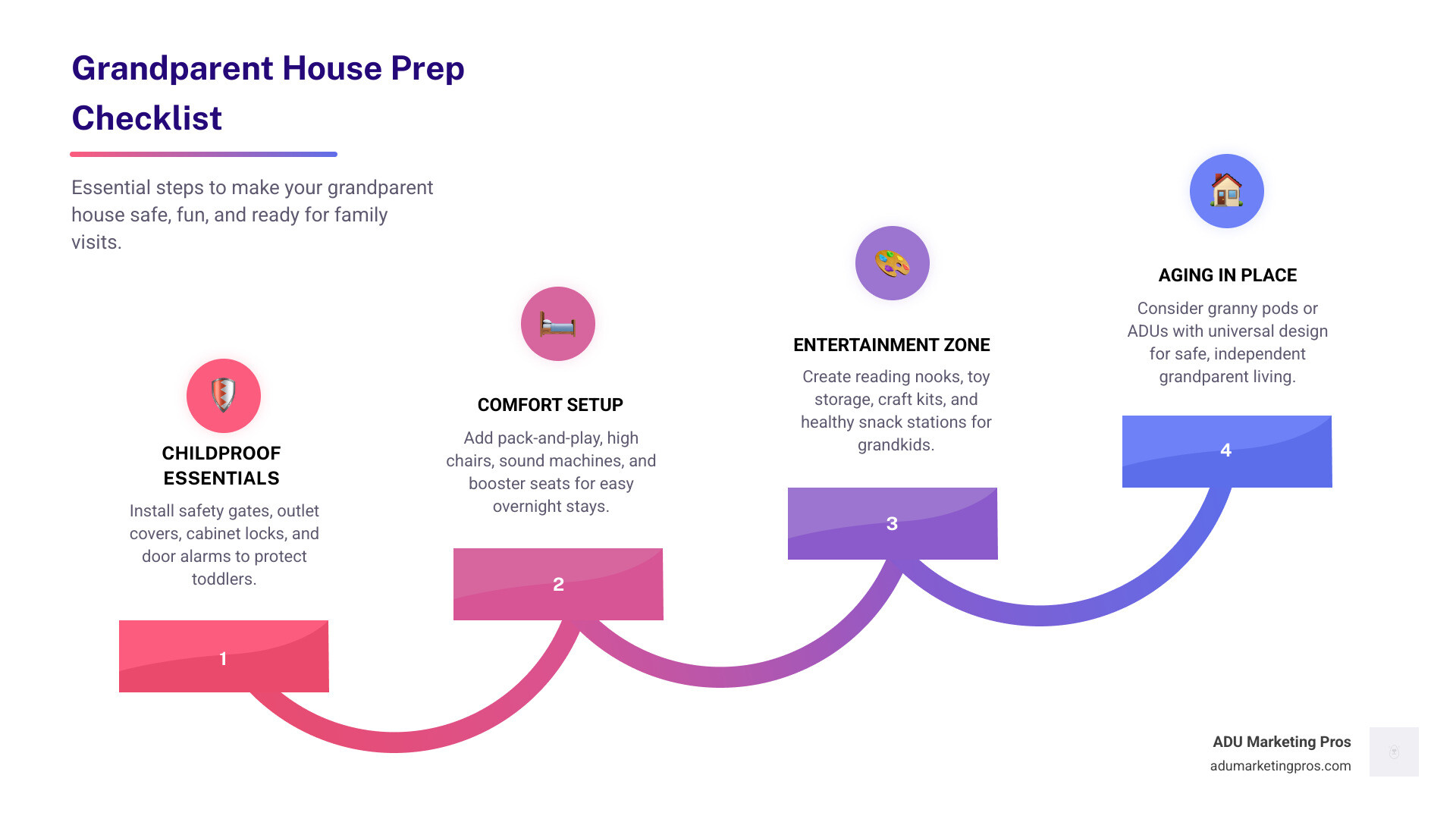
- The Big Three: Install outlet covers, cabinet locks (especially for those containing cleaning supplies or medications), and sturdy stair gates. In an older grandparent house, stairs are often steeper and narrower than modern codes allow, making gates essential.
- Water Safety: If the home is near a pool or lake, door alarms and U.S. Coast Guard-approved life jackets are non-negotiable. According to the CDC, drowning is a leading cause of death for children, making water safety the highest priority for any visiting family.
- Chemical Safety: Swap out harsh cleaners for fragrance-free detergents and soaps. Young skin is often more sensitive than adult skin, and the “old school” cleaning products found in many grandparent homes can be surprisingly caustic.
- Furniture Stability: Older furniture is often heavy and top-heavy. Ensure that bookshelves and dressers are anchored to the wall to prevent tip-over accidents, which are a common but preventable cause of injury.
Historical homes, like the famous Paul Curtis House in Medford, Massachusetts (the inspiration for the poem “Over the River and Through the Wood”), show us that the “Grandfather’s House” has always been a destination worth the journey. Whether your home is a Greek Revival landmark or a cozy suburban bungalow, making it safe ensures the legacy continues without incident.
Essential Gear for the Grandparent House
You don’t need to turn the grandparent house into a daycare, but having the right gear on hand makes life easier for everyone. Instead of parents hauling a carload of equipment across the state, we recommend keeping these essentials on-site:
- Sleep & Comfort: A pack-and-play with a comfortable pad and a white noise machine. Older homes can be “noisy” with their creaks and groans; a white noise machine helps a toddler sleep through the unfamiliar sounds.
- Mealtime: A sturdy high chair or a booster seat that straps to a dining chair. This allows the child to be part of the family meal, which is a central part of the grandparent experience.
- Entertainment: Focus on “indestructible” board books for toddlers and comprehensive craft kits (washable paint, pipe cleaners, and construction paper) for older kids. These activities encourage creativity and can be done together with grandparents.
- Outdoor Play: A simple backyard swing or a set of sports equipment can provide hours of fun and help burn off energy before naptime.
For those considering a more permanent setup for visiting family or even for the grandparents themselves to move into, looking into an ADU for aging parents is a smart long-term move. It allows for a dedicated, child-safe space that doesn’t require constant re-configuration of the main house.
Creating a Welcoming Environment for Grandchildren
A welcoming grandparent house is about more than just gear; it’s about the environment. We’ve found that “minimalist storage” is the secret. Use beautiful baskets to tuck toys away when the grandkids aren’t there. This keeps the home feeling like an adult space while remaining ready for play at a moment’s notice.
Create a “Reading Nook” with a few special books that stay only at Grandma’s. This creates a ritual that the child looks forward to with every visit. Ask parents for photos of specific food brands the kids like—especially for baby-led weaning—to ensure the pantry is stocked with familiar, healthy snacks. This attention to detail builds an emotional bond that lasts a lifetime, making the grandparent house a place of ultimate comfort and belonging.
Modern Solutions for Aging in Place: The Rise of Granny Pods
As we look at the future of the grandparent house, many families in the San Francisco Bay Area, San Jose, and Sunnyvale are turning to “granny pods” or Accessory Dwelling Units (ADUs). These are modern, stylish, and highly functional small homes built on the same lot as the main family residence. They represent a shift in how we view senior living, moving away from institutional care and toward integrated, multi-generational living.
The Benefits of Proximity
Granny pods offer a “win-win” solution. They provide seniors with independence and privacy—their own kitchen, their own front door, and their own schedule—while keeping them close enough for family support and daily interaction with grandchildren. This proximity is vital for mental health; studies have shown that regular interaction between generations can reduce feelings of isolation in seniors and improve social development in children. Modern granny flat designs prioritize universal design, including:
- Accessibility: Wide doorways for wheelchairs and walk-in showers with grab bars and zero-threshold entries.
- Safety: Slip-resistant flooring and rounded countertops to prevent injury from falls or bumps.
- Tech Integration: High-tech medical monitoring systems that can alert family members in the main house if a fall occurs, providing peace of mind without being intrusive.
The Financial Argument for ADUs
The financial argument for a granny pod is compelling when compared to traditional senior care. As the cost of living continues to rise, families are looking for ways to consolidate assets and reduce monthly overhead.
| Care Type | Estimated Monthly Cost (2025) | Annual Cost |
|---|---|---|
| Assisted Living | $5,190 | $62,280 |
| Skilled Nursing (Private Room) | $9,733 | $116,796 |
| Granny Pod Investment | $100k – $250k (One-time) | N/A |
In as little as two to four years, a granny pod can pay for itself compared to the cost of a nursing home, all while keeping the family together and increasing the overall property value. It is an investment in both real estate and family stability.
Restoring the Family Farmhouse and Historic Estates
For some, the grandparent house isn’t a new ADU, but a century-old family farmhouse. We see many families in areas like Palo Alto and Mountain View reclaiming ancestral homes. Restoring a 1908 farmhouse involves a delicate balance of preserving history—like original stained glass, pocket doors, or hand-carved banisters—and adding modern comforts like HVAC systems and updated electrical wiring.
Sometimes, the community steps in to help. Organizations like Habitat for Humanity of Greater Los Angeles do incredible work through programs like “Habitat for Heroes.” In FY2023 alone, they repaired 93 homes, many belonging to veterans and seniors who have lived in their family homes for over 60 years. These repairs, ranging from roof fixes to accessibility ramps, ensure that a grandparent house remains a safe haven for the entire family. For those in Northern California, exploring prefab granny flats in California can offer a similar sense of preservation and modernization, allowing families to stay on their land while upgrading their living standards.
The Psychological Impact of the Family Home
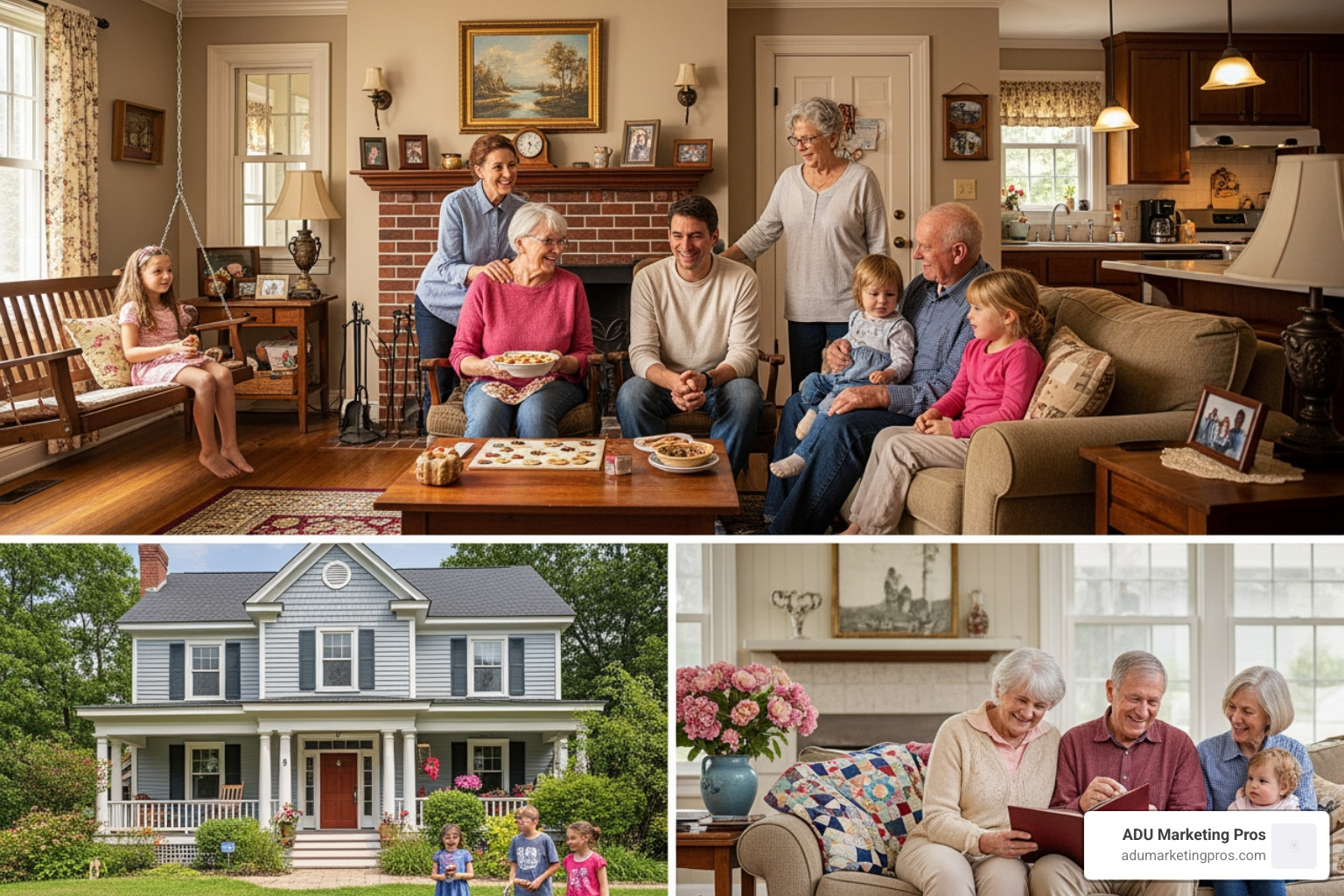
Beyond the physical structure, the grandparent house serves as a psychological anchor. For children, it is a place where the rules are slightly different, where the cookies are always available, and where they are the center of attention. For the grandparents, it is a place of pride and a legacy they can pass down. By investing in the maintenance and modernization of these homes, we are investing in the emotional health of the entire family unit. Whether through a new ADU or a careful restoration, the goal is the same: keeping the heart of the family beating strongly for generations to come.
Frequently Asked Questions about Grandparent Houses
What are the most valuable items often found in a grandparent house?
The most valuable items are often old currency (like the 1917 dollar bill), vintage jewelry, and well-preserved mid-century modern furniture. However, “value” is also sentimental. A 1920s telegram or a collection of 1980s toys might not make you rich, but they are priceless pieces of family history. If you suspect an item has significant value, it is worth consulting a professional appraiser before selling or donating it.
How much does it cost to install a granny pod in the backyard?
Typically, a high-quality granny pod or ADU costs between $100,000 and $250,000. This depends on the size (usually up to 440-500 sq ft), the level of customization, and local permit fees in cities like San Diego or San Francisco. While the upfront cost is significant, the long-term savings compared to assisted living are substantial.
How can I make an old house safe for toddlers without a full renovation?
Focus on “temporary” safety. Use tension-mounted baby gates that don’t require drilling into historic woodwork. Use plug-in outlet covers and adhesive corner protectors for sharp furniture. You can also use pool noodles as temporary bumpers for low-hanging edges or bed rails. These solutions are effective and can be easily removed when the visit is over.
What is the best way to handle an inherited grandparent house?
Handling an inherited home requires a mix of legal, financial, and emotional planning. First, secure the property and update the insurance. Then, conduct a thorough inventory of the contents. Many families choose to keep the home as a rental property or a multi-generational living space, while others may decide to sell. Consulting with a real estate professional who specializes in historic or family properties is highly recommended.
Are there tax benefits to building an ADU for a grandparent?
In many jurisdictions, there are tax incentives or grants available for homeowners who build ADUs for senior family members. Additionally, the increase in property value can be a significant long-term financial benefit. It is best to speak with a tax professional familiar with local California property laws to understand the specific implications for your situation.
Conclusion
The grandparent house is the cornerstone of family legacy. It is a place where the past is honored, the present is celebrated, and the future is planned. Whether it’s a restored 1908 farmhouse, a modern home childproofed for a weekend visit, or a brand-new granny pod designed for aging in place, these spaces are where the most enduring memories are made. They provide the stability and continuity that are so often missing in our fast-paced modern lives.
At ADU Marketing Pros, we understand that housing is about more than just square footage—it’s about the people who live there and the stories they share. We specialize in helping ADU construction and architecture firms reach families who are looking for these exact solutions. By focusing on expertise and data-driven strategies, we help our clients stand out in the competitive California market, from San Jose to San Diego, ensuring that more families have access to the housing options they need.
If you’re looking to expand your family’s living options or preserve a historic home, consider the benefits of modern prefab granny flats. They offer a way to honor the past while building a comfortable, safe, and connected future for every generation. The grandparent house of tomorrow may look different than the one of yesterday, but its purpose remains the same: to be the heart of the family, a place of refuge, and a source of unconditional love. By embracing both tradition and innovation, we can ensure that the magic of the grandparent’s home continues to thrive for decades to come.