
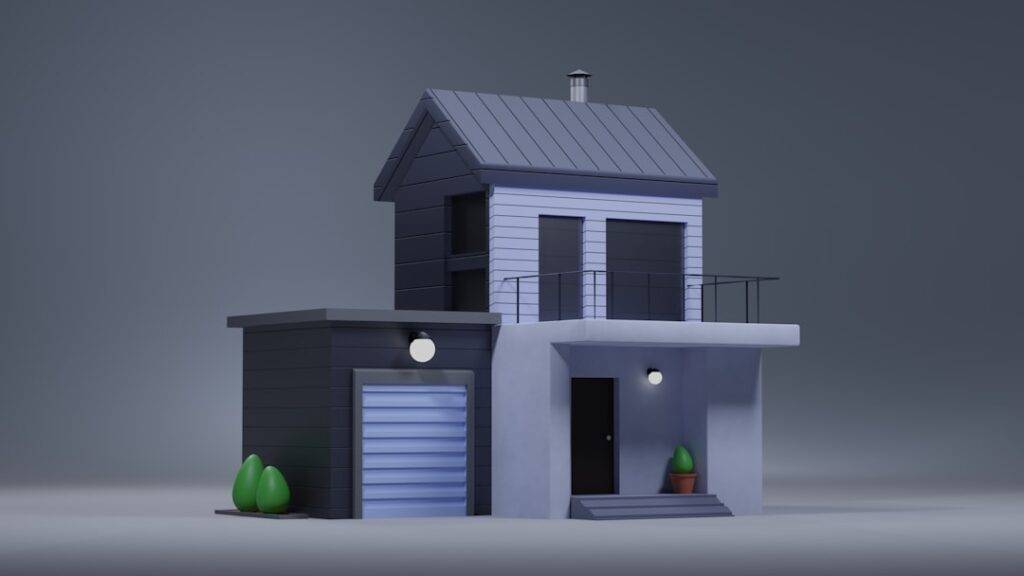
The Small Garage Conversion Apartment: Your Fastest Path to Extra Space (and Extra Income)
In the midst of a national housing shortage, homeowners are looking for creative ways to maximize their existing property. A small garage conversion apartment is one of the smartest, most cost-effective ways to add livable square footage to your property — without the headache of buying new land or the massive expense of building a ground-up addition from scratch. This “missing middle” housing solution is transforming suburban backyards into vibrant, multi-generational living hubs.
Here’s a quick snapshot of what you need to know before you begin your journey:
| Question | Quick Answer |
|---|---|
| What is it? | Turning a garage into a livable studio, guest suite, or rental unit |
| Typical cost | $6,000–$19,000 (vs. $20,000–$60,000 for a new addition) |
| Cost per sq ft | $18–$50 per square foot |
| Average ROI | Up to 80% return on investment |
| Do you need permits? | Yes — building permits, floor plans, and inspections are required |
| How long does it take? | Typically 3–6 months depending on scope |
| Smallest viable size | As small as 245 sq ft (micro-studio) |
Most homeowners don’t realize how much potential is sitting behind that cluttered garage door. A neglected single-car garage can become a rentable studio apartment, a private guest suite for aging parents, or even a source of steady Airbnb income. Real-world projects prove it: one couple converted their detached garage into a fully functional rental apartment for just $20,000 — a fraction of the $60,000–$112,000 quoted by professionals for a standard addition.
Another project transformed a dilapidated 1920s garage — all 320 square feet of it — into a bright, modern studio with a sleeping loft, compact kitchen, and salvaged finishes. And a 245 sq ft single-car garage became a contemporary micro-studio with a full bathroom and kitchen by using double-duty furniture and a skylight in place of restricted wall windows. These examples show that with the right design, size is not the obstacle most people think it is.
This guide walks you through 38 practical ideas to turn your underused garage into a functional, beautiful living space — covering design, permits, costs, utilities, and everything in between.

Related content about small garage conversion apartment:
Why a Small Garage Conversion Apartment is the Ultimate Home Hack
In the high-stakes real estate markets of the San Francisco Bay Area and Los Angeles, space is the ultimate luxury. We’ve seen homeowners struggle with the “move or improve” dilemma for years. A small garage conversion apartment offers a third way: maximizing what you already own to create value and flexibility.

Financial Benefits and Property Value
The numbers tell a compelling story. According to research from Angi, a well-executed garage conversion can offer up to an 80% ROI. Beyond the resale value, the immediate impact on your bank account can be significant. In many California markets, adding a legal ADU can increase property value by $100,000 or more, far exceeding the initial construction cost.
Whether you are looking for long-term rental revenue or the higher yields of an Airbnb, a converted garage functions as an Accessory Dwelling Unit (ADU) that pays for itself. In cities like San Jose or Sunnyvale, where housing demand is sky-high, even a 300-square-foot studio can command impressive monthly rent, often covering a significant portion of the main home’s mortgage.
GatherADU’s resources highlight that these projects are incredibly cost-effective. While a traditional home addition might set you back $20,000 to $60,000 just for the shell, a garage conversion typically ranges from $6,000 to $19,000 because the foundation, walls, and roof are already in place. This allows you to spend your budget on high-end finishes rather than structural basics.
Lifestyle Flexibility
It isn’t just about the money; it’s about how you live. The psychological benefit of having a detached space cannot be overstated. We often see these spaces used as:
- The Mother-in-Law Suite: Providing aging parents with dignity and proximity while maintaining everyone’s privacy. This is a compassionate alternative to assisted living.
- The Teen Retreat: Giving older children a sense of independence and responsibility before they fully fly the coop, while keeping them close to home.
- The Home Office Haven: A quiet, detached workspace that creates a physical boundary between “home life” and “work life,” essential for the modern remote professional.
- The Creative Studio: A dedicated spot for artists, musicians, or makers to practice their craft without cluttering the main house or worrying about noise complaints.
Navigating the Red Tape: Permits and Zoning
Before you pick up a sledgehammer, we need to talk about the “boring” stuff that keeps your project legal. Converting a garage into a small garage conversion apartment isn’t just a remodel; it’s a change of use from “utility” to “habitable.” This distinction is critical for insurance, safety, and future resale.
Legal Requirements for a Small Garage Conversion Apartment
In California, ADU laws have become much friendlier in recent years, with the state mandating that cities allow these conversions. However, you still have to follow the rules. To be considered habitable, your space must meet specific building codes:
- Ceiling Height: Generally, you need a minimum of 7.5 feet for at least 50% of the floor area. If your garage has a low roof, you may need to excavate the floor or raise the roofline.
- Egress Windows: Every sleeping area must have at least one window large enough for emergency exit. This is a non-negotiable safety requirement.
- Fire Safety: You’ll likely need fire-rated drywall (Type X) on walls shared with the main house or near property lines to prevent fire spread.
- Title 24 Compliance: This is California’s energy efficiency standard, requiring specific insulation levels, energy-efficient lighting, and high-efficiency HVAC systems.
You can use resources like the National Zoning Atlas to get a sense of local regulations, but we always recommend checking with your local planning department in cities like Palo Alto or Mountain View to understand specific setback and parking requirements. Many cities have waived parking replacement requirements if you are near public transit.
Working with Professionals
While a DIY approach can save money, certain tasks require a pro. You will need architectural drawings to pull permits. A structural engineer might be necessary if you’re cutting large openings for French doors or adding a loft. Licensed contractors ensure that your electrical and plumbing are up to code, which is vital for both safety and future resale. A “bootleg” conversion without permits can lead to fines and the requirement to tear out the work when you sell the home.
Designing Your Small Garage Conversion Apartment: 38 Creative Ideas
When you’re working with 300 to 500 square feet, every inch must earn its keep. We’ve curated 38 ideas to help you maximize your micro-living space and create a high-end feel.
Layout and Structural Ideas (1-10)
- The Open-Concept Studio: Avoid interior walls to keep the sightlines long and the space feeling airy. Use furniture to define zones.
- The Sleeping Loft: If you have the height, move the bed upstairs. This frees up the entire ground floor for living and dining.
- 12×24 Studio Layout: This classic single-car footprint is perfect for a linear “shotgun” style apartment with a clear path from front to back.
- 245 Sq Ft Micro-Studio: Focus on high-end finishes in a tiny footprint to make the space feel like a luxury hotel suite.
- Bathroom-as-Hallway: Place the bathroom between the living area and bedroom to eliminate the need for a separate, space-wasting hallway.
- Private Side Entrance: Use a side door instead of the main garage opening to give the unit a more traditional “residential” feel.
- French Doors: Replace the garage door with large glass French doors to flood the space with light and create an inviting entrance.
- Raised Foundations: If the garage floor is sloped, build a subfloor to level it and provide a cavity for plumbing and electrical lines.
- Vaulted Ceilings: Remove the ceiling joists to expose the rafters and add vertical volume, making a small room feel massive.
- Glass Garage Doors: For a modern, industrial look, use a frosted glass roll-up door that lets in light while maintaining total privacy.
Maximizing Every Inch (11-20)
- Murphy Beds: The gold standard for micro-living. Fold it away during the day to reveal a sofa or a large home office desk.
- Pocket Doors: Save the 9 square feet a traditional door “steals” when it swings open. These are perfect for bathrooms and closets.
- Built-in Cabinetry: Use floor-to-ceiling cabinets to provide massive storage without the visual clutter of freestanding furniture.
- Under-Stair Storage: If you have a loft, turn the stairs into a series of drawers or a closet for coats and cleaning supplies.
- Mezzanine Levels: Use a partial second floor for storage or a cozy reading nook that doesn’t require full standing headroom.
- Wall-Mounted Desks: A fold-down desk provides a workspace that disappears when you’re done, keeping the living area clean.
- Nesting Tables: Perfect for flexible dining and entertaining; they stack away when you need floor space for yoga or movement.
- Hidden Appliances: Use “panel-ready” refrigerators and dishwashers that blend into the cabinetry for a seamless, high-end kitchen look.
- Floating Shelves: Keep the floor clear to make the room appear larger. Use them for books, plants, or kitchen essentials.
- Vertical Gardens: Add greenery on the walls to save precious floor space while improving air quality and aesthetics.
Light and Aesthetic Tips (21-30)
- Skylights: These are essential for detached garages where windows might be restricted by property line fire codes or privacy concerns.
- “Light Scoop” Windows: High, narrow windows that catch the afternoon sun without sacrificing wall space for furniture.
- Whisper White Paint: Use a bright, neutral white like Dunn Edwards ‘Whisper White’ to bounce light around and brighten dark corners.
- Monochromatic Palettes: Stick to one color family to reduce visual “noise” and make the boundaries of the room feel less defined.
- Industrial Concrete Floors: Polish the existing slab for a modern, durable, and cost-effective finish that is easy to clean.
- Exposed Rafters: Paint them white for a Scandinavian look or leave them raw for an industrial vibe that adds character.
- Clerestory Windows: Windows placed high on the wall provide constant natural light while maintaining 100% privacy from neighbors.
- Mirrored Walls: A classic trick to double the perceived depth of a room. Use them behind a dining table or in the entryway.
- Recessed Lighting: Keep the ceiling clean and modern without hanging fixtures that “lower” the perceived height of the room.
- Indoor-Outdoor Flow: Use a small patio or deck to make the outdoors feel like an extension of the living room, doubling your space.
Furniture and Finishing Touches (31-38)
- Double-Duty Furniture: A bench that serves as a coffee table and extra dining seating is a must-have for small spaces.
- Modular Sofas: The West Elm Tillary sofa is a favorite for its low profile and extreme flexibility in small layouts.
- High-Quality Textiles: Use Parachute linen pillows and high-thread-count sheets to add a sense of luxury to a small sleeping area.
- Smart Storage: Leverage IKEA storage solutions like the PAX system for affordable, custom-look closets that maximize every inch.
- Vintage Rugs: A well-placed rug can define different “zones” in an open-concept studio without the need for physical walls.
- Teak Shower Floors: Adds a spa-like feel and warmth to a small bathroom, making it feel like a destination rather than a utility.
- Pebble Tiling: Great for shower floors to provide texture and a natural aesthetic that breaks up the monotony of flat surfaces.
- Raw Wood Accents: Use reclaimed wood for countertops or shelving to balance the “cold” feel of a garage slab and add organic warmth.
The Technical Blueprint: Utilities, Insulation, and Structure
This is where the magic happens. Turning a concrete box into a cozy home requires some heavy lifting under the hood. You aren’t just decorating; you are engineering a habitable environment.
Maximizing Functionality in a Small Garage Conversion Apartment
The biggest challenge in any small garage conversion apartment is the “wet” work—plumbing and HVAC. Because garages were never meant for human habitation, they lack the necessary infrastructure.
- HVAC Mini-Splits: These are perfect for garages. They don’t require bulky ductwork, they are whisper-quiet, and they handle both heating and cooling efficiently. They are also much cheaper to install than extending a central air system.
- Tankless Water Heaters: Space is at a premium. A wall-mounted tankless unit provides endless hot water without taking up a 2×2 foot square of floor space. These can often be mounted on the exterior of the building.
- Electrical Upgrades: Most garages only have one or two circuits. You’ll likely need to run a new sub-panel from your main house to handle the kitchen appliances, HVAC, and modern electronics.
- Plumbing Trenching: Since most garages are built on a slab, you’ll need to cut into the concrete to lay sewer and water lines. This is often the most expensive and labor-intensive part of the project.
Insulation and Soundproofing
Garages are notoriously drafty and poorly insulated. To make the space livable year-round and keep energy costs down, you need a high-performance thermal envelope.
- Rigid Foam & Cellulose: Use rigid foam on the exterior or recycled cellulose in the walls for superior R-values. Don’t forget to insulate the floor if you are in a colder climate.
- Sound-Dampening Drywall: If the garage is attached to the main house, use QuietRock or similar products to prevent noise from traveling between the house and the apartment, ensuring privacy for both parties.
- Weatherstripping: Don’t forget the doors! High-quality weatherstripping is the cheapest way to keep your energy bills low and prevent drafts from entering the living space.
Budgeting and ROI: Is a Garage Conversion Worth It?
We often get asked if it’s better to build a new ADU or convert the garage. While a new build gives you a blank slate, the cost savings of a conversion are hard to ignore for the average homeowner.
Typical Cost Breakdowns
According to CostHelper, the average conversion runs between $18 and $50 per square foot. For a typical 2-car garage, that’s roughly $7,500 to $20,000. However, if you are adding a full kitchen and luxury bathroom in a high-cost area like San Francisco, expect those numbers to climb toward $50,000.
- Permits and Fees: $500 – $3,000 (varies wildly by city)
- Plumbing and Electrical: $3,000 – $7,000 (the bulk of the technical cost)
- Insulation and Drywall: $2,000 – $5,000
- Flooring and Finishes: $2,000 – $10,000 (where you can choose to save or splurge)
Comparing Conversion vs. New Construction
The main advantage of a conversion is the speed. Because the structure is already there, you can often finish a project in 3 months, whereas a ground-up ADU can take 6 to 12 months. You also save significantly on foundation and framing costs—two of the most expensive parts of any build. Furthermore, many jurisdictions have more lenient setback requirements for existing structures than for new ones.
As shown in this Apartment Therapy case study, a DIY-heavy approach can bring professional estimates of $100k+ down to a manageable $20k, provided you have the time and skills to manage the project and perform some of the non-technical labor yourself.
Frequently Asked Questions
How much does it cost to convert a 1-car garage into a studio?
A basic conversion for a 1-car garage (approx. 240-300 sq ft) typically costs between $10,000 and $25,000. This includes basic plumbing for a small bathroom and kitchenette, insulation, and interior finishes. High-end finishes or structural repairs will increase this price.
Do I need a permit for a garage conversion if I don’t change the exterior?
Yes. Any time you change a space from non-habitable (garage) to habitable (living space), you must obtain a building permit. This ensures the space meets safety codes for fire, electricity, and ventilation. Unpermitted work can lead to major legal and financial headaches later.
Does a garage conversion count as square footage?
Once permitted and finished to code, a garage conversion is legally considered habitable living space and is added to the total square footage of your home. This typically increases your property value and tax assessment, but the rental income usually far outweighs the tax increase.
Will I lose property value by removing the garage?
In most high-density urban areas, the value of an additional living unit or rental suite far exceeds the value of a covered parking space. However, in some suburban areas where street parking is restricted, it’s worth checking with a local realtor first.
Can I convert a detached garage into an ADU?
Absolutely. Detached garage conversions are very popular because they offer maximum privacy for both the main house and the ADU. They are often easier to permit under California’s statewide ADU laws.
Conclusion
At ADU Marketing Pros, we believe that every underutilized garage is an opportunity waiting to be unlocked. Whether you’re in San Jose, Los Angeles, or the San Francisco Bay Area, a small garage conversion apartment is a powerful tool for building wealth, supporting your family, and creating a more flexible home environment.
By focusing on smart design, navigating the local permit process correctly, and prioritizing high-impact finishes, you can create a space that feels far larger than its footprint. The transition from a dusty storage area to a modern, income-generating apartment is one of the most rewarding home improvement projects you can undertake.
Ready to explore how an ADU can transform your property? We specialize in helping ADU construction and architecture firms connect with homeowners just like you to bring these visions to life.