
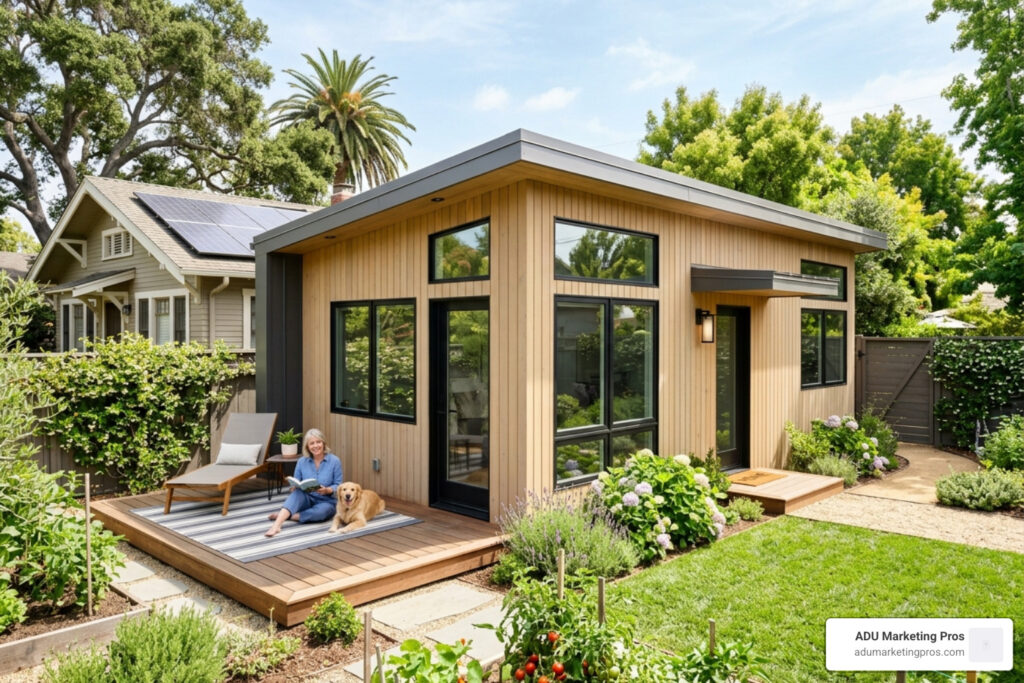
Why Canberra Granny Flat Builder Reviews Matter Before You Sign Anything
Canberra granny flat builders reviews provide a fascinating case study for the accessory dwelling unit (ADU) industry. While ADU Marketing Pros is headquartered in San Jose and serves construction firms in Los Angeles, San Diego, the San Francisco Bay Area, Sunnyvale, Palo Alto, Mountain View, and Menlo Park, we believe that analyzing high-performing markets like the Australian Capital Territory (ACT) offers vital insights for our US-based clients. The way homeowners in Canberra evaluate builders – comparing reviews, assessing specialist knowledge, and looking for proof that a builder can manage approvals – mirrors exactly how homeowners in San Jose and Los Angeles choose ADU contractors. Studying international markets like Canberra helps us refine the marketing strategies we build for ADU firms here in the US, providing a broader perspective on what drives trust in the secondary-dwelling category worldwide.
The Psychology of Reviews in the Construction Industry
When a homeowner looks for a builder, they aren’t just looking for someone to swing a hammer; they are looking for a partner to manage a significant financial and emotional investment. Reviews serve as social proof, reducing the perceived risk of the transaction. In Canberra, where the cost of living and property prices are among the highest in Australia, the stakes are particularly high. A single negative experience regarding a “variation” or a delay in the ACT Planning and Land Authority (ACTPLA) approval process can deter dozens of potential clients. Conversely, a builder who consistently receives praise for their communication during the “red tape” phase becomes a market leader.
In the digital age, the “Zero Moment of Truth” (ZMOT) occurs when a potential client first searches for a builder online. If your business doesn’t have a robust portfolio of positive feedback, you are essentially invisible. For Canberra builders, this means maintaining a presence on Google, Oneflare, and Houzz. For our clients in California, it means dominating Yelp, Google Business Profile, and Houzz. The medium might change slightly, but the human psychology remains the same: we trust the experiences of our peers more than the promises of a salesperson.
Here is a quick snapshot of what the current review landscape looks like in the ACT:
| Builder Type | Avg. Rating | Key Strength | Typical Project Lead Time |
|---|---|---|---|
| Specialist granny flat builders | 4.7 / 5 | Design, approvals, compliance | 6 – 9 Months |
| Boutique/family-run builders | Up to 5 / 5 | Personalised service, communication | 8 – 12 Months |
| General builders offering granny flats | Varies | Flexibility, wider service range | Varies |
The fast answer: Based on available review data across platforms like Oneflare, Google, and Facebook, Canberra’s granny flat builders average a strong 4.7 out of 5 stars across 119 reviews from 23 businesses. Builders with the highest hire rates and consistent 5-star averages include names like Proline Building & Maintenance, Infinite Building Creations, and HPD Carpentry. Specialist firms are also frequently cited for turnkey services and local ACT compliance knowledge.
But a star rating only tells part of the story. What homeowners actually care about – communication, budget accuracy, approval handling, and build quality – requires digging deeper into what real clients say. Whether you are planning a secondary residence for a family member, eyeing rental income of $400-$600 per week, or simply want to add value to your property, choosing the right builder is the single biggest decision you will make in the process.
Top-Rated Canberra Granny Flat Builders Reviews and Rankings
When we look at the landscape of secondary residences in the ACT as of April 2026, the competition is fierce. Homeowners are no longer satisfied with a basic detached unit. They want architectural integration, energy efficiency, and a stress-free approval process. This shift has led to a surge in high-quality canberra granny flat builders reviews across major platforms – a trend that closely parallels what we see in competitive ADU markets across Los Angeles and the San Francisco Bay Area. The demand for high-density living solutions in established suburbs like Inner North and Inner South has forced builders to innovate, and the reviews reflect this evolution.
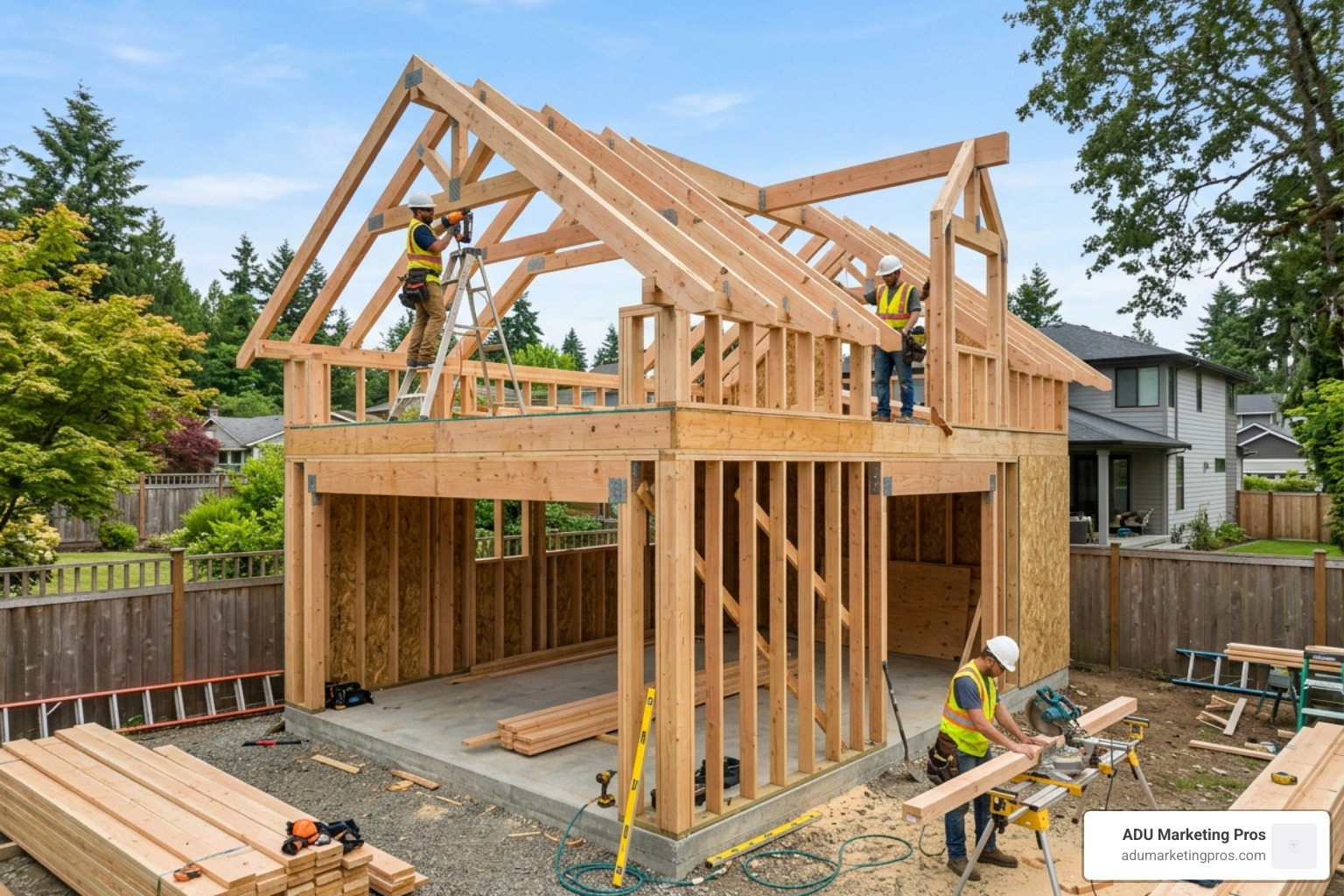
To separate the strongest operators from the rest, we reviewed publicly visible signals from Oneflare, Google, and industry-specific directories. For example, the Strata Council review page gives homeowners another place to assess communication and service performance. If you are just starting your search, checking out a directory of ADU Builders Near Me can also help you understand what specialist-builder positioning looks like in regulated accessory housing markets.
What Homeowners Say: Canberra Granny Flat Builders Reviews for 2026
One of the most visible names in the local market is Canberra Granny Flat Builders and Fixed Price Extensions. With a large design library, they have built a reputation for variety and a structured process. According to published testimonials and customer-facing material, clients frequently praise their “turnkey” approach. In practical terms, that means one provider may coordinate concept design, approvals, construction, and handover rather than leaving owners to manage multiple consultants themselves.
The Importance of Transparency in Feedback
Some recurring features highlighted in customer feedback include:
- Live Camera Feeds: Some clients report access to secure, private camera feeds to monitor their build in real time. This is a massive trust-builder for owners who work full-time and cannot visit the site daily. This level of transparency is something we often recommend to our clients in Sunnyvale and Palo Alto to differentiate their service.
- Video Walkthroughs: Progress videos can help owners stay informed when they cannot visit the site regularly, providing a visual record of what is behind the walls before the plasterboard goes up. This is particularly useful for verifying insulation and structural integrity.
- Suburban Range: Reviews appear across suburbs including Evatt, Chisholm, Kaleen, and Yarralumla, suggesting experience with varied blocks, from the flat plains of Belconnen to the sloping sites of Tuggeranong. This geographic diversity in reviews proves a builder’s ability to handle different soil types and site constraints.
Comparing the Big Three: Acrow, Aztec, and The Pod Canberra
If you are looking for a more established brand-name experience, you will likely come across Acrow Granny Flats, Aztec Building, and The Pod Canberra. Each has a different market position, and their reviews reflect these niches.
- Aztec Building: Often associated with fixed-price messaging and quote transparency, which appeals to owners worried about budget overruns. Their reviews often mention the lack of “hidden surprises” at the end of the project. In a market where material costs can fluctuate, this stability is a major selling point.
- The Pod Canberra: Commonly noted for a more modern design aesthetic and efficient use of compact footprints. They are the go-to for homeowners looking for a “Scandi” or minimalist look that doesn’t overwhelm a small backyard. Their reviews frequently highlight the “architectural feel” of their finished products.
- Acrow Granny Flats: A familiar name with interest in modular and more traditional build approaches that can suit established Canberra streetscapes. They are often praised for their speed of assembly once on-site, which minimizes disruption to the main household.
When checking CANBERRA GRANNY FLAT BUILDERS – Reviews, houses, contacts. Canberra, AU | Houzz, it is clear that homeowners value Custom ADU Builders and local specialists who can integrate a new structure with the main home’s style rather than making it feel like an afterthought. The “bolt-on” look is officially out; the “integrated secondary residence” is in.
Boutique and Specialist Builders Making Waves in the ACT
While larger firms attract more brand recognition, boutique builders often hold the highest star averages because clients notice responsiveness and direct communication. In 2026, several smaller outfits have maintained strong public reputations:
- Proline Building & Maintenance: Frequently mentioned for reliability and consistent delivery. Their reviews often highlight the owner’s direct involvement in the project, which provides a level of comfort that larger firms sometimes struggle to replicate.
- Infinite Building Creations: Often cited for workmanship and attention to detail, particularly in high-end finishes like custom cabinetry and energy-efficient glazing. This is critical in Canberra’s climate, where thermal performance is a top priority for residents.
- HPD Carpentry: A business with strong review signals and repeat local demand, often praised for their cleanliness on-site and respect for the existing garden. For many homeowners, the preservation of their backyard landscaping is just as important as the new building itself.
- Build It Bro: A family-run operator emphasizing personal service and a “no-nonsense” approach to quoting. Their reviews often reflect a high level of trust and a lack of high-pressure sales tactics.
Choosing the Right Partner: Specialist vs. Generalist Builders
One of the most common questions we see in canberra granny flat builders reviews is: “Should I just hire a general builder who does extensions?”
Our expert take? Go with a specialist.
Building a secondary residence in Canberra is legally distinct from building a house or an extension. Specialists understand the “Secondary Residence” provisions of the Territory Plan inside and out. They know exactly how far a wall needs to be from a neighbor’s fence (setbacks) and how many parking spots you need to add to your block to satisfy ACT Planning. This level of specialization is something we advocate for at ADU Marketing Pros, whether we are working with firms in San Jose, Sunnyvale, or Mountain View or advising on international market trends.
The Technical Advantage of Specialization
A specialist ADU Building Contractor will also be more efficient at utility integration. Tapping into existing sewer and electrical lines on a crowded block requires a specific set of skills that generalists might not use every day. In Canberra, the “Icon Water” and “Evoenergy” requirements can be complex; a specialist has these contacts on speed dial. If you’re looking for inspiration on what’s possible, browsing Granny Flat Designs specifically tailored for the ACT is a great starting point.
Why Generalists Often Struggle with Granny Flats
General builders are used to large-scale sites where they have plenty of room to move. A granny flat is a “micro-site” project. It requires:
- Staging Materials: You can’t just drop a semi-trailer of timber in a suburban backyard. Specialists use smaller delivery vehicles and just-in-time inventory management to keep the site tidy.
- Neighbor Management: Working 2 meters from a neighbor’s bedroom window requires a specific type of site etiquette. Reviews for specialists often mention how they managed noise and dust to keep the neighbors happy.
- Adaptable Housing Standards: The ACT requires secondary residences to meet AS 4299 (Adaptable Housing). Many general builders are unfamiliar with the specific door widths, bathroom reinforcement requirements, and step-free entry thresholds this entails. Failing an inspection on these points can lead to weeks of costly rework.
How to Use Canberra Granny Flat Builders Reviews to Avoid Budget Blowouts
The biggest complaint in negative reviews (which are rare in Canberra, but they do exist) is almost always about money. “Variations” — those pesky extra costs that pop up mid-build — can ruin the experience.
To protect yourself, look for builders who offer:
- Fixed-Price Contracts: Ensure the quote includes everything from floor coverings to the kitchen sink. If the quote says “provisional sums,” be wary. This is a common red flag mentioned in lower-rated reviews.
- HIA or MBA Membership: Membership in the Housing Industry Association or Master Builders Association provides an extra layer of accountability and access to standard, fair contracts. It also means the builder is likely up-to-date with the latest safety and building codes.
- Turnkey Inclusion Lists: Does the price include the “boring” stuff like site clearing, skip bins, and council fees? If not, you aren’t looking at the real price. Top-rated builders are transparent about these costs from day one.
Many homeowners are turning to Modern Prefab Granny Flats as a way to control costs, as much of the work is done in a factory environment where weather delays and material waste are minimized. This approach is gaining traction in Canberra’s colder months when traditional site work can slow to a crawl due to frost and rain.
The Financials: Costs, ROI, and Rental Yields in the ACT
Let’s talk numbers. In 2026, the cost of building in Canberra remains higher than in most other Australian capitals due to strict energy rating requirements and the cost of skilled labor. However, the ROI remains incredibly attractive, mirroring the high-demand markets we see in California’s Silicon Valley, specifically in San Jose, Sunnyvale, and Palo Alto.
2026 Cost Breakdown for Canberra Secondary Residences
| Size | Approx. Cost (Turnkey) | Est. Weekly Rent (ACT) | Potential Annual Yield |
|---|---|---|---|
| Small (30-40m²) | $99,000 – $130,000 | $380 – $450 | 15% – 18% |
| Medium (50-60m²) | $140,000 – $180,000 | $475 – $550 | 12% – 15% |
| Large (70-90m²) | $190,000 – $260,000+ | $575 – $700 | 10% – 12% |
Note: Prices vary based on site slope, utility access, and finish levels. Sloping blocks in suburbs like Kambah or Jerrabomberra can add $15,000 – $30,000 in earthworks and retaining walls. This is a frequent point of discussion in reviews, where owners warn others to get a proper contour survey early.
Equity Gains and Property Value
According to data from the Housing Industry Association, a professionally built secondary residence can increase your property value by 15% to 25%. For a median Canberra home, that’s a massive equity gain that often exceeds the cost of the build itself. Homeowners who have shared their experiences in reviews often highlight that the rental income covers their loan repayments within the first few years, making it a self-sustaining investment.
Furthermore, the ACT’s unique land tax and rates structure means that adding a secondary residence is often more tax-efficient than buying a separate investment property. You are essentially “sweating the asset” you already own—your land. This is a strategy we see frequently in San Jose, Los Angeles, and the San Francisco Bay Area, where land value is the primary driver of wealth. By adding a second dwelling, you are maximizing the utility of the most expensive part of your property: the dirt it sits on.
Capital Gains Tax (CGT) and Land Tax Considerations
One area often overlooked in reviews but vital for your financial planning is the tax implication. In the ACT, if you rent out your granny flat, you may be liable for a portion of land tax. However, the rental income usually far outweighs this cost. Additionally, if the granny flat is used for a family member (like an aging parent), different rules may apply. Always consult with a local tax professional who understands the ACT’s specific “leasehold” system, which differs significantly from the freehold systems in other Australian states.
Legal Requirements and the Approval Process in Canberra
You can’t just drop a “pod” in your backyard and call it a day. The ACT has very specific rules for what they officially call a “Secondary Residence.” Navigating these rules is where the expertise of a top-rated builder becomes invaluable. The ACT Planning System underwent significant changes in late 2023, and builders who haven’t kept up with the new “Territory Plan” can lead homeowners into expensive compliance traps, much like the evolving ADU laws our clients navigate in San Diego and the San Francisco Bay Area.
The Non-Negotiables for ACT Secondary Residences
Here are the current requirements as of 2026:
- Block Size: Your block must generally be at least 500 square meters. If you are on a smaller block, you may be restricted to a “studio” which cannot have full kitchen facilities. This is a common point of confusion in reviews where owners were disappointed to find they couldn’t build a full kitchen on a 450sqm block.
- Living Area: The granny flat must be between 40m² and 90m² in size. This is the “sweet spot” for the ACT government to ensure the dwelling is livable but doesn’t dominate the block. If you want something larger, it may be classified as a dual occupancy, which has much stricter rules.
- Accessibility (AS 4299): It must be “adaptable,” meaning someone with a disability or an aging family member could live there comfortably. This includes wider doorways, specific circulation spaces in bathrooms, and step-free entries. This is a unique ACT requirement that builders must account for in their initial designs. Reviews often mention that this makes the units feel more spacious and “future-proofed.”
- Parking: You usually need to provide at least one off-street parking space for the secondary residence in addition to the spaces required for the main house. This can be a challenge on narrow blocks in suburbs like O’Connor or Ainslie. Builders who are creative with driveway layouts often get the best reviews in these areas.
- Solar Access: The new dwelling must not unfairly block the sun from your neighbor’s windows or solar panels. This “Solar Envelope” rule is one of the most common reasons for design revisions. An experienced builder will use 3D modeling to prove compliance before the application is even submitted.
The Timeline: From Concept to Keys
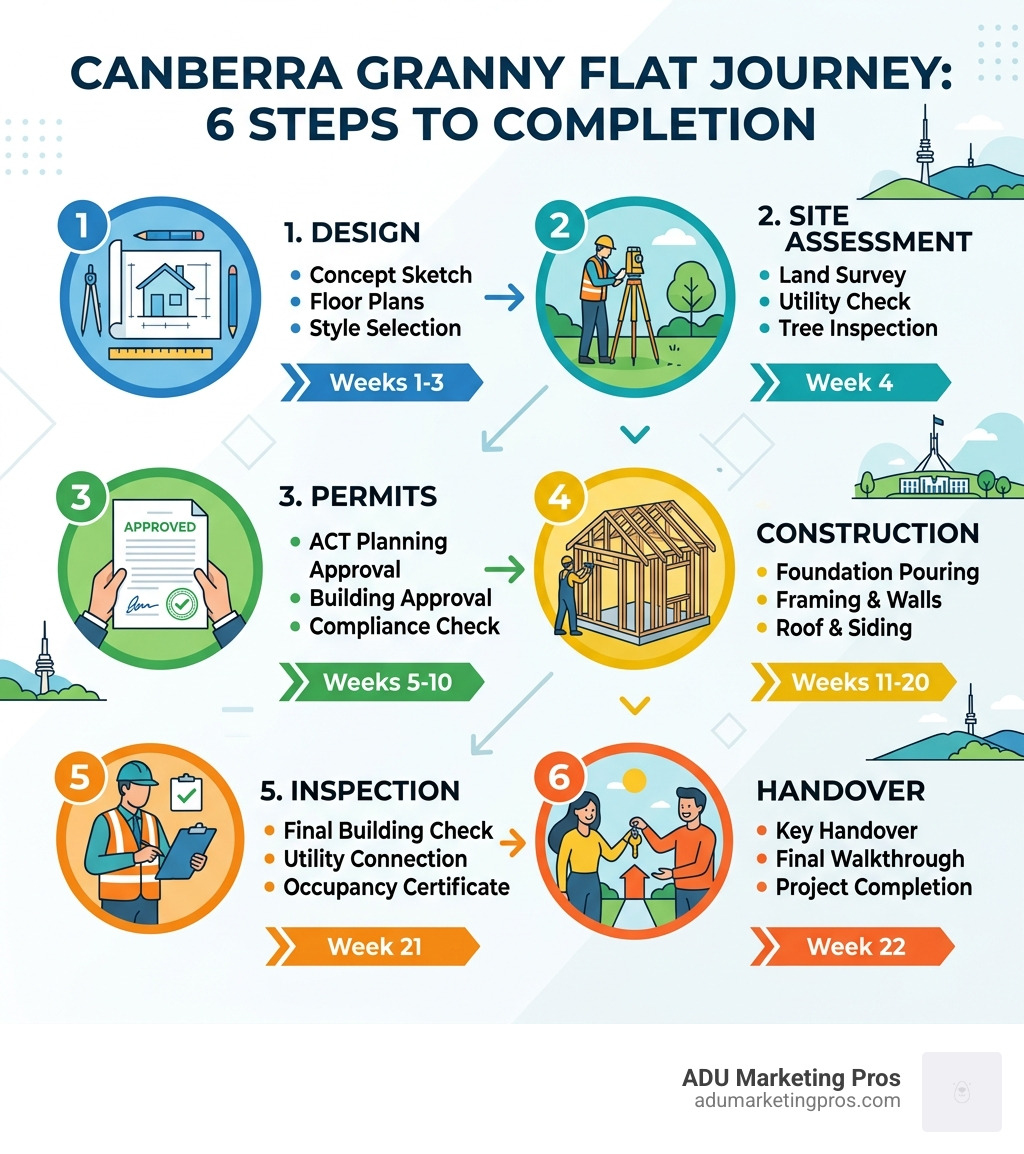
The approval process typically takes 6 to 8 weeks for permits (assuming no major objections), followed by a 12 to 16-week construction period. Total time from “hello” to “handover” is usually around 6 to 8 months when you factor in the initial design and site survey phase. Reviews often mention that builders who handle the Development Approval (DA) and Building Approval (BA) in-house provide a much smoother experience than those who leave it to the homeowner. In Canberra, the “DA-Exempt” pathway is available for some projects, but it requires strict adherence to every single rule in the book—something only an experienced builder can guarantee. If a builder promises a 3-month total turnaround, be skeptical; the paperwork alone usually takes half that time.
Frequently Asked Questions about Canberra Granny Flats
How much does a granny flat cost to build in Canberra in 2026?
Most turnkey projects in 2026 start at approximately $110,000 for a basic one-bedroom unit. High-end, three-bedroom secondary residences with double garages (like the popular designs seen in Yarralumla) can exceed $300,000. The average spend for a high-quality, 2-bedroom unit is currently around $165,000, mirroring the premium pricing often seen in Palo Alto and Menlo Park. Factors like site access and utility upgrades can significantly impact this final figure.
Do I need council approval for a secondary residence in the ACT?
Yes. Every secondary residence requires Development Approval (DA) and Building Approval (BA), or a certified DA-Exemption. Reputable builders include the management of these approvals in their service fee because the paperwork is too complex for most laypeople to handle alone. Reviews often highlight that “doing it yourself” leads to significant delays and frustration with the ACTPLA.
Can I rent out my Canberra granny flat to a private tenant?
Absolutely. Unlike some other states where granny flats were historically restricted to family members (the “blood relative” rule), the ACT allows you to rent your secondary residence to anyone. With Canberra’s low vacancy rates, many owners see yields of 7-10% on their investment, with some reaching 15% if they utilize short-term rental platforms like Airbnb. This flexibility is a major driver of the current building boom.
What is the “Adaptable Housing” requirement?
In the ACT, a secondary residence must be designed so it can be easily modified for a person with a disability. This means things like reinforced walls in the bathroom (for future grab rails) and wider hallways. It adds a small amount to the initial cost but significantly increases the long-term value and utility of the building. It also makes the unit much more attractive to the growing “aging in place” demographic.
How long does the actual construction take?
Once the slab is poured, most Canberra builders will have the structure locked up within 6 weeks and finished within 12-14 weeks. The main delays usually occur before construction starts, during the planning and utility connection phase. Reviews often suggest that homeowners should be patient during the first 2 months of the process, as this is when the critical “invisible” work happens.
Can I build a granny flat on a sloping block?
Yes, but it will cost more. Canberra’s topography, especially in the southern suburbs, often requires specialized footings or retaining walls. Builders who specialize in sloping blocks will often have specific reviews mentioning their expertise in “cut and fill” or “pier and beam” construction. Always ask for a fixed-price quote for earthworks to avoid surprises.
Conclusion
Building a secondary residence is a journey that starts with a concept and ends with a certificate of occupancy. By carefully reading canberra granny flat builders reviews, verifying licenses, and choosing a specialist who understands the ACT planning landscape, homeowners can reduce risk and improve their chances of a smooth project. The Canberra market is unique, demanding a blend of high-energy efficiency, strict accessibility compliance, and architectural sensitivity. As we have seen, the builders who succeed are those who prioritize transparency, communication, and a deep understanding of local regulations.
For ADU Marketing Pros, analyzing international markets like Canberra serves a clear strategic purpose: it reveals how reputation, positioning, and specialized expertise influence buyer decisions in secondary-dwelling markets worldwide. The trust signals that Canberra homeowners rely on – strong reviews, specialist credentials, transparent pricing – are the same signals that drive conversions for ADU builders in California. Whether you are in the ACT or the San Francisco Bay Area, the fundamental desire for a high-quality, stress-free build remains the same. These insights directly inform the marketing strategies we build for our clients in San Jose, Los Angeles, and San Diego, ensuring they speak the language of trust and authority.
At ADU Marketing Pros, we help ADU construction and architecture firms across California – including San Jose, Sunnyvale, Palo Alto, Mountain View, Menlo Park, Los Angeles, San Diego, and the San Francisco Bay Area – stand out by marketing expertise over price. Our work focuses on SEO, PPC, content strategy, and lead generation systems built specifically for the accessory dwelling unit industry. If you are a builder or design firm looking to strengthen visibility in a competitive market, we help translate real-world credibility into measurable online growth. By leveraging the power of reviews and social proof, we help you build a brand that homeowners can trust with their most valuable asset.