
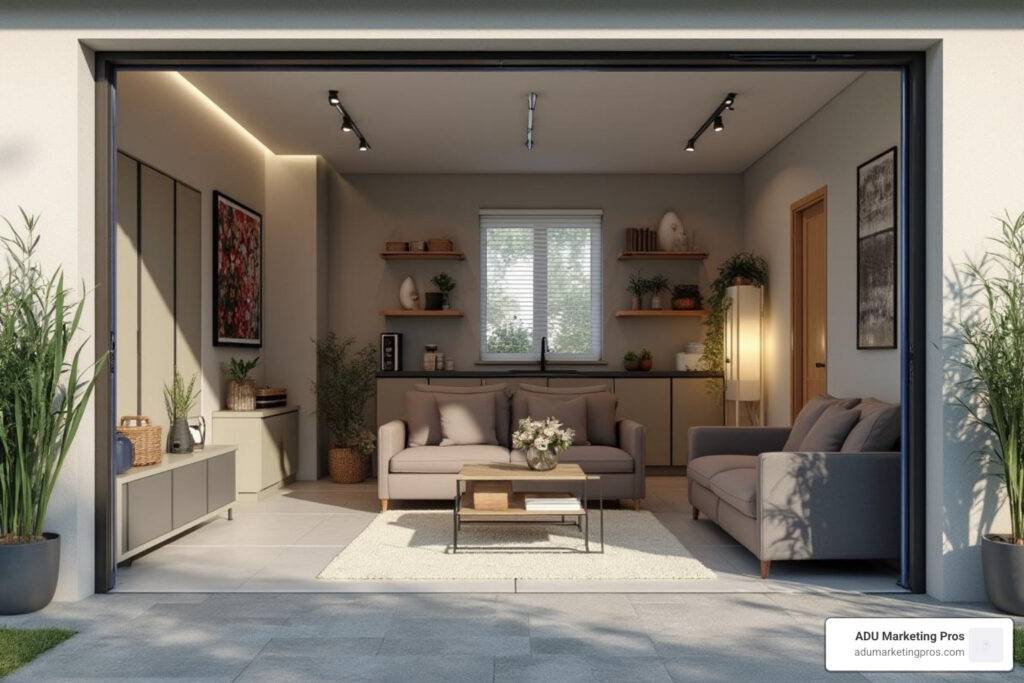
Your Guide to Garage Apartment Conversion Costs
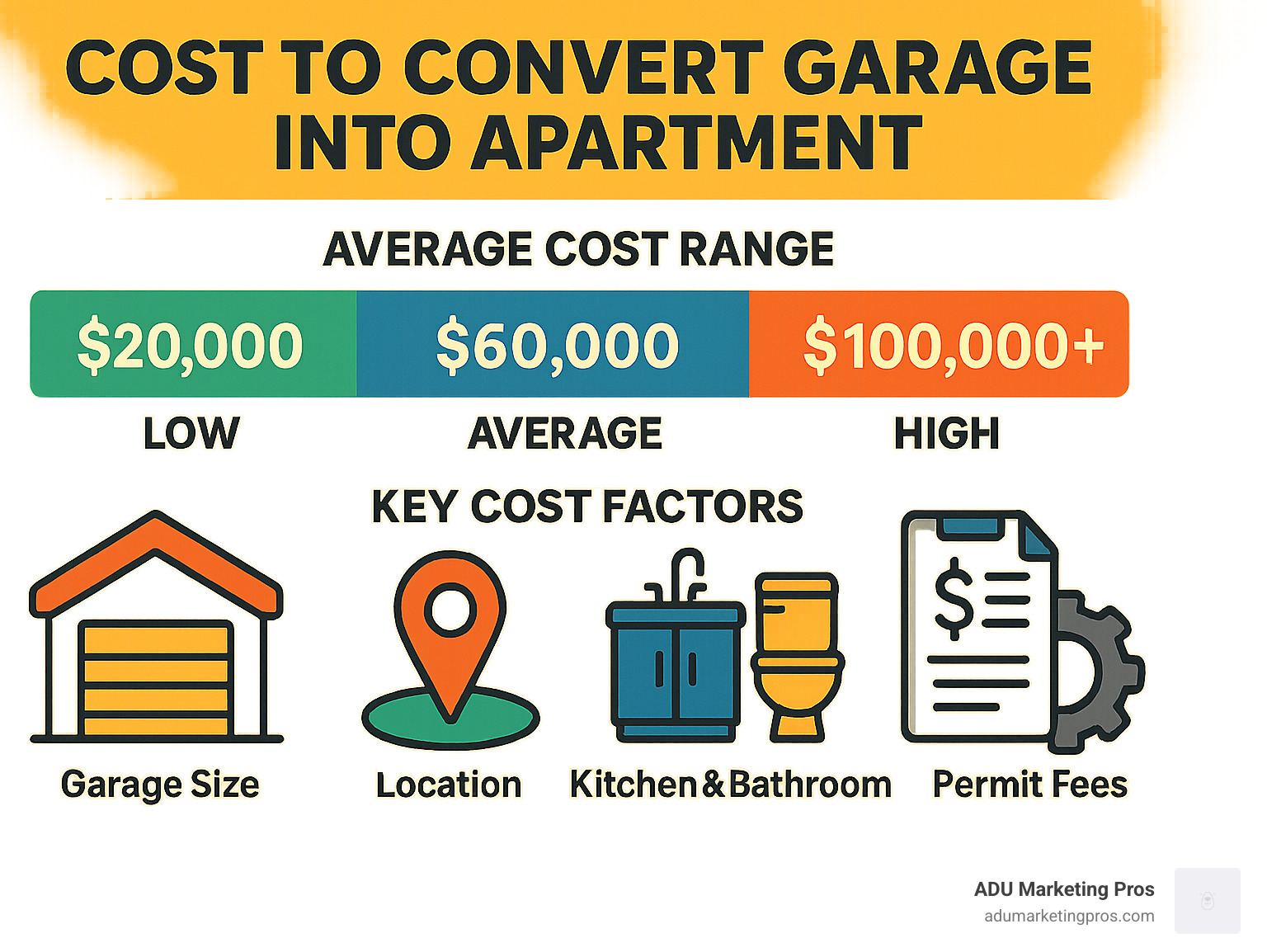
The average cost to convert garage into apartment typically ranges from $20,000 to $100,000+, depending on the size and features you include.
- Average Cost Range: $20,000 to $100,000+
- Studio/Basic Apartment: $20,000 to $50,000
- Complex/Larger Apartment: Can exceed $50,000, reaching $100,000 or more.
Garage conversions are a popular home improvement project, allowing homeowners to transform unused space into a valuable asset. It’s a smart way to add living space for a rental unit, family, or a home office without the high cost of a new home addition.
Converting your garage into an Accessory Dwelling Unit (ADU) can boost your property’s value and generate rental income. Understanding the costs involved is key to a smooth project. This guide will break down the expected costs and all the factors that influence your budget.
The Average Cost to Convert a Garage into an Apartment
The cost to convert garage into apartment varies widely, as each project is unique. A basic conversion can start as low as $6,000, while a full-featured apartment could exceed $100,000. The national average is around $16,665.
For a studio apartment or in-law suite with a bathroom and kitchenette, expect a range of $20,000 to $100,000+. The final cost depends on garage size, added features, and the quality of finishes.
Converting a garage is significantly more cost-effective than building a new addition. While a new extension might cost $100-$250 per square foot, a garage conversion typically averages $18 to $75 per square foot.
Location heavily influences the final price. For example, a conversion in Massachusetts might average $23,187, while the same project in Texas could be closer to $14,531. In California, where ADUs are popular, attached garage conversions often range from $60,000 to $90,000. Some projects in high-cost areas like Studio City, CA, have reached $110,000 for a 460 sq ft detached garage conversion, highlighting the impact of local labor rates.
Here are average cost ranges based on garage size:
| Garage Size (Approx. Sq. Ft.) | Type of Living Space Conversion | Average Cost Range |
|---|---|---|
| 1-Car (240 sq ft) | Basic living space | $5,000 – $20,000+ |
| 2-Car (400-440 sq ft) | Studio apartment | $10,000 – $50,000+ |
| 3-Car (600 sq ft) | One-bedroom apartment | $30,000 – $75,000+ |
A garage conversion is a cost-effective way to add valuable living space. For more insights into ADU construction expenses, explore our guide on ADU Building Costs.
Key Factors That Drive Your Conversion Budget
Understanding the factors that influence the cost to convert garage into apartment is crucial for budgeting. The project scope, garage type (attached vs. detached), and its existing condition are major determinants.
An attached garage is often cheaper to convert as it can tap into existing utility lines. A detached garage offers more privacy but will likely need new, dedicated utility connections, increasing costs. A crumbling foundation or leaky roof will also add to your expenses.
How Garage Size and Condition Impact Price
A larger garage costs more to convert, but some costs (like appliances) are fixed. The garage’s condition is critical. Older garages may need structural repairs, wall reinforcement, or a new roof. Garage floors are typically sloped and may need to be leveled with new concrete to create a livable space.
The Scope of Your Project: Studio vs. One-Bedroom Apartment
The type of apartment you envision impacts the budget. A simple studio with a kitchenette and basic bathroom may cost $20,000 to $50,000. A full one-bedroom apartment with a separate living area and a complete kitchen and bath will be a higher investment, often $50,000 to over $100,000+. The layout complexity, number of walls, and amenities all contribute to the price difference.
The High-Impact Features: Kitchen and Bathroom Costs
The kitchen and bathroom are often the most expensive components due to extensive plumbing and electrical work.
- Plumbing: Installing new water and drain lines can cost $1,500 to $4,000+, especially if the sewer tie-in is far or requires breaking concrete.
- Fixtures, Cabinetry, and Countertops: Costs vary from budget-friendly to high-end custom options, ranging from a few thousand to tens of thousands of dollars.
- Appliances: A basic set of kitchen appliances can add $2,500 to $6,800 or more.
- Electrical: Kitchens require dedicated circuits, adding to electrical costs.
Location and Labor Rates
Your location significantly impacts costs. Labor rates fluctuate based on local cost of living and demand. For instance, labor rates in San Jose, CA, are higher than in many other parts of the country.
General contractor fees typically range from 10% to 20% of the total project budget. Labor can account for up to 70% of the total project cost. You can learn more about the Average cost of hiring a general contractor.
A Detailed Breakdown of Your Garage Conversion Budget
This section provides a line-item look at where your money goes during a garage conversion.
Design, Engineering, and Permit Costs
The planning phase ensures your new apartment is legal, safe, and up to code.
- Architect/Designer: Needed to create functional, code-compliant plans. Fees range from $100 to $250 per hour or 5-20% of the total construction cost.
- Structural Engineer: Required for major structural changes, like removing a load-bearing wall. Fees are typically $100 to $220 per hour.
- Permit Fees: Converting a garage into a legal living space requires permits. Costs vary by location but generally range from $300 to $3,000. This ensures the conversion is safe and avoids future fines. Learn more from our guide on the ADU Permit Process.
- Tax Credits: You may be eligible for Energy efficiency tax credits for upgrades like new insulation or windows.
The Cost to Convert a Garage into an Apartment: Materials
Material choices significantly impact the final cost and look of your apartment.
- Insulation: Essential for comfort and energy efficiency. Costs range from $0.40 to $6 per square foot ($500 to $2,000 total).
- Drywall: To finish interior walls, expect to pay $1.50 to $3.50 per square foot ($1,000 to $3,000 total).
- Flooring: After leveling the concrete slab, flooring options range from budget-friendly vinyl ($2-$7/sq ft) to hardwood or tile ($8-$23/sq ft). Total cost is often $1,000 to $4,000.
- Windows and Doors: The garage door must be replaced with a wall, and new windows and an entry door are needed. Windows cost $500 to $2,000 each, and an exterior door costs $420 to $1,688.
- Siding and Roofing: If the exterior needs to match the main house or the roof needs repairs, siding costs $4 to $13 per square foot, and roofing costs $2 to $10 per square foot.
Utility Connection Costs: Plumbing, Electrical, and HVAC
These hidden costs are what make the space livable.
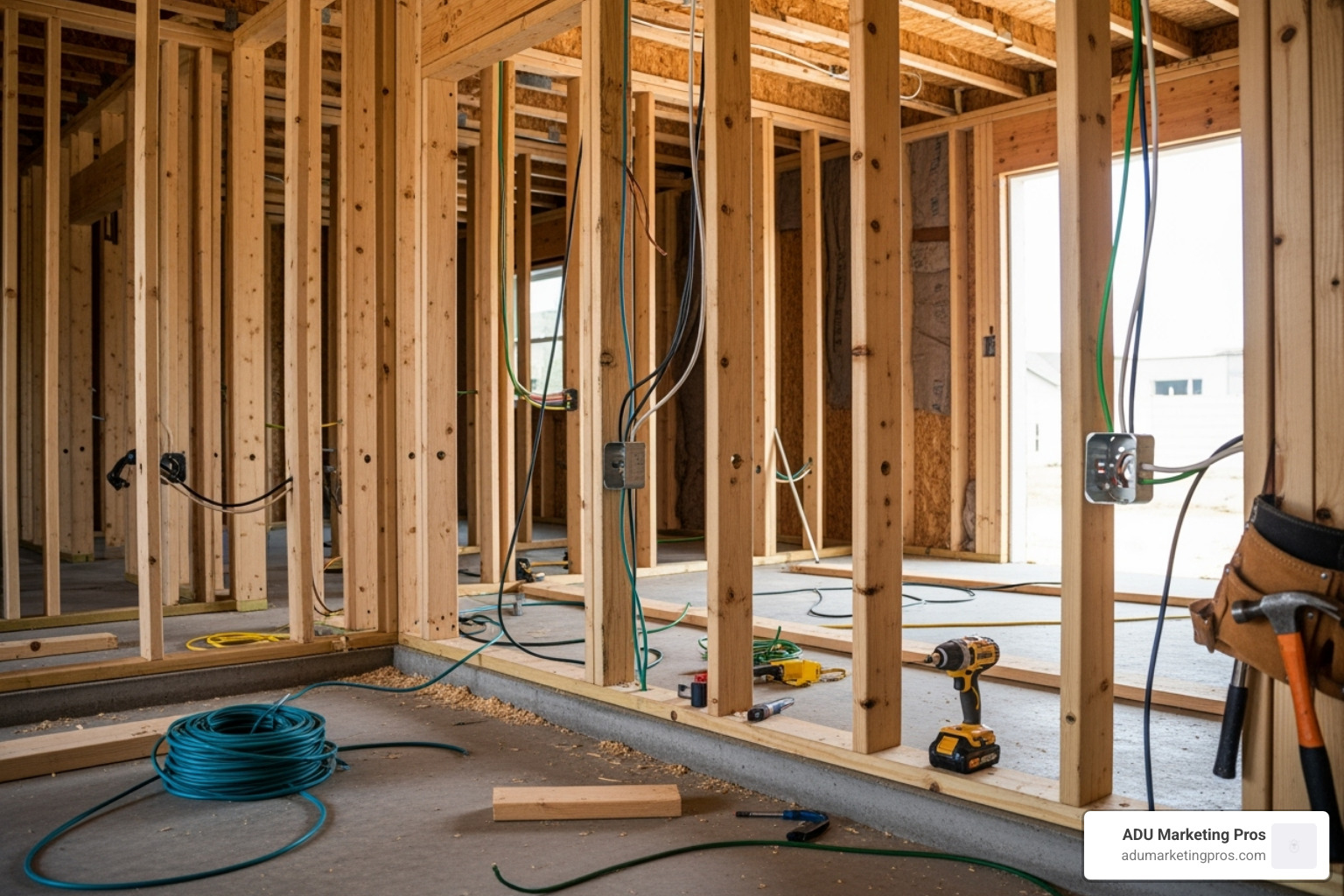
- Electrical: An electrical panel upgrade may be needed to support an apartment. New wiring, outlets, and lighting typically cost $1,000 to $3,000.
- Plumbing and Sewer: Running new water and drain lines for a kitchen and bathroom can cost $1,500 to $4,000. Connecting to the main sewer line is crucial and can involve significant excavation.
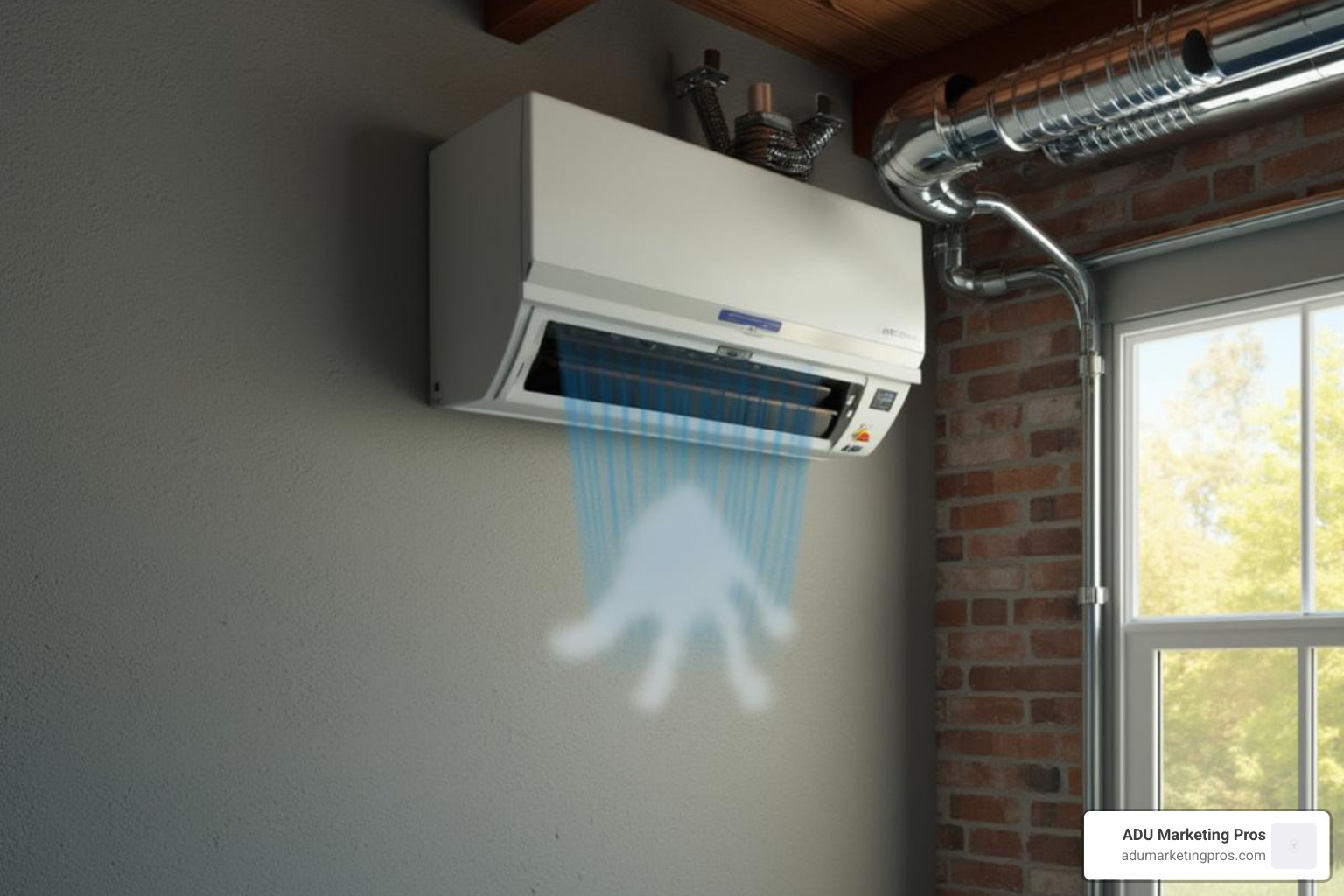
- HVAC: A ductless mini-split system is a popular choice, costing $1,500 to $4,000. Extending existing central HVAC is another option, costing $3,000 to $5,000.
Labor Costs: The DIY vs. Professional Debate
Deciding between DIY and hiring professionals requires careful thought.
- DIY Savings: Handling tasks like painting or demolition can save up to 40% on labor. Some homeowners have turned a $60,000+ professional estimate into a $20,000 DIY project.
- Professional Help: Complex and dangerous tasks like electrical, plumbing, and structural work should always be left to licensed professionals to avoid costly mistakes and permit issues. A licensed electrician and plumber are essential.
- General Contractor: For a full conversion, a general contractor is invaluable. They manage the project, coordinate trades, and handle inspections for a fee of 10-20% of the total cost.
The Big Picture: ROI, Timeline, and Saving Money
Considering the long-term benefits and practicalities of your garage conversion is just as important as the initial cost.
Does a Garage Conversion Add Value to Your Home?
Yes, converting your garage into a legal ADU is an excellent investment with a favorable return on investment (ROI). It adds square footage and functionality, which can significantly boost your home’s resale value. In many markets, the added value can cover the conversion costs over time.
Rental income provides a path to recoup your investment even faster. In high-demand areas like San Jose, CA, ADUs generate substantial passive income. The added versatility of a guest suite, home office, or in-law unit also makes your property more attractive to a wider range of buyers. However, consider your local market; in areas with limited parking, some buyers may prefer a functional garage.
What is the Typical Timeline for a Garage Conversion?
A garage conversion is a multi-step process that requires patience.
- Design and Planning: This phase takes a few weeks to a few months to finalize the layout with an architect or designer.
- Permitting: Depending on your municipality, permit approval can take from two weeks to several months.
- Construction: This phase can last from one to eight weeks or more. A simple conversion might take 2-4 weeks, while a full apartment with a kitchen and bath will likely take 6-8 weeks. Major structural work will extend this timeline.
- Inspections: Throughout construction, city inspectors will check framing, electrical, and plumbing work, which is crucial for safety and code compliance.
How to Save Money on the Cost to Convert a Garage into an Apartment
There are several ways to keep your budget in check:
- Get Multiple Quotes: Always get at least three detailed estimates from licensed contractors to ensure a fair price.
- Standard vs. Custom Finishes: Choosing standard, off-the-shelf materials for cabinets, flooring, and fixtures can save thousands over custom options.
- DIY Non-Skilled Tasks: Save on labor by handling demolition, painting, or simple flooring installation yourself. Leave complex electrical, plumbing, and structural work to licensed professionals.
- Meticulous Planning: A detailed plan finalized before construction begins helps prevent expensive change orders.
- Avoid Change Orders: Sticking to your initial plan is the best way to avoid added costs and delays.
- Research Tax Benefits: Look for local or federal tax credits for energy-efficient upgrades or ADU construction.
Frequently Asked Questions about Garage Apartment Conversions
Here are answers to common questions about garage apartment conversions.
Is it cheaper to convert a garage or build a new ADU?
Yes, a garage conversion is almost always cheaper. You’re starting with an existing foundation, walls, and roof, which saves significantly on materials and labor. A new detached ADU can cost $150,000 to $300,000+, while a garage conversion typically falls between $20,000 and $100,000+. Using the existing structure provides a major cost advantage.
Do I need an architect for a garage conversion?
For most legal conversions into an apartment, yes, you will likely need an architect or a certified designer. They are essential for creating plans that are safe, functional, and compliant with local building codes for things like ceiling height, windows, and exits. Their expertise is necessary to get permits and avoid costly mistakes, especially when integrating new plumbing and electrical systems.
What are the legal requirements for a garage conversion to ADU?
Legal requirements vary by location but always include obtaining building permits and meeting residential building codes. This covers insulation, ventilation, fire safety, egress windows, and proper utility connections. Specific jurisdictions, like those under California ADU Guidelines, have rules on parking, setbacks, and owner-occupancy. Always check your local city ordinances, as skipping permits can lead to fines, demolition orders, and problems when selling your home.
Transform Your Space with Confidence
A garage conversion is a smart investment that transforms your property and boosts its value. It can provide rental income, a space for family, or additional functional living area.
The cost to convert garage into apartment ranges from $20,000 to over $100,000, but the investment often pays for itself through increased property value and rental income. A successful, on-budget project depends on understanding key cost factors like garage size, condition, and design complexity.
- Smart Design: Working with experienced architects who know local codes prevents costly mistakes.
- Proper Permitting: This protects your investment and ensures the space adds legal value to your property.
- Quality Construction: While it may cost more upfront, quality work in plumbing, electrical, and structural elements prevents expensive future repairs.
The versatility of a converted garage—from a rental unit to a home office or guest suite—makes your property more appealing to future buyers and adaptable to your changing needs.
For construction firms, the ADU market offers huge growth potential. Homeowners are seeking contractors who understand the unique challenges of garage conversions. At ADU Marketing Pros, we help construction and architecture firms stand out by showcasing their expertise. Our specialized marketing connects qualified contractors with homeowners who value quality and professional guidance.
With proper planning and the right team, your garage conversion can be one of the best investments you make in your property. Learn more about our specialized marketing solutions for ADU garage conversions and see how we help construction firms grow.