
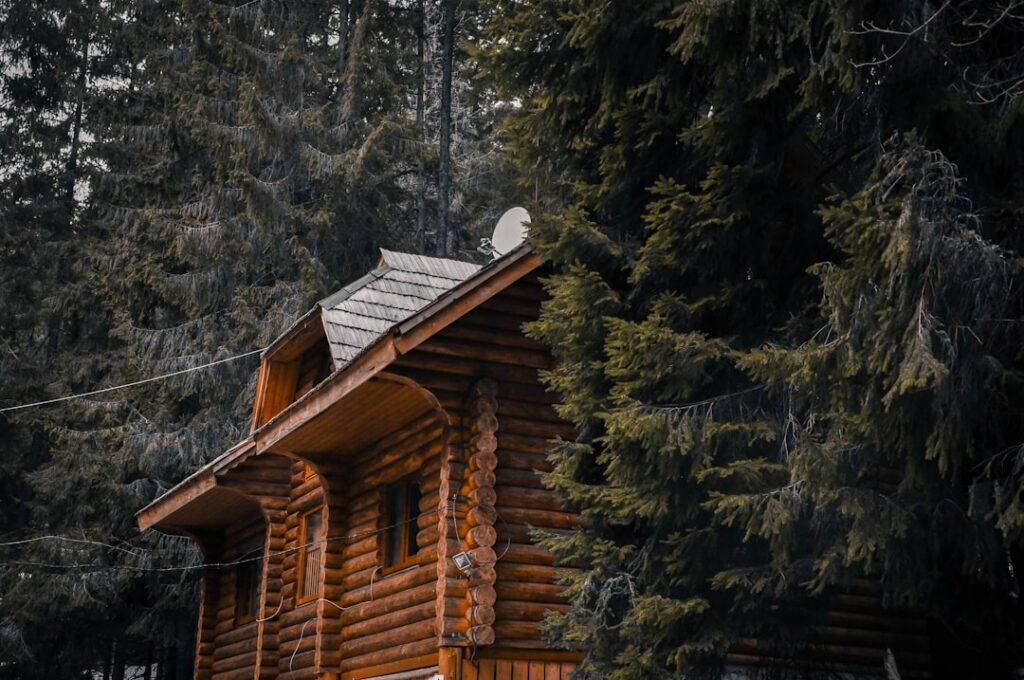
The Quickest Way to Find and Rent a Tiny Home Near Me
Rent a tiny home near me is one of the fastest-growing travel searches right now — and for good reason. These compact, cozy spaces offer something hotels and standard vacation rentals simply can’t match: a genuinely unique, intimate, and often eco-friendly experience. In California, where the housing market is notoriously tight, tiny homes and Accessory Dwelling Units (ADUs) have become a stylish and sustainable solution for both residents and travelers. The movement has shifted from a niche lifestyle choice to a mainstream travel trend, driven by a desire for simplicity and a closer connection to the environment.
As urban centers become more crowded, the allure of a self-contained, minimalist retreat grows. People are no longer just looking for a place to sleep; they are looking for an architectural experience. Whether it is a converted shipping container in the desert or a handcrafted wooden cabin in the redwoods, the variety of tiny homes available for rent has exploded. This surge in popularity is also a reflection of the “try before you buy” mentality, as many prospective homeowners use these rentals to test the feasibility of downsizing their own lives.
Here’s a quick snapshot of what to know before you book in California:
| What You Want | What to Expect |
|---|---|
| Price range | $100–$250/night for short-term stays |
| Long-term options | From ~$1,200/month in community settings |
| Best platforms | Hipcamp, Glamping Hub, Airbnb |
| Top California locations | Los Angeles, San Diego, San Francisco, San Jose |
| Pet-friendly options | Yes — many listings welcome dogs |
| Typical size | 150–450 sq ft |
| Common amenities | Full kitchen, loft sleeping, hot tub, fire pit, Wi-Fi |
Tiny home rentals are popping up across the Golden State — from coastal retreats in Malibu to vineyard stays in Temecula and tech-forward ADUs in Silicon Valley. Whether you’re planning a romantic weekend, a solo escape, or a family glamping trip, there’s likely a tiny home available close to you. The flexibility of these structures allows them to be placed in locations where traditional hotels simply cannot exist, providing access to pristine nature and quiet residential neighborhoods alike.
The appeal is simple: big experiences in a small footprint.
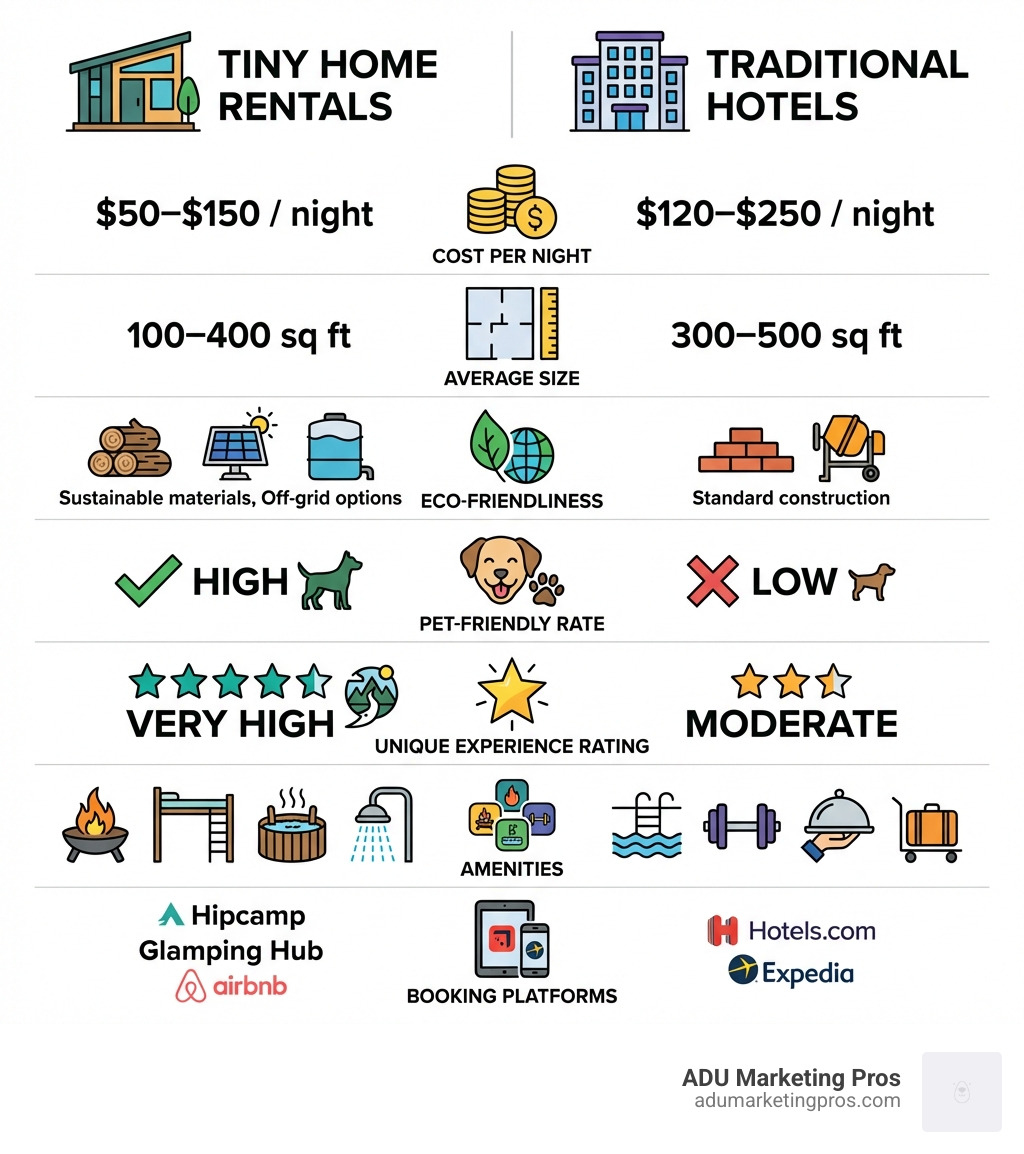
Rent a tiny home near me vocabulary:
Why You Should Rent a Tiny Home Near Me
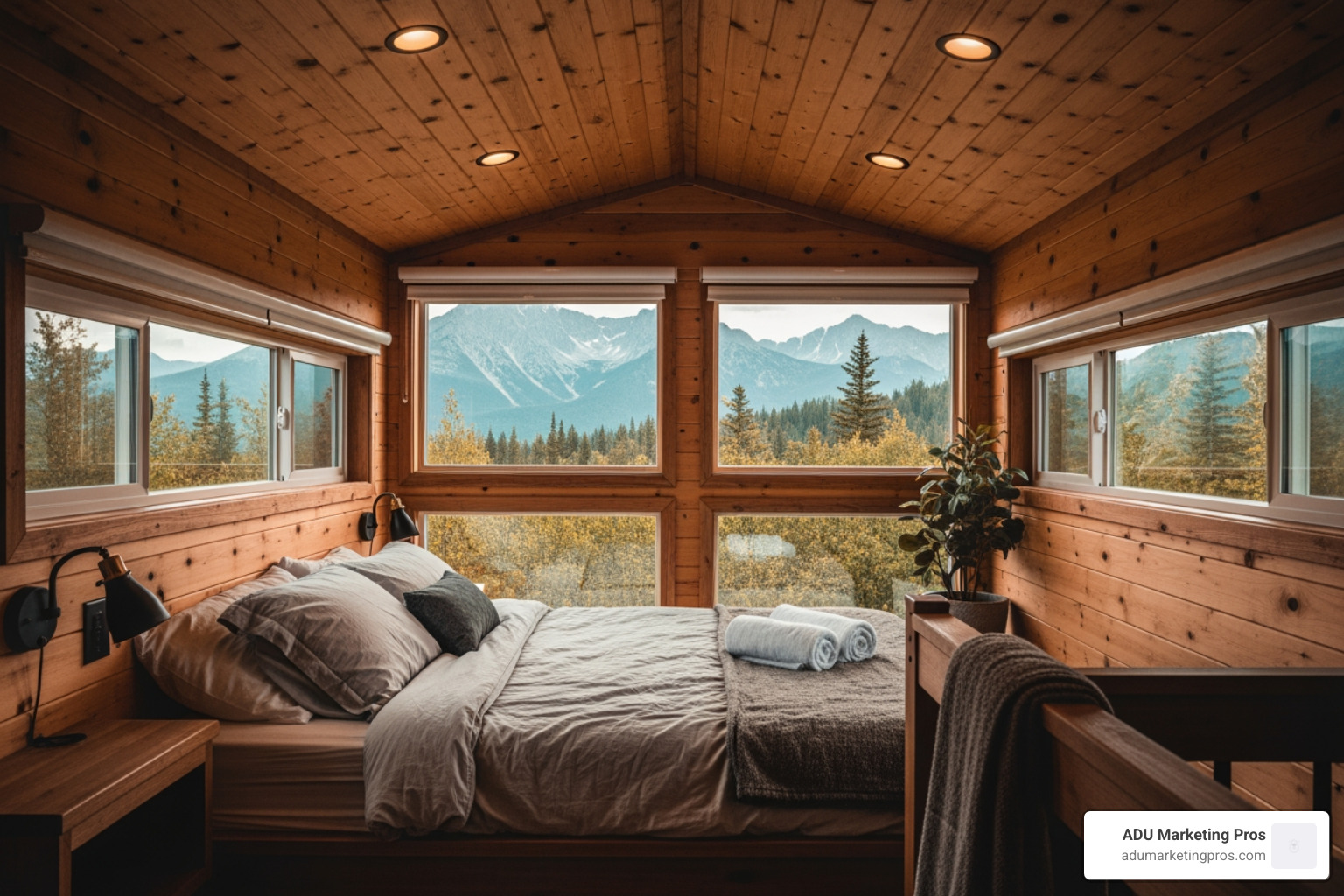
When we think about the perfect getaway, we often imagine grand hotels or sprawling resorts. However, a growing number of us are finding that “less is more.” Choosing to rent a tiny home near me isn’t just about finding a place to sleep; it’s about embracing a minimalist lifestyle that prioritizes experiences over square footage. This shift in perspective allows travelers to focus on the quality of their surroundings rather than the quantity of space they occupy.
Tiny homes are often crafted from sustainable materials and designed to leave a smaller footprint on the earth. Many offer off-grid experiences that allow us to disconnect from the digital world and reconnect with nature. They’re also a smart way to “test drive” the lifestyle before committing to building (or buying) your own. If you’ve ever wondered about the adu-vs-tiny-house debate, spending a few nights in one is one of the clearest ways to understand the practical differences. You will quickly learn if you prefer a ladder-access loft or a ground-floor sleeping nook, and how much kitchen space you truly need to be happy.
The Appeal of Minimalist Travel
Minimalist travel is about stripping away distractions. In a tiny home, the intimate setting naturally encourages us to focus on our companions—or our own thoughts. This makes them perfect for romantic getaways where the cozy environment fosters connection. By staying in a decluttered, intentional space, we often find our minds feel clearer too. There is a psychological benefit to being in a space where everything has a purpose and a place. It reduces the cognitive load of managing “stuff,” allowing you to fully immerse yourself in your vacation.
Eco-Friendly and Sustainable Stays
One of the most compelling reasons to choose a tiny rental is the reduced carbon footprint. These structures require significantly less energy to heat and cool, and many are built using reclaimed or eco-conscious materials. From solar panels on the roof to composting toilets and greywater systems, tiny homes are often at the cutting edge of green building technology.
If you’re comparing travel options with an eye on sustainability, it can help to understand how energy use and emissions are typically measured across lodging and travel. The U.S. Environmental Protection Agency’s overview of greenhouse gas emissions is a solid, authoritative starting point: https://www.epa.gov/ghgemissions/overview-greenhouse-gases
And if you plan to rent in California, it’s also worth knowing that many “tiny homes” on rental platforms are actually permitted ADUs. California’s Department of Housing and Community Development provides an authoritative ADU resource page that explains the basics and statewide framework: https://www.hcd.ca.gov/policy-and-research/accessory-dwelling-units. By choosing these rentals, you are often supporting local homeowners who have invested in sustainable housing solutions for their communities.
Top Destinations for Tiny Home Rentals in California
California has become the epicenter of the tiny house movement in the United States. From the tech hubs of the north to the sun-drenched beaches of the south, the variety of rentals is staggering. We’ve seen everything from sleek, modern ADUs in San Jose to whimsical, off-grid cabins in the High Desert. The diversity of the California landscape means that you can experience tiny living in a multitude of environments, each offering a unique take on the lifestyle.
| City | Top Feature | Vibe | Typical Price |
|---|---|---|---|
| Los Angeles | Urban Chic | Creative & Fast-Paced | $120 – $180/night |
| San Diego | Coastal Living | Laid-back & Sunny | $130 – $190/night |
| San Francisco | Modern ADUs | Sophisticated & Compact | $150 – $220/night |
| San Jose | Tech Retreats | Innovative & Quiet | $110 – $160/night |
Finding the Perfect Tiny Home Near Me in Los Angeles
Los Angeles isn’t just about Hollywood and high-rises. For those looking to rent a tiny home near me in Southern California, neighborhoods like Echo Park and Topanga Canyon are hidden gems. Here, you can find hillside rentals starting at around $120 per night. These homes often come with stunning views of the city skyline or the Pacific Ocean, allowing you to enjoy the California dream from a minimalist perspective. It’s the perfect balance—close enough to the action of the city, but far enough away to enjoy a quiet sunset. If you fall in love with the area, you might even start looking into small-houses-for-sale nearby. Many of these rentals are located in the backyards of historic homes, providing a sense of privacy and charm that you won’t find in a standard hotel.
Coastal Escapes: Rent a Tiny Home Near Me in San Diego
San Diego is world-famous for its perfect weather and surf culture. In this area, tiny home “hotels” and backyard ADUs have become incredibly popular. You can stay in custom-built models that pack everything you need into just 250 square feet. These homes are often located in vibrant neighborhoods like North Park or Ocean Beach, matching the eclectic vibe of the city. You can Learn more about the community and availability to see which units are currently open for your next coastal retreat. The proximity to the beach and the outdoor-centric lifestyle of San Diego make tiny homes an ideal choice for travelers who plan to spend most of their time exploring the coast.
The High Desert and Joshua Tree
For a truly otherworldly experience, many travelers head to the High Desert. Joshua Tree and Yucca Valley host some of the most architecturally significant tiny homes in the world. These rentals often feature large glass walls to take in the desert sunrises and stargazing decks for the clear night skies. Because the desert environment is so harsh, these homes are masterclasses in efficient cooling and water conservation. Staying here offers a profound sense of solitude and a chance to witness the rugged beauty of the California desert from a comfortable, well-designed basecamp.
Rural Retreats and Vineyard Stays
If you prefer the sound of rustling vines over the sound of traffic, the Temecula Valley and Ojai offer incredible tiny home stays on working farms and vineyards. These are almost always pet-friendly, making them a top choice for those who can’t travel without their furry friends. Imagine waking up and helping the hosts with the morning harvest or simply watching the fog roll over the mountains from your porch. For a closer look at what these California communities look like, you can Watch a video tour of a Florida tiny home community (which shares many design similarities with our West Coast versions). These rural stays often provide a farm-to-table experience, where you can enjoy local produce and wine right from your doorstep.
What to Expect: Amenities and Features of Tiny Living
Don’t let the size fool you—modern tiny homes are often more luxurious than standard hotel rooms. When you rent a tiny home near me, you can expect high-end finishes and clever engineering. Many of these units are designed by professional architects who specialize in tiny houses, ensuring that every inch is utilized perfectly. The goal is to maximize functionality without sacrificing aesthetics, resulting in spaces that feel both efficient and beautiful.
Common amenities include:
- Sleeping Lofts: Cozy nooks tucked under the roof, often with skylights for stargazing and high-quality linens.
- Full Kitchens: Compact appliances, including induction cooktops, convection ovens, and integrated refrigerators.
- Instant Hot Water: Ensuring you never run out of warmth during your morning shower, even in off-grid setups.
- Luxury Add-ons: Many hosts now include hot tubs, Wi-Fi, and even outdoor projectors for movie nights under the stars.
- Climate Control: High-efficiency mini-split systems that provide both heating and cooling with minimal noise.
Space-Saving Design and Layouts
The magic of tiny living lies in the design. We often see multi-functional furniture, like stairs that double as drawers or tables that fold into the wall. High ceilings and large windows are used to create a sense of openness, preventing the space from feeling cramped. This type of clever tiny house design is what makes a 200-square-foot home feel like a palace. Architects often use light-colored woods and strategic mirror placement to bounce light around the room, further enhancing the feeling of spaciousness. Every cabinet and shelf is placed with intention, often utilizing vertical space that goes ignored in traditional homes.
Outdoor Living Features
Because the interior is small, tiny home living often extends outdoors. Private decks, fire pits, and BBQ grills are standard features. Some communities even offer shared amenities like community gardens where guests can pick fresh herbs or vegetables for their dinner. This emphasis on outdoor living encourages guests to engage with their environment, whether it’s enjoying a morning coffee on a cedar deck or roasting marshmallows over a gas fire pit. In many California rentals, the “living room” is actually an outdoor patio, complete with comfortable seating and ambient lighting, effectively doubling the usable square footage of the home.
Long-Term Tiny Living and Communities
While many people start by looking for a weekend rental, some find they never want to leave. California is home to pioneering communities like Tiny House Block in Mount Laguna, near San Diego. These locations offer long-term lot rentals and community living that prioritizes social connection and environmental stewardship. These communities are often at the forefront of the adu-vs-tiny-house legal discussions, helping to shape how cities like San Jose and Los Angeles view alternative housing. If you are looking for builders who can help you create a permanent residence like these, check out tiny-house-builders-in-southern-california for inspiration and leads.
Transitioning from Renter to Owner
Renting is the ultimate “try before you buy” strategy. It allows you to test different layouts—maybe you realize you hate climbing a ladder to get to bed, or you find you need a larger kitchen for your culinary hobbies. Staying in a rental also gives you the chance to ask the owner for builder referrals and tips on navigating California’s complex zoning regulations and SB 9/SB 10 laws. Many tiny home enthusiasts spend a year renting different models before deciding on the specific dimensions and features they want for their own permanent build. This hands-on research is invaluable in avoiding costly mistakes during the construction phase.
The Legal Landscape in California
California has been a leader in legislation that supports tiny homes and ADUs. Recent laws have made it easier for homeowners to add these units to their properties, which has directly increased the supply of rentals. However, the rules can vary significantly between counties. For example, some areas allow tiny houses on wheels (THOWs) as permanent dwellings, while others require them to be on a fixed foundation. Understanding these nuances is crucial if you plan to move from renting to owning. The state’s push for higher density and more affordable housing options continues to drive the evolution of these regulations.
Community Benefits and Social Impact
Living in a tiny home community often means being part of something bigger. We see residents sharing resources, maintaining bee hives, and participating in community gardening. Some retreats even use their booking proceeds to fund local environmental initiatives. To get a feel for the social vibe, you can See a day in the life of a tiny house community online. These communities often foster a sense of belonging that is sometimes lost in traditional suburban neighborhoods, with shared common houses and regular community potlucks.
Planning Your Stay: Costs, Timing, and Tips
Pricing for tiny home rentals in California is generally accessible but reflects the local market, ranging from $100 for a basic cabin to $250 for a luxury “tiny mansion” in the Bay Area. Factors such as proximity to major attractions, seasonal demand, and specific amenities (like a private hot tub or ocean view) will influence the nightly rate. If you’re looking for inspiration outside of the West Coast, you might explore The best tiny home rentals near Austin, Texas to see how prices and styles compare across the country.
Best Time to Visit California Tiny Homes
For the best experience in California, we recommend visiting during the spring (March to May) or fall (September to November). During these months, the temperatures are a pleasant 65°F to 75°F, which is perfect for enjoying the outdoor amenities like fire pits and decks without the intense summer heat or the winter rains. Spring brings vibrant wildflowers to the desert and coastal hills, while fall offers crisp air and beautiful foliage in the mountain regions. If you’re a fan of cooler, mistier climates, you might also want to Discover the best tiny home rentals near Salem, Oregon for a different seasonal experience.
How to Book a Tiny Home Near Me
Booking is simple if you know where to look. Use search filters on platforms like Airbnb or Hipcamp to specifically look for “Tiny Houses.” Always read the guest reviews to check for host responsiveness and cleanliness. Pay attention to the “house rules,” as tiny homes often have specific instructions for things like composting toilets or limited power usage. If you are traveling with a pet, make sure to double-check the specific pet policy, as some California properties have strict rules regarding local wildlife and leash requirements. For those in the West, check out Tiny house vacation rentals in Los Angeles County for some of the most stylish options available.
What to Pack for a Tiny Stay
When staying in a tiny home, packing light is essential. Space for luggage is often limited, so opt for soft-sided bags that can be tucked away easily. Consider the environment: if you’re staying in a rural or off-grid unit, bring a portable power bank, a sturdy pair of outdoor shoes, and perhaps a headlamp for navigating at night. Most hosts provide basic kitchen essentials, but if you plan on cooking elaborate meals, you might want to check if specific tools are available. Remember, the goal of tiny living is to simplify, so bring only what you truly need to enjoy your stay.
Frequently Asked Questions about Tiny Home Rentals
What is the difference between a tiny house and a normal vacation rental?
The primary difference is the intentionality of the space. While a normal rental might just be a small apartment, a tiny house is a custom-built structure designed for efficiency and minimalism. In California, many tiny homes are actually legally classified as ADUs (Accessory Dwelling Units), which means they meet specific building codes for permanent residency. They often feature unique architectural elements like lofts and multi-purpose furniture that you won’t find in a standard condo or hotel room.
Are pets allowed in tiny houses in California?
Many are! Because many tiny homes are located in rural plots or have private yards, there is often plenty of roaming space. However, always check the listing for specific leash laws or pet fees. Some hosts even provide pet-specific amenities like bowls, beds, and outdoor wash stations. It is important to be mindful of local wildlife, especially in desert or mountain areas, where pets should never be left unattended outdoors.
Do tiny houses in California have hot tubs?
Yes, many luxury tiny home rentals feature hot tubs. These are particularly popular in “glamping” style rentals in areas like Joshua Tree or the Santa Cruz Mountains, where the goal is to provide a high-end experience in a natural setting. It’s a great way to enjoy panoramic views while relaxing in style. Some hosts even offer wood-fired hot tubs for a more rustic and eco-friendly experience.
Is the Wi-Fi reliable in tiny homes?
In urban ADUs, the Wi-Fi is typically as fast as any standard home. However, for rural or off-grid tiny homes, connectivity can vary. Many hosts now use satellite internet services like Starlink to provide high-speed access even in remote locations. If you plan to work during your stay, it is always best to message the host beforehand to confirm the connection speed and reliability.
How do bathrooms work in tiny homes?
Most modern tiny home rentals feature standard flush toilets and traditional plumbing. However, some off-grid units may use high-tech composting toilets or incinerator toilets. These are clean, odorless, and environmentally friendly, but they may require a quick tutorial from the host. Showers are typically full-sized, though water heaters may be smaller, necessitating slightly shorter showers than you might take at home.
Conclusion
Renting a tiny home is more than just a trend; it’s a gateway to a simpler, more sustainable way of living. Whether you’re looking to escape the city for a weekend or considering a permanent lifestyle change, the options available today are more comfortable and accessible than ever. The movement represents a broader shift toward conscious consumption and a focus on what truly matters: experiences, connection, and a healthy relationship with our environment. At ADU Marketing Pros, we are passionate about the future of housing and helping the firms that build these incredible spaces reach the right audience.
As you plan your next adventure, consider the impact of your stay. By choosing a tiny home, you are often supporting sustainable building practices and local entrepreneurs. Whether it’s a sleek ADU in the heart of Silicon Valley or a rustic cabin overlooking the Pacific, your stay will undoubtedly provide a fresh perspective on how much space we really need to be happy. If you’re interested in the legalities of where these homes can be placed permanently, especially in the Western U.S., explore our guide on places-in-southern-california-that-allow-tiny-houses. Happy travels, and may your next stay be tiny but your memories be huge!