
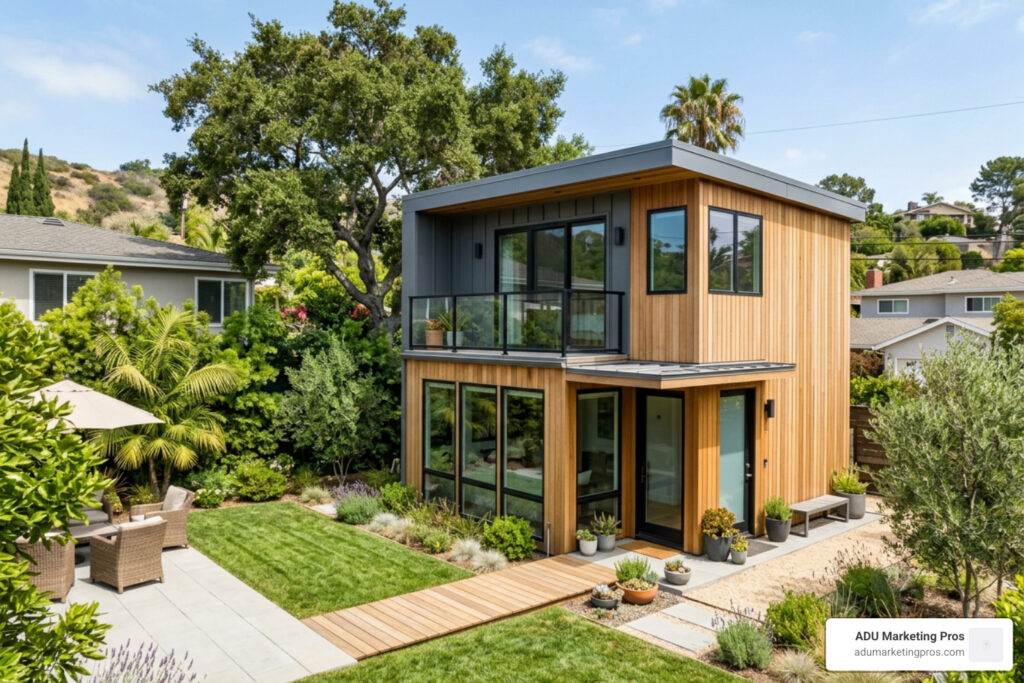
What Are the ADU Regulations San Jose Homeowners Need to Know?
ADU regulations San Jose homeowners must follow cover zoning, size limits, setbacks, height, permits, and rental rules. Here’s a quick overview:
| Rule | Key Requirement |
|---|---|
| Allowed zones | R-1, R-2, R-M, PD, or qualifying General Plan designations |
| Min. lot size | 3,000 sq ft |
| Detached ADU max size | 1,000 sq ft (lots under 9,000 sq ft) / 1,200 sq ft (lots 9,000+ sq ft) |
| JADU max size | Under 500 sq ft, within existing home footprint |
| Rear/side setback | 3–4 ft (detached, ground floor) |
| Front setback | 45 ft (detached ADU) |
| Max height (1-story detached) | 18 ft |
| Parking near transit | No parking required within ½ mile of public transit |
| Min. rental term | 30 days (no short-term/Airbnb) |
| Permit review time | ~20 business days (30 days with pre-approved plans) |
| Impact fees | Waived for ADUs under 750 sq ft |
San Jose is one of the best cities in California to build an ADU right now. The city has steadily relaxed its rules since 2018, aligning with state law to make it faster and cheaper to add a secondary unit to your property.
Whether you’re thinking about a detached backyard cottage, converting your garage into a Junior ADU (JADU), or parking a Tiny Home on Wheels (THOW) on your lot — the rules are different for each, and the details matter.
Getting the regulations wrong early can mean costly redesigns, permit delays, or outright rejection. This guide walks you through everything clearly, so you can plan with confidence.
Relevant articles related to ADU regulations San Jose:
Qualifying Your Property for an ADU
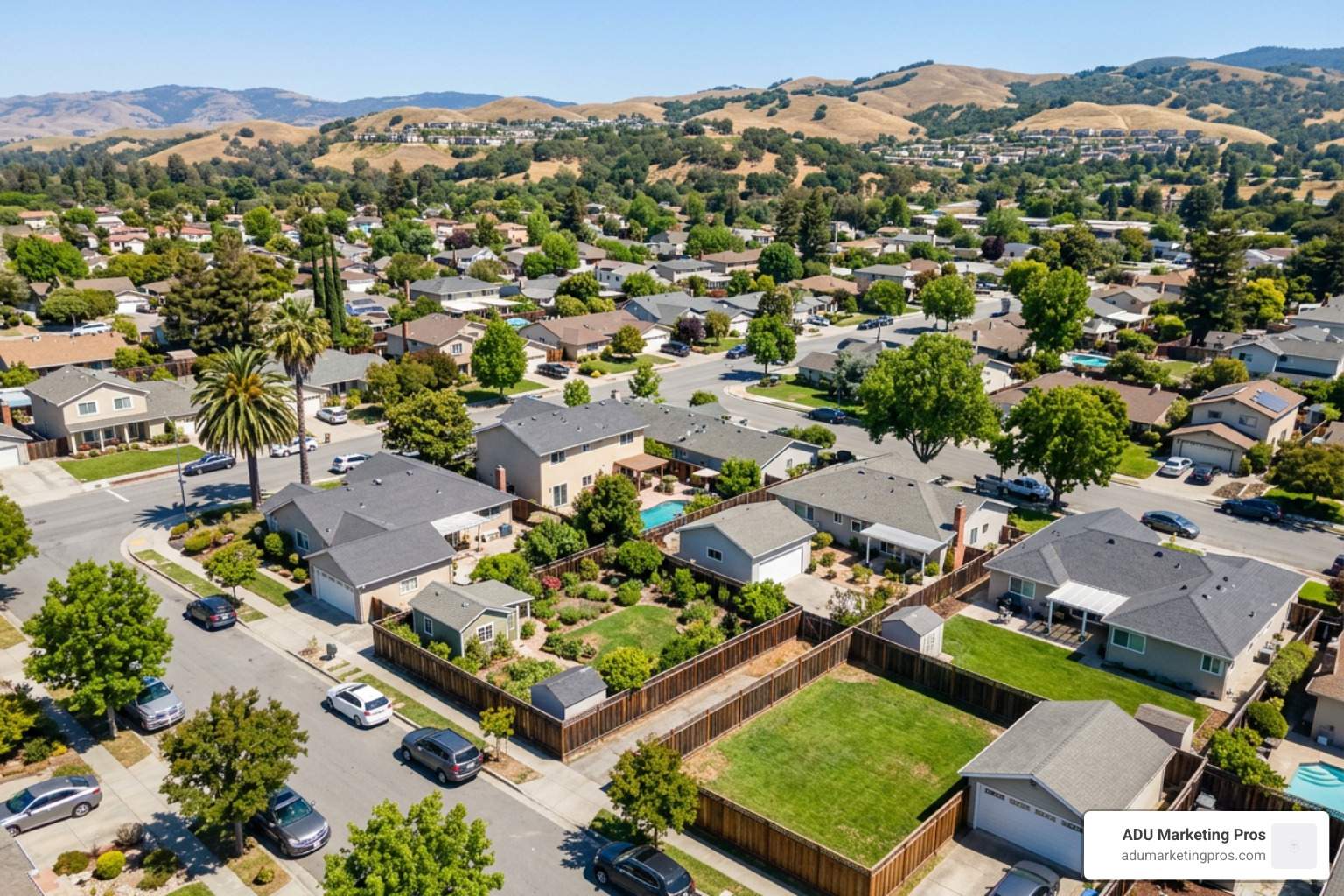
Before we pick out floor plans or hire a contractor, we need to make sure your property is actually eligible. In the past, San Jose had much stricter requirements, but thanks to recent California ADU Legislation, most residential lots in the city now qualify.
The primary zoning districts that allow for ADUs include R-1 (Single-Family), R-2 (Two-Family), and R-M (Multi-Family). If your property is in a Planned Development (PD) zone, it typically follows R-1 standards unless specifically prohibited. Furthermore, if your land is designated in the General Plan as an Urban Village, Downtown, or a Mixed-Use Neighborhood, you are likely in the clear.
One of the biggest wins for homeowners was the reduction of the minimum lot size. While it used to be over 5,000 square feet, the current San Jose ADU Guidelines allow for construction on lots as small as 3,000 square feet.
To verify your specific property, we always recommend visiting SJPermits.org. You’ll want to look for the “Incorporated” data field; if it says “Yes,” you are within the City of San Jose’s jurisdiction and can move forward with these local rules.
Identifying ADU Types and JADU Zoning
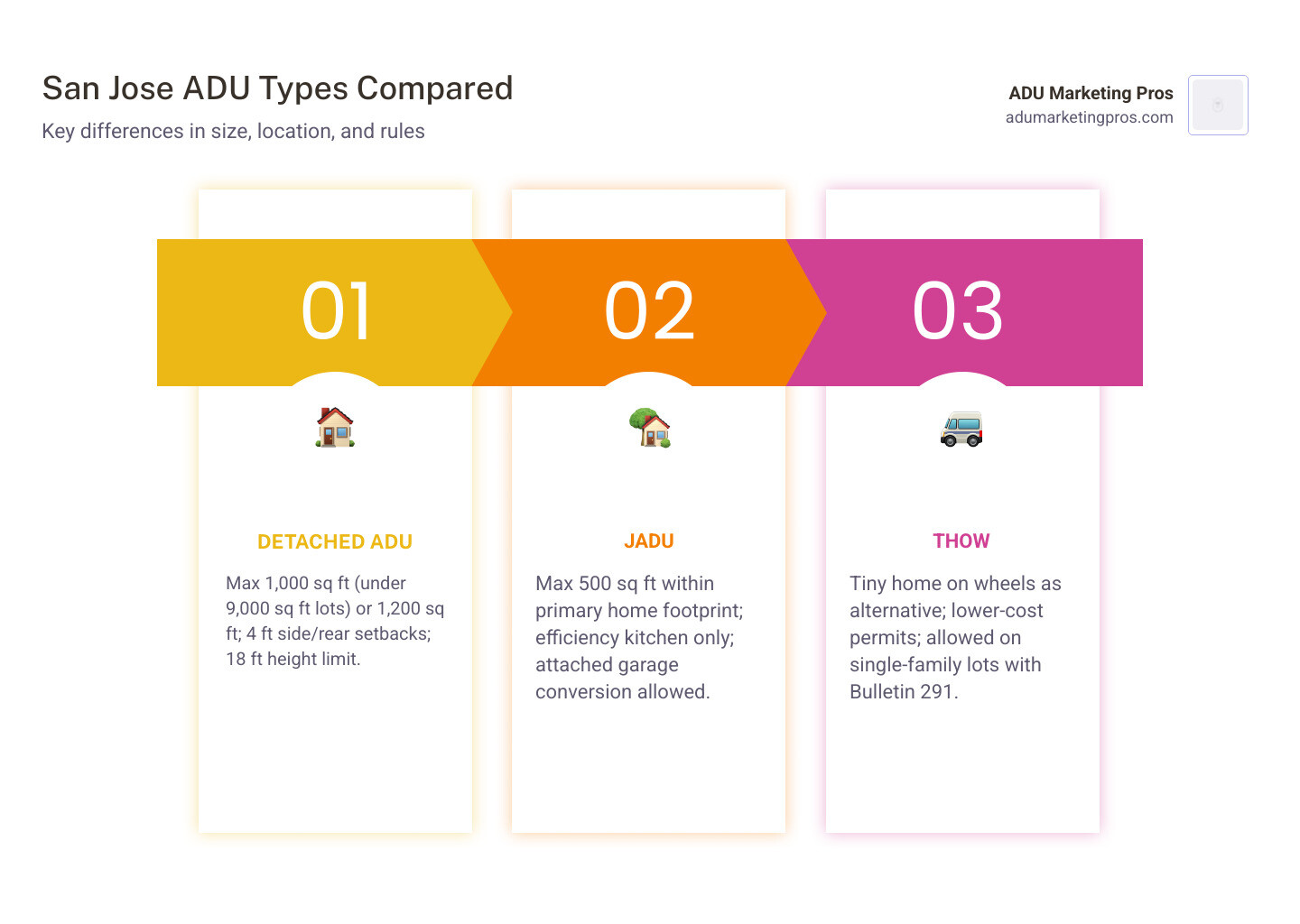
In San Jose, we generally talk about three main types of units. The first is the standard ADU, which can be attached to your home or detached in the backyard. The second is the Junior Accessory Dwelling Unit (JADU).
According to the JADU Zoning Ordinance, a JADU must be:
- Less than 500 square feet.
- Located entirely within the footprint of a single-family home (this includes attached garages).
- Equipped with an efficiency kitchen (plug-in appliances are okay).
- Subject to an owner-occupancy requirement, meaning the owner must live in either the main house or the JADU.
Tiny Homes on Wheels (THOWs) in San Jose
San Jose is a pioneer in California for allowing Tiny Homes on Wheels as a legal form of detached ADU. These are prefabricated units mounted on a trailer chassis. They offer a much lower-cost entry point into the housing market.
If you are working with Tiny House Builders California, you’ll need to follow Bulletin 291. These are only allowed on single-family properties and have a simplified, lower-cost permit process compared to a ground-up backyard cottage.
Understanding ADU Regulations San Jose
Navigating ADU regulations San Jose requires understanding the “Rear Yard Coverage Rule.” This is a common sticking point. In San Jose, the total coverage of your rear yard by all structures (your ADU, sheds, etc.) generally cannot exceed 40% of the rear yard area. However, the city allows you to build at least an 800-square-foot ADU regardless of this percentage, provided you meet the setbacks.
When we look at ADU Size Restrictions, the limits depend heavily on whether the unit is attached or detached and how big your lot is. You can find the full technical breakdown on the San Jose Official ADU Regulations page.
Maximum Size and ADU Regulations San Jose
The city uses a 9,000-square-foot lot size as the primary threshold for maximum dimensions:
- Lots under 9,000 sq ft: Detached ADUs can be up to 1,000 square feet.
- Lots 9,000 sq ft or greater: Detached ADUs can go up to 1,200 square feet.
- Attached ADUs: These are limited to 800 square feet OR 50% of the primary residence’s square footage, whichever is greater, up to the maximums mentioned above.
If you are wondering How Big Can an ADU Be in California, San Jose is actually quite generous compared to other municipalities that cap all units at 800 square feet.
Setback and Height ADU Regulations San Jose
Where you place the unit on your lot is strictly governed by ADU Zoning Laws.
- Setbacks: For a detached ADU, you generally need a 45-foot setback from the front property line. Side and rear setbacks for the ground floor are typically 3 to 4 feet. If you build a second story, the rear and side setbacks often increase to 15 feet to protect neighbor privacy.
- Height: A one-story detached ADU can reach 18 feet in height. If you are building a two-story unit, the limit is 24 feet.
- Separation: The “Horizontal 6-Foot Distance Rule” requires that the walls of your ADU be at least 6 feet away from any other building on the property.
The San Jose ADU Permitting Process
The ADU Permit Process in San Jose is now “ministerial.” This is a fancy way of saying that if you follow the rules, the city must approve your permit; they can’t subject you to subjective design reviews or public hearings.
Most applications are handled through SJePlans. You will need to submit a Building Permit Application (Form 310), a property owner’s package (Form 311), and potentially a JADU deed restriction (Form 313). One critical step that often delays ADU Permits California is the water flow data. You must obtain a letter from your water company confirming that the closest hydrant provides at least 1,000 gpm of flow at 20 psi.
Using Pre-Approved ADU Plans San Jose
If you want to skip the long design phase, we highly recommend using Pre-Approved ADU Plans San Jose. The city has a catalog of “Master Files” from various architects.
When you use these San Jose ADU Plans, the building review time is slashed. Instead of the typical 60-day window, the city aims to review these applications within 30 days because the structural engineering has already been vetted.
ADU Universal Checklist and Property Tools
Before spending a dime on an architect, download Bulletin 210, also known as the ADU Universal Checklist. It’s a self-assessment tool that covers ADU Building Requirements like:
- Flood Zones: Is your property in zone A, AE, AH, or AO?
- Geohazards: Are you in a seismic landslide zone?
- Historic Resources: Is your home on the Historic Resources Inventory?
- Trees: Will you need a Tree Removal Permit? In San Jose, “ordinance-size” trees (38 inches in circumference) require special permission to remove.
Costs, Fees, and Financial Incentives
Building an ADU is an investment, and understanding the ADU Permit Cost California is vital for your budget. San Jose provides a San Jose Building Fee Estimator to help you get a ballpark figure.
A massive financial benefit in San Jose is the “750 sq ft Exemption.” If your ADU is less than 750 square feet, you are exempt from paying school impact fees and parkland impact fees. This can save you anywhere from $5,000 to over $15,000 depending on your neighborhood.
Property Tax Impacts and Rental Rules
We often get asked: “Will my property taxes go up?” The answer is yes, but not as much as you might fear. The Santa Clara County Assessor ADU Info clarifies that the city does not perform a full reassessment of your entire property. Instead, they only add the value of the new construction (the ADU) to your existing tax basis.
When it comes to renting, San Jose allows you to rent the main house and the ADU to different parties. However, you must follow San Jose ADU Marketing best practices and legal requirements:
- 30-day Minimum: You cannot use your ADU for short-term rentals like Airbnb.
- Fair Housing: You must comply with all state and federal fair housing laws.
Utility Connections and Fire Safety
San Jose is a “Climate Smart City,” and while they have paused the enforcement of the natural gas prohibition, they strongly encourage all-electric units.
For fire safety, ADU Construction Regulations require:
- Access Path: A 3-foot wide clear path from the street to the ADU, no longer than 200 feet (some older standards say 150 feet, so check your specific site plan).
- Hydrants: All exterior walls must be within 600 feet of a hydrant.
- Sprinklers: If your main house has fire sprinklers, your ADU must have them too.
Special Considerations for Multifamily and Historic Properties
The 2025 updates have opened up huge opportunities for apartment owners. Under the New ADU Regulations California, multifamily properties can now add up to two detached ADUs. Additionally, they can convert non-livable spaces (like storage rooms or garages) into attached ADUs for up to 25% of the existing unit count. For a 20-unit building, that’s 5 new apartments!
If your property is in a historic district, don’t worry—you can still build. However, the design will need to meet the Secretary of the Interior Standards to ensure the ADU doesn’t detract from the historic character of the primary home.
Frequently Asked Questions about San Jose ADUs
Can I build an ADU if my primary home is a rental?
Yes! You can absolutely build an ADU on a property where the main house is currently rented out. You can even rent the new ADU to a completely different tenant. Just ensure you follow all California ADU Requirements regarding separate addresses and utility metering (PG&E now requires separate meters for ADUs).
Are there parking requirements for ADUs in San Jose?
In most cases, no. If your property is within a half-mile of public transit (which includes most of San Jose), you are exempt from providing new parking for the ADU. Furthermore, if you convert your garage into an ADU, you are no longer required to replace the parking spots you lost for the main home. These California ADU Guidelines have made garage conversions the most popular ADU type in the city.
How long does the ADU plan review take?
For a standard custom ADU, the first round of review typically takes about 20 business days. Total approval time usually ranges from 60 to 90 days depending on how quickly your designer responds to city comments. Using pre-approved plans can cut this time significantly.
Conclusion
Navigating the ADU regulations San Jose has put in place might seem daunting at first, but the city has truly become a leader in supporting housing flexibility. By adding an ADU, you aren’t just increasing your property value; you’re providing a home for a family member, creating a new rental income stream, or helping solve the Bay Area housing crisis.
At ADU Marketing Pros, we help construction and architecture firms navigate this competitive landscape. If you’re a builder looking to grow your brand in the San Jose market, we specialize in making your expertise stand out. For homeowners looking for the right partner, we recommend starting with reputable Tiny House Builders California or local ADU specialists who know these San Jose rules inside and out. Ready to build? The rules are in your favor—now is the time to start.