
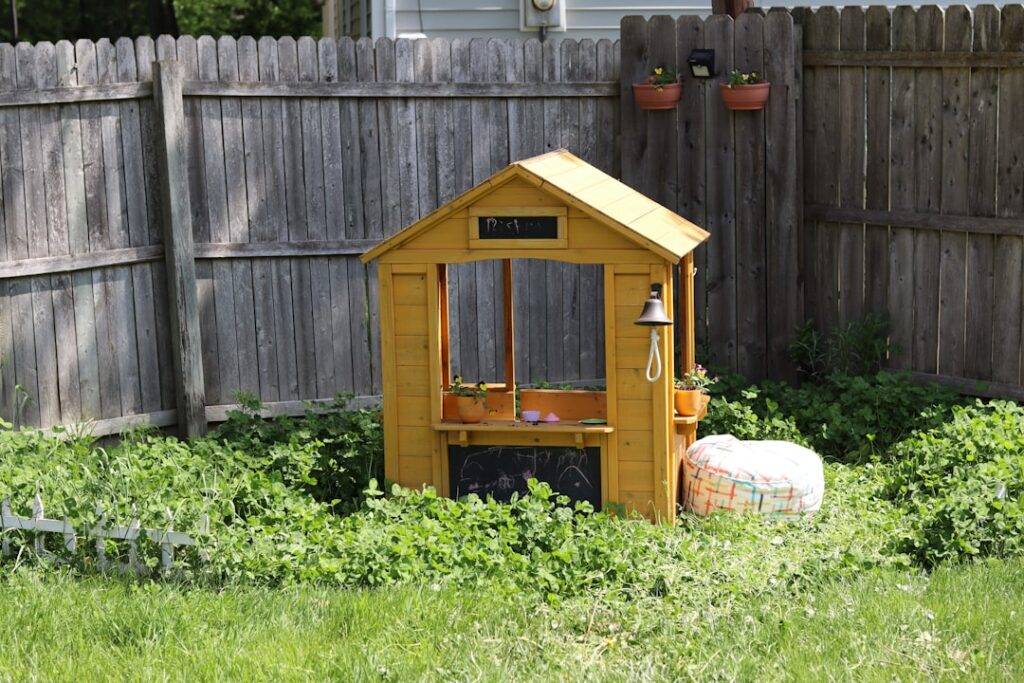
Your Backyard Could Be Worth More Than You Think
The Rise of the Backyard Revolution
A tiny home for backyard spaces is one of the fastest-growing housing solutions in the U.S. right now. As urban density increases and the cost of traditional real estate continues to climb, homeowners are looking toward their own property lines for solutions. Whether you want extra rental income, a place for aging parents, or a private home office steps from your door, a backyard tiny home can deliver — often for a fraction of traditional construction costs. This trend is particularly visible in states like California, where legislative changes have paved the way for easier permitting and construction of these secondary units.
According to the U.S. Census Bureau, the demand for smaller, more efficient living spaces has seen a marked increase as household sizes shift and the “missing middle” of housing becomes a critical focus for urban planners. The backyard tiny home fits perfectly into this niche, offering a high-quality living environment without the massive footprint of a suburban mansion.
Here’s a quick overview of what you need to know:
| Feature | Details |
|---|---|
| Size range | 96 sq ft to 512+ sq ft |
| Price range | $5,950 (basic shed/cabin) to $137,000+ (finished or shell unit) |
| Common uses | Guest suite, rental unit, home office, granny flat |
| Key requirement | Local zoning approval + foundation + utility hookups |
| Delivery | Pre-built and dropped on-site, or shipped as a DIY kit |
| Permits | Required in most jurisdictions — always the owner’s responsibility |
The options range from simple finished cabins starting around $19,900 to fully equipped luxury units priced near $130,000. Some arrive move-in ready in a single day. Others are shell kits you finish yourself over time. But before you buy, there’s a lot to understand — from local zoning rules to what’s not included in the purchase price. This guide walks you through everything.
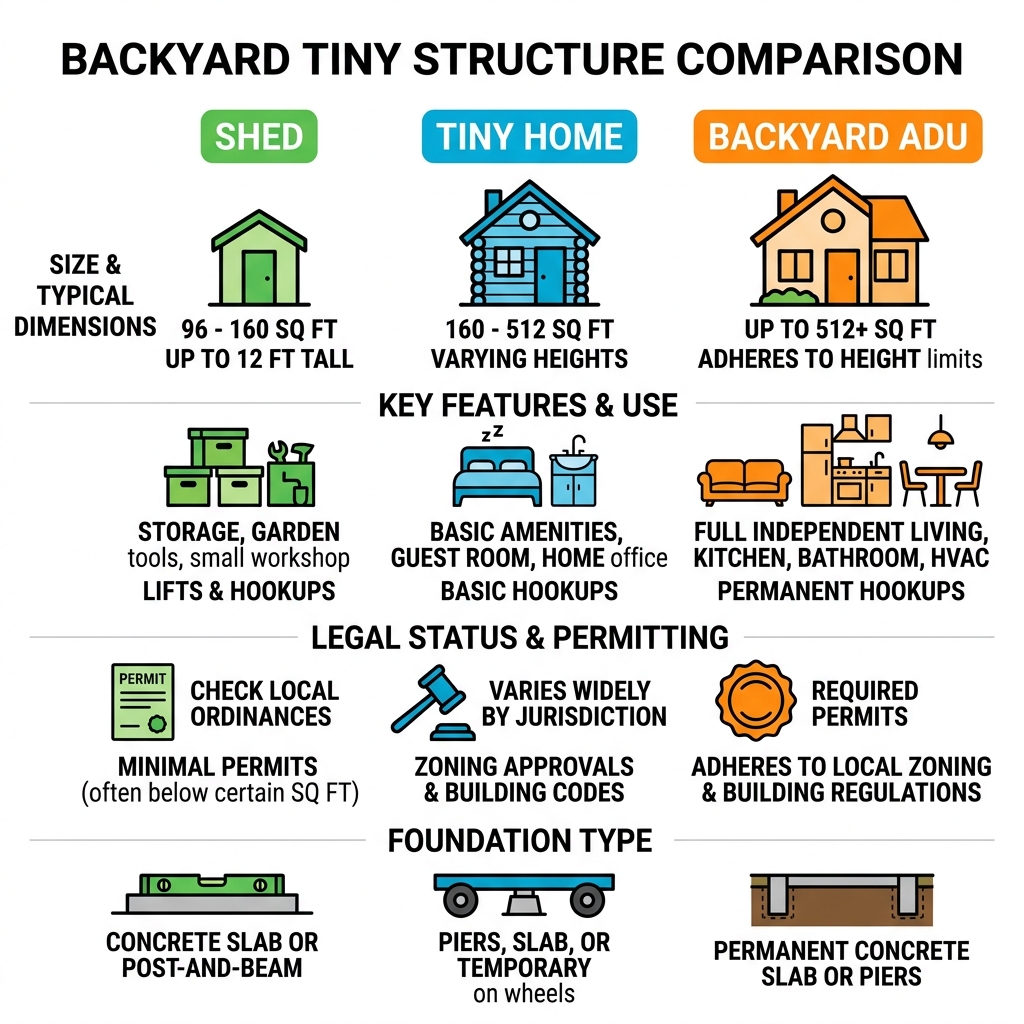
Similar topics to tiny home for backyard:
Defining the Tiny Home for Backyard Use
When we talk about a tiny home for backyard placement, we aren’t just talking about a fancy shed. While a shed stores your lawnmower, a tiny home is a sophisticated, engineered structure designed for human habitation. These units are often built using traditional stick-built methods—meaning they have the same 16-inch on-center framing you’d find in a standard house—but on a much smaller scale.
Engineering and Structural Integrity
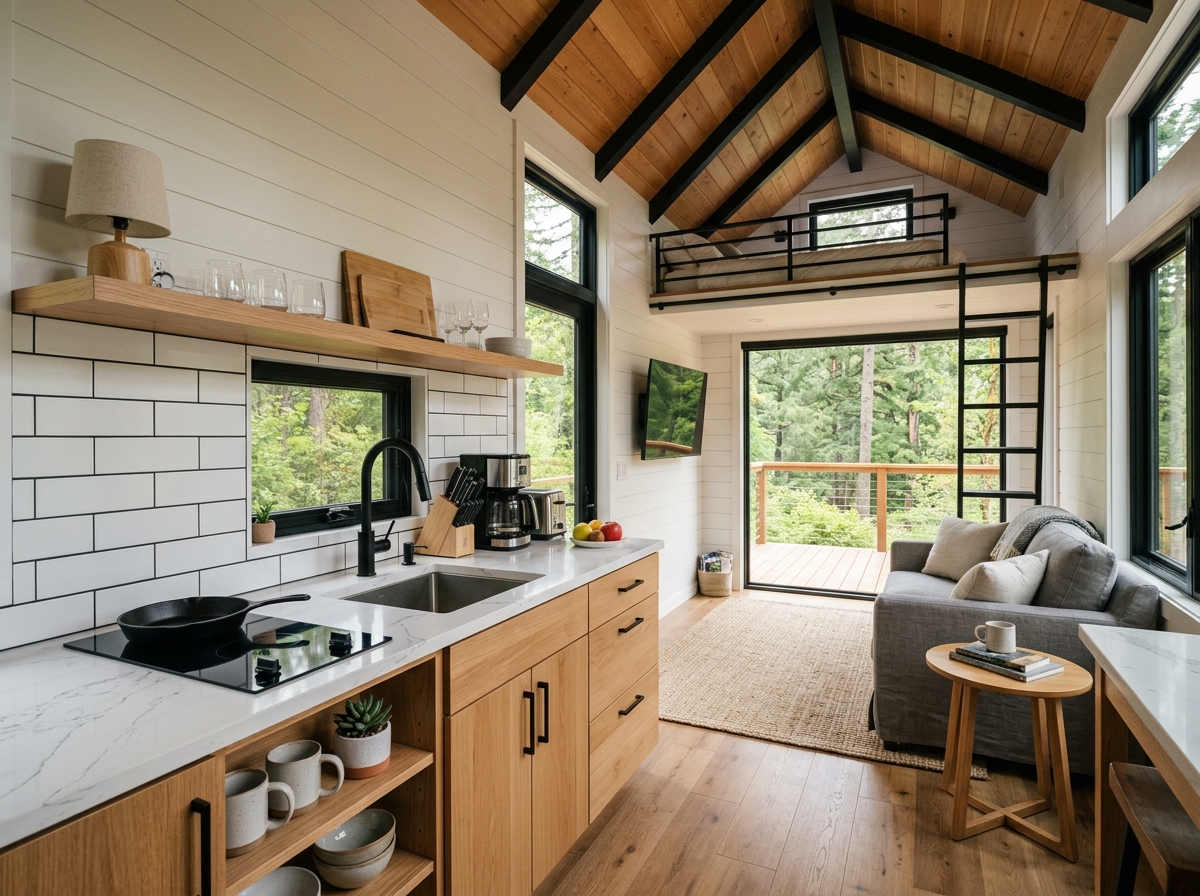
In California, these structures often fall under the category of Accessory Dwelling Units (ADUs). To be legal for living, they must meet specific building codes. Some are built to International Residential Code (IRC) standards, while others are certified under ANSI 119.5 (the standard for park model RVs). Understanding the difference is vital because it dictates whether you can legally sleep in the unit or if it’s just a “hobby room.” For a deeper dive into these distinctions, check out our guide on ADU vs. Tiny House.
Distinguishing Tiny Homes from Sheds and Cabins
The biggest difference lies in the “guts” of the building. A standard backyard shed usually lacks insulation, vapor barriers, and integrated utilities. A true tiny home for backyard use includes:
- Insulation: High-quality R19 closed-cell spray foam or Rockwool to keep you cool in the Los Angeles sun and warm during San Francisco fog. This is critical for energy efficiency and long-term comfort.
- Plumbing: Durable PEX water lines that resist freezing and corrosion, integrated into the wall cavities just like a standard home.
- Certification: Labels from organizations like NOAH or RVIA that prove the unit was inspected for safety during construction. This is often a requirement for obtaining insurance or financing.
Key Features of Finished Backyard Units
A high-quality finished unit isn’t just a shell; it’s a plug-and-play home. Many models, such as the Backyard Escape or the Clever 1 385, come standard with:
- Electrical: A 100 AMP breaker panel to handle modern appliances, including induction cooktops and high-efficiency HVAC units.
- Climate Control: Ductless mini-split HVAC systems for efficient heating and cooling, allowing for zone-specific temperature management.
- Water Heating: 40-gallon electric tanks or tankless on-demand propane heaters, ensuring that the occupant never runs out of hot water.
- Full Amenities: Real quartz countertops, walk-in showers with tile surrounds, and built-in storage solutions that maximize every square inch of the floor plan.
For those interested in the technical side, you can view a sample Technical Floor Plan to see how 385 square feet can comfortably fit two bedrooms and a full bath.
Benefits and Versatility of Backyard Tiny Homes
Why are so many homeowners in San Jose and San Diego looking into a tiny home for backyard installation? The versatility is hard to beat. Beyond just “extra space,” these units are financial assets that can significantly increase the value of your primary residence.
Financial Gains and Rental Potential
One of the most compelling reasons is the potential for ADU rental income. In high-demand markets like Sunnyvale or Palo Alto, a well-appointed backyard unit can command significant monthly rent, often covering the loan payment for the unit itself while providing extra cash flow. This “house hacking” strategy allows homeowners to pay off their mortgages faster or supplement their retirement income.
Primary Use Cases for Homeowners
- The “Granny Flat”: Providing a safe, private space for aging parents to live close to family. This allows for “aging in place” while maintaining independence and reducing the high costs associated with assisted living facilities.
- The Remote Office: A dedicated, quiet workspace that separates “home life” from “work life.” With the permanent shift toward remote work, having a professional environment steps from your back door is a major productivity booster.
- Guest Suites: Offering friends and family a private place to stay without sharing a bathroom in the main house. It transforms the hosting experience from stressful to seamless.
- Rental Income: Using platforms like Airbnb to monetize your unused land. Short-term rentals can often yield higher returns than long-term leases in tourist-heavy areas.
Sustainability and Efficiency
Living small is naturally eco-friendly. A tiny home for backyard use requires fewer resources to build and significantly less energy to maintain. Many builders now prioritize eco-friendly small homes by using:
- Rockwool Insulation: Made from stone, it’s fire-resistant and offers superior soundproofing, which is essential in dense urban backyards.
- Energy Recovery Ventilators (ERV): These systems swap stale indoor air for fresh outdoor air while keeping the temperature stable, ensuring high indoor air quality.
- Solar-Ready Designs: Pre-wired roofs that make it easy to add panels later, allowing the unit to potentially reach net-zero energy consumption.
Navigating Regulations and Zoning for Your Tiny Home for Backyard
This is where the rubber meets the road. You can’t simply drop a house in your yard without checking the rules. In California, state laws like AB 68 and SB 9 have made it much easier to build ADUs, but local ordinances in cities like San Francisco or Mountain View still apply and can be quite specific.
Understanding Local Zoning for a Tiny Home for Backyard
Before you buy, you must understand your specific ADU zoning laws. The California Department of Housing and Community Development (HCD) provides comprehensive resources on state-wide mandates that often override restrictive local zoning. Key factors include:
- Setbacks: How far the unit must be from your property line. In many California jurisdictions, the side and rear setbacks have been reduced to just 4 feet for ADUs.
- Lot Coverage: The percentage of your yard that can be covered by structures. State law now prevents local governments from enforcing lot coverage limits that would preclude an 800-square-foot ADU.
- Height Restrictions: Most backyard units are limited to one story or a specific peak height (usually 16 to 18 feet) to prevent them from looming over neighbors’ properties.
If you are outside of California, you might Find Your County Rules through regional databases, but for our local readers in San Jose or Los Angeles, consulting with a local planning office is the first step. Many cities now offer “pre-approved” ADU plans to speed up the permitting process.
Building Codes for a Tiny Home for Backyard
Safety is non-negotiable. Most legal backyard homes must adhere to ADU construction regulations. This includes fire-retardant siding (like James Hardie fiber cement) and hurricane-rated windows capable of withstanding high wind loads. If the home is on wheels, it should have a NOAH or RVIA seal to ensure it meets fire and life safety standards. Furthermore, units must comply with Title 24 energy efficiency standards in California, which may require specific window glazing and insulation values.
Costs, Financing, and Choosing the Right Model
How much does a tiny home for backyard use actually cost? The price tag varies wildly based on whether you want a DIY project or a luxury turnkey suite. It is important to distinguish between the “sticker price” of the unit and the “all-in” cost of the project.
| Model Type | Typical Price Range | What You Get |
|---|---|---|
| DIY Frame Kit | $2,700 – $25,000 | Just the steel or wood “skeleton.” You do the rest. |
| Lock-Up Shell | $25,000 – $137,000 | Weather-tight exterior; interior is unfinished. |
| Fully Finished | $87,000 – $130,000+ | Move-in ready with kitchen, bath, and HVAC. |
For a detailed breakdown of these expenses, see our guide on ADU building costs.
Real-World Pricing Examples
- The Budget Entry: Finished cabins from certain providers can start as low as $19,900 for a 12×16 space, though these often lack full kitchens and are better suited as offices than full-time residences.
- The Mid-Range: The “Backyard Escape” model starts around $87,200 and offers 240 sq ft of fully insulated, high-end living space, perfect for a studio rental.
- The Luxury ADU: Models like the “Clever 1 385” come in at $129,995. This includes delivery and features a 12-foot quartz kitchen, a covered deck, and premium finishes throughout.
- The Shell: A “Willow” shell costs about $137,000 for 512 sq ft. While the price is higher, it provides a massive, weather-tight “canvas” for your custom interior, allowing for a two-bedroom configuration.
Financing and Warranty Options
Buying a tiny home is a major investment. Fortunately, there are several ADU financing options available, including HELOCs (Home Equity Lines of Credit), personal loans, and manufacturer-specific programs. Many reputable builders offer warranties, such as 7-year workmanship guarantees or 50-year warranties on metal roofing, giving you peace of mind for decades. Always ensure your builder is bonded and insured before signing a contract.
Site Preparation and the Delivery Process
One mistake we often see homeowners make is forgetting the “site” in “site-built.” Your tiny home for backyard use needs a place to sit and a way to get there. Site preparation can often account for 15% to 25% of your total project budget.
Foundation and Utility Requirements
You can’t just put a house on grass. Proper backyard ADU construction requires:
- Excavation: Leveling the ground and clearing debris. This may involve removing trees or old sheds.
- Foundation: Options include concrete slabs, gravel pads, or piers. The choice depends on your local soil conditions and the weight of the unit. We often recommend working with specialized partners like Hoovers Bobcat for professional grading and site clearing.
- Utilities: You will need to trench lines for water, sewer, and electricity from your main house to the new unit. This is rarely included in the purchase price of the home and requires a licensed plumber and electrician.
Delivery Logistics and Placement
Delivery is a feat of engineering. Most units arrive via a flatbed truck. From there, a specialized machine called a “mule” or a crane might be used to navigate the unit into your backyard.
In tight urban spaces like San Francisco or Palo Alto, crane services are common but can add several thousand dollars to your total cost. It is vital to measure your gate width, check for overhanging tree branches, and ensure there are no low-hanging power lines that could obstruct the delivery truck or crane. A site visit from the delivery team is highly recommended before the unit leaves the factory.
DIY Kits vs. Fully Finished Tiny Homes
Are you a weekend warrior or a “hand-me-the-keys” type of person? Your answer will dictate which tiny home for backyard path you take. Both options have their merits, but they require very different levels of commitment.
The “Lock-Up” Shell Option
A “lock-up” shell is the middle ground. The builder handles the hard part—the structural framing, the roof, and the windows. You receive a weather-tight box and take over from there. This is perfect for those who want to save money on labor or want a highly customized interior that standard models don’t offer. It’s a great way to build small houses on a budget while ensuring the structural integrity is handled by professionals.
Turnkey Solutions
If you want to avoid the stress of managing contractors and navigating the complexities of building codes, a turnkey solution is the way to go. These units are assembled in a factory under controlled conditions, ensuring high quality and precision. They arrive at your door finished, painted, and ready for furniture. While the upfront cost is higher, the “time-to-occupancy” is unbeatable—sometimes as little as 24 hours after delivery. This is the preferred choice for homeowners who value their time and want a guaranteed result without the “construction fatigue” that comes with long-term projects.
Frequently Asked Questions about Backyard Tiny Homes
Can I legally live in a tiny home in my backyard?
In many parts of California, yes, provided it is permitted as an ADU and meets local building codes. However, “tiny homes on wheels” (THOWs) are treated differently than permanent structures. Some cities allow them as emergency housing or temporary ADUs, while others require them to be placed on a permanent foundation and connected to utilities to be considered legal dwellings. Always check with your local planning department first.
What is typically not included in the purchase price?
Most people are surprised to find that the “sticker price” doesn’t cover everything. You should budget extra for:
- Permit fees: Often several thousand dollars, depending on your city.
- Foundation work: $5,000 – $15,000 depending on the type and soil conditions.
- Utility hookups: Trenching and plumbing connections can be expensive if the unit is far from the main house.
- Appliances: Some units come “appliance-ready” but without the actual fridge or stove.
- Sales Tax: Depending on your state, sales tax on a $100,000 unit can be a significant additional cost.
How long does the installation process take?
The lead time for a custom-built unit is usually 6 to 12 weeks. Once it arrives, the physical placement takes a few hours. However, the site prep (permits and foundation) can take 3 to 6 months depending on your local building department’s backlog. Planning ahead is the key to a successful project.
Will a backyard tiny home increase my property taxes?
Generally, yes. Adding a permanent structure to your property increases its assessed value. However, in California, the reassessment usually only applies to the new construction (the ADU) and does not trigger a full reassessment of your existing home. The increase in property tax is often a small fraction of the rental income the unit can generate.
Conclusion
Adding a tiny home for backyard use is more than just a home improvement project; it’s a lifestyle and financial upgrade. From providing a cozy home for a loved one to generating passive rental income, the benefits are clear. As housing markets continue to evolve, the ability to maximize the utility of your own land is becoming an essential tool for homeowners.
At ADU Marketing Pros, we specialize in helping builders and homeowners navigate this booming market. Based in San Jose, we understand the unique challenges of the California housing landscape, from strict building codes to complex zoning laws. If you’re a builder looking to grow your firm or a homeowner looking for the right ADU Builder Los Angeles, we are here to help you stand out. The backyard revolution is here—are you ready to be a part of it?