
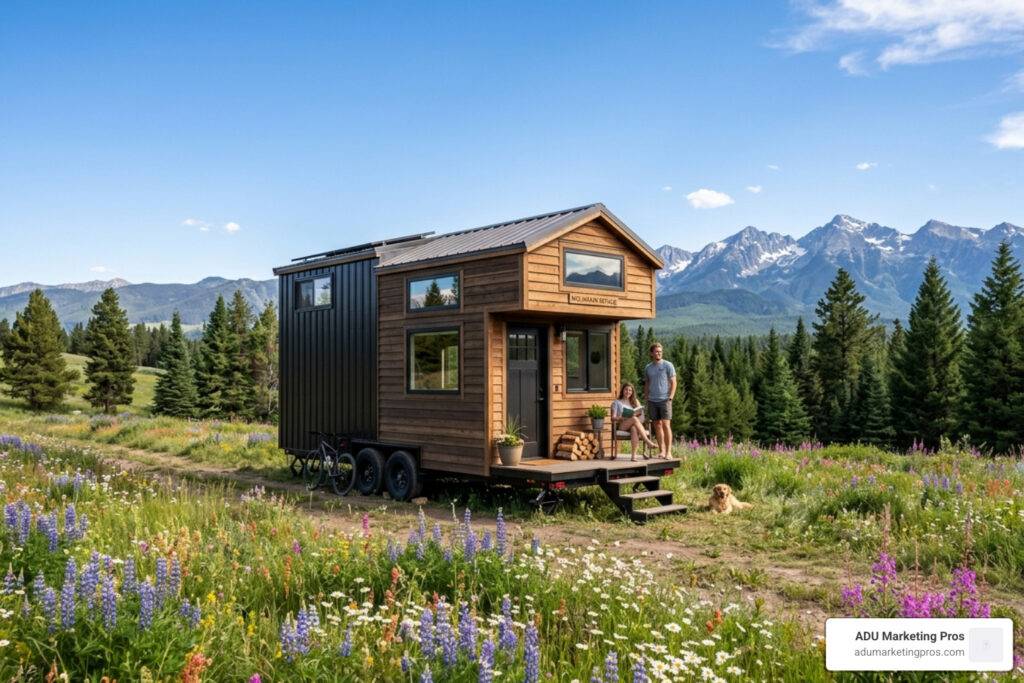
What Is Tiny Home Nation and Why Everyone Is Talking After All These Years
Tiny Home Nation is the reality TV series that brought the tiny house movement into millions of living rooms — and changed how Americans think about home, space, and lifestyle. When it first premiered, the concept of living in a space smaller than a standard master bedroom seemed like a radical fringe idea. However, through the lens of this hit show, viewers began to see the liberation that comes with downsizing. It wasn’t just about the physical structure; it was about the financial freedom and the mental clarity that follows when you shed the weight of unnecessary possessions.
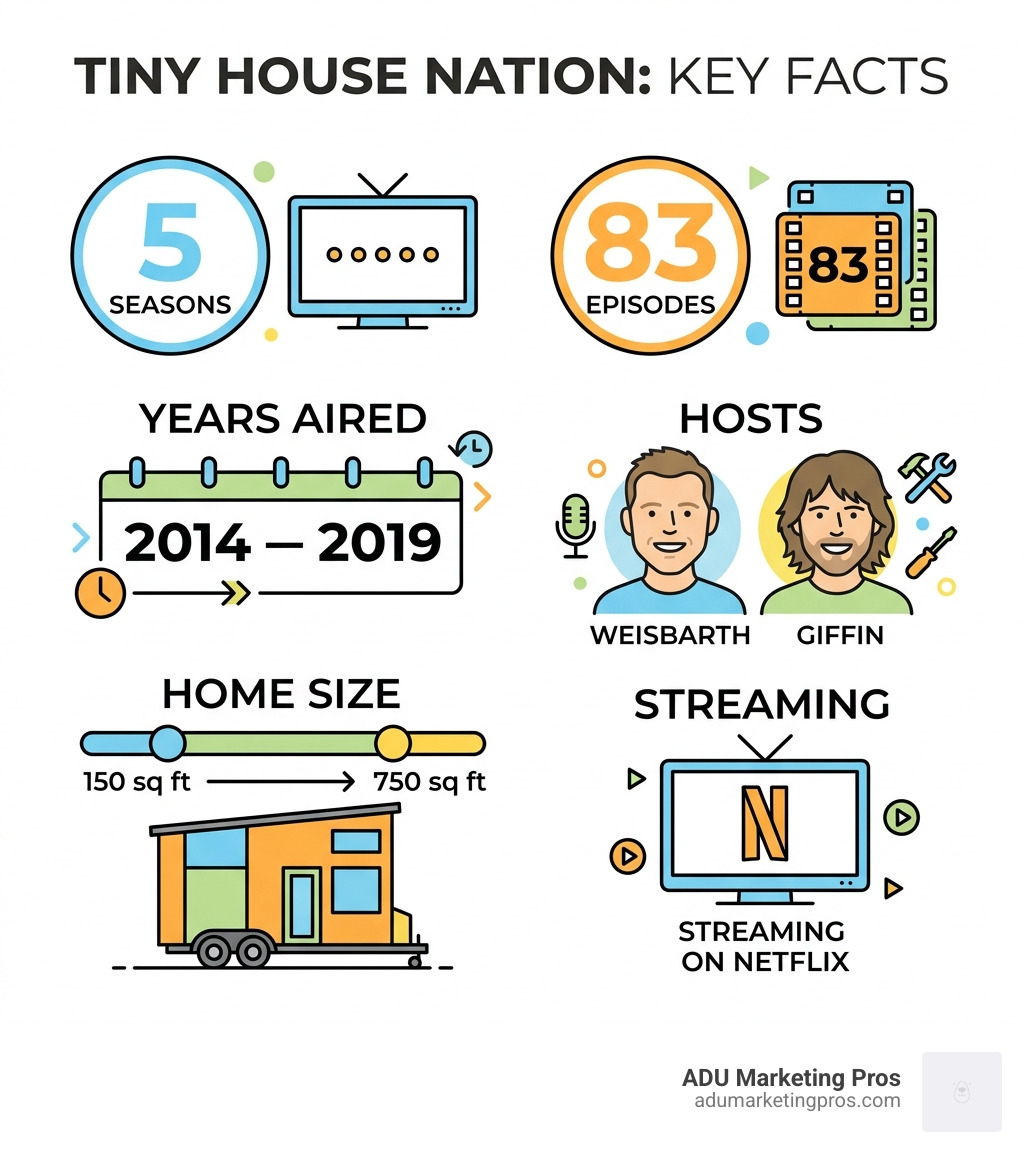
Here’s a quick snapshot for anyone who wants the fast facts:
| Question | Answer |
|---|---|
| What is it? | An American reality TV series about building custom tiny homes |
| Who hosts it? | John Weisbarth and renovation expert Zack Giffin |
| When did it air? | July 9, 2014 – September 28, 2019 |
| How many episodes? | 83 episodes across 5 seasons |
| Where to watch now? | Netflix, National Geographic (syndication) |
| Typical home size? | Under 500 sq. ft. (ranging from 150 to 750 sq. ft.) |
| IMDb rating? | 7.1/10 based on 1,400+ ratings |
The Cultural Impact of the Show
Each episode follows Weisbarth and Giffin as they travel across the U.S., helping real families build hyper-customized tiny homes tailored to their exact lifestyle. Think homeschooling spaces, music jam rooms, climbing walls — all packed into a few hundred square feet. The show arrived at a pivotal moment in American history. Following the 2008 housing crisis, the “bigger is better” mantra began to lose its luster. People were looking for alternatives to the 30-year mortgage and the endless cycle of consumerism.
The show didn’t just entertain. It normalized the idea of living smaller, and it arrived at exactly the right moment. With housing costs climbing and the U.S. facing a shortage of millions of homes, more people started asking a simple question: do I really need all this space? For many, the answer was a resounding no. The series provided a blueprint for how to live a big life in a small footprint, proving that luxury and comfort aren’t tied to square footage.
Why the Industry Still Looks Back at Tiny House Nation
For ADU builders, architects, and housing innovators, understanding what made Tiny House Nation so compelling is more than a trivia exercise. It’s a window into what homeowners actually want — and what drives them to say yes to a smaller, smarter home. The show highlighted the importance of multi-functional design, which has now become a standard in modern urban planning and accessory dwelling unit (ADU) construction. It also sparked a massive interest in lead generation for builders who specialize in these unique structures.
Relevant articles related to tiny home nation:
The Phenomenon of Tiny House Nation: A Deep Dive
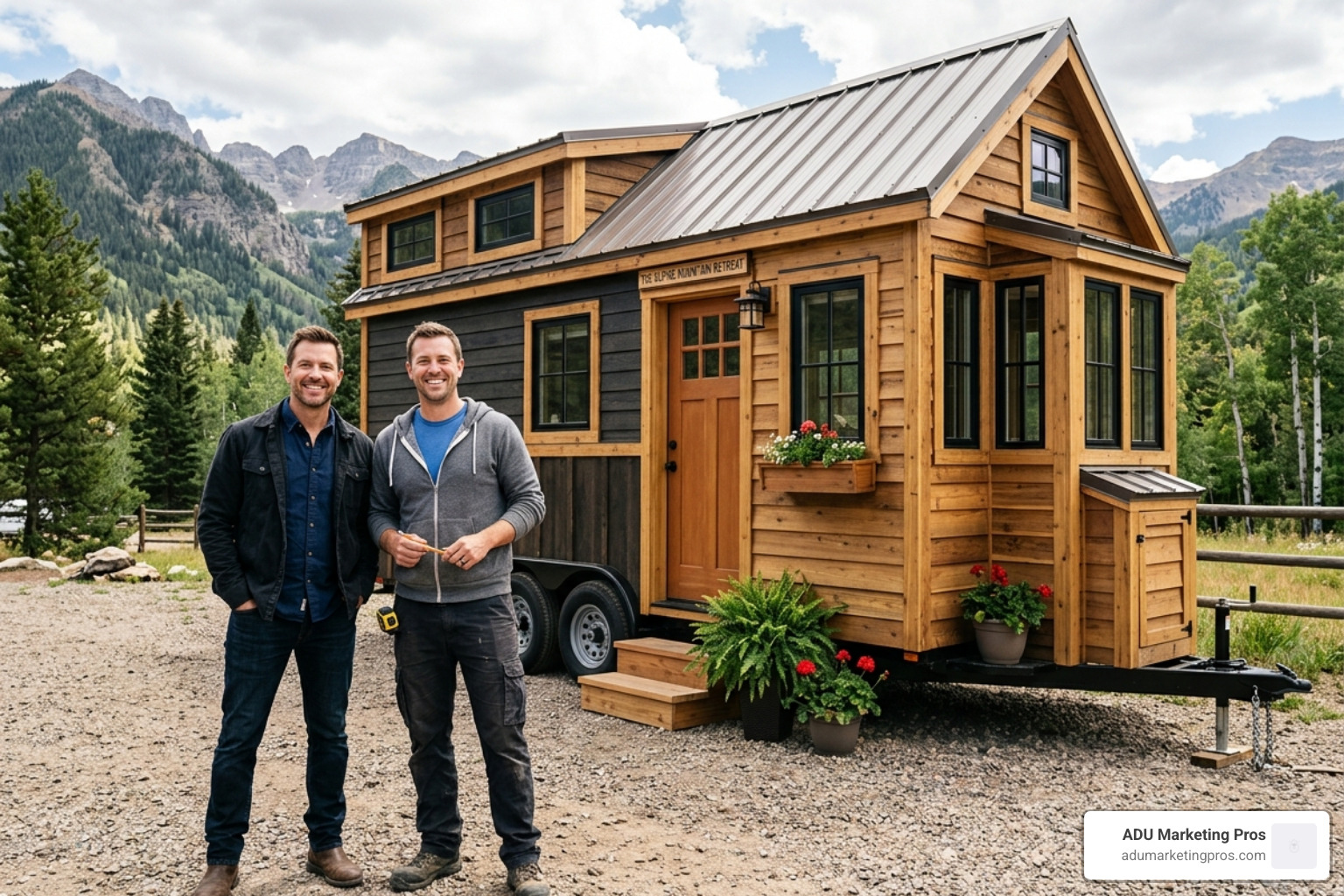
The tiny home nation phenomenon began as a television experiment and evolved into a cultural touchstone. Produced by Loud TV and airing originally on the FYI Network before moving to A&E, the show captured the imagination of a public weary of “McMansions” and mounting debt. Over its five-season run, the series produced 83 episodes (with some counts reaching 90 including specials), showcasing that a Small House is not just a structure, but a vehicle for a different way of life. It challenged the traditional American Dream and replaced it with something more sustainable and personalized.
The Production Journey and Global Reach
The show’s reach expanded significantly when it began streaming on Netflix in August 2019, followed by syndication on National Geographic in late 2020. This accessibility allowed a global audience to witness the logistical and emotional journey of downsizing. The production quality was high, often featuring sweeping drone shots of the American landscape, which contrasted beautifully with the intimate, cramped quarters of the build sites. For more details on the production side, you can explore the TINY HOUSE NATION production portfolio.
What made the production unique was its focus on the “human element.” While other home renovation shows focused purely on the aesthetic, Tiny House Nation focused on the psychology of the move. Why were these people choosing this? What were they afraid of losing? By answering these questions, the show built a deep connection with its audience, making it more than just a “how-to” guide for construction.
The Premise and Core Concept: More Than Just Four Walls
At its heart, the show is about more than just construction; it’s about transition. The core concept involves hosts John Weisbarth and Zack Giffin traveling across the United States to assist families in preparing for the “tiny lifestyle.” While the standard definition of a tiny home often caps at 500 square feet, the show occasionally featured larger builds up to 750 square feet to accommodate unique family needs, such as multi-generational living or professional home offices.
The “why” behind the move is always central. Families featured on the show often sought to escape the “rat race,” eliminate electronics, or find Small Houses For Sale that wouldn’t tether them to a 30-year mortgage. The show emphasizes hyper-customization, ensuring that even in a 200-square-foot space, a family doesn’t have to sacrifice their hobbies or professional needs. This focus on utility over vanity is what continues to inspire new builders today.
Where to Watch Tiny House Nation in 2026
As of April 2026, the legacy of the show continues through various digital platforms. Viewers can still find the series on Netflix, which helped propel the show to international fame. It also remains a staple in syndication on National Geographic. For those who prefer a “marathon” experience without the commitment of a subscription, YouTube offers curated content like 2 Hours of Tiny House Nation When You’re Avoiding Real Life, which highlights some of the most satisfying build moments and “Zack Hacks.” These compilations serve as a testament to the show’s enduring popularity and its ability to provide a sense of calm and order in a chaotic world.
Meet the Experts: John Weisbarth and Zack Giffin
The chemistry between the two hosts is a major reason for the show’s success. John Weisbarth acts as the enthusiastic guide and lifestyle coach, helping families navigate the emotional hurdles of purging their belongings. He often serves as the bridge between the family’s dreams and the reality of their limited space. Zack Giffin, on the other hand, is the technical wizard. A professional skier and master carpenter, Giffin brought a level of “mountain-town” ingenuity to the series that made the impossible seem achievable. Together, they formed a duo that was both relatable and aspirational.
Giffin’s expertise wasn’t just for the cameras; it was born from personal experience. Before the show, he lived the lifestyle he preached, documenting his journey in the film Livin Tiny. His hands-on approach and genuine passion for craftsmanship set a high bar for the industry. He wasn’t just building houses; he was building solutions for a more intentional way of living.
Who is Zack Giffin? The Man Behind the Movement
Zack Giffin is often cited as a pioneer of the modern tiny house movement. Long before the tiny home nation was a TV audience, Zack was building his own mobile sanctuary. In the fall of 2011, he completed his original tiny house in a staggering 7-week build sprint. This house wasn’t just a project; it was his home during an epic winter adventure where he sought out the best ski slopes across North America. This background in extreme sports gave him a unique perspective on durability and space efficiency.
This original build, which was toured by the public at the Asulkan lot in 2013, became the blueprint for the 84 episodes Giffin eventually influenced on the show. His philosophy centers on simplicity and functionality—values shared by other industry leaders like Tiny Smart House, who focus on sustainable and towable luxury. Zack’s influence can be seen in the way modern tiny homes prioritize high-quality materials that can withstand the rigors of travel while providing the comforts of a permanent residence.
The Magic of “Zack Hacks” in Tiny House Nation
The most anticipated segment of any episode is the reveal of the “Zack Hack.” These are inventive, custom-built solutions designed to solve the specific space challenges of a family. Whether it’s a staircase that transforms into a desk or a hidden storage compartment for a professional musician’s gear, these hacks proved that small spaces could be high-functioning. They were the “aha!” moments that kept viewers coming back week after week.
Some of the most famous hacks include:
- Multi-functional furniture: Tables that fold into walls, beds that disappear into the ceiling, and sofas that transform into bunk beds.
- Space optimization: Utilizing every cubic inch, including “toe-kick” drawers in kitchens and storage hidden within the floor joists.
- Unique hobby integration: From drawbridges for kids’ play areas to specialized pint glass holders for entertaining and even built-in wine cellars under the floor.
These creative solutions are exactly what Architects In Southern California Who Design Tiny Houses focus on today—maximizing the utility of every square foot without compromising on aesthetics. The “Zack Hack” legacy lives on in every Murphy bed and pull-out pantry installed in modern ADUs.
Iconic Builds and Creative Solutions: A Retrospective
The show featured a diverse array of homes, ranging from the ultra-minimalist to the surprisingly spacious. While the “Mobile Bachelor Pad” squeezed into just 150 square feet, other builds like “Tiny On-Deck!” and the “Tiny Family Obstacle” pushed the limits at 750 square feet. These homes proved that Eco Friendly Small Homes could be built to suit any demographic, from single adventurers to large families with multiple children and pets.
Top-Rated Episodes of Tiny House Nation
Certain episodes stand out for their sheer creativity and the emotional weight of the families’ stories. Two of the highest-rated episodes on IMDb include:
- 350 Sq. Ft. Outdoor Adventure House (S2.E17): Rated 8.4/10, this build featured incredible outdoor integration, including a climbing wall on the exterior of the house and a rooftop deck that doubled the living space. It was a masterclass in blending the indoors with the outdoors.
- 545 Sq. Ft. Seven’s Company (S3.E7): Also rated 8.4/10, this episode showcased the Moore family. They managed to fit seven people into 545 square feet, including dedicated homeschooling workspaces and a “jam session” area for their musical family. This episode debunked the myth that tiny living is only for singles or couples.
Local builds also made waves, such as the Menlo Park family’s mini retreat, which demonstrated how tiny homes could serve as secondary spaces for families in high-cost areas like the San Francisco Bay Area. These projects showed that tiny homes could be a viable solution for the housing crisis in some of the most expensive real estate markets in the world.
Unique Features and Customizations: Breaking the Mold
The builds on tiny home nation often featured high-end finishes that challenged the “shed” stereotype. We saw antique stoves integrated into modern kitchens, vertical gardens that doubled as privacy screens, and smart technology that allowed homeowners to monitor off-grid power systems from their phones. The attention to detail was staggering, with custom cabinetry and high-quality woodwork becoming a hallmark of the show.
Companies like Tiny Home Outfitters have taken these lessons to heart, offering nationwide delivery of homes that prioritize “Big Dreams in Small Spaces.” The focus has shifted from “making do” to “living well,” with premium materials and residential-grade appliances becoming the standard. The show proved that you don’t have to give up luxury to live small; you just have to be smarter about how you use your space.
The Legacy of Tiny House Nation on the Movement
The legacy of the show is visible in the changing landscape of American housing. It helped shift the conversation from “how much can I afford?” to “how much do I actually need?” This cultural shift toward minimalism and financial freedom has led to the rise of Tiny House San Francisco initiatives and similar movements across California’s most expensive cities. What started as a TV show has become a legitimate housing strategy for thousands of people.
From TV Screen to Real-World Communities
Perhaps the most significant impact of the show is the legalization and formalization of tiny home communities. We are no longer just seeing individual homes on trailers hidden in backyards. Instead, cities like San Jose and San Diego are leading the way in creating dedicated spaces for these homes. This transition from “outlaw” housing to legal, permitted communities is a direct result of the public awareness raised by the show.
For instance, San José broke ground on a tiny home community to provide immediate housing solutions for those in need. Meanwhile, advocates can look to San Diego’s first legal tiny house village as a model for how these spaces can function as vibrant, supportive neighborhoods. If you’re looking for where to place a home, there are increasingly more Places In Southern California That Allow Tiny Houses as zoning laws evolve to meet demand.
Addressing the Housing Crisis with Innovation
With the U.S. facing a shortage of approximately 4.7 million homes, tiny houses have transitioned from a lifestyle “choice” to a necessary solution. Organizations like DignityMoves in San Francisco are using tiny home villages to address homelessness with dignity and speed. These projects provide more than just a roof; they provide a sense of community and a path toward permanent housing.
However, it’s important to understand the distinctions in the market. When considering a small build, many homeowners weigh the pros and cons of an ADU Vs Tiny House. While tiny homes offer portability and a lower entry price, Accessory Dwelling Units (ADUs) are permanent structures that can often be easier to permit in strictly zoned residential areas like San Jose or Palo Alto. Both options, however, owe a debt of gratitude to the awareness generated by Tiny House Nation.
Transitioning to Reality: Building Your Own Tiny Home
If the show inspired you to start your own journey, the “real world” process involves more than just a 43-minute episode. Today’s builders focus heavily on certifications to ensure safety and financeability. The NOAH certification and adherence to ANSI A119.5 standards are critical for ensuring your home is recognized by insurance companies and lenders. Without these certifications, finding a place to park or getting a loan can be nearly impossible.
Builders like NOMAD Handcrafted Tiny Homes emphasize that a tiny home should be a “real home,” built with residential-grade materials like wood paneling, metal roofs, and high-efficiency insulation. For those in our local area, working with Tiny House Builders In Southern California ensures that your build meets the specific seismic and climate requirements of the region, which is something the TV show didn’t always have time to cover in detail.
Choosing a Builder and Navigating Regulations
Navigating the regulatory landscape is the most challenging part of going tiny. You must decide if your home will be registered as an RV (for mobility and tax benefits) or built to HUD compliance as a manufactured home. This decision will affect everything from where you can park to how much you pay in property taxes. It’s a complex web of local, state, and federal laws that requires careful research.
Companies like Home Nation offer factory-direct pricing that can help bypass the middleman markups of traditional dealers. Whether you are looking for Tiny House Builders California or a nationwide manufacturer, checking for a track record of at least 60+ builds is a good rule of thumb for quality assurance. You want a builder who understands the nuances of the industry and can help you navigate the permitting process.
The Financials of Tiny Living: A Smart Investment
The financial appeal is undeniable. While traditional homes in the Bay Area can easily exceed $1.5 million, quality tiny homes often start around $68,895. This price point opens the door to homeownership for many who would otherwise be priced out of the market. Builders like Patriot Tiny Homes even offer financing options for those with FICO scores as low as 660, making the dream of owning a home a reality for a new generation.
For investors, the ROI can be significant. A tiny home placed on Land For Sale In Southern California can serve as a high-yield short-term rental or an affordable long-term housing option. As the demand for flexible housing grows, these small structures are becoming a big part of the real estate investment landscape. The show may have ended, but the industry it helped build is just getting started.
Frequently Asked Questions about Tiny House Nation
Who are the main hosts of the show?
The show is hosted by John Weisbarth and Zack Giffin. John brings the energy and helps families with the emotional process of downsizing, while Zack is the master builder responsible for the technical construction and the famous “Zack Hacks.”
How many seasons of the show were produced?
Tiny House Nation ran for 5 seasons with a total of 83 episodes. It originally aired from July 2014 to September 2019, starting on the FYI network before moving to A&E. It later found a second life on streaming platforms like Netflix.
What is the smallest house featured on the show?
The smallest home featured was the “Mobile Bachelor Pad,” which measured just 150 square feet. This episode highlighted the extreme end of minimalism and how much functionality can be packed into a footprint smaller than a standard one-car garage.
Are the houses on the show actually lived in?
Yes, the families featured on the show are real people who intended to live in the homes. However, like many reality shows, some participants found the transition more difficult than expected, while others have lived in their tiny homes for years and become advocates for the movement.
How much did the tiny homes on the show cost?
Costs varied wildly depending on the customization, but most builds ranged from $40,000 to $100,000. The show often focused on high-end, custom features which can drive the price higher than a standard DIY tiny home build.
Can I still watch Tiny House Nation today?
Absolutely. The show is available on Netflix and is frequently syndicated on National Geographic. You can also find many clips and full segments on YouTube and the A&E website.
Conclusion: The Future of the Tiny Home Nation
The journey of tiny home nation from a niche cable show to a global movement reflects our changing relationship with the American Dream. It taught us that “home” isn’t defined by square footage, but by the life we live inside it. The show’s impact is still felt today in the way we design our cities, the way we value our time, and the way we choose to spend our money. It was a catalyst for a broader conversation about sustainability and intentionality.
At ADU Marketing Pros, we’ve seen this revolution firsthand. Based in San Jose, CA, we specialize in helping ADU construction and architecture firms connect with homeowners who are ready to build their own “small house with a big impact.” In a competitive market, we help firms stand out by highlighting their expertise and craftsmanship over just their price point. We believe that the lessons learned from Zack and John are more relevant now than ever.
Whether you’re a builder looking to grow your revenue or a homeowner inspired by Zack Giffin’s latest hack, the tiny house movement offers a path to a more sustainable, affordable, and creative future. The “nation” that the show helped build is growing every day, and the possibilities for small-scale living are endless. If you’re ready to grow your business in this booming sector, explore more info about ADU marketing solutions and join the movement that is reshaping California’s backyards and beyond.