
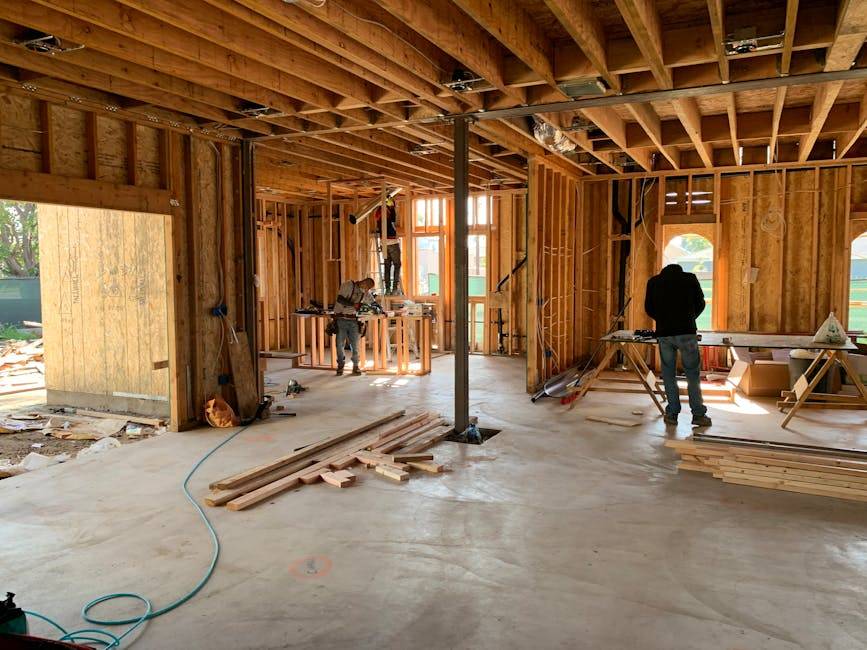
Why Tiny Home Construction is Capturing Hearts and Minds
Tiny home construction has evolved from a niche curiosity into a mainstream movement that’s reshaping how Americans think about housing. Whether you’re drawn to financial freedom, sustainable living, or simply the joy of simplicity, building a tiny home offers a path to all three.
Quick Answer: What is Tiny Home Construction?
Tiny home construction is the process of building a dwelling typically under 400 square feet, using specialized techniques that maximize space efficiency while meeting applicable building codes. Key considerations include:
- Foundation choice: Wheels (mobile) vs. permanent foundation (stationary)
- Building codes: IRC Appendix Q for permanent dwellings, or RV standards for mobile units
- Systems: Scaled electrical, plumbing, and HVAC designed for small spaces
- Materials: Stick-framing, SIPs, steel, or sustainable alternatives
- Permits: Required for both on-site and off-site construction in most jurisdictions
- Cost: Ranges from $11,000 (extreme DIY) to $150,000+ (professional luxury builds)
The average American home has ballooned to over 2,000 square feet—nearly double what it was in 1960. Meanwhile, the global cement industry ranks as the world’s third-largest carbon emitter. Against this backdrop, tiny homes offer a compelling alternative.
This guide walks you through the complete construction process, from choosing between wheels and a foundation to navigating permits, installing systems, and managing your budget. We’ll cover design strategies, material options, legal requirements in different regions, and real-world cost examples—including builders who’ve constructed homes for under $12,000.
Whether you’re an ADU professional exploring tiny homes as a product offering, or simply researching construction methods for clients, you’ll find the practical, code-compliant information you need to move forward confidently.
Key Tiny home construction vocabulary:
Foundations of Your Build: Wheels vs. Permanent Structures
One of the first and most fundamental decisions in tiny home construction is choosing your foundation: will your tiny home be on wheels or a permanent foundation? This choice impacts everything from mobility and flexibility to legal classification and property value.
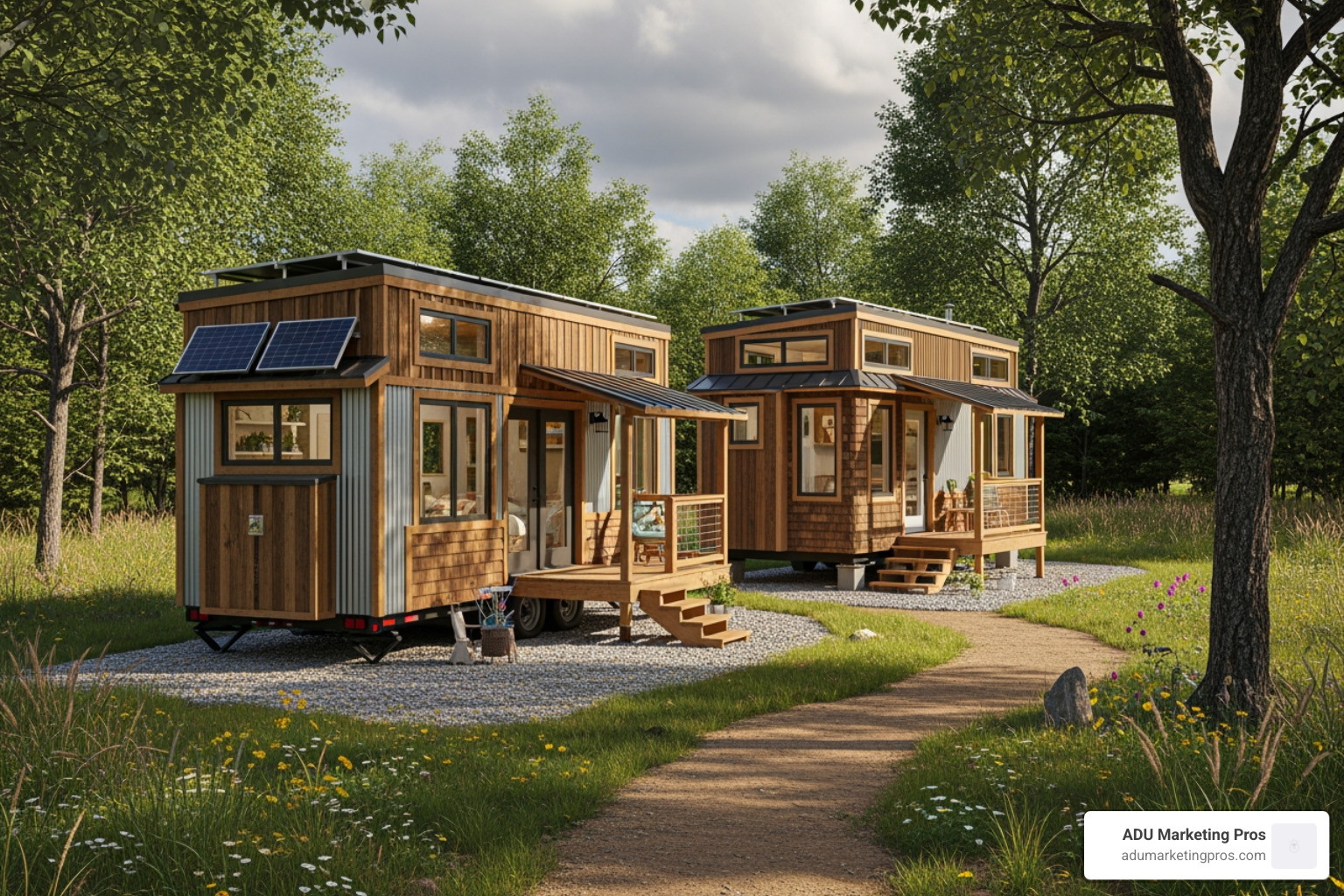
Tiny Homes on Wheels (THOWs)
Tiny Homes on Wheels (THOWs) offer unparalleled mobility and flexibility. Built on a specially designed trailer chassis, these homes can be moved from one location to another, offering a nomadic lifestyle or simply the option to relocate if circumstances change. For many, the appeal of a THOW lies in its ability to circumvent some traditional building codes and property taxes, as they are often classified as recreational vehicles (RVs).
However, this classification comes with its own set of considerations, especially in California. While they offer flexibility, THOWs generally cannot serve as permanent residences in most jurisdictions unless they are placed in designated RV parks, mobile home parks, or specific tiny home communities. We must also consider weight distribution and axle ratings during construction to ensure safe transport. Transport regulations, such as those related to oversized loads, are also critical to research before moving your home. Understanding the distinction between an ADU and a tiny house is essential here, as THOWs typically don’t qualify as ADUs. Learn more about the differences between an ADU vs. Tiny House.
Tiny Homes on a Foundation
For those seeking permanence and a more traditional approach to homeownership, building a tiny home on a foundation is the way to go. These homes are typically affixed to a concrete slab or pier foundation, making them immobile once constructed. In California, many tiny homes built on foundations are designed and permitted as Accessory Dwelling Units (ADUs), which allows them to be legally placed in the backyards of existing single-family or multi-family properties in areas like Los Angeles, San Diego, and the San Francisco Bay Area.
Building on a foundation means your tiny home will adhere to local building codes, similar to a larger traditional home, but often with specific allowances for smaller footprints. This choice also contributes to property value, as a permanently affixed structure is considered real estate. While skoolies (converted school buses) and vardos (traditional Romani wagons) are mobile structures, tiny homes on foundations are designed for long-term, stationary living. Researching Land for Sale in Southern California for Tiny Houses can help you find suitable plots for these permanent dwellings.
The Blueprint: Design, Materials, and Key Construction Methods
Once you’ve decided on your foundation, the real fun begins: designing and building your tiny dream home. Tiny home construction demands clever design and careful material selection to maximize every square inch.
Designing for Small Spaces
Designing a tiny home is an exercise in creativity and efficiency. The goal is to make a small space feel expansive and function flawlessly. We focus on:
- Open floor plans: Minimizing interior walls creates a more fluid and spacious feel.
- Multi-functional furniture: A couch that converts into a bed, a dining table that folds away, or stairs with built-in storage are all excellent examples.
- Vertical space: Lofts for sleeping or storage are a hallmark of tiny homes, leveraging height to add usable square footage.
- Storage solutions: Hidden compartments, wall-mounted shelving, and under-floor storage are crucial for keeping clutter at bay.
- Outdoor living spaces: Decks, patios, or even large windows that connect to the outdoors can extend the living area and make the home feel larger.
Many resources exist for inspiration. You can Find tiny house plans online or consult with experts. For custom designs that perfectly fit your vision and local regulations in California, consider engaging Architects in Southern California Who Design Tiny Houses.
Common Materials for Tiny Home Construction
The choice of construction materials impacts durability, weight, insulation, and aesthetics.

- Stick-framing: This traditional method uses dimensional lumber (like 2x4s or 2x6s) to create the skeletal structure. It’s common, versatile, and easily understood by most builders.
- Structural Insulated Panels (SIPs): These prefabricated panels offer excellent insulation and can significantly speed up construction time. They consist of an insulating foam core sandwiched between two structural facings, often oriented strand board (OSB).
- Steel framing: Lighter than wood and resistant to rot, pests, and fire, steel framing is gaining popularity, especially in areas with seismic activity like California.
- Siding materials: Options range from traditional wood (cedar, pine) to durable metal, fiber cement, or engineered wood products, each offering different aesthetics and maintenance requirements.
- Roofing materials: Metal roofs are common for their longevity and low maintenance, but asphalt shingles or even living roofs can be used.
- Insulation types: Spray foam, rigid foam boards, and mineral wool are popular choices, providing high R-values (thermal resistance) crucial for energy efficiency in small spaces.
Sustainable and Natural Building Options
With a growing emphasis on environmental responsibility, sustainable and natural building options are a natural fit for tiny homes. These choices reduce the ecological footprint of tiny home construction.
- Reclaimed wood: Sourcing wood from old barns, factories, or deconstructed buildings reduces demand for new timber and adds character.
- Salvaged materials: Think old windows, doors, fixtures, or even a used trailer as a foundation. Macy Miller, for example, built her tiny house for just over $11,000 using mostly recycled and donated materials, including siding made from recycled pallets.
- Recycled pallet siding: An innovative way to reuse discarded materials for exterior finishes.
- Natural plasters: Clay or lime plasters offer breathable, non-toxic interior finishes.
- Low-VOC paints: Volatile Organic Compounds (VOCs) found in many paints can off-gas harmful chemicals. Low-VOC options improve indoor air quality.
Considering that the global cement industry is the world’s third largest carbon emitter, choosing alternative or reduced-cement options can significantly impact the environment. Embracing these methods aligns with the ethos of Eco-Friendly Small Homes and reflects a commitment to a healthier planet.
DIY Build vs. Hiring a Professional
The decision to build your tiny home yourself or hire a professional is a significant one, impacting cost, timeline, and stress levels.
- DIY pros: Building it yourself can lead to substantial cost savings, especially on labor. It also allows for ultimate customization and a deep personal connection to your home. The satisfaction of building your own home is immense!
- DIY cons: It requires a significant time commitment, specialized skills, and can be physically and mentally taxing. Without prior experience, you might face unexpected challenges, delays, and potential code compliance issues.
- Professional builder pros: Hiring an experienced builder ensures expertise, speed, and quality. Professionals are familiar with codes, have established relationships with suppliers, and can steer the complexities of tiny home construction efficiently. They often offer warranties and peace of mind.
- Professional builder cons: The primary drawback is higher cost, as you’re paying for their labor, expertise, and overhead.
For those in Southern California looking for reliable partners, we can connect you with experienced Tiny House Builders in Southern California. They can help you achieve your vision while adhering to local regulations and quality standards.
Navigating the Maze: Tiny Home Construction Codes, Permits, and Zoning
This is often the most daunting aspect of tiny home construction, particularly in diverse regulatory landscapes like California. Understanding and complying with codes, permits, and zoning is non-negotiable for a legal and safe dwelling.
Understanding Building Codes and Standards
Building codes exist to ensure structures are safe, healthy, and durable. For tiny homes, the applicable codes depend heavily on whether the home is on wheels or a permanent foundation, and its intended use.
- International Residential Code (IRC): This is a model code for one- and two-family detached dwellings. For tiny homes on foundations in California, the IRC, along with state and local amendments, is usually the governing code.
- Appendix Q (now AQ): The IRC now includes Appendix Q (often referred to as AQ), which provides specific provisions and flexibility for tiny houses intended for permanent occupancy. This appendix addresses unique tiny home features like compact stairs, ladders to lofts, and reduced ceiling heights, making it easier for tiny homes to meet residential standards. This is a crucial development that helps tiny homes on foundations be more readily permitted. For a comprehensive overview, refer to A Guide for Policymakers, Builders and Code Officials by the International Code Council.
- HUD standards for manufactured homes: These federal standards apply to factory-built homes that are over a certain size (e.g., 8 ft wide, 40 ft long, or 320 sq ft) and built on a permanent chassis. While some tiny homes might technically fit these dimensions, most are too small or not built to these specific federal requirements, especially those intended for ADU purposes in California.
- RV standards (NFPA 1192): Tiny homes on wheels are often classified as Recreational Vehicles (RVs) and may need to meet standards like NFPA 1192. However, these standards are designed for temporary recreational use, not permanent residency, which can create legal problems for full-time living in a THOW outside of designated RV parks.
The Permitting and Inspection Process
The permitting and inspection process for tiny homes in California can vary significantly by city and county.
- Building permit application: For tiny homes on foundations (especially those classified as ADUs), a building permit is always required. This involves submitting detailed construction drawings and plans to your local planning and building department (e.g., in San Jose, Los Angeles, San Diego).
- On-site vs. off-site construction:
- On-site: If you’re building your tiny home directly on its permanent foundation, inspections will occur at various stages (foundation, framing, electrical, plumbing, insulation, final) as construction progresses, just like a traditional home.
- Off-site (Factory-Built): If your tiny home is built in a factory (often as a modular ADU), it will undergo inspections at the factory during assembly. Once completed, it’s transported to your site, where local inspectors will check the foundation, utility connections, and final installation.
Navigating these processes requires diligence and adherence to local regulations.
Zoning Regulations and Land Use
Zoning is perhaps the biggest hurdle for many aspiring tiny homeowners. Zoning by-laws dictate what kind of structures can be built on a property and how they can be used.
- Accessory Dwelling Unit (ADU) rules: California has been a leader in promoting ADUs, which are secondary housing units on a single-family or multi-family residential lot. Many tiny homes on foundations can be permitted as ADUs, benefiting from streamlined state and local regulations that make them easier to build. Cities like Los Angeles, San Jose, and San Diego have acceptd ADU policies, creating opportunities for tiny home development.
- Minimum square footage requirements: Some zoning codes have minimum square footage requirements for primary dwellings that tiny homes may not meet. However, ADU ordinances often provide exceptions or specific minimums for smaller units.
- Tiny house communities: A growing trend in California is the development of tiny house communities, which are specifically zoned to allow for multiple tiny homes, offering a legal and often supportive environment for tiny living.
- Parking regulations: ADU ordinances in California have significantly relaxed parking requirements, which can benefit tiny home placement.
Understanding the specific zoning laws in your California city (e.g., Sunnyvale, Palo Alto, Mountain View, Menlo Park) is paramount. We help our clients steer these complex regulations to ensure their tiny home projects are compliant. For those exploring smaller living options, we also provide resources on Small Houses which can sometimes fall under ADU classifications.
Powering Your Small Space: Essential Systems and Utilities
Even in a tiny home, modern comforts require essential systems. Scaling down electrical, plumbing, and HVAC for a compact footprint is a key part of tiny home construction.
Electrical Systems
Your tiny home’s electrical system will either be grid-tied (connected to the municipal power grid) or off-grid.
- Grid-tied power: This is the most common and straightforward option for tiny homes on foundations, especially ADUs. It involves connecting your home to the existing electrical service on your property.
- Off-grid solar systems: For those seeking energy independence or building in remote areas, solar panels with battery banks and inverters can provide all your electrical needs. This requires careful load calculations to ensure your system can handle your power consumption.
- National Electrical Code (NEC): All electrical work, whether grid-tied or off-grid, must comply with the NEC and local amendments to ensure safety. We highly recommend hiring a licensed electrician for all electrical installations in California to ensure compliance and safety.
Plumbing and Water
Plumbing systems in tiny homes need to be efficient and often innovative.
- On-grid water and sewer: Like electricity, this is the simplest option for tiny homes on foundations, connecting to existing municipal water and sewer lines.
- Freshwater holding tanks: For mobile tiny homes or those in remote locations, freshwater tanks can store potable water, with pumps to deliver it to fixtures.
- Composting toilets: These waterless toilets are popular in tiny homes, reducing water consumption and eliminating the need for a blackwater sewer connection.
- Greywater recycling systems: These systems reuse water from sinks and showers for irrigation, significantly reducing water waste, a valuable feature in drought-prone California.
- On-demand water heaters: Tankless water heaters save space and only heat water as needed, improving energy efficiency.
- Uniform Plumbing Code (UPC): All plumbing installations must adhere to the UPC and local regulations.
HVAC (Heating, Ventilation, and Air Conditioning)
Maintaining a comfortable indoor climate in a tiny home is crucial, and efficient HVAC systems are key.
- Mini-split systems: These ductless heat pumps are highly energy-efficient, quiet, and provide both heating and cooling, making them an excellent choice for tiny homes in California’s varied climates. According to the U.S. Department of Energy, they also save energy because they avoid the energy losses associated with ductwork in central forced air systems.
- Propane heaters: Small, wall-mounted propane heaters can provide efficient heating, especially as a backup or for off-grid homes.
- Radiant floor heating: This system provides even, comfortable heat and is hidden beneath the flooring, saving space.
- Wood stoves (as secondary heat): While charming, wood stoves often require significant clearances and specialized venting, and in many tiny homes, they are considered a secondary heat source due to safety and regulatory concerns, rather than a primary one.
- Heat Recovery Ventilators (HRV): Given the small, tightly sealed nature of tiny homes, proper ventilation is critical for indoor air quality. HRVs bring in fresh air while recovering heat from outgoing air, making them very efficient.
The Bottom Line: Budgeting and Finding Resources
The cost of tiny home construction is a common concern, but savvy planning and resourcefulness can make it an achievable dream.
How Much Does Tiny Home Construction Cost?
While tiny homes generally cost less overall than larger homes, there’s a common misconception that they are always cheaper per square foot. In fact, tiny homes can sometimes cost more per square foot to build than a larger home due to the specialized components, high-quality finishes in a compact space, and the detailed craftsmanship required.
The average cost range for a tiny home can vary wildly, typically from $30,000 for a DIY build with salvaged materials to $150,000+ for a professionally built, custom luxury unit.
- DIY vs. professional build costs: DIY projects significantly reduce labor costs, but require time and skill. Professional builds offer convenience, expertise, and quality assurance, but at a higher price point.
- Impact of materials and finishes: High-end materials, custom cabinetry, and advanced off-grid systems will naturally drive up the cost. Conversely, using standard materials and finishes can keep the budget in check.
Here’s a simplified comparison:
| Category | DIY Build (Low-End Finishes) | DIY Build (Mid-Range Finishes) | Professional Build (Mid-Range Finishes) | Professional Build (High-End Finishes) |
|---|---|---|---|---|
| Material Costs | $10,000 – $25,000 | $25,000 – $50,000 | $35,000 – $70,000 | $60,000 – $100,000+ |
| Labor Costs | $0 – $5,000 (volunteer help) | $0 – $10,000 | $30,000 – $80,000 | $50,000 – $120,000+ |
| Trailer/Foundation | $3,000 – $8,000 | $5,000 – $15,000 | $5,000 – $20,000 | $8,000 – $25,000 |
| Permits/Fees | $500 – $2,000 | $1,000 – $5,000 | $1,000 – $10,000 | $2,000 – $15,000 |
| Total Estimated Cost | $13,500 – $40,000 | $31,000 – $80,000 | $71,000 – $180,000 | $120,000 – $260,000+ |
Note: These are general estimates. Costs in California, particularly in major metropolitan areas like the San Francisco Bay Area, Los Angeles, and San Diego, can be significantly higher due to labor, material, and permit costs.
Building a Tiny House on a Budget
Building affordably is certainly possible, as demonstrated by many pioneers in the tiny home movement.
- Salvaged and donated materials: This is one of the most effective ways to cut costs. Scour local demolition sites, online marketplaces, and ask friends and family for usable materials.
- Self-labor and volunteer labor: Doing the work yourself or enlisting the help of skilled friends can drastically reduce expenses. Macy Miller built her tiny house for $11,416.16 using mostly recycled and donated materials and her own labor, showcasing the power of DIY and resourcefulness.
- Used trailers: For THOWs, purchasing a sturdy used trailer (often $3,000-$5,000) can save a significant amount compared to a new, custom-built one.
- Simpler designs: Avoiding complex architectural features, custom windows, or elaborate finishes can keep costs down.
While building a tiny house for under $1,000 might be an extreme anecdote (like the college students who converted a farm outbuilding for $489 using salvaged materials and volunteer labor), it highlights the potential for significant savings through ingenuity. For more insights on cost-effective construction, explore More info on building affordably.
Essential Resources for Your Build
You don’t have to go it alone. A wealth of resources is available to guide you through your tiny home construction journey.
- Online plan sellers: Websites like Houseplans.com offer a wide array of tiny house blueprints.
- Construction manuals: Comprehensive guides detail every step of the building process. The Low Income Housing Institute (LIHI), for example, offers LIHI’s free tiny house plans that can be adapted.
- Hands-on workshops: Many organizations offer in-person workshops where you can gain practical skills and confidence.
- Online courses: The Tiny House Academy, for instance, provides extensive online courses covering everything from design to systems, empowering individuals to learn at their own pace.
- Community forums: Connect with other tiny home enthusiasts and builders to share tips, ask questions, and find support.
Whether you’re looking for Small Houses for Sale or planning a new build, leveraging these resources can be invaluable.
Conclusion
The journey of tiny home construction is a transformative one, offering a unique blend of creativity, challenge, and immense reward. We’ve explored the critical choices, from deciding between a mobile or permanent foundation to navigating the nuanced world of design, materials, and essential systems. We’ve also highlighted the importance of understanding building codes, permits, and zoning, particularly for those building in California’s dynamic regulatory environment.
Building a tiny home is more than just erecting a structure; it’s about embracing a lifestyle of intentionality, financial freedom, and sustainability. It’s an empowering process that allows you to craft a living space perfectly custom to your needs and values.
For ADU professionals in California, understanding the intricacies of tiny home construction is crucial for meeting the evolving demands of clients seeking compact, efficient, and code-compliant housing solutions. We are here to help you connect with those who need your expertise, ensuring that more people can realize their dream of tiny living.
Ready to turn tiny dreams into tangible realities? Let us help you find the right partners. Find expert Tiny House Builders in California to bring your vision to life.