
Why Garage Apartment Design Is One of the Smartest Property Investments Right Now
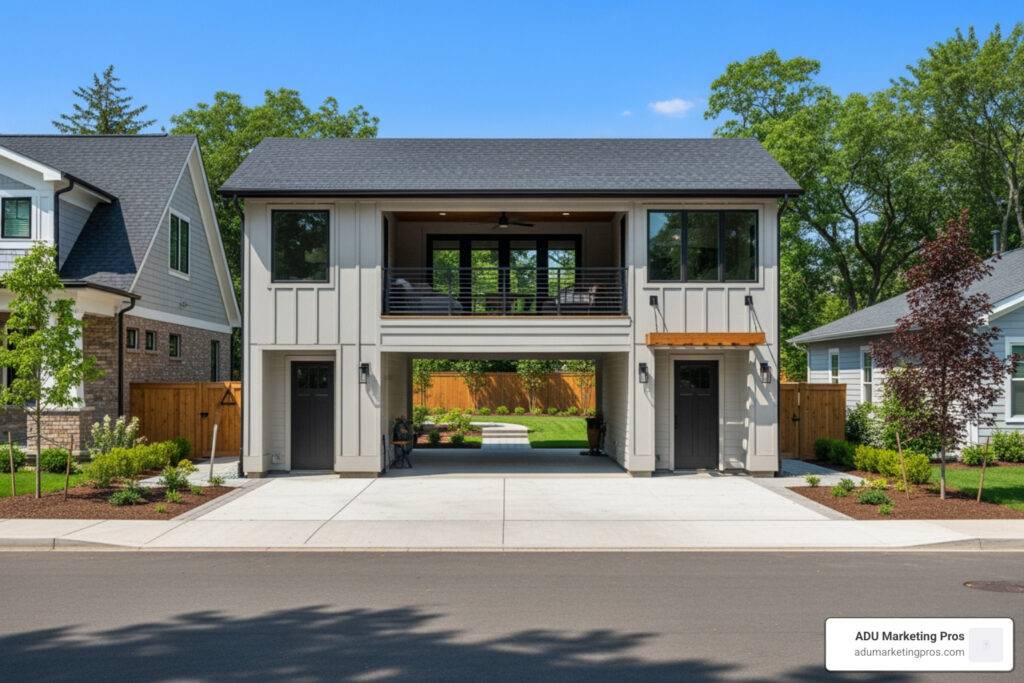
Garage apartment design is the process of planning and building a self-contained living unit above or alongside a garage — and it’s one of the most practical ways to add value, income, and flexibility to your property. In an era of skyrocketing real estate prices and a chronic shortage of affordable housing, homeowners are increasingly looking at their own backyards for solutions. The garage apartment, often referred to as a carriage house or an Accessory Dwelling Unit (ADU), represents the perfect marriage of utility and luxury. It addresses the “missing middle” housing crisis by providing high-quality, dense housing that fits seamlessly into existing residential neighborhoods.
The Strategic Approach to Design
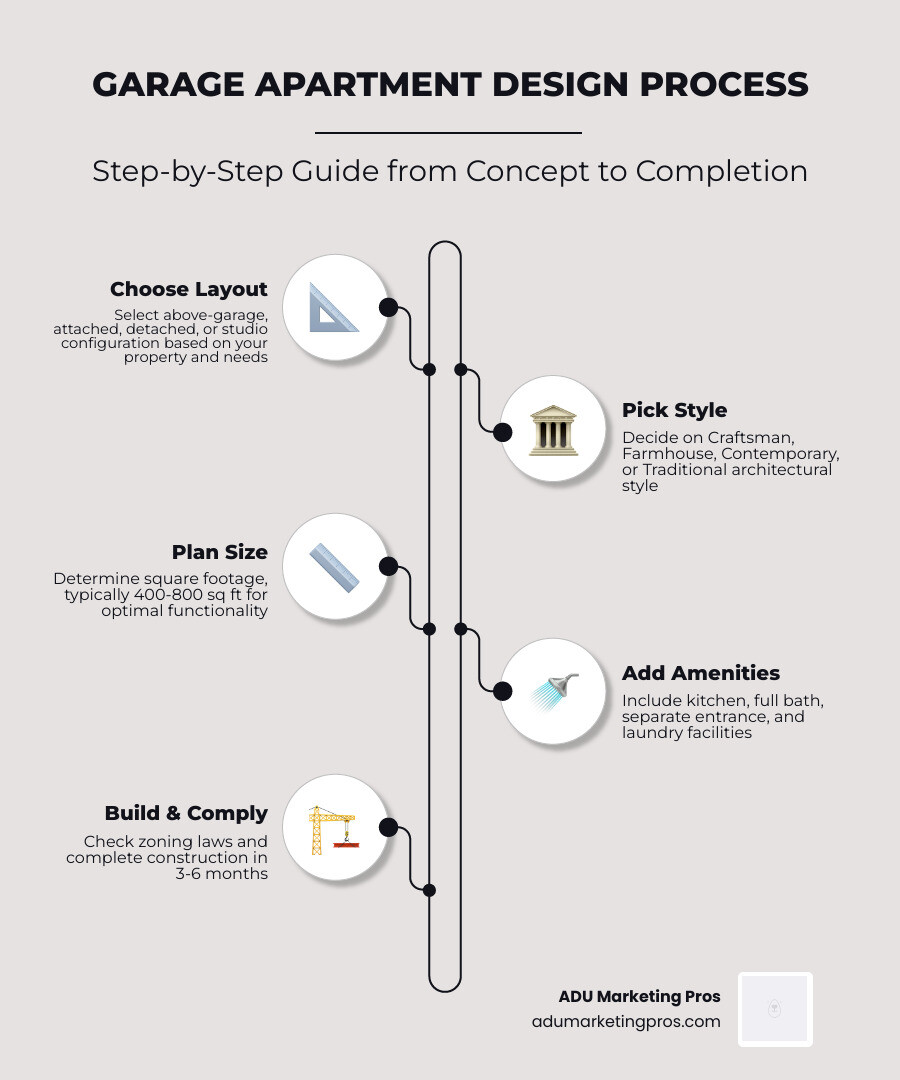
Developing a successful garage apartment requires a multi-disciplinary approach that balances architectural aesthetics with strict building codes. Here’s a detailed look at what the design process typically involves:
- Choose a layout type — You must decide between an above-garage unit, an attached side-unit, a fully detached structure, or a simple studio conversion. Each has different implications for privacy and construction costs.
- Select an architectural style — To maintain property value, the unit should complement the primary residence. Popular choices include Craftsman, Modern Farmhouse, Contemporary, and Traditional.
- Plan your square footage — Most designs range from 400 to 800 sq ft. Maximizing this footprint requires clever use of vertical space and open-concept floor plans.
- Include key amenities — A legal apartment must include a full kitchen, a bathroom, a separate entrance, and often dedicated laundry facilities to be considered a true ADU.
- Check local zoning laws — This is the most critical step. You must navigate building codes, property line setbacks, height restrictions, and specific ADU regulations that vary by city.
- Pick a foundation type — While a concrete slab is the most common choice for new builds, existing garages may require structural retrofitting to support a second story.
- Build it out — From the first shovel in the ground to the final coat of paint, construction typically takes 3 to 6 months, depending on the complexity of the utilities.
Whether you’re a homeowner looking to house a family member, generate rental income, or simply get more out of your property, a garage apartment is worth serious consideration. The modern housing market is shifting toward structures that provide more density than a single-family home but less than a high-rise apartment building. Garage apartments fit this niche perfectly, offering a private, detached living experience that is highly sought after by modern tenants.
A Historical Perspective on Modern Living
The concept isn’t new. Garage apartments are actually the modern version of the historic carriage house — where horses and staff once lived above the stables. In the early 20th century, these were status symbols for the wealthy, providing a way to keep staff close but separate. Today, they have been democratized and reimagined as a solution for the 21st-century housing crisis. They serve as guest suites, home offices, short-term rentals, and multi-generational living spaces. According to the California Department of Housing and Community Development, ADUs are a vital tool in addressing the state’s housing crisis, leading to a surge in permit applications across the West Coast.
And the numbers back up the demand. There are currently over 690 garage apartment plans available from major plan providers alone, with the vast majority designed atop a 1- to 2-car garage. In California especially, where ADU regulations have loosened significantly through state-wide mandates, these structures are becoming a go-to solution for homeowners and developers alike. This guide walks you through everything — from popular styles and must-have features to legal requirements and construction timelines — so you can make a confident, informed decision about your property’s future.
Garage apartment design word list:
Understanding Garage Apartment Design and Primary Uses

When we talk about garage apartment design, we are looking at the modern evolution of the classic carriage house. Historically, these structures were detached buildings on large estates used to house horse-drawn carriages on the ground floor with living quarters for staff above. Today, they have been reimagined as high-end Accessory Dwelling Units (ADUs) that solve a variety of modern housing needs. They represent a shift toward “gentle density,” a planning concept that allows for more residents in a neighborhood without destroying its aesthetic or historical character. This approach is favored by urban planners because it utilizes existing infrastructure rather than requiring new, sprawling developments.
In regions like the San Francisco Bay Area and San Diego, these structures are helping address urban density issues by providing housing units without changing the fundamental character of a neighborhood. Whether you are looking at a 3-Car Garage Apartment Plan or a smaller conversion, the primary goal is to maximize the utility of the land you already own. For many homeowners, the journey begins with a garage-to-adu-conversion, transforming an underutilized parking space into a vibrant living area that can serve the family for decades.
Defining the Modern Garage Apartment
A true garage apartment is a self-contained unit. This means it isn’t just a “bonus room” or a finished attic; it includes a dedicated kitchen or kitchenette, a full bathroom, and a sleeping area. It must meet the same habitability standards as a primary residence, including proper insulation, egress windows, and climate control. In California, this often means adhering to Title 24 energy efficiency standards, which may require specific window types and insulation R-values.
- Detached Structures: These are standalone buildings that offer the highest level of privacy for both the main house and the apartment occupants. They are often preferred for rental units because they create a clear physical boundary between the landlord and the tenant. They also allow for more windows on all four sides, maximizing natural light.
- Attached Additions: These units share a wall with the main residence but maintain a private entrance. They are often more cost-effective to build because they can sometimes tap into the existing home’s HVAC and plumbing systems more easily, though they offer slightly less acoustic privacy.
- Living Quarters Above: The most common configuration features parking for 1–3 cars on the ground level with the apartment situated on the second floor. This layout is ideal for small lots where horizontal space is at a premium, effectively doubling the utility of the building’s footprint.
Versatile Real-World Use Cases
The beauty of garage apartment design lies in its versatility. As the needs of a family change over 20 or 30 years, the garage apartment can adapt to serve different purposes:
- Rental Income: Long-term rentals can provide a steady mortgage-offsetting income, while short-term rentals (where permitted) can capitalize on local tourism. In high-demand markets like Silicon Valley, a garage apartment can often pay for the entire property’s property taxes and insurance, providing significant financial relief.
- Aging in Place: Providing a safe, accessible space for elderly parents allows them to stay close to family while maintaining independence. This “Granny Flat” concept is one of the primary drivers of the ADU movement, helping families avoid the high costs of assisted living facilities.
- Creative Studios: Many professionals in Los Angeles and Palo Alto use these spaces as soundproof recording studios, art galleries, or high-tech home offices. The separation from the main house provides the quiet environment necessary for deep work and professional client meetings.
- Staff Quarters: On larger estates, they remain a popular choice for housing nannies, groundskeepers, or au pairs, maintaining the tradition of the original carriage house while providing modern comforts.
If you are converting a garage into a guest suite or rental unit in Menlo Park, you’ll find that the separation from the main house is the key feature that makes these units so desirable. It allows for a level of autonomy that a basement apartment or a spare bedroom simply cannot provide, making it a true “home away from home” on the same lot.
Key Benefits of Adding a Garage Apartment to Your Property
Adding a garage apartment is one of the most effective ways to increase your property’s footprint without the massive undertaking of a full home addition. Beyond just “extra space,” there are concrete financial and lifestyle advantages that make this a top-tier home improvement project. In many cases, the value added to the property exceeds the cost of construction almost immediately upon completion, especially in land-constrained urban environments.
Before diving in, many homeowners use a garage-conversion-cost-calculator to get a baseline for their investment. Understanding the adu-garage-conversion process is the first step toward unlocking these benefits and ensuring the project remains within budget.
Financial Advantages and ROI
The Return on Investment (ROI) for a well-executed garage apartment design is often significantly higher than other renovations like kitchen remodels or pool installations. This is because the apartment generates its own revenue stream, turning a liability (unused space) into an asset.
- Property Appreciation: Adding a legal, permitted ADU can increase your property value by as much as 20–30% in competitive markets like San Jose or Sunnyvale. Appraisers are increasingly recognizing the value of “income-producing potential” when evaluating residential properties, which can make a huge difference during a future sale.
- Passive Income: In California, where housing demand is sky-high, a studio or one-bedroom garage apartment can command premium rents. This income can be used to pay down the primary mortgage faster, fund retirement, or pay for the construction loan used to build the unit.
- Affordable Housing Solutions: For families with adult children or college students, providing a garage apartment is often cheaper than paying for off-campus housing or high-priced apartments. It keeps the family’s wealth within the family while providing the younger generation with a sense of independence.
For a look at how even small spaces can yield big results, check out this 340 sq ft Los Angeles Garage Conversion which demonstrates how thoughtful design can make a tiny footprint feel like a full-sized home. The use of multi-functional furniture, high ceilings, and strategic window placement can make a 340-square-foot space feel twice its actual size.
Lifestyle and Flexibility Benefits
The “flex” factor of a garage apartment cannot be overstated. As your life changes, the apartment changes with you. It is a future-proof investment that adapts to your family’s evolving needs over several decades.
- Downsizing Without Moving: Some homeowners choose to move into the garage apartment themselves and rent out the main house. This allows them to downsize their maintenance responsibilities while staying on their beloved property and generating significant retirement income from the larger primary residence.
- Hobby Integration: If you are a woodworker, car enthusiast, or musician, the ground floor can serve as a high-end workshop while the upstairs remains a clean, quiet retreat. This separation of “messy” or “loud” hobbies from the living space is a major lifestyle upgrade that keeps the main house peaceful.
- Smart Space Solutions: In areas like Palo Alto, designers are getting creative with interior layouts. For example, Murphy Beds transform garages into retreats, allowing the space to serve as a high-functioning office by day and a comfortable guest suite by night. This maximizes the utility of every square foot, ensuring that no part of the home sits idle during the week.
Popular Architectural Styles and Types of Garage Apartment Design
A common mistake is thinking a garage apartment has to look like a simple “box” or a shed. In reality, modern garage apartment design allows you to match or complement the existing architecture of your main home perfectly, creating a cohesive estate feel. Whether you are looking for adu-plans-with-garage or a total garage-conversion-to-adu, style matters. A cohesive look ensures that the new structure adds to the curb appeal rather than detracting from it.
Traditional and Craftsman Styles
Craftsman designs are incredibly popular in California neighborhoods, particularly in historic districts like those found in Pasadena or Berkeley. They focus on craftsmanship, exposed structural elements, and natural materials, which helps the new building blend in with older homes. They often feature:
- Tapered Columns: Adding a sense of weight and history to the porch or entrance, often sitting on stone or brick piers.
- Gabled Roofs: Providing classic silhouettes that shed water efficiently and allow for beautiful vaulted ceilings inside the living quarters.
- Natural Materials: Use of stone, wood shingles, and earthy paint tones that reflect the surrounding landscape and the original “Arts and Crafts” movement.
These styles offer a “timeless” look that ensures the new structure feels like it has always been part of the property. You can explore a wide variety of these in The Best Garage Apartment Plan Collection, which features designs that prioritize character and detail.
Modern Farmhouse and Contemporary Garage Apartment Design
For a more current aesthetic, many homeowners in Sunnyvale and Mountain View are opting for Modern Farmhouse or Contemporary styles. These styles often allow for larger windows and more open interior spaces, which are essential for making small footprints feel larger.
- Modern Farmhouse: Characterized by white board-and-batten siding, black window frames, and metal roofing accents. A great example is this Sunnyvale 5-Bedroom Modern Farmhouse Style Plan, which shows how large-scale garage designs can integrate seamlessly with high-end living. The “Barndominium” trend is a subset of this style, focusing on large, open-concept spaces and industrial-chic finishes.
- Contemporary: These designs focus on clean lines, flat or shed rooflines, and massive windows that blur the line between indoor and outdoor living. They often use industrial materials like steel, glass, and concrete, making them very durable and low-maintenance for long-term rental use.
Specialized Layouts: Studio vs. Multi-Bedroom
The layout you choose depends on your lot size, budget, and intended use. While studios are the most common for garage conversions, multi-bedroom units are becoming more popular for families who need more than just a guest room.
| Feature | Studio Layout | 2-Bedroom Layout |
|---|---|---|
| Typical Sq Ft | 400 – 550 sq ft | 600 – 1,000+ sq ft |
| Privacy | Open concept; best for singles | Separate sleeping quarters; best for families |
| Cost | Lower construction/utility costs | Higher ROI for long-term rentals |
| Best Use | Home office or short-term guest | Full-time rental or in-law suite |
For those in the Bay Area, ADU Floor Plans by Symbihom provide excellent examples of how to maximize these different footprints. Their designs often focus on “flex rooms” that can transition from a bedroom to an office as needed, providing the ultimate in spatial efficiency.
Essential Features for a Functional Garage Apartment Design
Designing a small space requires more discipline than designing a large one. In garage apartment design, every inch must earn its keep. When we help architecture firms market their adu-garage-conversions, we emphasize that the “extras” are what truly sell the space. A well-designed 500-square-foot apartment can feel more comfortable and functional than a poorly designed 1,000-square-foot home if the layout is optimized for the human experience.
Whether you’re looking at garage-conversion-los-angeles options or building from scratch, these features are essential for long-term satisfaction and tenant retention.
Maximizing Small Living Spaces
Most garage apartments fall within the 400 to 800 square foot range. To make these spaces feel grand rather than cramped, we recommend several architectural tricks that have been proven in the tiny home and ADU industries:
- Open Floor Plans: 640 out of 694 standard plans feature an open layout that combines the kitchen, dining, and living areas. This eliminates unnecessary hallways and allows light to flow through the entire unit, creating a sense of “breathability.”
- Vaulted Ceilings: Drawing the eye upward creates an illusion of volume that compensates for a smaller footprint. If the apartment is above a garage, the roof pitch often allows for dramatic 10- to 12-foot ceilings that can accommodate loft storage or skylights.
- Built-in Storage: Utilizing “dead space” under stairs or in knee walls for cabinetry and closets is vital. Custom built-ins can replace bulky furniture, saving precious floor space for movement.
- Natural Light: Large windows and skylights are non-negotiable. They reduce the need for artificial lighting, improve the mood of the occupants, and make the space feel connected to the outdoors.
A Spacious Garage Apartment with Workshop is a perfect example of how to balance high-functioning utility with comfortable living. The workshop below can be soundproofed to ensure the living space above remains peaceful even during heavy project work.
Key Amenities and Statistics
According to industry data from leading plan shops, there are several “standard” features that modern renters and homeowners expect. These are no longer considered luxuries but necessities for a functional, independent home.
- Foundation: Roughly 66% of plans utilize a slab foundation, which is cost-effective and durable. However, in some hilly areas of California, a raised foundation may be necessary for proper drainage and to meet seismic safety codes.
- Laundry: Over 72% of modern designs include a dedicated laundry area. For small units, a stackable washer/dryer unit in a closet or a European-style all-in-one unit is the most efficient choice.
- Access: While many use exterior stairs for maximum privacy, about 33% of plans offer interior stairs. Interior stairs are safer in wet weather and provide a more “integrated” feel if the unit is used by the primary family members.
- Parking: Most units sit atop a 1- or 2-car garage, though Garage Apartment Plan 012G-0054 shows that you can go as large as a 5-car capacity for serious collectors or those needing significant storage.
Privacy and Accessibility in Garage Apartment Design
Privacy is the number one concern for homeowners adding a secondary unit. If the design doesn’t address privacy, the value of the primary home could actually decrease due to the perceived loss of personal space.
- Separate Entrances: Ensure the tenant doesn’t have to walk through your backyard or garage to get home. A dedicated pathway with its own lighting and perhaps a small private patio area is essential for a high-quality rental.
- Sound Insulation: Investing in high-quality subflooring and acoustic insulation (like Rockwool) between the garage and the apartment is critical. This is especially true if the garage will be used for loud vehicles, power tools, or as a gym.
- Separate Utilities: Whenever possible, install separate meters for electricity and water. This prevents disputes over utility bills and makes the unit much easier to manage as a rental. It also adds significant value during a future sale as a “turnkey” investment.
- HVAC: Dedicated mini-split systems are the gold standard for garage apartments. They allow the occupant to control their own climate, are much more energy-efficient than extending the main house’s ductwork, and require no bulky ducting.
The San Diego Garage Conversion by Losada Garcia Architects is a masterclass in using modern materials to ensure privacy and aesthetic appeal in a tight urban lot. Their use of translucent materials allows light in while maintaining total visual privacy from the neighbors.
Practical and Legal Considerations for Your Build
Before you pick out paint colors or furniture, you have to navigate the “boring” but vital world of permits and codes. In California, the laws regarding adu-garage-conversion-california have become much friendlier in recent years, but they are still complex. State laws like SB 9 and SB 10 have effectively ended single-family zoning in many areas, but local municipalities still have a say in the specific design details.
If you’re planning an ADU Garage Conversion in San Jose, you’ll need to work closely with local officials to ensure compliance. San Jose has been a leader in streamlining the ADU process, even offering “pre-approved” plans to speed up the timeline and reduce architectural fees for homeowners.
Zoning Laws and Building Codes
- IRC Standards: Most garage apartment plans are designed to meet International Residential Code (IRC) standards. However, California has its own set of codes (Title 24) that focus heavily on energy efficiency, solar readiness, and seismic safety.
- Setbacks and Height: Many cities have specific rules about how close you can build to your neighbor’s fence. For ADUs, California law generally allows for 4-foot side and rear setbacks, which is much more lenient than standard residential rules, allowing you to maximize your lot.
- Parking Mandates: While many California cities have eliminated parking requirements for ADUs near public transit, some areas still require you to “replace” any parking lost during a garage conversion. This might mean adding a driveway or a carport elsewhere on the property.
For those just starting their research, sites like The House Plan Shop offer a wealth of information on how to select plans that are most likely to be approved in your jurisdiction. They often categorize plans by “regionally compliant” features, which can save weeks of back-and-forth with the planning department.
Construction Timelines and Budgeting
How long does it actually take? On average, the construction phase for a garage apartment takes 3 to 6 months, but the pre-construction phase can take just as long. You must account for the time it takes to get through the city’s planning department and secure all necessary permits.
- Phase 1: Permitting (1–3 months): This is often the most unpredictable phase. Some cities are fast and have digital portals, while others have significant backlogs and require physical plan submissions.
- Phase 2: Foundation and Framing (1 month): This is the most exciting phase for homeowners as they finally see the structure take shape. It involves pouring the slab or reinforcing the existing garage walls to support the new load.
- Phase 3: Rough-ins (1 month): This involves the “guts” of the building—plumbing, electrical, and HVAC. It requires multiple inspections from the city before the walls can be closed up with insulation and drywall.
- Phase 4: Finishes (1–2 months): Drywall, flooring, cabinetry, and paint. This is where the garage apartment design truly comes to life and the space begins to feel like a home.
Budgeting should always include a 10–15% contingency fund. Unexpected issues like poor soil conditions, outdated electrical panels in the main house, or material price fluctuations can quickly eat into your budget. For more detailed project planning, The Project Plan Shop is an excellent resource for understanding the technical requirements of the build, including structural engineering and site preparation details that are often overlooked by first-time builders.
Frequently Asked Questions about Garage Apartments
What is the average size of a garage apartment?
Most garage apartments feature between 400 and 800 square feet of living space. This typically allows for a comfortable one-bedroom or spacious studio layout. The footprint is usually determined by the garage below, which is typically a 20’x20′ (2-car) or 30’x20′ (3-car) space. Some homeowners choose to cantilever the second floor to gain an extra 2-3 feet of width, providing a bit more interior room without increasing the ground-floor footprint or violating setback rules.
How long does the construction process take?
You should plan for a 3 to 6-month construction window. This timeline can be affected by local permitting speeds, weather conditions in areas like San Francisco, and the availability of specialized contractors. If you are doing a conversion of an existing structure, the timeline might be shorter (around 2-3 months), but if you are adding a second story to an existing garage, the structural reinforcement required can actually extend the timeline significantly.
Can I convert my existing garage into an apartment?
Yes! Garage-to-ADU conversions are incredibly popular because they utilize the existing “shell” of the building, which can save on framing costs. However, you must ensure the existing structure can support the added weight of a living space (if building up) and that you can legally run water, sewer, and power lines to the building. Many older garages were built without footings deep enough to support a second story, so structural retrofitting is often a necessary part of the process.
Does a garage apartment increase property taxes?
Yes, adding a habitable unit will generally trigger a reassessment of that portion of your property. However, in California, the primary house is not typically reassessed at current market value; only the value of the new construction is added to your tax bill. The rental income generated usually far outweighs the increase in property taxes, making it a net positive for your monthly cash flow.
Is it cheaper to build up or build out?
Generally, building “out” (a detached single-story unit) is slightly cheaper because it doesn’t require the structural reinforcement needed to support a second floor. However, building “up” (above the garage) is often the only option for homeowners with small lots or strict setback requirements. Building up also preserves your backyard space for gardening, recreation, or a pool, which can be more valuable in the long run.
How do I finance a garage apartment build?
Most homeowners use a Home Equity Line of Credit (HELOC), a home equity loan, or a specialized construction loan. Some also look into cash-out refinances. In California, there are also state-sponsored grants and programs designed to encourage ADU construction for low-to-moderate-income homeowners. It is best to speak with a lender who has experience with ADU projects specifically.
Conclusion
At ADU Marketing Pros, we know that garage apartment design is booming. We specialize in helping ADU construction and architecture firms in San Jose, San Diego, and throughout the Bay Area connect with homeowners who are ready to transform their properties. The demand for these units is at an all-time high, driven by a combination of housing shortages and favorable new legislation. The firms that can demonstrate a mastery of both design and local regulations are the ones that will thrive in this competitive landscape.
By focusing on specialized digital marketing and SEO, we help firms showcase their expertise in this niche market. Whether you are a builder specializing in modern farmhouse ADUs or an architect focused on urban infill, we help you reach the right audience at the right time. If you are an architecture or construction professional looking to grow your revenue and attract high-quality leads, we are here to help you stand out in a crowded marketplace.
Ready to dive deeper into the technical side of these projects? Read The Ultimate Guide to ADU Garage Conversions to learn more about the specific requirements for your next build and how to navigate the complexities of the California housing market. The future of residential living is in the backyard, and we are here to help you build it.