
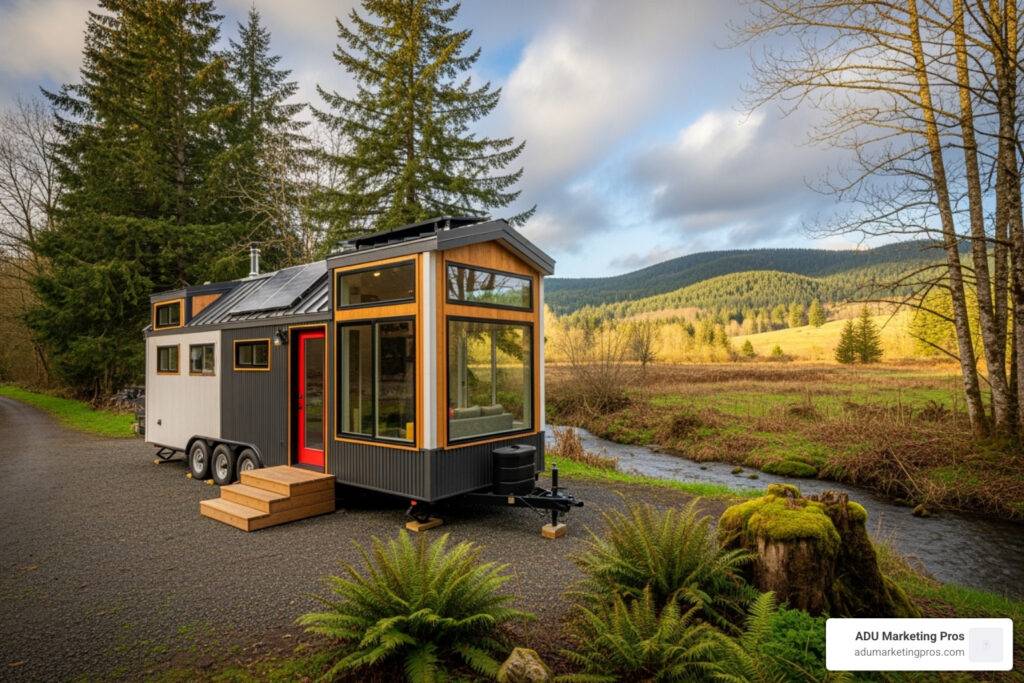
The Tiny House Movement is Closer Than You Think
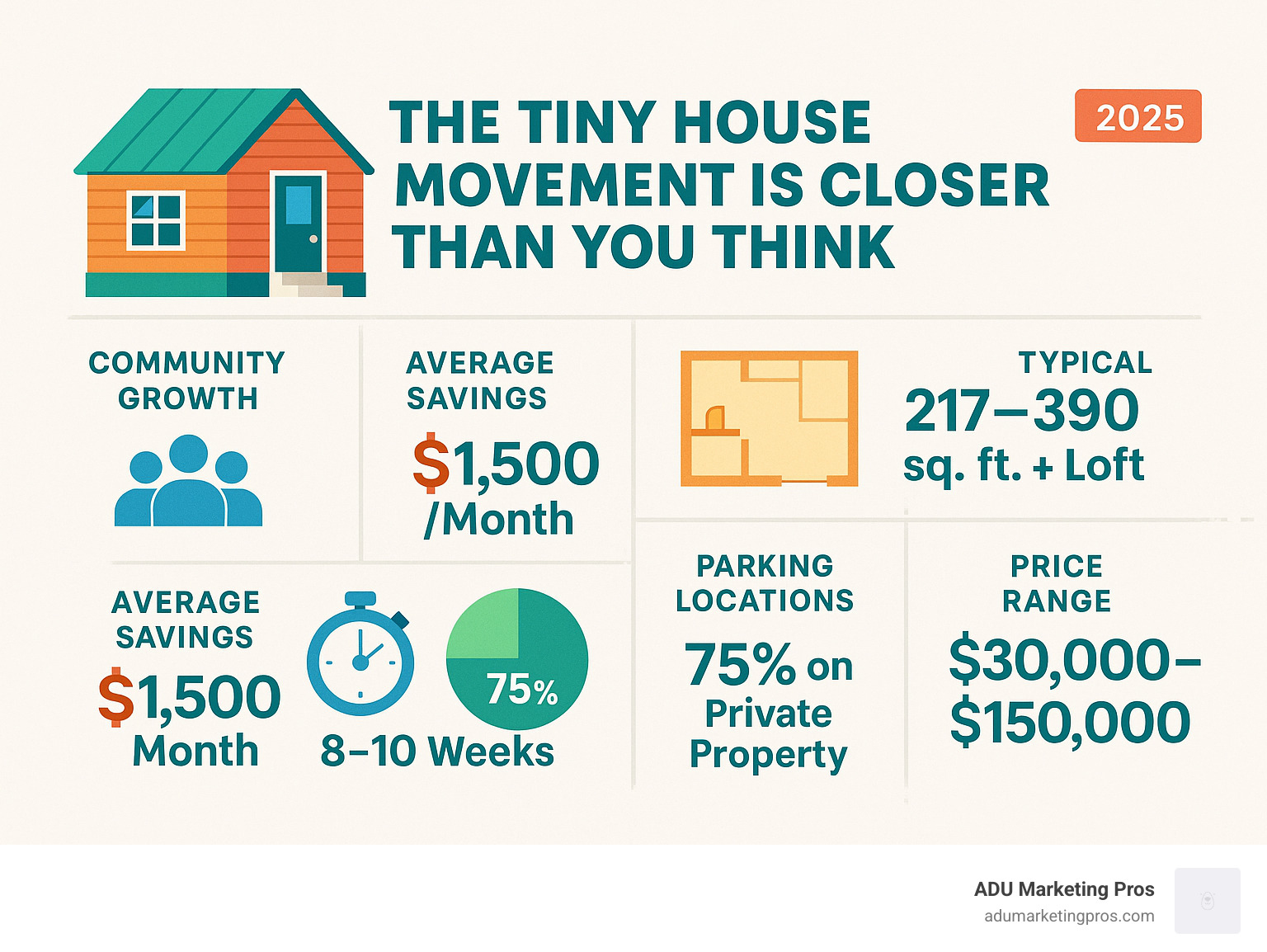
Searching for tiny homes for sale near me? You’re in luck. The tiny house movement has grown from a niche lifestyle into a viable solution for those seeking financial freedom and simpler living. With prices from $30,000 to $150,000, these homes are more accessible than ever.
Quick Answer: Where to Find Tiny Homes for Sale Near You
- Online Marketplaces: Tiny House Listings, Zillow, Facebook Marketplace
- Local Builders: Custom builds with warranties and showroom models
- Community Groups: Active online forums and local networks
- FSBO Listings: Direct-from-owner sales
- Price Range: $30,000-$150,000 depending on size and features
- Types Available: Tiny homes on wheels (THOWs), foundation homes, prefab units
As housing costs rise across North America, many are asking how to achieve homeownership. For a growing number, the answer is a tiny home. They offer significant savings, with some owners saving over $1,500 a month. Plus, with build times as short as 8-10 weeks, the path to owning a primary residence, guest house, or home office is faster than you might imagine.
Essential tiny homes for sale near me terms:
- architects in southern california who design tiny houses
- land for sale in southern california for tiny houses
- places in southern california that allow tiny houses
Why Go Tiny? The Big Benefits of Small Living
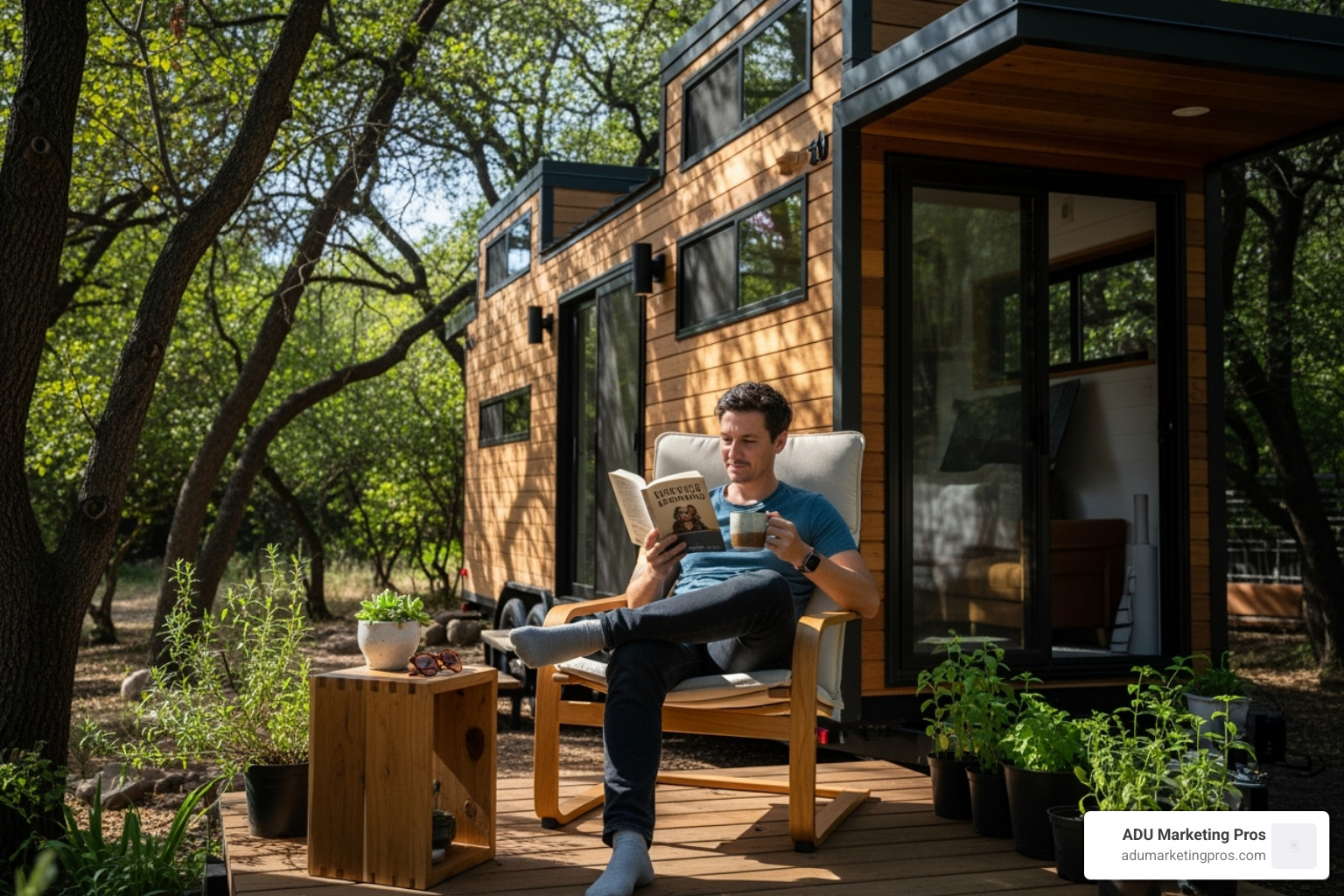
The tiny home movement is about more than just small spaces; it’s a lifestyle choice that offers significant benefits, from financial relief to a more sustainable way of life.
Financial Freedom
One of the biggest draws to tiny living is the potential for financial freedom. With purchase prices typically between $30,000 and $150,000, tiny homes are a fraction of the cost of traditional houses. This can mean a smaller loan or even buying your home outright, freeing you from a decades-long mortgage. Ongoing savings are also substantial. Property taxes are lower, and the minimalist lifestyle encouraged by a smaller space means less spending on consumer goods. Many owners achieve debt-free living, with some reporting savings of $1,500 a month, as detailed in stories like this one: My tiny home saves me $1,500 a month.
A Lighter Footprint
Choosing a tiny home is a powerful move toward sustainability. These compact dwellings use fewer resources to build and maintain, significantly reducing your environmental impact. A smaller space requires less energy for heating and cooling, lowering utility bills and your carbon footprint. Many builders use sustainable and recycled materials, and designs often include features like water conservation systems and composting toilets. For those seeking energy independence, tiny homes are ideal for solar power integration, making them champions of efficiency. Learn more about how small homes can be eco-friendly here: More info about Eco-Friendly Small Homes.
A Life of Simplicity and Mobility
Tiny living encourages a shift in focus from possessions to experiences. A smaller home means less maintenance, freeing up your time and money for travel, hobbies, and loved ones. The process of downsizing itself can be liberating, helping you clarify what’s truly important. For ultimate freedom, a Tiny Home on Wheels (THOW) allows you to take your home wherever you go. These certified mobile homes offer unparalleled flexibility, turning the dream of a nomadic lifestyle into a reality.
Decoding the Options: Types of Tiny Homes You Can Buy
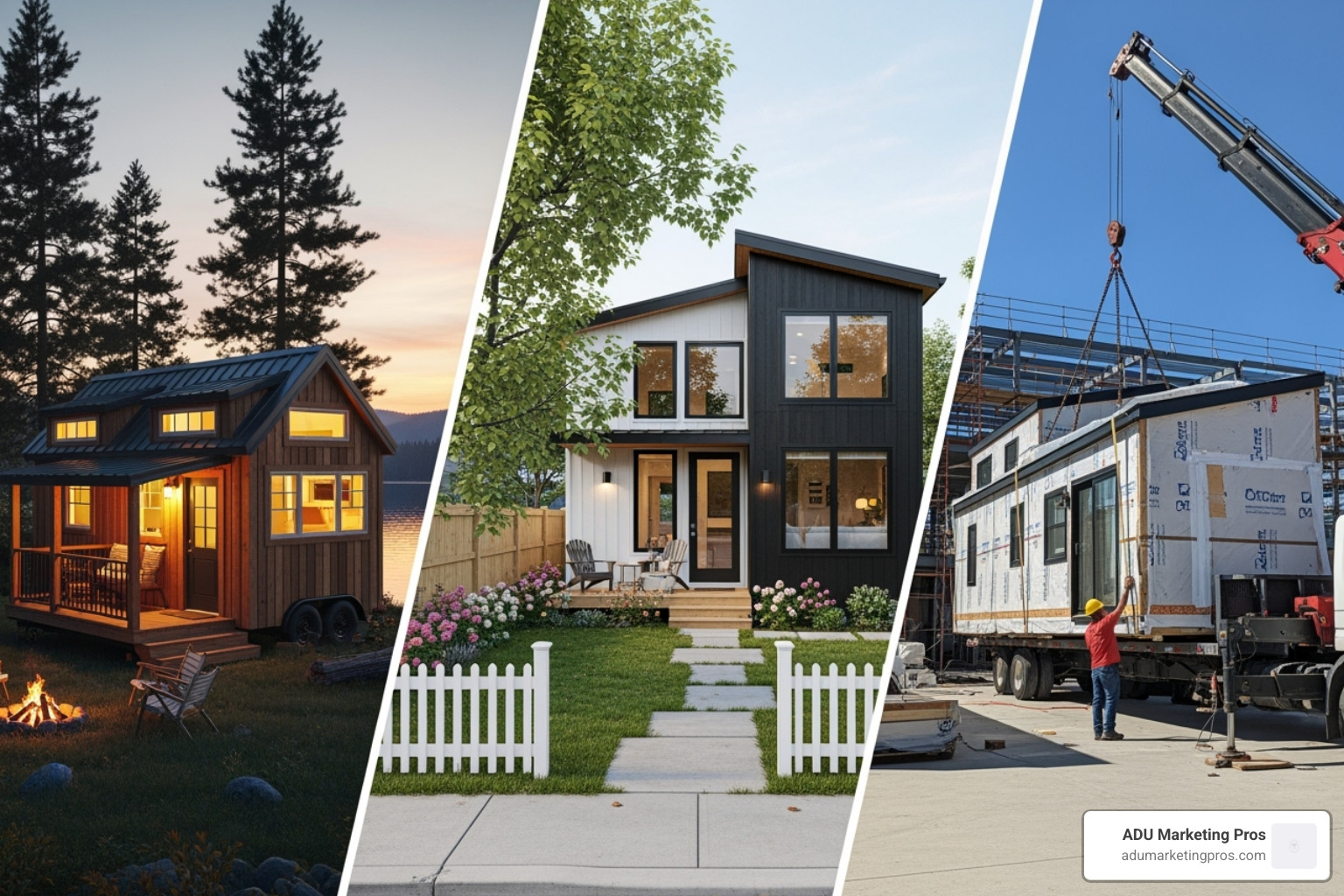
When you search for tiny homes for sale near me, you’ll find a variety of styles, each with unique benefits. Understanding these options is key to finding the perfect fit for your lifestyle and local regulations.
Tiny Homes on Wheels (THOWs)
THOWs are the iconic image of the tiny house movement. Built on trailers, they offer the ultimate mobility and travel freedom. Typically 217 to 390 square feet, they often feature clever lofts for sleeping. Many are built to RVIA certification standards, which can help with financing and parking in RV parks. While they offer flexibility, their legal status is often different from homes on foundations. You can explore the distinctions here: More info about ADU vs Tiny House.
Tiny Homes on a Foundation
For those seeking permanence, a tiny home built on a foundation is like a traditional house in miniature. As permanent structures, they are built to local building codes and become a fixed part of the property. This allows for more traditional home amenities like full-sized appliances. Because they are considered real property, they can appreciate in property value over time. This style is ideal for creating an Accessory Dwelling Unit (ADU), a popular option in California for adding a guest house, office, or rental unit. For more on this trend, see: More info about Prefab Granny Flat California.
Prefabricated and Modular Tiny Homes
Prefab and modular homes are built in a factory and then transported to your site for assembly. This factory construction process ensures high quality control and avoids weather delays. It’s often more cost-effective due to bulk material purchasing and streamlined processes, with some builders claiming savings up to 40%. Once on-site, they are known for quick assembly. These versatile homes can serve as primary residences, guest houses, or offices and are designed for fast installation. To see what’s possible, review some available plans: More info about ADU Building Plans.
Where to Find Tiny Homes for Sale Near Me
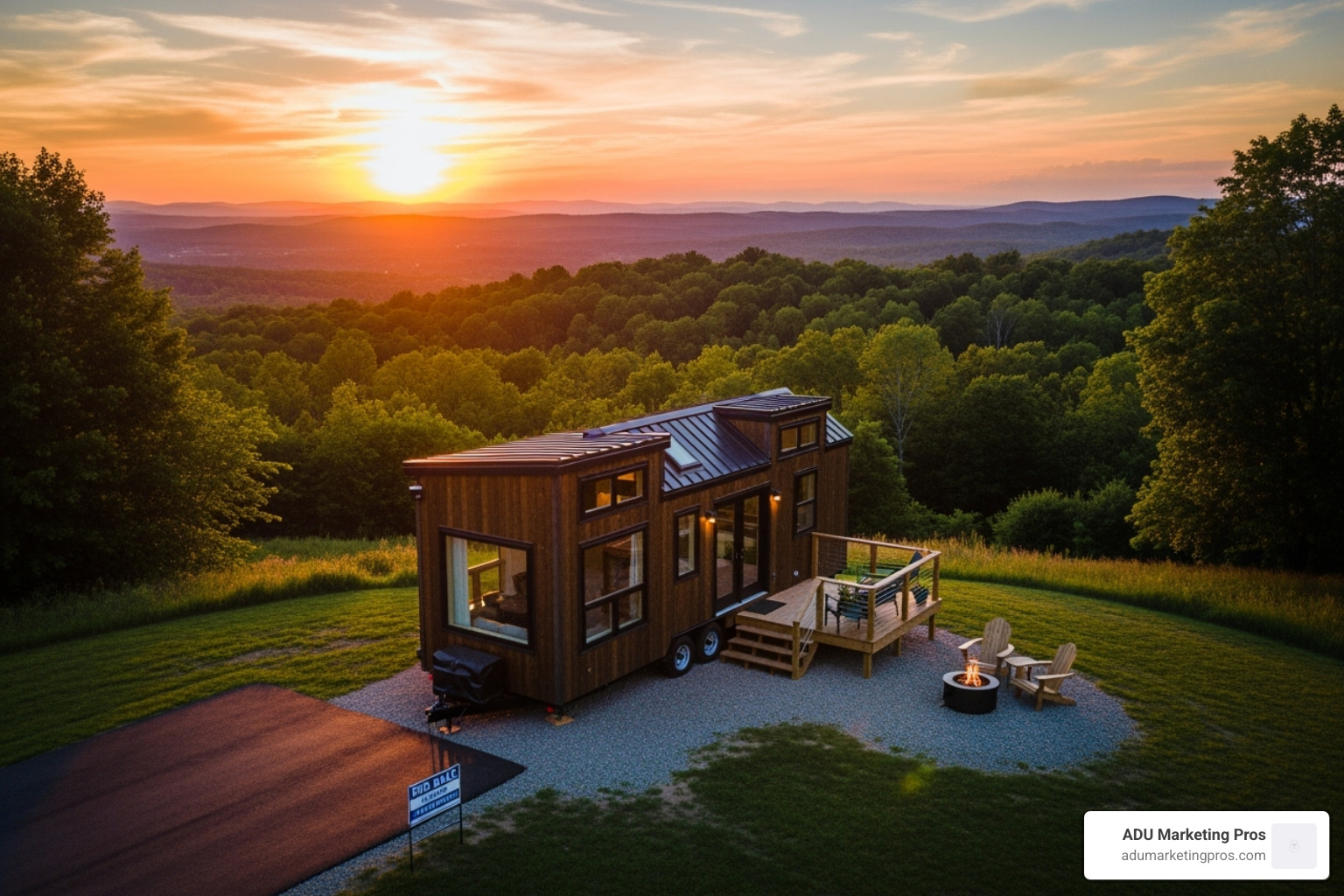
The search for tiny homes for sale near me is an exciting treasure hunt. With the movement’s growth, there are more avenues than ever to find your perfect small space.
Online Marketplaces and Listing Sites
The internet is your best starting point. Dedicated sites like Tiny House Listings are treasure troves, but don’t overlook traditional platforms like Zillow, which increasingly feature tiny homes. Facebook Marketplace is another active hub for private sellers. Use filtering by location to narrow your search and set up alerts to be notified of new listings in your area.
Directly from Tiny Home Builders
For a brand-new home custom to your tastes, go directly to a builder. This route offers incredible customization options, from layout to finishes. You’ll get a new build crafted with the latest materials and backed by builder warranties for peace of mind. Many builders have showroom models you can tour to get a feel for the space and quality. This is especially useful in places like California where builders are well-versed in local codes. Find local experts here: More info about Tiny House Builders California.
Local Community Groups and Social Media
The tiny home community is vibrant and supportive. Facebook Groups are a fantastic resource for finding listings, advice, and potential parking spots. For example, the British Columbia community has over 12,000 members: CLICK HERE to join the British Columbia Facebook Community. Attending tiny home festivals and networking with current owners can also provide invaluable insider information and direct leads.
Finding “For Sale By Owner” (FSBO) tiny homes for sale near me
Buying directly from an owner can lead to great deals and more room for negotiation. Check local classifieds online (like Craigslist) and in print. You might also find listings on community bulletin boards or by simply driving through neighborhoods in areas where tiny homes are common. This direct approach can uncover unique, pre-loved homes at a competitive price.
Your Ultimate Tiny Home Buying Checklist
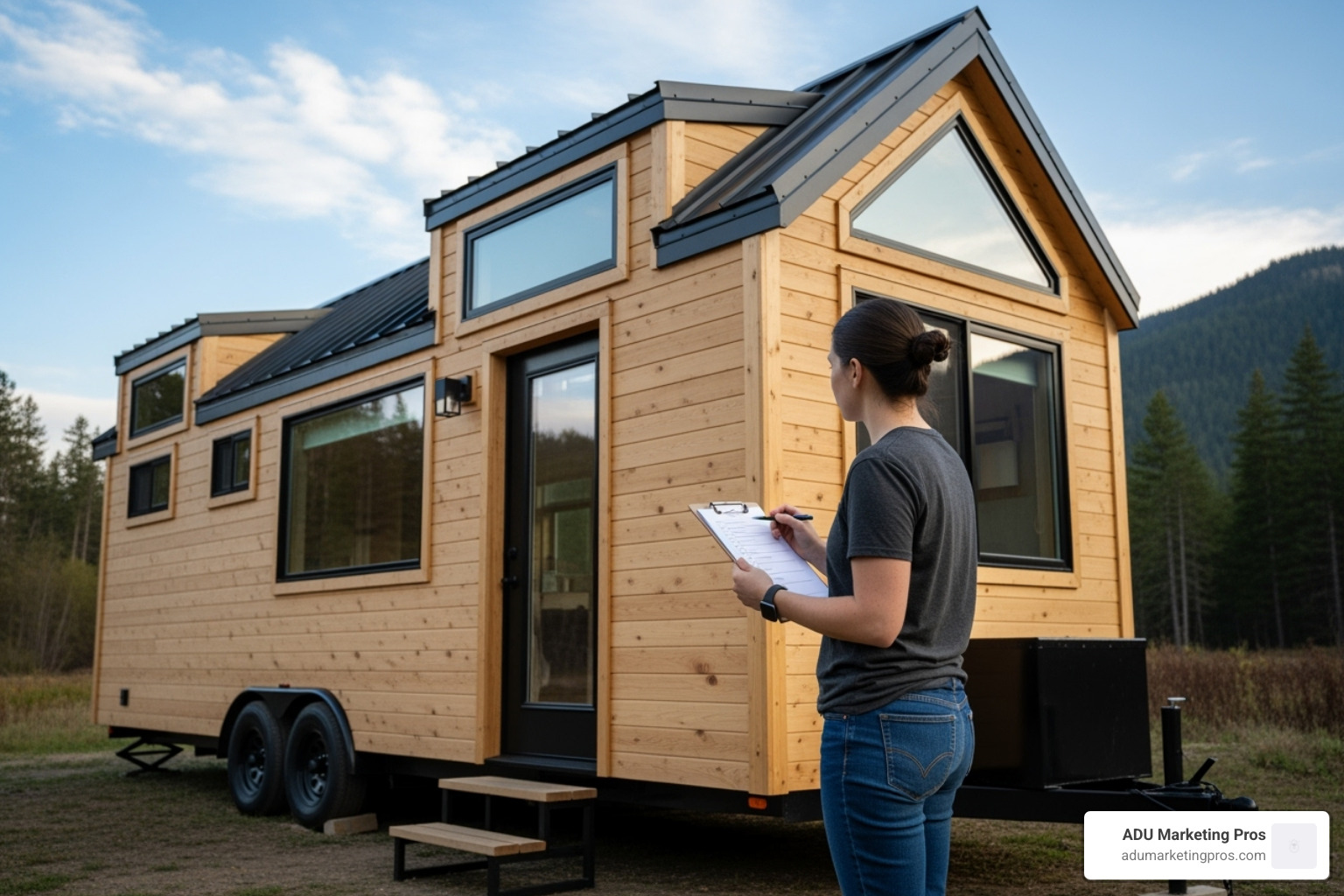
With more tiny homes for sale near me than ever, a solid checklist is essential to steer your options and find a home you’ll love for years to come.
New vs. Used: Weighing the Pros and Cons
Your first big decision is whether to buy new or used. A new home offers full customization and warranties but comes at a higher price ($30,000-$150,000) and requires a build time of 8-10 weeks. A used home is more affordable ($44,500-$70,000) and available immediately, but it’s typically sold “as-is” and may have hidden issues. Always get a thorough inspection for any used home.
| Feature | New Tiny Home | Used Tiny Home |
|---|---|---|
| Cost | Higher initial price ($30,000-$150,000) | Lower initial price ($44,500-$70,000 typical) |
| Customization | Full control over layout and finishes | Limited to existing features |
| Warranty | Manufacturer warranties included | Typically sold “as-is” |
| Condition | Pristine with latest materials | Varies, may need repairs |
| Availability | 8-10 weeks build time | Move in immediately |
Vetting the Builder or Seller
The quality of your home depends heavily on who built it. When vetting a builder, be sure to:
- Check reviews from previous customers.
- Verify certifications like RVIA or NOAH, which are crucial for insurance, financing, and parking.
- Examine their portfolio of past projects and ask for references.
- Ensure transparency in their process, materials, and pricing. A reputable builder will be open and communicative. For those in the Bay Area, connecting with local experts is key: More info about San Francisco Tiny House Builders.
Inspecting the Interior Design and Layout
A tiny home’s livability hinges on its design. Look for a layout that feels spacious and functional. Key elements to inspect include:
- Multi-functional furniture that saves space, like a sofa bed or folding table.
- Smart storage solutions, such as floor-to-ceiling shelving and under-stair cabinets.
- Natural light and ventilation from well-placed windows and skylights to make the space feel open.
- Bedroom accessibility, weighing the pros and cons of space-saving ladders versus more accessible stairs.
- Kitchen and bathroom functionality to ensure they meet your daily needs.
- A logical layout flow that allows for easy movement throughout the home. For inspiration, explore different design concepts: More info about ADU Design Ideas California.
The Financial & Legal Lowdown on Tiny Home Ownership

After finding potential tiny homes for sale near me, it’s time to tackle the financial and legal details. This step is crucial for a smooth transition into tiny living.
Budgeting for Your Tiny Home: Purchase Price and Ongoing Costs
The purchase price, typically $30,000 to $150,000, is just the start. Your total budget must also account for ongoing costs:
- Land: Will you buy land or rent a lot? Community lot fees often average around $500 per month.
- Insurance: THOWs are often insured like RVs, while foundation homes need homeowner’s insurance. Seek out specialists.
- Utilities: While lower, you’ll still have bills for electricity, water, propane, and waste removal.
- Maintenance: Set aside a fund for repairs, upkeep, and future upgrades.
How to Finance Your Tiny Home Purchase
Traditional mortgages are rare for tiny homes, as most are considered personal property, not real estate. Instead, buyers typically use:
- RV loans: This is the most common option for THOWs with RVIA certification.
- Personal loans: These are more flexible but often come with higher interest rates and shorter terms.
- Builder financing: Many builders offer in-house financing or partner with lenders who specialize in tiny homes. Approval depends on good credit, steady income, and a down payment.
The Biggest Hurdle: Zoning, Permits, and Finding a Place to Park
Navigating the legal landscape is often the most challenging part of going tiny. Local regulations vary dramatically, so thorough research is non-negotiable.
- Appendix Q of the International Residential Code (IRC) has been adopted by some cities, providing clear building standards for tiny homes on foundations.
- ADU regulations have been a game-changer, especially in California, making it easier to legally place a small secondary home on an existing property.
- Parking solutions include tiny home communities, RV parks (for certified THOWs), and private property (where zoning allows). About 75% of owners park on private land, but finding a legal spot requires checking local ordinances carefully. For those looking in Southern California, finding land is a key first step: More info about Land for Sale in Southern California for Tiny Houses.
Frequently Asked Questions about Finding Tiny Homes for Sale Near Me
As you explore tiny homes for sale near me, questions are bound to come up. Here are clear, concise answers to some of the most common inquiries.
What is the average cost of a tiny home?
The average cost of a tiny home ranges from $30,000 to $150,000. The final price depends on several factors:
- Size and Features: Larger homes with high-end finishes and appliances cost more.
- DIY vs. Professional Build: Building it yourself can significantly lower costs, but a professional build ensures quality and saves time.
- New vs. Used: A new home costs more upfront but includes warranties, while a used home is cheaper but may require repairs.
- Location: Builder costs and shipping fees can vary by region.
Is it hard to find a legal place to put a tiny home?
This can be the biggest challenge, but it is achievable with research. The difficulty lies in zoning laws, which were not written with tiny homes in mind. Success often depends on the type of home and your location.
- Solutions: Look for tiny home-friendly communities, which offer legal lots with utilities. RV parks are an option for certified THOWs. In many areas, especially California, progressive ADU (Accessory Dwelling Unit) laws have made it much easier to legally place a tiny home on a foundation in a backyard.
- Key Takeaway: Always research local regulations before you buy. What’s permitted in one town may be prohibited in the next.
Can I get a traditional mortgage for a tiny home?
Generally, no. Traditional mortgages are for real estate (land and a permanent structure). Most tiny homes, especially those on wheels (THOWs), are classified as personal property, similar to an RV. This makes them ineligible for a conventional mortgage.
However, there are several alternative financing options:
- RV Loans: The most common choice for RVIA-certified THOWs.
- Personal Loans: An unsecured loan from a bank or credit union.
- Builder Financing: Many tiny home builders offer their own financing or have partnerships with lenders who understand the market.
- Home Equity Loans: If you own other property, you may be able to use a HELOC or cash-out refinance.
Conclusion: Your Tiny Home Trip Awaits
Exploring tiny living reveals a path to financial freedom, sustainability, and a simpler, more mobile lifestyle. The journey to find tiny homes for sale near me is more accessible than ever, with a variety of options from mobile THOWs to permanent foundation homes and efficient prefab models.
You can find your perfect fit through online marketplaces, direct from builders, or within supportive communities. While the process requires due diligence—vetting sellers, inspecting designs, and navigating finances and zoning laws—these are manageable steps on the path to ownership. With thorough research into local regulations, especially the evolving ADU laws in California, your dream is within reach.
The tiny home movement is a powerful housing solution for a more intentional life. We at ADU Marketing Pros are dedicated to helping the innovative firms that build these homes connect with people like you.
Ready to take the next step? Start planning your eco-friendly small home today!