
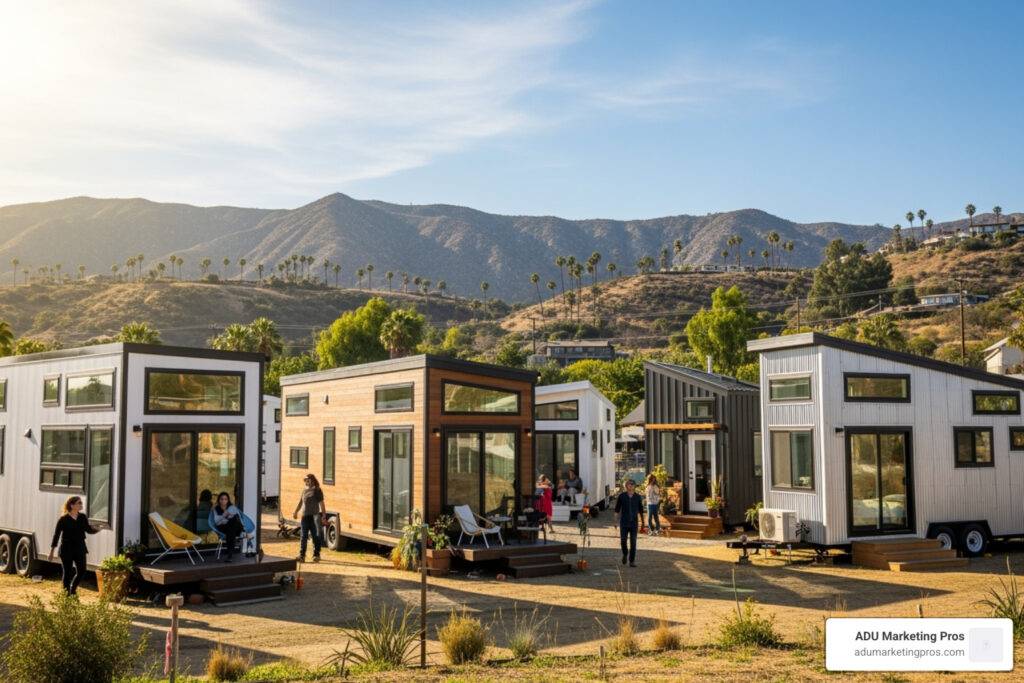
Finding Tiny Homes in Southern California
Looking for tiny homes for sale in southern california? You’re in the right place. In a region known for its beautiful weather and high cost of living, tiny homes offer a popular path to a simpler, more affordable lifestyle. This guide will help you steer the vibrant market for these compact dwellings in the Golden State.
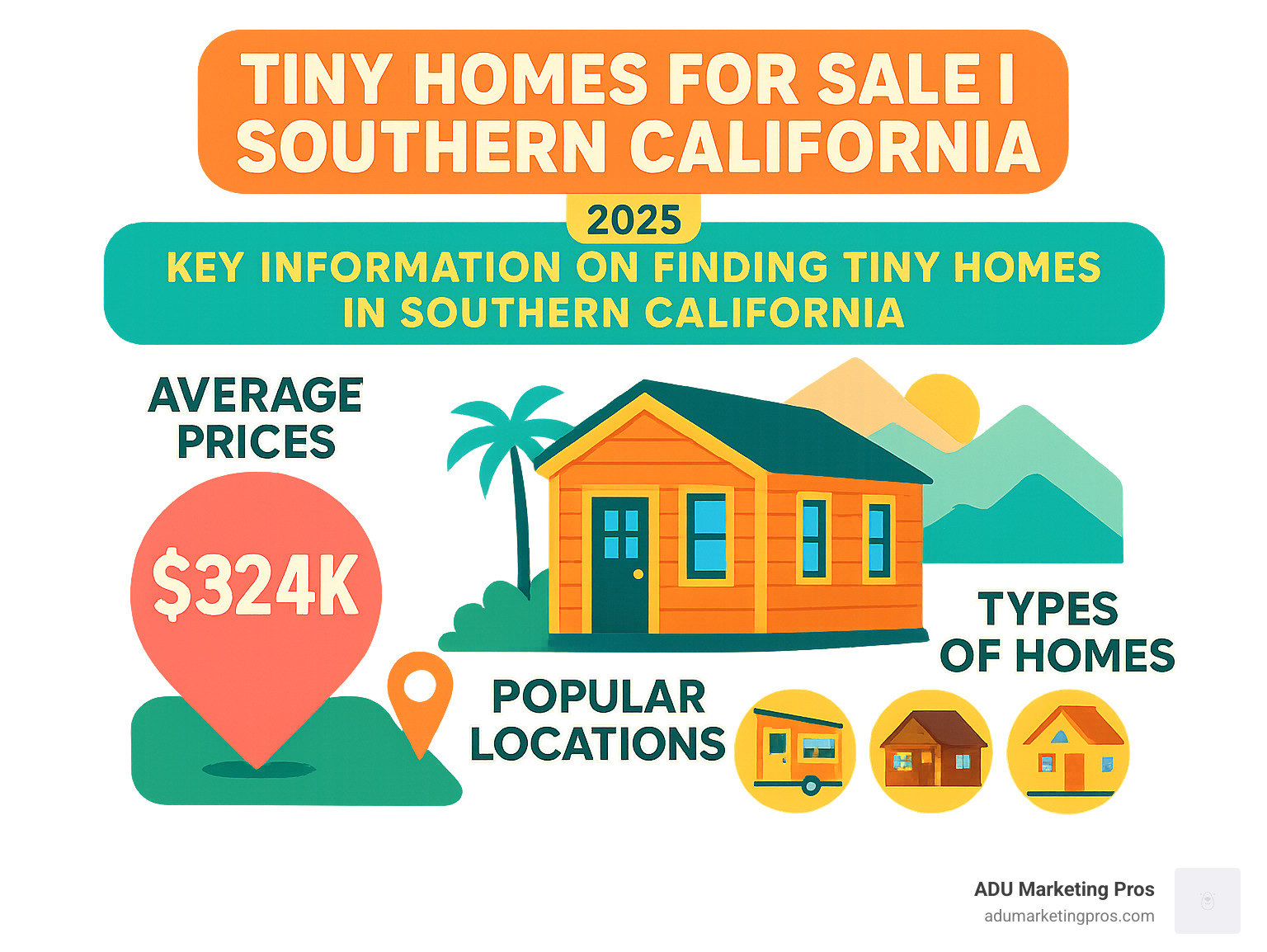
You can find your perfect tiny home through online marketplaces, directly from specialized builders, or even in dedicated tiny home communities. Prices vary significantly based on size and features, with basic kits starting under $10,000, turnkey homes typically ranging from $60,000 to $120,000, and luxury builds exceeding $160,000. For those seeking a permanent spot, tiny homes with land average around $324,197.
This guide covers everything from the benefits and types of tiny homes to costs, legal considerations, and the best places to look. Get ready to find your perfect fit in tiny living.
Similar topics to tiny homes for sale in southern california:
- architects in southern california who design tiny houses
- land for sale in southern california for tiny houses
- places in southern california that allow tiny houses
Why Go Tiny in Southern California? The Perks of Small-Scale Living
Living in Southern California doesn’t have to mean choosing between your dream location and financial stability. The market for tiny homes for sale in southern california is thriving because these compact dwellings offer a smart solution to the region’s housing challenges.
The Financial and Lifestyle Advantage
In a state where the median home price can be staggering, tiny homes present a refreshing alternative. The financial benefits are significant. Instead of a massive mortgage, you could own a tiny home outright for a fraction of the cost. Entry-level models start around $29,000, with mid-range turnkey homes typically running from $60,000 to $120,000. The savings continue with dramatically lower property taxes, utility bills, and maintenance costs. For more on tax implications, our guide on ADU Property Taxes offers practical insights.
This financial freedom open ups a new way of life. It’s a shift from focusing on possessions to prioritizing experiences. With less to clean and maintain, you have more time and resources for beach days, hiking trips, or exploring the local scene. The minimalist lifestyle reduces clutter and stress, while the region’s year-round sunshine makes indoor-outdoor living a natural fit. A 400-square-foot home feels surprisingly spacious when your deck becomes an extension of your living room.

Going small also means a smaller environmental footprint, with lower energy consumption. For those interested in sustainable options, our article on Eco-Friendly Small Homes provides further inspiration. The mobility of some tiny homes adds another layer of flexibility, allowing you to change your scenery without the hassle of a traditional move.
Navigating the Market: Types of Tiny Homes for Sale in Southern California
When searching for tiny homes for sale in southern california, you’ll find a variety of options, from mobile homes on wheels to permanent backyard cottages. Most tiny homes range from 100 to 400 square feet, but their clever designs make them feel surprisingly spacious.
Tiny Homes on Wheels (THOWs)
THOWs offer the ultimate freedom, allowing you to take your home wherever you go. Built on trailers, these homes are often constructed to high standards like ANSI 119.5 or NFPA 1192, making them more durable than a typical RV and often eligible for insurance and financing. However, mobility has its limits; you can’t park a THOW just anywhere. They typically require a spot on private property or in a designated RV or tiny home park. The legal classification can be complex, so understanding the difference between an ADU vs Tiny House is crucial.
Foundation-Based Tiny Homes & ADUs
For those who prefer to put down roots, foundation-based tiny homes are permanent structures built like traditional houses. In California, these often qualify as Accessory Dwelling Units (ADUs), a classification strongly supported by state law. This makes getting permits and financing much easier than for THOWs. Cities like Los Angeles and San Diego have become very welcoming to these backyard homes. A tiny home legally becomes an ADU when it’s built on a permanent foundation and meets all local building codes, as detailed in the California ADU Guidelines.
Prefab, Modular, and Kit Homes
If you’re looking for a balance of affordability and quality, consider prefab and modular homes. These are built in a factory, which means faster construction times and significant cost savings. Some builders can deliver a finished home in just a few months. For the hands-on type, DIY tiny house kits offer an affordable entry point, with some basic kits starting under $10,000. These are great for creating a simple backyard studio or guest space. The choice between pre-built and custom comes down to your priorities: speed and predictable costs versus unlimited personalization. For more on factory-built options, explore our article on ADU Modular Homes California.
The Financial Side: Understanding Costs and Financing Your Tiny Dream
Figuring out the finances is a key step in your tiny home journey. It’s important to understand the full scope of costs, from the home’s price tag to land, site prep, and utility connections.

What to Expect for Pricing
The price of tiny homes for sale in southern california varies widely. DIY kits can start as low as $7,200, while a basic, professionally built shell might cost around $25,000. Entry-level, move-in ready models generally start at $29,000. Most buyers opt for mid-range, turnkey homes, which typically range from $60,000 to $120,000. For those seeking high-end finishes and custom designs, luxury builds can easily exceed $160,000. If your dream includes owning the land it sits on, be prepared for a higher budget, as the average listing for a tiny home with land in California is around $324,197. Don’t forget to budget for additional costs like transportation, permits, installation, and utility hookups. You can explore options for Land for Sale in Southern California for Tiny Houses.
Securing a Loan for Your Tiny Dream
Financing a tiny home is different from a traditional mortgage. Since many tiny homes, especially those on wheels (THOWs), are not considered real estate, they don’t qualify for conventional home loans. However, several excellent financing routes are available:
- RV Loans: If your THOW is certified by the RVIA, an RV loan is a common and accessible option.
- Personal Loans: Unsecured personal loans can be used for any purpose, including a tiny home purchase, though they may have higher interest rates.
- Builder Financing: Many tiny home builders have partnerships with lenders who specialize in this niche market.
- Home Equity Loans (HELOCs): If you already own a home, you can leverage its equity to finance a tiny home, which is a popular method for funding backyard ADUs.
- Credit Union Loans: Local credit unions are often more flexible than large banks and may offer specific loan products for tiny homes.
Before pursuing a loan, ensure your chosen tiny home is certified, as this is a key requirement for most lenders. For a deeper dive into financing, check out our guides on ADU Financing Options and Navigating ADU Financing.
The Legal Landscape: Zoning, Permits, and Regulations in SoCal
Navigating the legal requirements is a critical step when considering tiny homes for sale in southern california. The good news is that the state is becoming increasingly friendly to tiny living, but you can’t just place a tiny home anywhere.
Statewide vs. Local Regulations
California has been a trailblazer in passing laws that encourage Accessory Dwelling Units (ADUs), which has created a legal pathway for many tiny homes. Movable tiny homes can often be permitted as ADUs if they meet specific size and placement rules. Cities like Los Angeles and San Diego have been particularly progressive, streamlining the approval process for tiny homes as ADUs, guest houses, or rental units. You can learn more about the rules in our guides to Los Angeles ADU Regulations and San Diego ADU Laws.
For comprehensive statewide guidance, consult the California Department of Housing and Community Development’s official ADU Handbook (https://www.hcd.ca.gov/sites/default/files/2020-12/adu_handbook.pdf), which outlines size limits, parking requirements, and recent legislative updates.
However, regulations can vary significantly between cities and counties. It is crucial to always check with your local planning department before buying a tiny home or land. An official resource like LA’s ADU approval process overview can provide insight into what’s required.
Certifications and Building Codes
Proper certification is your ticket to getting insurance, financing, and legal approval. This is especially vital for Tiny Homes on Wheels (THOWs). Key certifications to look for include:
- ANSI 119.5: For recreational park trailers.
- NFPA 1192: For recreational vehicles.
- NOAH: A third-party inspection ensuring the home meets safety and building standards.
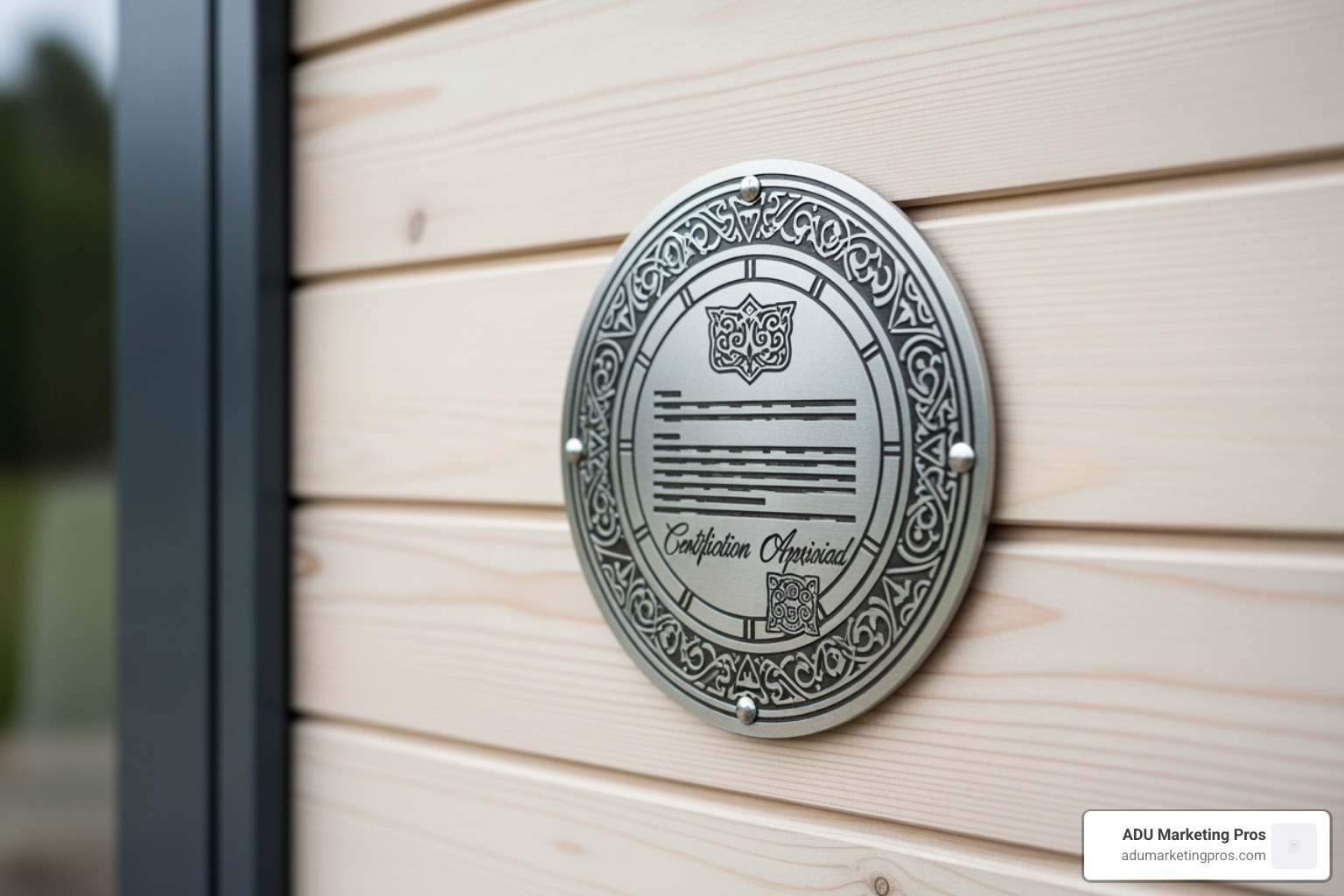
Reputable builders ensure their homes meet these standards. This certification transforms your tiny home from a simple structure into a legitimate, insurable dwelling. For more on building requirements, see our guide on ADU Building Requirements.
Where to Find and How to Choose Your SoCal Tiny Home
With the financial and legal groundwork laid, it’s time for the exciting part: finding your perfect tiny home. Southern California’s market is full of options, from specific locations to a wide range of builders.
Top Locations for Tiny Homes
Certain areas in Southern California are hotspots for tiny living due to friendly regulations and active communities. Key regions to explore include:
- San Diego County: Known for its progressive tiny home policies.
- Los Angeles County: ADU-friendly laws have created many opportunities.
- Orange County: A strong market with numerous listings.
- Riverside County: Home to dedicated communities like Paradise Tiny Home Community in the Coachella Valley.
- San Bernardino County: Offers accessible options and builders.
Don’t forget to use online marketplaces like Tiny House Listings, which feature interactive maps to help you search by location.
Finding Reputable Builders and What to Ask
Choosing the right builder is crucial. Southern California has many excellent builders, and you can find a list in our article on Tiny House Builders California. When vetting potential builders, be sure to ask:
- Can I see your portfolio and client testimonials?
- What is your typical build process and timeline?
- What certifications (ANSI, NFPA, NOAH) do your homes have?
- What customization options do you offer?
- What does your warranty cover?
- Are delivery and setup included in the price?
A transparent builder will guide you through everything from design to permits. For a look at a specific city’s process, you can review documents like LA’s ADU approval process information.
Key Features in SoCal Tiny Homes
Modern tiny homes are designed for comfort and functionality. Popular features include:
- Clever Layouts: Sleeping lofts or main-floor bedrooms to suit different needs.
- Smart Design: Multi-functional furniture and integrated storage solutions to maximize space.
- Natural Light: Large windows and high ceilings to make the space feel open and airy.
- Full-Featured Kitchens & Baths: Many tiny homes include surprisingly spacious kitchens with full-sized appliances and comfortable bathrooms. Get inspiration from our ADU Kitchen Ideas.
- Outdoor Living: Decks and patios are essential for enjoying the SoCal climate.
Frequently Asked Questions about Southern California Tiny Homes
As you explore tiny living, some common questions are likely to arise. Here are concise answers to some of the most frequent inquiries.
How much does a tiny home cost in Southern California?
Costs vary widely. A DIY kit can be under $10,000, while a basic shell might be around $25,000. Most move-in ready, turnkey models range from $60,000 to $120,000. High-end, custom builds can exceed $160,000. These prices do not include the cost of land, which is a significant additional expense in California.
Are tiny homes on wheels (THOWs) legal in Southern California?
Yes, THOWs can be legal in many parts of Southern California, but with specific rules. They are often classified as recreational vehicles (RVs) and must be parked in a legally designated spot, such as an RV park or on private property that allows them. They cannot simply be parked on a street or vacant lot. Legality depends heavily on local zoning laws in cities like Los Angeles and San Diego, so always check with the local authorities.
Can I place a tiny home in my backyard in Southern California?
Yes, this is often possible thanks to California’s progressive Accessory Dwelling Unit (ADU) laws. To legally place a tiny home in your backyard as an ADU, it must meet local requirements for size, height, setbacks from property lines, and utility connections. Some jurisdictions may require it to be on a permanent foundation, while others have provisions for movable tiny homes. To understand the steps involved, our guide on the ADU Permit Process is a great resource.
Conclusion
Southern California offers a vibrant and welcoming landscape for the tiny home movement. It’s an opportunity to accept a lifestyle that prioritizes affordability, sustainability, and meaningful experiences. Whether you’re drawn to the freedom of a Tiny Home on Wheels or the stability of a foundation-based ADU, a solution awaits you in the Golden State.
Finding tiny homes for sale in Southern California requires some research into zoning laws, financing, and reputable builders. With a clear plan, your tiny home dream is well within reach.
For the dedicated builders creating these remarkable spaces, standing out in a competitive market is essential. ADU Marketing Pros specializes in helping tiny house builders in California connect with clients ready to accept this lifestyle. We ensure your expertise and unique offerings get the visibility they deserve.
Ready to explore sustainable and stylish living? We hope this guide has been a valuable starting point. Learn more about eco-friendly small homes and take the first step on your tiny living journey today.