
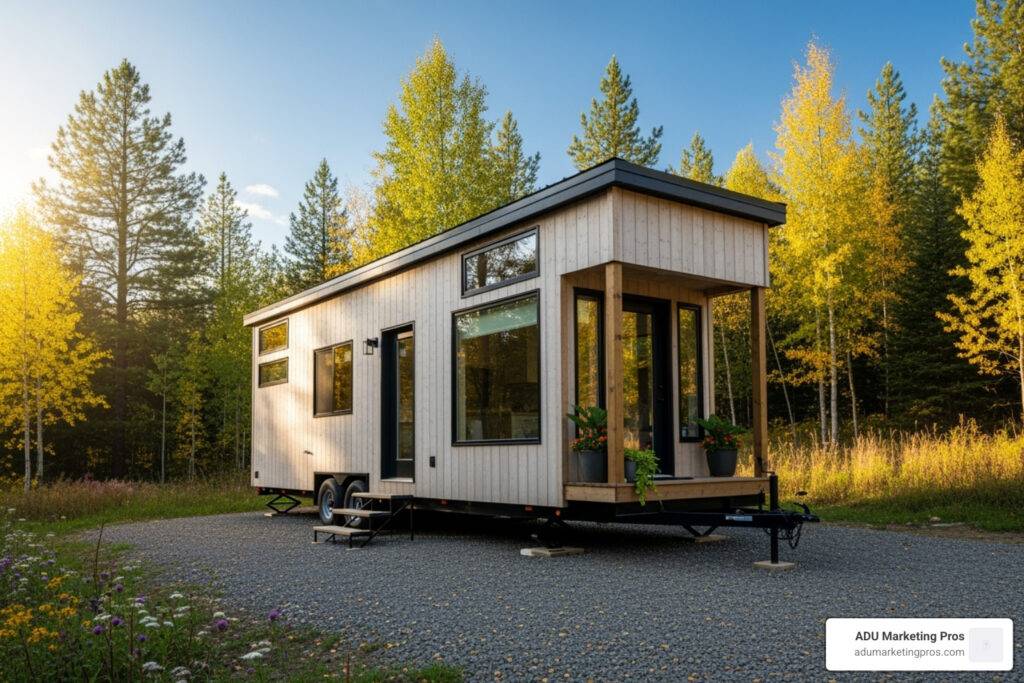
Why Tiny Homes on Wheels Are Revolutionizing Modern Living
In an era defined by a search for greater freedom and financial prudence, the market for tiny homes on wheels for sale is experiencing an unprecedented surge. These compact, mobile dwellings are more than just a housing trend; they represent a fundamental shift in how people approach homeownership, personal finance, and lifestyle design. Attracting a diverse demographic—from millennials and digital nomads to retirees and eco-conscious families—the tiny house movement offers a compelling answer to the escalating housing affordability crisis and a widespread desire for a simpler, more intentional way of life.
At its core, the appeal of a tiny home on wheels (THOW) lies in its unique fusion of mobility and domesticity. They masterfully blend the liberating freedom of an RV with the enduring comfort and quality of a traditional home. Built on robust, custom-trailers, these homes are engineered to travel, allowing owners to chase career opportunities, explore new landscapes, or simply find a peaceful plot of land to call home for a season. This location independence is a powerful draw for those who feel constrained by the static nature of a conventional mortgage. Furthermore, many of these homes are built to meet rigorous RV certification standards, a critical feature that simplifies the often-complex web of parking regulations and municipal permits.
The market for tiny homes on wheels for sale is as varied as the people who inhabit them. Options span from minimalist, bare-bones DIY kits for the hands-on enthusiast to opulent, custom-designed residences that boast high-end finishes, full-sized kitchens, luxurious bathrooms with composting toilets, and sophisticated off-grid solar power systems. This diversity ensures there is a tiny home to fit nearly any budget and lifestyle.
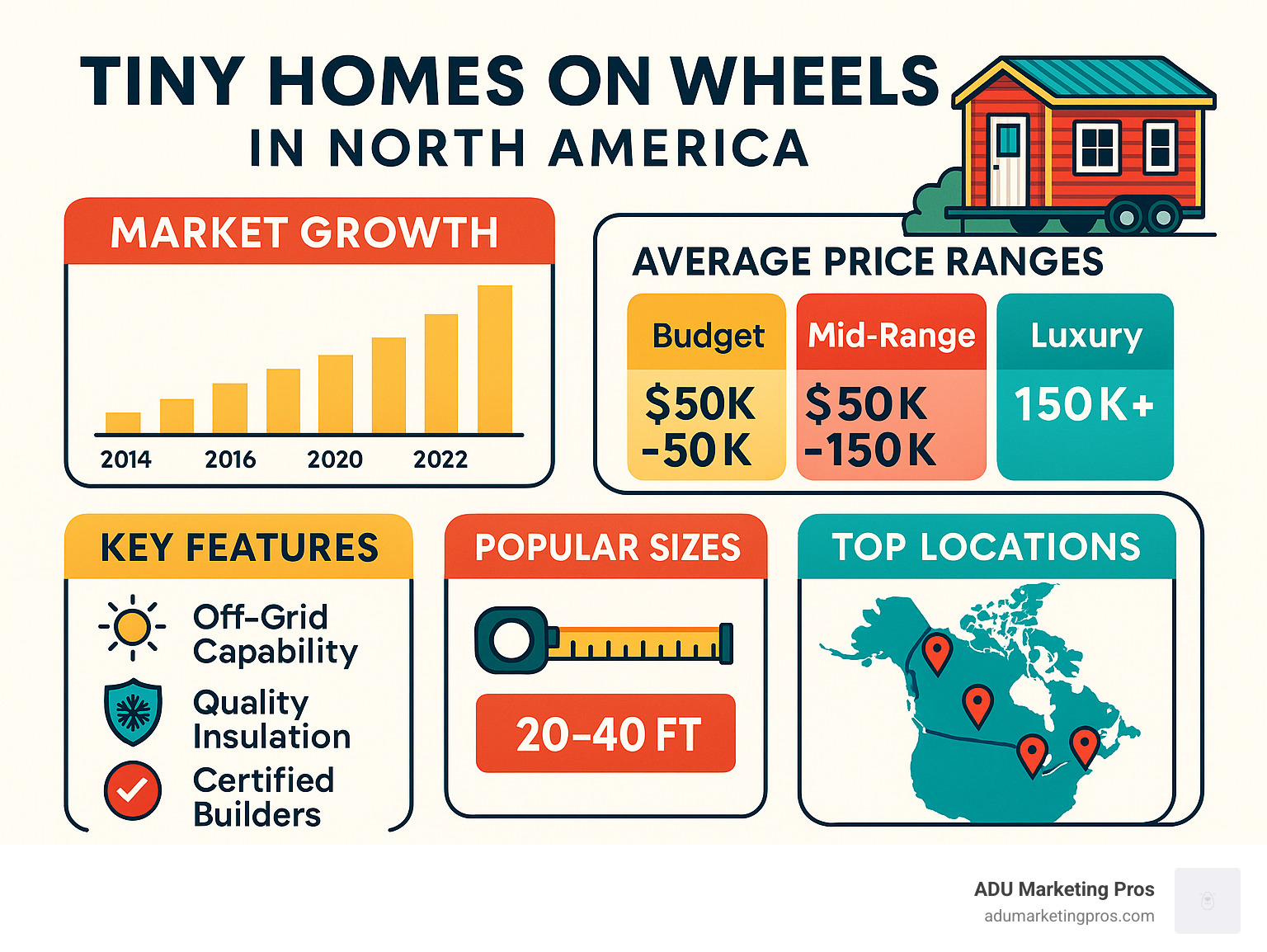
A Glimpse into Popular Price Ranges:
- Budget & DIY Models ($15,000 – $50,000): This entry-level tier is perfect for those with construction skills or a willingness to invest sweat equity. It typically includes basic shells or pre-owned homes that may require some renovation. You get the essential structure, leaving the interior finishing and personalization to the owner.
- Mid-Range, Move-In Ready Homes ($50,000 – $150,000): This is the most popular segment, offering a balance of quality, features, and affordability. These homes are professionally built, fully finished with quality materials, and often include standard appliances and well-designed layouts. They are perfect for buyers who want a turnkey solution without the premium price tag of a fully custom build.
- Luxury & Custom Builds ($150,000 – $200,000+): For those who want a no-compromise tiny living experience, the luxury market offers unparalleled craftsmanship and personalization. These homes feature premium, sustainable materials, bespoke architectural designs, high-end appliances, and advanced off-grid technology, creating a truly self-sufficient and comfortable dwelling.
Leading Models on the Market Today:
- Minimaliste Nomad 24′ – Starting at $89,700, this model is renowned for its four-season durability and high-quality Canadian craftsmanship.
- Arcadia Off-Grid Community – Starting at $134,999 + HST, these homes are designed for community living with a focus on sustainability and off-grid performance.
- Incredible Tiny Homes Incred-I-Box – Starting at a remarkable $19,900, this offers one of the most affordable entry points into tiny homeownership, ideal for DIY finishing.
- Woolywagons Custom Builds – Starting at $22,500, these builders specialize in charming, rustic designs that evoke a classic, whimsical aesthetic.
Tiny homes on wheels for sale terminology:
- architects in southern california who design tiny houses
- land for sale in southern california for tiny houses
- places in southern california that allow tiny houses
What to Look for When Shopping for Tiny Homes on Wheels for Sale
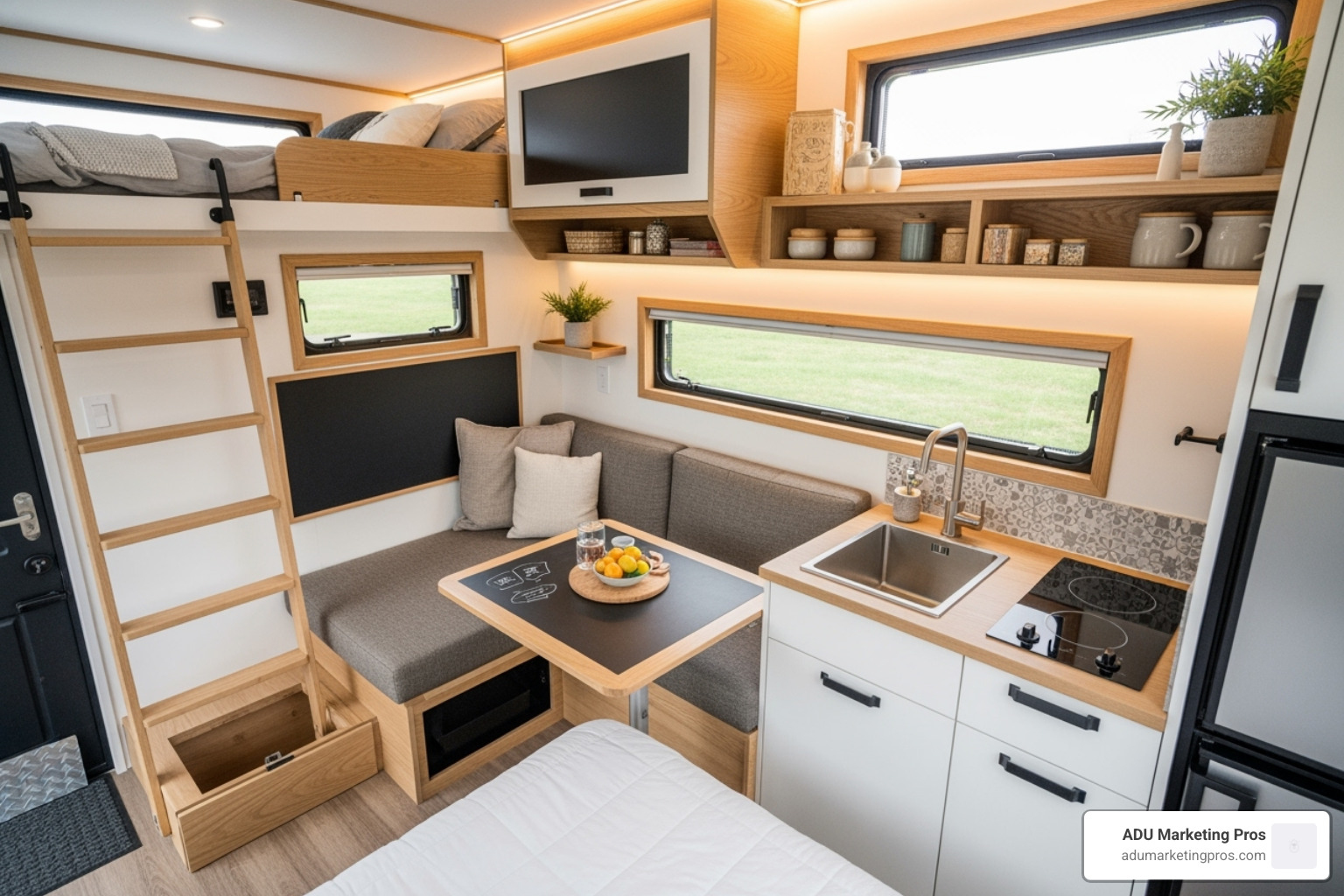
Starting on the journey to find the perfect tiny homes on wheels for sale is an exciting prospect, but it demands diligent research and careful consideration of your unique lifestyle, long-term goals, and budget. A savvy buyer moves beyond aesthetics and focuses on the foundational elements that ensure a safe, comfortable, and legal living experience. This involves a deep dive into the different types of THOWs available, a clear prioritization of essential features, and an uncompromising stance on builder certification and quality.
Understanding the Different Types of THOWs
The term “tiny home on wheels” encompasses a wide array of structures, each designed with a different purpose and user in mind. Understanding these distinctions is the first step in narrowing your search.
- Park Models: Often considered the larger cousins in the tiny home family, park models can be up to 12 feet wide and 400 square feet, the maximum size allowed for a recreational vehicle. They are built to ANSI 119.5 standards for park trailers and are designed for semi-permanent placement in RV parks or on private land. Their larger size allows for more conventional layouts, making them an excellent choice for those who want to live tiny without feeling constrained.
- Custom Builds: For the buyer with a specific vision, a custom build offers complete control over every aspect of the home. You work directly with a builder to create a unique floor plan, select every material, and integrate specific features custom to your needs. This path provides the ultimate in personalization and quality but typically represents the highest price point and requires a longer build time.
- DIY Kits and Shells: Ideal for the skilled and adventurous buyer, DIY options provide a foundational structure—usually a trailer, subfloor, framing, and sheathing—that is weather-tight. The owner is then responsible for all interior work, including insulation, electrical, plumbing, and finishing. This route can significantly reduce costs by eliminating labor expenses, but it demands a substantial investment of time, a high level of construction skill, and meticulous planning.
- Container Homes on Wheels: Leveraging the industrial strength and modern aesthetic of repurposed shipping containers, these homes are incredibly durable and weather-resistant. Placed on a trailer, they become mobile structures. While the steel shell is robust, they require extensive modification and high-quality insulation to be made into a comfortable living space, along with all interior finishing.
- Gypsy Wagons (Vardos): These homes are characterized by their distinctive arched roofs, ornate details, and whimsical, old-world charm. While often smaller and more rustic, they appeal to those seeking a home that is a true work of art and a nod to a nomadic heritage. They are perfect for weekend getaways or for the minimalist who values character above all else.
- RV-Certified Homes: This is less a “type” and more a crucial designation. A home built to RVIA (Recreational Vehicle Industry Association) or CSA (Canadian Standards Association) standards has passed rigorous third-party inspections for its electrical, plumbing, heating, and structural systems. This certification is paramount for securing financing, obtaining insurance, and gaining legal access to most RV parks and campgrounds across North America.
Key Features and Amenities to Prioritize
After identifying the right type of THOW, the focus shifts to the interior features that will shape your day-to-day life. Your priorities should reflect your intended use, whether it’s full-time living, weekend travel, or off-grid adventuring.
- Off-Grid Capabilities: True freedom often means independence from public utilities. A robust off-grid system is a top priority for many. This includes a solar power system (panels, charge controller, inverter, and battery bank) sized for your energy needs, a composting or incinerating toilet to eliminate the need for a sewer connection, and large-capacity freshwater tanks with a reliable water pump and filtration system.
- Quality Insulation: This is a non-negotiable feature for comfort and energy efficiency, especially in four-season climates. High R-value insulation is critical. Closed-cell spray foam is a popular choice for its high R-value per inch and its ability to create an airtight seal, preventing drafts and moisture issues. Other options include rigid foam board, sheep’s wool, and Havelock wool, each with its own benefits in terms of performance and sustainability.
- Bedroom Location: This choice significantly impacts the layout. A sleeping loft is a classic space-saver, freeing up the main floor for living areas. However, it requires climbing a ladder or stairs, which may not be suitable for everyone. A main-floor bedroom offers accessibility and convenience but consumes valuable square footage. Some innovative designs incorporate Murphy beds or convertible sofa beds to offer the best of both worlds.
- Appliance Sizing: The choice between full-size and compact appliances depends on your lifestyle. If you’re a passionate cook, a full-size range and refrigerator might be a priority. For others, smaller, energy-efficient appliances (often designed for RVs or boats) are sufficient and help maximize counter and storage space.
The Importance of Builder Certification
In the largely unregulated world of tiny home construction, certification is your single greatest assurance of safety, quality, and long-term value. When evaluating tiny homes on wheels for sale, make builder certification a primary filter.
RVIA certification in the United States and CSA standards in Canada are the gold standards. A certified builder adheres to more than 500 safety-related codes covering everything from plumbing and electrical systems to fire safety and structural integrity. Here’s why it is so critical:
- Safety and Peace of Mind: Certification ensures that your home has been inspected by a third-party professional, drastically reducing the risk of dangerous flaws in its most critical systems.
- Financing and Insurance: Lenders and insurance companies are often hesitant to work with non-certified homes. A certified THOW is recognized as a legitimate asset, making it far easier to secure an RV loan and obtain comprehensive insurance coverage at reasonable rates.
- Legal Parking: The most significant hurdle for tiny dwellers is finding a legal place to park. Because RV-certified homes are legally considered recreational vehicles, they are permitted in the vast majority of RV parks and campgrounds, providing a straightforward solution to the parking dilemma.
Choosing a builder who is a member of an organization like the RV Industry Association (RVIA) not only protects your financial investment but also provides a clear path to a legal and secure tiny living journey. Always verify a builder’s certification claims and ask to see their compliance certificates.
The Financial Side of Tiny Living: Costs, Financing, and Value

The powerful financial incentive of tiny living is often the primary catalyst for making the switch. The prospect of drastically reduced expenses and even mortgage-free living is incredibly appealing. However, achieving this financial freedom requires a comprehensive understanding of all the costs involved, from the initial purchase to ongoing maintenance and the potential for resale.
A Detailed Breakdown of Prices for tiny homes on wheels for sale
The sticker price for tiny homes on wheels for sale is highly variable, influenced by a combination of size, build quality, materials, and customization. Understanding the different market tiers is essential for setting a realistic budget.
- Budget-Friendly & DIY Shells ($15,000 – $50,000): This range primarily covers two categories: pre-owned tiny homes that may need some work, and new DIY-friendly shells. A shell, like the Incred-I-Box from Incredible Tiny Homes (starting at $19,900), provides a weatherproof structure on a trailer, but the buyer must budget for all interior components: insulation, wiring, plumbing, drywall, flooring, cabinets, and appliances. The final all-in cost for a DIY build often lands in the upper end of this range or slightly above.
- Mid-Range Turnkey Homes ($50,000 – $150,000): This segment represents the sweet spot for the majority of buyers. Homes in this price range, such as Minimaliste’s Nomad 24′ (starting at $89,700), are delivered move-in ready from reputable builders. They feature quality construction, thoughtful designs, standard residential finishes, and are often RVIA/CSA certified. The price within this range is dictated by size, the complexity of the design, and the quality of finishes and appliances.
- Luxury Custom Builds ($150,000+): At the high end of the market, these homes are architectural marvels of efficiency and design. Custom builds from companies like Arcadia Off-Grid Tiny Homes (starting at $134,999 plus HST) feature premium and sustainable materials (e.g., reclaimed hardwoods, Shou Sugi Ban siding), bespoke floor plans, high-end smart home technology, and sophisticated off-grid systems designed for complete autonomy. These are heirloom-quality homes built with no expense spared.
Beyond the base price, remember to budget for taxes, delivery fees (which can be several thousand dollars depending on distance), and initial setup costs.
How to Finance Your Tiny Home Purchase
Securing financing for a THOW is different from obtaining a traditional mortgage, as they are typically classified as personal property (like an RV) rather than real estate. However, the financing landscape has matured, and several viable options exist.
- RV Loans: This is the most common and often most advantageous financing route, but it is almost exclusively available for tiny homes on wheels for sale that are certified by the RVIA or CSA. Lenders view the certification as a guarantee of safety and construction standards, making them comfortable using the home as collateral. RV loans typically offer competitive interest rates and longer terms (10-15 years) than personal loans. A good credit score (680+) and a down payment of 10-20% are usually required.
- Personal Loans: For non-certified homes or for buyers who prefer an unsecured loan, a personal loan is a flexible option. The funds can be used for any purpose, including the purchase of the home and any initial modifications. However, because the loan is not secured by collateral, interest rates are generally higher and loan terms are shorter (typically 2-7 years). This results in a higher monthly payment compared to an RV loan.
- Builder Financing: A growing number of tiny home builders have established relationships with lenders who specialize in this niche market. These lenders understand the product and the valuation process. Inquiring about in-house or partner financing can streamline the buying process, as the builder can often guide you through the application. Always compare the terms offered by builder partners with those you can secure independently.
Understanding investment options for alternative assets can provide a broader perspective on how tiny homes fit into a modern financial portfolio.
Ongoing Costs and Potential Resale Value
Financial planning doesn’t end with the purchase. A successful transition to tiny living involves budgeting for recurring expenses.
- Maintenance: While significantly less than a traditional house, maintenance is still required. This includes tasks like resealing exterior wood, checking roofing and seals, and servicing appliances and off-grid systems. Budgeting 1% of the home’s value annually is a good rule of thumb.
- Insurance: Premiums vary widely based on certification, value, and whether the policy is written as an RV or a specialized tiny home policy. Certified homes are much easier and cheaper to insure, with annual costs often ranging from $600 to $1,500.
- Utilities: This is where tiny living shines. Monthly utility bills are a fraction of those for a standard home. With off-grid systems, electricity and water costs can be near zero, with propane being the main recurring expense for cooking and heating.
- Parking: This can be the largest ongoing cost. Lot rent in an RV park or tiny home community can range from $400 to over $1,500 per month depending on location and amenities. If you purchase land, you’ll have property taxes and potentially costs for developing the site (well, septic, power).
Resale value for THOWs is a developing market. Unlike real estate, they tend to depreciate, similar to a high-end vehicle or RV. However, well-maintained, certified homes from reputable builders hold their value remarkably well. Many owners find that the massive savings in living expenses over several years far outweighs any depreciation, framing the home not as a traditional appreciating asset, but as a powerful tool for wealth creation and lifestyle improvement.
Navigating the Logistics: From Buying to Parking
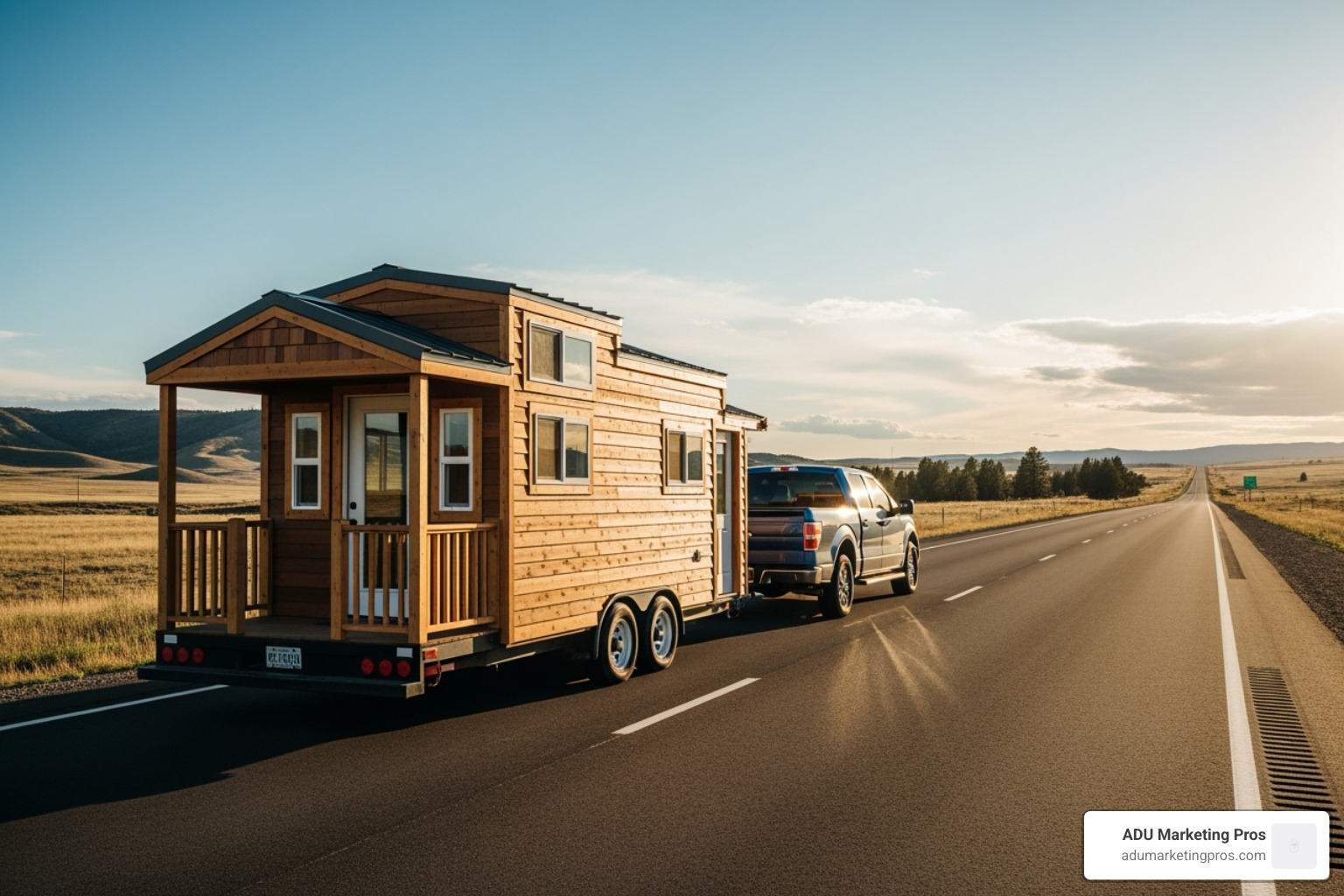
After you’ve selected a design and secured financing, you enter the practical phase of your tiny home journey. This stage involves navigating the critical logistics of acquisition, legal placement, and transportation. A clear understanding of these processes is essential for a smooth and stress-free transition into your new, mobile lifestyle.
Buying New vs. Building Your Own (DIY)
One of the first major logistical decisions is whether to purchase a completed home or to build one yourself. Each path offers distinct advantages and significant challenges, and the right choice depends entirely on your personal skills, budget, and timeline.
| Feature | Buying New/Pre-built | Building Your Own (DIY) |
|---|---|---|
| Cost | Higher upfront cost due to labor, overhead, and profit. | Lower material cost; no labor cost, but tools can be a major expense. |
| Time Commitment | Minimal; often ready for delivery within weeks or months. | Extremely high; can take 800-2,000+ hours, often spanning a year or more. |
| Required Skills | None needed beyond basic home maintenance knowledge. | Extensive skills in carpentry, electrical, plumbing, and design are crucial. |
| Customization | Limited to builder’s existing models and options, unless paying a premium for a full custom build. | Unlimited; you have absolute control over every single detail and material. |
| Quality & Safety | Relies on the builder’s reputation and third-party certifications (RVIA/CSA). | Entirely dependent on your own skill, diligence, and knowledge of building codes. |
| Warranty | Typically includes a builder’s warranty covering structural defects and craftsmanship. | None. You are solely responsible for every repair and potential issue. |
| Financing | Much easier to secure RV or personal loans, especially with certification. | Very difficult to finance. Typically requires cash, personal savings, or a series of personal loans. |
| Resale Value | Certified, professionally built homes have higher and more predictable resale value. | Resale value can be lower due to lack of certification and questions about build quality. |
Legal and Zoning Considerations for your tiny home on wheels for sale
This is arguably the most complex and frustrating aspect of tiny living. The legal status of tiny homes on wheels for sale exists in a gray area, with regulations varying dramatically between states, counties, and even municipalities. Proactive and thorough research is non-negotiable.
- The RV vs. Dwelling Distinction: Legally, a THOW is almost always classified as a Recreational Vehicle (RV), not a permanent dwelling. This is both a blessing and a curse. It allows them to bypass traditional building codes but subjects them to RV parking regulations, which often prohibit full-time occupancy in one spot.
- Municipal Bylaws and Zoning Codes: Most local zoning ordinances were written long before tiny homes became popular and often include minimum square footage requirements for new residential construction, effectively outlawing tiny homes on foundations. For THOWs, they often restrict the length of time an RV can be parked on a residential lot.
- Finding Friendly Locations: The key to success is finding a location with favorable regulations. This can include:
- Tiny Home Communities: A growing number of dedicated communities are being developed with proper zoning and infrastructure for full-time tiny home living.
- RV Parks: Many RV parks offer long-term or monthly lot rentals. Always check their specific rules, as some have restrictions on the age or type of RV they accept. An RVIA certification is often a requirement.
- Rural Land: Unincorporated rural areas often have fewer zoning restrictions, making them a popular choice. However, you will be responsible for setting up utilities like a well, septic system, and electricity.
- Advocacy and Changing Laws: The legal landscape is slowly evolving. Advocacy groups like the Tiny Home Industry Association are working with local governments to create more inclusive zoning. Some states and cities have adopted friendly ordinances or Appendix Q of the International Residential Code, which provides a building code for tiny homes on foundations, signaling a growing acceptance.
Transporting and Setting Up Your New Home
Once you have a home and a legal place to put it, you need to get it there. Moving a structure that weighs 10,000-18,000 pounds requires serious equipment and careful planning.
- Towing Vehicle: Do not underestimate the power needed. You will require a heavy-duty truck (typically a 3/4-ton or 1-ton model like a Ford F-250/F-350 or equivalent) with a towing capacity that comfortably exceeds the Gross Vehicle Weight Rating (GVWR) of your tiny home. The truck’s payload capacity must also be able to handle the tongue or gooseneck weight of the trailer.
- Professional Delivery vs. DIY Towing: Most builders offer professional delivery services. While this adds to the cost, it is often the safest and most stress-free option, as experienced drivers handle all the logistics, permits, and insurance. If you plan to tow it yourself, you must be proficient in connecting the trailer, checking brakes and lights, and maneuvering a large, heavy load.
- Route Planning: Before you move, plan your route carefully. Use a truck-specific GPS or app to avoid low bridges, steep grades, narrow roads, and weight-restricted bridges. For homes wider than 8.5 feet, you will likely need a special wide-load permit for each state you travel through.
- Site Setup: Upon arrival, the setup process begins. The home must be precisely leveled using heavy-duty jack stands to ensure stability and the proper function of doors, windows, and plumbing. The trailer tires should be covered to protect them from sun damage. Finally, you will connect to utilities—water, sewer/septic, and electrical hookups—or commission your off-grid systems.
Embracing the Lifestyle: Benefits, Challenges, and Communities
Living in one of the many tiny homes on wheels for sale is more than a housing choice; it’s a profound lifestyle shift. It requires a conscious move toward minimalism, a deep appreciation for freedom, and an active engagement with a supportive community. This lifestyle is about intentionally designing a life based on experiences rather than possessions, and it comes with a unique set of rewards and challenges.
The Environmental Impact of Going Tiny
One of the most significant benefits of tiny living is its inherently smaller environmental footprint. By their very nature, tiny homes are a more sustainable way to live, promoting resource conservation in several key areas.
- Reduced Energy Consumption: The most immediate impact is a dramatic reduction in energy use. Heating and cooling a space of 200-400 square feet requires a fraction of the energy needed for a typical 2,600-square-foot home. This leads to a much smaller carbon footprint. When combined with energy-efficient appliances and the potential for a full solar off-grid setup, a tiny home’s energy impact can be close to zero.
- Sustainable and Reclaimed Materials: The tiny home building community has a strong ethos of sustainability. Many builders prioritize the use of eco-friendly materials such as reclaimed wood for flooring and accents, recycled steel for framing, bamboo for countertops, and non-toxic finishes. This focus reduces construction waste and the demand for virgin resources.
- Water Conservation: A smaller home naturally encourages more mindful water usage. Many tiny homes are equipped with low-flow faucets and showers. Furthermore, the use of composting toilets can save thousands of gallons of water per year compared to a traditional flush toilet. Advanced systems can even incorporate rainwater harvesting and greywater recycling systems for maximum conservation.
More info about eco-friendly small homes
Common Challenges and How to Overcome Them
While the benefits are substantial, the tiny lifestyle is not without its problems. Successful tiny dwellers are those who anticipate these challenges and develop practical strategies to manage them.
- The Art of Downsizing: You simply cannot fit the contents of a large house into a tiny one. This is often the most emotionally difficult step.
- Solution: Accept minimalism as a philosophy. Adopt a systematic approach like the KonMari method (keeping only what “sparks joy”) or the one-in-one-out rule. Digitize photos, documents, and media. Prioritize items that are multi-functional.
- Managing Limited Space: Every square inch of a tiny home is valuable real estate. Clutter can quickly become overwhelming.
- Solution: Think vertically. Use tall shelving and wall-mounted storage. Invest in clever, multi-purpose furniture: a coffee table that becomes a dining table, an ottoman with hidden storage, or a sofa that converts into a guest bed. Conduct regular purges to keep possessions in check.
- The Persistent Parking Problem: As discussed, finding a legal, long-term place to park remains the number one challenge for the THOW community.
- Solution: Be relentless in your research. Join online forums and social media groups dedicated to tiny home parking. Explore listings on websites that connect landowners with tiny home owners. Network at tiny house festivals. And above all, prioritize getting an RVIA-certified home to maximize your options.
- Social Perceptions and Family Concerns: Your choice to live tiny may be met with skepticism or misunderstanding from friends and family who are accustomed to traditional housing norms.
- Solution: Be prepared to explain your “why.” Share your motivations, whether they are financial, environmental, or a desire for freedom. Invite them to see your home once it’s finished; experiencing a well-designed tiny space often dispels misconceptions. Connect with the broader tiny home community for support and validation.
Finding Your Community
Living tiny does not mean living in isolation. In fact, the movement is characterized by a vibrant and incredibly supportive community. Engaging with this network can provide invaluable resources, practical advice, and a powerful sense of belonging.
- Online Communities: Platforms like Facebook, Instagram, and Reddit host dozens of active groups where members share everything from build progress and parking leads to advice on overcoming specific challenges. These forums are a treasure trove of crowd-sourced wisdom.
- Offline Events: Tiny house festivals and workshops are held regularly across the country. These events are a fantastic opportunity to tour a wide variety of homes, meet builders in person, attend educational seminars, and connect with fellow enthusiasts and full-time dwellers. This real-world interaction can be incredibly motivating and informative as you plan your own journey.
Frequently Asked Questions about Tiny Homes
As the interest in tiny homes on wheels for sale continues to grow, so do the questions from prospective buyers. Here are detailed answers to some of the most common inquiries we receive, helping to clarify the realities of this unique lifestyle.
How much do tiny homes on wheels typically cost?
The cost of a THOW has a very wide range. A basic, DIY-friendly shell can be purchased for as little as $15,000 to $25,000, but this requires the buyer to invest significant time and money to finish the interior. At the other end of the spectrum, a fully customized, high-end luxury model with premium materials and advanced off-grid systems can easily exceed $200,000. The majority of buyers find their ideal home in the mid-range, professionally built category, which typically falls between $50,000 and $150,000. These homes are usually delivered move-in ready and certified.
Key factors that influence the final price include:
- Size: The length of the trailer (from 16 to 40+ feet) is a primary cost driver.
- Materials: The choice between standard vinyl siding and premium cedar, or laminate countertops versus quartz, will significantly impact the price.
- Features: Complex additions like slide-outs, extensive solar arrays, high-end water filtration systems, and smart home technology add considerable cost.
- Builder Reputation: Established builders with a reputation for quality and robust warranties may charge more than newer, less proven companies.
Is it legal to live in a tiny house on wheels full-time?
This is the most critical and complex question, and the answer is a firm: it depends entirely on the location. The legal landscape is a patchwork of local zoning ordinances, and there is no single federal law governing full-time tiny home living.
RV certification is the single most important factor for legality. A home certified by the RVIA (in the US) or CSA (in Canada) is legally considered a recreational vehicle. This status grants it legal access to thousands of RV parks and campgrounds across the continent, many of which offer long-term or monthly stays. This is the most common and straightforward path to legal, full-time living.
Without certification, you may face significant problems. Most residential zoning codes prohibit living in an RV on a private lot full-time and have minimum square footage requirements for permanent homes. Successful full-time living often requires finding a location with progressive or minimal zoning, such as a dedicated tiny home community or a rural, unincorporated area.
Are tiny homes on wheels a good investment?
This depends on how you define “investment.” If you are looking for a traditional real estate asset that will appreciate in value, a THOW is generally not the right choice. Like RVs and vehicles, they are considered personal property and typically depreciate over time. The resale value is heavily dependent on the initial build quality, certification, maintenance, and overall market demand.
However, most owners view their tiny home as a profound lifestyle investment. The return on this investment is measured in:
- Financial Freedom: Eliminating a mortgage or high rent can free up thousands of dollars per month, allowing owners to pay off debt, save aggressively, or work less.
- Flexibility and Mobility: The ability to move your home to a new city for a job or simply to a more desirable climate is a form of wealth that a traditional home cannot offer.
- Rental Income Potential: There is a strong and growing market for short-term tiny home rentals on platforms like Airbnb. In a desirable location, a THOW can generate significant rental income, providing a direct financial return on the initial purchase.
How do you get mail and establish residency in a THOW?
This is a practical challenge with established solutions. For mail, many full-time travelers use services like the UPS Store (which provides a real street address, not a P.O. Box) or virtual mail services that scan your mail and upload it to a digital portal. For establishing legal residency (for things like taxes, voting, and driver’s licenses), travelers often use the address of a trusted friend or family member, or establish residency in a state with favorable laws for full-time travelers, such as South Dakota, Texas, or Florida.
Can tiny homes withstand severe weather?
Professionally built tiny homes are engineered to be incredibly durable. They are built to withstand the equivalent of hurricane-force winds during highway travel. When properly anchored and secured on-site, they can be very resilient. For specific threats like hurricanes or tornadoes, the best course of action is the same as for any mobile home: evacuate to a secure shelter. For heavy snow, builders in colder climates use steeper roof pitches and reinforced structures to handle the snow load.
Your Path to a Simpler, More Mobile Life
The vibrant and growing world of tiny homes on wheels for sale presents a powerful opportunity to fundamentally redefine the concept of “home.” It’s a chance to step away from the conventional path and design a life with intention, purpose, and freedom. From affordable, hands-on DIY kits that empower creativity to luxurious, custom-built residences that offer every modern comfort, these innovative dwellings provide a tangible path toward a simpler, more financially sound, and mobile future.
Choosing to live in a tiny home is a deliberate investment in freedom. It is the freedom from a 30-year mortgage and the burden of excessive material possessions. It is the freedom to travel, to explore new communities, and to change your backyard with the seasons. The remarkable affordability of these homes makes ownership an achievable dream for many who have been priced out of the traditional housing market. Furthermore, the inherent sustainability of a smaller, more efficient footprint offers a way to live more lightly and responsibly on the planet.
Of course, the journey is not without its challenges. Navigating zoning laws, committing to downsizing, and mastering the logistics of a mobile life require thorough research, careful planning, and a resilient spirit. However, the rapidly growing community and the increasing number of resources and legal precedents show that these problems are surmountable. The key lies in arming yourself with knowledge and maintaining a clear vision for the life you aspire to create.
At ADU Marketing Pros, we are passionate about the evolution of housing. While our core expertise is in marketing for accessory dwelling unit (ADU) construction and architecture firms, we see a powerful common thread in the desire for smarter, more sustainable, and more flexible living spaces. Whether it’s a permanent ADU in a backyard or a mobile tiny home on the open road, the future of housing is about innovation, efficiency, and aligning our living spaces with our values. Your perfect tiny home is out there, waiting to be the foundation for your next great trip.