
Why Go Tiny in the Golden State? The SoCal Advantage
#
Ready to accept the minimalist lifestyle under the California sun? Finding the right tiny house builder southern california is your first and most crucial step. Southern California has rapidly become a premier destination for tiny homes, offering a powerful combination of diverse landscapes, a forward-thinking approach to housing solutions, and a vibrant, growing community of enthusiasts. This comprehensive guide will help you steer the entire process, from identifying the perfect builder to understanding the nuanced costs and regulations in the Golden State.
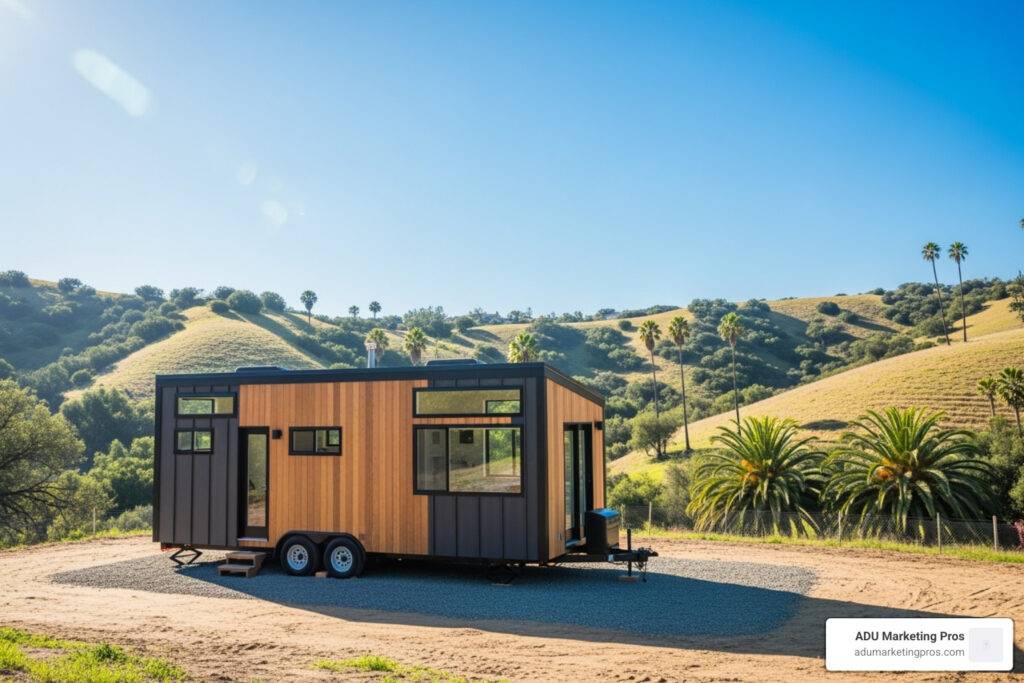
Southern California offers an unparalleled backdrop for tiny living, blending an enviable climate with some of the most innovative housing solutions in the nation. The year-round sunshine and mild temperatures are not just a lifestyle perk; they directly influence home design. Builders here specialize in creating structures with large folding glass walls, expansive outdoor decks, and rooftop patios that effectively double your living space, blurring the lines between indoor comfort and the great outdoors. Imagine sipping your morning coffee on a sun-drenched deck just steps from your cozy living space, or hosting friends under the stars on a warm evening—that’s the quintessential SoCal tiny home dream.
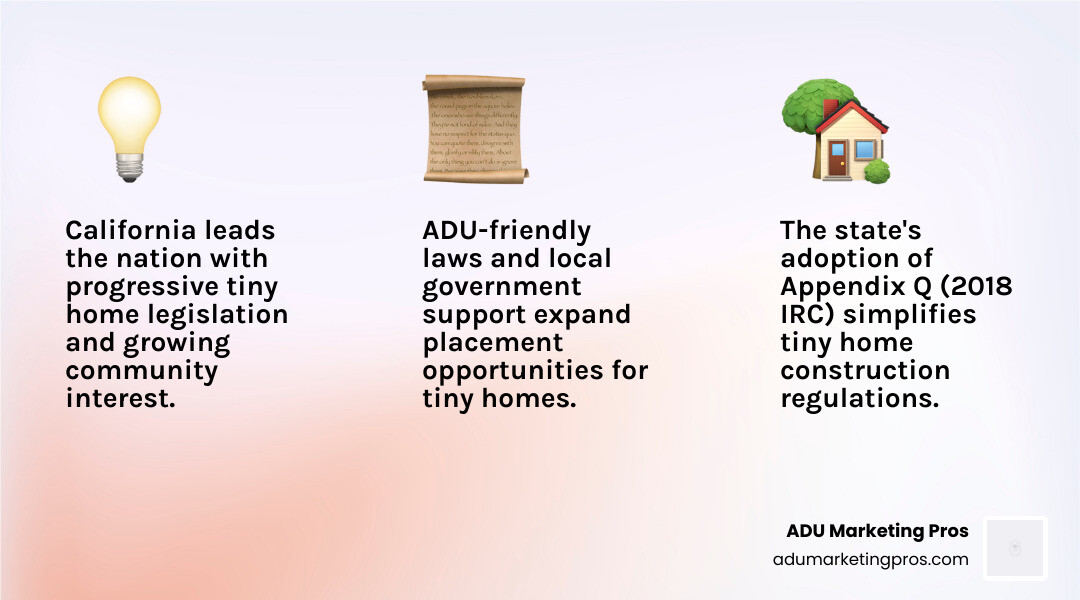
Beyond the idyllic weather, California stands at the vanguard of the tiny home movement due to its progressive regulations. The state has proactively created legal pathways for these dwellings, recognizing them as a viable solution to its housing crisis. The statewide adoption of Appendix Q of the 2018 International Residential Code was a landmark decision. It established clear building standards for tiny homes on foundations (400 square feet or less), covering critical aspects like emergency egress, stairs, lofts, and ceiling height. This gave builders a clear, legal framework to follow and provided legitimacy to the movement. This forward-thinking stance, coupled with the state’s famously friendly Accessory Dwelling Unit (ADU) laws, creates abundant opportunities to place tiny homes on existing residential properties. To learn more about specific zoning, check our guide on Places in Southern California That Allow Tiny Houses.
The sheer geographic diversity of Southern California is another massive draw. Whether you envision a minimalist retreat in a coastal community like Ventura, a cozy mountain cabin in Big Bear, an off-grid haven in the deserts of Joshua Tree, or a sleek modern home on an urban infill lot in Los Angeles, the region has a perfect spot for every vision. This environment has also become a crucible of innovation, attracting top-tier builders who prioritize sustainable building practices, advanced off-grid capabilities, and cutting-edge architectural design. This powerful combination of natural beauty, supportive regulations, and a strong, welcoming community sets Southern California apart as the ideal place to begin your tiny living journey.
Featured Southern California Tiny Home Builders
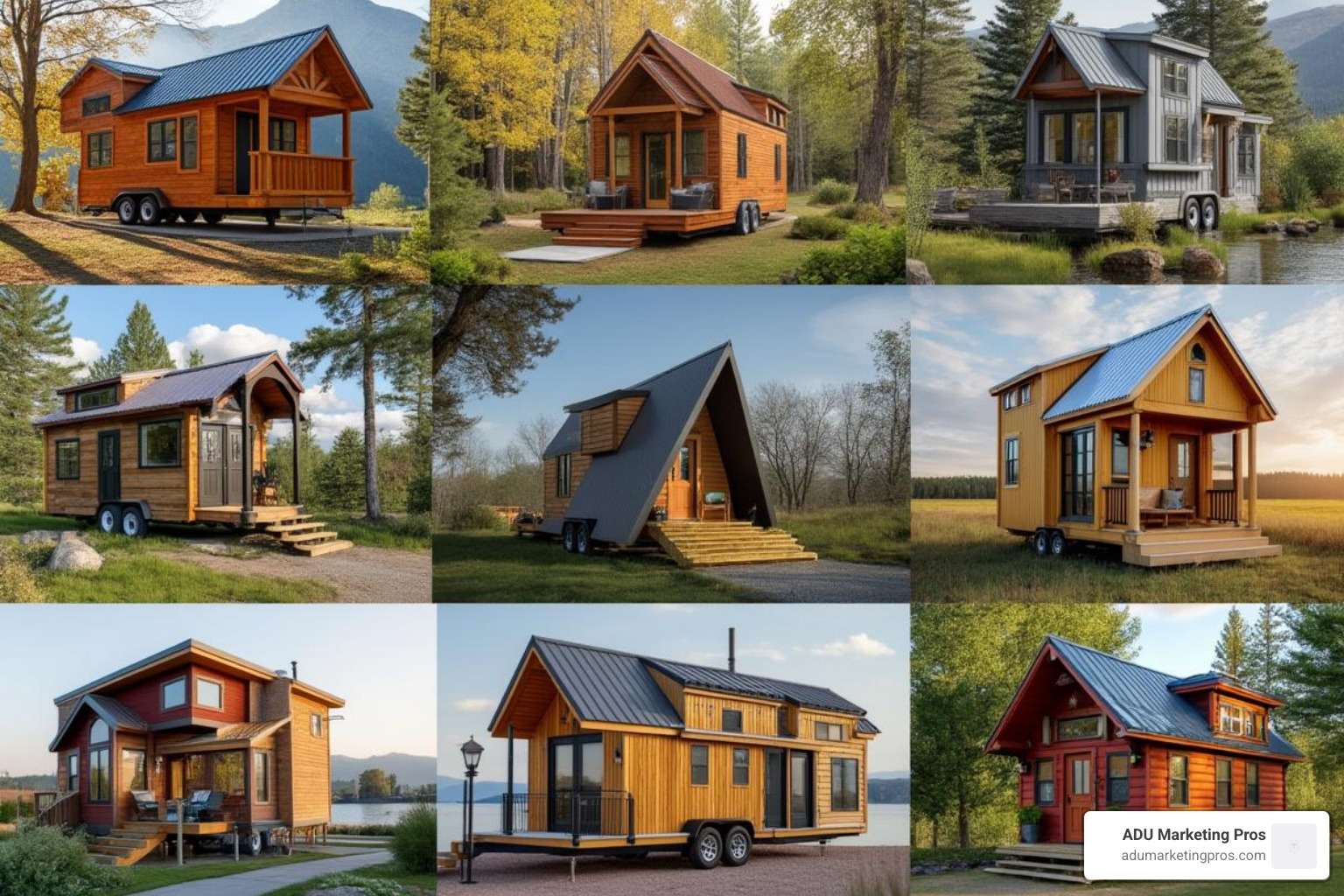
The Southern California tiny home scene is vibrant and mature, featuring a diverse array of builders specializing in everything from bespoke, one-of-a-kind craftsmanship to efficient, streamlined manufacturing. When vetting a potential partner, it’s critical to look for a proven track record, a portfolio that resonates with your personal aesthetic, robust customization options, key industry certifications, and a wealth of positive customer reviews. These elements are crucial to finding a tiny house builder southern california that can truly bring your vision to life. Here are examples of the types of builders you’ll encounter in the region:
For the Eco-Conscious Visionary
For those who dream of a home that exists in harmony with nature, certain builders specialize in unique, environmentally integrated designs. While some, like Artistree, are based outside SoCal, their services often extend throughout the state. These builders craft homes that are functional works of art, frequently using reclaimed materials, non-toxic finishes, and sustainable practices. Some even integrate their business model with environmental causes, such as donating to forest restoration for every home built. If your goal is a one-of-a-kind home that feels deeply connected to its surroundings, seek out builders with a strong design-build portfolio focused on organic architecture. You can Explore carefully crafted projects to see what’s possible.
The San Diego Pioneers
San Diego is a major hub for tiny living, largely thanks to builders who worked directly with local governments to establish clear legal pathways for tiny homes. Pioneers in this space, such as Zen Tiny Homes, possess an unparalleled understanding of local zoning codes, building ordinances, and permitting processes, making them invaluable guides for anyone building in the area. Their proactive involvement has shaped the tiny home landscape in San Diego County and set a precedent for other municipalities. They typically offer fully custom builds and have gained national recognition for their innovative, space-efficient designs. If you’re planning to build in the San Diego area, starting with the builders who helped write the rules is a strategic move. You can Find San Diego’s #1 Tiny Home Builder to see their work.
The Family-Run Craftsmen
Many of the most respected builders are small, family-owned companies where the owners are personally invested in every single project. Builders like California Tiny House and KJE Tiny Homes exemplify this dedication, delivering exceptional craftsmanship and highly personalized service. They don’t just see a project; they see an opportunity to create a bespoke home that perfectly reflects the owner’s lifestyle. These builders often bring generations of construction experience to the table, ensuring a home that is not only beautiful but also structurally sound and built to last for decades.
The Customization Experts
If you have a highly specific vision that doesn’t fit a standard model, your best bet is a builder specializing in full customization. These experts collaborate with you on every minute detail, from the initial floor plan to the choice of framing materials like lightweight steel or traditional wood. Many of these builders construct their homes on trailers to be registered as Park Model RVs, which can significantly simplify the permitting and placement process. Builders like American Built Tiny Homes excel in this arena, offering a wide range of customizable THOWs and possessing deep experience with specialized projects, such as fully ADA-compliant homes. They are adept at turning any dream, no matter how unique, into a tangible reality. To see their work, you can View custom build examples on Instagram.
The Off-Grid Innovators
For those seeking ultimate freedom and self-sufficiency, a select group of SoCal builders focuses on high-end, off-grid mobile living. Companies like Living Vehicle, based in Santa Barbara, merge the mobility of an RV with the robust, four-season construction of a permanent home. They create luxurious, self-sufficient vehicles capable of near net-zero living, integrating advanced solar power systems, extensive water storage and filtration, and high-end finishes. Others, like Humble Handcraft, offer beautiful off-grid tiny homes with a strong emphasis on using non-toxic, natural materials. If your vision includes a life untethered from public utilities, these are the innovators you need to talk to.
The Movement Advocates
Some tiny house builder southern california companies are more than just businesses; they are passionate advocates for the entire tiny living movement. California Tiny House, Inc., for example, has been instrumental in tiny house legislation and actively partners with educational programs to introduce tiny house building curricula in high schools and vocational schools. These firms work to legitimize tiny living by pushing for clearer industry standards and educating the public and policymakers. Choosing a builder like this means your investment supports a company that is deeply committed to the long-term health and future of the entire tiny house industry.
From Dream to Doorstep: The Tiny Home Building Process
While every tiny house builder southern california has a unique workflow, the journey from a simple idea to a finished home generally follows a structured path. Understanding this process demystifies the experience and helps you know what to expect at each critical milestone, ensuring a smoother collaboration with your builder.
Step 1: Consultation and Design
Your journey begins with an initial consultation. This is a deep-dive session where you share your vision, lifestyle requirements, must-have features, and budget with your potential builder. A good builder will ask probing questions to turn your abstract ideas into a concrete plan. You’ll typically decide between a fully custom design built from scratch or modifying one of their pre-designed models. Many builders now use sophisticated 3D rendering software to create a virtual model of your home, allowing you to walk through the space and make adjustments before a single piece of lumber is cut. This phase concludes with the finalization of blueprints, which locks in every detail, from window placement to electrical outlet locations. For specialized design needs, you might explore Architects in Southern California Who Design Tiny Houses.
Step 2: The Build Phase
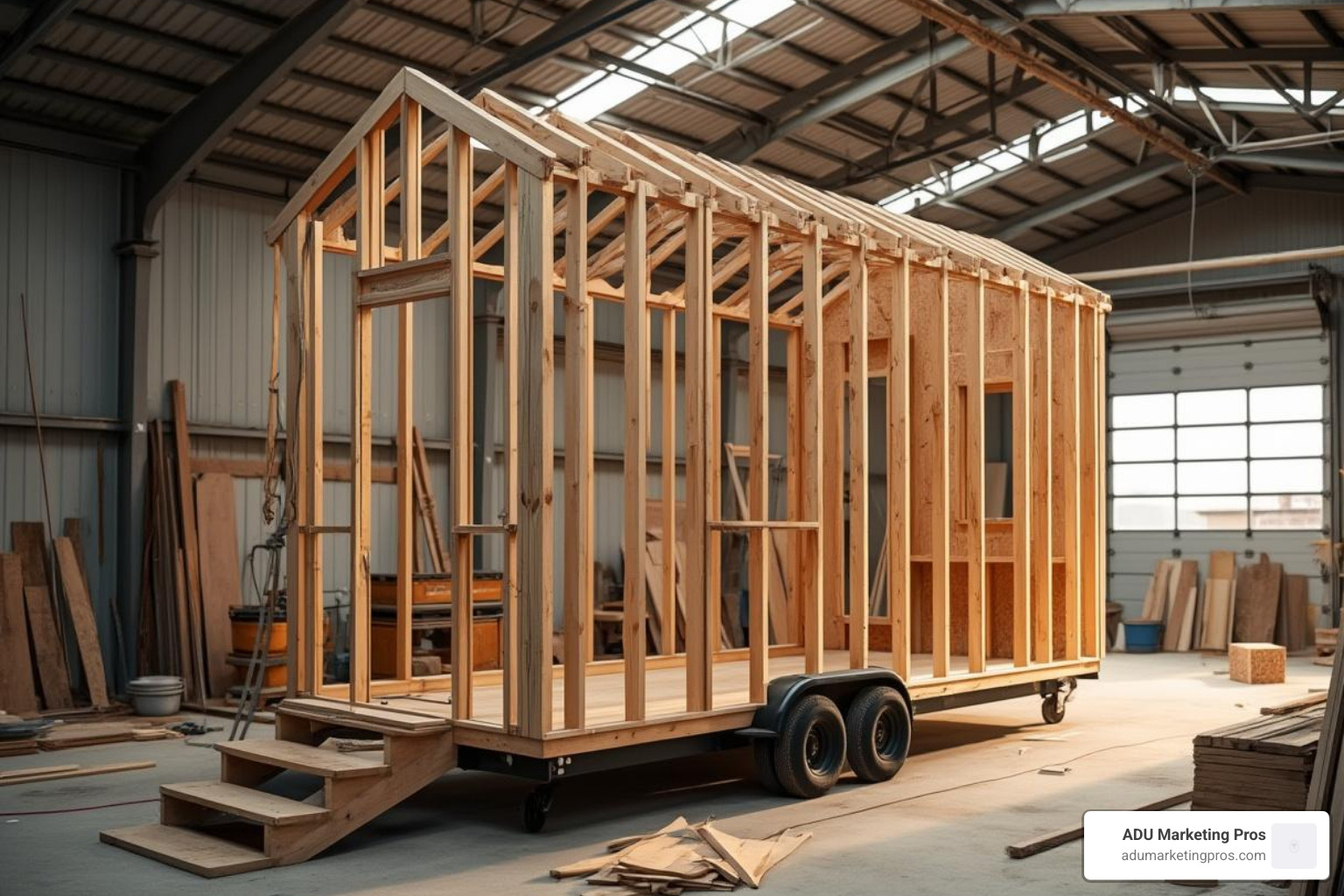
Once the plans are approved and the contract is signed, the physical construction begins. The process starts with the most critical element: trailer or foundation preparation. For a THOW, this means a custom-built, certified trailer; for a foundation home, it involves site work and pouring concrete. Next comes framing, where the home’s skeleton takes shape. You’ll often have a choice between durable, lightweight steel framing or traditional, cost-effective wood framing. The insulation phase is vital for comfort and energy efficiency in California’s varied climate. Common options include high-performance spray foam, rigid foam boards, or natural wool. This is immediately followed by the rough-ins for plumbing, HVAC, and electrical systems, where all the hidden arteries of your home are installed. Finally, the exterior is completed with siding, roofing, and window installation, giving you the first real glimpse of your finished home.
Step 3: Finishes and Quality Checks
This is the most exciting phase, where the structural shell is transformed into your personal sanctuary. It includes installing interior paneling (like shiplap or drywall), laying your chosen flooring, and fitting the custom cabinetry that is essential for maximizing every square inch of space. Your selected countertops, fixtures, and appliances are then installed, bringing your personal style to life. Throughout this stage, reputable builders conduct multiple inspection points and maintain rigorous quality assurance processes. They check for structural integrity, proper sealing, and flawless finish work to ensure everything meets their high standards—and yours.
Step 4: Delivery and Setup
The final step is bringing your home to its new location. Your builder will coordinate the logistics of transportation, which may require special permits for a wide load. Meanwhile, you are responsible for ensuring the site is prepared, which includes proper grading, a stable pad (gravel or concrete), and clear access for the delivery truck. On delivery day, the builder’s team will handle the professional placement, leveling, and securing of the home. After the utility hookups (water, sewer/septic, and electricity) are complete, you’ll perform a final walkthrough with your builder. This is your opportunity to review every detail, ask questions, and receive the keys to your new life. This journey culminates in a deep appreciation for the skill and craftsmanship that turned your dream into a beautiful, compact living space.
Navigating the Maze: A Guide to Your SoCal Tiny Home Project
Starting a tiny home project in Southern California requires navigating a web of regulations, paperwork, and financial planning. However, a skilled tiny house builder southern california is more than just a contractor; they are your most valuable guide, equipped with the expertise to help you steer the journey with confidence and avoid common pitfalls.
Understanding the Rules: Zoning and Permits
The first and most critical step is understanding the legal distinction between a Tiny Home on Wheels (THOW) and a home on a permanent foundation, as this choice dictates the entire regulatory path you must follow.
THOWs are legally considered vehicles. In California, they are often classified as Park Model RVs and are registered with the DMV, not the local building department. To be legal, they must be built to specific safety standards, such as those from the American National Standards Institute (ANSI/NFPA 1192) or the Recreational Vehicle Industry Association (RVIA). Their mobility is a key advantage, often simplifying placement in RV parks, tiny home communities, or on private property in certain jurisdictions.
Tiny homes on permanent foundations are treated as real estate and often fall under the category of Accessory Dwelling Units (ADUs). California’s progressive ADU laws have made it easier than ever to add these units to properties with an existing single-family home. These homes must be built on a permanent foundation, be connected to utilities, and comply with local building codes, which often reference Appendix Q of the International Residential Code. Understanding these differences is crucial for ensuring your home is legal, insurable, and financeable. For more on ADUs, see our resources on Accessory Dwelling Unit (ADU) Marketing.
A reputable tiny house builder southern california possesses invaluable, hyper-local expertise in these codes. They can advise you on the specific requirements for your city or county. Many top builders also prioritize third-party certifications like NOAH (National Organization of Alternative Housing). A NOAH certification is not a building code, but rather a verification that the home was built to specific safety, structural, and energy efficiency standards, with documented inspections at each stage. This certification is becoming increasingly crucial for securing financing, obtaining insurance, and gaining acceptance in tiny home communities. You can learn more about NOAH Certification for demonstrating compliance with safety and structural standards.
Budgeting for Your Build: Costs and Financing
Understanding the complete financial picture is key to making your dream a reality. The cost of a professionally built tiny home in Southern California typically ranges from $60,000 to over $150,000. This wide range is influenced by size, complexity of design, quality of materials, level of customization, and the inclusion of off-grid systems. For example, a basic model from a builder like Clever Tiny Homes might start around $65,000, while a highly customized, off-grid capable unit from Tumbleweed can exceed $100,000. It’s also critical to budget for “soft costs,” which can add 10-20% to the total price. These include:
- Transportation: Often $2-$5 per mile.
- Site Preparation: Grading, foundation pads, and trenching for utilities.
- Utility Hookups: Fees charged by local utility companies.
- Permits and Fees: Varies by city and county.
- Taxes: Sales tax on the home itself.
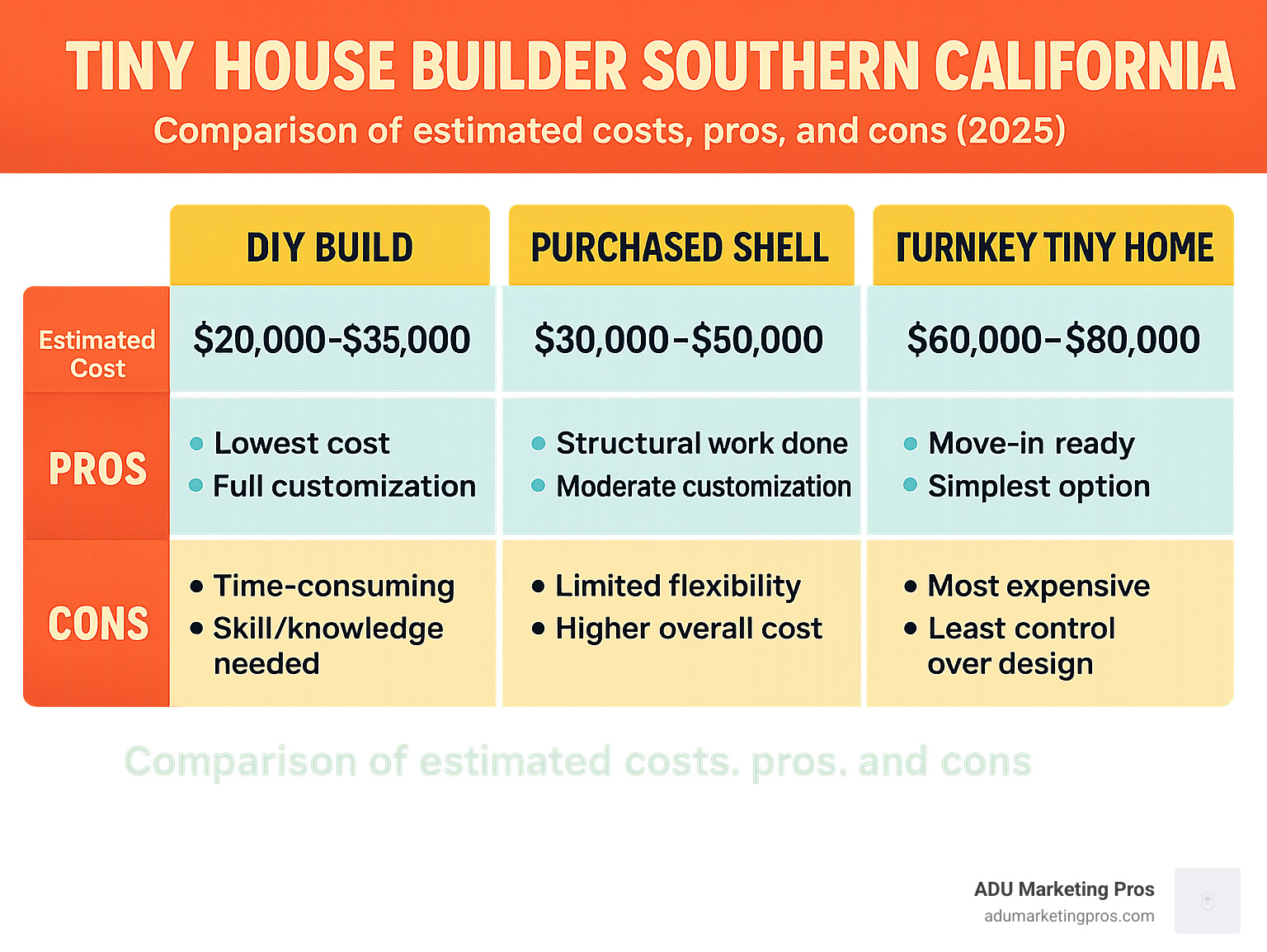
Several financing options are available. For certified THOWs, an RV loan is a common choice, often offering better interest rates and longer terms than a personal loan. Many tiny house builder southern california companies have established partnerships with lenders who specialize in this niche, which can streamline the application process. With the right financing, monthly payments can be as low as $500-$700, making tiny living an incredibly attractive financial choice in one of the nation’s most expensive housing markets. You can explore options with this Example financing application from a tiny home lender to begin your financial planning.
SoCal Style: Key Design Trends and Quality Features
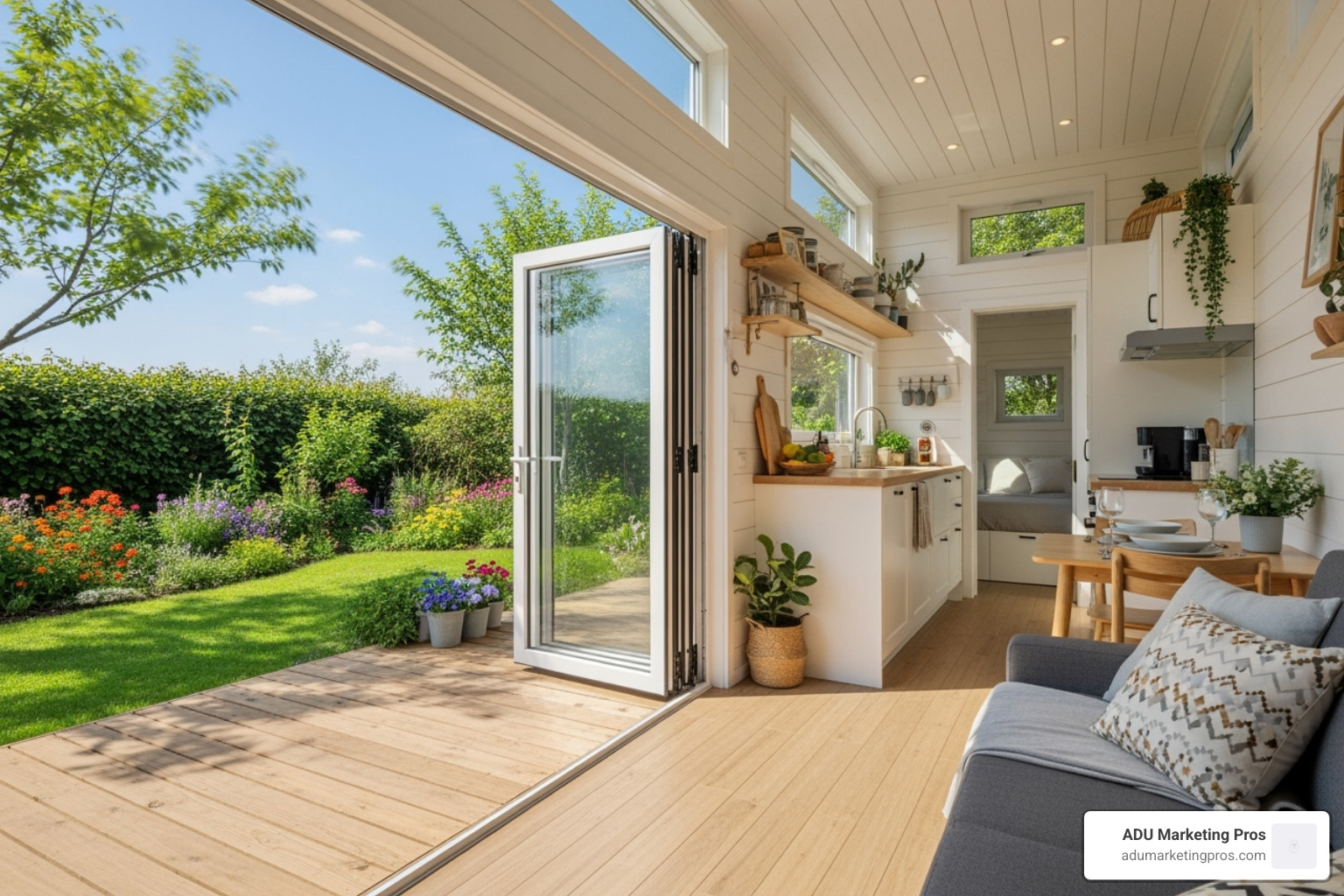
A tiny house builder southern california does more than just construct a small home; they craft a dwelling that captures the very essence of California living. These homes are a direct reflection of the region’s laid-back lifestyle, its appreciation for the outdoors, and its accept of innovation and sustainability.
Embracing the Climate: Popular Design Features
SoCal tiny homes are masters at dissolving the boundaries between indoors and outdoors. This is achieved through specific, popular design elements. Common features include large sliding glass doors or accordion-style folding walls that open an entire side of the home to the outside. Pass-through accordion windows from the kitchen to an outdoor bar are also a popular feature. Integrated decks and patios, sometimes including rooftop decks, are designed as true extensions of the living space, not just afterthoughts.
Maximizing natural light is a core design principle. To combat the small footprint, builders use oversized windows, multiple skylights, and high, vaulted ceilings to create a sense of volume and airiness. This is often complemented by bright, airy color palettes of whites, soft blues, sandy beiges, and warm neutrals that amplify the abundant natural light.
Space efficiency is liftd to an art form. Multi-functional furniture is standard, including Murphy beds that fold away to reveal a desk or sofa, storage-integrated staircases with built-in drawers and cabinets, and clever, custom cabinetry that uses every available nook. Many builders also offer accessible single-level floor plans that eliminate lofts, providing a more comfortable and future-proof living situation.
Built to Last: Quality and Sustainability Standards
Southern California builders are increasingly committed to high standards of quality and environmental responsibility. They emphasize the use of sustainable materials like reclaimed wood for accent walls, durable and renewable bamboo flooring, and low-VOC (Volatile Organic Compound) paints to ensure healthy indoor air quality. The focus on non-toxic finishes is especially critical in a compact living environment where air circulation is paramount.
Energy efficiency is another key focus, driven by both environmental concerns and the high cost of utilities. Homes are built with high R-value insulation suitable for both hot days and cool nights, double-pane, low-E windows that reflect heat, and energy-efficient LED lighting throughout. Many homes are built to be solar panel ready or can be equipped with full off-grid packages, including water storage tanks and composting toilets, for complete sustainable independence.
Proper certifications are a hallmark of a quality builder. RVIA (Recreational Vehicle Industry Association) certification is essential for THOWs, ensuring they meet over 500 safety standards for electrical, plumbing, and fire safety, making them legal to travel and stay in RV parks. NOAH (National Organization of Alternative Housing) certification, as mentioned earlier, provides a detailed inspection record of the home’s construction, which is invaluable for insurance and financing. A reputable tiny house builder southern california will prioritize these certifications to protect your investment and ensure your home is safe, durable, and legally sound.
Conclusion: Your Southern California Tiny Dream Awaits
Southern California presents an unparalleled landscape for the tiny home lifestyle, offering a rare convergence of stunning natural scenery, a favorable climate, and some of the most progressive housing regulations in the entire country. As this guide has shown, finding the right tiny house builder southern california is your definitive gateway to joining this exciting and rapidly growing community.
As we’ve explored, the path to tiny home ownership is more accessible than ever. The region is rich with talented builders, from eco-conscious visionaries and off-grid innovators to dedicated family-run craftsmen. These professionals act as true partners in your journey, providing the essential expertise to help you steer complex zoning laws, secure viable financing, and ultimately design a home that perfectly captures the coveted indoor-outdoor SoCal lifestyle. With cutting-edge designs, sustainable practices, and robust off-grid systems, they are delivering the California dream in a compact, intelligent, and attainable package.
Financially, tiny living offers a powerful antidote to the region’s high cost of living. With turnkey homes available from $60,000 to $150,000+ and accessible financing options, it presents a realistic path to homeownership. The combination of ADU-friendly state laws and crucial builder certifications like NOAH and RVIA ensures that your investment is not only legally sound and safe but also financially smart for the long term.
For builders and architects in this space, the market opportunity continues to be tremendous. Standing out from the competition requires a specialized approach that showcases deep expertise and builds unwavering trust with clients. Strategic, targeted marketing is absolutely essential for attracting high-quality leads and driving sustainable business growth in this dynamic and competitive landscape.
The path to tiny living is a conscious choice—a choice to prioritize experiences over possessions, sustainability over consumption, and financial flexibility over burdensome debt. Your Southern California tiny dream is waiting, and with the right builder partnership, it’s closer and more achievable than you think.