
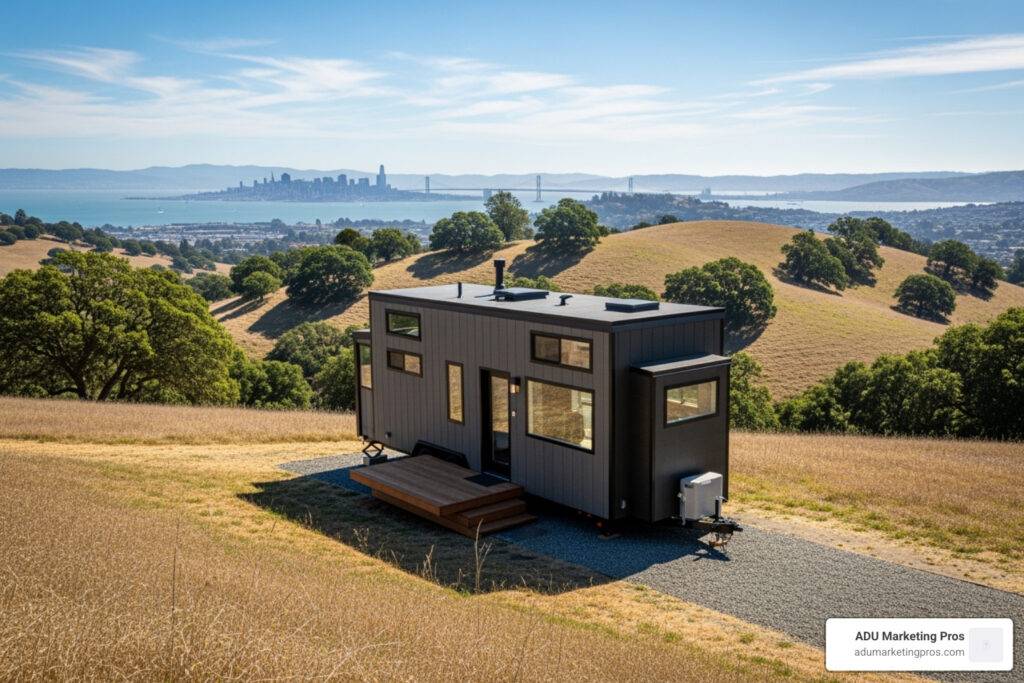
Why the Bay Area’s Tiny Home Market is Exploding
In the San Francisco Bay Area, a region synonymous with both groundbreaking innovation and a daunting housing crisis, searches for a tiny house for sale sf bay area have skyrocketed. This surge isn’t just a trend; it’s a powerful counter-movement to a market where median home prices consistently hover above $1.5 million, pushing traditional homeownership out of reach for a vast majority of residents. Many are now turning to tiny homes as a viable and attractive path to not just affordable housing, but true homeownership.
The market is surprisingly diverse, catering to a wide spectrum of budgets and lifestyles. You can find individual homes ranging from a basic $6,000 DIY shell to a luxurious, fully-outfitted model exceeding $125,000. For those seeking the complete package, the rare listing that includes a tiny home with its own plot of land can average around $503,000—a price driven almost entirely by the immense value of Bay Area real estate.
This movement is flourishing in communities from the vineyards of Sonoma County to the vibrant, artistic neighborhoods of Oakland. The appeal of tiny living extends far beyond its financial benefits. It resonates deeply with the core values of the Bay Area: a commitment to green living and sustainability, a revival of urban homesteading and self-sufficiency, and the celebrated maker ethos that champions craftsmanship and innovation. Whether it’s a simple shell awaiting a personal touch, a mobile home on wheels offering ultimate freedom, or a luxurious floating home in a Sausalito marina, the tiny house represents a realistic, empowering alternative to the conventional housing ladder, promising financial freedom, a simpler lifestyle, and a smaller environmental footprint.
The Bay Area Tiny Home Market: What’s the Big Deal?
The tiny house for sale sf bay area market is a direct and creative response to the region’s intense housing affordability challenge. While the dream for many is a tiny home on its own piece of land, the reality is that these opportunities are scarce and command a premium. A property pairing a tiny home with land averages around $503,000, a figure that starkly illustrates that the primary cost is the ground beneath the home, not the structure itself. However, this shouldn’t be discouraging. The market for the homes themselves is incredibly broad and accessible, with prices starting as low as $6,000 for a bare-bones DIY shell and climbing to over $100,000 for a high-end, custom-built luxury model. This wide price spectrum is precisely what makes tiny living a feasible option for people at various income levels, from recent graduates to retirees.
Sonoma County, in particular, has become a vibrant epicenter for the tiny home movement, fostering a supportive and enthusiastic community complete with annual festivals and exhibits that showcase the latest in tiny design and sustainable technology. Yet, the appeal is more than just financial. It taps directly into the cultural fabric of the Bay Area, celebrating urban homesteading, skilled craftsmanship, and a deep commitment to green living. These homes are often designed with sustainability at their core, featuring solar panels, rainwater collection systems, and composting toilets. For a deeper dive into sustainable designs, explore our insights on Eco-Friendly Small Homes.
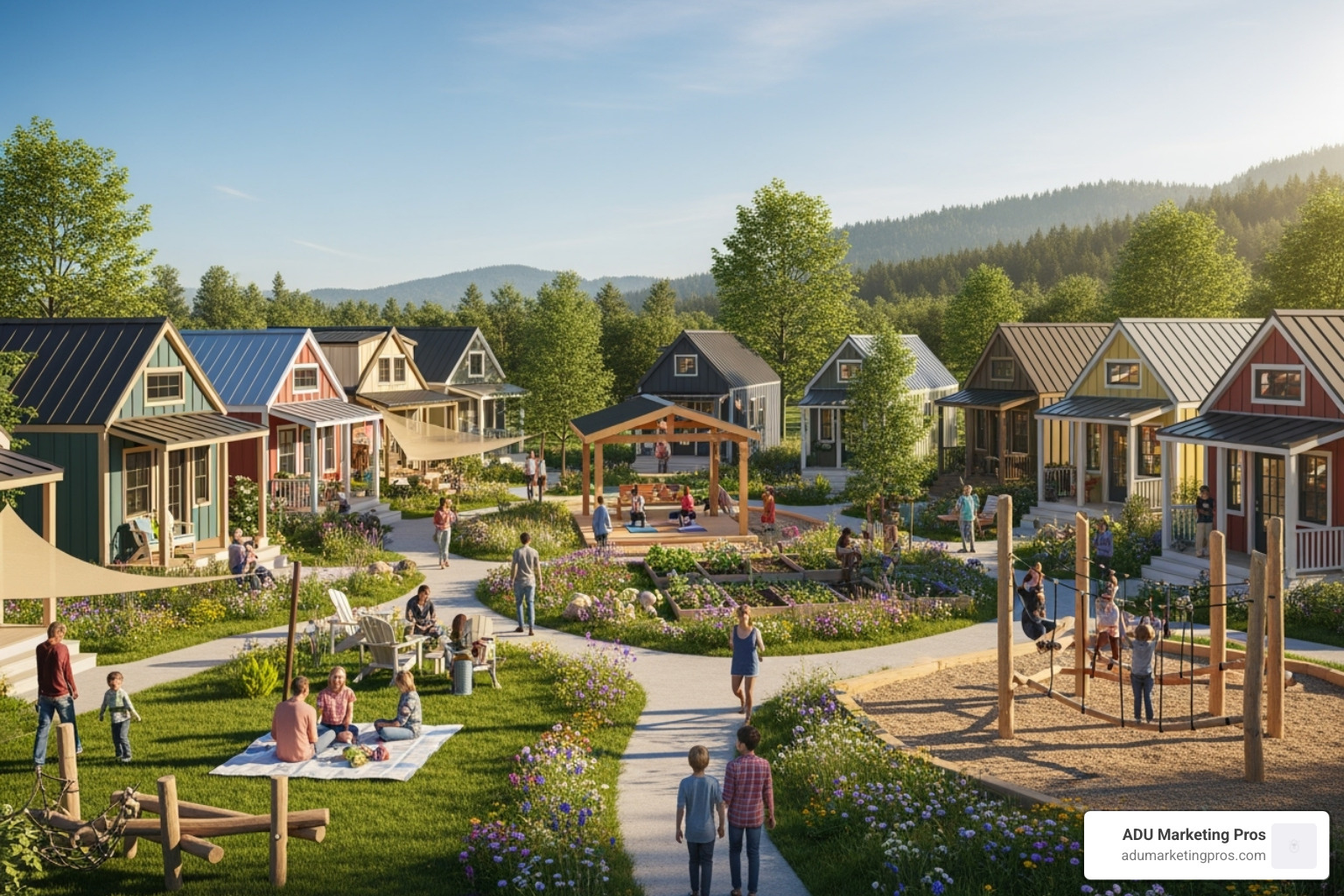
Why Go Tiny in the Bay?
The number one driver for the tiny home movement in the Bay Area is profound financial relief. In a landscape of exorbitant rents and unattainable mortgages, tiny homes offer a tangible path to ownership and financial stability. The economic benefits are immediate and ongoing. Owners enjoy significantly lower utility bills due to the smaller space to heat and cool, drastically reduced maintenance costs, and a much lighter property tax burden (or none at all for THOWs classified as vehicles). This culminates in a level of financial freedom that allows residents to pursue passions, travel, or save for the future.
Beyond the bank account, choosing to go tiny is a conscious lifestyle decision. It encourages a minimalist lifestyle, forcing a reevaluation of what is truly necessary and bringing focus to experiences over possessions. This inherently leads to a reduced carbon footprint, aligning perfectly with the region’s strong environmentalist values. It’s a deliberate choice for a simpler, more intentional, and sustainable way of life. This mindset of resourceful innovation resonates with the Bay Area’s spirit of challenging the status quo. While tiny homes are a fantastic solution, property owners with existing land might also consider an Accessory Dwelling Unit (ADU). To understand which is right for you, learn more in our comprehensive guide on ADU vs Tiny House.
Types of Tiny Homes You’ll Find in the SF Bay Area
The Bay Area’s tiny house for sale sf bay area market is refreshingly diverse, reflecting the region’s creativity and varied needs. Here’s a more detailed look at the common types you’ll encounter:
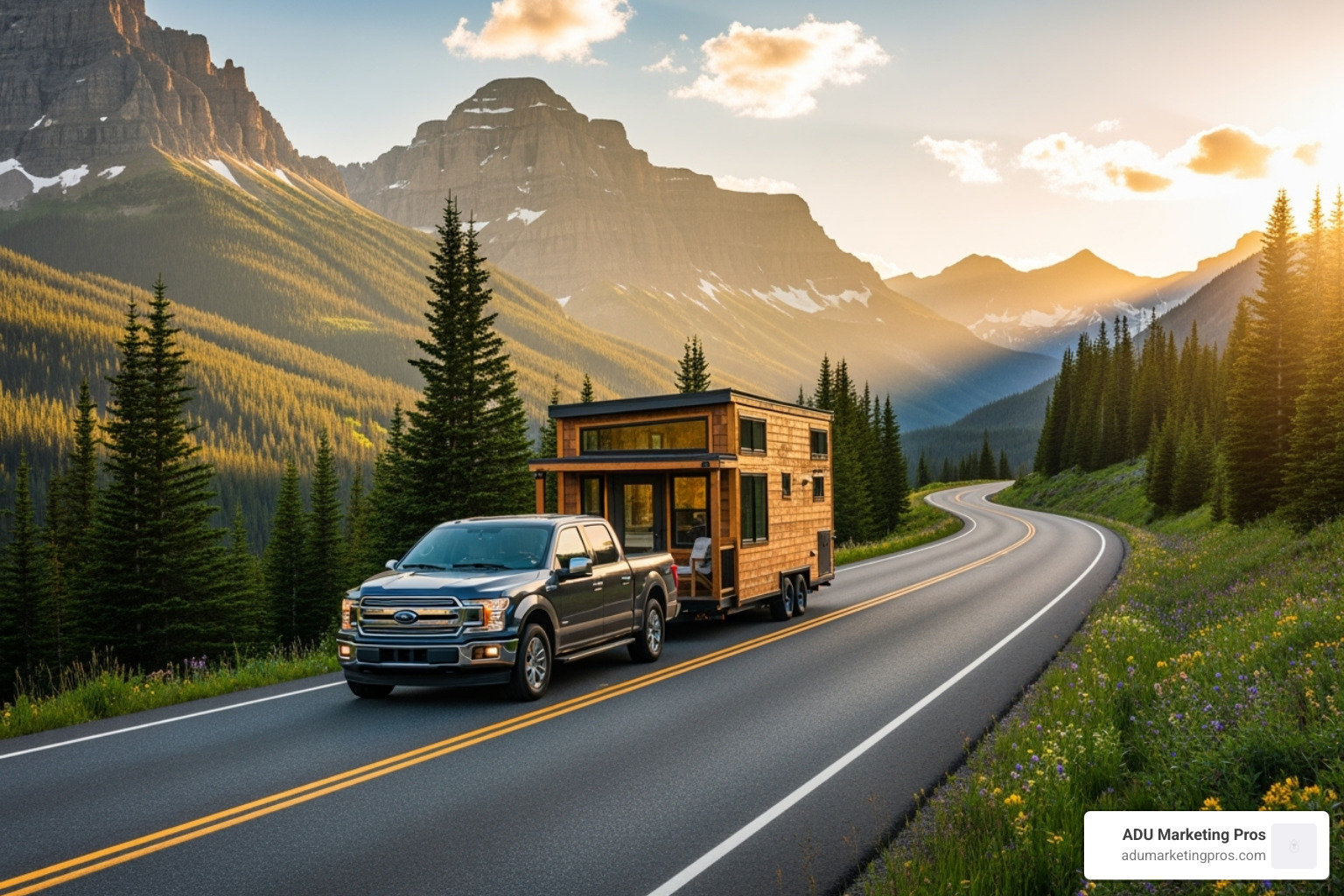
- Tiny Homes on Wheels (THOWs): This is the quintessential tiny house. Built on a custom trailer chassis, THOWs are legally classified as Recreational Vehicles (RVs). This offers unparalleled mobility and flexibility, but also means they must often adhere to standards set by the RV Industry Association (RVIA) for safety, insurance, and financing. They are perfect for those who dream of a nomadic lifestyle or want the ability to relocate without selling their home.
- Foundation-Based Tiny Homes: These are permanent structures that offer the stability and legal standing of a traditional home. In California, they are most often built as legal Accessory Dwelling Units (ADUs) in the backyards of existing properties. Thanks to progressive state laws, building a foundation-based tiny home as an ADU has become a streamlined and popular option for adding housing density and creating rental income or multi-generational living situations.
- Prefab and Modular Homes: Constructed in a factory-controlled environment, these homes represent the pinnacle of efficiency and quality control. Building off-site protects materials from weather damage and allows for precision engineering. The completed modules are then transported to the site and assembled in a fraction of the time it takes for traditional construction, minimizing neighborhood disruption.
- Shells and DIY Kits: A dream for the hands-on homeowner, a tiny house shell provides the structural frame, siding, roofing, and windows, leaving the interior as a blank canvas. This is a highly cost-effective route that allows for complete customization of the layout, materials, and finishes, letting the owner’s personality shine through in every detail.
- Shipping Container Homes: Leveraging the industrial-chic aesthetic and inherent durability of steel shipping containers, these homes are a testament to creative reuse. Popular in the port-adjacent Bay Area, they are modular, strong, and resistant to fire and pests. However, they require significant modification and proper insulation to be made into comfortable living spaces.
- Unique Conversions: Showcasing the boundless creativity of the Bay Area, you’ll find an array of converted vehicles and structures. School buses (“skoolies”), vans, and even boats are meticulously transformed into unique, often mobile, living spaces that are truly one-of-a-kind.
- Park Models: A hybrid between a THOW and a manufactured home, park models are technically RVs but are designed for more permanent placement. They offer up to 400 square feet of living space and are built to be placed in RV or manufactured home parks, often for extended periods.
Tiny Homes on Wheels (THOWs) vs. Foundation Homes
Choosing between a mobile THOW and a permanent foundation home is the most critical decision a prospective tiny homeowner in the Bay Area will make. Each path has distinct advantages and challenges.
- THOWs: The primary benefit is mobility. They offer the ultimate freedom to move, explore, or follow job opportunities. As RVs, they are built to RVIA standards and avoid traditional property taxes. However, their biggest challenge is legal, long-term parking. Most municipalities restrict full-time living in RVs outside of designated RV parks. While progressive cities like Oakland are exploring pilot programs for THOWs on private property, the regulatory landscape is a complex and shifting patchwork that requires diligent research.
- Foundation Homes: These offer permanence, stability, and legal clarity. Built as permitted ADUs, they comply with local and state building codes, are connected to municipal utilities, and are considered a permanent part of the property. This makes them easier to finance with traditional methods and significantly increases the property’s value, appealing to a much broader resale market. They are an investment in real estate, not just a dwelling.
Your choice hinges on your personal priorities: Is the freedom of mobility more important than the stability of a permanent address? Are you willing to navigate complex local ordinances for a THOW, or do you prefer the straightforward, value-adding path of a permitted ADU? For those leaning towards a foundation, it’s crucial to Find Tiny House Builders in California who are experts in local ADU regulations.
A Showcase of Tiny House for Sale SF Bay Area Listings
The Bay Area’s tiny home market is bursting with character and innovation. To give you a real sense of what’s out there, here are some examples inspired by actual listings that highlight the incredible variety you can find when searching for a tiny house for sale sf bay area.
The Artisan’s Retreat in Oakland
Reflecting Oakland’s vibrant arts scene, you can often find hand-built tiny homes that are functional works of art. These compact dwellings, typically 120 to 160 square feet, are defined by their meticulous craftsmanship. Imagine interiors featuring salvaged hardwood flooring from a historic building, custom live-edge wood countertops, and clever, space-saving custom built-ins. Many are designed for off-grid living with solar power and composting toilets, truly embodying the Bay Area’s independent “maker ethos.” These unique, soulful homes typically range from $25,000 to $45,000.

The Eco-Conscious Shell in Sonoma County
As a hub for tiny home enthusiasts, Sonoma County is the perfect place to find an eco-conscious tiny house shell. These are ideal for the DIY-minded buyer who wants to build a home with a minimal environmental footprint. Usually between 150-200 square feet, these shells are constructed with sustainability in mind, using non-toxic materials, sheep’s wool insulation, and sustainably harvested wood. They often feature high ceilings and ample windows to create a bright, spacious feel. Buying a shell is a fantastic way to save on costs and infuse your personal style into every aspect of the interior. Prices for these green-focused shells typically fall between $20,000 and $35,000.
The Modern Prefab in the East Bay
For a turnkey, move-in ready solution, modern prefab tiny homes are increasingly popular across the East Bay. Offering a more spacious living experience at 300 to 400 square feet, these homes come fully equipped with a full kitchen and bath, high-end finishes, and energy-saving appliances. Many feature smart home technology and are designed to be mobile home park compatible or placed as a backyard ADU. A new 385 sq ft unit in San Pablo was recently listed for $100,000, showcasing the quality and convenience of this market segment. Expect prices for these complete, modern homes to be between $80,000 and $120,000.
The Silicon Valley Backyard ADU
In the heart of the tech world, from San Jose to Palo Alto, the foundation-based tiny home as an ADU is a popular solution. These are not just homes; they are strategic assets. Often around 400-500 square feet, they are designed with clean lines, high-tech integrations, and multi-functional spaces. They serve as in-law units for aging parents, homes for adult children saving for their own down payment, or as high-yield rental units to offset a mortgage. A well-built ADU can add significant value to a property, making it a savvy investment in a competitive market. The all-in cost for a project like this, including site work and permits, can range from $150,000 to $300,000+.
The Floating Oasis in Sausalito
The Bay Area’s iconic waterfront offers some of the most unique tiny living opportunities, such as the famous floating homes of Sausalito. A captivating example was a converted World War II landing craft moored in the Richardson Bay marina. This historic 500+ square foot home featured a warm, rich wood interior, a modern galley kitchen, and a deck with stunning water views, blending military history with bohemian comfort. While its unique nature, history, and prime location put it at a higher price point of $730,000, it showcases the incredible and imaginative possibilities that exist within the Bay Area’s housing market. You can read more about this one-of-a-kind property here.

Navigating the Legal Landscape: Zoning and Regulations
Finding the perfect tiny house for sale sf bay area is the exciting part; ensuring you can live in it legally is the critical part. The Bay Area’s regulatory environment is a complex patchwork that varies significantly from one city and county to the next, so thorough due diligence is non-negotiable. The legal status of your tiny home hinges on its classification: is it on wheels or a permanent foundation?
Tiny Homes on Wheels (THOWs) are almost universally classified as RVs by municipalities, while foundation-based tiny homes are typically permitted as Accessory Dwelling Units (ADUs). California’s exceptionally progressive ADU laws have dramatically simplified the process for building foundation homes, but local city and county rules still dictate the specifics. Your first and most important step should always be to consult the local planning and building departments. For authoritative guidance on statewide regulations, the California Department of Housing and Community Development is an essential resource. Our expertise in Accessory Dwelling Unit (ADU) Marketing helps builders and developers navigate this evolving and promising market.
Rules for Tiny Homes on Wheels (THOWs)
A THOW’s legal status as an RV creates a specific set of challenges. RVIA (RV Industry Association) certification is not always legally required, but it is highly recommended. This certification signals that the home meets nationally recognized safety and construction standards, which is crucial for securing financing, obtaining insurance, and sometimes even gaining entry into RV parks. The single biggest hurdle for THOW owners is finding a legal, long-term parking spot. Most cities prohibit living in an RV on private residential property for more than a short period. This means placement is generally restricted to designated RV parks. However, the tide is slowly turning. Progressive cities like Oakland, San Jose, and others are developing pilot programs and amending zoning codes to allow THOWs as legitimate housing options, but these are exceptions, not the rule. Always research the specific municipal code for the exact location you plan to park.
Rules for Tiny Homes on Foundations (as ADUs)
Foundation-based tiny homes offer a much clearer and more secure path to legal residency, thanks in large part to California’s sweeping ADU reforms. State laws have streamlined the permitting process, mandated faster approval times, and reduced or eliminated prohibitive fees. However, your home must still be designed and built to meet all local building codes, which are based on the California Residential Code and ensure safety, structural integrity, and energy efficiency. You will also need to comply with setback requirements (how far the home must be from property lines), height limits, and lot coverage maximums. Finally, you must ensure proper, permitted utility connections for water, sewer, and electricity. As permanent, deeded structures, they are assessed for property taxes, but they also add significant, appraisable value to your property, making them a solid long-term investment.
Financing and Finding Your Tiny Home
Once you’re committed to the lifestyle and ready to find a tiny house for sale sf bay area, you’ll need to tackle two key steps: securing financing and knowing where to look. The financing process for a tiny home, particularly a Tiny Home on Wheels (THOW), is fundamentally different from securing a traditional mortgage. Because THOWs are legally considered personal property (like an RV or vehicle) and not real estate, they don’t qualify for mortgage loans. The most common financing options include RV loans, unsecured personal loans, and direct builder financing. Specialized lenders like 21st Mortgage for tiny homes understand this niche market. Of course, for those who can, paying with cash is a popular route that aligns with the debt-free ethos of the movement.
For foundation homes permitted as ADUs, the financing landscape is more traditional. Since they are permanent structures tied to real estate, options like home equity loans, HELOCs, cash-out refinancing, or construction loans are available. Here’s a comparison of common financing methods:
| Financing Option | Typical Interest Rates | Terms | Pros | Cons |
|---|---|---|---|---|
| RV Loan | 4-10% | 10-20 years | Usually lower rates than personal loans; longer payment terms; specifically designed for mobile homes; can be easier to get approved. | Often requires your tiny home to be RVIA certified; may have strict rules about the home’s features; not an option for tiny homes built on foundations. |
| Personal Loan | 6-36% | 1-7 years | Super flexible – use it for anything; no collateral needed; can get approved pretty quickly. | Higher interest rates mean you pay more over time; shorter payment terms can lead to bigger monthly bills. |
| Builder Financing | Varies | Varies | Super convenient, as it’s directly tied to the builder’s homes; sometimes faster approval process. | Limited to specific builders, so you might have less choice in home models; terms might not be as good as loans from outside lenders. |
| Cash | N/A | N/A | No interest payments, ever! You own the home outright from day one; simpler process; gives you power to negotiate for a better price. | Requires you to have a significant amount of money saved up; ties up your liquid savings. |
Where to find a tiny house for sale sf bay area
The market for tiny homes is vibrant but specialized. You’ll have the most success by looking in the right places:
- Tiny House Websites: Online marketplaces like Tiny House Listings, Tiny Home Builders, and Try It Tiny are dedicated to the movement and have filters for location, price, and type, making them a great starting point.
- Craigslist: A surprising number of individuals and small, independent builders list their custom homes on Craigslist. It’s a treasure trove for unique, one-off builds. Use specific search terms in the SF Bay Area section, like on this search page.
- Local Builders: The Bay Area and greater California are home to many talented builders who specialize in custom tiny homes and prefab ADUs. Researching builders like California Tiny House, Pacifica Tiny Homes, or Abodu can give you a sense of high-quality options.
- Real Estate Agents: If your plan includes buying land for your tiny home, a real estate agent who specializes in rural properties, undeveloped land, or infill lots can be an invaluable partner in your search.
Popular locations for a tiny house for sale sf bay area
Certain Bay Area communities are more amenable to tiny living due to more flexible zoning, an established community, or land availability:
- Sonoma County: A recognized leader, with towns like Santa Rosa and Sebastopol known for their enthusiastic communities and tiny home showcases.
- East Bay: Cities like Oakland and Hayward are showing growing interest. Oakland, in particular, has been at the forefront of creating progressive pilot programs for THOWs on private properties.
- Rural Santa Clara County: The less-developed southern parts of the county, around areas like Gilroy and Morgan Hill, can offer more land-based opportunities, especially for building ADUs.
- Marin County: While land is expensive, unique properties can be found. Coastal spots like Sausalito are famous for their floating home communities, representing a distinct form of tiny living.
Frequently Asked Questions about Bay Area Tiny Homes
As you explore the possibility of finding a tiny house for sale sf bay area, many questions will naturally arise. This is a significant lifestyle shift, and it’s smart to be informed. Here are detailed answers to some of the most common questions.
Is it legal to live in a tiny house in the Bay Area?
This is the most common and most complex question. The answer is: it depends entirely on the type of home and its specific location.
- Tiny Homes on Wheels (THOWs): As they are legally classified as RVs, living in one full-time on private residential land is illegal in most Bay Area cities. The primary legal option is to place it in a designated RV park. However, some cities like Oakland and San Jose have created programs or amended ordinances to allow THOWs as housing in certain situations, but you must research the specific, current municipal code.
- Foundation Homes (ADUs): This is the clearest legal path. Thanks to California’s pro-ADU state laws, building a tiny home on a foundation in a backyard is legal in most residential zones, provided it meets all local building codes, zoning requirements (like setbacks), and is properly permitted. This is the most secure route for permanent, legal tiny living.
How much does a tiny house really cost in the SF Bay Area?
The total cost is much more than the price of the structure alone.
- The Structure: A DIY shell can start around $6,000, while a professionally built, high-end prefab model can exceed $125,000. A typical, well-appointed THOW often lands in the $60,000 to $90,000 range.
- The Land: This is the biggest variable. If you’re buying land, the cost will likely dwarf the cost of the home. An acre of land in the Bay Area can range from $23,255 in the far-flung parts to millions in prime locations. This is why a rare listing with both a home and land averages $503,000.
- Other Costs: Budget for significant additional expenses. Utility hookups (water, sewer, electric) can cost $5,000 to $20,000+. Transportation of the home can be several thousand dollars. Site preparation, permits, and land lease fees (if you’re renting a spot) are also major factors.
Can I get a traditional mortgage for a tiny house?
Generally, no. A traditional mortgage is not an option for a Tiny Home on Wheels (THOW) because it is not considered “real property.” It doesn’t have a deed or a permanent foundation. The most common financing route is an RV loan, which is why RVIA certification is so important to lenders. Unsecured personal loans and builder financing are also viable alternatives.
For a tiny home built on a foundation and permitted as a legal ADU, the answer is yes. Because it is a permanent, appraised addition to a property, it can qualify for traditional financing. Homeowners often use a cash-out refinance, a home equity loan/line of credit (HELOC), or a construction loan to fund the project.
How do I get insurance for my tiny home?
Insurance is another area where the type of home matters. For THOWs, you’ll typically need a policy that blends RV and homeowner’s insurance. Specialized insurers can provide coverage for the structure, your personal belongings, and liability, both when it’s parked and in transit. RVIA certification is often a prerequisite. For foundation-based ADUs, the process is simpler. The new structure is typically added as an extension of the existing homeowner’s insurance policy on the primary residence, though you’ll need to inform your provider to ensure adequate coverage for the increased property value.
Conclusion
The dream of Bay Area homeownership, which for many has felt increasingly out of reach, is being redefined and reclaimed by the tiny home movement. It offers a powerful, practical, and realistic solution to the region’s affordability crisis. As we’ve explored, the market for a tiny house for sale sf bay area is rich with diversity, offering a spectrum of choices from mobile THOWs that promise a life of freedom to permanent foundation homes that build equity and community ties. These innovative dwellings are more than just small structures; they are vehicles for achieving financial freedom, embracing a more intentional minimalist lifestyle, and significantly reducing one’s environmental footprint.
While the journey requires diligent research, particularly when navigating local zoning laws and securing the right financing, the path to tiny living in the Bay Area is more accessible and supported than ever before. It stands as a practical and inspiring answer to the region’s complex housing challenges, delivering not just on the promise of affordability, but on the deeper human desires for freedom, simplicity, and sustainability.
At ADU Marketing Pros, we are passionate about this industry. We empower the innovative firms that design and build these smart housing solutions, helping them connect with individuals and families ready to embrace a more sustainable and affordable way of life. We are proud to support the growth of this vital movement.
Are you ready to challenge the conventional definition of a home? Whether you’re drawn to the minimalist lifestyle of a tiny house or looking to add a value-generating ADU to your property, the time to act is now. Explore your options for a Tiny House San Francisco today and take the first step toward turning your small living dreams into a big reality.