
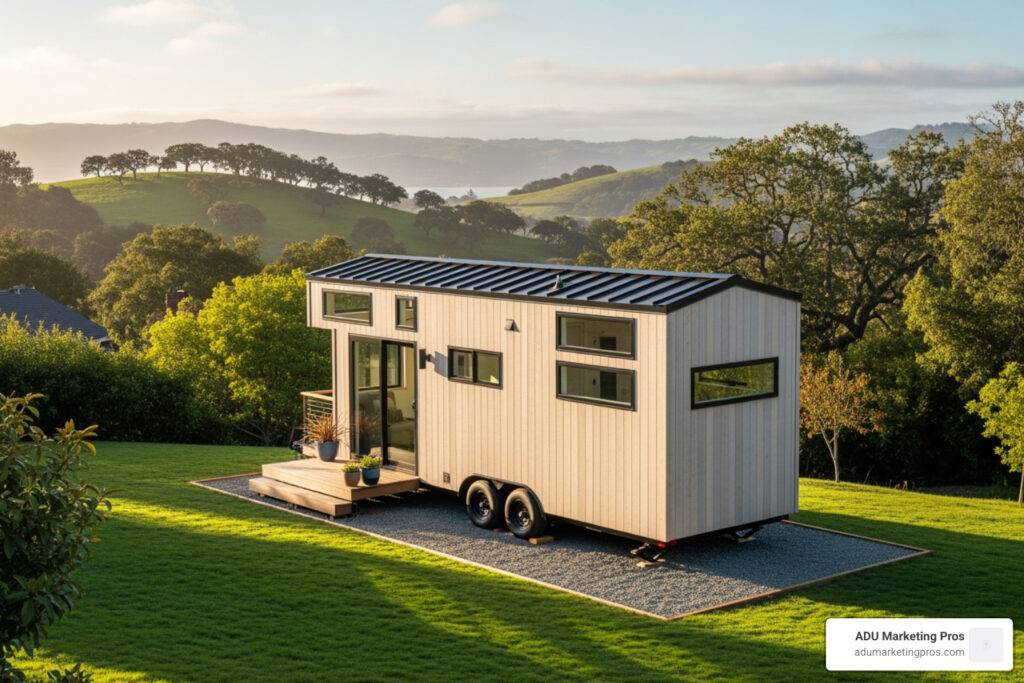
Why the Bay Area is Embracing the Tiny House Movement
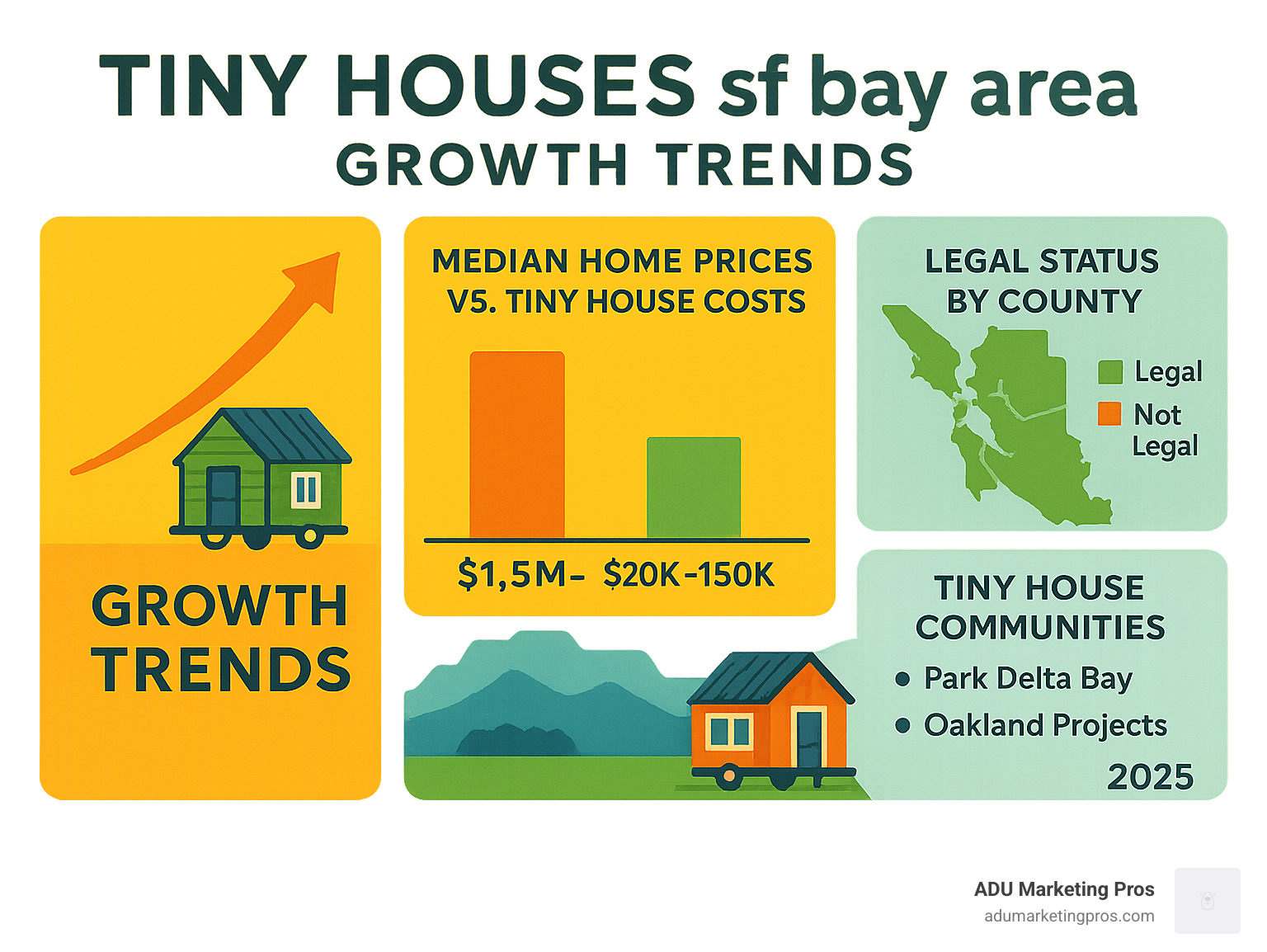
The tiny house sf bay area scene is not just a trend; it’s a full-blown revolution against the housing status quo. In a region where the American Dream of homeownership feels increasingly like a fantasy, tiny living presents a tangible, affordable, and compelling alternative. The Bay Area’s housing crisis is legendary, with median home prices consistently hovering over $1.5 million and average monthly rents for a one-bedroom apartment cresting $3,000 in cities like San Francisco and San Jose. These staggering figures have pushed residents to their financial limits, forcing them to seek creative solutions. The tiny house movement is the most prominent and promising of these solutions.
This shift, however, is about more than just economics. It represents a profound cultural realignment toward minimalism, sustainability, and intentional living. Bay Area residents, from tech workers in Silicon Valley to artists in Oakland, are consciously choosing to trade sprawling square footage for financial freedom, a smaller environmental footprint, and more time to invest in experiences rather than mortgages. It’s a deliberate choice to live a bigger life in a smaller home.
This comprehensive guide will navigate the burgeoning world of the tiny house sf bay area. We will explore the powerful benefits driving this movement, from financial liberation to eco-conscious living. We’ll untangle the complex web of local regulations, comparing the legal pathways for foundation-based ADUs and mobile THOWs across different cities. We will also provide a practical roadmap for acquiring your own tiny home—whether you build it yourself, buy a pre-built model, or work with a custom builder—and break down the true costs involved. Finally, we’ll look at the vibrant communities taking root and the real-world challenges you’ll face, offering solutions and resources to help you on your journey. Whether you’re a first-time buyer, an empty nester, or a sustainability advocate, the Bay Area’s tiny house scene offers a growing variety of options and increasing legal acceptance.
Quick Guide to Tiny House Options in the SF Bay Area:
- ADUs (Accessory Dwelling Units): Permanent, foundation-based homes. Fully legal and financeable as real estate. Costs typically range from $60,000 to $150,000+.
- Tiny Houses on Wheels (THOWs): Mobile homes built on trailers, often classified as RVs. Offer flexibility but face parking challenges. Costs range from $20,000 (DIY) to $100,000+.
- Pre-built & Modular Options: Professionally constructed homes from builders like Pacifica Tiny Homes, offering speed and quality assurance.
- DIY Kits & Shells: The most affordable route, with kits starting as low as $7,200, for those with the time and skills.
- Legal Communities & Initiatives: Designated places to live, such as Park Delta Bay for THOWs and Oakland’s pioneering Tiny Intersection project.
Why Go Tiny? The Trends and Benefits of Bay Area Small Living
The tiny house sf bay area movement is a direct and pragmatic response to the region’s extreme housing affordability crisis. When a single parking space in San Francisco can sell for more than a family home in many other states, the logic of living in 400 square feet becomes undeniable. However, the motivations for going tiny extend far beyond simply surviving a brutal housing market. It’s a conscious lifestyle choice aimed at achieving financial freedom, embracing a minimalist ethos, and dramatically reducing one’s environmental impact. By stripping away the excess—the oversized mortgage, the rooms filled with clutter, the high utility bills—residents uncover what truly matters: more money for savings and travel, more time for experiences and community, and a lighter, more sustainable footprint on the planet.
The Financial Perks of Downsizing
The financial argument for tiny living in the Bay Area is overwhelmingly compelling. With traditional single-family homes soaring past the $1.5 million mark, the dream of ownership is out of reach for a vast portion of the population. In stark contrast, tiny house sf bay area residents can often live completely mortgage-free. A fully equipped, professionally built tiny home typically costs between $80,000 and $150,000, while a foundation-based ADU might range from $60,000 to $150,000+ depending on size and finishes.
- DIY vs. Builder Costs: For the ambitious and handy, a DIY build offers the ultimate in affordability. It’s possible to construct a basic tiny home for as little as $20,000 in materials, though most DIY projects land in the $40,000 to $80,000 range for a more polished result. This path requires a significant investment of time and labor but offers unparalleled customization. Professional builders, on the other hand, provide turnkey solutions that save time, reduce stress, and ensure building standards are met, with prices generally starting around $80,000.
- Massive Ongoing Savings: The financial benefits continue long after the home is built. Utility savings are one of the most significant perks; with a smaller space to heat, cool, and light, many tiny home owners report combined monthly utility bills of under $100. Property tax reduction is another major advantage. For an ADU, taxes are assessed on the added value, which is far less than a full-sized home. For a THOW classified as an RV, owners pay a much smaller annual vehicle registration fee instead of property tax. These cumulative savings can free up thousands of dollars per year, empowering residents to pay off debt, build a robust emergency fund, invest, or travel the world. For more options, see our guide to Small Houses for Sale.
A Sustainable and Simplified Lifestyle
Choosing to live in a tiny house is an inherently eco-friendly decision that naturally promotes a smaller environmental footprint.
- Energy Efficiency: The physics are simple: less space requires drastically less energy for heating and cooling. Combined with high-quality insulation, energy-efficient windows, and smart design, a tiny home’s energy consumption is a fraction of a traditional house’s. Many owners take this a step further by incorporating off-grid solar panel systems, which can often cover 100% of their energy needs, effectively eliminating their electricity bill and reliance on the grid.
- Water Conservation: Tiny homes encourage mindful water use. Smaller water heaters, low-flow fixtures, and shorter plumbing runs all contribute to reduced consumption. Many tiny dwellers also implement advanced systems like rainwater harvesting for non-potable uses and greywater recycling systems that reuse water from sinks and showers for irrigation. Composting toilets are another popular feature, saving thousands of gallons of water per year compared to traditional flush toilets.
- Conscious Consumption and Mental Well-being: The physical constraint of 400 square feet forces a radical shift in consumer behavior. With limited storage, every item must be essential, useful, or deeply meaningful. This intentionality curbs impulse buying, reduces waste, and saves money. Beyond the environmental and financial benefits, many tiny dwellers report significant mental health improvements. With less to clean, maintain, and organize, and a lower financial burden, stress levels plummet. This simplified, decluttered lifestyle frees up mental and temporal space, allowing for more time dedicated to hobbies, community, personal growth, and cherished experiences. To learn more, explore Eco-Friendly Small Homes and Small Houses in general.
The Legal Landscape: Navigating Tiny House Rules in the SF Bay Area
Successfully joining the tiny house sf bay area movement requires a solid understanding of the legal landscape, which can be as varied and complex as the region itself. Navigating the maze of zoning laws, building codes, and local ordinances is often the most daunting step for aspiring tiny dwellers. The good news is that the tide is turning. Faced with an unrelenting housing crisis, city and county governments across the Bay Area are increasingly recognizing tiny homes as a viable solution and are actively working to streamline regulations and create legal pathways for their construction and placement. However, rules can vary dramatically from one jurisdiction to the next, so what is permissible in Oakland may be prohibited just a few miles away in another city. Diligent research is non-negotiable.

ADUs vs. THOWs: Understanding the Key Legal Differences
The law makes a critical distinction between the two primary types of tiny homes, and this classification dictates everything from where you can live to how you build and finance your home.
- Accessory Dwelling Units (ADUs): These are tiny homes built on a permanent foundation. Legally, they are considered real property and are the most straightforward and widely accepted path to tiny living in California. Thanks to a series of progressive state laws passed in recent years, the barriers to building ADUs have been significantly lowered. Cities are now required to approve ADUs that meet specific criteria, and regulations regarding setbacks, parking, and owner-occupancy have been relaxed. ADUs must be built to comply with state and local building codes, just like a traditional house, which ensures they are safe, durable, and can be financed with traditional mortgages or home equity loans.
- Tiny Houses on Wheels (THOWs): This is where the legal landscape becomes much trickier. THOWs are built on a trailer chassis and are legally classified as recreational vehicles (RVs), not permanent housing. To be legally recognized and insurable, they should be certified by the Recreational Vehicle Industry Association (RVIA). The primary legal hurdle for THOW owners is finding a legal, long-term place to park. Most municipal zoning codes prohibit living in an RV full-time outside of a licensed RV park or a designated mobile home park. While some cities are beginning to change these rules, the “where to park it” problem remains the single biggest challenge for THOW enthusiasts.
The American Tiny House Association is an excellent resource for tracking evolving legislation. For a deeper dive, see our guide on ADU vs Tiny House.
Key Regulations in Bay Area Cities and Counties
- Oakland: A true pioneer, Oakland has one of the most progressive stances on tiny homes in the nation. Its Vehicular Residential Facilities (VRF) Program created a legal permit process for individuals to live in THOWs on private property, provided health and safety standards are met. The city is also home to innovative community projects, like the planned Tiny Intersection in West Oakland, which will serve as the city’s first legal tiny home community on city-owned land.
- San Jose: As the heart of Silicon Valley, San Jose has focused on tiny homes as a key strategy for addressing its homelessness crisis. The city has successfully launched several emergency interim housing communities composed of tiny homes, providing residents with privacy, security, and a bridge to permanent housing. For private citizens, San Jose has also fully embraced state ADU laws, making it easier for homeowners to add units to their properties.
- San Francisco: Given its extreme population density and lack of available land, San Francisco’s approach has been more limited. The city has primarily explored tiny house villages as interim housing for the unhoused, partnering with non-profits like DignityMoves to create communities that offer a more humane alternative to traditional shelters.
- Sonoma County: Widely considered the unofficial hub of the tiny house sf bay area movement, Sonoma County has a long history of embracing alternative housing. With over 100 known tiny dwellings, a progressive attitude from the planning department, and a vibrant community of builders and enthusiasts, it’s one of the most welcoming places for tiny living. The county has clear guidelines for ADUs and is known for being more flexible regarding alternative structures.
- Alameda County & Berkeley: Alameda County has streamlined its ADU permit process in line with state law. The city of Berkeley allows for the placement of a movable tiny house in a backyard as an ADU, provided it is connected to utilities and meets certain health and safety standards, a unique and progressive local ordinance.
- Contra Costa & Marin Counties: These counties have also embraced state ADU laws, creating online resources and checklists to help homeowners navigate the process. While they are generally less progressive on THOWs for full-time residency outside of RV parks, the focus on ADUs provides a solid legal path for small living.
The legal landscape is constantly evolving. Before investing any money or time, your first step should always be to contact your local city or county planning department to understand the most current regulations.
Building or Buying Your Tiny House SF Bay Area Home
Once you’ve navigated the legalities and decided on the right path for you—be it a permanent ADU or a mobile THOW—the exciting process of acquiring your tiny home begins. The tiny house sf bay area market is robust and diverse, offering a wide spectrum of options that cater to every budget, skill level, and aesthetic preference. From DIY kits that let you build your dream from the ground up to fully custom, move-in-ready homes delivered to your site, the path to ownership is more accessible than ever.
Where to Find Your Perfect tiny house sf bay area
- Online Marketplaces: Websites like Tiny House Listings, Tiny Home Builders, and even Craigslist are excellent starting points for your search. These platforms feature a wide array of new and used homes for sale from both private sellers and professional builders. You can find everything from empty shells ready for customization to fully furnished, off-grid-ready THOWs.
- Local Builders and Manufacturers: Working with a Bay Area-based professional offers significant advantages. They have firsthand knowledge of local building codes, climate considerations, and permitting processes. Reputable companies like Pacifica Tiny Homes, California Tiny House, and Humble Handcraft offer established models and custom design services. For foundation-based ADUs, full-service firms like ADU Builders Bay Area can manage the entire process from design and permitting to construction and final inspection. Explore more options in our guides to Tiny House Builders California and San Francisco Tiny House Builders.
- Vetting a Builder: Before committing, it’s crucial to vet any potential builder thoroughly. Ask for references from past clients, inquire about their certifications (e.g., RVIA for THOWs, general contractor license for ADUs), review their warranty coverage, and get a detailed contract that clearly outlines what is included in the price, the payment schedule, and the projected timeline.
Breaking Down the True Costs
Understanding the full financial picture is key to a successful tiny home project. The sticker price of the house itself is only one part of the equation.
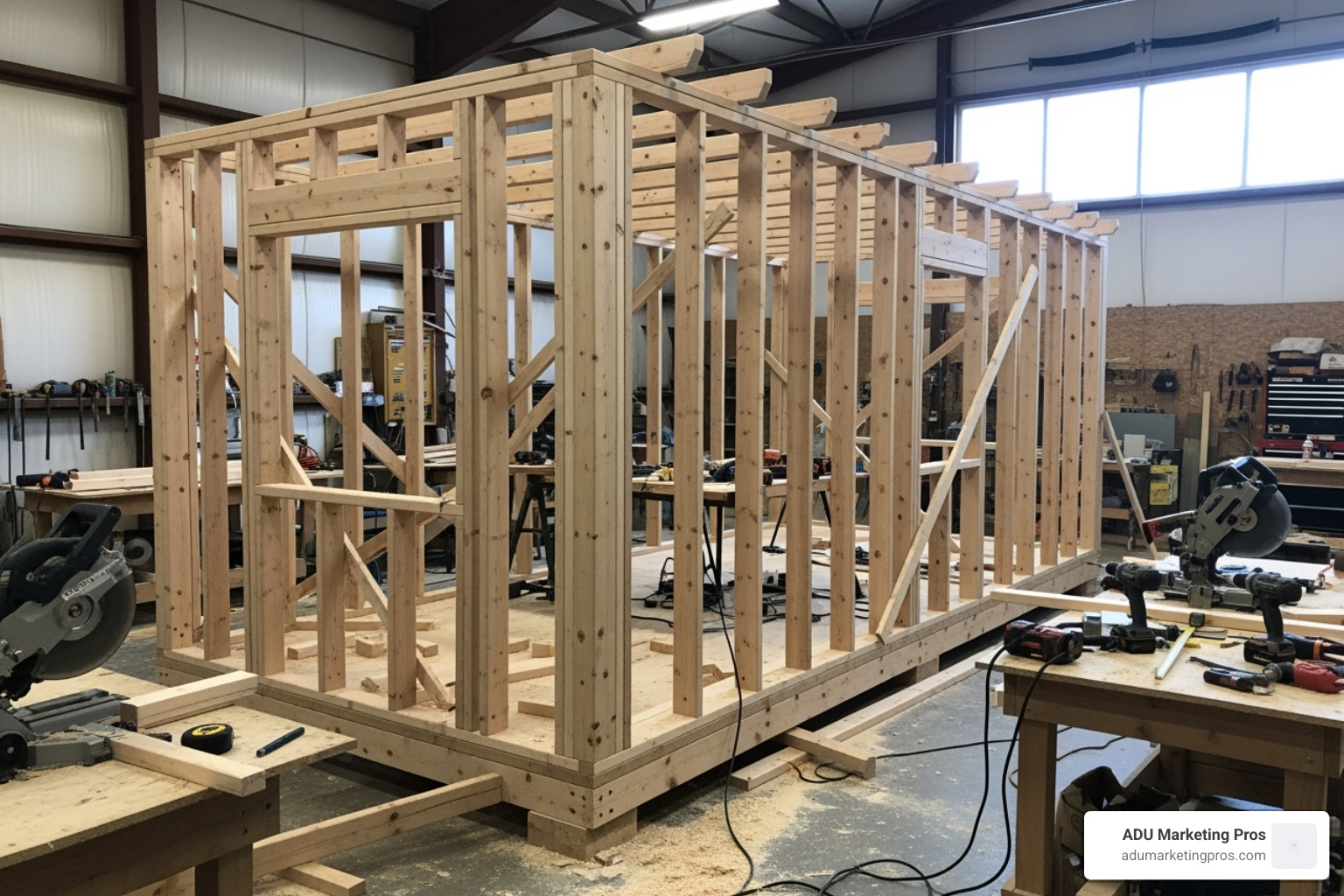
- DIY Builds: This is the most budget-friendly route, but it demands a massive investment of your own time, labor, and expertise. A basic trailer can cost $5,000-$10,000. Material costs for the structure and finishes can range from $15,000 to $40,000+. The total cost for a self-built home often lands between $20,000 and $60,000. The reward for your sweat equity is complete creative control and significant savings.
- Professional Builds: A professionally built THOW or a pre-fabricated ADU typically runs from $60,000 to $150,000 or more, depending on size, materials, and level of customization. While more expensive upfront, this price includes professional labor, high-quality construction, and peace of mind, often streamlining the permitting and inspection process.
- Critical Hidden Costs: This is where many budgets get derailed. You must account for these additional expenses:
- Land: If you don’t already own property, the cost of land in the Bay Area is astronomical. Alternatively, monthly lot rent in a tiny home community or RV park can range from $500 to over $1,500.
- Site Prep & Foundation: For an ADU, this includes excavation, grading, and pouring a concrete foundation, which can cost $5,000-$20,000.
- Utility Hookups: Connecting to city water, sewer, and electricity can be one of the most expensive and complicated parts of the process. Fees and construction costs can easily run from $10,000 to $25,000+.
- Transportation: If you buy a THOW from a builder, delivery fees can be several thousand dollars depending on the distance.
- Taxes, Permits, and Fees: Budget for sales tax on the home, as well as thousands of dollars in permit and impact fees charged by your local municipality.
Financing Your Tiny Dream
Securing a loan for a tiny home can be challenging, as they don’t fit neatly into traditional lending categories.
- ADUs: Since they are permanent real estate improvements, ADUs can be financed with traditional methods. Options include a cash-out refinance of your primary mortgage, a home equity loan or line of credit (HELOC), or a construction loan.
- THOWs: As they are legally considered RVs, the best option is often an RV loan, but only if the home is certified by the RVIA. Lenders like 21st Mortgage and LightStream specialize in financing certified tiny homes.
- Personal Loans: Unsecured personal loans from banks or online lenders offer flexibility and can be used for any type of tiny home (including DIY builds), but they typically come with higher interest rates and shorter repayment terms.
- Builder Financing: Many tiny home builders have established relationships with lenders who are familiar with their products. This can often be the most streamlined path to financing a professionally built home.
Life in a Bay Area Tiny Home: Communities and Challenges
Transitioning to a tiny house sf bay area lifestyle is an adventure that extends far beyond the four walls of your home. It’s a journey that requires flexibility, resourcefulness, and a new perspective on what it means to live well. While the benefits are immense, the day-to-day reality comes with a unique set of challenges. Success often hinges on finding a supportive community and developing creative solutions for the practical hurdles of small-space living.

Finding Your Tribe: Tiny House Communities
For many, the ideal tiny life is not one of isolation but of connection. A well-established community provides not only a legal place to park and shared resources but also a vital support network of like-minded individuals who understand the lifestyle.
- Park Delta Bay: Located on the Sacramento-San Joaquin River Delta, this is Northern California’s first legal, full-time tiny house community. As a converted RV park, it legally welcomes RVIA-certified THOWs. Residents lease their lots and enjoy amenities like a clubhouse, community garden, and river access. It offers a blueprint for what community living can look like, fostering a strong sense of camaraderie among residents, as detailed in articles like What’s It Like to Live in Northern California’s First Tiny-Home Community?.
- Oakland’s Tiny Intersection Project: This groundbreaking initiative, currently in development, aims to become Oakland’s first legal tiny home community for private owners within the urban core. Situated on city-owned land, it represents a powerful model for integrating tiny living into city life, offering residents the convenience of an urban location with the benefits of a tight-knit community.
- Informal and Co-op Models: Beyond official communities, many tiny dwellers create their own arrangements. This can include leasing a spot in a homeowner’s backyard (often called “backyard hosting”), forming small co-op communities on a shared piece of land, or finding placement on farms or rural properties in exchange for rent or work.
- Initiatives for the Unhoused: The tiny home model has also proven incredibly effective as a tool to combat homelessness. Organizations like DignityMoves partner with cities like San Francisco to build interim housing communities. These projects provide residents with private, secure, and dignified living spaces, along with supportive services, demonstrating how small homes can have a massive social impact.
Overcoming the Problems of the tiny house sf bay area Lifestyle
While idyllic, tiny living is not without its practical difficulties. Proactively addressing these challenges is key to a smooth transition.
- The “Where to Park It” Problem: This remains the single greatest obstacle for THOW owners. Outside of designated communities, finding a legal, long-term parking spot is a constant challenge. It requires persistent research into local zoning codes, networking within the tiny house community, and sometimes, a willingness to operate in a legal gray area. Creative solutions include platforms that connect THOW owners with landowners willing to lease space.
- Utility Connections: Getting water, sewer, and electricity to your home is a critical step. In an established community, hookups are typically part of the lot and included in the rent. On private land, the process is far more complex and expensive. Installing new utility connections can cost tens of thousands of dollars and involve a lengthy permitting process. For this reason, many tiny dwellers opt for off-grid systems, such as solar panels with battery storage, large water storage tanks, and composting toilets.
- Insurance Hurdles: Insuring a tiny home can be complicated. ADUs, as part of a property, can typically be added to a standard homeowner’s policy. THOWs are much harder. If RVIA-certified, they can be insured with an RV policy, but this may not cover personal contents as a homeowner’s policy would. For self-built or non-certified homes, finding coverage can be extremely difficult, often requiring a specialized insurance provider.
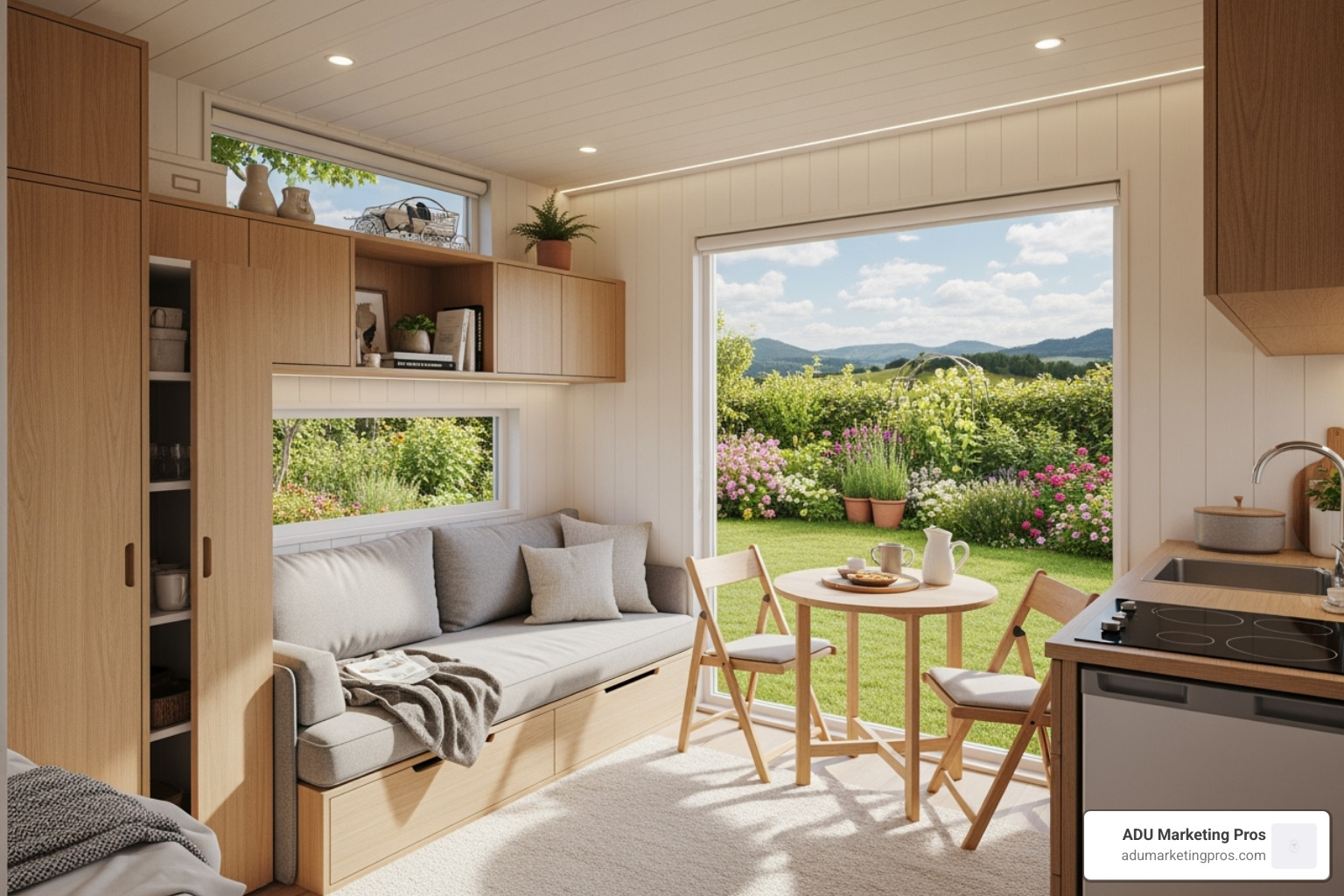
- Storage and Organization: Every square inch counts. Tiny living forces you to become a master of organization. This means investing in multi-functional furniture (e.g., a sofa with built-in storage, a dining table that folds away), utilizing vertical space with high shelving, and being ruthless about decluttering. It’s a continuous practice of intentional living.
- Social and Psychological Adjustments: Living in close quarters, especially with a partner or family, requires excellent communication and a new set of ground rules. While the community aspect can be a huge plus, there can also be a potential for a lack of privacy. It’s important to be mentally prepared for the shift and to proactively create personal space and time when needed.
Frequently Asked Questions about Tiny Homes in the Bay Area
Diving into the tiny house sf bay area world naturally brings up a host of questions. The path is less traveled than traditional homeownership, and understanding the nuances is key to making an informed decision. Here are detailed answers to some of the most common inquiries.
Is it legal to live in a tiny house in the Bay Area?
Yes, it is legal, but the legality is highly dependent on the type of tiny home and its specific location. There is no single Bay Area-wide ordinance.
- ADUs (on foundations): These are broadly legal and encouraged across the entire Bay Area. Thanks to California state laws, every city must allow the construction of ADUs on residential properties, provided they meet local building codes and zoning requirements (like size and height limits). This is the most secure and legally straightforward path to tiny living.
- Tiny Houses on Wheels (THOWs): This is where it gets complicated. Most cities classify THOWs as Recreational Vehicles (RVs). As such, full-time, long-term residency is generally restricted to licensed RV parks or mobile home parks. Living in a THOW in a backyard is illegal in most jurisdictions. However, pioneering cities like Oakland (with its VRF program) and Berkeley (which allows movable tiny homes as ADUs) are creating legal pathways. You must check the specific ordinances for the city or county you plan to live in.
How much does a tiny house cost in the Bay Area?
Costs vary dramatically based on size, materials, and whether you build it yourself or buy it professionally made.
- DIY Builds: For those with the skills and time, this is the cheapest option. Material costs can range from $20,000 to $60,000. This does not include the cost of your own labor, tools, or the land/lot.
- Professional Builds: A move-in ready THOW or modular ADU from a builder typically ranges from $60,000 to $150,000+. High-end, custom models can exceed $200,000.
- Crucial Additional Costs: Do not forget to budget for the “soft costs.” This includes land or lot rent ($500-$1,500+/month), utility hookups ($10,000-$25,000+), site preparation, transportation, permits, and taxes, which can add tens of thousands of dollars to the total project cost.
Can I get a mortgage for a tiny house?
Traditional mortgages are generally not available for tiny homes, especially THOWs, but several other financing options exist.
- ADUs: As permanent structures and legal real estate, ADUs can be financed with traditional methods. Homeowners can use a cash-out refinance, a home equity loan (HELOC), or a construction loan.
- THOWs: If your THOW is certified by the RVIA, you can often qualify for an RV loan. These have terms and rates similar to a car loan. Lenders like 21st Mortgage and LightStream are well-known in this space.
- Personal Loans: An unsecured personal loan is a flexible option that can be used for any type of tiny home, including DIY builds. However, they usually have higher interest rates and shorter repayment periods (typically 5-7 years) than other loan types.
- Builder Financing: Many professional builders have partnerships with lenders who specialize in tiny home financing, which can simplify the process considerably.
Where can I legally park my tiny house on wheels (THOW) in the Bay Area?
This is the number one challenge for THOW owners. Legal, long-term options are limited but growing.
- Tiny Home Communities/RV Parks: The most straightforward option is a lot in a community like Park Delta Bay or a long-term stay RV park that allows tiny homes.
- Private Property with Special Permits: A few progressive cities, like Oakland, have created permit processes to allow for legal parking on private residential property.
- Backyard Leasing: Many people find parking by leasing space from a homeowner. While common, this arrangement exists in a legal gray area in most cities and relies on a private agreement.
What is the resale value of a tiny house?
- ADUs: Because they are permanent additions to a property, ADUs add significant value to the real estate. They are appraised and sold along with the main house, and their resale value appreciates with the property market.
- THOWs: As personal property (like an RV), THOWs depreciate in value over time. However, due to the high demand and craftsmanship of many custom builds, well-maintained tiny homes often hold their value much better than traditional RVs and can sometimes be resold for close to their original purchase price.
Conclusion: Is Tiny Living Your Big Bay Area Dream?
The tiny house sf bay area movement is a powerful and practical answer to one of the nation’s most challenging housing markets. It’s a conscious decision to redefine the dream of homeownership, trading excessive space and debt for a life rich in financial freedom, sustainability, and personal experiences. The movement is far more than a collection of cute, small structures; it’s a blueprint for a more intentional and attainable lifestyle in a region where traditional paths are often blocked.
The financial calculus is compelling. Drastically lower purchase prices, minimal utility bills, and reduced maintenance costs can liberate thousands of dollars from your budget each year. On an environmental level, tiny homes offer a tangible way to shrink your carbon footprint, conserve resources, and break free from a culture of overconsumption. The lifestyle promotes simplicity, reduces stress, and fosters a strong sense of community among those who have chosen this path.
However, the journey is not without its hurdles. Navigating a complex and evolving patchwork of zoning laws, securing non-traditional financing, and solving the persistent “where to park it” problem for THOWs requires diligence, creativity, and resilience. The path is becoming clearer as pioneering cities like Oakland create new legal frameworks and dedicated communities like Park Delta Bay prove the model’s success, but it still demands significant personal research and planning.
If you are seriously considering this path, here are your next steps:
- Honest Self-Assessment: Evaluate your finances, your tolerance for small spaces, and your willingness to tackle logistical challenges.
- Deep-Dive Research: Immerse yourself in the local regulations of your target city or county. Contact the planning department directly.
- Connect with the Community: Visit a tiny house festival, tour a model home, and talk to people who are already living the lifestyle.
- Explore All Options: Weigh the pros and cons of an ADU versus a THOW, and a DIY build versus a professional one.
At ADU Marketing Pros, we are dedicated to connecting people with the information and professional resources needed to navigate this exciting landscape. The tiny house movement is a testament to human ingenuity and the pursuit of a better life. For many in the Bay Area, the biggest dream might just come in the smallest, most achievable package.
Ready to explore your options for a Tiny House San Francisco?