
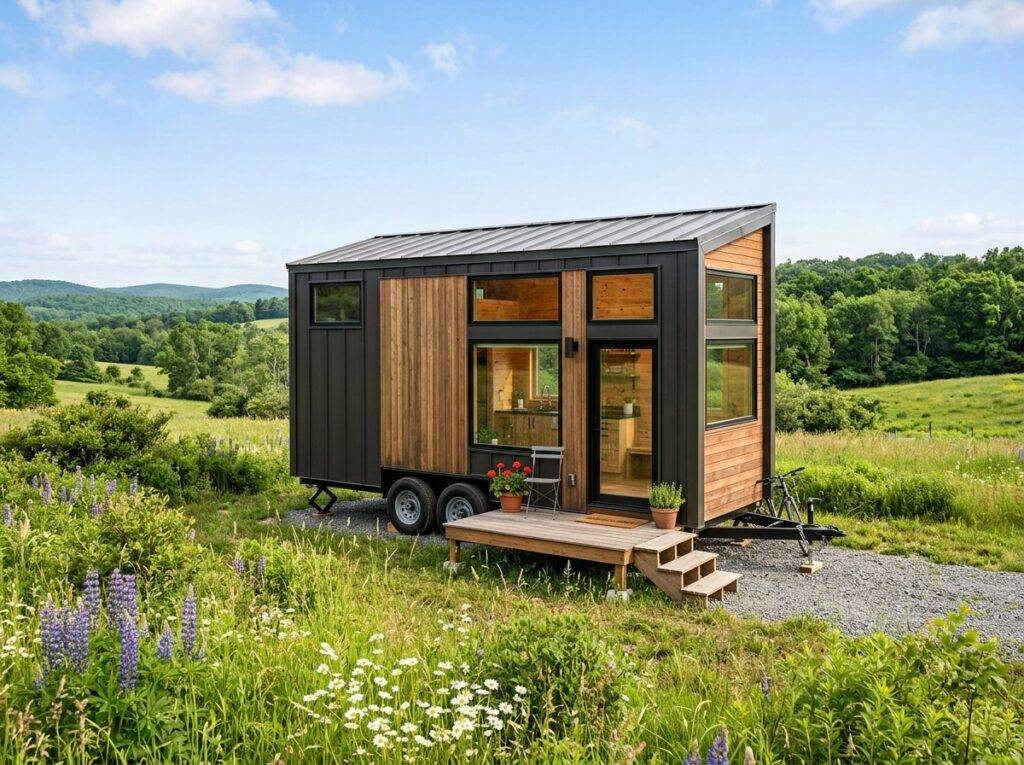
Why Tiny Home Plans Are Changing the Way People Think About Housing
Tiny home plans are more than just architectural drawings; they are blueprints for a fundamental shift in how we perceive shelter, ownership, and the environment. Typically defined as homes under 1,000 square feet—and often much smaller—these designs are engineered to pack every essential of modern living into a fraction of the space of a traditional suburban house.
In the current economic climate, the “American Dream” of a 2,500-square-foot home is becoming increasingly unattainable for many. Rising interest rates, a shortage of housing inventory, and the skyrocketing cost of building materials have pushed the average price of a new home to record highs. Consequently, tiny home plans have emerged as a viable, stylish, and sustainable alternative. They offer a path to debt-free living, a reduced carbon footprint, and a lifestyle focused on experiences rather than the accumulation of “stuff.”
The Rise of the “Missing Middle” Housing
For decades, the housing market has been bifurcated between large single-family homes and high-rise apartment complexes. This has left a massive gap in the market known as the “Missing Middle.” Tiny home plans are a direct response to this gap. By providing high-quality, smaller-scale housing options, builders can address the needs of a diverse demographic, from young professionals to retirees. This shift isn’t just about saving money; it’s about creating density in urban areas without sacrificing the privacy and autonomy of a detached dwelling.
A Quick Snapshot of the Tiny Living Revolution
To understand the scale of this shift, consider the following comparison between a standard tiny house and a traditional American single-family home:
| Feature | Tiny Home | Traditional Home |
|---|---|---|
| Typical size | 100–400 sq. ft. | 2,400+ sq. ft. |
| Average build cost | $30,000–$60,000 | $428,215 |
| Cost per sq. ft. | $150–$400 | ~$162 |
| Common styles | Loft, open-plan, cabin, A-frame | Ranch, colonial, craftsman |
| Best for | Singles, couples, downsizers | Families, long-term growth |
The Drivers Behind the Demand
More people are looking for a smarter, simpler way to live. This isn’t just a niche trend for enthusiasts; it is a response to systemic housing challenges. In states like California, new legislation regarding Accessory Dwelling Units (ADUs) has opened the floodgates for backyard tiny homes. Homeowners are now using these plans to create rental income, house aging parents, or provide a starter home for their adult children.
The appeal isn’t just financial. It’s about intentional living—owning less, spending less, and designing a space that truly fits your life. When you choose a tiny home plan, you are choosing to prioritize quality over quantity. You are opting for high-end finishes in a small space rather than builder-grade materials in a massive one. Furthermore, the environmental impact of a tiny home is significantly lower. Smaller homes require fewer materials to build and less energy to heat and cool, making them a cornerstone of the sustainable housing movement.
Whether you’re a homeowner exploring a backyard ADU, a couple looking to downsize, or a builder sourcing plans for clients, the right blueprint is where it all starts. It is the foundation of a project that balances aesthetics, functionality, and legal compliance.

Essential Resources for Your Tiny Journey
Before you pick up a hammer, you must understand the regulatory and logistical landscape. Here is a simple guide to navigating the world of tiny home plans and ADUs:
- ADU building permit: A comprehensive look at the paperwork required to get your project off the ground.
- Building an ADU: A step-by-step guide to the construction process for secondary dwellings.
- Tiny house ADU: Understanding how tiny homes fit into the broader ADU legal framework.
Blueprinting Your Future: What Defines a Tiny House?
When we talk about tiny home plans, we are usually looking at structures that prioritize efficiency over sheer volume. While a “small” house might be anything under 1,000 square feet, true tiny houses usually sit comfortably in the 100 to 400 square foot range. This is the sweet spot for what many call “micro-living,” where every square inch is curated for a specific purpose. In this realm, a hallway is seen as wasted space, and a staircase is an opportunity for a built-in closet.
Before you dive into a specific design, you need to Learn everything you need to know before building a tiny home. One of the first decisions we help our clients navigate is the choice between mobility and permanence. This choice dictates everything from the type of foundation you’ll use to the legal classification of your dwelling.
Tiny House on Wheels (THOW) vs. Foundation-Built
- Tiny House on Wheels (THOW): These are built on heavy-duty trailers and are technically classified as recreational vehicles (RVs) in many jurisdictions. They offer the ultimate freedom for those who want to take their home on the road or who live in areas where permanent small structures are restricted. However, they must adhere to strict width and height limits (usually 8.5 feet wide and 13.5 feet tall) to be legally towable on highways without special permits. The engineering of a THOW is unique; it must be able to withstand hurricane-force winds while traveling at 60 mph and constant vibration, which requires specialized framing and fastening techniques.
- Foundation-Built Tiny Homes: These are stationary structures, often serving as Accessory Dwelling Units (ADUs) in backyards across the San Francisco Bay Area or Los Angeles. They are built to local building codes (often the International Residential Code or IRC) and offer a more “permanent” residential feel. Because they aren’t limited by trailer dimensions, they can be wider and offer more creative architectural shapes. These homes are often seen as better long-term investments because they are tied to the land and appreciate in value alongside the primary residence.
The Psychology of Micro-Living
Living in a tiny home requires a psychological shift. It is not just about having less space; it is about having a different relationship with your environment. Successful tiny home plans incorporate “visual release points”—large windows, high ceilings, and open sightlines that prevent the space from feeling claustrophobic. This lifestyle is incredibly well-suited for singles, young couples starting out, or retirees looking for small-houses that are easier to maintain. It forces a boundary on consumption—you simply can’t buy things you don’t have room for. For many, that’s exactly the point: liberation from the cycle of consumerism.
Typical Size Ranges and Configurations
The dimensions of your tiny home plans are often dictated by the trailer size or the lot constraints. We generally see three main tiers that cater to different needs:
- The 18–24 ft Range (150–250 sq. ft.): This is the classic tiny house size. It’s perfect for solo dwellers or couples who are very comfortable in close quarters. It’s light enough to be towed by a standard heavy-duty truck (like an F-250 or 2500 series). These plans usually feature a sleeping loft to maximize the living area below.
- The 26–32 ft Range (250–350 sq. ft.): This size allows for a bit more “luxury,” such as a dedicated main-floor bedroom or a larger kitchen with full-sized appliances. Small families or those with large pets often find this range more manageable. It provides enough separation of space to allow one person to sleep while another works in the kitchen.
- Park Models (400+ sq. ft.): These are often 10–12 feet wide and intended for stationary living. If you are looking at 400-square-foot-adu-plans, you are entering the territory of a small “real” house that feels quite spacious compared to a micro-studio. These are popular in dedicated tiny home communities or as high-end backyard cottages.
The Economics of Small Living: Tiny House Costs vs. Traditional Homes
One of the most compelling reasons we see builders and homeowners flocking to tiny home plans is the sheer difference in capital required. According to National Association of Home Builders construction cost data, the average traditionally built home costs over $428,000 to construct. In contrast, a tiny house can often be completed for a fraction of that, allowing many owners to bypass a 30-year mortgage entirely.
However, don’t let the total price fool you into thinking the rate is lower. Tiny houses often cost more per square foot ($150–$400) than traditional homes (averaging $162 per sq. ft.). This is because you are packing all the expensive stuff—custom cabinetry, high-efficiency HVAC systems, and specialized plumbing—into a tiny footprint without the “cheap” square footage of large empty bedrooms or hallways to balance the average.
When comparing an adu-vs-tiny-house, a foundation-built ADU in San Jose or Palo Alto might have higher upfront permit and impact fees, but it can significantly increase your property value and generate substantial rental income that a THOW might not legally be able to provide in certain zones.
Breakdown of Construction Expenses
If you’re budgeting for your build, here is a typical breakdown of what we see in the industry for a mid-range tiny home:
- Floor Plans & Design: $500–$2,000. Professional blueprints are essential for safety, structural integrity, and obtaining permits. DIY sketches rarely pass muster with building departments.
- Materials: $10,000–$35,000. This includes your lumber, high-R-value insulation, roofing, and tempered glass windows (essential for THOWs to withstand wind pressure during travel).
- Labor: $5,000–$30,000. This varies wildly depending on whether you hire a full crew or just specialists for electrical and plumbing. Many DIYers save here but spend significantly more time.
- Interior Finishes: These represent about 24.1% of the total cost. In a tiny home, finishes are everything. Think high-quality quartz countertops, custom storage solutions, and durable flooring.
- Major Systems: Plumbing, electrical, and HVAC take up about 19.2% of the budget. Off-grid systems (solar, composting toilets) can add another $5,000–$10,000 to this category.
Long-Term ROI and Resale Value
While tiny houses on wheels may depreciate like a vehicle, foundation-built tiny homes (ADUs) are a different story. In high-demand markets like California, adding a tiny home to your property can increase the overall property value by 20% to 30%. Furthermore, the rental potential is immense. A well-designed 400-square-foot unit in a metropolitan area can command rents that cover a significant portion of the primary mortgage. If you are looking for small-houses-for-sale but find the prices too high, a self-build using tiny home plans can offer a 20–60% reduction in total cost, provided you have the time, tools, and skill set to manage the project.
Choosing the Right Tiny Home Plans for Your Lifestyle
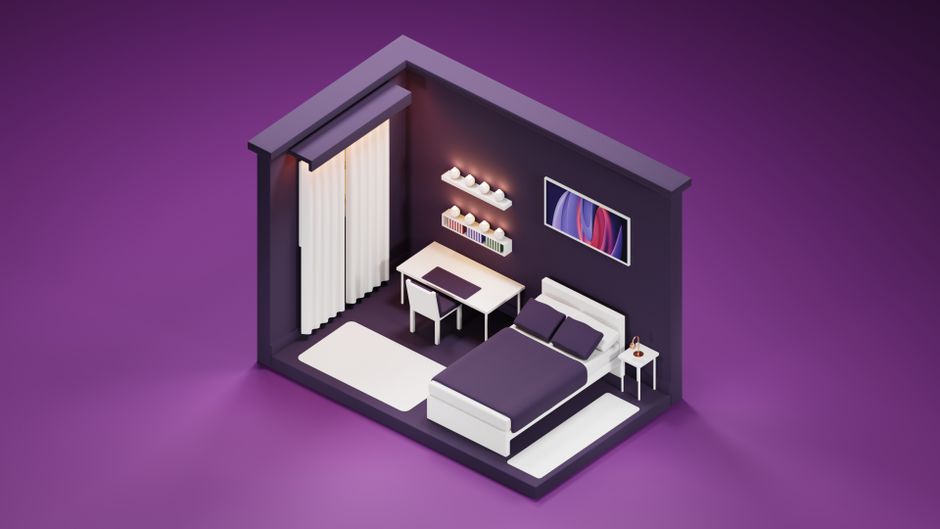
Choosing a plan isn’t just about picking a “cute” exterior or a trendy aesthetic. It’s a deep dive into how you actually move through your day. We always recommend starting with a lifestyle assessment. Do you work from home? You’ll need a dedicated nook with ergonomic seating. Do you love to cook? Don’t skimp on the counter space or the size of your sink.
In California, climate plays a huge role in design. If you’re building in the San Francisco Bay Area, you might prioritize high-performance insulation and moisture barriers to handle the fog and dampness. If you’re in the sun-drenched valleys of Southern California, you’ll want to look for architects-in-southern-california-who-design-tiny-houses who understand passive cooling, ventilation, and the importance of large overhangs to provide shade.
Customization and Climate Resilience
Modern tiny home plans are increasingly focused on resilience. This means designing for wildfires in the West, humidity in the South, and heavy snow loads in the North. For those looking to truly disconnect, many plans now come with eco-friendly-small-homes features like solar readiness, greywater recycling systems, and composting toilet layouts for off-grid living. Customizing your plan to include a “mudroom” entry or an outdoor deck can also bridge the gap between indoor and outdoor living, making the home feel much larger than its footprint suggests.
Popular Tiny Home Plans for Solo Living and Couples
Several iconic designs have set the standard for what a tiny house can be, offering a mix of aesthetics and proven functionality:
- Linden 20 Building Plans: This is a 20-foot classic that offers three distinct layouts: the Overlook, Equator, and Horizon. It uses high-quality materials like Hem Fir loft beams and is a favorite for those who want a tried-and-tested design that has been built thousands of times. It is particularly noted for its traditional aesthetic that fits well in many neighborhoods.
- The Humblebee Tiny House: If you hate the idea of eating on your lap, the Humblebee is for you. It features a dedicated dining area and one of the largest bathrooms in the tiny house world (3′ x 7′), making it feel much more like a traditional home. The layout is optimized for those who prioritize daily comfort over maximum sleeping capacity.
- Homestead 24: This 24-foot model is perfect for those who want a rustic, cabin-like feel. It includes a spacious sleeping loft and is designed to sleep up to four people if you use the living room area for a convertible sofa. It’s an ideal plan for a vacation rental or a guest house.
Where to Find Free and Premium Tiny Home Plans
You don’t always have to spend thousands on blueprints. There are excellent resources for every budget, from DIY-friendly sketches to engineer-stamped sets:
- Quartz Tiny House – Free Tiny House Plans: Ana White is a legend in the DIY community. Her Quartz plans are free and designed for absolute beginners. She even provides a SketchUp model so you can play with the design in 3D before you buy a single board.
- The Athru Tiny House Plans: This is a “no-loft” design. It uses a clever hide-away bed that slides under a raised kitchen floor. It’s the gold standard for accessibility-focused tiny living or for those who simply don’t want to climb a ladder to go to bed.
- Cozy 676 sq ft Tiny House Cottage: Plan T3049-A is a square 26’x26′ footprint. While larger than a THOW, it’s a perfect permanent cottage with a master suite and a versatile loft that can serve as an office or guest room.
Maximizing Every Inch: Storage and Space-Saving Design
In a tiny house, “dead space” is the enemy. When we look at the most successful tiny home plans, they all share one thing: verticality. If you can’t go out, you must go up! This means utilizing the space above doors, under floors, and inside walls.
We often see stairs that double as closets, with Drawer Slides with Integrated Sides built right into the risers. This allows you to store everything from shoes to seasonal gear without taking up a single inch of floor space. In the tiny house world, we call this “storage-stairs,” and they are a staple of modern design. Every riser becomes a drawer, and the space under the landing can house a hanging closet or even a combo washer-dryer unit.
The Importance of Verticality and Light
Multi-functional furniture is your best friend. Look for storage ottomans and Flip Chairs that can transform from a lounge seat into a guest bed in seconds. Loft optimization is also key—using cathedral ceilings and Pendant Light Fixtures can make a small room feel airy and expansive rather than cramped. Mirrors placed strategically opposite windows can also double the perceived light and space in a room. Additionally, using a consistent color palette throughout the home helps to blur the lines between rooms, making the entire structure feel like one continuous, larger space.
Smart Kitchen and Bathroom Solutions
The kitchen and bathroom are usually the most challenging rooms to design in a tiny footprint because they require the most infrastructure. We suggest looking into:
- Compact Appliances: A Marine Stove and Oven All-In-One is a great way to get full cooking functionality in a tiny space. These are designed for boats, so they are built to be efficient and safe in tight quarters.
- The Right Sink: A deep Kitchen Sink can double as a place to wash larger items, soak laundry, or even wash a small pet! In a tiny home, the sink often becomes a multi-purpose workstation.
- Pull-Out Pantries: These fit into narrow gaps (as small as 6 inches) between the fridge and the wall, providing massive amounts of storage for dry goods and spices.
- Wet Baths vs. Dry Baths: A wet bath (where the entire room is waterproofed and the shower is open to the toilet and sink) saves the most space, but a dry bath (with a separate shower stall) is often preferred for full-time living comfort to avoid getting the entire room wet every morning.
By focusing on these high-impact areas, tiny home plans can offer a level of luxury and convenience that rivals much larger homes, all while maintaining a footprint that is easy to clean and maintain.
Navigating the Legal Landscape: Zoning and Building Codes
This is where the dream meets reality. In California, the rules for tiny houses are evolving rapidly, but they remain complex. If you are building a tiny house under 400 square feet on a foundation, you’ll likely be looking at IRC Appendix Q. This part of the code specifically addresses the unique needs of tiny homes, such as allowing for steeper stairs, reduced ceiling heights in lofts, and specific emergency escape (egress) requirements. Understanding these nuances is the difference between a legal residence and a costly mistake.
We spend a lot of time helping firms identify places-in-southern-california-that-allow-tiny-houses. Cities like Los Angeles and San Diego have become much more friendly toward “Moveable Tiny Homes” (MTHs) as a form of ADU, allowing them to be parked in backyards as permanent residences. However, a tiny-house-san-francisco project might face different hurdles regarding lot coverage, setbacks, and historical preservation rules.
The Impact of California Senate Bills 9 and 10
Recent legislative changes have significantly altered the landscape for tiny home plans. Senate Bill 9 (SB 9) allows homeowners to split their lots and build up to two units on each, effectively allowing for four units on a single-family lot in some cases. Senate Bill 10 (SB 10) provides a streamlined process for cities to zone for up to 10 units per parcel in transit-rich areas. These laws are designed to combat the housing crisis by encouraging the construction of smaller, more affordable units like tiny homes and ADUs. Finding land-for-sale-in-southern-california-for-tiny-houses can be tricky because many rural areas still have minimum square footage requirements, but these state-wide mandates are slowly overriding local restrictions.
Building Standards and Safety Requirements
Safety should never be compromised for the sake of aesthetics. Any reputable tiny home plans should adhere to these critical standards:
- NFPA 1192: This covers the standard for recreational vehicles and is crucial for THOWs to ensure they are safe for travel and temporary living.
- NFPA 70 (National Electrical Code): This ensures your electrical system is up to code, properly grounded, and won’t be a fire hazard in a wood-framed structure.
- Smoke and CO Alarms: These are non-negotiable. In small, airtight spaces, air quality and fire safety are paramount.
- Seismic Engineering: Especially in places like San Jose and Mountain View, foundation-built tiny homes must be engineered to withstand earthquakes. This often involves specialized anchors and shear wall designs.
Working with tiny-house-builders-california or san-francisco-tiny-house-builders who understand these local nuances is the best way to ensure your project doesn’t get stalled at the permit office or, worse, red-tagged after construction.
Frequently Asked Questions about Tiny Home Plans
What is the difference between a tiny house on wheels (THOW) and a foundation-built tiny home?
A THOW is built on a trailer and is often treated like an RV for registration purposes. It offers mobility but can be harder to “park” legally for long-term living in some cities. A foundation-built tiny home is a permanent structure that must meet the same building codes as a standard house (often under the ADU umbrella). Foundation homes typically appreciate in value like traditional real estate, whereas THOWs may depreciate like vehicles.
Are tiny house plans customizable for off-grid living?
Absolutely. Most plans can be modified to include solar arrays, rainwater collection systems, and composting toilets. If you are planning to go off-grid, look for plans with simple roof lines (for solar) and dedicated space for battery storage and water tanks. You will also need to consider the weight of these systems if you are building on a trailer, as water and batteries are heavy.
Do I need an architect to stamp my tiny home plans?
It depends on your location and the type of build. In many parts of California, including San Jose and Palo Alto, you will need a structural engineer or architect’s stamp if you are building on a foundation to ensure seismic and wind load compliance. For a THOW, a stamp may not be required by the city, but it is often required by insurance companies to provide coverage for the structure.
How do I heat and cool a tiny home efficiently?
Most tiny home plans utilize a “Mini-Split” HVAC system. These are ductless, highly efficient, and provide both heating and cooling. Because the space is so small, these units can change the temperature of the entire home in minutes. Proper insulation (like spray foam) is the most important factor in maintaining a comfortable temperature and reducing energy costs.
Can I live in a tiny home with a family or pets?
Yes, but it requires careful planning. Many tiny home plans now include “gooseneck” trailers that allow for a stand-up bedroom over the truck hitch, or double-loft designs for children. For pets, built-in feeding stations and “catio” window extensions are popular modifications. The key is ensuring everyone has a small space they can call their own.
Can I get a mortgage for a tiny house?
Financing a tiny house is different than a traditional home. For foundation-built ADUs, you can often use a home equity line of credit (HELOC) or a construction loan. For THOWs, you are usually looking at personal loans or RV loans, which typically have higher interest rates and shorter terms than a standard 30-year mortgage. Some specialized lenders are beginning to offer tiny-house-specific products as the market matures.
Conclusion
At ADU Marketing Pros, we know that the tiny house movement is more than just a trend—it’s a response to a changing world. It represents a shift toward sustainability, financial independence, and a higher quality of life through intentional design. As the housing market continues to evolve, the demand for smart, efficient, and affordable living spaces will only grow. Tiny home plans provide the essential roadmap for this transition, offering a scalable solution to the housing crisis while empowering individuals to live more meaningful lives.
We specialize in helping builders and architecture firms grow by connecting them with people who are ready to make the leap into small-space living. Whether you are looking for tiny-house-builders-in-southern-california or trying to navigate the complex zoning of the Bay Area, the right tiny home plans are the foundation of your success. By focusing on smart design, legal compliance, and intentional living, we can help you blueprint a future that is sustainable, affordable, and uniquely yours. The journey to a smaller footprint starts with a single set of plans and the vision to see that less really can be more.
Ready to grow your ADU or tiny house building business? Contact ADU Marketing Pros for specialized marketing solutions that help your firm stand out in the competitive California market. Let’s build the future of housing together.