
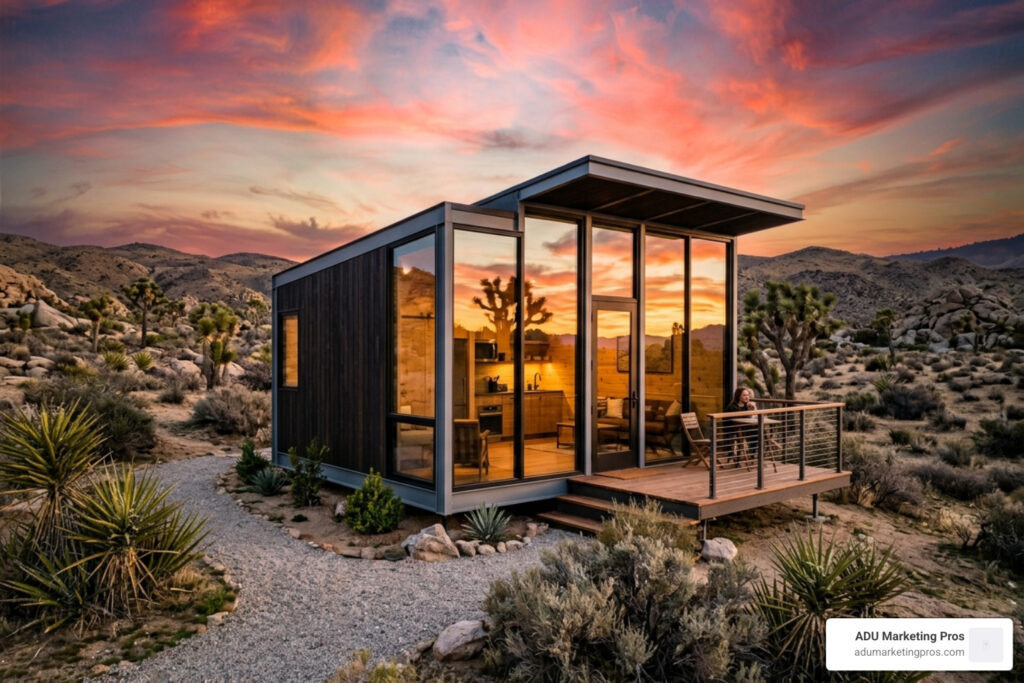
Unlocking the World of Prefab Tiny Homes
What Are Prefab Tiny Homes?
Prefab tiny homes are compact, factory-built dwellings that represent the pinnacle of modern construction efficiency. Unlike traditional homes built from the ground up on a specific plot of land, these structures are manufactured in a controlled, indoor environment. This industrialized approach allows for precision engineering, where modular sections are crafted to exact specifications before being transported to their final destination. The term “prefab” is short for prefabricated, a method that has evolved significantly from the simple mobile homes of the past into high-tech, architecturally stunning residences.
They differ from traditional tiny homes, which are usually custom-built on-site or as DIY projects by enthusiasts. While a DIY build might take years of weekend labor and face constant weather delays, prefab models offer standardized designs, faster production timelines, and more predictable costs. In the current landscape of April 2026, the appeal of these homes has reached an all-time high. They offer a fresh approach to housing that blends extreme affordability with high-end sustainability and cutting-edge modern design. By bypassing the traditional construction delays caused by labor shortages or inclement weather, these homes arrive at your site ready for quick assembly, providing a streamlined path to “big living” within a significantly smaller footprint.
The Evolution of the Tiny Movement in 2026
As we move further into 2026, the tiny home movement has transitioned from a niche lifestyle choice into a mainstream housing solution. The psychological shift toward minimalism, driven by a desire for financial freedom and a reduced environmental impact, has made prefab tiny homes the go-to choice for a diverse range of buyers. From young professionals in Silicon Valley looking for their first property to retirees in Southern California seeking to downsize without sacrificing luxury, the market is expanding rapidly. This guide will explore everything you need to know about these efficient, charming, and technologically advanced dwellings.
Prefab tiny homes word list:
The Rise of Prefab Tiny Homes: Benefits and Costs
As we navigate through the complexities of the 2026 housing market, the landscape has shifted decisively toward efficiency and modularity. The rise of prefab tiny homes isn’t just a passing trend; it’s a structural response to the urgent need for Eco Friendly Small Homes that remain accessible to the average earner. By moving the construction process into a climate-controlled factory, manufacturers can utilize mass production techniques similar to those used in the aerospace and automotive industries. This drastically reduces material waste—often by as much as 90% compared to traditional sites—and slashes labor costs by optimizing every movement of the assembly line.
The benefits are multifaceted: affordability, sustainability, and unprecedented speed. For many residents in high-cost metropolitan areas like San Francisco, San Jose, or Los Angeles, these Small Houses represent the first attainable step toward property ownership. Instead of a 30-year mortgage on a multi-million dollar fixer-upper, buyers are opting for high-quality, smaller structures that allow them to live debt-free or with minimal financial strain.
| Feature | Budget Models (Under $20,000) | Luxury Models (Over $100,000) |
|---|---|---|
| Average Size | 100 – 250 sq ft | 400 – 1,000+ sq ft |
| Amenities | Basic shell or kitchenette | Gourmet kitchens, full baths, lofts |
| Materials | Standard wood or steel kits | High-end redwood, aviation-grade alloys |
| Installation | DIY-heavy or simple drop | Professional crane & site crew |
| Energy Rating | Standard Insulation | Net-Zero Ready / Solar Integrated |
Understanding the Prefab Difference
The primary difference between a prefab unit and a traditional “stick-built” home lies in the integrity of the assembly. While a stick-built home is exposed to the elements—rain, humidity, and fluctuating temperatures—for months during construction, a prefab unit is built in a pristine, climate-controlled facility. This prevents wood rot, mold growth during the build, and warping of materials. Many modern manufacturers now use SIP (Structural Insulated Panel) technology. These panels consist of an insulating foam core sandwiched between two structural facings, providing superior thermal performance and structural strength compared to traditional 2×4 framing.
When considering an Adu Vs Tiny House, it’s important to note that “prefab” is a construction method, while “tiny home” is a size category. You can find many Small Houses For Sale that use modular construction to meet strict California building codes while maintaining that charming tiny aesthetic. This distinction is crucial for zoning and permitting, as a prefab ADU (Accessory Dwelling Unit) is often treated differently by local planning departments than a tiny house on wheels.
Investment and Financing Options
Financing has historically been a major hurdle for the tiny living movement, but 2026 has brought more flexible and creative options to the table. Companies like Boxabl have revolutionized the market with subscription-style pricing and partnerships with major lenders. For example, a standard Casita can now be owned for as little as $895 per month, while their “Baby Box” luxury rolling home starts at a mere $399 per month. These prices have made homeownership a reality for a generation that felt locked out of the market.
When planning your Prefab Adu California Cost, expect to encounter various payment structures designed to protect both the buyer and the builder. Most manufacturers require a small refundable deposit—often around $2,000—to reserve a production slot in their busy schedules. Once the order is confirmed and the design is finalized, a manufacturing down payment (typically 20%) is standard to kick off the building process. This covers the procurement of materials and the initial labor costs on the factory floor.
Top Manufacturers of Prefab Tiny Homes in 2026
The market is currently booming with specialized Tiny House Builders California residents can rely on for high-quality, durable builds. From tech-heavy modular units that look like they belong in a sci-fi movie to rustic wooden retreats that blend into the forest, there is a builder for every aesthetic and functional requirement. The competition in 2026 has driven innovation, leading to better warranties and more standard features than ever before.
- Tumbleweed: Long considered the pioneers of the movement, Tumbleweed is known for their “Certified Green” tiny homes on wheels. They offer iconic designs like the Elm and Cypress, which feature classic gabled roofs and high-quality wood siding. Their homes are built to withstand highway speeds and extreme weather, making them a top choice for nomadic dwellers.
- Boxabl: Based in Las Vegas but shipping globally, Boxabl’s folding technology allows for incredibly fast deployment. Their units can be unfolded on-site in less than a day, making them favorites for developers, backyard ADU projects, and emergency housing solutions.
- Kaldees: A great source for variety and value, Kaldees offers everything from 96 sq ft log cabin kits for the ultimate minimalist to 800 sq ft turnkey mobile homes that feel like traditional residences. Their ability to scale production has made them a leader in the budget-friendly segment.
- 21 Structures: They specialize in “lock-up” shells. This is a unique offering where they provide a weather-tight, professionally engineered exterior, providing the structural integrity of a pro build while allowing homeowners to finish the interior themselves to save on costs.
- Modinno Tiny Homes: Their ModiHAVEN Tiny Home | Smart, Sustainable Living by Modinno Tiny Homes is a masterclass in modern, tech-integrated living. It features smart glass, integrated AI home management, and space-saving furniture that transforms the living area at the touch of a button.
Popular Models and Standout Features
If you are looking for specific recommendations, several models have captured the market’s attention this year. The ModiHAVEN offers 433 square feet of highly functional space. What sets it apart is the 10.8-foot ceiling height, which allows for massive windows and a sense of vertical space that makes the unit feel much larger than its actual footprint. It includes two bedrooms, making it a viable option for small families or those who need a dedicated home office.
For those on a mid-range budget, the Incred-I-Cottage from Incred-I-Cottage – Incredible Tiny Homes is a standout at $69,900. It features a nostalgic 4-foot covered porch and a “fastener-free” panel construction for added durability and a sleek look. If you’re searching for Tiny House Builders In Southern California, you’ll find that models like the Kaldees GN-791 (400 sq ft for $32,999) offer incredible value for the San Diego and Los Angeles markets, where land is expensive but the climate is perfect for indoor-outdoor tiny living.
Luxury and Large-Scale Prefab Options
“Tiny” is a relative term in 2026. For those who want the prefab efficiency but need more elbow room, companies like Pratt Homes offer “The Barndo,” a massive 4,100 sq ft modular home that uses the same factory-built principles as its smaller cousins. However, if you want to stay true to the tiny movement while enjoying premium finishes, the Willow Tiny Home by 21 Structures (starting at $137,000) or the Athens Tiny Home (375 sq ft) are top-tier choices. These Modern Prefab Granny Flats often feature high-end redwood siding, vaulted ceilings, and custom cabinetry that rivals any luxury penthouse.
Customizing Your Prefab Tiny Homes for Off-Grid Living
One of the most exciting aspects of prefab tiny homes is their inherent adaptability for off-grid living. In 2026, the desire for energy independence has moved from the fringes of society into the mainstream. Many homeowners are now looking for Eco Friendly Small Homes that allow them to disconnect from traditional utilities, protecting them from rising energy costs and grid instability. Prefab manufacturers have responded by offering “off-grid packages” that can be installed right on the factory floor.
When working with Architects In Southern California Who Design Tiny Houses, you can specify advanced add-ons such as:
- Solar-Ready Roof Arrays: Integrated mounting systems for high-efficiency monocrystalline panels and lithium-iron-phosphate (LiFePO4) battery storage banks.
- Advanced Waste Management: Composting or high-heat incinerating toilets that eliminate the need for a traditional septic connection.
- Water Autonomy: Rainwater collection systems with multi-stage UV filtration and greywater recycling for irrigation.
- Extended Living Space: Custom-built, foldable porches and decks that extend the living space outdoors, doubling the usable area during fair weather.
High-Performance Materials and Insulation
In 2026, insulation is about more than just staying warm; it’s about achieving true energy independence. Leading Adu Modular Homes now utilize R31 rigid foam insulation in the floors, walls, and ceilings. This high R-value, combined with double-glazed or even triple-glazed tempered glass windows, ensures that your home stays cool in the intense San Jose sun and warm during chilly San Francisco nights without the need for massive HVAC systems. Materials like Angara pine, known for its density and thermal properties, and 24G metal cladding are also popular for their longevity, fire resistance, and ability to withstand the elements with minimal maintenance.
Smart Technology and Modern Amenities
Modern prefab tiny homes are often smarter and more technologically advanced than their full-sized counterparts. We are seeing a surge in Adu Modular Homes California residents love because they include integrated heat pumps, radiant heated flooring, and aviation-grade aluminum frames that are both lightweight and incredibly strong. Smart home interfaces allow you to monitor every aspect of your home—from energy production and water levels to security cameras and humidity sensors—all from your smartphone. This level of control makes tiny living more convenient and efficient than ever before, allowing homeowners to manage their resources with precision.
Logistics: Manufacturing, Delivery, and Assembly
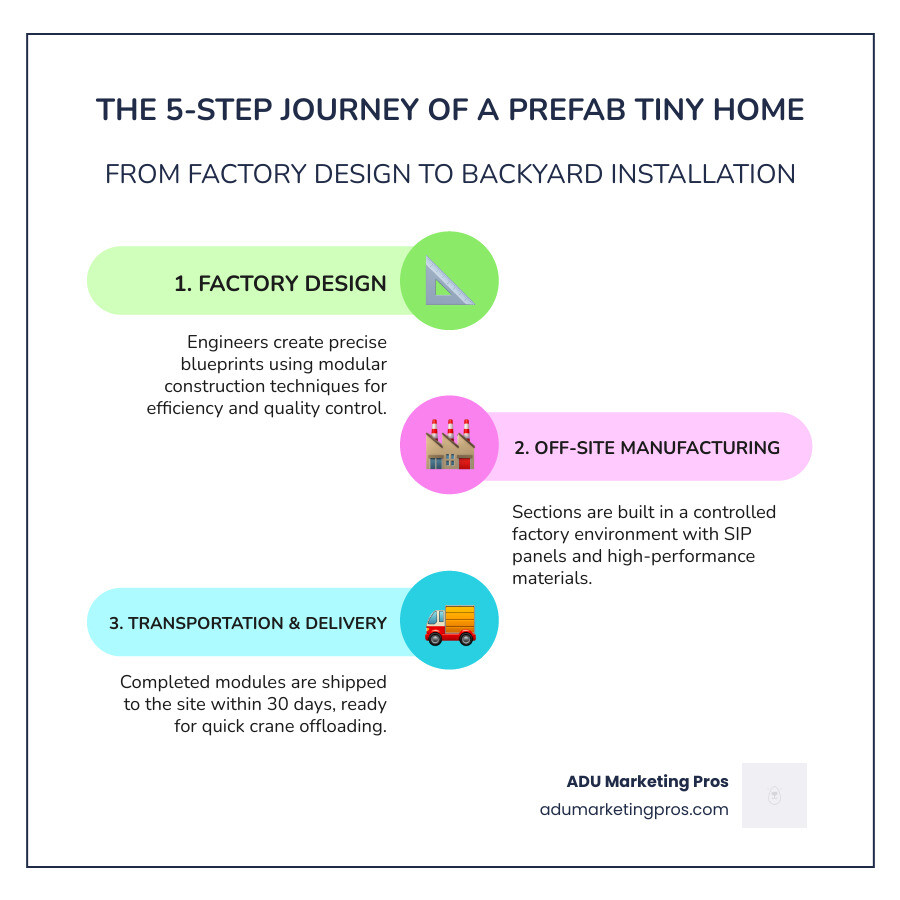
The journey of a prefab tiny home from the initial design phase in the factory to its final placement in your backyard is a marvel of modern logistics. Typically, the manufacturing process takes about 90 days, followed by approximately 30 days for shipping and site preparation. This means you could be moving into your brand-new, custom-designed home in roughly four months—a timeline that is unheard of in traditional construction, where projects often stretch into years.
Many buyers choose the “lock-up” stage for their Prefab Adu Los Angeles projects. This means the manufacturer delivers a weather-tight shell—complete with windows, doors, and roofing—and the homeowner takes over to finish the interior. This is a popular way to manage Modular Granny Flats California budgets while still benefiting from a professionally engineered and permitted structure. It allows for a level of interior customization that turnkey models might not offer, while still ensuring the “bones” of the house are of the highest quality.
Site Preparation and Installation Requirements
Before your home arrives on a flatbed truck or trailer, the site must be meticulously prepared. Most prefab tiny homes require a concrete pad foundation or a series of engineered piers. It is crucial to remember that a concrete pad needs at least 30 days to cure properly before it can support the weight of a house. Rushing this process can lead to structural issues down the line, so planning is essential.
You will also need to consider:
- Utility Connections: Plumbing, sewer, and electrical lines must be trenched and positioned exactly where the home’s hookups will be located.
- Access and Clearance: Is there enough room for a 60-foot delivery truck to maneuver? Are there low-hanging power lines or trees that need to be cleared for a crane to lift the unit into place?
- Land Requirements: If you are looking for Land For Sale In Southern California For Tiny Houses, ensure the terrain is stable and can support a level foundation without excessive grading costs.
Compliance, Zoning, and Certifications
Navigating the legalities of tiny living can be one of the most challenging parts of the process. In California, many tiny homes are classified as Accessory Dwelling Units (ADUs), which have seen significant legislative support in recent years to combat the housing crisis. It is vital to check Places In Southern California That Allow Tiny Houses to ensure your specific lot is zoned correctly and that you meet all setback and size requirements.
For homes on wheels, look for ANSI/NFPA or RVIA certifications, which prove the home meets safety standards for road travel and temporary habitation. For permanent structures, like a Tiny House San Francisco build, the unit must comply with the California Residential Code (CRC). Fortunately, many top-tier prefab manufacturers now build their units to meet or exceed these standards automatically, providing all the necessary documentation for local building inspectors.
Frequently Asked Questions about Prefab Tiny Homes
How long does it take to get a prefab tiny home delivered?
On average, the entire process from signing the contract to delivery takes about 4 months. This includes 90 days for the precision manufacturing process and 30 days for shipping and final site logistics. However, some larger companies maintain an inventory of “ready-to-ship” models. If you aren’t looking for a custom build and choose one of these stock units, you could potentially have a home delivered in as little as 30 days, provided your site is already prepared.
Do prefab tiny homes come with kitchens and bathrooms?
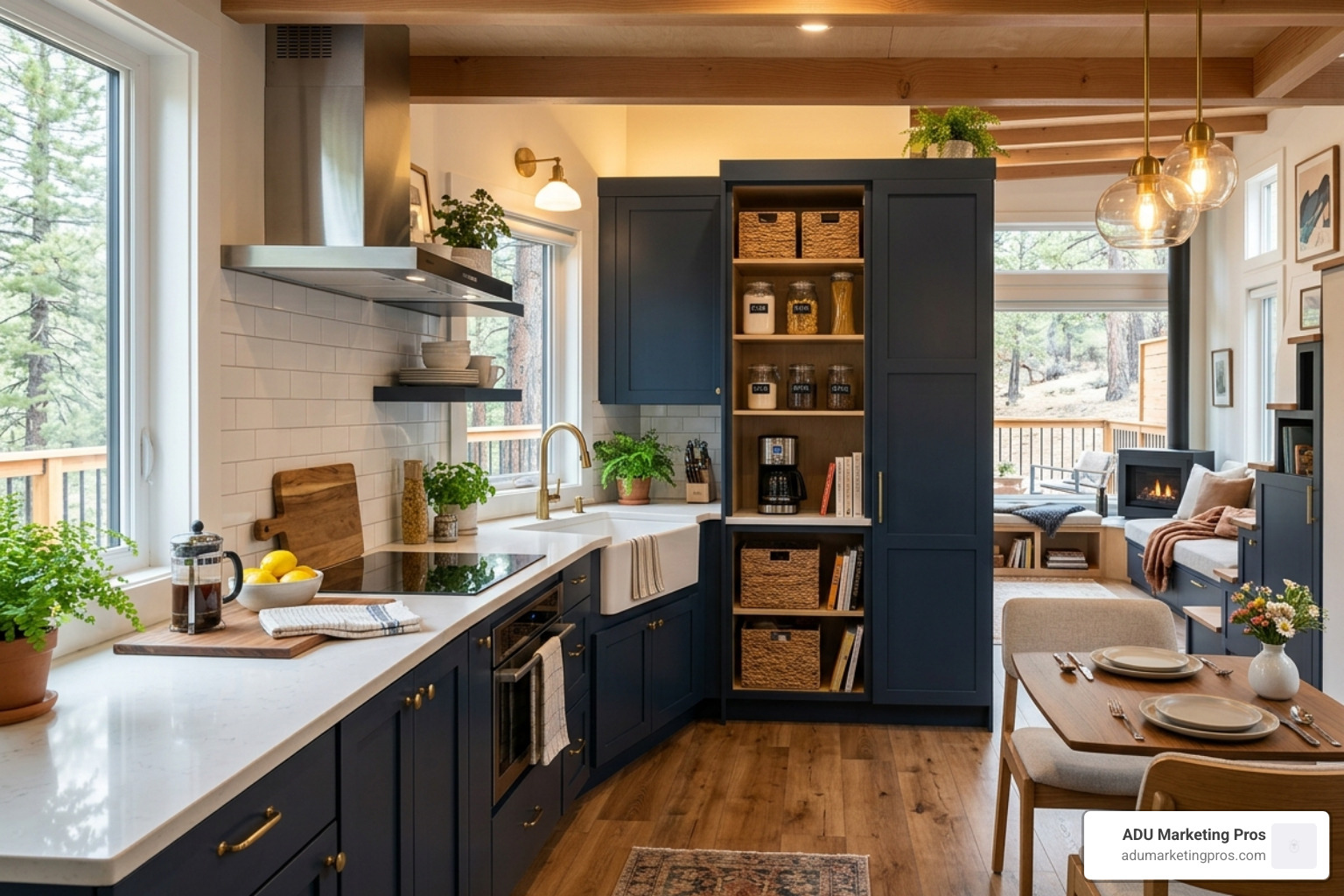
Most “turnkey” models come fully equipped with high-end, gourmet kitchens and full-sized bathrooms. These include cabinetry, countertops, sinks, and often appliances like induction cooktops and convection ovens. If you opt for a “lock-up” shell or a DIY kit, you will receive the structural frame and exterior finish, but you will need to hire licensed contractors to handle the interior plumbing, electrical finishing, and cabinetry installation.
Can I live in a prefab tiny home year-round in cold climates?
Absolutely! Modern prefab units are specifically designed for 4-season capability. With high-performance R31 insulation, integrated heat pumps, and roofs rated for up to 200 psf (pounds per square foot) snow load, these homes are built to handle extreme weather better than many older traditional homes. Some models even offer specialized anti-freeze systems for external plumbing and heated basement enclosures to ensure year-round comfort in even the harshest environments.
What is the resale value of a prefab tiny home?
In 2026, the resale market for prefab tiny homes is quite robust. Because they are built to high standards by recognizable brands, they tend to hold their value much better than DIY builds. Units that are placed on permanent foundations and classified as ADUs often increase the overall property value significantly, providing a strong return on investment if you decide to sell your primary residence.
Conclusion
At ADU Marketing Pros, we understand that the world of prefab tiny homes is moving at an incredible pace. Whether you are a homeowner looking for a peaceful backyard retreat, a family seeking to house an aging relative in comfort, or a construction firm looking to scale your operations, the opportunities in 2026 are truly endless. Based in San Jose, CA, we specialize in helping architecture and construction firms navigate this highly competitive market with specialized digital marketing solutions that connect builders with the right buyers.
The future of housing is undeniably small, efficient, and prefab. By embracing these innovative construction methods, we can create a more sustainable and affordable world for everyone. If you are looking to connect with the Tiny House Builders California trusts, or if you are a builder looking to grow your brand and reach a wider audience, we are here to help you succeed. Explore more about Tiny House Builders In California and start your journey toward a more intentional, sustainable way of living today. The tiny revolution is here, and it’s time to make a big impact.