
The Backyard Revolution That’s Changing How Families Care for Each Other
As the “Silver Tsunami” approaches, the American family is facing a housing crisis of unprecedented proportions. According to the U.S. Census Bureau, adults aged 65 and older will outnumber children for the first time in history by 2034. This demographic shift is placing immense pressure on the “Sandwich Generation”—those adults who find themselves squeezed between the demands of raising their own children and the increasing needs of their aging parents. The traditional options—expensive assisted living facilities that can drain a lifetime of savings or isolated aging at home which leads to loneliness—are no longer sufficient. Enter the granny pod: a backyard revolution that prioritizes dignity, proximity, and financial intelligence.
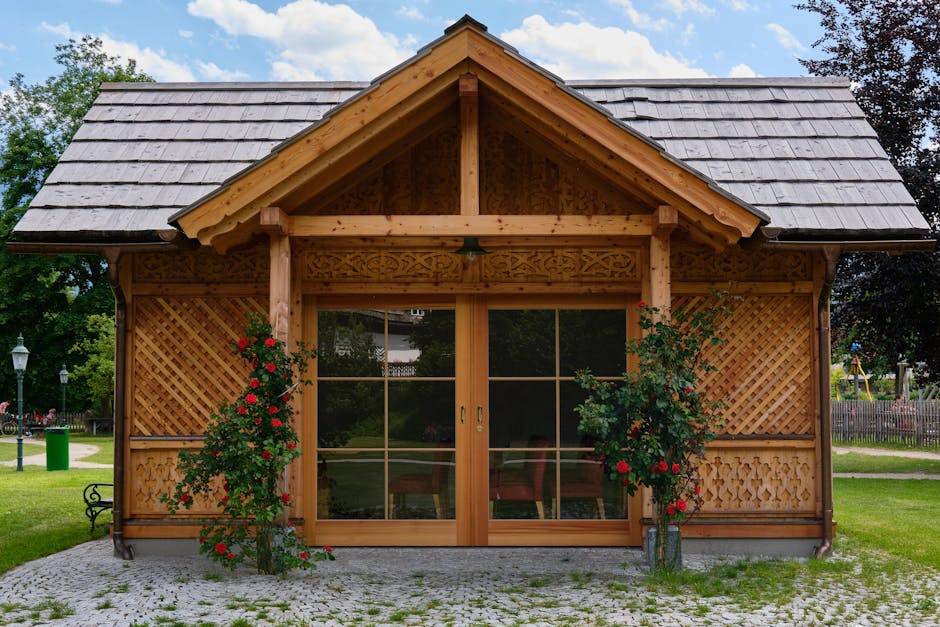
Granny pods are small, standalone homes placed in a backyard—designed specifically to house an aging parent or loved one close to family, without giving up anyone’s privacy or independence. These structures represent a shift back toward multi-generational living, a practice that was the norm for centuries before the post-WWII suburban boom prioritized the nuclear family unit. By bringing parents back to the family lot, homeowners are finding they can provide better care while actually increasing their property’s long-term value.
Here’s a quick breakdown of what you need to know:
| Question | Quick Answer |
|---|---|
| What are granny pods? | Detached backyard homes (300–800 sq ft) built for elderly relatives |
| Are they legal? | Yes, in most areas — check local zoning laws |
| How much do they cost? | Typically $100,000–$250,000 to build and install |
| How do they compare to assisted living? | Assisted living costs $5,190/month in 2025 — a granny pod often pays for itself in under 2 years |
| How long does installation take? | 4–9 months for prefab; 6–12 months for custom builds |
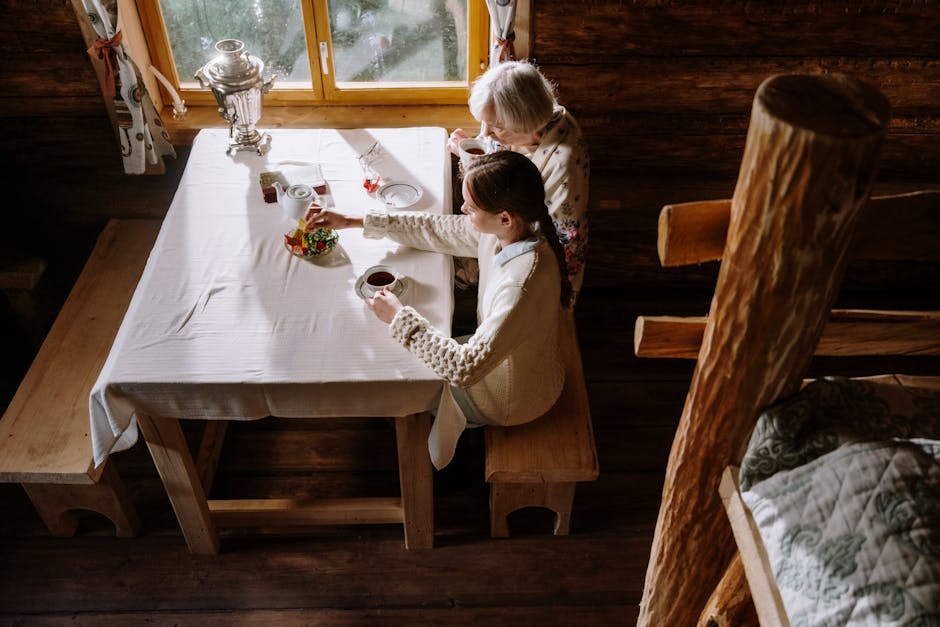
Consider the story of Denise Martin, a 65-year-old grandmother who moved into a 400-square-foot “miniature home” in her daughter’s backyard. She’s been there over a year—saving money, staying close to her grandchildren, and maintaining her independence. Experts are calling this an American economic necessity, not just a lifestyle choice. For Denise, the move wasn’t just about saving money; it was about the emotional security of knowing her family was only thirty feet away, while still having her own front door to lock at night.
It’s easy to see why. The median cost of assisted living has climbed to $5,190 per month in 2025. Skilled nursing care runs even higher—between $8,669 and $9,733 per month. Meanwhile, a well-built granny pod can be installed for a fraction of that long-term cost, while keeping families together. Beyond the financial metrics, the psychological benefits of reducing isolation for seniors are immeasurable. Studies consistently show that seniors who maintain regular social contact with family members experience lower rates of cognitive decline and depression.
This guide covers everything—costs, designs, legal requirements, top manufacturers, and state-specific rules—so you can decide if a granny pod is the right move for your family.

Relevant articles related to granny pods:
What Are Granny Pods and How Do They Differ from ADUs?
When we talk about housing for our aging loved ones, the terminology can get a bit crowded. You might hear terms like “accessory dwelling unit,” “in-law suite,” or “MEDCottage” thrown around. While they often refer to the same physical structure, the intent and design of granny pods set them apart from standard secondary dwellings.
Defining the Modern Granny Pod
At its core, a granny pod is a standalone, detached dwelling located on the same lot as a primary residence. Unlike a standard guest house, these units are specifically engineered for senior living. They typically range from 300 to 800 square feet and are designed with high-tech medical capabilities and safety features that allow for “aging in place.”
The term “MEDCottage” was actually trademarked by a company in Virginia that pioneered the concept of a mobile, medically-equipped backyard suite. These units were designed to be temporary, often leased for the duration of a parent’s care and then removed. However, the market has evolved toward permanent structures that serve as long-term assets for the property.
Some of these units are even portable. Companies like WheelPad offer accessible units that can be leased or purchased and placed temporarily, while others are permanent fixtures designed to increase property value. Understanding the ADU vs Tiny House distinction is vital here: while a tiny house might be on wheels and technically a vehicle (RV), a granny pod is usually a permitted, code-compliant small house on a permanent foundation, meeting all local building codes for residential occupancy.
Granny Pods vs. Traditional Granny Flats
While the terms are often used interchangeably, there is a subtle difference in “flavor.” A “granny flat” might simply be a converted garage or a basement apartment. These are often referred to as Junior ADUs (JADUs) if they are contained within the existing footprint of the primary home. A granny pod, however, is almost always a detached structure, providing a physical buffer between the two households.
The “pod” aspect often refers to the specialized medical monitoring systems integrated into the build. These can include “smart” floors that detect falls, specialized ventilation systems that filter out allergens and pathogens, and even lighted floorboards to guide residents at night. When exploring granny flat designs, families today are looking for more than just a bedroom; they are looking for a multi-generational ADU that balances medical necessity with the comforts of home. This includes open floor plans that allow for easy navigation with mobility aids and kitchens with lowered countertops for wheelchair accessibility.
The Financial Case for Granny Pods vs. Assisted Living
For many of us in the San Francisco Bay Area or San Diego, the sticker shock of senior care is a major driver behind the backyard housing boom. When we look at the numbers, the investment in a granny pod isn’t just a housing choice; it’s a strategic financial move that protects family wealth.
| Care Option | Estimated Monthly Cost (2025) | Annual Cost | 5-Year Total |
|---|---|---|---|
| Granny Pod (Maintenance/Utils) | $200 – $500 | $2,400 – $6,000 | $12,000 – $30,000* |
| Assisted Living | $5,190 | $62,280 | $311,400 |
| Nursing Home (Private Room) | $9,733 | $116,796 | $583,980 |
*Does not include initial construction cost.
According to data from A Place for Mom, the median cost of assisted living is rising faster than inflation. In high-cost areas like San Jose, Palo Alto, or Santa Monica, these figures can be significantly higher, often exceeding $8,000 per month for basic care. Over a five-year period, a family could easily spend over $400,000 on assisted living—money that is essentially “rent” and provides no equity.
Breaking Down the Initial Investment
The ADU construction cost for a quality granny pod typically falls between $100,000 and $250,000. This range covers everything from basic prefab kits to high-end, custom-built units with medical-grade features.
- Prefab Kits: $25,000 – $75,000 (structure only, requires assembly).
- Turnkey Prefab: $150,000 – $220,000 (includes foundation, delivery, and hookups).
- Site Preparation & Utilities: $15,000 – $50,000 (trenching for sewer, water, and power).
- Permits & Fees: $2,000 – $15,000 depending on the city (e.g., Sunnyvale vs. Menlo Park).
While $200,000 sounds like a lot upfront, compare it to the $560,000 a luxury retirement home can cost for just the first five years. A granny pod often hits its “break-even” point in less than two years when compared to institutional care. Furthermore, financing is becoming more accessible. Many homeowners use a Home Equity Line of Credit (HELOC) or a cash-out refinance to fund the build, essentially trading equity in their primary home for a new, income-producing or cost-saving asset.
Long-Term Savings and Property Value
The financial benefits extend beyond avoiding monthly rent. Having a parent in the backyard can save a family over $11,000 per year in childcare costs if they help with the grandkids. Conversely, helping an aging parent ourselves can save roughly $93,000 per year in professional caregiving fees.
Furthermore, a well-designed ADU provides a strong ADU return on investment. Real estate experts estimate that these units add 20% to 30% of their construction cost to the overall property value. In California, thanks to Prop 13 and recent legislation, the addition of an ADU only triggers a “blended assessment,” meaning your primary home’s tax base remains the same, and only the new construction is assessed at current market value. For those looking to fund the project, there are several ADU financing options available, including specialized construction loans that consider the future value of the property with the ADU included.
Designing for Senior Safety and Accessibility
A granny pod is only successful if it is actually safe for a senior to live in. This is where “Universal Design” comes into play—creating a space that works for everyone, regardless of their age or ability. The goal is to create an environment that doesn’t feel like a hospital, but functions with the same level of safety. According to the National Institute on Aging, social isolation is a major health risk for seniors, and a well-designed pod facilitates interaction while ensuring physical safety.
Essential Safety Features for Granny Pods
When we help clients plan an ADU for aging parents, we prioritize features that prevent the #1 risk for seniors: falls.
- Zero-Step Entries: No stairs at the front door or in the shower. A “curbless” shower is not only safer but also provides a modern, high-end aesthetic.
- Wider Doorways: A minimum of 36 inches to accommodate wheelchairs or walkers. This also makes moving furniture much easier.
- Lever-Style Handles: Much easier for those with arthritis or limited grip strength than traditional round knobs.
- Soft Flooring: Materials like cork, luxury vinyl plank (LVP) with thick underlayment, or specialized linoleum provide cushion in case of a tumble and are easier on the joints than tile or hardwood.
- Rounded Countertops: Minimizing sharp edges in the kitchen and bathroom to prevent bruising or injury during a stumble.
- Reinforced Walls: Even if grab bars aren’t needed today, installing “blocking” (extra wood support) behind the drywall in the bathroom allows for easy installation of bars later without tearing out the tile.
These accessory dwelling unit design principles ensure the home remains functional as the resident’s needs change over time, preventing the need for costly future renovations. We also recommend high-contrast colors to help those with declining vision distinguish between different surfaces.
Smart Technology and Medical Monitoring
Modern granny pods are often “smarter” than the main house. We are seeing incredible ADU design innovations that provide peace of mind for the family without being intrusive:
- Fall Detection: Sensors that use AI or radar to alert the main house if a sudden impact is detected, without the need for the senior to wear a pendant.
- Remote Health Monitoring: Integrated systems that can track vitals like heart rate or blood pressure and send data directly to doctors or family members.
- Voice-Controlled Everything: Lighting, temperature, and even blinds can be controlled via Alexa or Google Home, which is essential for those with limited mobility or vision impairment.
- Smart Locks & Video Doorbells: Allowing family members to monitor who is coming and going (like physical therapists or grocery delivery) and ensure the unit is secure.
- Circadian Lighting: Systems that adjust the color temperature of lights throughout the day to help regulate sleep-wake cycles, which is particularly beneficial for seniors with dementia or insomnia. This technology mimics natural sunlight, helping to reduce the “sundowning” effect often seen in patients with cognitive decline.
Navigating Legal Requirements and California Regulations
In the past, building a second home in your backyard was a bureaucratic nightmare involving public hearings and neighbor approval. However, recent legislative changes have made California one of the most ADU-friendly states in the country, effectively ending single-family zoning in many areas.
Understanding Zoning and Permits
In cities like San Jose, San Francisco, and Los Angeles, state laws (such as AB 68, SB 13, and the more recent SB 897) now require local governments to use a “ministerial” approval process. This means if your granny pod meets the objective ADU building requirements, the city must approve it—usually within 60 days. They cannot deny your permit based on subjective criteria like “it doesn’t fit the neighborhood character.”
Key rules to keep in mind:
- Size: Most granny pods are limited to 800–1,200 square feet. State law allows for at least 800 sq ft regardless of local lot coverage limits.
- Setbacks: You typically only need 4-foot side and rear yard setbacks, allowing you to maximize your backyard space.
- Parking: In many cases, if you are within a half-mile of public transit (which includes most of the Bay Area and LA), you don’t need to provide additional parking for the ADU.
- Height: Recent laws have increased the allowable height for detached ADUs to 16–18 feet, making it easier to build over a garage or have vaulted ceilings.
State-Specific Laws: California, Oregon, and New York
While our focus is on the California market—specifically Los Angeles, San Diego, and the Bay Area—it’s helpful to see how California ADU regulations compare to other progressive states.
- California: Leads the way with state-mandated approval, fee waivers for units under 750 sq ft, and the ability to build both an ADU and a JADU on the same lot.
- Oregon: House Bill 2001 requires cities over 10,000 people to allow ADUs, with many counties allowing up to 900 square feet and removing owner-occupancy requirements.
- New York: While more restrictive, cities are beginning to embrace ADUs to combat the housing crisis. Builders here must contend with deep frost lines (3–4 feet) for utility connections, which can increase foundation costs compared to California’s milder climate.
If you are looking for a faster route, a prefab granny flat in California is often the best path, as many manufacturers have pre-approved plans with local building departments that fly through the permitting process.
The Installation Process: From Prefab Kits to Move-In
Once you’ve decided to pull the trigger, you have a choice: build from scratch (stick-built) or go with a prefabricated model. Each has its pros and cons, but for granny pods, prefab is increasingly the gold standard due to speed and cost predictability.
Top Manufacturers of Prefab Granny Pod Kits
Several companies have mastered the art of the “plug-and-play” home, focusing specifically on the needs of seniors.
- Pacific Modern Homes, Inc. (PMHI): Offers panelized kits ranging from 600 to 1,200 sq ft. Their “Transitional Home Environment” (T.H.E.) designs are specifically for seniors, featuring open layouts and accessible bathrooms.
- Amish Built Cabins: Known for the “El Poco Loco” series, offering high-quality craftsmanship starting around $70,000. These are often more rustic but incredibly durable.
- WheelPad: Specializes in accessible, often temporary, modular attachments that can be connected to the main house via a ramped hallway. This is ideal for immediate medical needs.
- FabCab: Focuses on modern, eco-friendly designs with high-end finishes and “Universal Design” built into every model.
Choosing modern prefab granny flats can shave months off your timeline. While a custom build might take 12 months, a prefab unit is built in a factory while your site is being prepared, often allowing for move-in within 4 to 9 months.
Utility Connections and Site Preparation
Don’t let the “pod” name fool you; these units need real infrastructure. This is often the most complex part of the project.
- Foundation: Most permanent granny pods require a concrete slab or pier foundation. In California, seismic anchoring is a critical part of this step.
- Sewer/Septic: The unit must connect to the main house’s sewer line. In some cases, a lift pump may be required if the backyard is lower than the street or the main sewer line.
- Electricity: A new sub-panel is usually installed to handle the ADU’s load. If your main house has an older 100-amp service, you may need to upgrade to 200-amp service to accommodate the pod.
- Water: A trench is dug to connect the pod to the primary water service. California’s Title 24 standards also require high-efficiency fixtures and, in many cases, solar panels on the ADU roof.
Working with experts in modular granny flats in California ensures these connections meet all energy standards and local safety codes, preventing delays during the final inspection.
Frequently Asked Questions about Granny Pods
Are granny pods legal in my area?
In California, state law has largely overridden local bans. If you live in Los Angeles, San Diego, or the Bay Area, you likely have a legal right to build one. However, Homeowners Associations (HOAs) can still enforce stylistic criteria (like matching the roof color or siding material), even if they cannot outright ban the unit. Always check your CC&Rs before signing a contract.
How much do granny pods cost to maintain?
Maintenance is similar to a small apartment. Expect $100–$200 a month for utilities, though this can be lower if the unit has solar panels. One thing to watch out for is “appliance obsolescence”—modern appliances in these units typically have a 10-year lifespan. Because these units are small, the HVAC systems (often mini-splits) are very efficient but require regular filter cleanings.
Can a granny pod be customized?
Absolutely. While kits come with standard floor plans, they can be modified with “medical extras” like ceiling tracks for patient lifts, specialized lighting for those with vision loss, or custom kitchen heights for wheelchair users. The goal is to make the space feel like a home, not a hospital room. Many families add a small porch or deck to provide the senior with a private outdoor space.
Does a granny pod increase property taxes?
Yes, but only for the value of the new structure. In California, the addition of an ADU triggers a “supplemental assessment.” Generally, you can expect your property taxes to increase by roughly 1% to 1.1% of the cost of the construction. For a $200,000 pod, that’s about $2,000 per year. This is a small price to pay compared to the $60,000+ annual cost of assisted living.
How do I insure a granny pod?
Most homeowners can add the granny pod to their existing homeowners insurance policy as “Other Structures” coverage. However, because these units often contain expensive medical equipment or are used as primary residences, you should notify your agent to ensure the coverage limits are high enough. If you plan to rent it out later, you may need a landlord policy.
What happens to the pod when it’s no longer needed for a senior?
This is one of the best parts of the investment. Once the senior no longer needs the unit, it can be used as a home office, a guest suite for visiting relatives, or a rental unit. In many California markets, a 1-bedroom ADU can rent for $2,500 to $3,500 per month, providing a significant source of retirement income for the homeowners. This flexibility makes the granny pod a multi-generational asset that serves the family through various stages of life.
Conclusion
The rise of granny pods represents a fundamental shift in how we view aging and family. It’s a “backyard revolution” that prioritizes dignity, proximity, and financial intelligence. By choosing to build, you aren’t just adding a building to your lot; you are creating intergenerational wealth and ensuring your loved ones can age with grace in a familiar, loving environment.
At ADU Marketing Pros, we see how these projects transform lives every day. Based in San Jose, we specialize in helping the firms that build these incredible homes reach the families who need them most. We believe in expertise over price, and we know that in the competitive California market, quality matters. The decision to bring a parent home is a deeply personal one, but with the current legislative and technological landscape, it has never been more feasible.
Whether you are in Sunnyvale, Mountain View, or San Francisco, there has never been a better time to explore this option. The combination of high institutional care costs and favorable ADU laws makes the granny pod the smartest real estate move of the decade. If you’re ready to take the next step, start your project with a modern prefab granny flat and bring your family closer together today. Your parents—and your bank account—will thank you.