
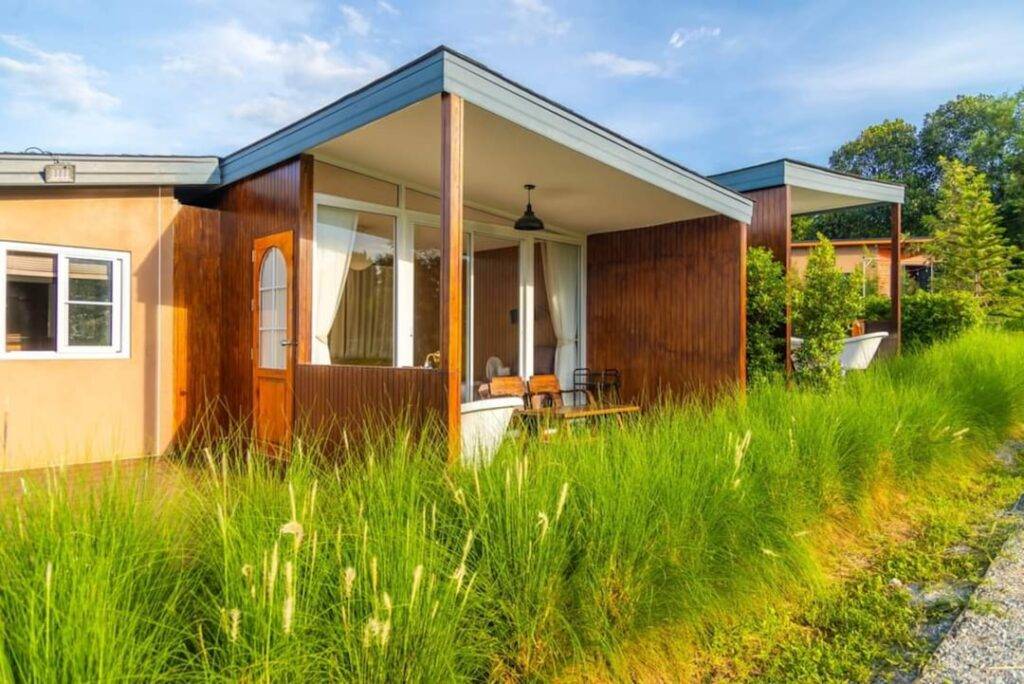
The Fastest Way to Find a Prefab Granny Flat for Sale in 2026
If you’re looking at a prefab granny flat for sale, here’s the short answer:
Quick-pick guide by budget and need:
| Budget | Best Option | Starting Price |
|---|---|---|
| Under $75,000 | Panelized kit (DIY assembly) | $25,000–$75,000 |
| $75,000–$130,000 | Portable or expandable flat | $65,000–$129,000 |
| $130,000–$250,000 | Fully modular granny pod | $100,000–$250,000 |
What you need to know upfront:
- Base kit prices do not include shipping, foundation, permits, or utility hookups
- Average size is 800–1,000 sq ft for most prefab granny flats
- Setup time ranges from 1–3 days (expandable units) to a few weeks (panelized kits)
- Some models ship to all 50 U.S. states
Deciding to house an aging parent or adult child nearby is rarely simple. The options — assisted living, home sharing, or full renovation — all come with real tradeoffs. Assisted living alone costs a median of $5,190 per month in 2025, with skilled nursing care running as high as $9,733 per month. That adds up fast.
Prefab granny flats offer a different path. They’re factory-built, delivered to your property, and designed to give everyone their own space — without the cost or timeline of traditional construction.
This guide rounds up the best prefab granny flat models available in 2026, breaks down real costs, and walks you through what to look for before you buy.
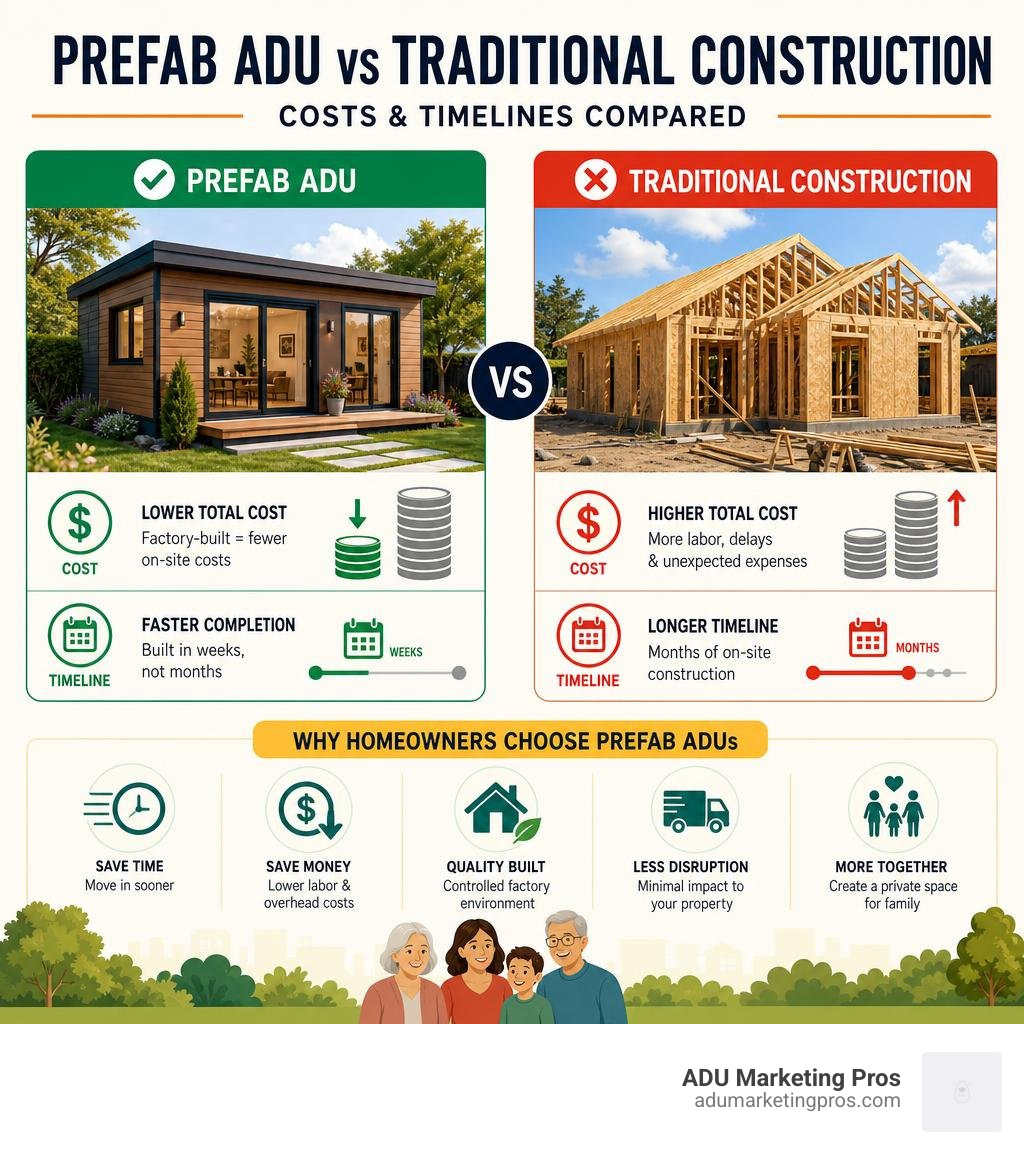
Essential prefab granny flat for sale terms:
What is a Prefab Granny Flat and Why Buy One?
At its core, a prefab granny flat—scientifically known as an Accessory Dwelling Unit (ADU)—is a self-contained living space built off-site in a controlled factory environment. Unlike traditional “stick-built” construction, which turns your backyard into a noisy, muddy, months-long construction zone, prefab homes are built with industrial precision, shipped to your property, and assembled or unfolded in a matter of days.
If you live in high-cost, high-density areas like Los Angeles, San Diego, San Jose, or across the San Francisco Bay Area (including Sunnyvale, Palo Alto, Mountain View, and Menlo Park), the advantages of prefab construction are massive. The traditional building sector in these regions is plagued by severe labor shortages, skyrocketing material costs, and complex local permitting processes that can drag a standard backyard build out for a year or more. Prefabrication bypasses many of these local bottlenecks by shifting the primary construction phase to specialized off-site facilities.
Factory-Built Precision vs. Traditional Chaos
When a contractor builds an ADU from scratch in your backyard, they are at the mercy of weather, subcontractor delays, material shortages, and local labor rates. Rain can ruin exposed framing, subcontractors might fail to show up on schedule, and neighbors will inevitably complain about the constant noise, dust, and parked work trucks blocking the street. In contrast, prefab manufacturing takes place indoors. This means:
- Consistent Quality: Materials are kept dry, preventing mold and warping. Framing is completed using computerized machinery to exact tolerances, ensuring perfectly straight walls and tight seals.
- Minimized On-Site Disruption: Instead of having hammering, sawing, and heavy trucks on your lawn for six months, the bulk of the work is done elsewhere. The actual install on your property often takes just a few days, preserving your peace of mind and your relationship with your neighbors.
- Predictable Timelines: Factory schedules are highly structured and run like assembly lines. This predictability means you won’t suffer from the classic “contractor went missing for three weeks” syndrome, allowing you to plan your family’s transition with confidence.
Modular Homes vs. Panelized Kits
When shopping for a prefab granny flat for sale, you will generally choose between two main types of prefabrication, each offering distinct advantages depending on your property’s layout and your personal involvement:
- Modular Homes: These are fully built three-dimensional volumes (or modules) completed at the factory, including interior finishes, kitchens, bathrooms, flooring, and electrical wiring. They are delivered on oversized flatbed trucks and craned directly onto your prepared foundation. This is the fastest path to completion but requires clear overhead clearance and street access for heavy machinery.
- Panelized Kits: These kits consist of pre-engineered, flat-packed wall panels and roof trusses. They are shipped to your site and assembled on your foundation. This option offers more design flexibility and easier access for tight backyards where a massive crane cannot reach. It is highly favored by owner-builders or those working with local general contractors.
For homeowners who want the ultimate flexibility, there are also relocatable structures. To understand how these temporary or semi-permanent units can bypass some of the rigid permanent housing codes, check out our guide on Relocatable Granny Flats for Sale.

Top Prefab Granny Flat for Sale Models in 2026
The market for prefabricated ADUs has exploded, offering everything from ultra-modern minimalist pods to expansive multi-bedroom family homes. Below, we review three of the most innovative prefab models available in 2026, representing different construction styles, price points, and functional layouts.
The 12M Portable 3-Bedroom Prefab Granny Flat for Sale
For families needing maximum space without a permanent, heavy footprint, the 12M Portable Granny Flat with 3 Bedroom with a terrace | Micro Homes Direct is a marvel of spatial engineering.
- Key Specs: This model features a unique foldable design. When transported, it folds down to a compact width of 2.2 meters (approx. 7.2 feet) for easy shipping. Once unfolded on-site, it expands to a generous 72 square meters (approx. 775 square feet) of living space.
- Layout & Features: It boasts a complete 3-bedroom, 1-bathroom layout, along with a built-in kitchen cabinet set, sink, and integrated terrace. The exterior walls are constructed from fire-resistant EPS panels, and the windows are double-glazed for heat and sound insulation.
- The Verdict: This is an outstanding option for homeowners in spacious suburban lots in areas like San Diego or Los Angeles who want a rapid, large-scale housing solution. It comes pre-wired and plumbed, ready for immediate utility connection by licensed local trades.
Premium Expandable Prefab Granny Flat for Sale Kits
If you love the idea of customizing your layout online and watching your home unfold like origami, the Expandable Granny Flat Kit – Configure Your Prefab Granny Flat Online is a highly versatile option.
- Sizing Options: Available in 20ft (36 sqm / ~387 sq ft), 30ft (57 sqm / ~613 sq ft), and 40ft (80+ sqm / ~860+ sq ft) models.
- Design & Customization: You can configure your exterior shell style online, choosing from options like a classic Gable Roof, a sleek Flat Roof, panoramic glass walls, or integrated verandahs.
- Speed of Assembly: The flagship expandable cabin series can literally be unfolded on-site in as little as 2 hours once placed on its foundation. Because the smaller models stay under the 60-square-meter threshold, they easily comply with local secondary dwelling size limits across many jurisdictions.
The Model E ADU and Guest Cottage
For those looking for a premium, structurally resilient, and environmentally conscious backyard home, the Model E ADU – Guest Cottage & Granny Flat | Mesocore represents the gold standard in modern prefab engineering.
- Key Specs: Offering 420 square feet of highly optimized living space (23′ x 18′), the Model E is built around a welded structural steel chassis designed to withstand extreme weather events, making it incredibly durable and seismic-resilient.
- Off-Grid and Green Features: The Model E is off-grid capable by design. The base price includes an advanced 6kW solar package (14 high-efficiency panels, a lithium battery bank, and an inverter) alongside a massive integrated 1,700-gallon rainwater harvesting and storage system.
- Premium Quality: This is not a cheap temporary cabin. It features commercial-grade HVAC systems, high-performance insulation, hurricane-rated doors/windows, and luxury interior finishes. It is perfect for eco-conscious homeowners in Palo Alto, Menlo Park, or Mountain View looking to minimize their carbon footprint while maximizing luxury.
How Much Does a Prefab Granny Flat Cost?
When looking at a prefab granny flat for sale, it is easy to get excited by low base-kit prices. However, buying a prefab home is a multi-step financial process. To plan an accurate budget, you must understand the difference between the “factory price” and the final “turnkey cost.” The factory price only covers the physical structure itself, while the turnkey cost includes everything required to make the home fully livable on your specific plot of land.
To help you visualize these differences, we have mapped out the typical cost components for different prefab tiers below:
| Cost Component | Panelized Kit (600–1,200 sq ft) | Portable/Expandable Flat | Premium Modular ADU (e.g., Model E) |
|---|---|---|---|
| Base Factory Price | $25,000 – $75,000 | $65,500 – $95,000 | $99,000 – $129,000 |
| Shipping & Logistics | $3,000 – $8,000 | $5,000 – $12,000 | $8,000 – $15,000+ |
| Site Prep & Foundation | $10,000 – $25,000 | $8,000 – $15,000 | $12,000 – $30,000 |
| Assembly & Installation | $15,000 – $40,000 | $2,000 – $8,000 | $5,000 – $15,000 |
| Permits & Utility Hookups | $10,000 – $25,000 | $8,000 – $20,000 | $10,000 – $25,000 |
| Estimated Turnkey Total | $63,000 – $173,000 | $88,500 – $150,000 | $134,000 – $214,000+ |
Breaking Down the Hidden Costs
- Shipping and Heavy Logistics: Prefab modules are oversized loads. Shipping them to tight residential areas in the San Francisco Bay Area or Los Angeles often requires specialized transport permits, pilot vehicle escorts, and a 50-ton to 100-ton crane to lift the unit over your main house and into the backyard. If your street has low-hanging power lines or mature trees, logistics costs can quickly escalate.
- Site Preparation and Foundation: Before your granny flat arrives, your backyard must be cleared, graded, and fitted with a foundation. Prefab homes can sit on poured concrete slabs, engineered helical piers, or self-supported joisted floor systems. Soil quality, slope, and drainage patterns will dictate which foundation type is required by your local building department.
- Local Permitting and Utility Connections: You must run water, sewer, gas, and electrical lines from your main house to the new ADU. In cities like San Diego or San Jose, municipal permit fees, school district impact fees, and utility connection charges can add thousands to your final bill. Trenching through established landscaping or concrete patios to lay these utility lines is a major labor cost that must be factored into your initial budget.
For a deeper dive into budgeting, read our detailed Granny Flat Price Guide: From Kits to Custom Builds or check out our breakdown on How Much is a Prefab Granny Flat
Designing for Aging-in-Place and Multigenerational Living
One of the primary reasons families search for a prefab granny flat for sale is to provide a safe, dignified, and independent living space for aging parents. This concept, often called “aging-in-place,” requires specific design considerations to ensure long-term comfort, mobility, and safety. By planning ahead, you can avoid the need for costly retrofits down the road as physical needs change.
Compared to the staggering costs of assisted living facilities—which average over $62,000 a year—investing in a custom-tailored backyard granny pod is a highly cost-effective and emotionally rewarding alternative. It allows grandparents to remain active participants in daily family life, close to grandchildren, while still maintaining their own private sanctuary and personal routine.

The Transitional Home Environment (T.H.E.)
When selecting a prefab model for an elderly family member, look for designs built around the Transitional Home Environment (T.H.E.) framework. This design philosophy focuses on accessibility and safety features that blend seamlessly into a modern, beautiful aesthetic, ensuring the home feels like a luxury cottage rather than a clinical facility:
- Step-Less Entries: Eliminating thresholds and steps at entryways prevents tripping hazards and allows easy wheelchair or walker access. Low-profile transitions between different flooring materials inside the home are equally critical.
- Wider Hallways and Doorways: Hallways should be at least 36 to 48 inches wide, and doors should have a minimum clear width of 32 inches to accommodate walkers and wheelchairs. Lever-style door handles should replace traditional round knobs for easier gripping.
- Universal Bathrooms: Look for roll-in curbless showers, built-in bench seating, robust grab bars integrated into stylish towel racks, and raised toilets. Handheld showerheads and thermostatic mixing valves prevent accidental scalding.
- Padded and Slip-Resistant Flooring: Specialized padded underlayment beneath slip-resistant luxury vinyl plank (LVP) flooring provides joint comfort and crucial fall protection. Avoid high-pile carpets or highly polished tiles that can cause slips or impede wheels.
- Smart Safety Technology: High-tech granny pods can be customized with lighted floorboards, automated medication alerts, emergency call buttons, and integrated smart sensors to monitor vital signs or detect falls without compromising privacy. Smart thermostats and voice-controlled lighting also empower residents with limited mobility.
If you are planning an accessible build, Pacific Modern Homes, Inc. (PMHI) offers several panelized kits ranging from 600 to 1,200 square feet specifically designed with these step-less entries and accessible floor plans in mind. Explore their layouts directly via the Granny Flat Panelized ADU Kits 600 to 1200 sq ft | PMHI page.
Legal, Zoning, and Energy Efficiency Considerations
Before you sign a contract for a prefab granny flat for sale, you must navigate the local legal landscape and decide on your energy goals. Understanding the regulatory framework in your specific municipality is the single most important step to avoiding costly project delays or fines.
California ADU Laws and Zoning
Fortunately for homeowners in Los Angeles, San Diego, and the San Francisco Bay Area, California has some of the most progressive ADU laws in the nation. State mandates have severely restricted local municipalities from banning granny flats, making it easier than ever to obtain building permits.
In cities like San Jose, Sunnyvale, Palo Alto, Mountain View, and Menlo Park:
- You are generally allowed to build at least one detached ADU on any single-family residential lot, regardless of local zoning minimum lot sizes.
- Local homeowners associations (HOAs) cannot arbitrarily block the construction of a permitted ADU, as state law overrides restrictive covenants that seek to ban secondary units.
- Many cities offer streamlined, pre-approved master plans to fast-track the permitting process, reducing review times from months to just a few weeks.
- Owner-occupancy requirements have been suspended for many ADUs, allowing you to rent out both the primary home and the granny flat for maximum passive income.
However, you still must comply with basic setback requirements (usually 4 feet from rear and side property lines), maximum height limits, and lot coverage ratios. For a detailed breakdown of state-specific rules, read our guides on Prefab Granny Flat California and Modular Granny Flats California.
Energy Efficiency and Off-Grid Capability
Modern prefab granny flats are incredibly energy-efficient. Because they are built in factories with tight quality control, they have superior air sealing and insulation compared to traditional stick-built homes.
- Massive Energy Savings: Highly insulated prefab ADUs consume a fraction of the energy of older homes, saving homeowners up to 60% on heating and cooling costs. This is achieved through advanced thermal bridging prevention, high-R-value wall insulation, and energy-recovery ventilators (ERVs).
- Title 24 Compliance: In California, all newly constructed ADUs must meet strict Title 24 energy standards, which often require solar panels. Buying a prefab unit with an integrated solar package (like the Model E’s 6kW system) makes compliance simple and avoids the hassle of hiring a separate solar contractor.
- Off-Grid Resilience: Integrating solar panels, battery backups, and rainwater harvesting allows your granny flat to operate independently during grid outages, heatwaves, or public safety power shutoffs. This resilience is particularly valuable in fire-prone areas of California where power shutoffs are common.
Frequently Asked Questions about Prefab Granny Flats
What is the average size of a prefab granny flat?
Looking at nationwide and local market trends, the average size of a prefab granny flat ranges between 800 and 1,000 square feet. Smaller units (400 to 600 sq ft) typically feature a 1-bedroom, 1-bathroom layout, while larger models (up to 1,200 sq ft) can comfortably accommodate 2 to 3 bedrooms and multiple bathrooms.
How long does it take to deliver and set up a prefab granny flat?
The timeline varies depending on the style of prefab you choose:
- Expandable & Portable Units: These can be unfolded and placed under roof in as little as 1 to 3 days once the foundation is ready.
- Panelized Kits: Typically take 1 to 2 weeks to frame and get under roof on-site.
- Factory Lead Times: Across the industry, expect the factory manufacturing process to take 2 to 4 months from the time permits are approved.
Are prefab granny flats energy-efficient?
Yes! Prefabricated homes are built to incredibly tight tolerances. Because they are insulated under controlled factory conditions, they eliminate the drafty gaps common in traditional homes. On average, a modern prefab granny flat will save you about 60% on heating and cooling costs compared to a traditional stick-frame ADU.
Conclusion
Finding a prefab granny flat for sale in 2026 is one of the smartest ways to solve your family’s housing needs. Whether you want to bring Grandma closer to home, create a private space for adult children, or generate passive rental income, prefab construction delivers speed, cost-predictability, and exceptional quality.
At ADU Marketing Pros, we specialize in helping ADU construction and architecture firms stand out in this rapidly growing market. Based in San Jose, California, we leverage data-driven SEO, targeted PPC, and high-impact social media strategies to connect top-tier builders with eager homeowners in Los Angeles, San Diego, and across the San Francisco Bay Area.
If you are a homeowner looking to take the next step on your ADU journey, Explore modern prefab granny flats to find the perfect layout, design, and local builder for your backyard project today!