
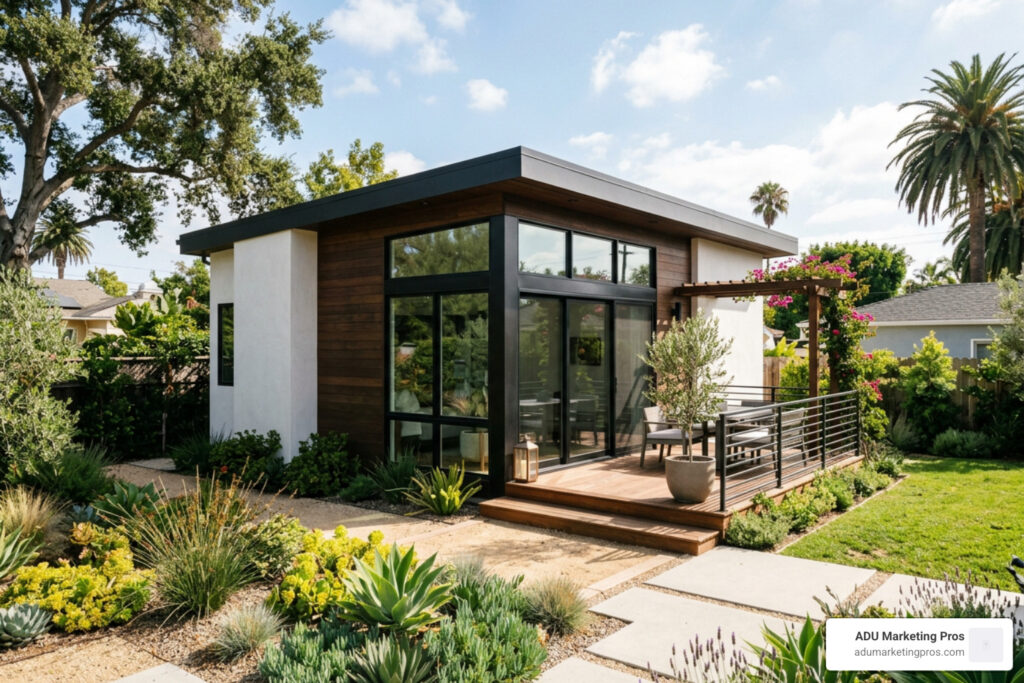
Why Hiring the Right Los Angeles ADU Experts Can Make or Break Your Project
Los Angeles ADU experts are specialized professionals — designers, builders, and permit consultants — who manage accessory dwelling unit projects from start to finish in one of the most complex building environments in the country.
If you’re looking to hire one quickly, here are the key things to know:
- What they do: Handle design, permitting, zoning compliance, and construction of ADUs on LA properties
- Why specialized matters: LA has unique overlay zones, coastal rules, hillside restrictions, and LAMC codes that general contractors often miss
- Typical project timeline: 8 to 14 months from initial site visit to move-in
- Average cost range: $150,000 to $400,000 depending on ADU type, size, and site conditions
- Rental income potential: $1,500 to $3,500+ per month depending on neighborhood
- Where to find vetted pros: Houzz lists over 1,499 ADU professionals serving the Los Angeles area
Los Angeles is in the middle of a housing crisis. And homeowners are responding — not by moving, but by building.
Accessory dwelling units have gone from a niche workaround to one of the most popular home investments in Southern California. The reasons are straightforward: rising property values, passive rental income, multigenerational living needs, and a wave of state legislation that has made it significantly easier to get an ADU approved and built.
But “easier” is relative. Los Angeles still has its own local ordinances layered on top of state law. Hillside areas, coastal zones, historic preservation overlay zones (HPOZs), and very high fire hazard severity zones all add complexity. A general contractor unfamiliar with these rules can cost you months — or worse, a rejected permit.
That’s why who you hire matters as much as what you build.
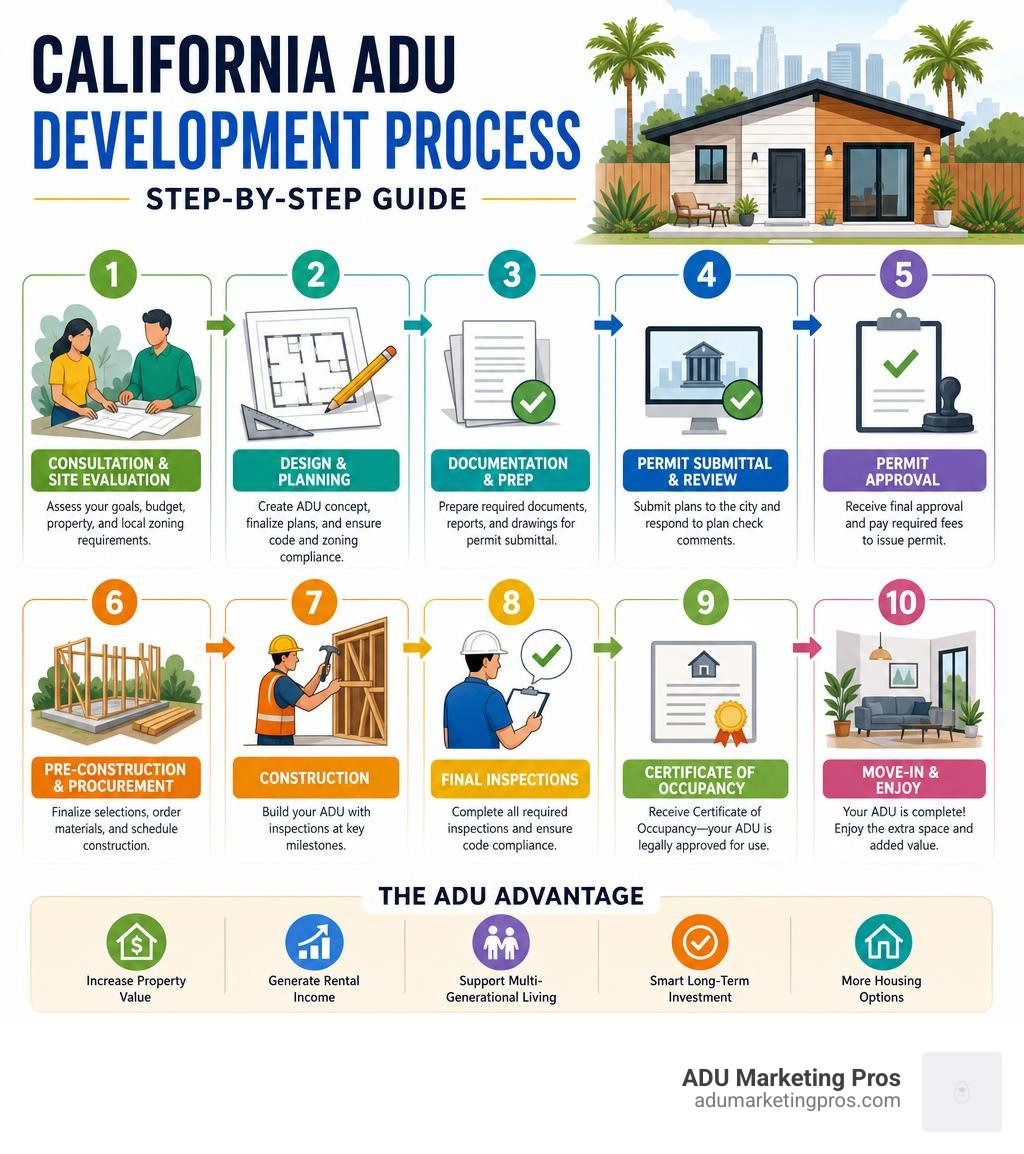
Los angeles adu experts definitions:
Why You Need Specialized Los Angeles ADU Experts
Building a secondary home in your backyard is not like remodeling a kitchen or adding a simple patio. It is a ground-up development project packed into a highly restricted space. While general contractors are great for standard home renovations, they often lack the specialized regulatory and structural knowledge required to execute a backyard home successfully.
When you hire dedicated los angeles adu experts, you are partnering with a team that eats, sleeps, and breathes accessory dwelling units. They understand that every square inch of your lot is subject to municipal oversight, and they have developed proprietary systems to streamline the entire process.
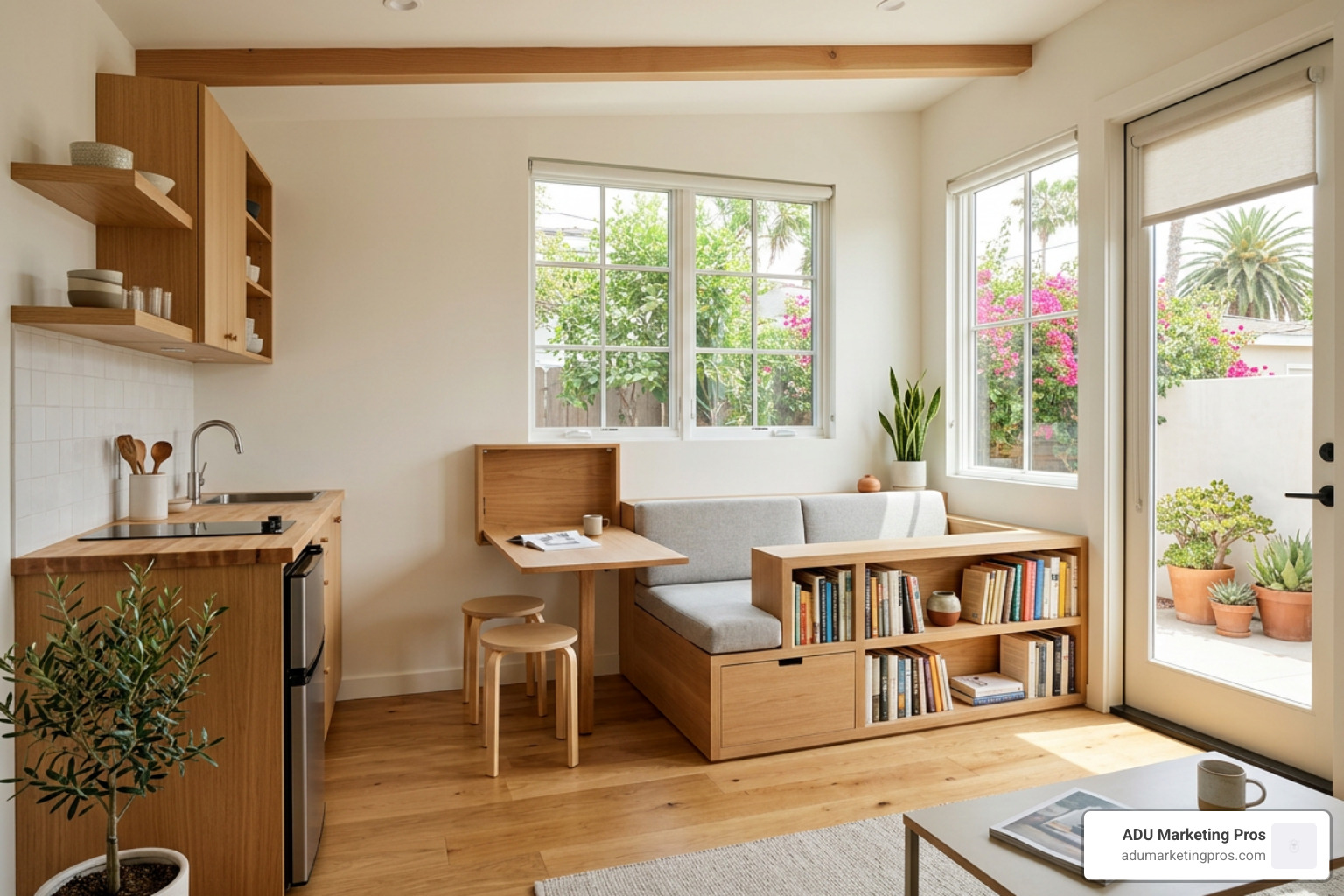
How Los Angeles ADU Experts Navigate Local Zoning Laws
The zoning landscape of Los Angeles is a dizzying web of state mandates, municipal codes, and neighborhood-specific overlay districts. In California, state laws like Senate Bill 9 (SB 9) and Senate Bill 13 (SB 13) have dramatically expanded homeowners’ rights to build ADUs. However, local jurisdictions still maintain authority over specific design standards, and navigating Los Angeles ADU Regulations requires precise expertise.
For instance, the Los Angeles Municipal Code (LAMC) governs how setbacks, lot coverage, and floor area ratios (FAR) apply to your property. But the complexity increases when your lot falls within a specialized district:
- Historic Preservation Overlay Zones (HPOZs): If your home is in an HPOZ district (like Hancock Park, Angelino Heights, or West Adams), your ADU design must conform to strict architectural guidelines to match the historic character of the primary residence.
- Hillside Properties: Building on a slope triggers stringent baseline hillside ordinances. Specialized structural engineering, grading permits, and soil reports are mandatory.
- Coastal Zones: Properties in Venice, Pacific Palisades, or San Pedro fall under the jurisdiction of the California Coastal Commission. This often requires a Coastal Development Permit (CDP), which can add months of review to your schedule.
By working with specialized builders who understand these nuances, you can avoid the 70% of plan check rejections that typically stem from site and zoning limitations.
What to Look For When Interviewing Los Angeles ADU Experts
With 1,499 ADU professionals listed on Houzz serving the Greater Los Angeles area, narrowing down your options can feel overwhelming. To find the right fit, look for these key indicators of expertise:
- Specialized Credentials: Look for builders who hold the ADU Specialist designation from Earth Advantage. This indicates they have completed robust training specifically focused on site eligibility, development costs, and return on investment.
- A Proven Track Record: Ask how many ADUs they have successfully completed within the City of Los Angeles. A builder with over 100 completed local projects will navigate the Los Angeles Department of Building and Safety (LADBS) much faster than a builder who primarily works in other counties.
- End-to-End Service Model: Choose a firm that offers comprehensive design-build services. This ensures that the team drafting your plans is the same team executing the build, eliminating the finger-pointing that often happens between independent architects and general contractors.
When evaluating potential partners, you can explore specialized listings like From Concept to Completion: The Best ADU Builders in Los Angeles or check out local full-service options like the Go ADU Construction Services team, who manage everything from initial feasibility assessments to turnkey delivery. Additionally, reviewing a firm’s portfolio of completed work on trusted platforms will give you a clear picture of their design sensibilities and construction quality.
Understanding ADU Types, Rules, and Costs in Los Angeles
Before diving into design, it is essential to understand what type of backyard home is best suited for your property, budget, and long-term goals. Under California law, homeowners have several distinct options, each with its own set of structural requirements, cost profiles, and construction timelines.
The primary types of ADUs you can build in Los Angeles include:
- Detached ADU: A completely separate, ground-up structure built in your backyard. This offers the highest level of privacy and design flexibility.
- Attached ADU: An addition built onto the side or back of your primary residence, sharing at least one common wall.
- Garage Conversion: Transforming an existing detached or attached garage into a fully livable apartment. This is often the fastest and most cost-effective path.
- Junior ADU (JADU): A unit of no more than 500 square feet created entirely within the existing footprint of the primary home (such as a spare bedroom or attached garage). JADUs must include an efficiency kitchen and can share sanitation facilities with the main house.
For a comprehensive breakdown of how these units function, refer to our Los Angeles ADU Complete Guide. To help you visualize the differences, we have compiled a comparison table below:
| ADU Type | Typical Size Range (Sq. Ft.) | Average Construction Cost | Average Timeline | Best Suited For |
|---|---|---|---|---|
| Detached ADU | 400 – 1,200 | $150,000 – $400,000 | 10 – 14 Months | Long-term rentals, independent guest houses, multi-generational living |
| Attached ADU | 400 – 1,000 | $130,000 – $320,000 | 9 – 12 Months | Extended family, home offices, pool houses |
| Garage Conversion | 300 – 500 | $80,000 – $180,000 | 6 – 9 Months | Budget-conscious homeowners, rental income |
| Junior ADU (JADU) | Up to 500 | $60,000 – $120,000 | 4 – 7 Months | Caregivers, single renters, home studios |
Size, Height, Setback, and Parking Regulations
To secure permit approval, your design must strictly comply with local and state development standards. While the City of Los Angeles has its own local ordinance, state laws act as a safety net, ensuring that local rules cannot make building an ADU virtually impossible.
Here are the key dimensional and spatial rules you must follow:
- Size Limits: A detached ADU in Los Angeles can be built up to 1,200 square feet regardless of the size of your primary home. An attached ADU is limited to 50% of the square footage of your primary dwelling, though state law guarantees you can build at least an 800-square-foot unit regardless of this limit.
- Setbacks: Rear and side yard setbacks have been capped at a maximum of 4 feet under state law. This allows you to maximize your backyard footprint. Even better, if you are converting an existing garage built directly on the property line, no setback modifications are required.
- Height Restrictions: Single-story detached ADUs are generally allowed up to 16 feet. However, under updated guidelines, you can build up to 18 feet (or even two stories in certain transit-rich areas) depending on your proximity to public transportation and your property’s zoning.
- Parking Requirements: One of the biggest hurdles of the past has been eliminated. Under the Los Angeles ADU Parking Requirements Guide, you do not need to provide a replacement parking space if you convert your garage. Furthermore, no parking is required for the ADU itself if your property is located within one-half mile of a public transit stop—a criteria that applies to nearly 95% of residential lots in Los Angeles.
For detailed design specifications and to explore pre-engineered layouts built specifically for Southern California lots, you can review the CALI ADU Los Angeles Guide.
Cost Breakdown and Financing Options
The cost of building an ADU in Los Angeles is influenced by site conditions, utility connections, design complexity, and material choices. While a simple garage conversion might cost between $80,000 and $180,000, a custom, two-story detached backyard home can easily exceed $350,000.
To budget accurately, you must look beyond raw construction costs. A typical budget breakdown includes:
- Feasibility & Architectural Design: 8% to 12% of total budget
- Structural Engineering & Title 24 Energy Compliance: $2,000 – $5,000
- City Permitting & School Impact Fees: $5,000 – $15,000 (Note: ADUs under 750 square feet are exempt from municipal impact fees, saving homeowners thousands of dollars)
- Site Prep & Utility Trenching: $10,000 – $25,000 (running separate electrical, plumbing, and gas lines from the main house)
- Vertical Construction & Finishes: $150 – $350+ per square foot
For a deeper look at budgeting, check out our comprehensive guide on Los Angeles ADU Cost.
When it comes to paying for your build, you do not have to rely solely on liquid cash. Homeowners have access to several specialized financing vehicles, detailed in our Los Angeles ADU Financing Guide. The most common options include:
- Home Equity Line of Credit (HELOC): A flexible, revolving line of credit secured by your home’s equity. This is ideal for funding construction phases as they occur.
- Cash-Out Refinancing: Replacing your existing mortgage with a new, larger loan and taking the difference in cash.
- Construction-to-Permanent Loans: A specialized loan that covers the cost of construction and then converts into a traditional mortgage once the certificate of occupancy is issued.
- Home Equity Investments (HEIs): Getting cash in exchange for a share of your home’s future appreciation, which requires no monthly payments during the construction phase.
- State Grants: Keep an eye out for renewed funding from the California Housing Finance Agency (CalHFA), which has historically offered up to $40,000 in non-repayable grants to qualified homeowners for pre-development costs.
Navigating the Permitting and Construction Timeline
Building an ADU is a journey of patience. From the day you sign your design contract to the day you turn the key in the front door, you can expect the process to take anywhere from 8 to 14 months. This timeline is split into two distinct phases: securing city approvals (permitting) and physical construction.
Understanding this workflow is critical to keeping your expectations aligned and avoiding costly delays. To start off on the right foot, make sure you work with a designer who can produce comprehensive plans. You can learn more about this in our Los Angeles ADU Plans Complete Guide.
The 60-Day Ministerial Review and Plan Check
Under California state law, local jurisdictions are required to approve or deny a compliant ADU permit application within 60 days of submission. This is known as a ministerial review, meaning the city cannot subject your project to subjective design reviews or public hearings. If your plans meet the building codes, they must be approved.
However, the “60-day clock” only runs when your application is complete and error-free. In reality, the plan check process at LADBS often involves multiple rounds of corrections:
- First Submission: Your architect submits structural, architectural, electrical, and plumbing plans to the city.
- Plan Check Corrections: Within 30 to 45 days, a city plan checker will return the plans with a list of required corrections (ranging from minor drafting errors to structural recalculations).
- Resubmission: Your design team addresses the corrections and resubmits the updated plans.
- Permit Issuance: Once all corrections are cleared and fees are paid, your permits are issued.
To speed up this process, many homeowners utilize the LADBS Standard Plan Program, which features pre-approved building designs that have already cleared structural reviews. This can cut your plan check timeline in half. For a complete breakdown of your legal protections during this phase, consult our guide on Los Angeles ADU Law.
Construction Phases and Avoiding Common Mistakes
Once permits are in hand, physical construction can begin. A standard detached ADU build follows a predictable sequence of milestones:
- Phase 1: Site Prep & Excavation (Weeks 1-2): Clearing backyard trees, grading the soil, and digging trenches for utility hookups.
- Phase 2: Foundation (Weeks 3-5): Laying underground plumbing lines, installing steel rebar, and pouring the concrete slab.
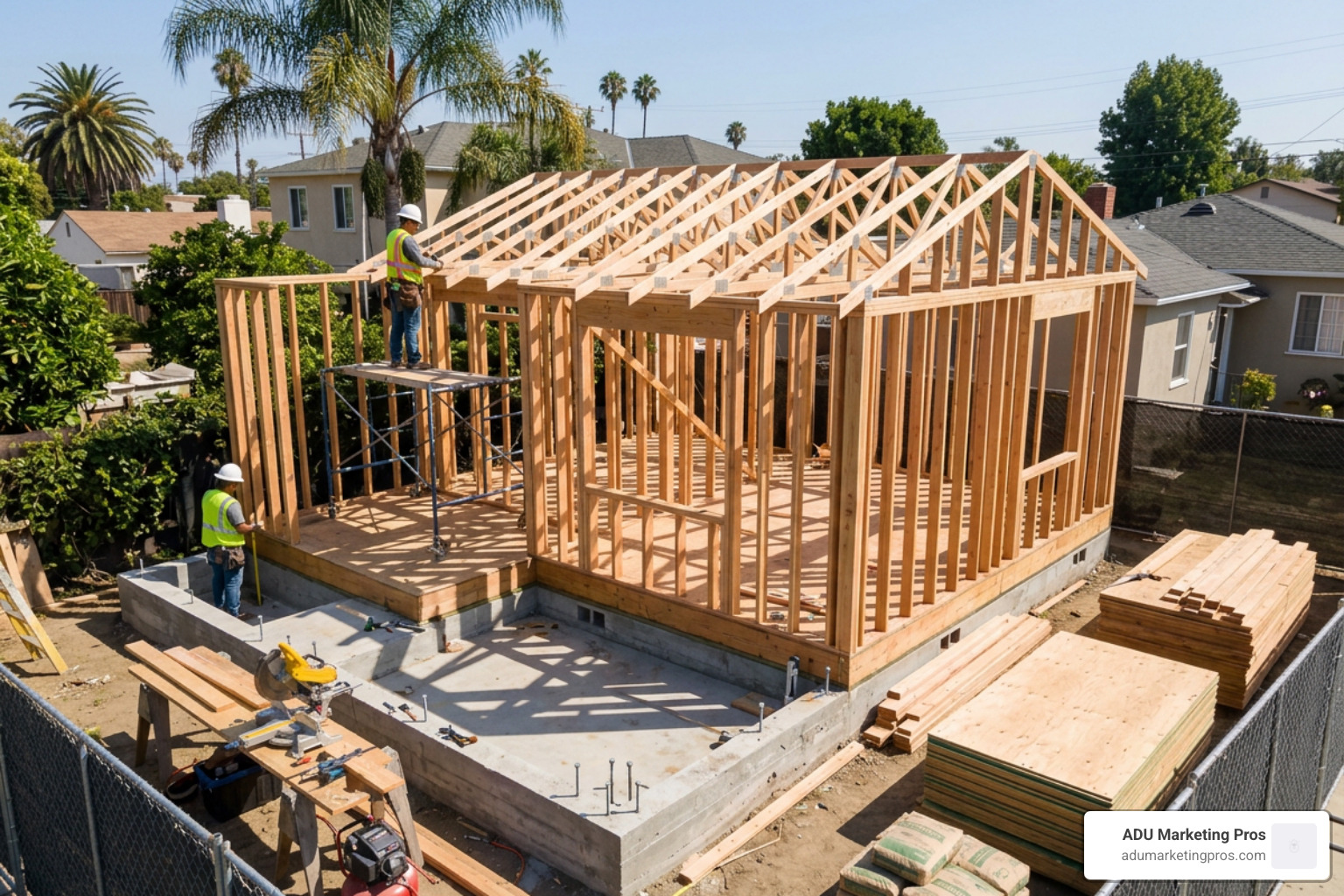
- Phase 3: Framing (Weeks 6-9): Raising the wood or light-gauge steel walls, installing roof trusses, and wrapping the building envelope.
- Phase 4: Rough-ins (Weeks 10-13): Running electrical wiring, plumbing pipes, and HVAC ductwork through the open studs. This phase concludes with a mandatory city “rough inspection.”
- Phase 5: Insulation & Drywall (Weeks 14-16): Installing thermal insulation and hanging, taping, and mudding the drywall.
- Phase 6: Interior Finishes & Fixtures (Weeks 17-22): Laying flooring, installing cabinets, mounting light fixtures, and painting.
- Phase 7: Final Inspection & Occupancy (Weeks 23-24): The city inspector conducts a final walkthrough to verify code compliance and issue your Certificate of Occupancy.
To ensure your build goes smoothly, it is highly recommended to study a Los Angeles Garage ADU Floor Plan to see how spaces are optimized.
To protect yourself financially throughout this timeline, always insist on a milestone-based payment schedule in your construction contract. Never pay large sums of money upfront. Instead, release payments only after specific, verifiable construction milestones have passed and been signed off by a city inspector.
Frequently Asked Questions About Los Angeles ADUs
What is the maximum size of an ADU in Los Angeles?
The absolute maximum size for a detached ADU in the City of Los Angeles is 1,200 square feet, regardless of the size of your primary home or lot. For attached ADUs, the maximum size is limited to 50% of the square footage of the primary home, though you are always guaranteed the right to build a unit of at least 800 square feet. Junior ADUs (JADUs) are capped at a maximum of 500 square feet. For a complete breakdown of these dimensional parameters, refer to our Los Angeles ADU Guidelines.
Do I need to provide parking for my ADU?
In the vast majority of cases, no. Under California state law and the local Los Angeles ADU Ordinance, you are exempt from providing any off-street parking for your ADU if your property meets any of the following criteria:
- It is located within one-half mile walking distance of public transit (including bus stops, light rail stations, or subway portals).
- It is located within an architecturally significant historic district.
- It is part of an existing primary residence or an existing accessory structure.
- On-street parking permits are required but not offered to the occupant of the ADU.
- A car-share vehicle station is located within one block of the property.
Can I build an ADU on a hillside or coastal property?
Yes, but the process is more complex. Hillside properties in Los Angeles are subject to the Baseline Hillside Ordinance, which mandates specialized structural engineering, strict grading limits, and compliance with Very High Fire Hazard Severity Zone (VHFHSZ) building codes (such as fire-resistant siding, dual-paned tempered glass windows, and indoor sprinkler systems).
Coastal properties located within the designated Coastal Zone require a Coastal Development Permit (CDP) or an official exemption from the California Coastal Commission. If you are exploring alternative, compact living structures for these unique lots, you can read more in our guide on Los Angeles Tiny Homes.
Conclusion
Building an accessory dwelling unit in Los Angeles is one of the most rewarding financial decisions you can make as a homeowner. Whether you want to generate reliable passive income, provide a private space for aging parents, or build a quiet home office, the right ADU adds immense value and flexibility to your property.
However, success depends on working with qualified, experienced professionals who understand how to navigate the complex regulatory and physical demands of Southern California construction.
At ADU Marketing Pros, we specialize in providing cutting-edge digital marketing solutions specifically tailored for ADU construction companies, design-build firms, and architectural practices. We help local building experts stand out in a highly competitive market, connect with high-intent homeowners, and grow their revenue through targeted SEO, pay-per-click advertising, and comprehensive brand-building strategies.
If you are an ADU professional looking to expand your reach and showcase your local expertise, Grow Your ADU Business with ADU Marketing Solutions today. Let us handle the marketing so you can focus on building the future of housing in Los Angeles.