
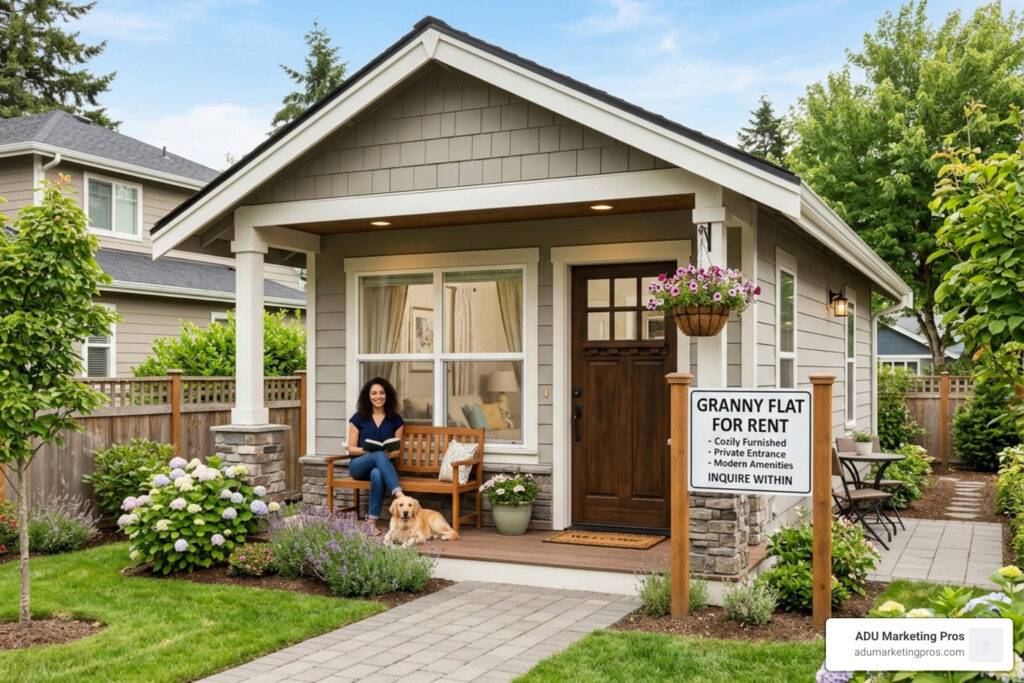
Why Finding the Right Granny Flat for Rent Is Harder Than It Looks
Finding a granny flat for rent has become a primary objective for thousands of renters across the United States and Australia. As the global housing crisis continues to squeeze traditional apartment markets, these compact, self-contained homes offer a unique middle ground: the privacy of a detached house without the astronomical price tag of a full-sized suburban home. However, the search is often more complex than browsing standard apartment complexes. Because these units are typically located on private residential lots, they are subject to a patchwork of local zoning laws, varying utility arrangements, and the personal preferences of individual homeowners.
Historically, these units were intended for aging family members, but the modern market has evolved. Today, a “granny flat” is just as likely to house a remote tech worker in San Jose, a graduate student in San Diego, or a young couple in Sydney. The terminology itself is shifting, with professional listings often using terms like Accessory Dwelling Units (ADUs), guesthouses, or carriage homes. Regardless of the name, the appeal remains the same: a self-contained living space that provides a sense of autonomy and community. This shift represents a broader movement toward “missing middle” housing—structures that bridge the gap between high-rise apartments and sprawling single-family estates.
Market Snapshot: What You Can Expect to Pay
To understand the current landscape, it is helpful to look at real-world data from active listings. The following table illustrates the diversity in pricing and amenities across different regions where granny flats are a popular housing solution. Note that prices fluctuate based on proximity to transit hubs and local employment centers.
| Location | Typical Rent | Size | Utilities Included? |
|---|---|---|---|
| Carlsbad, CA | ~$2,395–$2,495/mo | 1BR | Yes (some listings) |
| Fallbrook, CA | ~$1,600/mo | 1BR, 500 sq ft | Yes (all utilities) |
| Caringbah, NSW | ~$475/wk | 2BR | Shared laundry |
| Allambie Heights, NSW | ~$695/wk | 2BR/2BA | No |
| Willow Vale, QLD | ~$300/wk | 1BR | Yes (water + electricity) |
| Flat Bush, NZ | ~$550/wk | 2BR | Yes (water, power, WiFi) |
The Evolution of the Backyard Cottage
Granny flats typically range from 600 to 1,200 square feet, though some “Junior ADUs” (JADUs) can be as small as 250 square feet. Most modern units include a full kitchen, a bathroom, a dedicated living area, and at least one bedroom. The quality of these builds has skyrocketed in recent years. Gone are the days of drafty, converted sheds. Today’s rentals often feature high-end finishes like quartz countertops, stainless steel appliances, and energy-efficient HVAC systems. This evolution is driven by the realization that these units are long-term assets for homeowners, providing both rental income and increased property value.
The challenge for the modern renter lies in the details. Regulations vary wildly by location. Lease terms, pet rules, occupancy limits, and what’s included in rent differ from one listing to the next. What works in Western Australia may be completely different from what’s legal in California. For instance, in some jurisdictions, a homeowner can only rent out a granny flat if they live in the primary residence. In others, both units can be rented to separate parties. Understanding these nuances is the first step toward securing a stable and legal living arrangement.
This guide breaks down the complexities of the market, the legalities of the lease, and the lifestyle adjustments required for backyard living. Whether you’re a renter trying to find your next home or a homeowner trying to understand the market, you’ll know exactly what to look for.
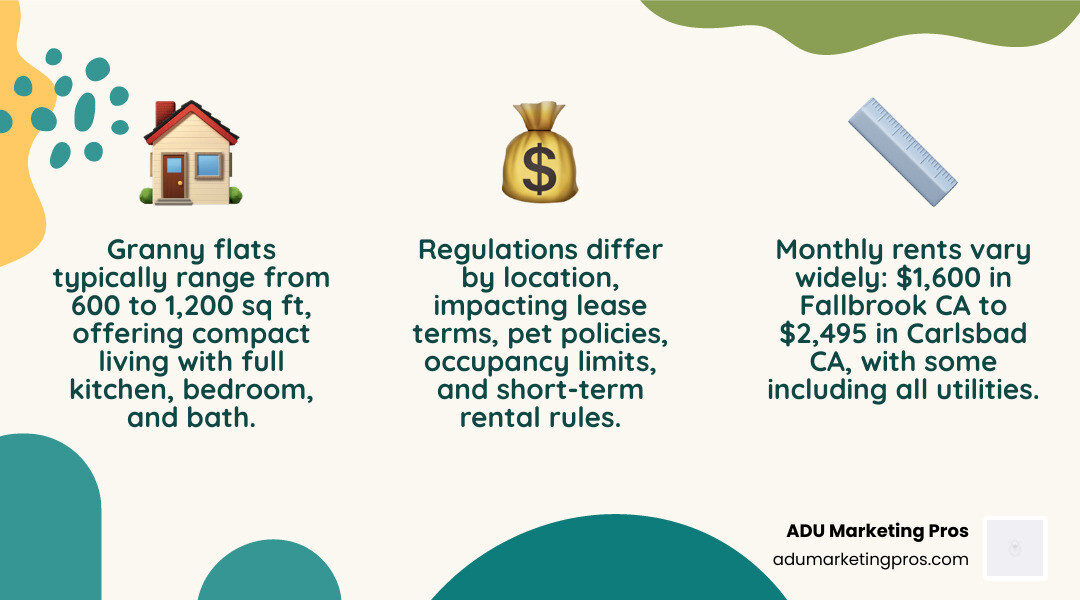
Quick Granny flat for rent definitions:
Understanding the Market for a Granny Flat for Rent
The market for a Granny flat for rent has shifted dramatically over the last decade. Historically, these units were built primarily for aging parents to live close to family while maintaining independence. Today, they are a cornerstone of the “tiny home” movement and a critical solution to the housing shortage in high-demand areas like the San Francisco Bay Area and San Diego. This shift has been driven by both economic necessity and a cultural move toward minimalist, sustainable living. As urban density increases, the backyard has become the new frontier for affordable, high-quality housing.
In many urban centers, the supply of traditional apartments has failed to keep pace with population growth. This has led to a surge in “infill housing,” where existing residential lots are utilized more efficiently. For a renter, this means the opportunity to live in a high-end residential neighborhood that might otherwise be unaffordable. Instead of a cramped unit in a massive complex, you get a standalone home in a quiet, tree-lined street. This provides a level of peace and quiet that is increasingly rare in modern cities, making granny flats highly desirable for professionals and retirees alike.
The Rise of Designer ADUs
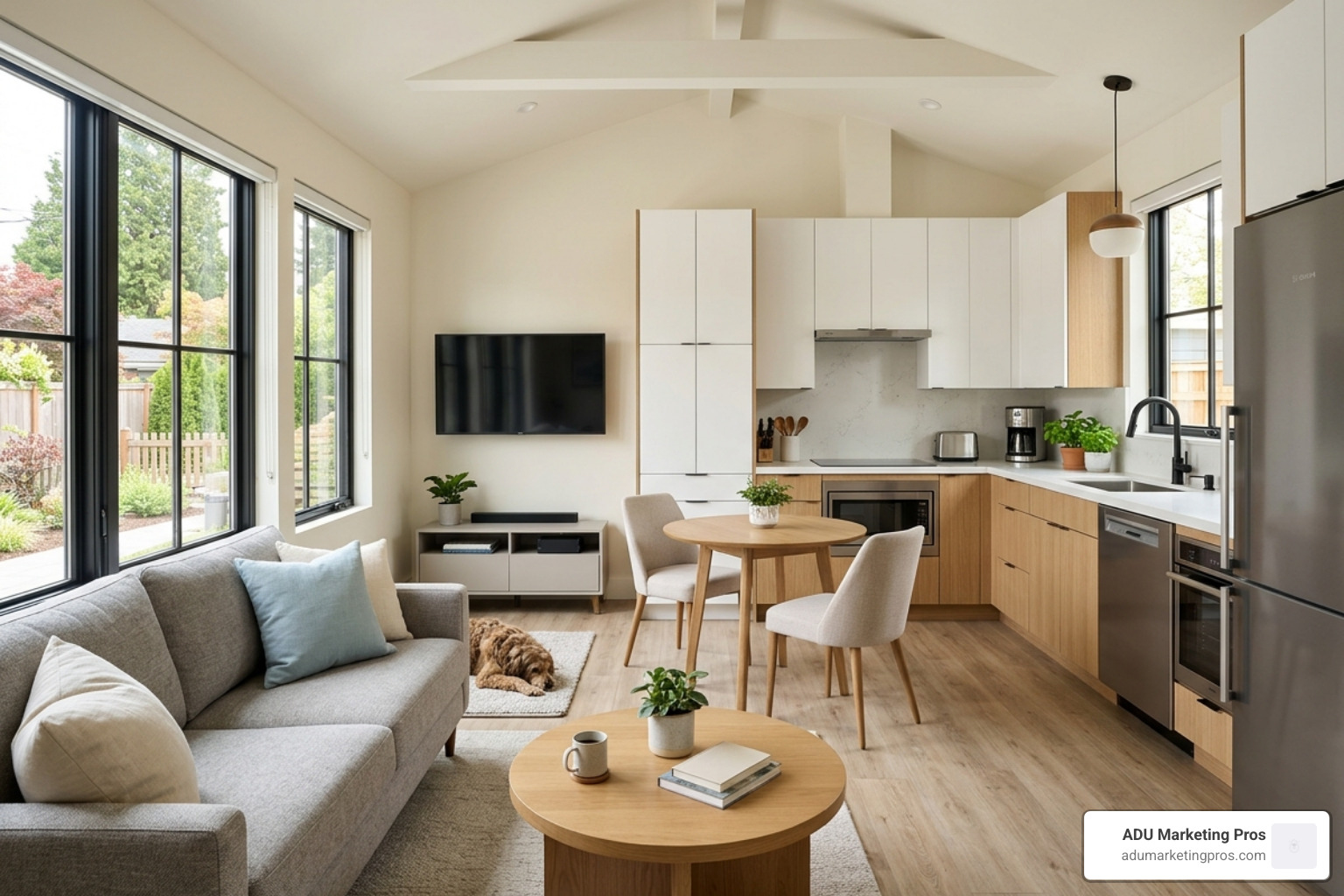
We are seeing a surge in creative Granny Flat Designs that prioritize modern aesthetics and space-saving functionality. Many of these units are no longer just converted garages; they are architecturally significant structures that add immense value to a property. For renters, this means access to high-end finishes, vaulted ceilings, and private outdoor spaces that you rarely find in a standard apartment complex. Architects are now specializing in “small-space living,” using clever storage solutions and large windows to make a 600-square-foot unit feel twice its size. These designs often incorporate sustainable materials and smart home technology, appealing to the eco-conscious modern renter.
The rise of Modern Prefab Granny Flats has also accelerated the supply. Because these units are built off-site in controlled factory environments and assembled quickly on-site, homeowners can transition from an empty backyard to a functional rental property in a fraction of the time traditional construction takes. This efficiency is helping to bring more units to the market faster, providing much-needed relief for renters. Prefabrication also ensures a higher level of quality control, as units are built to precise specifications in a weather-protected environment.
Typical Sizes and Layouts for a Granny Flat for Rent
When you start your search, you’ll find that “one size fits all” definitely does not apply here. The typical Prefab Granny Flat California ranges from 600 to 1,200 square feet, though some “Junior ADUs” can be as small as a 250-square-foot studio. Understanding these categories will help you filter your search effectively:
- Studio Units: Perfect for a single occupant or a minimalist lifestyle, these often feature a combined sleeping and living area with a kitchenette. They are the most affordable entry point into the granny flat market and are ideal for students or young professionals.
- 1-Bedroom Kits: These are the most common. A standard 1-bedroom unit in a place like Fallbrook might offer around 500-600 square feet of living space, often including a full kitchen, a dedicated laundry area, and a separate bedroom for better privacy. These units strike a perfect balance between affordability and comfort.
- 2-Bedroom Layouts: These are highly sought after by small families, roommates, or professionals needing a dedicated home office. For example, a 2-bedroom unit in Carlsbad might span 800 to 1,000 square feet, providing a feel similar to a small detached house, often with its own small yard or patio. These units are rare and tend to be leased very quickly.
How to Find a Quality Granny Flat for Rent Online
Finding a Granny flat for rent requires a bit more digging than finding a standard apartment. Because these are often managed by individual homeowners rather than large corporations, they appear on a variety of platforms that cater to independent landlords.
- Specialized Listings: Check san diego apartments / housing for rent “granny flat” – craigslist or the SF bay area apartments / housing for rent “granny unit” – craigslist for local, owner-managed gems. These platforms are often the first place a homeowner will post a new unit because they are free or low-cost.
- Major Portals: Sites like Zillow and Trulia often list these under “Guesthouses” or “Cottages.” You can find Apartments with a cottages For Rent in San Jose, CA by using specific keyword filters. Be sure to set alerts for these keywords so you can be the first to apply, as competition can be fierce.
- Direct Owner Listings: Platforms like Apartments.com for Sunnyvale allow you to bypass large property management companies and deal directly with the landlord living on the main property. This can lead to a more personalized rental experience and potentially more flexible lease terms.
Always be prepared for a thorough tenant screening. Landlords living on the same lot are often more selective about who they rent to, as you will be sharing the same property. They may ask for more references than a standard apartment complex and will likely want to meet you in person before signing a lease to ensure a good personality fit.
The Financials: Costs, Utilities, and Amenities
The cost of renting a granny flat is influenced by location, size, and what’s included in the “all-in” price. In California, you might find that while the base rent seems high, the inclusion of utilities makes it more affordable than a traditional 1-bedroom apartment where you would be responsible for separate water, trash, and electricity bills. This “bundled” approach is a hallmark of the granny flat market, offering simplicity for both parties.
Comparative Pricing and Budgeting
When comparing units, it is essential to look at the total cost of occupancy, not just the monthly rent. A unit that is $200 more expensive but includes high-speed internet and electricity might actually be the better deal. Furthermore, consider the savings on commuting if the unit is located in a walkable residential neighborhood closer to your workplace.
| Feature | Carlsbad Rental Example | Fallbrook Rental Example |
|---|---|---|
| Monthly Rent | $2,395 – $2,495 | $1,600 |
| Deposit | ~$2,495 | $1,600 |
| Credit Score | 650+ Required | Credit check fee applies |
| Income Req. | 3x Monthly Rent | Varies by owner |
One of the best examples of a premium rental is a Granny Flat With All Utilities Included! Apartments Carlsbad, CA, where the owner covers everything from water to WiFi. This simplifies budgeting for the tenant and ensures the landlord maintains control over utility usage, which is often shared across a single meter for the entire property. It also eliminates the need for the tenant to pay multiple utility connection fees.
Included Utilities and Shared Expenses
Unlike traditional apartments where you set up your own accounts with utility companies, many granny flat rentals bundle these costs. This is often a matter of practicality; many older ADUs were not built with separate meters. A notable listing at 3124 Cherrypoint Ct, Fallbrook included not just electricity and water, but also high-speed internet, TV, gardening services, and even pest control. This level of inclusion is common in more rural or suburban settings where the landlord wants to ensure the property is meticulously maintained.
However, you should always clarify the following points before signing a lease:
- Laundry: Is there an internal laundry, or is it a shared facility with the main house? If it is shared, what are the designated hours of use? Some landlords provide a high-end washer/dryer inside the unit, which is a major selling point.
- Climate Control: Does the unit have its own central HVAC, or is it tied to the main house’s system? If it is tied to the main house, you may not have control over the temperature in your own unit, which can be a significant comfort issue.
- Parking: Are you limited to street parking, or is there a dedicated spot on the driveway? In many California cities, parking is at a premium, and having a dedicated spot can be a major advantage that saves time and stress daily.
- Trash and Recycling: How is waste managed? You will likely be sharing the same bins as the main house, so it is important to know the pickup schedule and any sorting requirements to maintain a good relationship with your landlord.
The “Hidden” Costs of Backyard Living
While the rent might be inclusive, there are other financial considerations. For example, because you are living on someone else’s property, you may need to carry a specific type of renter’s insurance that covers your belongings in an ADU. Some standard policies may have exclusions for secondary structures, so it is vital to check with your agent. Additionally, if the unit is not separately metered, the landlord might include a “reasonable use” clause in the lease. This means if your electricity usage spikes significantly (for example, if you run a space heater 24/7 or install a high-powered gaming rig), you could be billed for the overage. Always ask for a clear definition of what constitutes “reasonable use” to avoid surprises at the end of the month.
Navigating Legal Requirements and Local Regulations
For a Granny flat for rent to be legal, it must comply with strict local and state laws. This is perhaps the most critical aspect of your search. Renting an illegal unit can lead to sudden eviction if the city discovers the non-compliant structure, often leaving the tenant with very little recourse. In California, recent legislation like SB 9 and SB 10 has made it significantly easier to build these units, but they still must meet rigorous safety, fire, and energy standards. These laws were designed to alleviate the housing crisis by unlocking the potential of single-family lots.
According to the California Department of Housing and Community Development (HCD), ADUs are a vital tool for increasing housing supply. The HCD provides comprehensive handbooks that outline the rights of both homeowners and tenants regarding these units. One of the most important takeaways from state law is that cities generally cannot prohibit ADUs, but they can regulate their size, height, and setbacks. This state-level oversight has stripped away much of the “NIMBY” (Not In My Backyard) resistance that previously stalled ADU development.
Energy Standards and Title 24
One critical regulation in California is Title 24, which requires new construction to meet energy-neutral guidelines. This often means the unit must have solar panels or be built with high-efficiency insulation and windows. If you are looking at Modular Granny Flats California, these are typically built to meet these standards in a factory setting, ensuring they are fully “up to code” before they even arrive on the lot. For a renter, a Title 24-compliant unit means lower energy bills and a more comfortable living environment year-round, as the unit will stay cooler in the summer and warmer in the winter without excessive HVAC use.
Regional Differences in Renting a Granny Flat for Rent
Regulations vary significantly by geography. In our local California markets (Los Angeles to the SF Bay Area), the focus is on ADU compliance and occupancy limits. For example, a rental in Carlsbad might strictly limit occupancy to one person if all utilities are included in the price, whereas a unit in a more rural area like Fallbrook might be more flexible. These local rules are often tied to the capacity of local infrastructure, such as sewer systems and street parking availability.
Specific cities have their own quirks. For instance, a Granny Flat San Francisco might have different height restrictions or parking requirements than a unit in San Jose or Palo Alto. In some areas, the “Owner Occupancy” rule applies, meaning the owner must live in one of the units on the property. This is a safeguard intended to prevent large corporations from buying up residential lots and turning them into multi-unit rental properties, thereby preserving the character of the neighborhood.
While research mentions international locations like NSW or WA, we focus on the California landscape where we operate. In cities like Mountain View or Menlo Park, zoning laws often dictate whether a unit can be rented out long-term or if it’s restricted to family members. Always ask the landlord to see the “Certificate of Occupancy” to ensure the unit is a legal rental. This document proves the unit has passed all necessary inspections, including electrical, plumbing, and fire safety, and is safe for habitation. If a landlord cannot or will not provide this, it is a major red flag.
The Importance of a Formal Lease
Because granny flat rentals are often informal arrangements between neighbors, some landlords may suggest a “handshake deal.” Avoid this at all costs. A formal, written lease is your only protection in the event of a dispute. The lease should clearly outline the rent amount, the duration of the tenancy, the notice period for termination, and the specific rules regarding the use of shared spaces. It should also reference the legal status of the ADU to ensure you are protected by state tenant-landlord laws, such as those outlined by the U.S. Department of Housing and Urban Development (HUD). A professional lease protects both parties and sets clear expectations from day one.
Advantages and Disadvantages of Granny Flat Living
Renting a granny flat is a unique experience that differs significantly from living in a large apartment complex. It offers a lifestyle that is more akin to homeownership, but it comes with its own set of social and practical challenges. For many, the trade-offs are well worth the benefits of living in a standalone structure.
The Pros:
- Privacy: Most units are detached, meaning no neighbors above or below you. You won’t have to worry about someone stomping on your ceiling at 2 AM or the smell of a neighbor’s cooking wafting through shared vents. This level of acoustic privacy is one of the most cited reasons for choosing an ADU.
- Modern Amenities: Because many granny flats are recent additions to properties, they often feature the latest in home technology and design. You are more likely to find quartz countertops, smart thermostats, and high-efficiency appliances than in an older apartment building. Many also include in-unit laundry, which is a luxury in the small-rental market.
- Outdoor Space: You often get a private patio or access to a yard, which is rare for small apartments. This is a major draw for those with a “green thumb” or anyone who enjoys drinking their morning coffee outdoors. Some units even come with a small garden bed for growing vegetables.
- Community and Safety: Living in a quiet residential neighborhood like Fallbrook offers a more peaceful lifestyle. These neighborhoods often have lower crime rates and a stronger sense of community than high-density urban areas. You are living among homeowners who take pride in their property.
The Cons:
- Proximity to Landlord: The person you pay rent to often lives just a few yards away. This requires a high level of mutual respect for privacy. If you are someone who values total anonymity, living in a backyard might feel a bit too close for comfort. You may run into your landlord while taking out the trash or checking the mail.
- Parking Constraints: You may be limited to street parking or a single shared driveway spot. This can be a hassle if you have multiple vehicles or frequently host guests. Some neighborhoods have strict overnight parking permits that can add to the cost and complexity.
- Limited Space: Even the largest units are rarely more than 1,200 square feet. This requires a commitment to decluttering and may not be suitable for those with a lot of large furniture or extensive belongings. You will need to become an expert in vertical storage and minimalist living.
- Social Dynamics: You are essentially a guest on someone else’s primary property. This means you may need to adhere to certain “house rules” regarding noise, guests, or even the types of plants you can have on your patio. Clear communication is essential to avoid friction.
Tenant Qualifications and Typical Restrictions
Because these units are on private property, landlords can be quite specific about their requirements. They aren’t just looking for a tenant; they are looking for a neighbor. Typical qualifications include:
- Credit Score: A score of 650 or higher is standard. Landlords want to see a history of financial responsibility and timely payments.
- Income: Gross monthly income should be at least 3x the monthly rent. This ensures you can comfortably afford the rent along with your other living expenses, including the “hidden” costs mentioned earlier.
- Lease Term: Most landlords prefer a minimum 12-month lease. They are looking for stability and don’t want to go through the process of finding and vetting a new tenant every few months.
- Occupancy: Many smaller units (studios/1BRs) are strictly limited to one or two occupants. This is often due to the capacity of the unit’s plumbing or electrical systems, or simply the landlord’s preference for a quiet, low-impact environment.
The Social Contract of Backyard Living
Successful granny flat living relies on a “social contract” between the landlord and the tenant. This involves clear communication and a shared understanding of boundaries. For example, the landlord should provide 24 hours’ notice before entering your private space, and you should be mindful of noise levels that might disturb the main house. When this relationship works well, it can be one of the most rewarding housing arrangements available, providing a sense of security and belonging that is often missing from modern urban life. Many tenants and landlords even become friends, sharing the occasional backyard BBQ or helping each other with small tasks.
Frequently Asked Questions about Granny Flat Rentals
As the popularity of the granny flat for rent continues to grow, so do the questions from prospective tenants. Here are some of the most common inquiries we receive regarding these unique living spaces.
Are pets usually allowed in granny flats?
It depends entirely on the landlord. While some listings explicitly state “no pets,” others are more flexible, especially for small dogs or indoor cats. Because the landlord often lives on-site and may have their own pets, they are often concerned about how animals will interact in shared outdoor spaces. In California, landlords must follow CA Civil Code 54.2 regarding service and support animals. Always check the specific pet policy of the listing and be prepared to pay an additional pet deposit. Being upfront about your pet’s temperament can go a long way in building trust.
Do granny flat rentals include all utilities?
Many do! Including utilities is a common practice for a Granny flat for rent because it avoids the cost and hassle of installing separate meters for water, gas, and electricity. This is a significant benefit for renters as it simplifies monthly budgeting. However, “reasonable usage” clauses are common to prevent excessive electricity or water consumption. If you work from home and use a lot of power, or if you have a hobby that requires significant water use, be sure to discuss this with the landlord upfront to avoid billing disputes later.
Can I rent a granny flat on a short-term basis?
Short-term rentals (like those found on Airbnb) are subject to strict local ordinances. In many California cities, you cannot rent out an ADU for less than 30 days unless the homeowner has a specific short-term rental permit. Some cities have banned short-term rentals in ADUs altogether to ensure these units contribute to the long-term housing supply. Always verify local laws to avoid fines or the risk of a sudden eviction. Most landlords in this space are looking for long-term stability rather than the high turnover of vacation rentals.
Is it possible to run a business from a granny flat?
This depends on local zoning laws and the terms of your lease. Most residential leases allow for “home office” use, but if your business involves clients visiting the property or significant deliveries, it may violate local “home occupation” ordinances. Additionally, the landlord may have concerns about increased traffic or noise. It is always best to be transparent about your intentions before signing a lease to ensure your business activities don’t cause a nuisance.
What happens if the main house is sold?
If the primary residence is sold, your lease typically remains in effect. The new owner becomes your new landlord and must honor the terms of the existing lease until it expires. However, once the lease term ends, the new owner may choose not to renew it or may wish to move into the granny flat themselves. This is a risk inherent in any rental, but it can feel more personal when the property is a single-family home. It is always a good idea to maintain a positive relationship with the real estate agent if the house goes on the market.
Are granny flats safe during emergencies?
Legal granny flats must meet the same building and fire safety codes as any other home. This includes having proper egress (exits), smoke detectors, and carbon monoxide alarms. In California, they must also meet seismic safety standards. If you are looking at a unit and it doesn’t appear to have these basic safety features, it may be an illegal conversion, and you should proceed with extreme caution. Your safety should always be the top priority.
Conclusion
Renting a granny flat offers a unique blend of privacy, modern living, and community. It is a housing solution that addresses the needs of a changing world, providing high-quality, affordable options in neighborhoods that were once out of reach for many. Whether you are looking for a sleek, energy-efficient studio in San Jose or a spacious 2-bedroom cottage in Carlsbad, understanding the financials, legalities, and social dynamics is key to a successful tenancy. This housing model is not just a trend; it is a fundamental shift in how we view residential land use and urban density.
The search for a granny flat for rent may require more effort than a traditional apartment hunt, but the rewards—a standalone home, a private yard, and a quiet neighborhood—are well worth the investment. As you navigate the market, remember to prioritize legal, permitted units and to establish a clear, written agreement with your landlord. This ensures that your backyard living experience is as peaceful and secure as possible, allowing you to enjoy the benefits of a detached home at a fraction of the cost.
At ADU Marketing Pros, we specialize in helping ADU construction and architecture firms reach the right audience. While we don’t manage rentals directly, we are the experts in the industry that brings these homes to life. We understand the nuances of the market, from the latest Modern Prefab Granny Flats to the complex regulatory environment that governs their construction. If you are a professional in the ADU space looking to grow your revenue and stand out in a competitive market, we provide the specialized digital marketing solutions you need to succeed.
From custom architectural designs to the rise of modular housing, the future of the residential landscape is being built in the backyard. As more homeowners realize the value of their underutilized land, the supply of these charming, functional homes will only continue to grow. This evolution toward sustainable urbanism benefits everyone—renters, homeowners, and the community at large. Happy hunting, and may you find the perfect backyard retreat to call home!