
What Are Incredible Tiny Homes — and Are They Worth It?
If you’ve been researching incredible tiny homes, here’s what you need to know right now:
| Model | Size | Starting Price |
|---|---|---|
| Dalton | 128–224 sq ft | $29,900–$44,900 |
| Detroit | 320 sq ft | $88,900 |
| Mini-Ace (10×30) | 300 sq ft | $69,900 |
| Charleston | 300 sq ft | $84,900–$99,900 |
| Birmingham | 340 sq ft | $104,900–$129,900 |
| Amanda | 400 sq ft | $134,900–$164,900 |
| Black Ace | 560 sq ft | $139,900 |
Incredible Tiny Homes (ITH) is a Newport, Tennessee-based builder offering factory-built tiny homes starting under $30,000. They also operate seven planned communities where buyers can lease lots for long-term placement.
The tiny home movement has shifted from a niche lifestyle experiment to a genuine housing alternative — and it’s easy to see why. With traditional home prices pushing many buyers out of the market, compact, purpose-built structures are filling a real gap.
But not all tiny homes are equal. Some are thoughtfully designed and delivered on time. Others come with complicated fine print, regulatory grey areas, and very unhappy residents.
This guide covers the full picture — the models, the pricing, the communities, and the controversies — so you can make a smart decision before signing anything.
Incredible tiny homes terminology:
The Rise of Incredible Tiny Homes: Mission and Background
To understand the appeal of incredible tiny homes, we have to look at how the company positioned itself in the broader market. Founded by Randy Jones and based in Newport, Tennessee, the business set out with a clear, disruptive mission: to make homeownership accessible to almost anyone by offering incredibly low-cost housing.
For years, the company captured the attention of budget-conscious buyers across the country, building a reputation for offering some of the lowest entry-level prices in the industry. They claimed to have built, renovated, and repaired more than 1,300 homes locally and worldwide since their inception. Their marketing struck a chord with retirees, minimalist young professionals, and those displaced by skyrocketing traditional real estate markets.
However, as we look at the landscape in July 2026, the reality of buying from a builder thousands of miles away can be complicated, especially for those of us living in high-demand, highly regulated California markets. For local buyers in Los Angeles, San Diego, or the San Francisco Bay Area, purchasing a tiny home requires a deep understanding of transport logistics, local zoning laws, and building standards. If you are starting your research from scratch, our Tiny Homes for Sale Complete Guide is an excellent place to understand the foundational landscape of small-space living.
Exploring the Models of Incredible Tiny Homes
When browsing the lineup at Incredible Tiny Homes, Where dreams come true, the sheer variety of options can feel overwhelming. They offer structures ranging from ultra-compact bumper-pull designs to massive double-loft models. Let’s break down the primary models they currently offer:
The Dalton
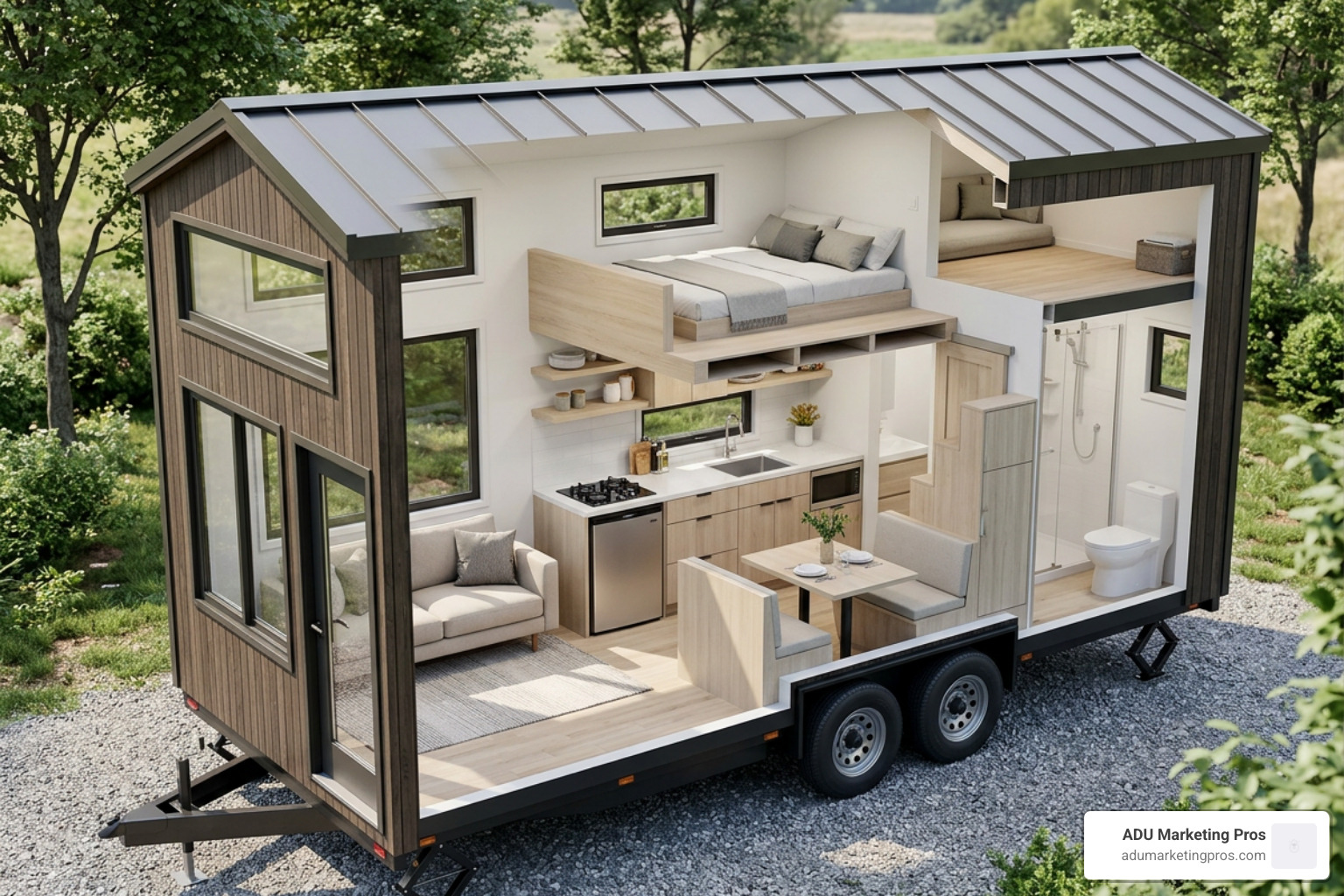
Designed for ultimate affordability, the Dalton is a bumper-pull model that ranges from 128 to 224 square feet. Starting at $29,900 and topping out at $44,900, it features a simple, open layout, a compact kitchen counter, and a wet bath. It is best suited for single occupants or those looking for a temporary guest house.
The Detroit
At 320 square feet, the Detroit model offers a step up in livability. Priced at $88,900, it maximizes vertical space with a functional loft area, a more spacious kitchen configuration, and dedicated space for standard appliances.
The Mini-Ace
The Mini-Ace represents a mid-tier sweet spot. The 10×30 version provides 300 square feet of living space for $69,900. It focuses on a clean, modern aesthetic with a single-level layout that appeals to older buyers who want to avoid climbing stairs to a loft.
The Charleston
Measuring 10′ x 30′ (300 square feet), The Charleston – Incredible Tiny Homes is one of the company’s most popular offerings. It accommodates 4 to 5 occupants depending on the layout. It is available in two distinct floor plans:
- The Original Floor Plan: Features a traditional loft setup with stairs and a 32-inch shower stall.
- The Bachelor Floor Plan: Designed for single-level living with an added closet, no stairs, and a larger 36-inch shower stall.
The price ranges from $84,900 for the All-Wood version to $99,900 for the LP Siding model.
The Lexington
Measuring 10′ x 24′ (240 square feet), The Lexington – Incredible Tiny Homes is a cozy farmhouse-inspired model designed for 2 to 4 occupants. Standard amenities include a 19-gallon electric water heater, a 36-inch shower, and a 9,000 BTU mini-split HVAC system for year-round climate control. The All-Wood version starts at $74,900, while the LP Siding version is priced at $79,900.
The Birmingham & The Amanda
These represent the upper echelon of the company’s standard lineup. The Birmingham (340 square feet) ranges from $104,900 to $129,900, while the massive Amanda model (400 square feet) ranges from $134,900 to $164,900. Both models offer multi-bedroom configurations, high ceilings, and premium interior finishes.
Customizing Your Incredible Tiny Homes Model
One of the key decision points when ordering a home is choosing between the LP Siding and All-Wood exterior packages. This choice impacts both the price and the overall aesthetic:
- LP Siding Models: These models feature painted exterior siding and a more modern, finished interior. The walls are typically painted white with natural wood trim accents, giving the home a bright, airy, contemporary feel.
- All-Wood Models: These models feature a rustic, fully wood-clad exterior and interior. It feels much more like a traditional log cabin.
Customization is highly structured. The company offers pre-determined color packages for the siding, metal roof, trim, and flooring.
Crucial Warning: Once you select a color package at the time of your order, it cannot be changed, and you cannot mix or match colors across different packages.
For California buyers in Sunnyvale, Menlo Park, or Mountain View, selecting durable, fire-resistant exterior materials is incredibly important due to local wildland-urban interface (WUI) building codes. Before committing to a specific siding type, make sure it meets the strict safety standards of your municipality.
How to Buy Incredible Tiny Homes: A Step-by-Step Guide
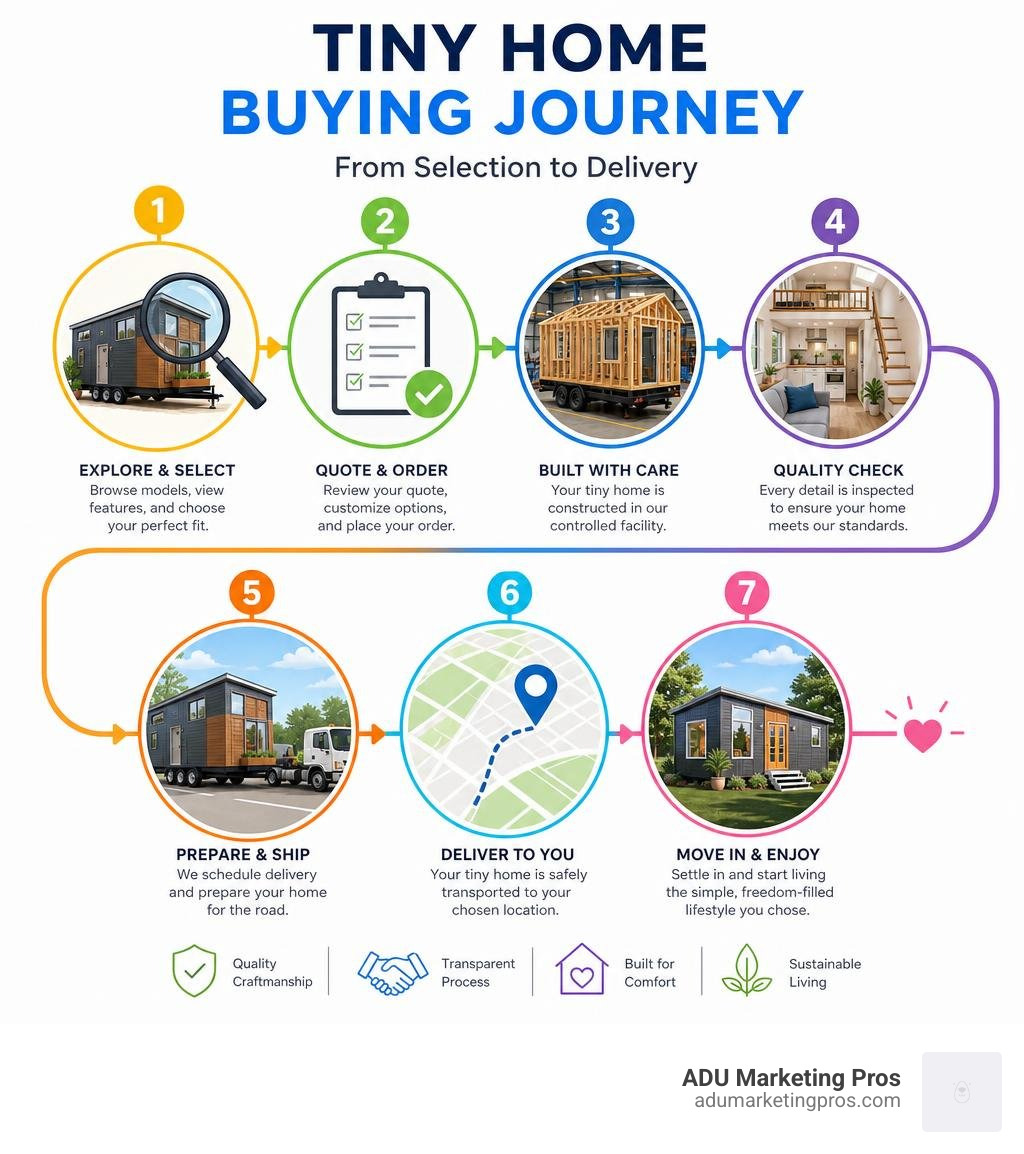
If you decide to move forward with a purchase, the company outlines a specific step-by-step process.
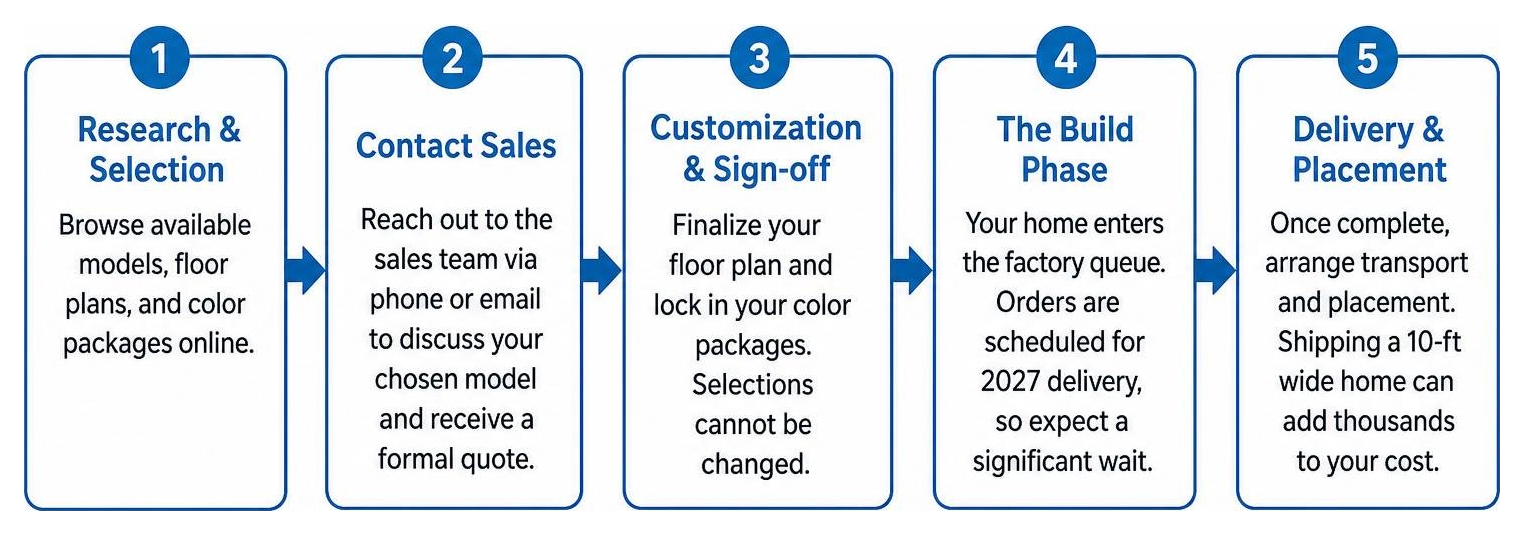
- Research & Selection: Browse the available models, floor plans, and color packages online.
- Contact Sales: Reach out directly to their sales team via phone or email to discuss your chosen model and receive a formal quote.
- Customization & Sign-off: Finalize your floor plan (such as choosing between the Original or Bachelor layout on the Charleston) and lock in your color packages.
- The Build Phase: The home is placed into the factory queue. Because the company is currently taking orders for 2027 delivery, prepare for a significant wait time.
- Delivery & Placement: Once completed, you must arrange transport. While they recommend third-party carriers, the logistics of shipping a 10-foot-wide park model from Tennessee to California (Los Angeles, San Diego, etc.) can add thousands of dollars to your final cost.
Fraud Prevention Best Practice: To protect yourself from online scams, the builder explicitly warns customers to verify all financial transactions directly with their main office. Never conduct business or send payments through social media platforms.
If you are looking for local options that don’t require cross-country shipping, check out our Tiny Homes for Sale Near Me Guide to find regional builders closer to home.
Community Living and Long-Term Leases
For many buyers, the hardest part of going tiny isn’t buying the home—it’s finding a place to legally park it. To address this, the company developed several tiny home communities in Tennessee, including Falls Creek, The Grove, Buffalo Creek, The Prairie, The Beach, The Mountain, and The Forest.
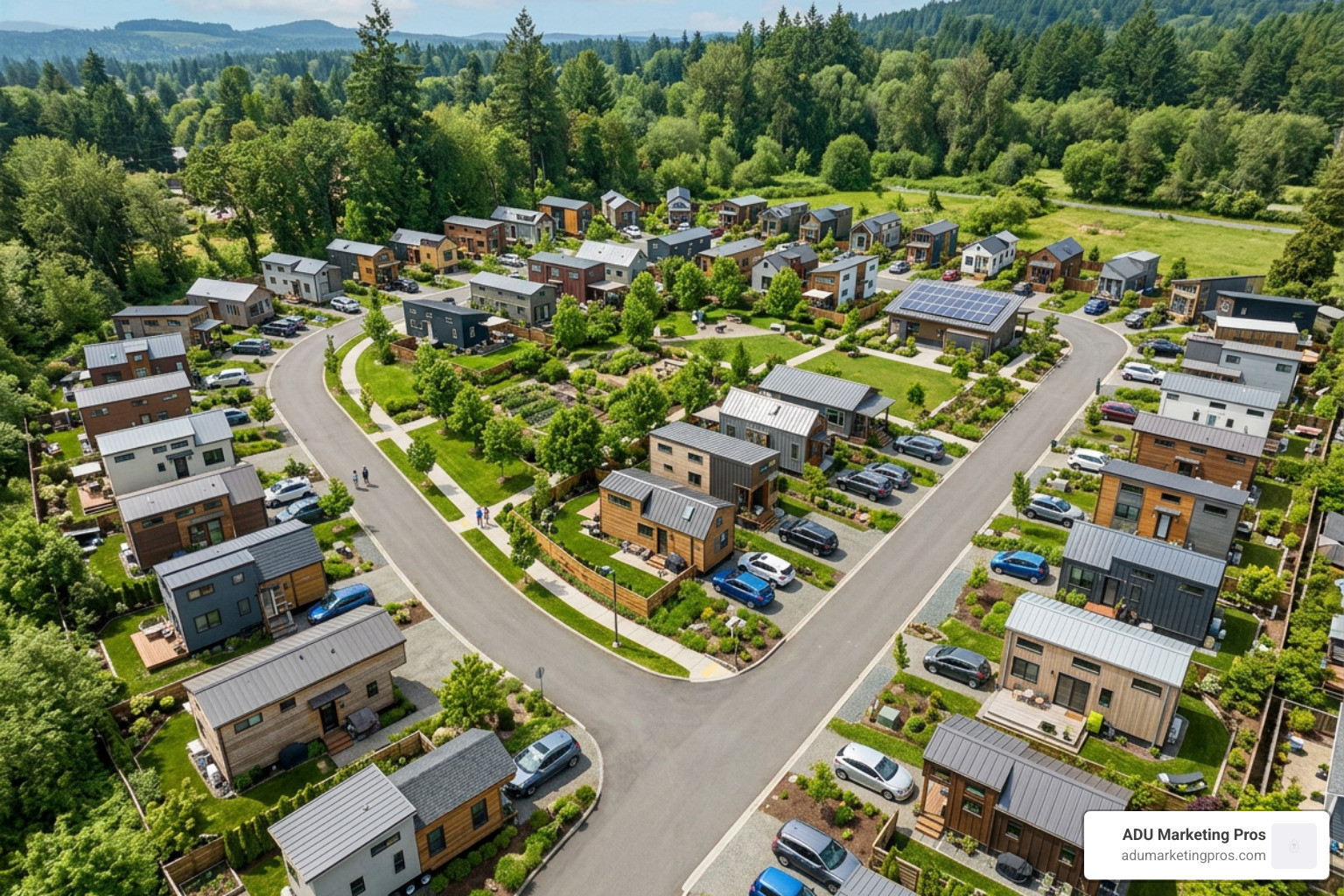
They offer a unique “100-year lease” program. Instead of buying a lot, residents pay an upfront fee (ranging from $20,000 to $40,000) to secure a long-term lease with fixed lot rent.
While this sounds like an incredibly stable arrangement, it has come with significant caveats. For instance, reviews of The Grove area highlight that promised infrastructure, such as reliable internet connection, often fails to work as advertised. Furthermore, because these are lease agreements rather than land ownership, residents are subject to community rules and have faced non-renewal of leases if disputes arise with management.
If you are located in the San Francisco Bay Area or San Jose, you might want to look closer to home. California is leading the way in legalizing tiny homes on wheels as accessory dwelling units (ADUs). You can explore local community options in our guide to Tiny House Communities in California.
Regulatory Challenges, Controversies, and Resident Concerns
While the promise of affordable, community-focused tiny living is beautiful, the actual execution has faced severe regulatory hurdles and legal controversies.
In Cocke County, Tennessee, local planning commissions and commissioners have expressed deep outrage over how these developments have been managed. Public records reveal that the builder has repeatedly failed to secure approved site plans before moving residents onto properties. In fact, county officials noted that the company had never had a formal site plan approved by the Cocke County planning commission for its developments.
This lack of regulatory compliance has led to serious quality-of-life issues for residents:
- Utility Connections: Local utility companies cannot legally connect permanent electricity or water to homes in developments that lack approved site plans. As a result, some residents have had to rely on noisy generators or solar panels just to get basic power.
- Septic and Sewer Failures: Because developments were built without proper approvals, some areas lacked legal septic systems. Reports surfaced of off-grid septic setups utilizing unapproved 55-gallon barrels and storage tanks, leading to hazardous sanitary conditions. In one extreme case, an outspoken resident was evicted after complaining about having to use kitty litter bags due to the lack of a functioning toilet.
- Delayed Deliveries: Many buyers have faced extreme delivery delays, waiting years for their homes to be constructed. Tragically, some elderly buyers reportedly passed away before ever taking delivery of their completed homes.
For those of us in California, these issues highlight why working with certified, local builders who understand strict municipal codes is so critical. California cities like Palo Alto and San Jose have incredibly strict building, safety, and septic regulations. To understand how California regulates these structures safely, read our comprehensive Tiny House Movement California Guide.
Future Outlook: The Black Ace and Beyond
Despite these intense regulatory battles, the company is looking toward the future. They are currently taking orders for 2027 and have teased several new projects.
Their most anticipated new model is the Black Ace. Positioned as a luxury evolution of their standard Ace model, the Black Ace is a metal-clad, high-end tiny home. It targets a price point under $150,000 (specifically starting around $139,900) for a massive 560 square feet of living space.
They are also working on their seventh tiny home community, located in Dunlap, Tennessee. However, whether they can successfully navigate the zoning laws and utility requirements of new municipalities remains to be seen.
For buyers who want the luxury and space of a model like the Black Ace but want to ensure 100% compliance with local building codes, working with a California-certified builder is often the safer, faster route. If you are looking to build a high-quality, fully permitted small home in San Jose, Los Angeles, or San Diego, we highly recommend consulting our directory of Tiny House Builders California.
Frequently Asked Questions About Tiny Living
What is the difference between LP Siding and All-Wood models?
LP Siding models use engineered wood siding on the exterior, which is highly durable and painted. The interior of these models features clean, white-painted sheetrock or paneling with natural wood accents. All-Wood models feature rustic, natural wood siding on both the exterior and interior, offering a traditional “cabin” aesthetic. LP Siding models generally cost about $5,000 to $15,000 more than their All-Wood counterparts.
How does Incredible Tiny Homes compare to other builders?
While ITH focuses heavily on high-volume, ultra-low-cost housing, other builders prioritize premium, highly engineered designs. For comparison, the Smidge model from Teacup Tiny Homes starts at approximately $116,000 for 368 square feet of space. The Smidge features high-end multi-functional furniture, a Murphy bed with an integrated folding desk, and an incinerating toilet. You can read more about this premium model in the article on This 368 Sq Ft Tiny Home Has a Murphy Bed, Incinerating Toilet, and More Clever Storage Than Most Apartments – Yanko Design.
Can I live off-grid in these tiny homes?
Yes, but it requires careful planning and aftermarket additions. While standard models come equipped with traditional RV-style hookups, they can be retrofitted with solar panels and composting toilets. For inspiration on handcrafted, off-grid structures, look at how a Scottish Youtube couple built The Paddock tiny house by hand. Their 27-square-meter (290 sq ft) cabin runs entirely on four roof-mounted solar panels and a 725-liter water storage system.
Conclusion
The dream of owning an incredible tiny home is highly appealing, especially in a housing market as expensive as California’s. However, as the regulatory challenges in Tennessee demonstrate, buying a cheap tiny home is only half the battle—ensuring it is legal, safe, and properly connected to utilities is where the real work begins.
If you are living in Los Angeles, San Diego, San Jose, or the San Francisco Bay Area, navigating local ADU and tiny home laws is essential to avoid costly legal headaches.
At ADU Marketing Pros, we specialize in connecting homeowners with highly qualified, fully compliant ADU builders and architects who understand how to build beautiful, legal, and hassle-free small homes right here in California. Ready to start your building journey the right way? Explore our trusted network of Tiny House Builders California today!